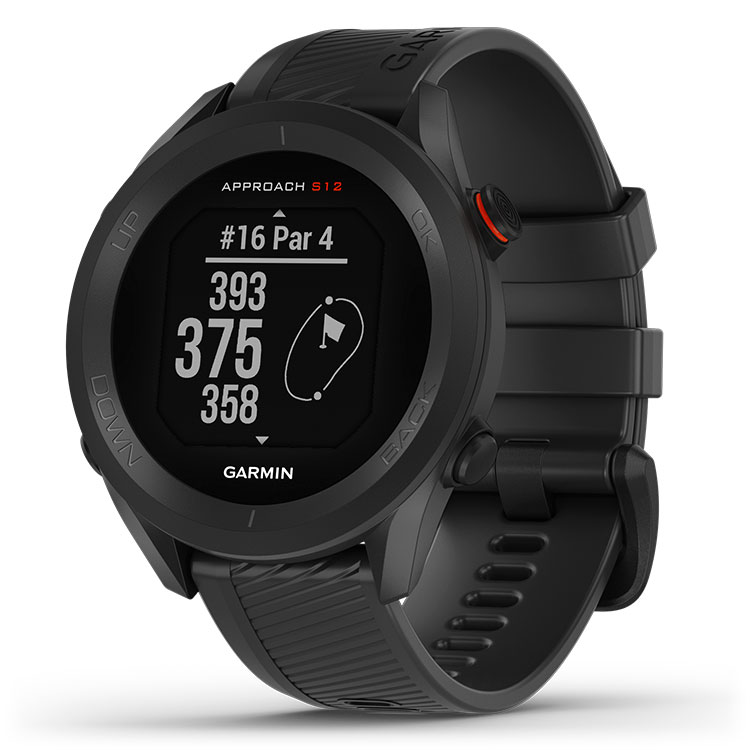
Garmin's entry-level golf GPS watch, built for the bloke who just wants accurate yardages on his wrist without dropping a small fortune or fiddling with a rangefinder.
The New Golfer's Starter Kit
What I'd buy a mate new to golf.
The kit I'd point any new golfer towards first. A simple GPS watch to take the guesswork out of distances, a value ball that won't sting when you lose three, the alignment and putting aids that build real fundamentals, plus the gloves, tees and accessories that cover etiquette from day one.
The guiding principle here is to spend on the things that help while you learn and skip the things that don't. Premium clubs and tour balls are wasted money when you're still losing three a round and your swing is changing weekly — so this shelf puts your budget into fundamentals (alignment sticks, a putting trainer), comfort (a glove and shoes you'll actually wear) and the distance info that takes guesswork off your plate. Those are the buys that build a repeatable setup and stop bad habits forming, which is where new golfers lose the most shots.
It's a confidence-building setup that grows with your game, with not a single overpriced gimmick in sight. Once your swing settles and you know your preferences, that's the moment to upgrade clubs and the ball — not before.
ifrothgolf earns a commission on purchases made through these links, at no extra cost to you. It never changes what I recommend. Full disclosure.
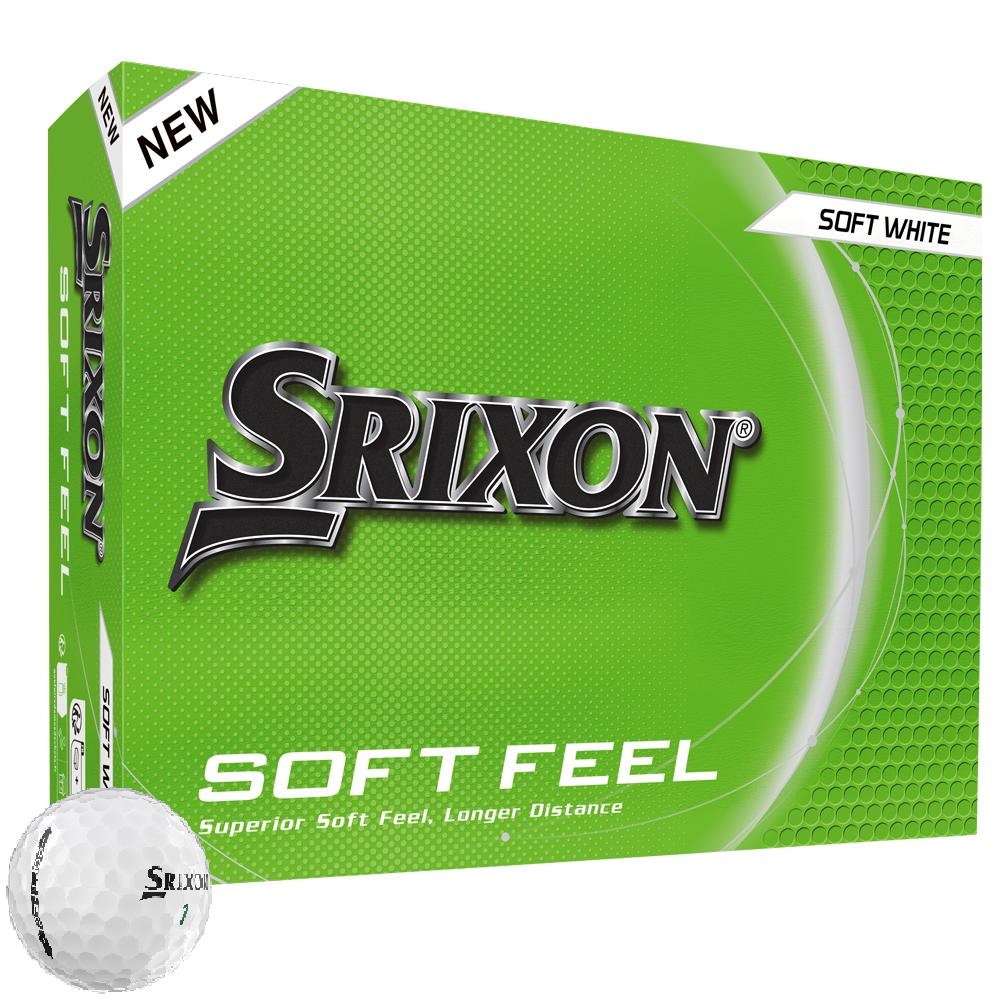
The Srixon Soft Feel is a low-compression, two-piece ionomer ball aimed at moderate swing speeds (think under 95mph), and it's pitched squarely at the weekend golfer who wants soft feel without paying premium-ball money.
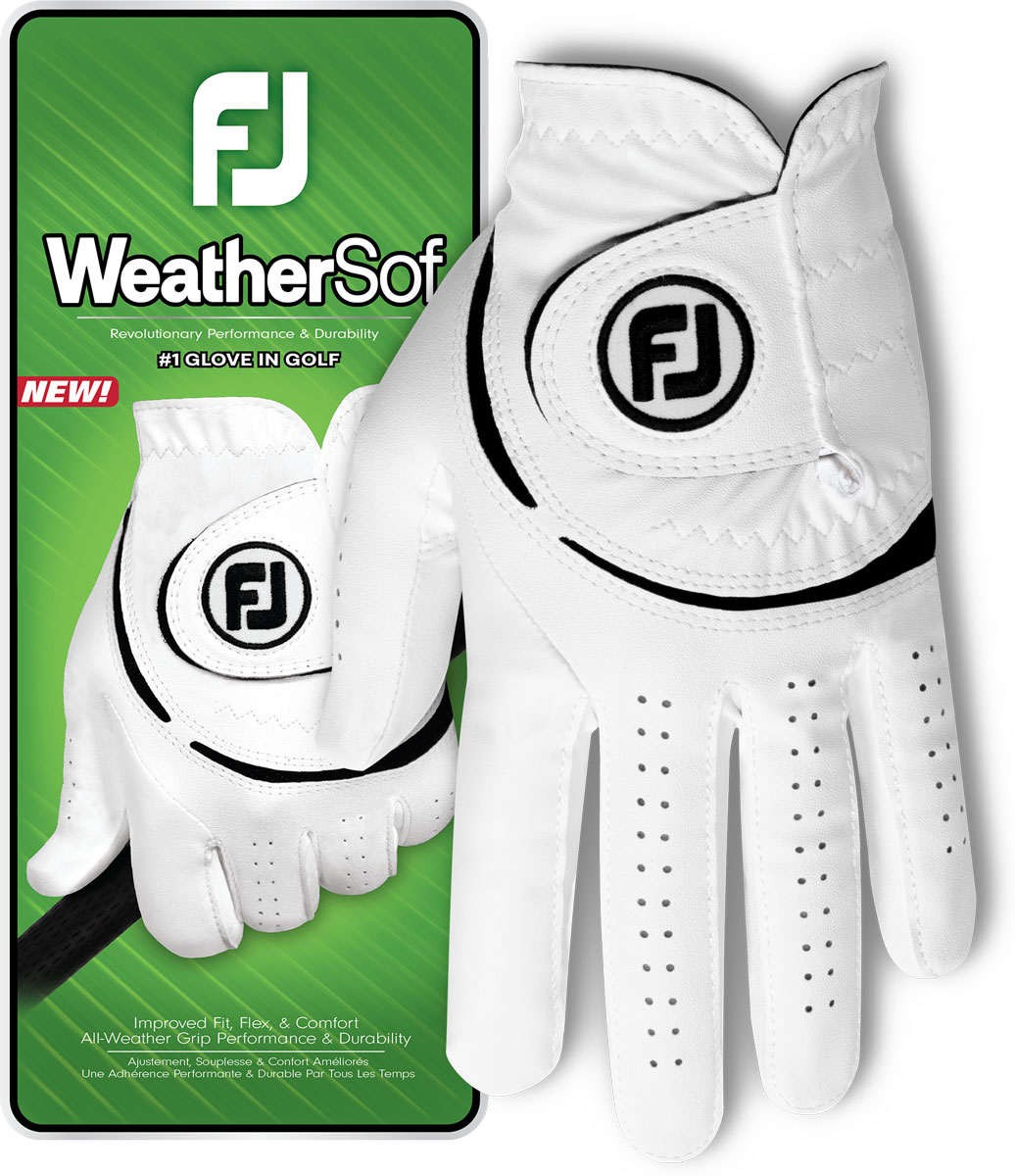
The FootJoy WeatherSof is the default all-rounder glove, a mostly synthetic (FiberSof) build with leather patches on the thumb and palm, aimed at anyone who wants a grippy, sweat-proof glove that lasts without paying leather money.
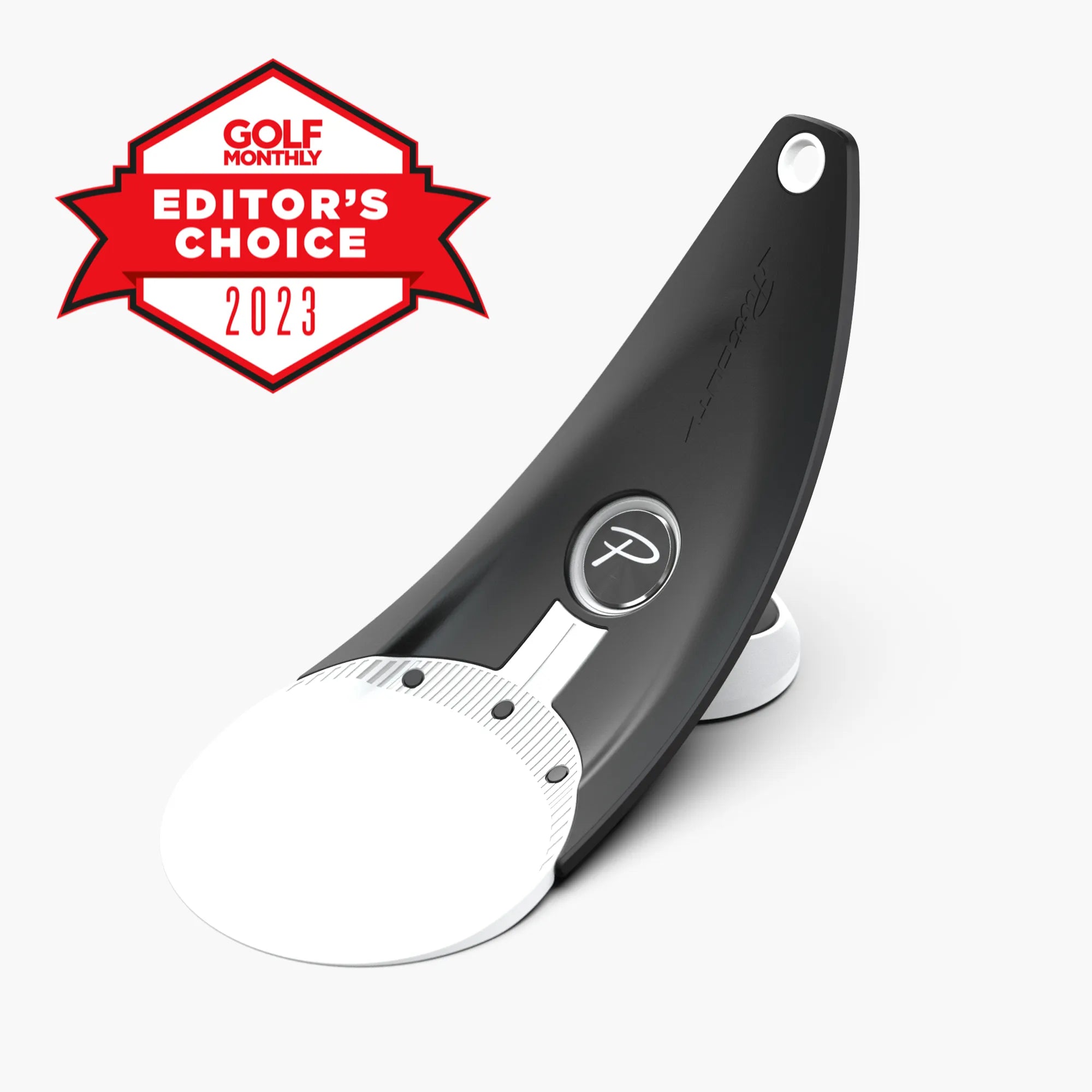
A pocket-sized putting aid: a parabolic ramp with a micro-target that catches dead-perfect putts and rolls everything else back to you. Aimed at anyone who wants to practise short putts at home or on the range without chasing balls all over the carpet.
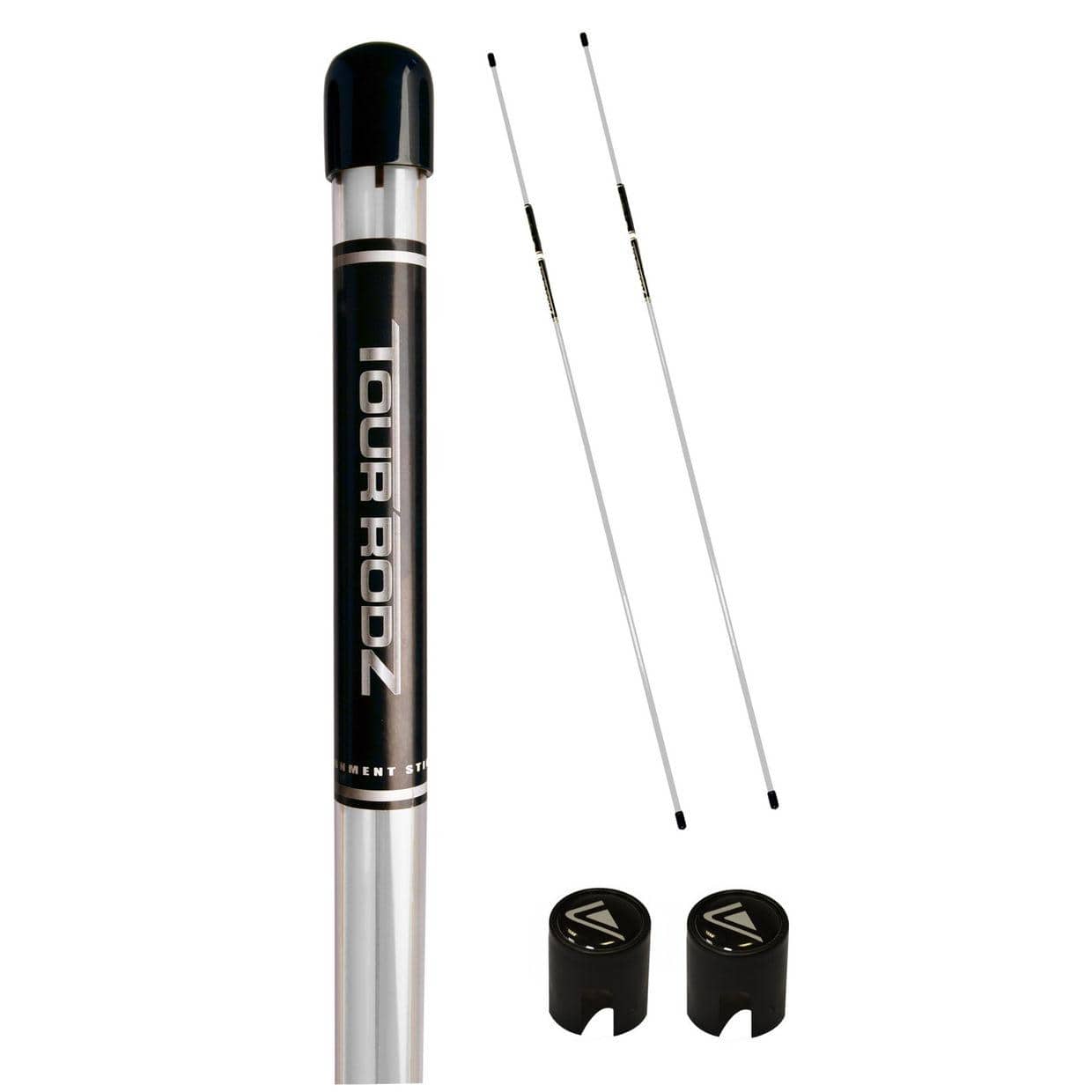
A no-frills pair of fibreglass alignment sticks, the cheapest way to start doing proper alignment, ball position and swing path drills at the range or in the garden. Aimed at anyone who wants the gains without paying tour-branded money.
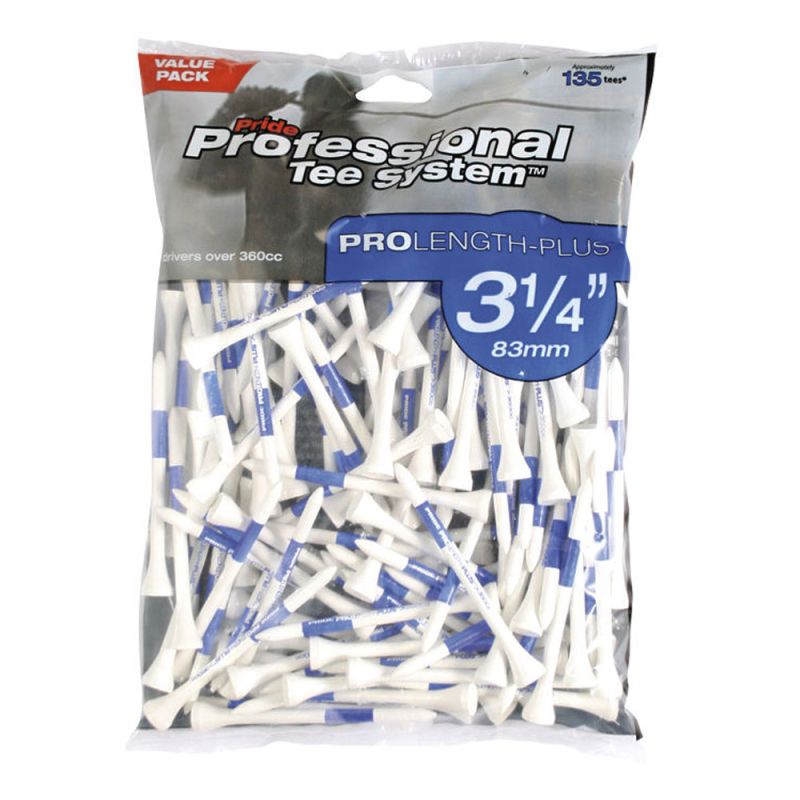
The Pride PTS (Professional Tee System) is the world's best-selling tee range, sold in colour-coded wood and tougher ABS plastic versions across five heights. It's aimed at anyone who wants to stop guessing their tee height every drive.
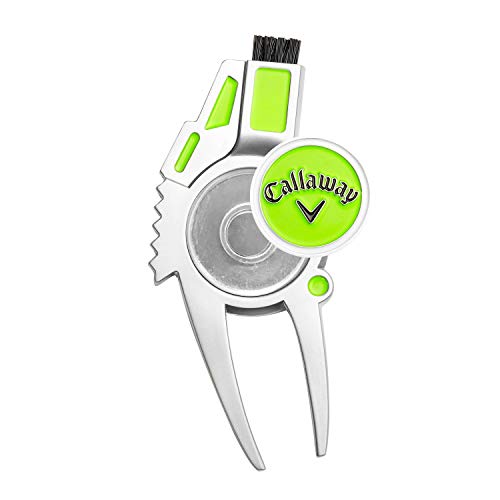
It's the Callaway 4-in-1 divot tool, a zinc-alloy fork with a magnetic ball marker and a built-in groove brush, aimed at golfers who want one tidy, brand-stamped bit of kit instead of a drawer of freebies.
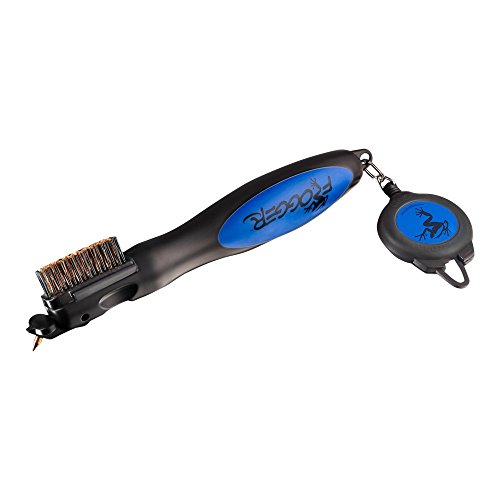
A retractable clip-on golf brush from Frogger with a dual-bristle head (nylon plus a bronze/nylon combo) and a flip-out metal groove pick, aimed at anyone who wants caked mud and grass out of their face and grooves without faffing about.
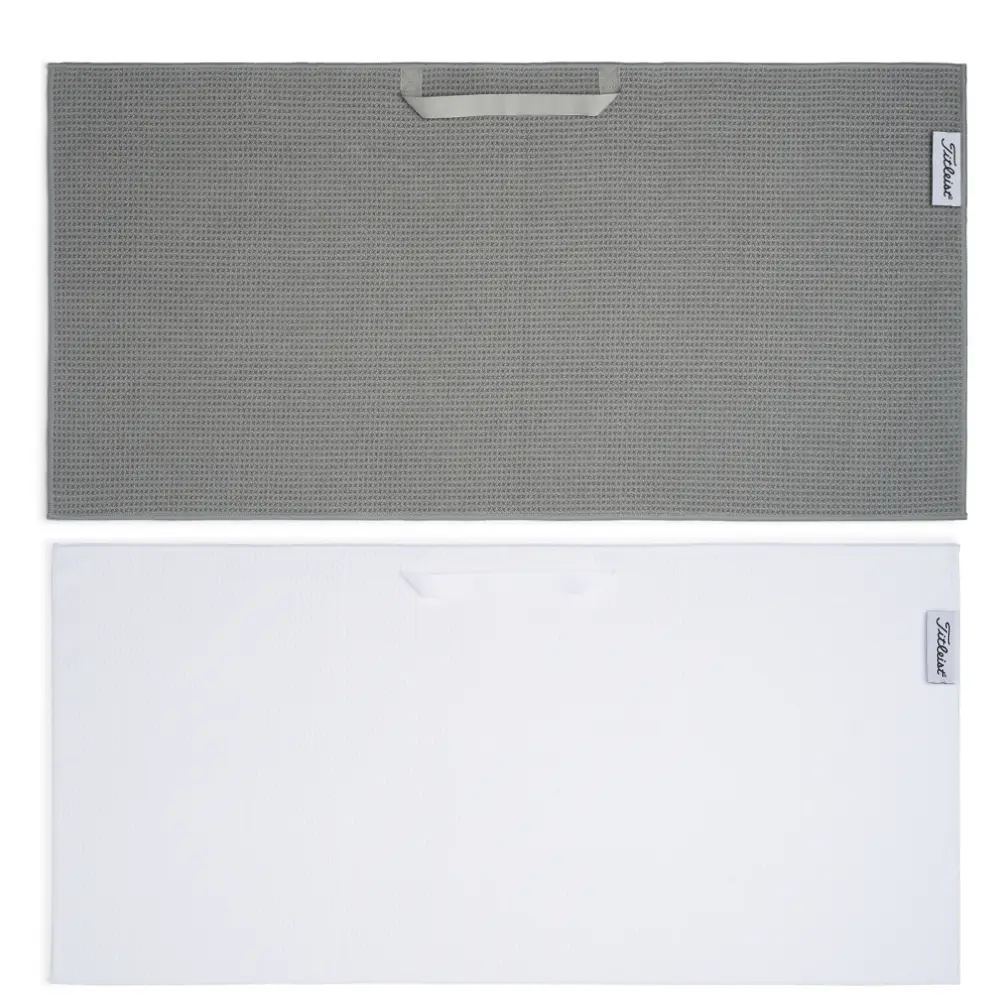
It's Titleist's premium tour-style bag towel, sold in two flavours: a plush terry version for max absorption and a hub-pattern microfiber version for club cleaning. Aimed at players who want proper kit, not a freebie towel off a charity day.
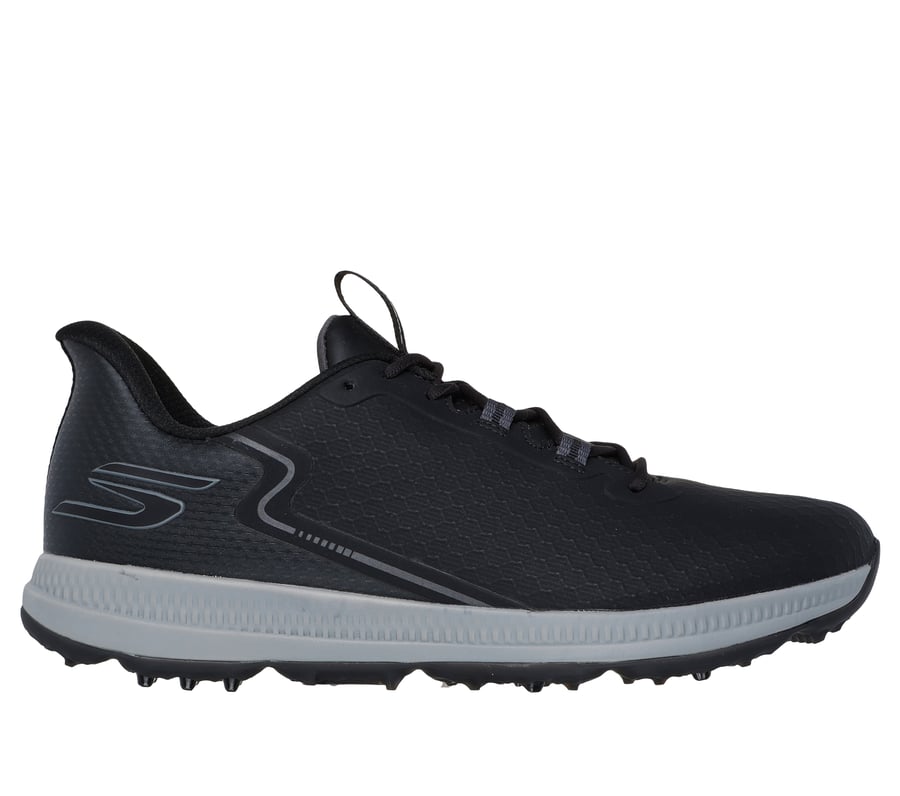
The Skechers GO GOLF Elite 6 is a spikeless slip-in golf shoe built around all-day comfort, aimed at the golfer who wants a cushioned, easy-on shoe at a sensible price rather than a stiff, athletic performance shoe.
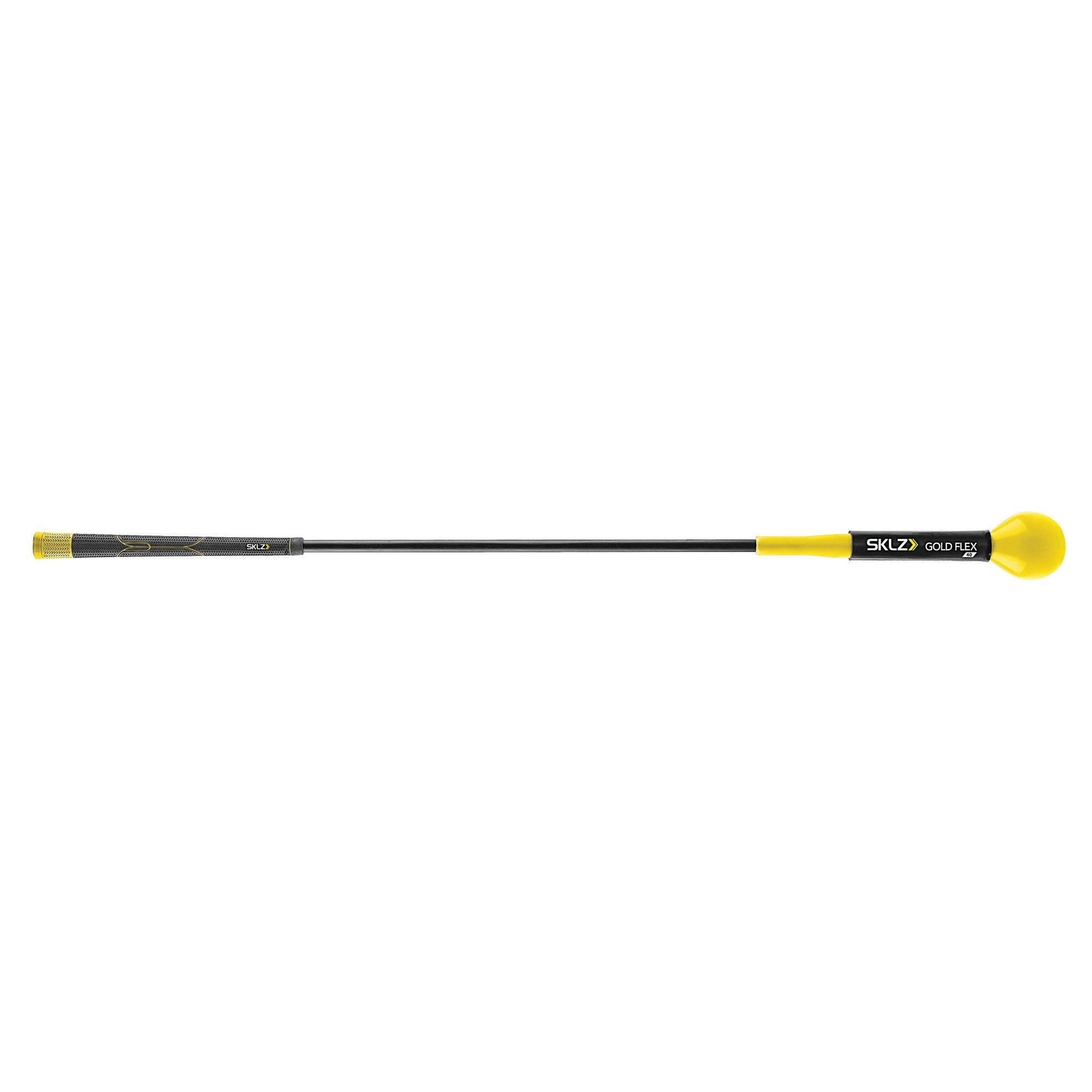
The SKLZ Gold Flex is a weighted, whippy fibreglass warm-up and tempo trainer (comes in 48 inch and a shorter 40 inch), aimed at golfers who want smoother rhythm and a bit of swing-muscle conditioning without hitting balls.
Frequently asked
- What golf equipment does a beginner actually need?
- A starter set of clubs, a value ball you won't mind losing, a glove, tees, a pitchmark repairer and a towel cover etiquette and play from day one. Add a simple GPS watch for distances and a couple of fundamentals aids, and skip the expensive gear until your swing settles.
- Should beginners buy expensive golf gear?
- No — while you're still losing balls and refining your swing, premium clubs and tour balls are wasted money. Spend on fundamentals (alignment and putting aids), comfort (shoes, glove) and distance info, then upgrade clubs once your game and preferences are clearer.
- What's the best training aid for a new golfer?
- Alignment sticks and a putting trainer like the PuttOut give the most improvement per pound — they build aim, setup and a reliable stroke, the basics that cost beginners the most shots. They're cheap, simple and hard to misuse.
- Should a beginner buy new or used clubs to start?
- A good used or hand-me-down set is a smart way to start — your swing will change a lot in the first year, so there's little point spending big before you know what suits you. Put the saving into lessons and fundamentals aids, then get fitted for new clubs once your game settles.
- What golf ball should a beginner play?
- A soft, low-cost two-piece ball like the Srixon Soft Feel — it's forgiving, flies well and won't sting when you lose a few. Tour balls are built for spin and control most beginners can't yet use, so save them for when you're keeping the ball in play more consistently.