If your priority off the tee is raw distance, you want a firmer feel and lower long-game spin that won't balloon in the wind. These are the dozens that carry the furthest for most golfers, from firm tour balls to the explosive value option everyone underrates. Honest note: chase distance too hard and you can lose greenside spin and feel, so if you score with your wedges, weigh that up.
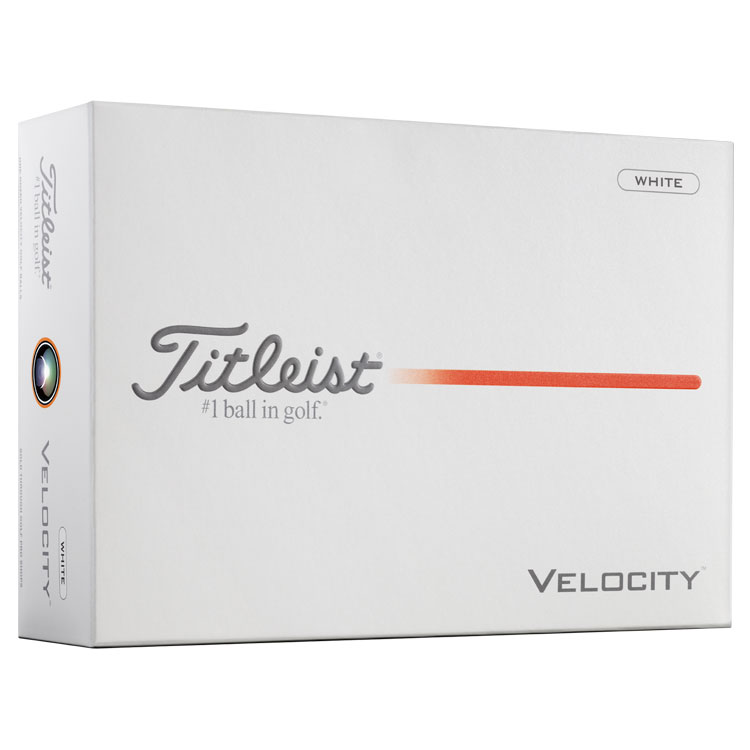
The Titleist Velocity is a two-piece, ionomer-covered distance ball. It is the budget-Titleist tee rocket aimed at mid and higher handicappers who want max yards and a high flight, not greenside wizardry.
What's great
This thing flies. Off the driver you get genuinely explosive ball speed and a high, towering flight, and testers like NCG clocked it carrying with the long stuff and posting big total numbers. It is long off the irons too, which is where a lot of mid handicappers actually notice it. The ionomer cover is tough as nails, so it shrugs off cart-path clatter and wedge nicks far better than any soft urethane ball, and it comes in proper loud colours if you lose sight of white. For the money it is daft long and lasts ages, which is exactly the brief.
Worth knowing
The greenside spin is poor, full stop. independent testing measured it as one of the firmer balls going (around 84 compression) and reviewers across the board found chips and pitches release and run out way past where you aim, so if you score with a sharp short game this ball fights you. The firm feel is a real thing too: it is clicky off the putter and the irons, and feel players will hate it. It also launches high and low-spin, so in wind it can balloon and get knocked about. If you swing slow or live around the greens, look at a Tour Soft or AVX instead.
The verdict
I rate the Velocity for what it is: a long, durable, daft-fun tee ball for mid-to-high handicappers chasing yards on a budget. Just know you are trading away greenside spin and soft feel to get them, so if you score with your wedges, I'd avoid.
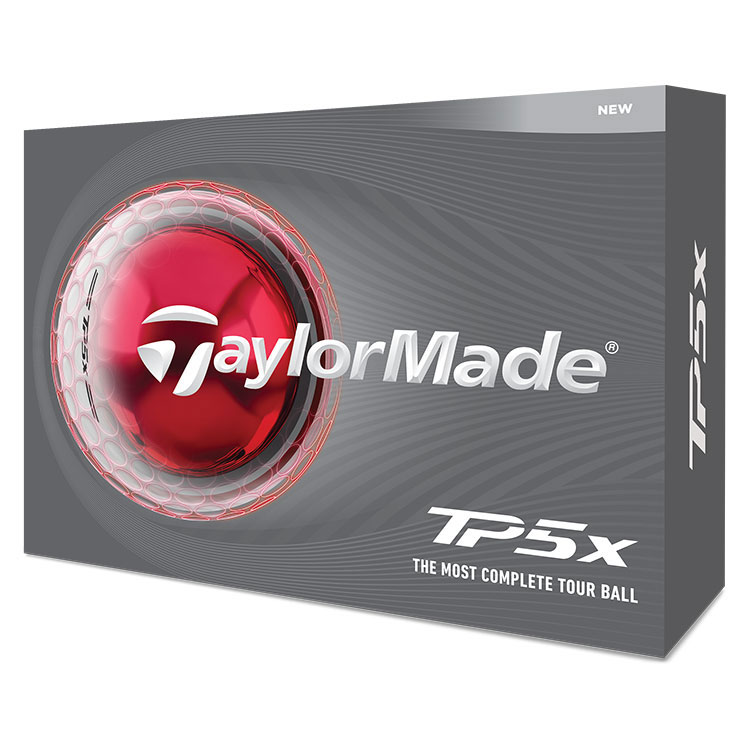
TaylorMade's fastest tour ball. It is a five-layer urethane-covered premium ball built around a Speed-Wrapped core, sitting alongside the softer, higher-spinning TP5 in the range. Where the TP5 chases feel and greenside spin, the TP5x is engineered for ball speed and a lower-spinning, more penetrating launch through the bag.
What's great
It is genuinely quick. You get a touch more ball speed across the set and a flatter, more wind-cheating trajectory off the driver and long irons, which translates to real carry distance for faster swingers. The cast urethane cover still grabs nicely on full wedge shots, so you are not giving up all your short-game control to get the speed. The redesigned diamond alignment graphics and long centreline are properly useful for lining up putts, and yellow is offered if you want the extra visibility.
Worth knowing
It is firm. If you prefer a soft, clicky feel off the putter and around the greens, the TP5x will feel hard and you will probably prefer the standard TP5. It also spins less on those delicate greenside chips and pitches, so it can release more than you expect on firm greens, and slower swing speeds won't fully unlock the speed benefit, meaning you are paying tour-ball money you may not need. At roughly 48 quid a dozen it is a premium spend, and losing one in the trees stings.
The verdict
If you swing it hard, want every yard, and like a firm, fast, flat ball flight, the TP5x is one of the best tour balls you can game. If you favour a softer feel and more bite around the greens, save your knees and your wallet and go for the TP5 instead.
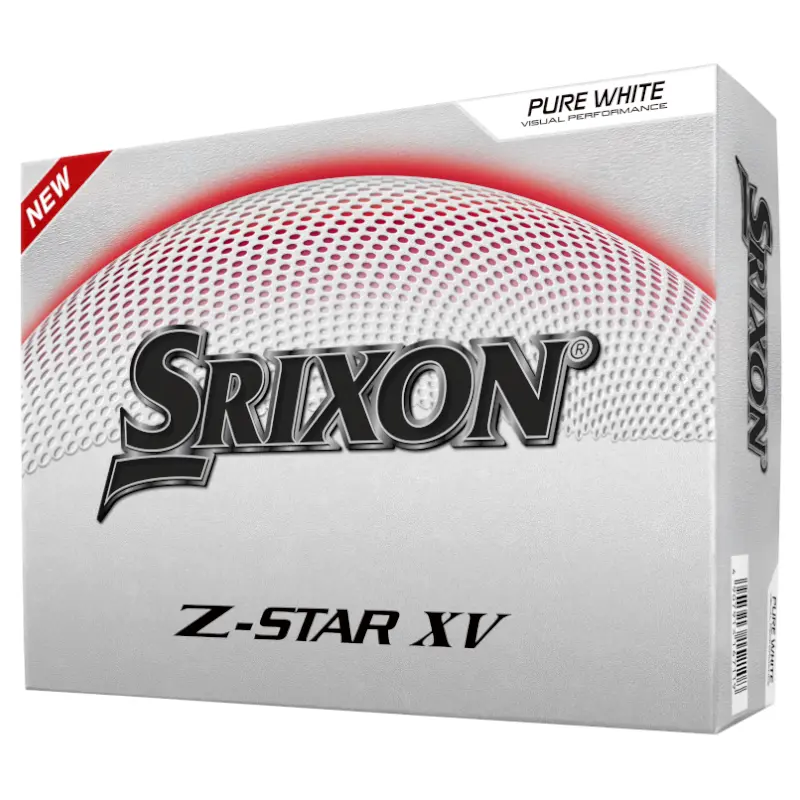
The Z-Star XV is the distance-leaning member of Srixon's premium three-piece urethane line, sitting alongside the softer standard Z-Star and the spinnier Z-Star Diamond. The XV bumps the compression up to around 102 and adds firmness partway through the FastLayer DG Core 2.0, so it's built to squeeze out extra ball speed off the driver and irons while the thin urethane cover and Spin Skin+ coating keep the short-game bite you expect from a tour ball.
What's great
This is a genuinely long ball for the money. The firmer core rewards faster swings with strong, penetrating ball flight that holds up well in wind, and despite being the distance model it still grabs nicely on wedge and short-iron shots thanks to the Spin Skin+ cover. It usually undercuts the big-name premium balls by a fair chunk on price, and the Tour Yellow and Divide options are easy to track down the fairway.
Worth knowing
The firm feel is the big caveat. If you swing slower or like a soft, muted click off the putter face, the XV can feel clicky and hard, and you may not compress it enough to get the speed benefit, in which case the standard Z-Star or Diamond will suit you better. Durability of the thin cover is fine but not bulletproof off cart paths, and the green-to-green spin, while good, is a touch lower than the dedicated spin models. Premium urethane also means premium-ish pricing, so it's overkill if you lose a sleeve a round.
The verdict
If you've got the speed to load it up and want maximum distance without surrendering greenside control, the Z-Star XV is one of the smartest-value tour balls out there. Slower swingers and soft-feel lovers should look at the standard Z-Star instead.
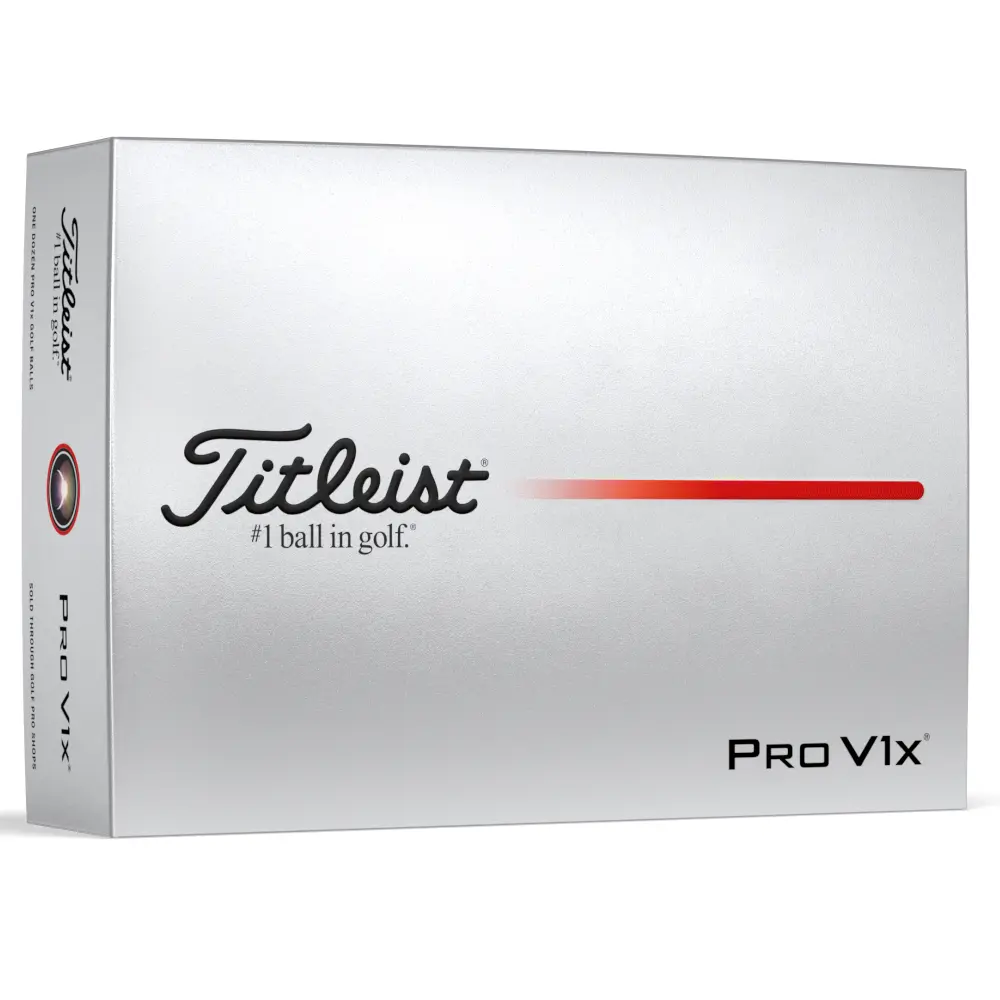
The Pro V1x is the higher-launching, higher-spinning, firmer-feeling member of Titleist's flagship tour ball family. It uses a four-layer build under a cast urethane cover, and for this generation Titleist reworked the high-gradient core to keep spin low off the driver while ramping it up with the scoring clubs. It is the ball you reach for if the standard Pro V1 flies too low for you or you want that bit more bite on approach shots.
What's great
It does the genuinely hard thing a premium ball is supposed to do: hold low spin off the tee for distance, then spin hard with wedges and irons so approach shots stop. Ball speed is right at the top of the class, the trajectory is high and penetrating without ballooning, and the greenside control is excellent. Build quality and consistency dozen-to-dozen are exactly what you expect from the category leader, which is a big reason it is so widely played.
Worth knowing
This is a proper premium ball and priced like one, so it is overkill if you are losing several balls a round or your swing speed does not need the spin separation. The firmer feel divides opinion: off the putter and on shorter chips some players find it clicky and prefer the softer Pro V1. The year-on-year gains over the previous Pro V1x are incremental rather than dramatic, so if you already game the older model there is no urgent reason to switch. And the higher flight that suits many players can be a touch much for those who already launch it high or play in heavy wind.
The verdict
Still one of the best balls money can buy, and the right pick within the Pro V1 family if you want height, spin and a firmer feel. Most golfers should choose between this and the standard Pro V1 on a launch monitor rather than on the badge, but if the V1x flight suits your game it is hard to beat. Just be honest about whether your scoring and ball-retention justify the price.
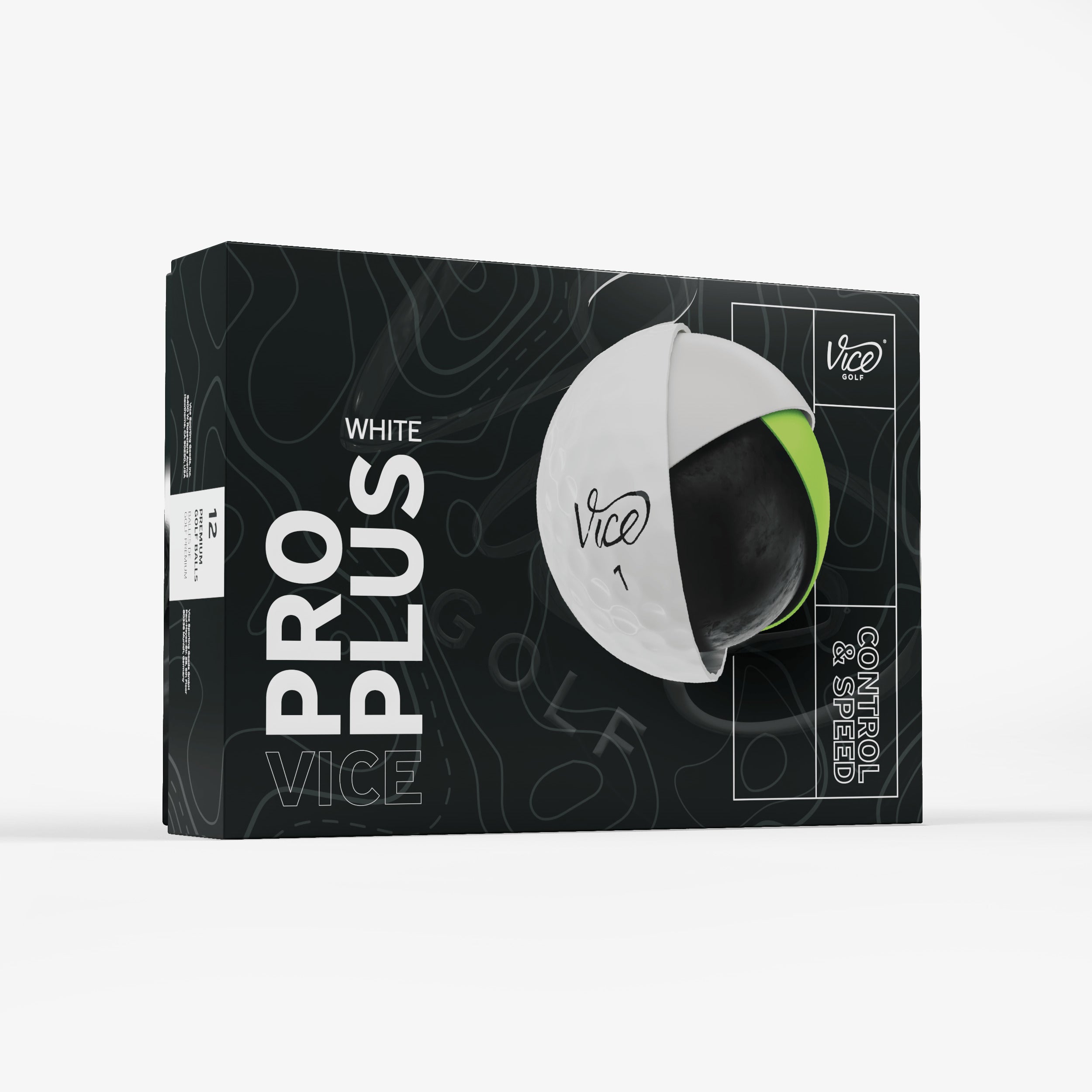
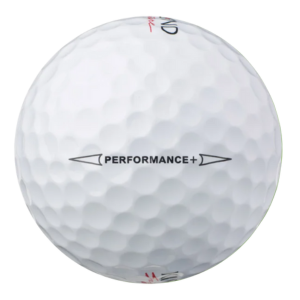
A four-piece urethane "tour" ball from German direct-to-consumer brand Vice, pitched as a Pro V1x rival at a fraction of the price. This is the firm, high-launch, low-driver-spin one in the range, built for fast swingers.
What's great
For the money this genuinely punches above its weight. In independent 2025 testing it was the fastest, firmest ball in the Vice line, posting low driver spin (around 2,300 rpm) for a strong penetrating flight, yet still produced the highest wedge spin of the three Vice balls, so you get real bite around the greens. Golf Monthly rated the crisp, clicky feel off the face and reckoned it might be Vice's best ball yet. If you swing it hard and order direct, you're getting tour-level construction for roughly half what the big brands charge.
Worth knowing
It's firm, and that's not for everyone. If you like a soft, buttery feel off the putter and wedges, you'll find this clicky and a bit hard. It's genuinely built for 110mph-plus swing speeds, so slower swingers won't compress it properly or see the distance benefit. Golf Monthly also flagged the odd iron shot coming out with unexpectedly low spin and flying long, and Vice's quality control has historically been less bulletproof than Titleist's. It's also direct-order, so no popping into a shop for a sleeve.
The verdict
If you've got the swing speed and want tour performance without the tour price, I rate it, the Pro Plus is a smart, honest buy. If you swing slower or love a soft feel, I'd avoid it and look at the standard Pro instead.
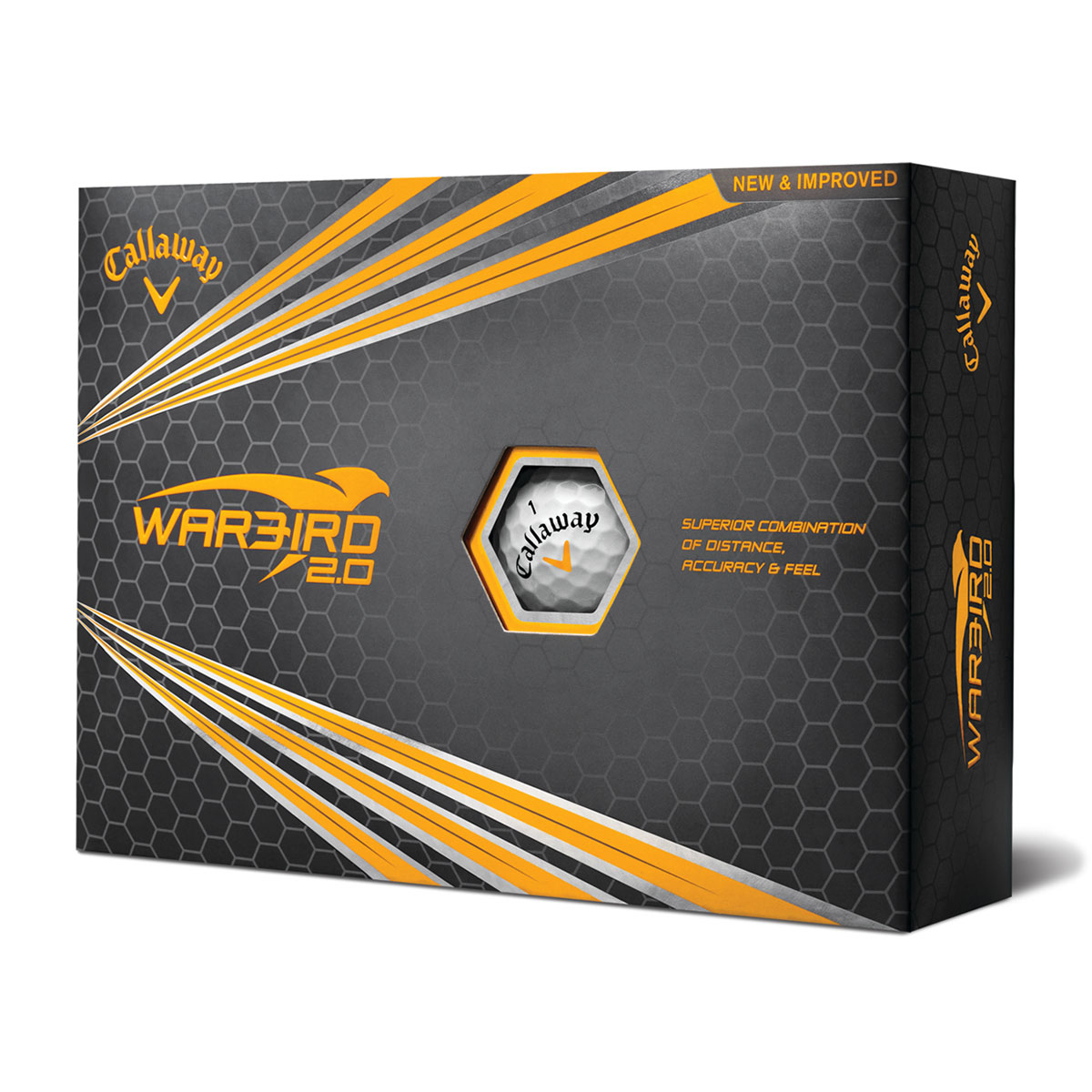
The Warbird is Callaway's budget distance ball, a no-nonsense two-piece job built around a big, hot core and the HEX dimple cover. It is the ball you buy by the dozen, lose half of, and genuinely do not care. No fancy urethane, no tour-spin marketing, just a firm ball designed to leave the clubface fast and keep rolling.
What's great
It flat-out goes. Off the driver it feels hot and launches high with plenty of run-out, and most mid-to-high handicappers will see a few extra yards versus a softer premium ball. The cover is tough as old boots, so it shrugs off cart-path bounces and the odd thin wedge. And at this money you are paying roughly a third of what a premium tour ball costs, which is the whole point.
Worth knowing
This is a distance ball, full stop, so the trade-off is real: greenside spin is limited and it will not check or bite on firm greens the way a urethane ball does, so delicate chips and pitches roll out more than you'd like. The feel is firm and clicky off the putter, which not everyone enjoys, and better players who want to work the ball or stop approaches dead will find it one-dimensional. Buy it for what it is, not what it isn't.
The verdict
Genuinely one of the best value balls in golf. If your game is about getting it down the fairway rather than spinning wedges, the Warbird gives you cheap distance and won't punish you for losing a sleeve. Higher-handicappers should just buy it; low-spin purists should look elsewhere.
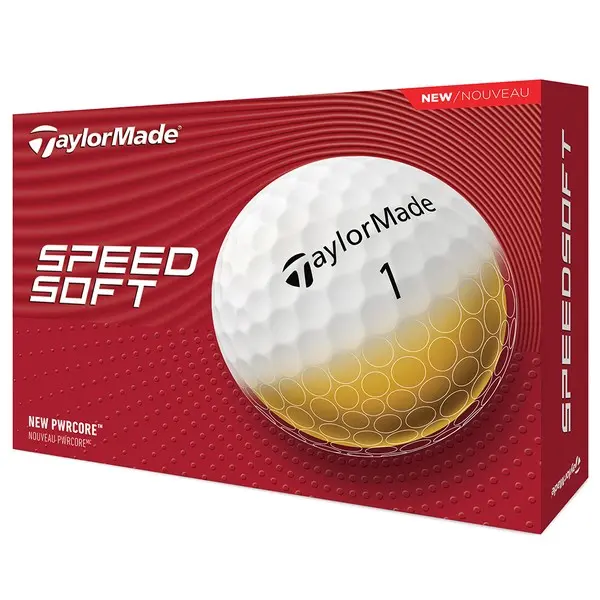
TaylorMade's budget-friendly, ultra-low compression two-piece ball, sold in white, yellow and the splatter-finish Ink colourways.
What's great
Feel is the headline, and off the putter it's genuinely lovely, soft without being mushy. Golfalot rated it strongly against far pricier balls, and several UK reviewers recommend it specifically for winter golf where soft feel on slow greens matters more than ripping wedges back. Distance off the driver is very respectable for a soft ball thanks to the PWRCORE. The Ink finish is also surprisingly practical, much easier to spot in rough and on frosty mornings. At this price you can play your good ball swagger without the good ball anxiety.
Worth knowing
Around the greens it releases rather than checks, so if you rely on spin you'll be frustrated. Quick swingers can overpower it and lose a bit of control in crosswinds. The splatter pattern divides opinion, and alignment fans find it busy over putts. It's no Tour ball and doesn't pretend to be.
The verdict
The smart everyday ball for most club golfers. Buy two dozen, relax for a month.
A 3-piece cast-urethane tour-style ball from Costco aimed at the value-hunting golfer who wants Pro V1 vibes without the Pro V1 sting.
What's great
For the money it's genuinely brilliant, and that's not me being soft. It's a real urethane cover, not the rubbish surlyn most cheap balls hide behind. Feel off the irons and putter is lovely and soft, and off the driver it holds its own. The robot and launch monitor numbers sit right next to a Pro V1, and Golf Monthly both rate it as one of the best value balls going. Durability has been properly sorted since the old days too. The current version takes cart paths and bunker shots without shredding.
Worth knowing
Two honest gripes. First, the greenside game. It launches a touch higher and just doesn't bite like a premium ball, so on pitches and 50-yard wedges you get less grab and more release. If you score with spin, you'll feel it. Second, Golf Monthly clocked it nearly 10 yards shorter than a Pro V1 in real-world carry despite near-identical monitor numbers, hinting at spin decay or weaker aero. And a few owners still report scuffing after a handful of holes, so quality isn't bang-on every dozen.
The verdict
If you shoot 80 to 95 and don't live and die by greenside spin, I rate it. You get most of a premium ball for a fraction of the outlay. Spin merchants and single-figure players who want surgical control on the greens should look elsewhere.