Proof you can kit yourself out brilliantly without spending a fortune. Every pick here is under £100 and genuinely worth owning: the budget rangefinder that does 95% of a Bushnell's job, the spikeless shoes you'll wear all day, the polo that survives a hundred washes, the strike trainer that fixes your contact, even the most-played ball in golf. The smart-money shelf, spanning every part of the bag.
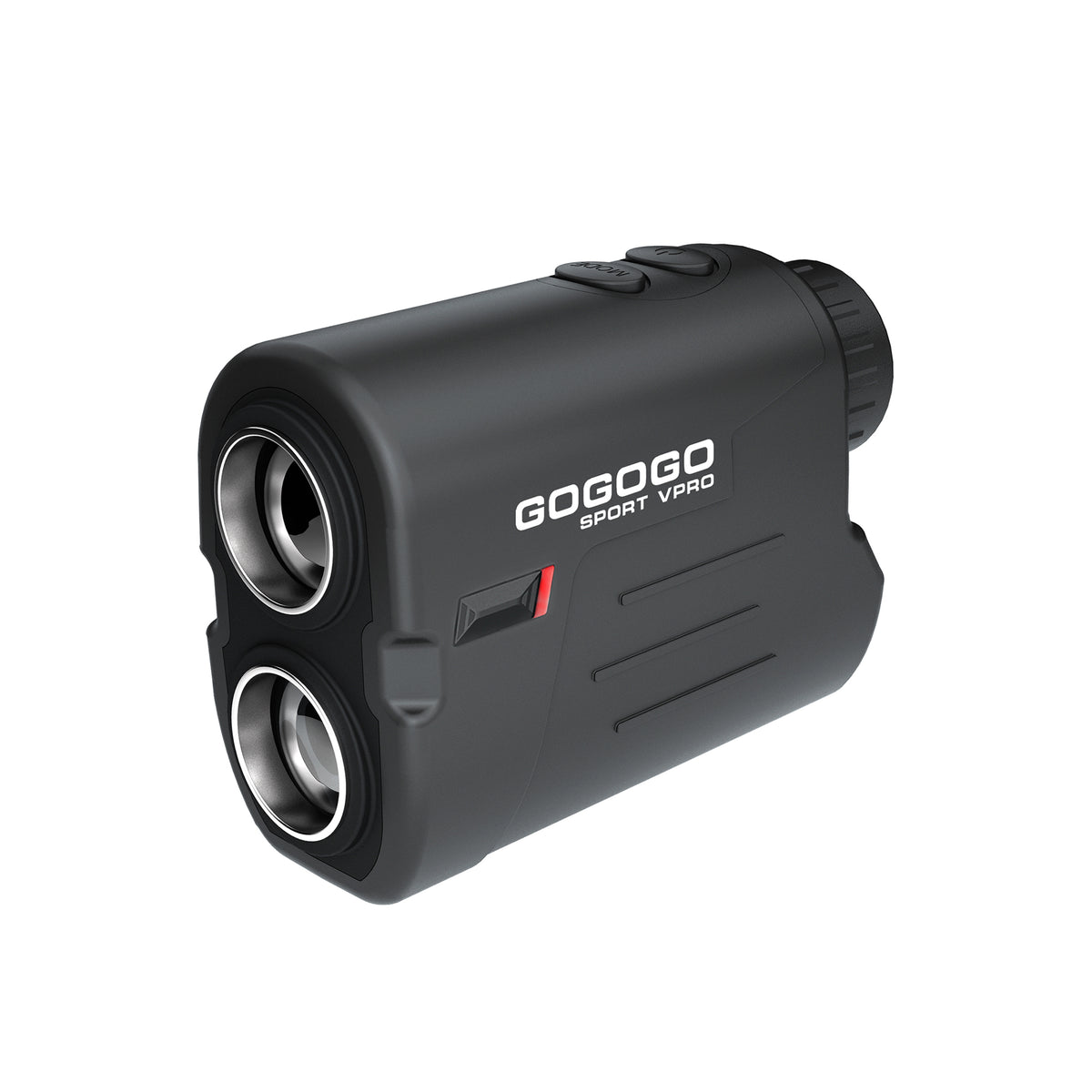
The GoGoGo Sport Vpro is the budget laser rangefinder that punches way above its price, aimed at club golfers and weekend hackers who want yardages without remortgaging the house. Slope is toggleable on the slope models, which keeps it legal for comp days.
What's great
For what you pay, the accuracy is genuinely silly good. Testers like Plugged In Golf had it within a yard of lasers costing four times as much on flat readings, and the pin-lock is quick with a proper buzz when it grabs the flag. The 6x optics are clear, it runs on cheap AAA batteries (no faffing with charging cables), and the built-in magnet for sticking it to your trolley or cart frame is one of the strongest I've come across. Slope toggles off cleanly so it's fine for your medal.
Worth knowing
It's not flawless. Push past roughly 150 to 180 yards on a tree-lined hole and it'll happily lock onto a trunk or post behind the pin and hand you a duff number, so you'll re-shoot now and again. Slope-adjusted figures drift by up to 5 yards at long range versus premium units (internally consistent, just a different formula). The body feels a touch plasticky and it's only IP54, so it's splash-proof, not monsoon-proof. Glasses wearers may find the eye relief a bit tight.
The verdict
If you want 90 percent of a premium rangefinder for a third of the cost, I rate this highly and happily recommend it. Just accept the odd dodgy reading at distance and don't treat it like a tour-grade tank.
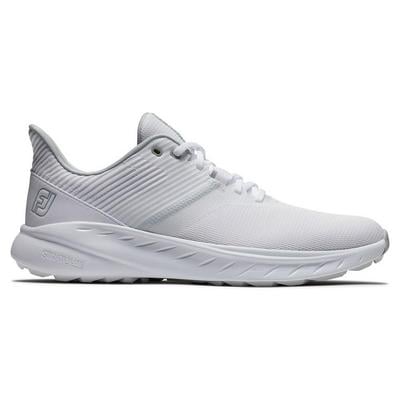
FootJoy's everyday spikeless workhorse. It is the lighter, more flexible end of the FootJoy range, built around a breathable mesh upper, a StratoLite EVA midsole and the VersaTrax spikeless outsole. The pitch is simple: a golf shoe comfortable enough to walk 18 in, casual enough to wear to the clubhouse and back to the car without changing.
What's great
Comfort straight out of the box is the headline. It is genuinely light, the cushioning soaks up a long walk, and the Flex Last gives a roomy forefoot with a snug heel so it stays put without pinching. The spikeless VersaTrax outsole grips well enough for smooth swingers and is happy on grass, paths and the clubhouse floor, so it doubles as a trainer. At around 90 quid it sits in a sensible price bracket for a name you can trust.
Worth knowing
The big one: the standard Flex is water-resistant, not waterproof. Get caught in a proper downpour or play through heavy morning dew and your socks will know about it. If you want the waterproof warranty you need the Flex XP, which is a different shoe. Traction is good rather than exceptional, so aggressive swingers and anyone playing in sloppy winter conditions will want something grippier. The mesh also scuffs and grubs up faster than a leather shoe.
The verdict
A cracking value spikeless for dry-weather rounds and walkers who value comfort over bombproof traction. Just go in clear-eyed that it is not a wet-weather shoe. If you mostly play in summer or fair conditions it is an easy recommendation. If you play year-round in the UK damp, spend up to the waterproof XP or look elsewhere.
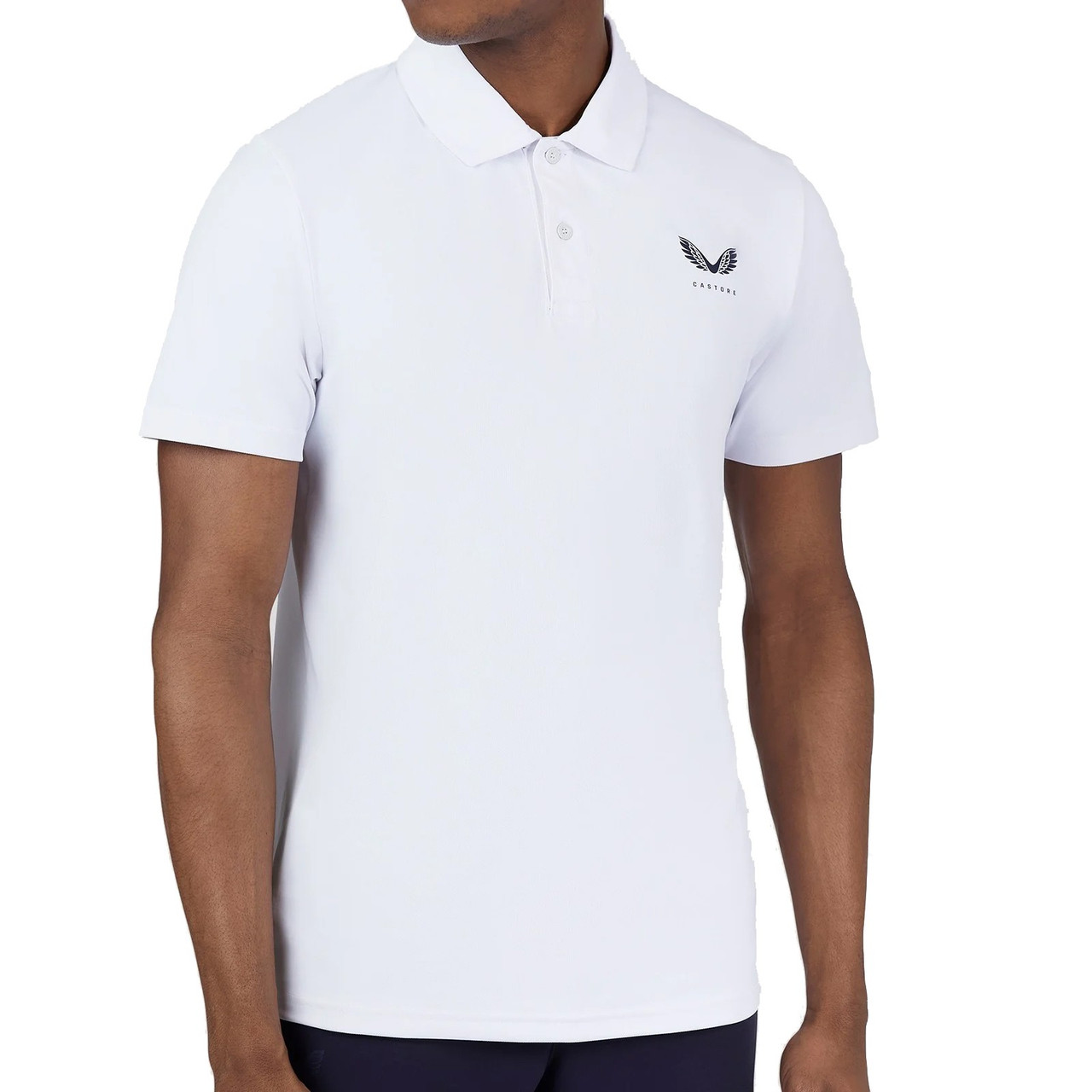
The Castore pique performance golf polo, a 100% polyester knit with the brand's OTek anti-odour treatment, aimed at golfers who want a sharp, modern, slightly athletic look on and off the course.
What's great
The thing that keeps coming up from owners is the material quality, and I agree, it punches above a lot of mid-tier golf gear. The pique has proper stretch so nothing pulls across the back on a full swing, and the stand collar is firm enough to hold its shape all day (handy when you are slapping sunscreen on your neck). Side splits at the hem add a bit of room, and the anti-odour treatment genuinely keeps the funk down over 18 holes. Looks smart enough to wear to the bar after.
Worth knowing
It is a more fitted, athletic cut, not the roomy tent a lot of golf polos go for, so if you carry a bit of timber or like it loose, size up. Being full polyester it can feel warm and a touch clammy in proper heat, and like any poly pique it can pill over time if you are rough in the wash. The base price is steep for what it is, so only really makes sense on sale or via the outlet.
The verdict
A genuinely good-quality, good-looking performance polo that I rate, just buy it in a sale and size up if you are between sizes or not built like a whippet.
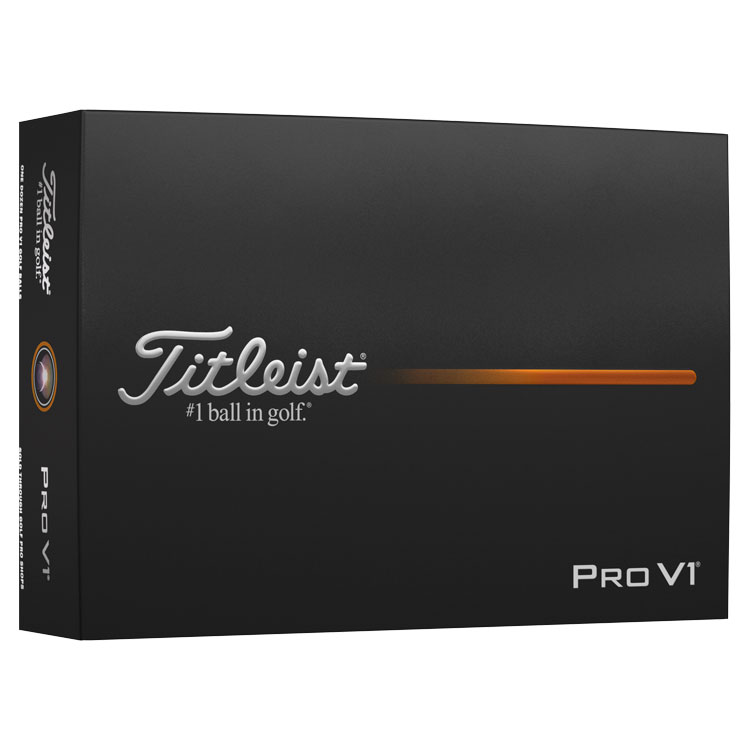
The Titleist Pro V1 is the benchmark tour-level urethane ball, a mid-spin, mid-flight three-piecer aimed at golfers who actually shape shots and want proper greenside bite, not casual hackers padding their bag.
What's great
Look, there's a reason half your fourball plays one. The 2025 version genuinely impressed me on irons, dead consistent carry distances and that penetrating flight that holds up in wind. Wedge spin and greenside control are still the gold standard, and the soft cast urethane cover feels lovely off the face. Titleist's quality control is the real flex though: independent lab testing found all 36 test balls passed with zero significant defects and compression in the top 10 of over 100 balls, so every one out of the box flies the same. Durability's also a proper step up on the older model.
Worth knowing
It's dear, and that's the honest catch. If you're losing three a round in the gorse you're literally chipping pound coins into the trees, and most reviewers agree a higher handicapper won't actually feel the difference enough to justify it over a cheaper urethane ball. It still scuffs in bunkers (all urethane does), and there are now balls that out-spin it around the green for less money. If you want soft and high-launching, the V1x or a rival might suit you better. Not a beginner's ball.
The verdict
If your game's good enough to notice and you're not haemorrhaging balls, it's the safe, do-everything pick I'd happily play every round. Budget golfers and high-handicappers: save your money for greens fees.
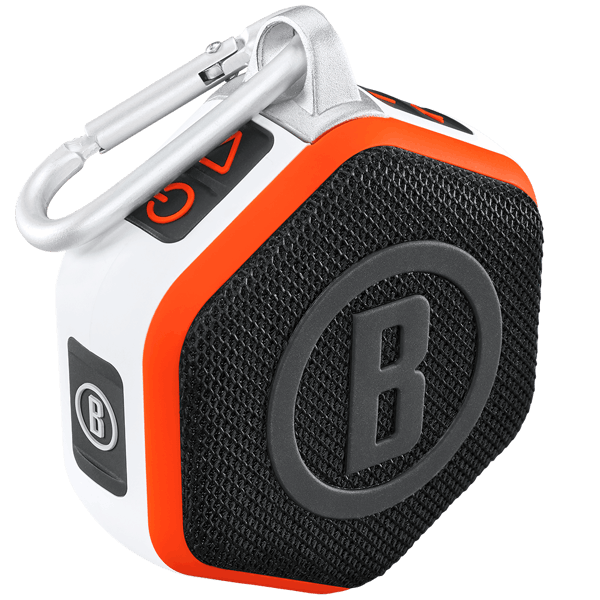
A compact waterproof Bluetooth speaker with golf GPS built in, reading out distances at the press of a button while playing your music.
What's great
Golf Monthly described it as delivering near faultlessly on the brief, and it does. Sound quality is impressively clear and full for something this small, carrying nicely around a tee box without bleeding across the course. The BITE magnet sticks it to any trolley or buggy frame instantly, the carabiner sorts bag carriers, and IPX7 waterproofing means British weather is a non-issue. The audible distance feature works well once the app is set up, and the price is reasonable for a speaker this good even before the golf tricks.
Worth knowing
GPS callouts need your phone nearby with the app running, so it is not standalone like the bigger Wingman models. Ten hours of battery is fine but the original Wingman lasts longer. And be honest with yourself about course etiquette, because nobody wants your playlist on a quiet Sunday medal.
The verdict
If music on the course is your thing, this is the one to buy. Great speaker first, golf gadget second.
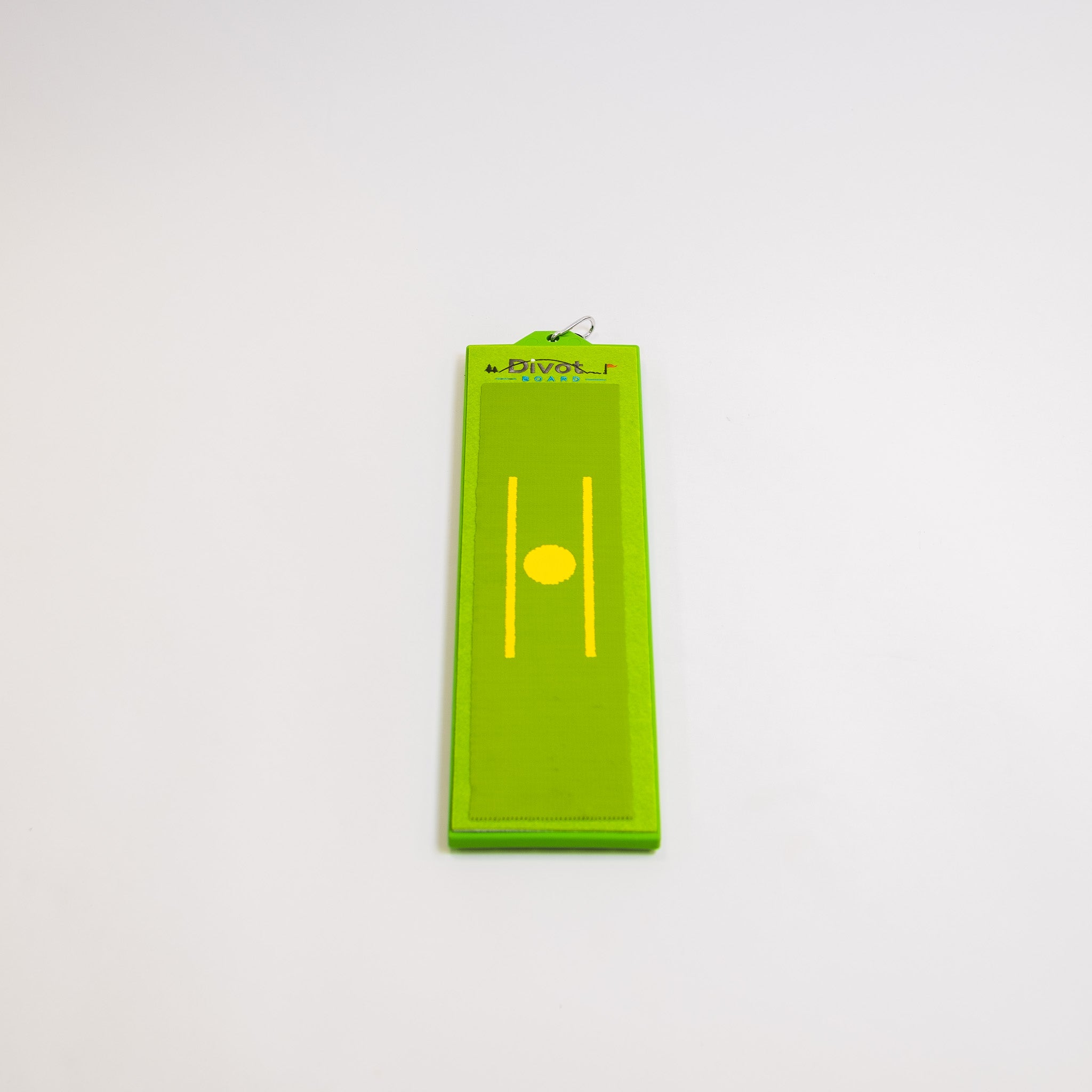
A thin, portable mat with a colour-changing top sheet. You hit shots off it (or rehearse swings just clipping the surface) and the club leaves a coloured mark showing exactly where the low point of your swing was and which direction the club travelled through impact. It is a diagnostic tool, not a hitting mat for full sessions, the point is to read the marks between swings.
What's great
The feedback is genuinely honest and immediate. Most golfers think they hit the ball first when they are actually bottoming out behind it, and this drags that truth into plain sight in one swing. It shows path direction and where on the face you are striking too, so it doubles as a path and contact trainer. It is light, packs flat, grips carpet and range mats well, and works indoors so you can drill ball-first contact at home year round. As a tool for fixing fat and thin strikes it is one of the few aids that actually changes behaviour because you cannot argue with the mark.
Worth knowing
The pad is a consumable. Hard, fat strikers can wear one out closer to 1,000 swings, and replacements cost most of forty pounds, so the real cost is ongoing rather than one-off. The surface is fairly narrow, so a big sweeping divot can run off the edge and leave you guessing at the full pattern. Marks can partially rub off during a session, and extreme heat or cold can dull the colour change, so it is happiest at room temperature. It is also a diagnostic aid, it tells you what is wrong but not how to fix it.
The verdict
If you struggle with fat and thin contact, this is one of the most useful training aids you can own because it makes the invisible visible. Just go in knowing the pad is a running cost and the board is narrow. For honest strike feedback at home or on the range, it earns its place, lesser strikers and casual users may not justify the price or the replacements.
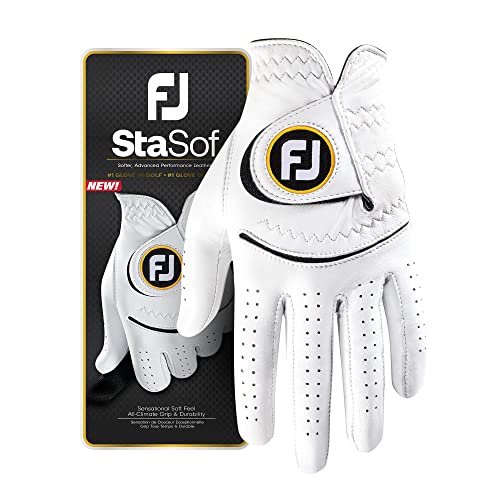
FootJoy's premium all-leather Cabretta glove, the one most of their tour staff wear. It's aimed at golfers who want proper feel and grip and will pay up for it, not range rats hammering balls all week.
What's great
The feel is the whole point and it delivers. Soft Cabretta leather that sits on your hand like a second skin, with grip that genuinely makes the club feel like an extension of your arm. The fit is snug and true to size, and the angled closure tab actually contours to your wrist instead of bunching. For a leather glove it's surprisingly hard-wearing too. Plenty of owners report 15 to 20-plus rounds before it gives up, where cheap gloves go crispy after a handful. The perforations and mesh keep your hand cooler than you'd expect on a sweaty day.
Worth knowing
It's pricey, and that's the real catch. Buy it for proper rounds, not the range, because leather wears faster than synthetic and you'll cry watching one die on a bucket of balls. Despite the moisture-management spiel it is NOT a rain glove. Get it properly soaked and it goes soggy then stiffens up as it dries, so keep a dedicated wet glove for downpours. White only, so it shows muck fast. And like any Cabretta, lifespan drops hard if you're heavy-handed or don't let it dry out between rounds.
The verdict
If feel and grip matter most to you and you'll baby it for actual rounds, I rate it as about the best leather glove going. Just don't waste it on the range or expect it to survive a soaking.
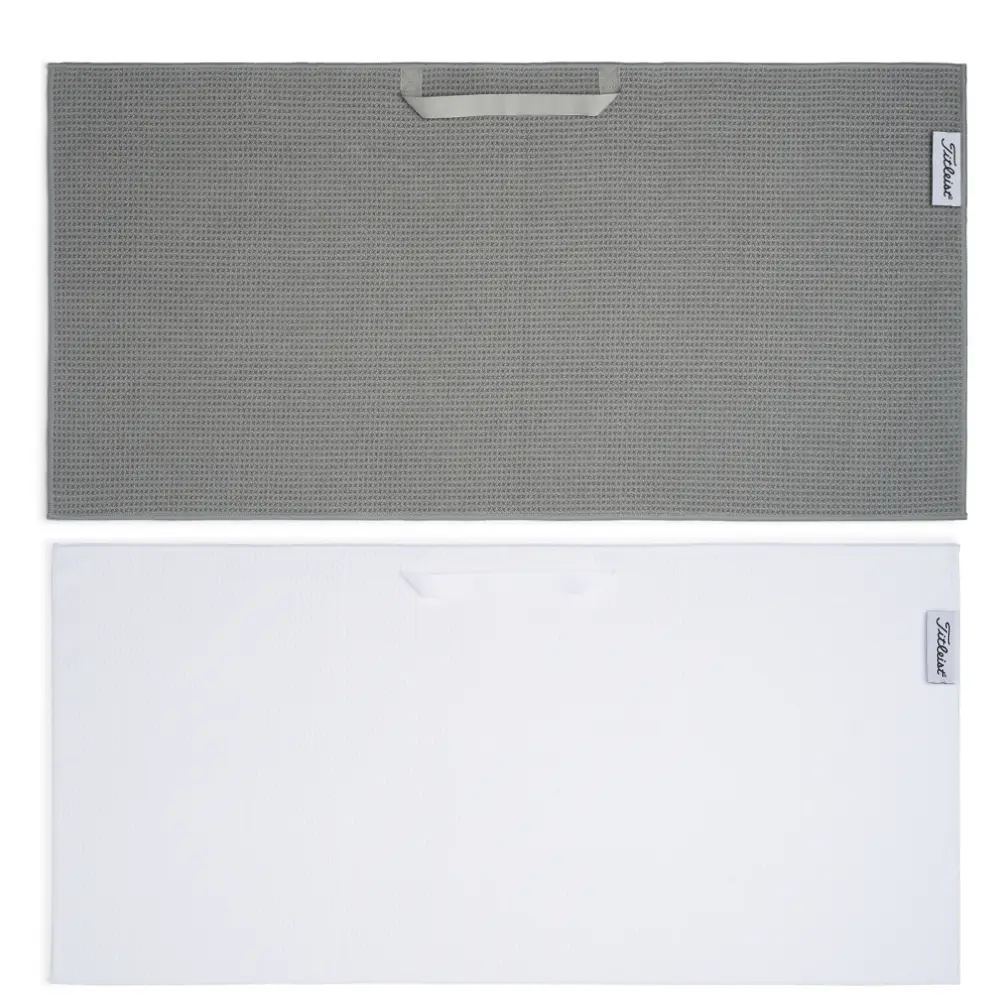
It's Titleist's premium tour-style bag towel, sold in two flavours: a plush terry version for max absorption and a hub-pattern microfiber version for club cleaning. Aimed at players who want proper kit, not a freebie towel off a charity day.
What's great
The terry one is a genuinely thirsty towel, soaks up morning dew and rain, dries clubs in one wipe and shrugs off a winter loop. The microfiber version is the better club-scrubber, the textured hub pattern actually shifts mud and grass without smearing it about. Both run a big 16x32 (terry goes up to 20x40), so you get real coverage, and there's a centre slit that drops neatly over a clubhead to sit on the bag cuff. Build is tidy and the logo is understated rather than shouty. Owners on Golf Galaxy rate it highly and most say they wouldn't go back to a cheap towel.
Worth knowing
Here's the honest bit: there's NO clip or carabiner. It's a centre slit and a self-fabric loop, so it sits over a club on the cuff rather than clipping to a ring, and that confuses a lot of buyers (it's a recurring "what do I attach it to?" thread on GolfWRX). On a windy day or a rough cart path it can flap loose. You're also paying a Titleist premium for what is, fundamentally, a towel. The microfiber can shed a bit of lint when new, and the plush terry takes a while to dry out if you stuff it in the bag wet.
The verdict
A proper, well-made towel that does the job and feels the part, just know you're paying for the brand and there's no clip to attach it. I'd grab the terry for soaking up dew and the microfiber for scrubbing clubs. Buy a separate carabiner and you're sorted.