
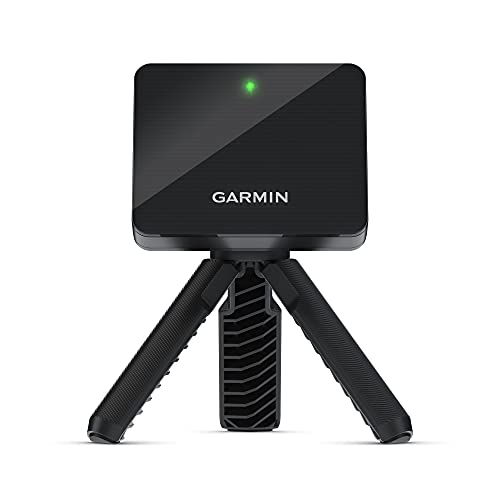
The Garmin Approach R10 is a pocket-sized radar launch monitor aimed at the golfer who wants real data, range practice, and a basic home sim setup without remortgaging the house.
Best Launch Monitor Under $1,000 2026
The R10 wins for most. Here's the rest.
Under $1,250, three units win for three different golfers. The Garmin R10 (around $750) is the best all-rounder and the one most people should buy — portable radar, honest practice numbers and a taste of home sim. The Rapsodo MLM2PRO is best if you want rich data plus automatic swing video. The SkyTrak ST MAX is the one to stretch well past this budget for, if your real goal is a home simulator you can trust shot to shot. And if money's tight, the Swing Caddie SC200+ still beats hitting blind.
The trick is deciding what you're really buying — range feedback to practise smarter, or a simulator to play indoors — because that one question sorts the whole field. The portable radar units (R10, Mevo, Rapsodo) prefer a few feet of ball flight and model spin rather than measuring it fully, so they shine as practice and gapping tools; the SkyTrak units run radar and a camera together and lean far more simulator-ready and trustworthy shot to shot. A barebones unit like the SC200+ gives you carry, ball speed and a little more without the apps or course play.
Two things to check before you spend: whether the unit needs a subscription to unlock its best features or virtual courses, and — if a simulator is the goal — whether you have the ceiling height and budget for an impact screen and mat. Ranked below, with who each is for and who should skip it.
ifrothgolf earns a commission on purchases made through these links, at no extra cost to you. It never changes what I recommend. Full disclosure.
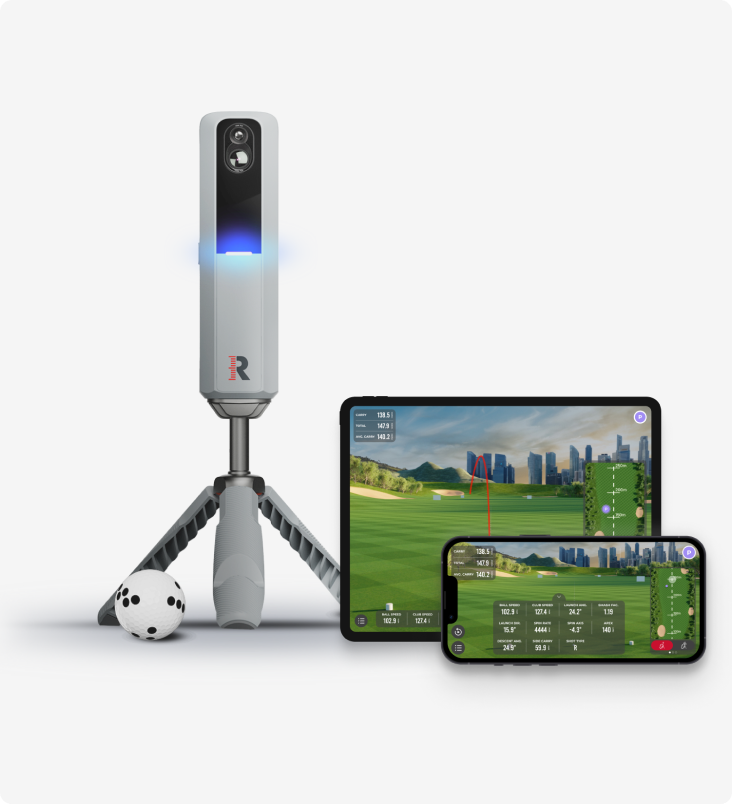
A portable camera-plus-radar launch monitor from Rapsodo that doubles as a home sim, aimed at golfers who want proper ball data without remortgaging the house for a Trackman or GCQuad.
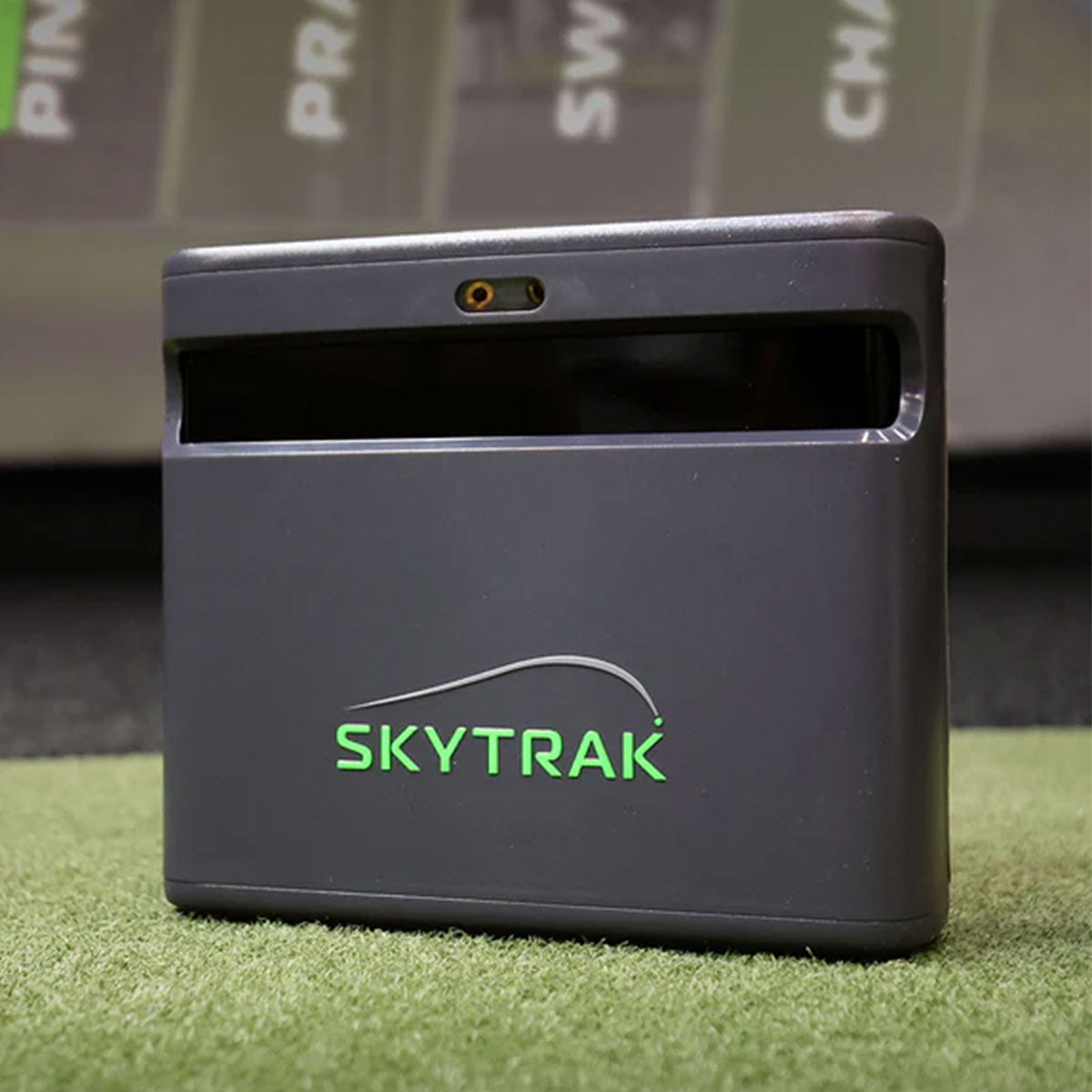
SkyTrak has spent a decade as the answer to "what launch monitor should I put in my garage?", and the ST MAX is the version that stops feeling like a compromise. It reads 15 performance metrics, adds GOLFTEC-powered speed training — structured overspeed work with real measurement behind it, rather than a number you squint at — and gains dual USB connectivity, which sounds dull until you've spent an evening fighting a single flaky cable mid-round. Software is where SkyTrak still wins: the 2026 membership tiers bundle Foresight and Trackman course play, and crucially you can run those on a compatible Mac or iPad rather than building a gaming PC, which knocks a four-figure hidden cost out of the project. The honest framing: the cheaper SkyTrak+ shares most of the core hardware and gives up the speed training and the extra port, so if you're building a pure course-play sim rather than a practice room, the saving is real and worth taking.
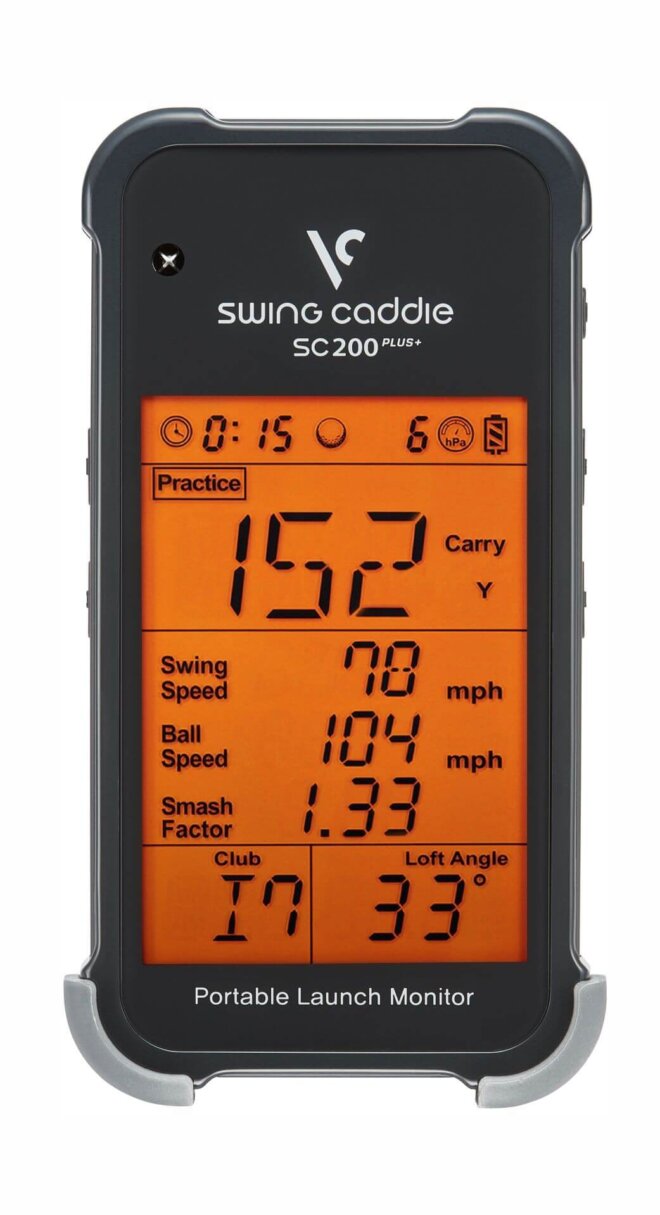
A standalone Doppler radar launch monitor about the size of a paperback. You set it behind you, hit balls, and it reads out your carry distance, swing speed, ball speed and smash factor on its own LCD screen and out loud. The Plus adds a Practice Swing Mode that captures swing speed without a ball, plus Target and Approach modes for putting your consistency under a bit of pressure.
Frequently asked
- What's the best launch monitor under $1,250?
- For most golfers the Garmin R10 (around $750) — the best all-round mix of accuracy, portability and price. Choose the Rapsodo MLM2PRO for data plus video, or stretch past this budget to the SkyTrak ST MAX if you want a home simulator.
- Is the Garmin R10 accurate enough?
- For practice — dialling gaps, tracking speed and tendencies — yes. Spin is partly modelled and it prefers a few feet of ball flight, so it's not a pro-lab unit, but it's excellent value for improvement.
- Which under-$1,250 launch monitor is best for a home simulator?
- None of them, honestly — the SkyTrak ST MAX is the pick if playing virtual courses indoors is the goal, and it costs roughly double this guide's budget. It's more accurate and far more simulator-software-ready than the portable units. If you want to stay under $1,250, the R10 will play sim courses; it just won't feel as trustworthy shot to shot.
- Do I need spin data?
- It helps for fitting and understanding flight, but for simply learning your carry distances a unit like the Swing Caddie SC200+ without measured spin is enough.
- Is it worth saving up past $1,250?
- Only if you want fitting-grade accuracy or a premium simulator. Above this budget you're paying for tighter spin measurement and pro-bay confidence that most golfers don't need to practise smarter or play indoors. For the vast majority, the R10 does the job for far less — but if you're building a permanent room you'll use several times a week, the premium tier is where measured data and no-subscription ownership start to pay for themselves.