Speed is nothing without timing and a centred strike — these are the aids that build both. The Orange Whip and SKLZ Gold Flex are the gold-standard tempo and flexibility trainers, the Lag Shot grooves a lazy, lagged transition, and the Tour Striker and Divot Board give instant feedback on contact. Honest note: these work because they're simple and you'll actually use them — swing one for five minutes before a round and the difference is real.
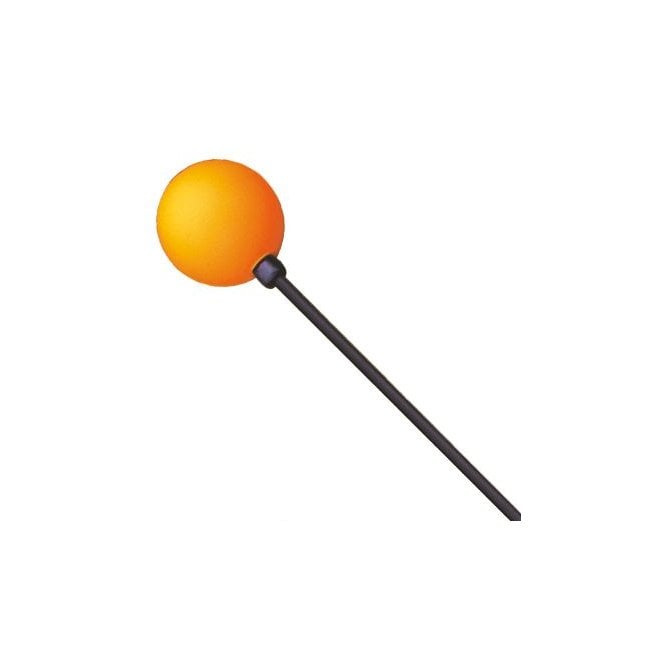
The Orange Whip Full Size is a tempo and rhythm trainer: a heavy orange ball on a deliberately whippy 47 inch shaft, aimed at golfers who want smoother sequencing, more flexibility, and a no-thinking warm-up before a round.
What's great
This is the one swing aid that genuinely earns its reputation. The whippy shaft and counterweight give you proper tactile feedback, swing out of sync and it wobbles, swing in rhythm and it loads and releases like a dream, so you actually feel tempo and lag instead of being told about it. It is a brilliant warm-up that loosens hips, spine and shoulders when you have not got time to hit balls, and over weeks it nudges your shoulder turn and range of motion. Build quality is solid and it has a long track record with coaches and tour players, not just marketing fluff.
Worth knowing
It is not a magic wand. It trains tempo and sequencing, it will not fix a weak grip, bad posture or a handsy swing, sort your fundamentals first or you are just grooving feel that does not transfer. The benefit only sticks if you actually alternate it with your real clubs, otherwise it stays a nice stretch. The full size 47 inch length is for taller players (roughly 5'10" and up) and will clip the ceiling indoors, shorter folk want the mid-size. It costs a lot more than the cheap copies, and worth noting an older 2018 batch had a ball-detachment recall, so buy current stock.
The verdict
If you want tempo, rhythm and a cracking warm-up, I rate it, it is the real deal and probably the best feel-trainer going. Just buy the right length for your height and do not expect it to rebuild a broken swing.
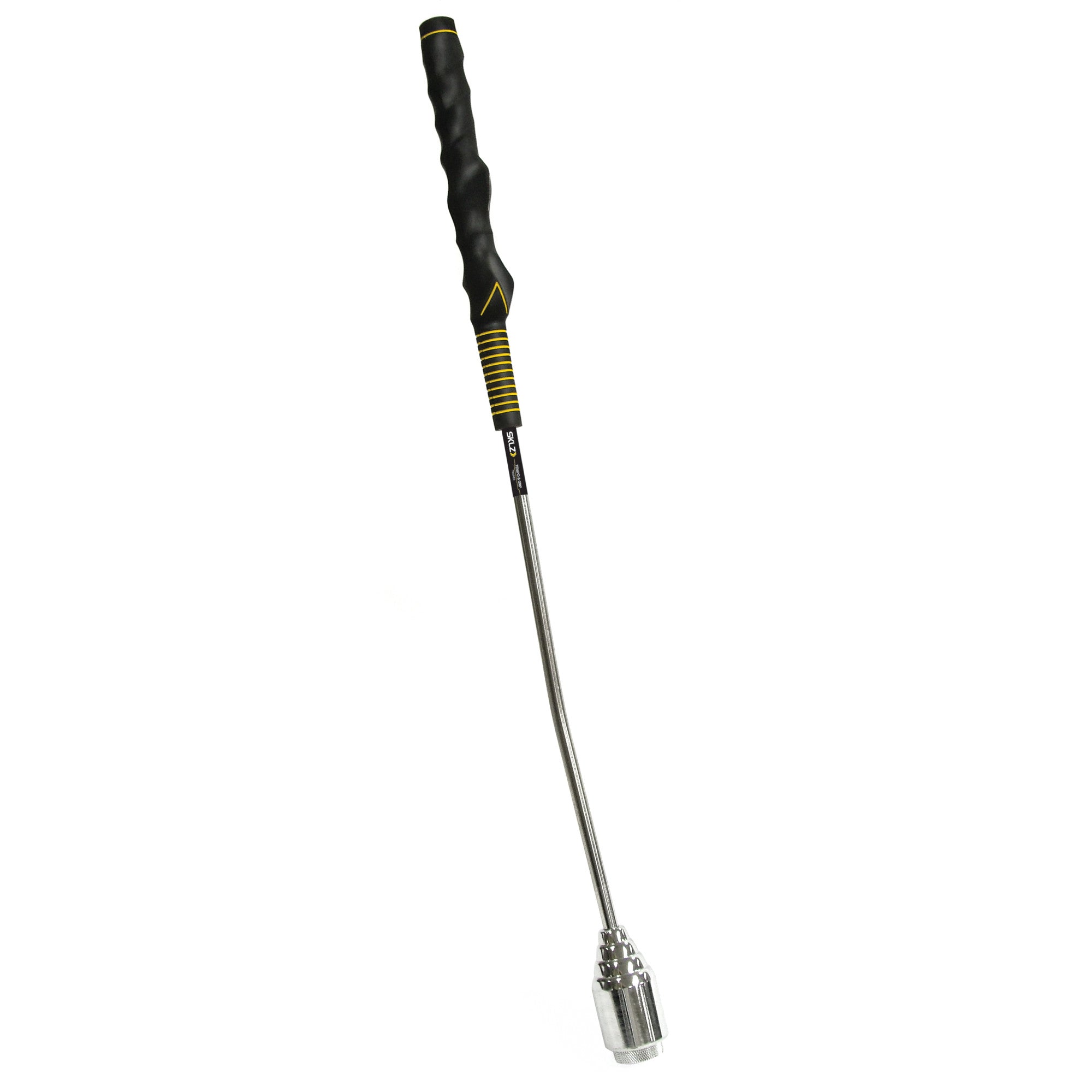
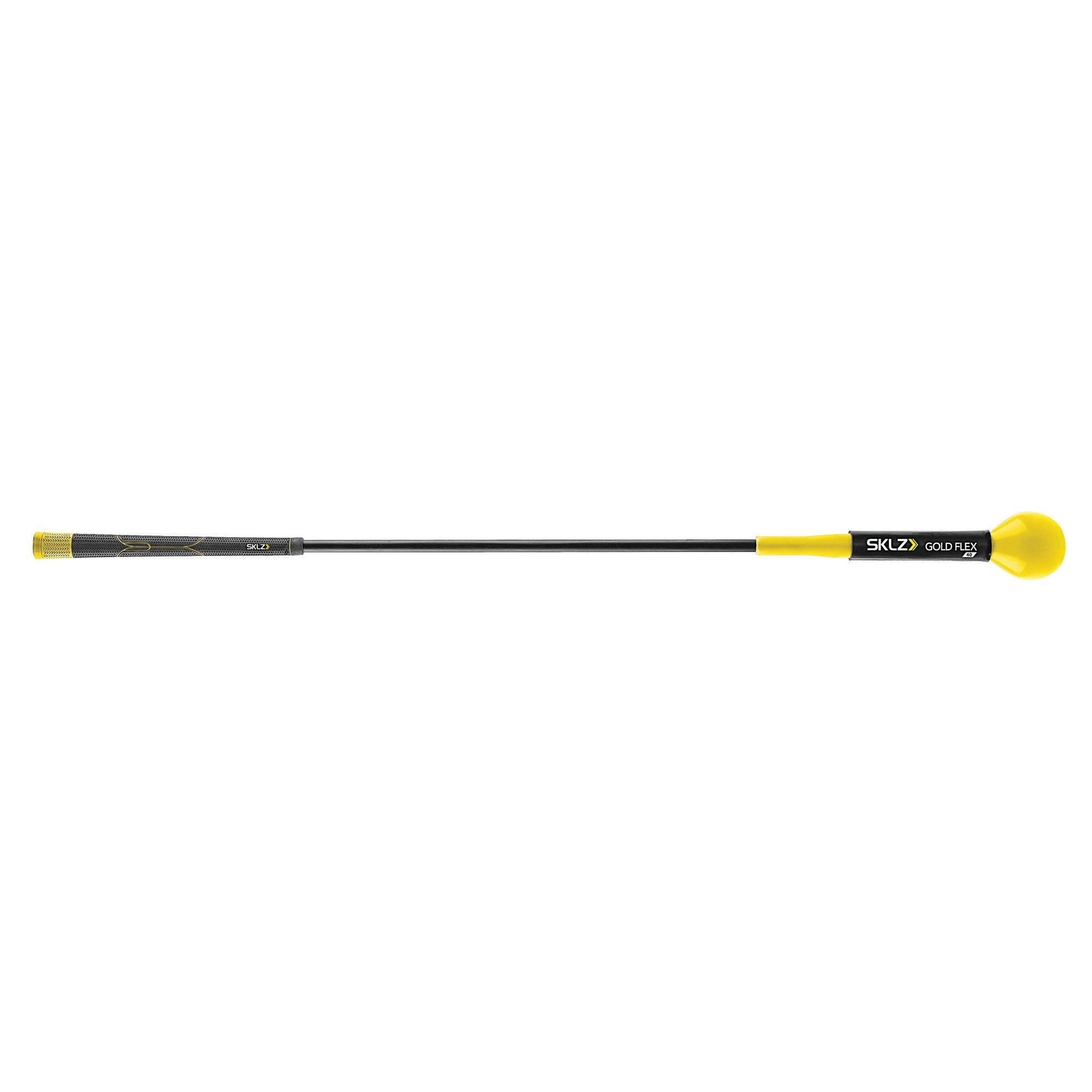
The SKLZ Gold Flex is a weighted, whippy fibreglass warm-up and tempo trainer (comes in 48 inch and a shorter 40 inch), aimed at golfers who want smoother rhythm and a bit of swing-muscle conditioning without hitting balls.
What's great
For tempo and warming up, this thing genuinely works. The over-flexy shaft forces you to wait at the top and feel the lag, so if you're a casting, over-the-top lash-merchant it'll expose that quick. Ten or twenty smooth swings before a round and your sequencing settles right down. It's cheap, near indestructible (the soft weighted head shrugs off knocks), and small enough to chuck in the car or swing in the garden. Loads of owners use it for months as a pre-round loosener and a gentle strength builder, and on that job it earns its keep.
Worth knowing
Be honest about what it isn't. It builds rhythm, not real distance, so don't expect overspeed gains. The weight feels heavy and awkward at first, and arthritic or smaller hands find the 48 inch a handful (the 40 inch suits ladies and shorter players, though some reckon it's actually too stiff to flex properly). Big one: do NOT try to regrip it. Owners on GolfWRX warn the shaft tip and grip are bonded oddly, and pulling the grip can wreck it. There's no feedback beyond feel, so if your tempo's already solid it adds little.
The verdict
A cracking little tempo and warm-up tool for the money, and one I'd happily rate for anyone fighting bad rhythm or wanting a no-balls loosener. Just buy the right length, leave the grip alone, and don't expect it to add yards.
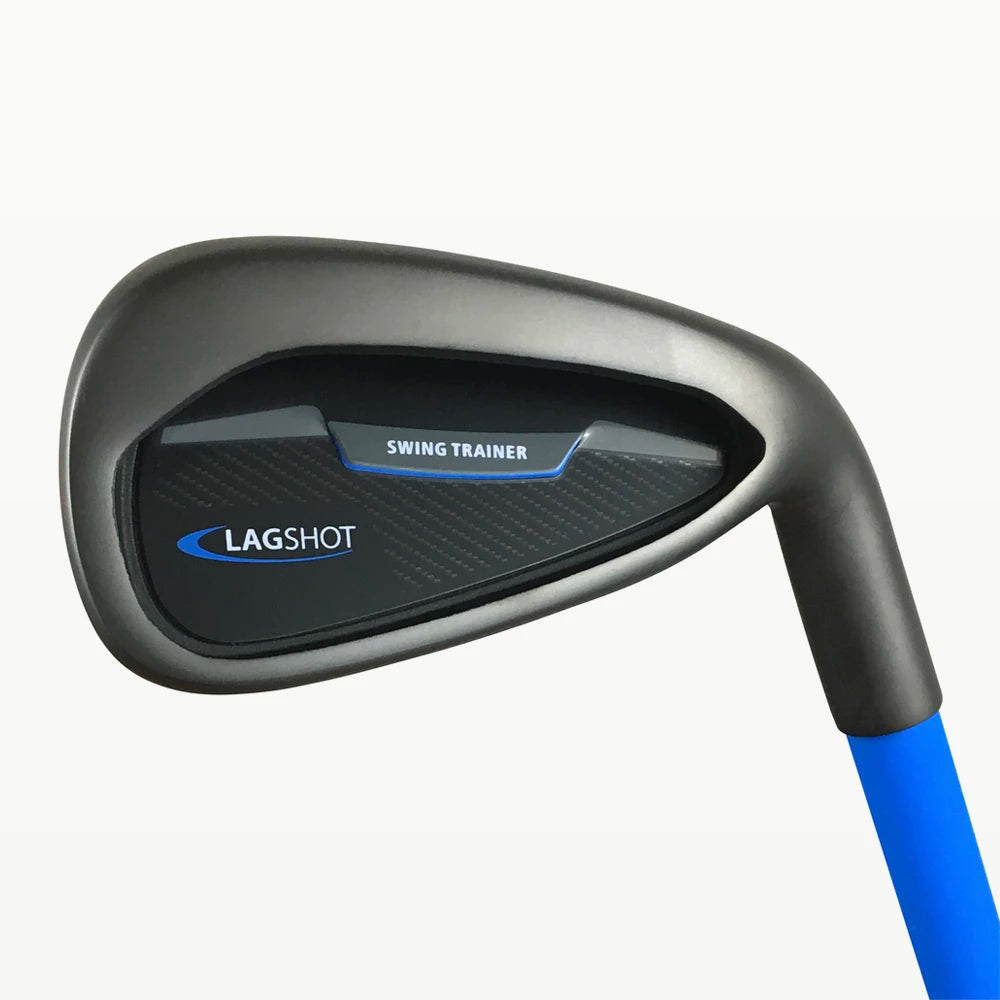
The Lag Shot 7 Iron is a weighted, super-whippy training club you actually hit real balls with, built to fix casting and teach proper tempo and lag. Aimed at the over-the-top, all-arms slicer who never lets the lower body lead.
What's great
This thing does what it says on the tin. The floppy shaft punishes you instantly if you rush the transition or throw the club from the top, so you learn to wait and let your body lead almost by accident. The big plus over most aids is you hit actual balls with it, so the feedback is real, not a drill in the mirror. Golf Monthly and Plugged In Golf both rate it as a genuine tempo and rhythm builder, and testers found the feel does carry over to their own clubs. Cracking pre-round warm-up tool too.
Worth knowing
Not a magic wand, and the marketing oversells it. There's a real learning curve, your first swings will fly miles offline and it's easy to get frustrated if you don't follow the videos. A few golfers reckon it actually messed up their normal swing and gave them nasty hooks, so it's not for everyone's mechanics. Absolute beginners should sort grip and stance first. The "add 20 yards" distance claims are hype, and the customer service for returns gets repeated complaints about slow refunds and chasing emails.
The verdict
If you're a caster or an over-the-top arm-swinger willing to put in the reps, I rate it, it's one of the few aids that genuinely teaches feel. If you want a quick fix or you're a total beginner, I'd give it a miss.
A short, weighted swing trainer with a contoured grip that physically moulds your hands into a textbook right-handed hold. Two screw-in weights let you bump the load to mimic an iron or a wood, so you can rehearse a loaded, on-tempo swing without a full club. The whole thing is short enough to swing in a garage or on the range tee and light enough to forget it is in your bag.
What's great
The grip moulding is the standout. Wrap your hands around it and there is genuinely only one comfortable way to hold it, which quietly fixes the lazy grip habits most amateurs drift into. The added weight does a proper job of slowing your transition and exposing a snatchy takeaway, so a dozen swings before a round noticeably smooths out your tempo. It is also a great muscle warm-up on a cold morning, and at this price it is hard to argue with.
Worth knowing
It is built for right-handers only, so lefties are out entirely. The grip is fixed, so it trains one specific hand position rather than your own preferred hold, and purists may not love that. It will not magically rebuild a swing on its own. It is a warm-up and feel tool, not a fault-fixer with feedback, and the short shaft means the feeling does not translate one-for-one to a full-length driver.
The verdict
For the money, it is one of the most genuinely useful warm-up aids you can carry. If you are right-handed and want better grip and tempo without faff, it earns its spot in the bag. Just go in knowing it is a habit-builder, not a swing doctor.
An inflatable ball on an adjustable lanyard that you trap between your forearms (or under an armpit) to drill arm-body connection. Aimed at the mid-to-high handicapper who chicken-wings it, loses connection in the backswing, or just can't compress an iron.
What's great
It does one job and does it well. The whole point of those "ball between the forearms" drills is feedback, and this gives you two layers of it: the ball drops out if your arms split, and you feel a tug on the lanyard the second you disconnect. No bending down to fetch a dropped glove every swing, which means you actually keep practising. It is properly sized and not too heavy, lives in the bag, and reviewers report real carry-over, not just a crutch feel, with most folks getting the lightbulb moment around the third to fifth session. It quietly works for putting tempo too.
Worth knowing
It is a one-trick pony. It services maybe three connection drills and nothing else, so if you are not the type to actually do the reps it gathers dust fast. Use it wrong (no instruction, just guessing) and you can groove the wrong move, which is the real risk with the cheap knockoffs. It is an inflatable, so a sharp tee or spike will pop it, and folks with an aggressive release or dodgy shoulder mobility find it uncomfortable. It will not fix your path, your grip or your strike on its own.
The verdict
If arm-body connection is genuinely your fault, I rate it as a cheap, effective bit of kit that beats a tucked-in glove. If you just want a magic gadget to buy and never use, give it a miss, it only works if you put the reps in.
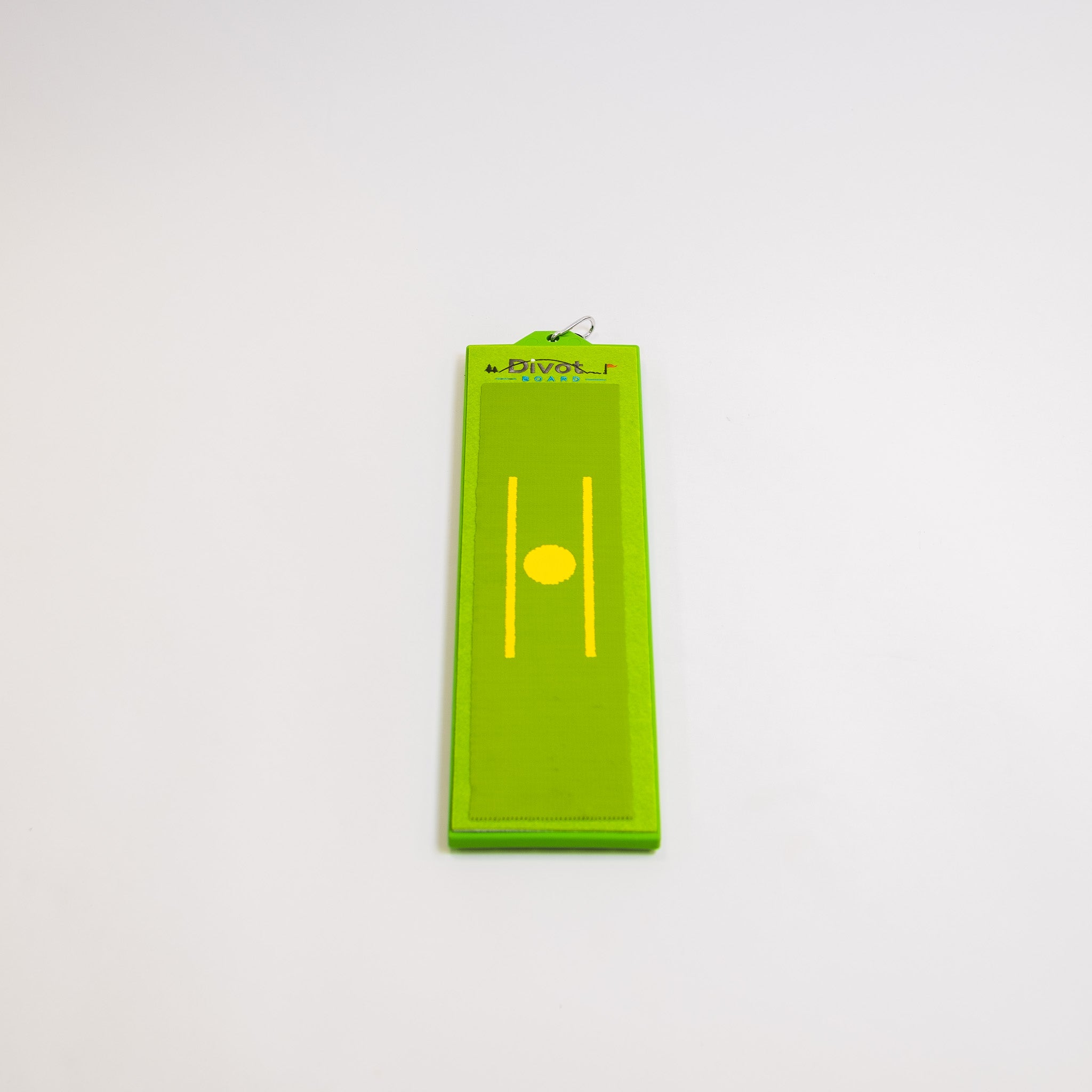
A thin, portable mat with a colour-changing top sheet. You hit shots off it (or rehearse swings just clipping the surface) and the club leaves a coloured mark showing exactly where the low point of your swing was and which direction the club travelled through impact. It is a diagnostic tool, not a hitting mat for full sessions, the point is to read the marks between swings.
What's great
The feedback is genuinely honest and immediate. Most golfers think they hit the ball first when they are actually bottoming out behind it, and this drags that truth into plain sight in one swing. It shows path direction and where on the face you are striking too, so it doubles as a path and contact trainer. It is light, packs flat, grips carpet and range mats well, and works indoors so you can drill ball-first contact at home year round. As a tool for fixing fat and thin strikes it is one of the few aids that actually changes behaviour because you cannot argue with the mark.
Worth knowing
The pad is a consumable. Hard, fat strikers can wear one out closer to 1,000 swings, and replacements cost most of forty pounds, so the real cost is ongoing rather than one-off. The surface is fairly narrow, so a big sweeping divot can run off the edge and leave you guessing at the full pattern. Marks can partially rub off during a session, and extreme heat or cold can dull the colour change, so it is happiest at room temperature. It is also a diagnostic aid, it tells you what is wrong but not how to fix it.
The verdict
If you struggle with fat and thin contact, this is one of the most useful training aids you can own because it makes the invisible visible. Just go in knowing the pad is a running cost and the board is narrow. For honest strike feedback at home or on the range, it earns its place, lesser strikers and casual users may not justify the price or the replacements.