
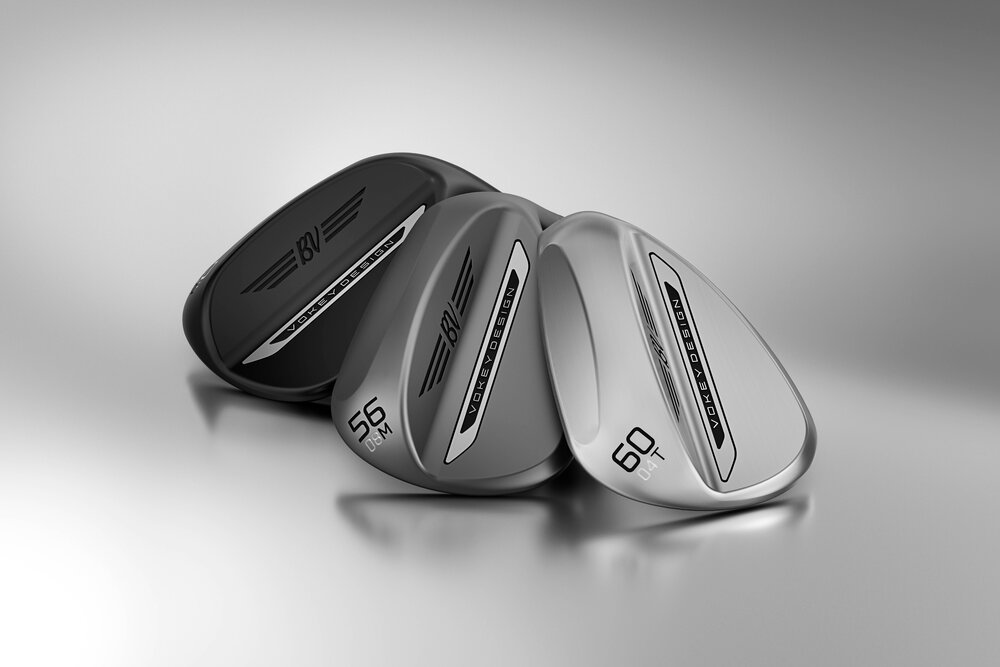
The latest generation of Titleist's tour-standard Vokey wedge, with the widest grind/loft/bounce matrix in the game for dialled-in fitting.
The Short Game Kit
The fastest way to actually lower your scores.
Almost everyone practises the wrong thing. They beat drivers on the range while their scorecard bleeds strokes inside 100 yards — the chunked chip, the three-putt, the wedge that spins off the back of the green. The short game is where handicaps are really made, and it's the cheapest part of the bag to fix, because it's about reps and feel rather than expensive hardware. This is the kit to get properly good around the greens.
The logic is simple: fitted wedges with the right lofts and grinds do more for your scoring than any new driver, and a little structured practice with them beats hours of aimless flailing. Two well-gapped wedges cover every greenside shot; a strike trainer teaches you to hit down and take a proper divot instead of scooping; a chipping net turns the back garden into a short-game school; and a quality putting mat with an alignment mirror grooves the two things that decide most putts — a square face and a repeatable stroke. Add a ball that actually checks on the green and you can finally see the spin your technique earns.
None of this is glamorous, and that's the point — this shelf is bought by golfers who've realised that the shots they waste are almost all short ones. Get these reps in over a winter and you'll knock strokes off without touching your long game.
ifrothgolf earns a commission on purchases made through these links, at no extra cost to you. It never changes what I recommend. Full disclosure.
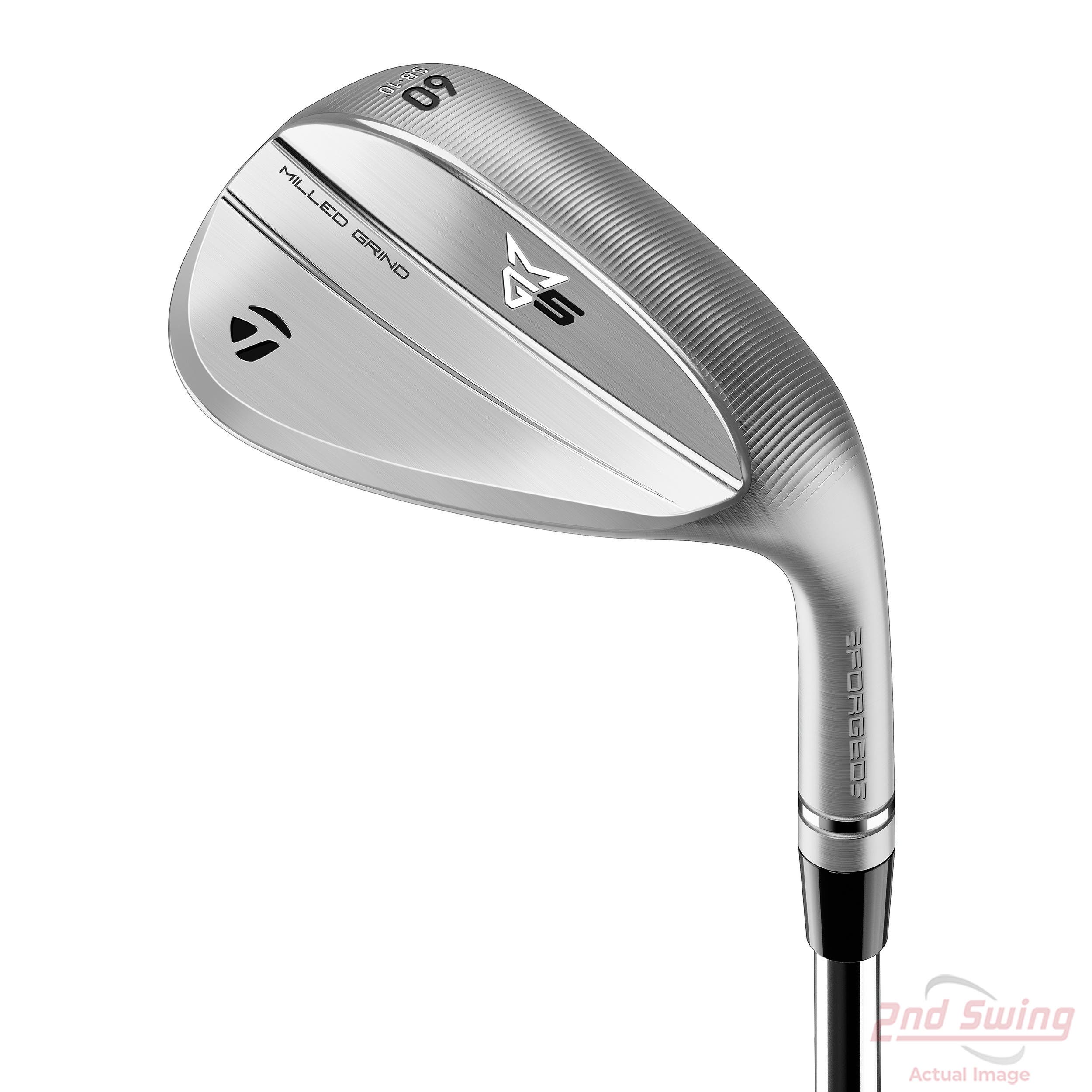
A premium, fully-forged tour wedge with aggressive new grooves and a moisture-channelling RAW face, in six grinds for most players.
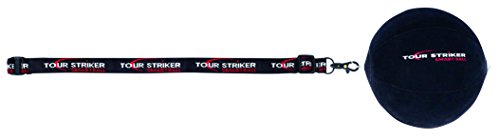
An inflatable ball on an adjustable lanyard that you trap between your forearms (or under an armpit) to drill arm-body connection. Aimed at the mid-to-high handicapper who chicken-wings it, loses connection in the backswing, or just can't compress an iron.
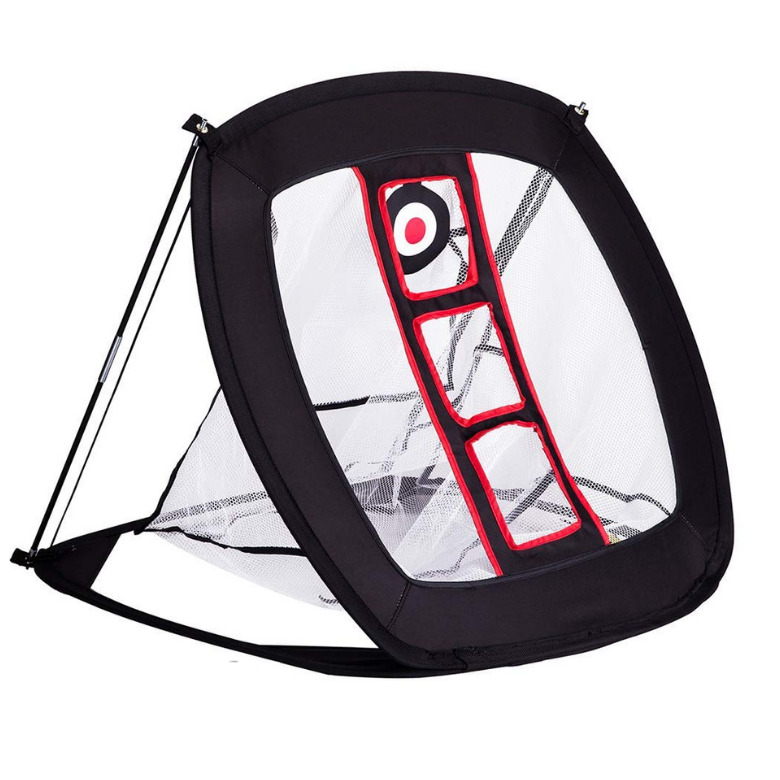
A collapsible, spring-framed net that pops open into a freestanding target, usually with a couple of pocket holes to aim at. It's the cheap, grab-and-go way to practice chips and pitches in the garden without peppering the fence.
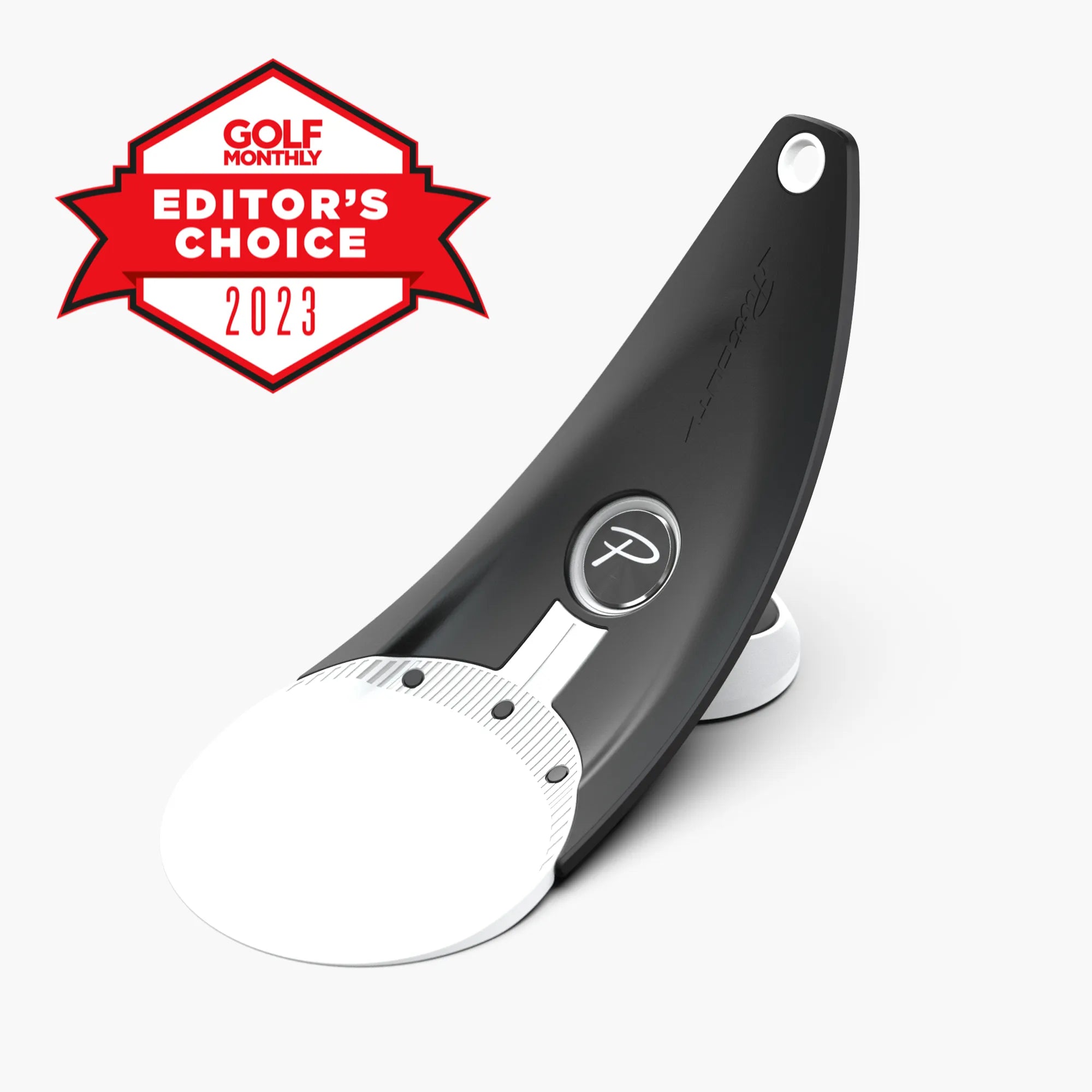
A pocket-sized putting aid: a parabolic ramp with a micro-target that catches dead-perfect putts and rolls everything else back to you. Aimed at anyone who wants to practise short putts at home or on the range without chasing balls all over the carpet.
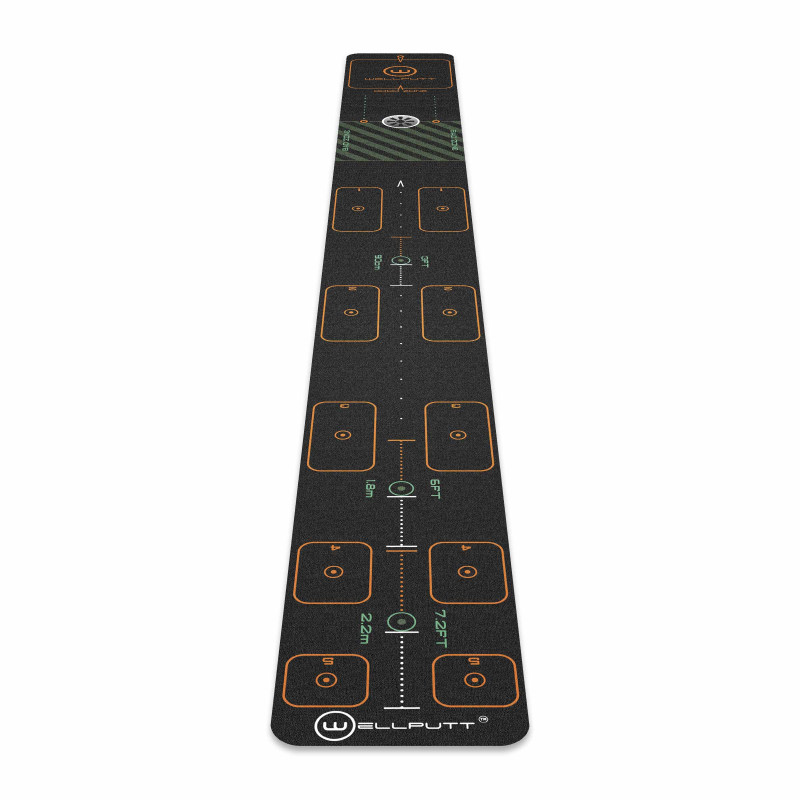
A 3m roll-up putting mat from WellPutt, the entry 10ft First model in their range. The surface is printed with alignment and stroke-length markers and pairs with a free app that walks you through drills built around setup, start line, pace and consistency. It is a structured practice system more than a novelty mat.
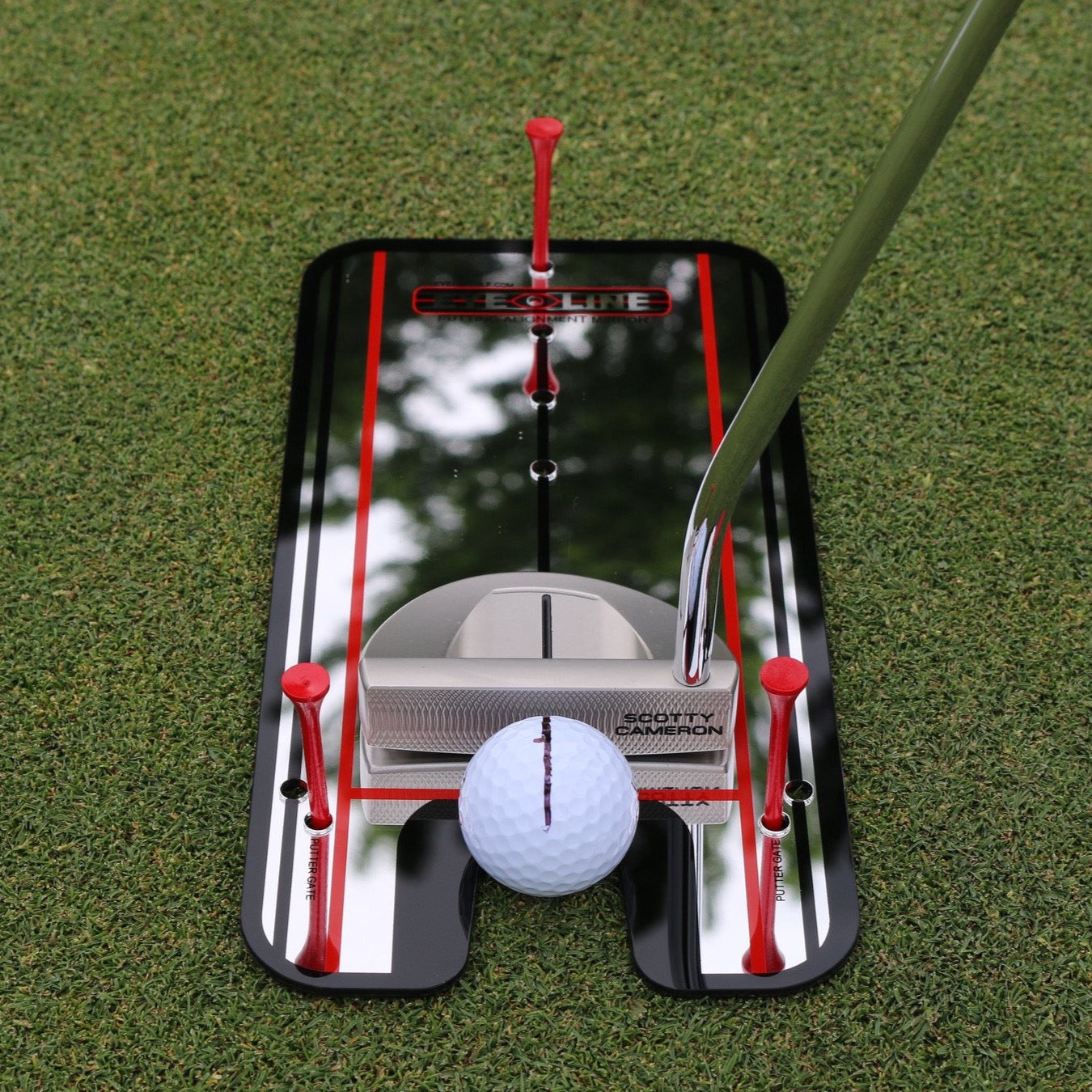
A flat, mirrored alignment plate you set on the green or floor and putt over. The printed lines show whether your eyes sit over the ball, whether your putter face is square at address, and whether your ball position is consistent. Slots let you push tees in to form a gate so you can groove centre-face contact, and a separate hole lets you practise accelerating through impact.
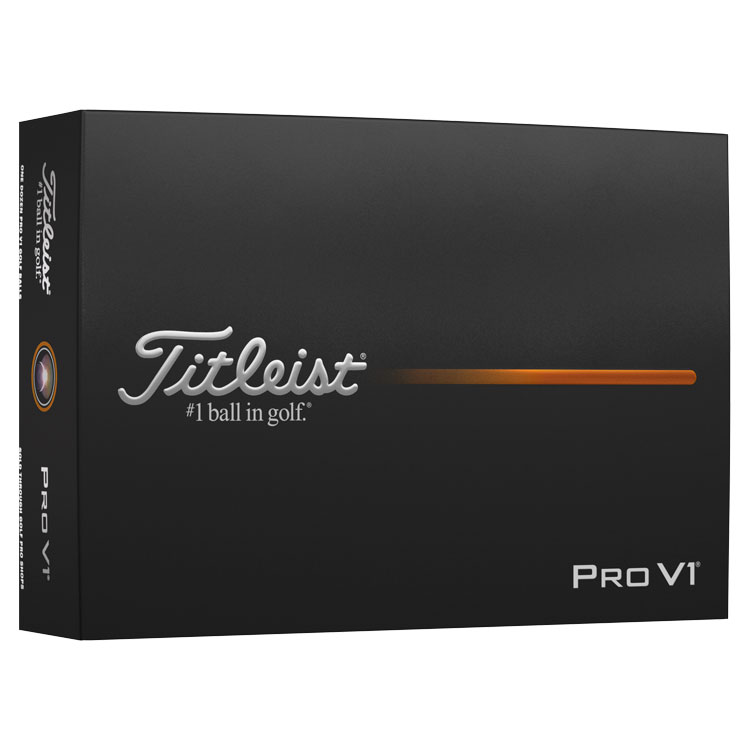
The Titleist Pro V1 is the benchmark tour-level urethane ball, a mid-spin, mid-flight three-piecer aimed at golfers who actually shape shots and want proper greenside bite, not casual hackers padding their bag.
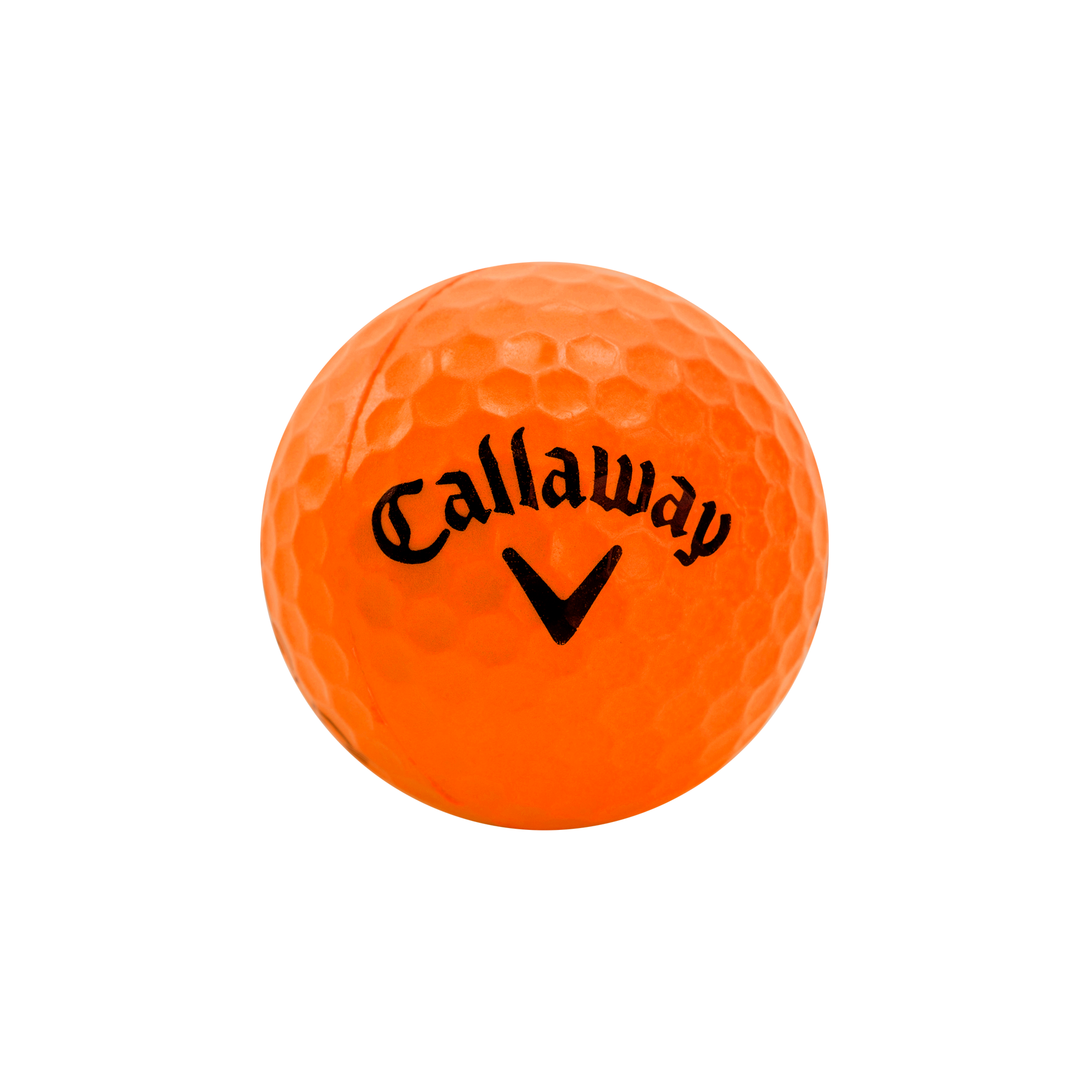
A nine-pack of soft foam practice balls with Callaway's hex dimple pattern, designed for full swings in gardens and tight spaces.
Frequently asked
- What's the quickest way to lower my golf scores?
- Practise your short game. Most golfers lose far more strokes inside 100 yards — chipping, pitching and putting — than off the tee, and it's the cheapest part of the game to improve because it rewards reps and feel over expensive equipment.
- How many wedges do I need, and should I get fitted?
- Two or three, evenly gapped (around 4–6° apart), covers every greenside shot. Wedges are the highest-value clubs to get fitted because bounce and grind matter as much as loft — the right sole for your turf and angle of attack lets one wedge play several shots cleanly.
- Can you really practise your short game at home?
- Yes — it's the part of the game that transfers best to home practice. A chipping net, a quality putting mat and foam balls let you groove contact and your stroke indoors or in the garden, which is exactly why a winter of short-game reps pays off in the spring.
- What does a strike trainer or smart ball actually teach?
- It gives instant feedback on your contact — a ball placed in front of the clubface trains you to hit down and through with a forward-leaning shaft rather than scooping, which is the single most common fault in poor chipping and pitching.