Proof that playing well doesn't mean spending a fortune. Every pick here is under fifty quid and genuinely punches above its price: the value balls the community swears by, the best-ROI training aids in golf, and the cheap gloves, tees and accessories that quietly make every round better. The smart-money shelf, with zero filler.
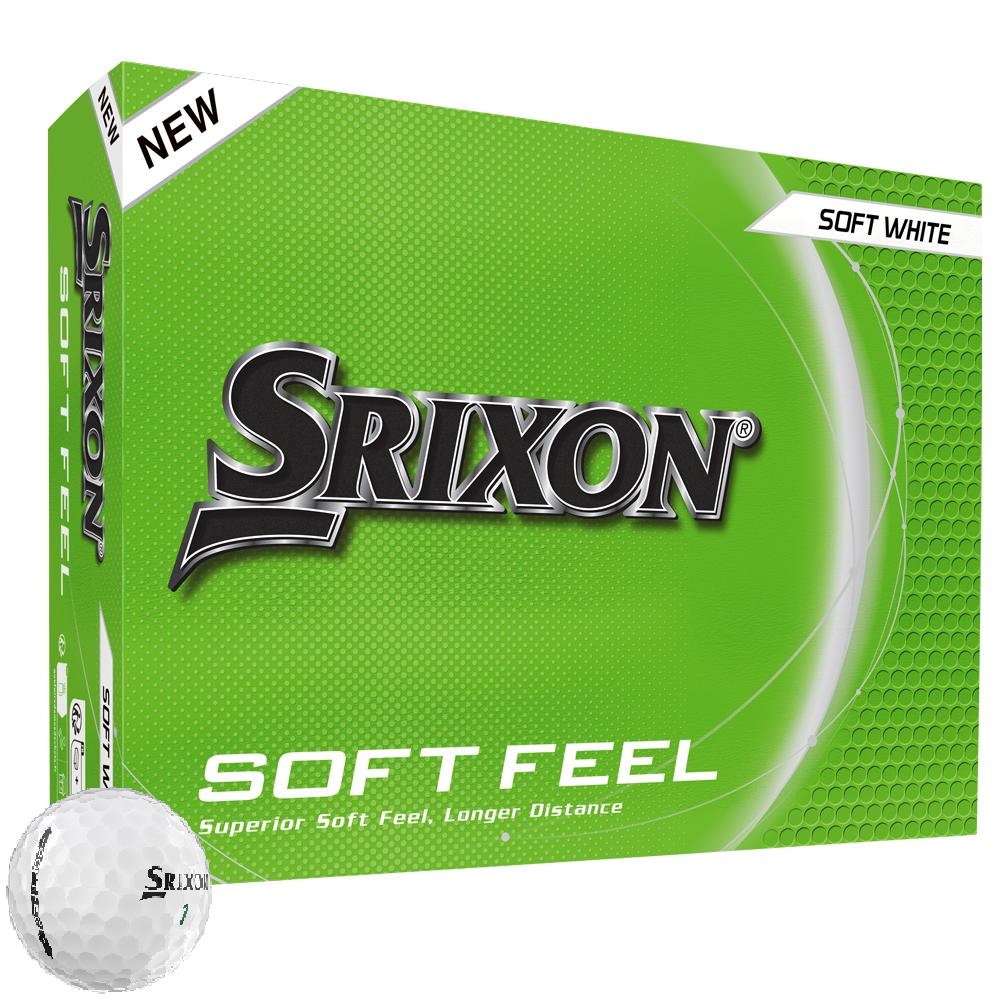
The Srixon Soft Feel is a low-compression, two-piece ionomer ball aimed at moderate swing speeds (think under 95mph), and it's pitched squarely at the weekend golfer who wants soft feel without paying premium-ball money.
What's great
For the cash, I rate this as one of the best value balls going. It genuinely feels soft off the putter and short irons, and the low driver spin keeps it flying dead straight, which is gold if you fight a slice. Reviewers who put 17 rounds through it found greenside spin better than they expected for a two-piece (one of the higher-spinning ones in that class), and the ionomer cover holds up well, so you're not binning balls after a few holes. Solid, predictable, easy to play.
Worth knowing
Be honest with yourself though, it is not a premium ball and it doesn't pretend to be. Low compression costs you ball speed, so faster swingers (95mph plus) will leave yards out there versus a firmer ball. Greenside spin is fine but nowhere near a Z-Star or even a Q-Star, so if you like to nip wedges and stop it on a sixpence, this won't do it. A couple of testers also found it a touch mushy off the tee and on full iron shots, so if you prefer a firm, clicky strike, look elsewhere.
The verdict
If you swing under 95mph and want a soft, straight ball that won't empty your wallet, I'd happily put this in the bag. Quick swingers and spin chasers should spend up to a urethane ball instead.
Srixon's sixth-generation soft-compression urethane ball, sitting between budget two-piece balls and full premium tour balls.
What's great
Golf Monthly asked whether Srixon had just released the best value ball in golf, which tells you where this sits. Today's Golfer found excellent tee-to-green performance with a flight that travels very straight in a nice window, less ballooning than older generations, and impressively high spin on approach and wedge shots. The urethane cover is the key, giving you real greenside grab that similarly priced ionomer balls cannot offer. The 74 compression suits moderate swing speeds, so you are not leaving distance on the table trying to compress a tour ball. And at roughly £33 a dozen, losing one in the pond hurts a lot less.
Worth knowing
The feel is very soft and quite muted, and Today's Golfer noted there is little feedback through the strike, so low handicappers who read their contact through their hands may not get on with it. Fast swingers will spin it less than a Z-Star and should pay up for the premium ball. It is also not a fix for a slice, just an honest, well-priced ball.
The verdict
The best balance of price and performance in golf balls right now. Most club golfers should play this and bank the savings.
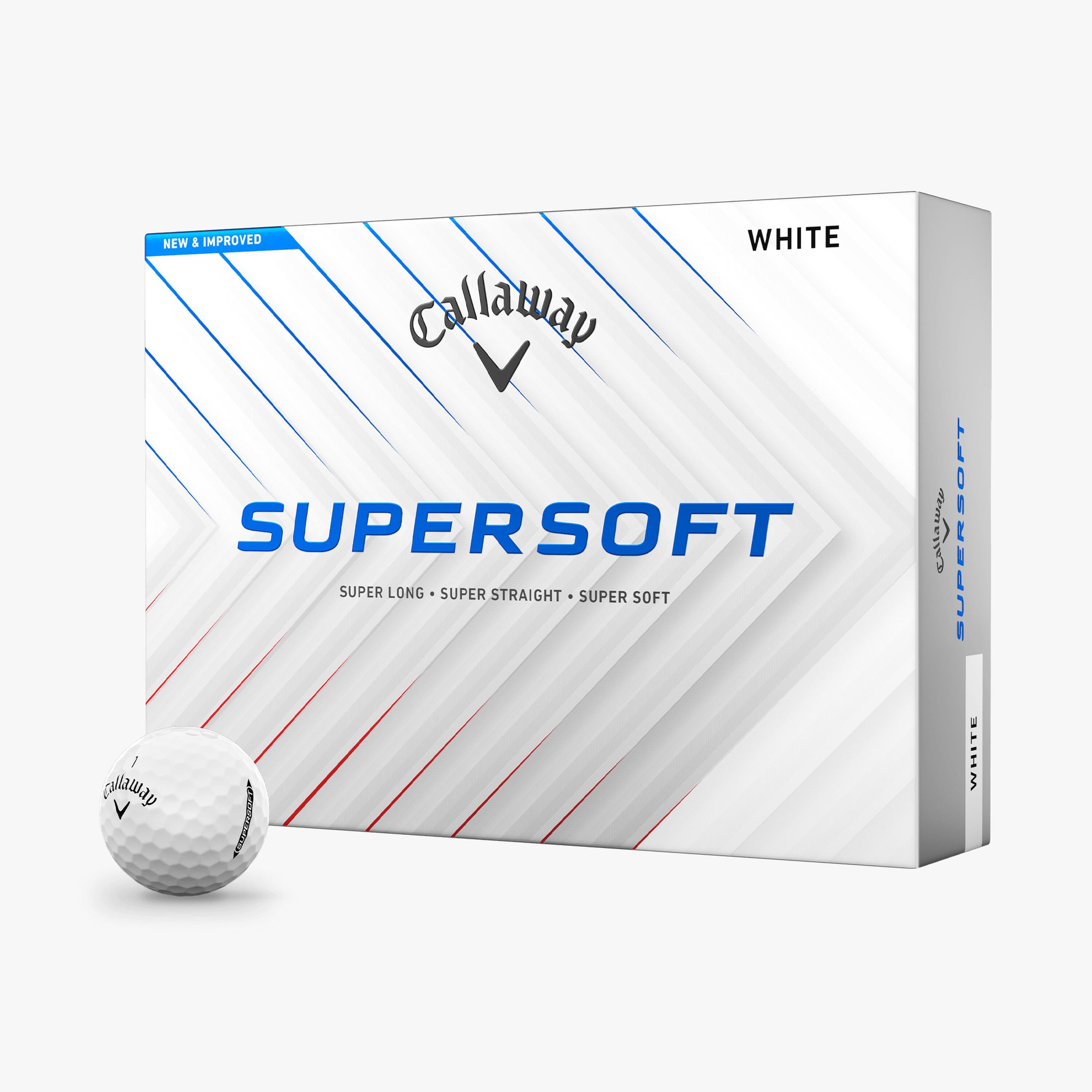
The Callaway Supersoft is a low-compression, two-piece ionomer ball built for slower swing speeds and soft feel, and it's been a best-seller for years (still the number-one selling ball on Amazon in 2025). It's aimed at mid-to-high handicappers who want a forgiving, straight-flying ball without paying tour-ball money.
What's great
The feel is the headline, genuinely soft and muted off the putter and short irons, which a lot of you will love. The real magic is the low spin off the driver: it reins in your side spin, so slices and hooks stay closer to the short stuff. Testers at Breaking Eighty and Out of Bounds Golf both flagged straighter, less wild drives as the standout. For slower swings it holds distance well too, finishing near the top in independent slow-speed testing. As a price-to-performance package it's hard to argue with.
Worth knowing
Two real downsides. First, greenside spin is weak. Chips and pitches struggle to check and stop, with rollout you can't always trust, so if you like to spin one back you'll be frustrated. Second, if you've got a quick swing it's actively short. independent 2025 testing had it as the second-shortest ball off the driver, over 15 yards behind the longest. The very low spin that helps slower players costs faster swingers both stopping power and distance.
The verdict
If you swing it slow to moderate, lose a few balls a round, and want soft feel with straighter drives, I rate the Supersoft as cracking value. If you've got real speed or live by your wedge spin, I'd avoid it and step up to a urethane ball.
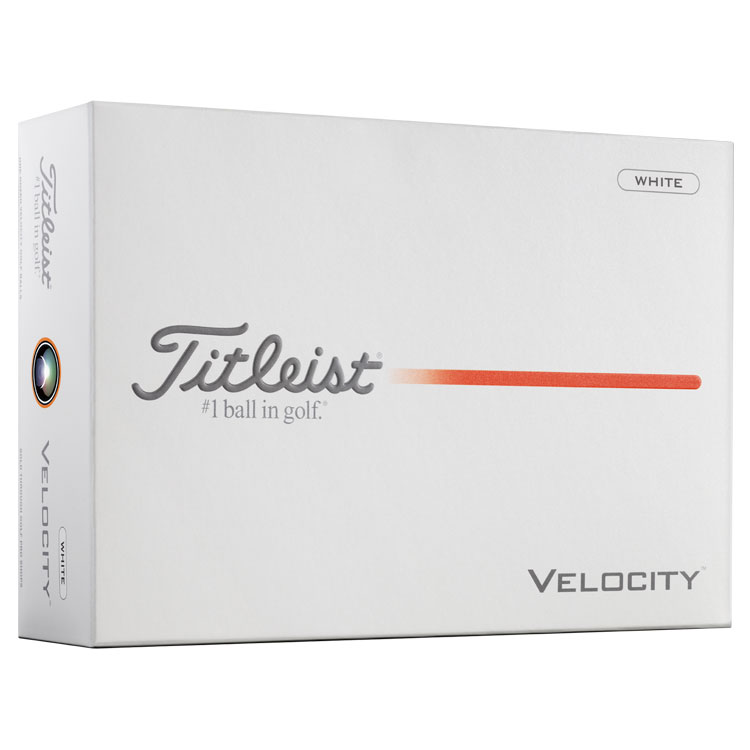
The Titleist Velocity is a two-piece, ionomer-covered distance ball. It is the budget-Titleist tee rocket aimed at mid and higher handicappers who want max yards and a high flight, not greenside wizardry.
What's great
This thing flies. Off the driver you get genuinely explosive ball speed and a high, towering flight, and testers like NCG clocked it carrying with the long stuff and posting big total numbers. It is long off the irons too, which is where a lot of mid handicappers actually notice it. The ionomer cover is tough as nails, so it shrugs off cart-path clatter and wedge nicks far better than any soft urethane ball, and it comes in proper loud colours if you lose sight of white. For the money it is daft long and lasts ages, which is exactly the brief.
Worth knowing
The greenside spin is poor, full stop. independent testing measured it as one of the firmer balls going (around 84 compression) and reviewers across the board found chips and pitches release and run out way past where you aim, so if you score with a sharp short game this ball fights you. The firm feel is a real thing too: it is clicky off the putter and the irons, and feel players will hate it. It also launches high and low-spin, so in wind it can balloon and get knocked about. If you swing slow or live around the greens, look at a Tour Soft or AVX instead.
The verdict
I rate the Velocity for what it is: a long, durable, daft-fun tee ball for mid-to-high handicappers chasing yards on a budget. Just know you are trading away greenside spin and soft feel to get them, so if you score with your wedges, I'd avoid.
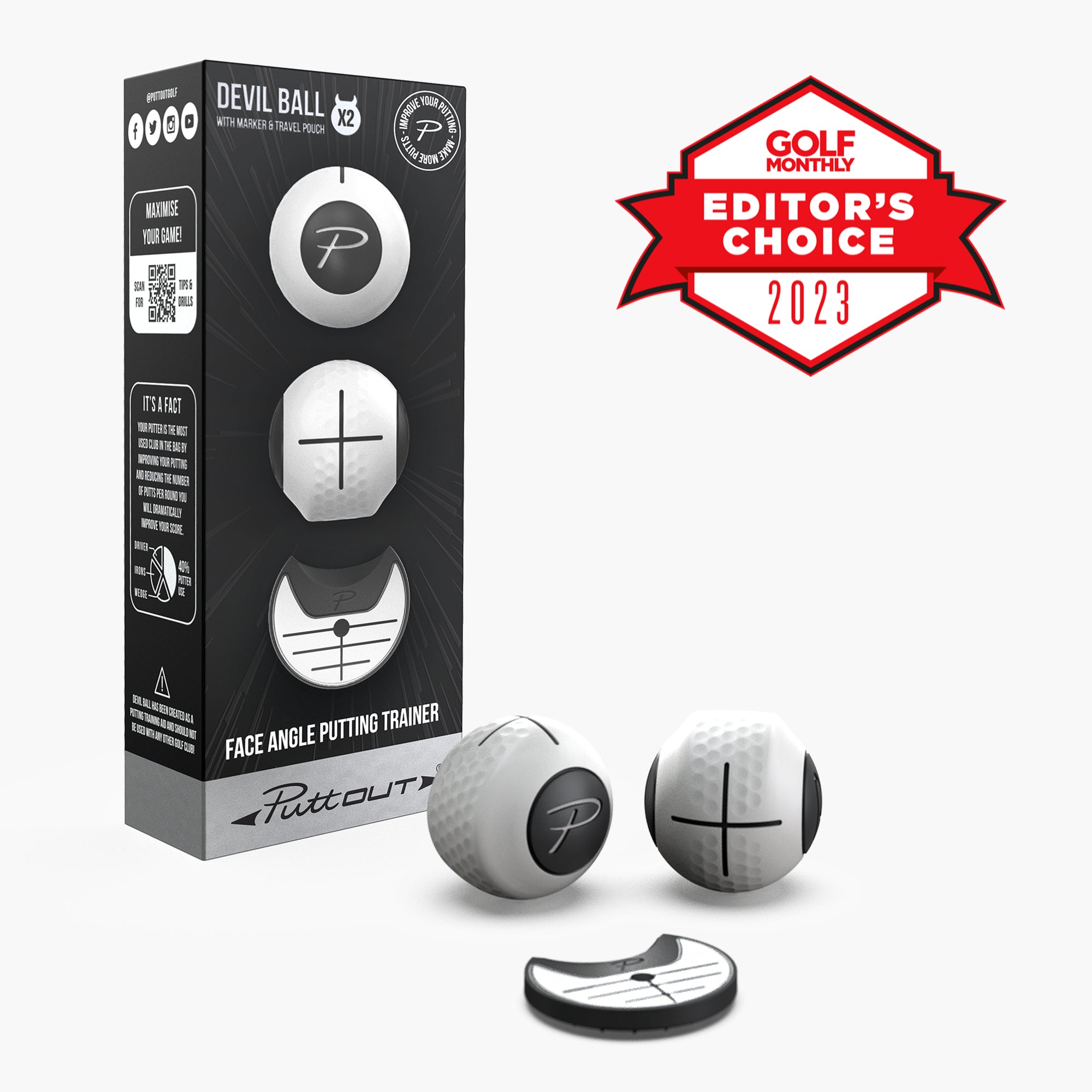
A weighted practice ball with flat edges that exaggerates face angle errors at impact, so a slightly open or closed putter face sends it visibly offline.
What's great
The feedback is instant and impossible to argue with, which is the whole point of a training aid. Reviewers at outlets like Golf Monthly have praised PuttOUT gear for nailing simple, well-made practice tools, and this fits the pattern. The three difficulty levels mean it scales with you: start on beginner and a decent stroke still rolls it true, flip it to pro and even good putters get humbled. Because it's the same size and weight as a real ball, the stroke you groove transfers straight to the course. It also packs into a tiny pouch, so it actually gets used rather than living in the garage. Practice green sessions become weirdly competitive once your mates have a go.
Worth knowing
It's £25 for two plastic balls, and no amount of clever engineering makes that feel cheap. It diagnoses the problem but doesn't coach the fix, so you may end up frustrated if your stroke has deeper issues. A few owners also find the pro level so punishing that it knocks confidence rather than building it. And if you only putt a handful of times a year, this is overkill.
The verdict
A genuinely clever, pocket-sized putting truth machine. Expensive for what it physically is, but it earns its keep if you practise regularly.
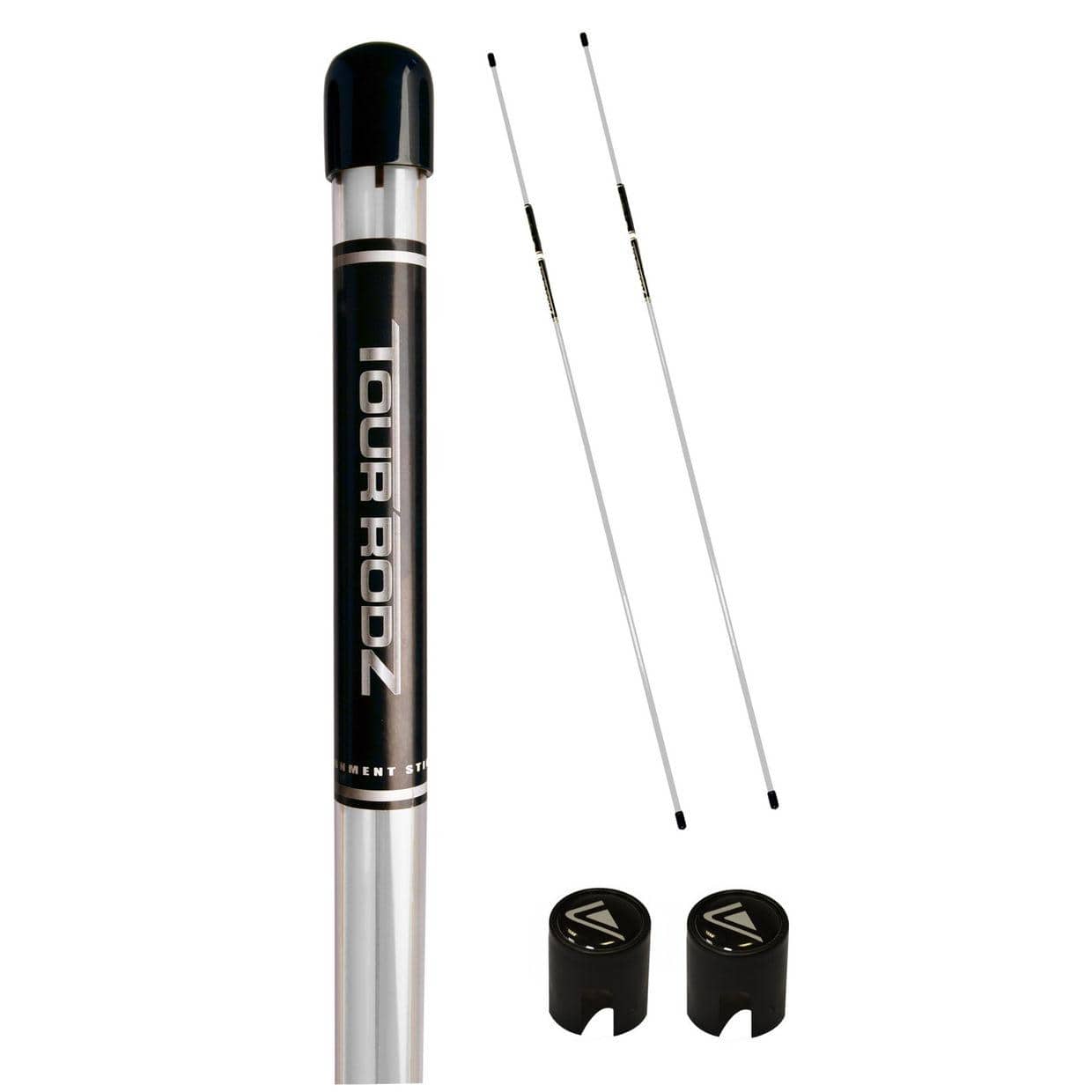
A no-frills pair of fibreglass alignment sticks, the cheapest way to start doing proper alignment, ball position and swing path drills at the range or in the garden. Aimed at anyone who wants the gains without paying tour-branded money.
What's great
Here's the honest truth: for laying on the ground to check aim, feet and ball position, a budget fibreglass pair does exactly the same job as the posh ones. They're light, flex a bit so they won't ping your shins, and they'll genuinely tidy up your alignment, the single most common reason club golfers aim miles off and never know it. At this money they're an easy yes, and most owners report theirs holding up fine session after session and surviving being chucked in the bag.
Worth knowing
The corners they cut are real. The rubber end caps love to fall off (a dab of superglue sorts it), the points are blunt so they're a pain to push into hard or dry ground, and fibreglass goes brittle over time, especially if you leave them baking in the car or in the sun, so they can splinter or snap if you catch one with a clubhead. Thinner budget rods can also take a slight bend. Stated lengths are a bit optimistic too. Not for someone wanting a posh tour aid.
The verdict
For the price I rate them, do the job 95 percent as well as anything triple the cost. Just store them out of the sun, expect to glue a cap back on, and don't cry if you eventually snap one.
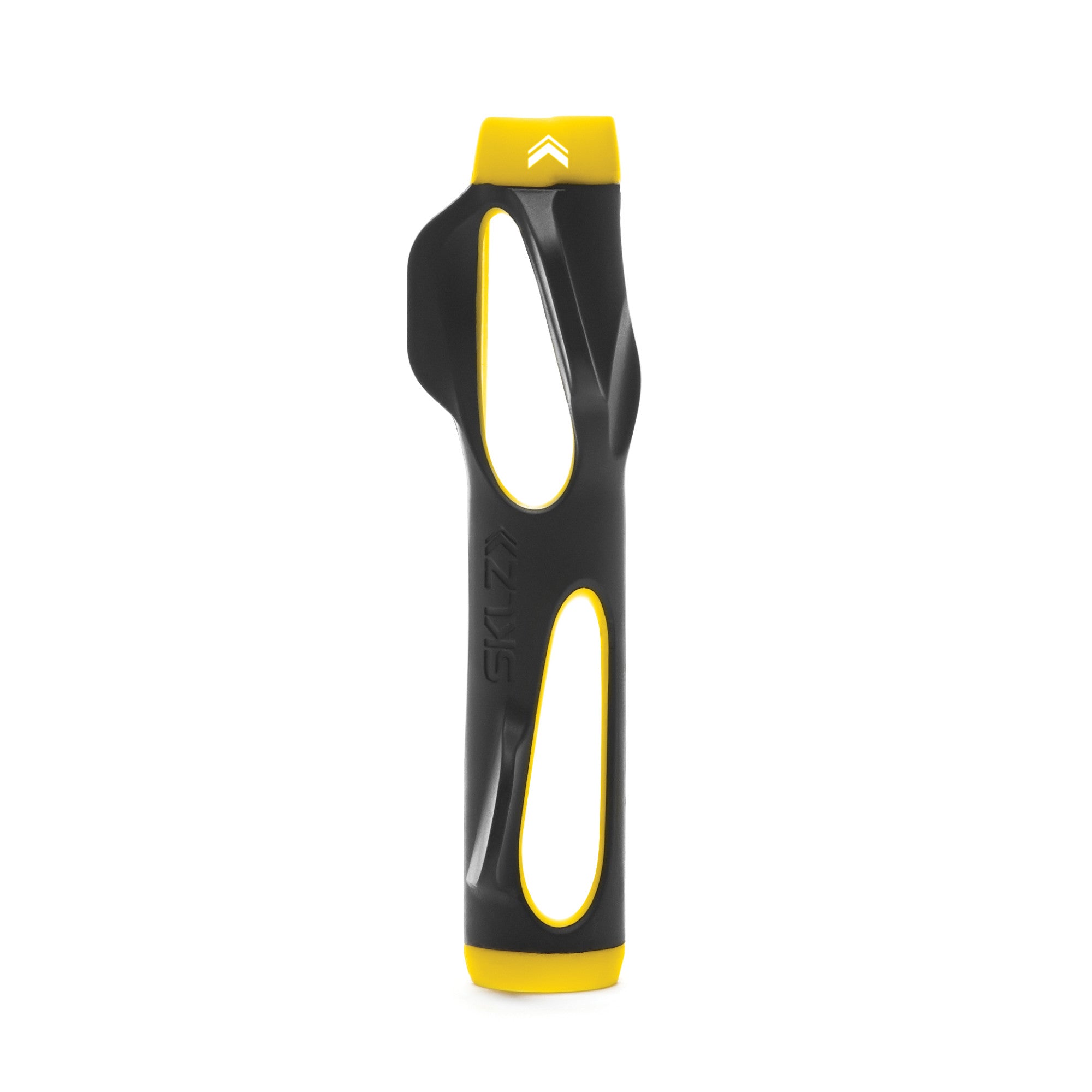
A moulded plastic attachment that clips over any standard golf grip and forces your hands into the textbook neutral position, for practice swings and range sessions.
What's great
The Scheffler connection is what sells it, and it's legitimate in spirit: Golf.com and Today's Golfer have both covered how the world number one hits shots with a moulded training grip to keep his hands honest, and this achieves the same thing for about £12. Because it attaches to your own clubs, you're training with your actual equipment rather than a separate gimmick club. The feedback is immediate; if your usual grip is strong or weak, this will feel alien at first, which tells you exactly how far you'd drifted. It's tiny, so it actually travels with you, and a few minutes of waggles before a round genuinely resets the hands. For the money it's one of the highest leverage training aids going.
Worth knowing
Right-hand only for this model, which is a genuine snub to lefties. It enforces one neutral grip, and some decent players intentionally play with stronger grips, so it's corrective rather than universal. It can slip on worn or oversized grips. And it's not conforming for competition rounds, so it stays in the bag once you're on the tee.
The verdict
A £12 fix for the most common fault in amateur golf. Cheap, simple, and backed by the best player in the world's practice habits.
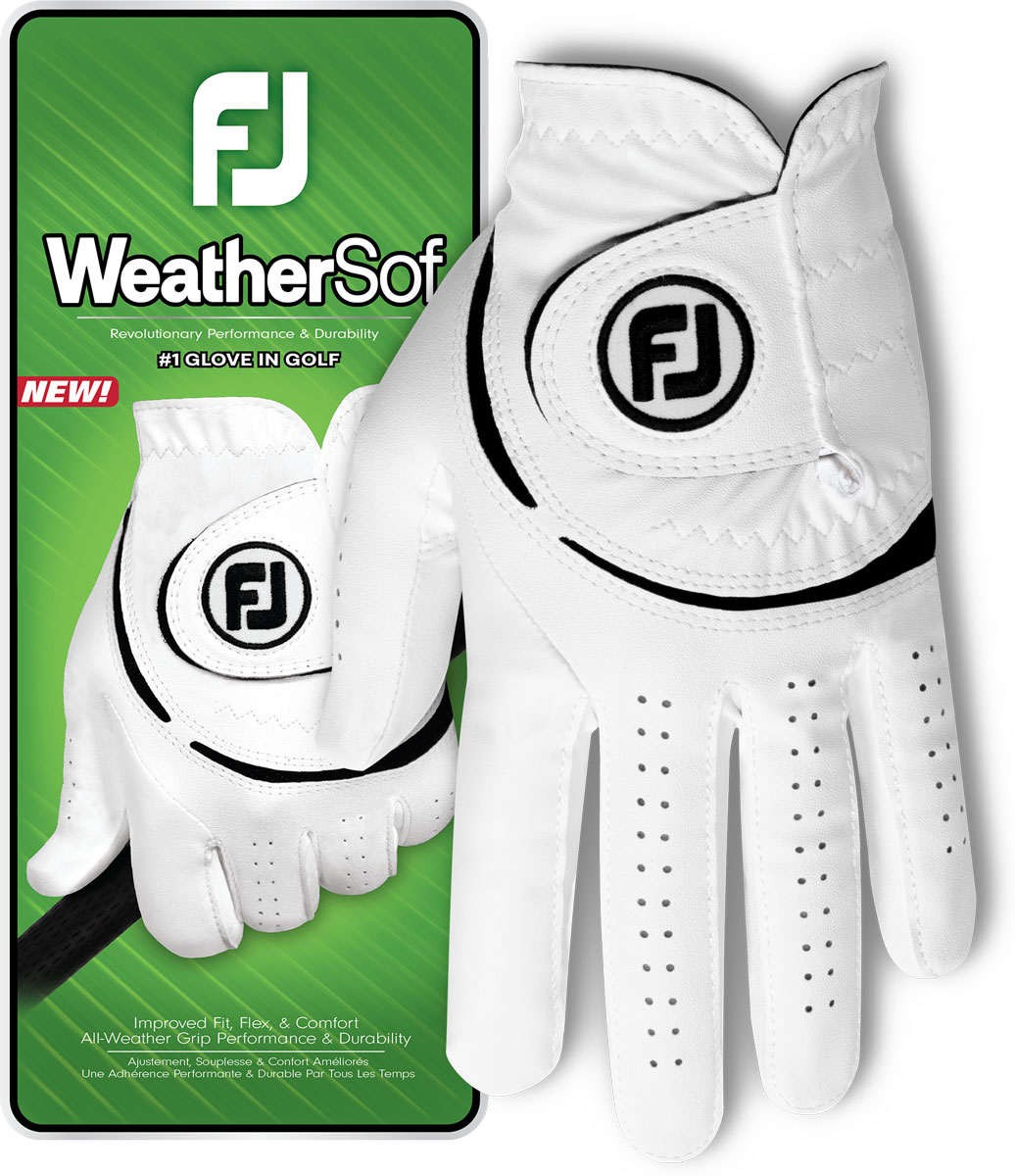
The FootJoy WeatherSof is the default all-rounder glove, a mostly synthetic (FiberSof) build with leather patches on the thumb and palm, aimed at anyone who wants a grippy, sweat-proof glove that lasts without paying leather money.
What's great
This is the one I reach for on hot, sweaty rounds and it just works. The synthetic shell shrugs off moisture and stays grippy when a full-leather glove would go slick and crispy, and it genuinely outlasts cabretta, often by a fair margin. The leather patches on the thumb and palm give you proper hold where it counts, the all-weather versatility is the real selling point, and as a multi-pack it is daft value. Reviewers and owners back this up, it is the world's biggest-selling glove for good reason.
Worth knowing
It is not for purists, the feel through the fingertips isn't as pure as a full-leather glove like the StaSof and you will notice if that's your thing. Two real gripes from owners, not nitpicks: sizing runs small, so size up if you're between, and there's a genuine batch-quality wobble where the top layer can start peeling around the fingers after only a few rounds, with some saying recent gloves feel thinner and stretch out of fit faster than the ones from a few years back. Quality control feels like a lottery.
The verdict
I rate it as the smart everyday and wet-weather pick, buy the multi-pack, size up, and rotate them. Just don't expect buttery leather feel, and accept the odd dud.
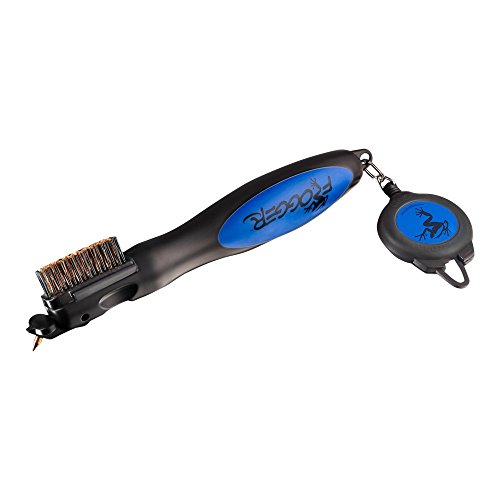
A retractable clip-on golf brush from Frogger with a dual-bristle head (nylon plus a bronze/nylon combo) and a flip-out metal groove pick, aimed at anyone who wants caked mud and grass out of their face and grooves without faffing about.
What's great
The actual cleaning is the bit I rate. The bristles shift thick mud, sand and wet grass off the face with a couple of quick scrubs, and the pop-out bronze tine genuinely digs grime out of the grooves rather than just smearing it. The chunky rubberised handle is comfy and easy to grab one-handed, and the 2 and a half foot retractable cord reaches the club and snaps back without snagging your trousers. Reviewers at The Sand Trap both treat it as a cut above the bargain-bin brushes, and plenty of owners report years of service.
Worth knowing
The weak link is the hardware, not the bristles. The retractable cord reel and the plastic clip that fastens to your bag are the most common gripes, with owners reporting the cord coming apart or the mount snapping, especially if you keep unclipping it. A few have had the body split from a knock in the bag. The brush heads also wear and roughly once a year you may be buying a replacement, which adds up on something this small. Not for you if you want a buy-it-once-forever tool.
The verdict
A genuinely good cleaner let down by so-so plastics. Clip it on, leave it on, treat the cord gently and it earns its keep. I rate it, just go in knowing the reel and clip are the bits most likely to give up first.
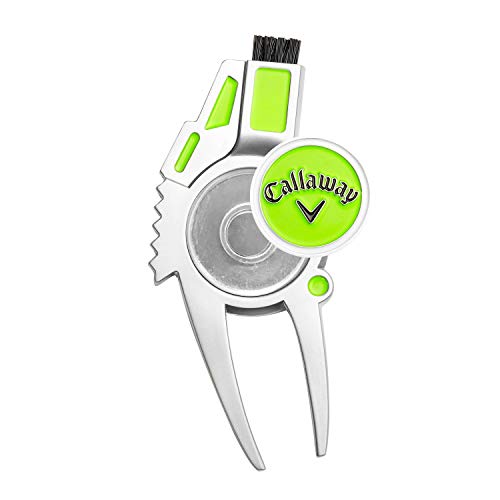
It's the Callaway 4-in-1 divot tool, a zinc-alloy fork with a magnetic ball marker and a built-in groove brush, aimed at golfers who want one tidy, brand-stamped bit of kit instead of a drawer of freebies.
What's great
For a few quid this thing is properly built. The zinc alloy feels solid, shrugs off a damp bag, and the prongs are tapered enough to actually coax turf back rather than just stabbing at it. The magnet on the ball marker is judged well: strong enough that the marker doesn't ping off in your pocket, but not so clingy you're wrestling it free on the green. The groove brush is a genuinely handy bonus for clearing muck out of your wedges, and it all looks the part with the chevron on it. As an everyday divot fixer that won't bend or rust on you, I rate it.
Worth knowing
It's a chunky lump. Several owners moan it sits in the pocket like a boat anchor, and there's no clip for your hat or belt, so you're always digging for it. The prongs are on the wide side, and if you don't know the proper pinch-and-twist technique you can end up leaving holes rather than healing them, which defeats the point. The brush bristles also wear down and flatten with heavy use, so treat that as a consumable, not forever.
The verdict
A solid, honest bit of kit that does the core job well and feels far from cheap. Just know it's a pocket-carry tool, not a clip-on, and learn the proper repair technique so those fat prongs help the green instead of wrecking it.
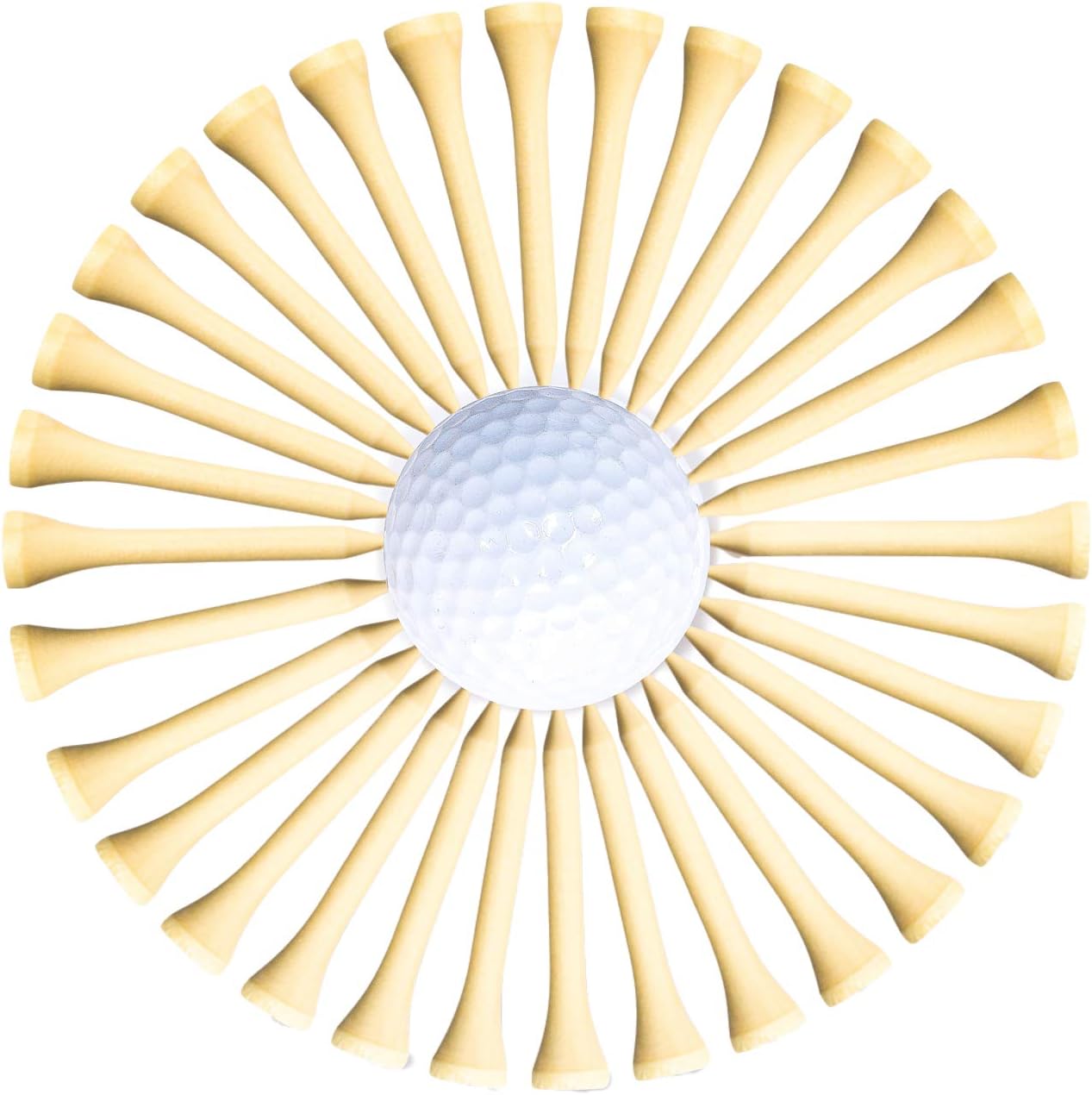
A bulk pack of roughly 100 biodegradable bamboo tees in mixed lengths, sold by various generic brands at pocket-money prices.
What's great
Bamboo has a tighter grain than the cheap birch tees in pro shop jars, so these survive more driver strikes before snapping, and owners consistently report them outlasting wooden equivalents. The mixed heights cover every club you'd tee up with. They're biodegradable, which matters as more clubs push back on plastic tees littering tee boxes. The economics are silly in a good way: a season of tees for the price of a pint and a packet of crisps. And because they're cheap, you stop caring about losing them, which is its own small quality-of-life upgrade on the course.
Worth knowing
Generic means inconsistent: any given hundred-pack will include a few with rough finishing or weak spots that snap on the first swing. They're still tees, so they will break, just less often. Painted depth markings, where present, wear off. If you want maximum durability or claimed distance gains, plastic castle or low-friction tees do that better, at a cost to the eco angle.
The verdict
An unglamorous essential done right. Buy the big pack, fill your pockets, forget about tees for a year.
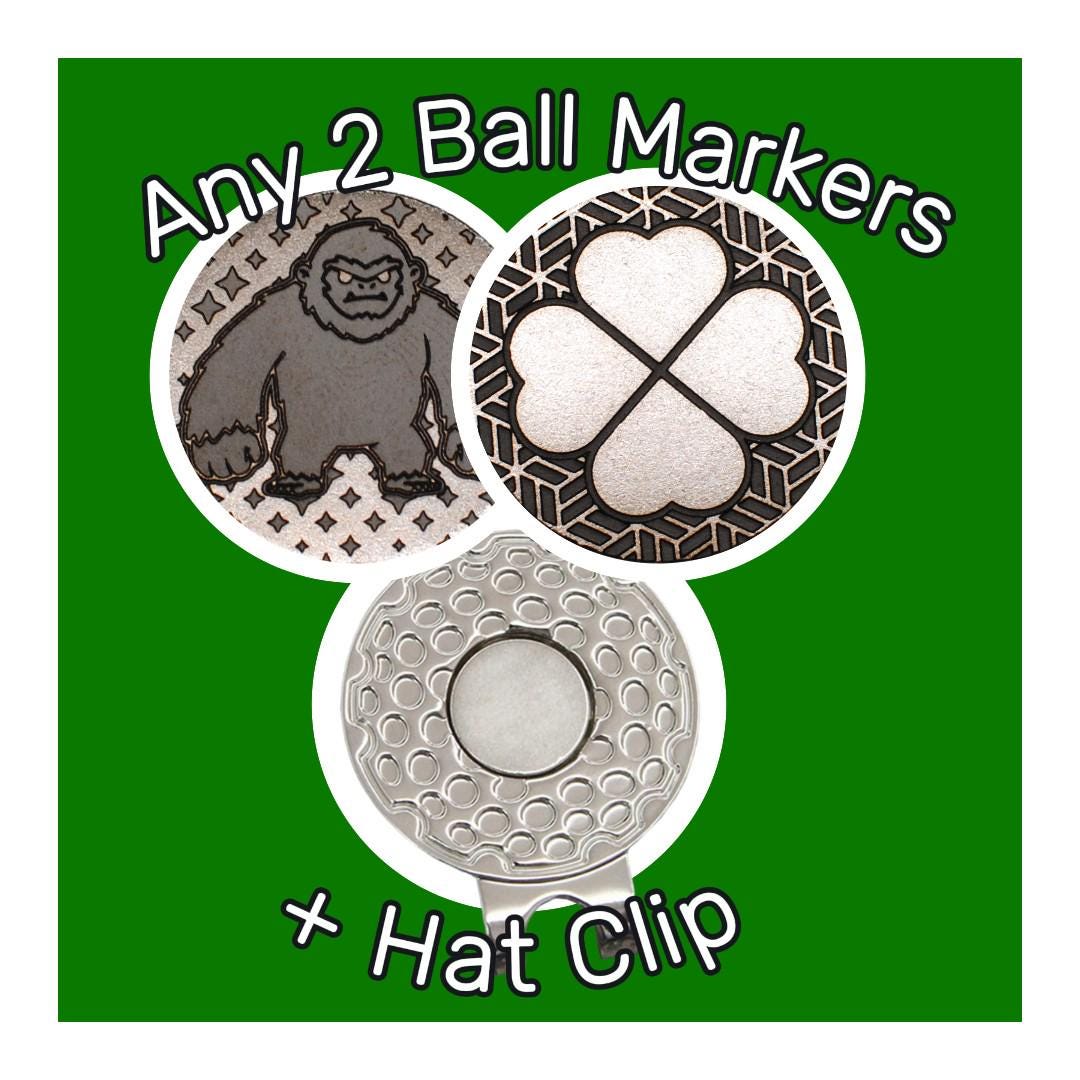
A little enamel ball marker that lives on a magnetic clip pinned to the brim of your cap, so you've always got a marker on you without digging through pockets. Aimed at anyone tired of borrowing a tee or a coin on the green.
What's great
The whole point is convenience and it delivers: clip it to your peak once, slap the marker on the green, and it snaps back to the brim every time. The good ones have a genuinely strong magnet, so the marker doesn't ping off on a cart ride or a hard swing, and the enamel designs actually look the part rather than cheap and plasticky. Owner reviews on the better versions consistently call out the magnet strength and the finish quality, and reviewers like that one marker covers you for the whole round.
Worth knowing
Quality is all over the shop on these. Cheaper ones have a weak magnet that drops the marker mid-round (the exact thing it's meant to fix), and the spring clip can lose its bite and slide off your brim over time. Funny enough some owners report the opposite, a magnet so strong it's a faff to prise the marker off with cold hands. The enamel can chip if you're rough with it, and a thin marker is fiddly to pick up off the green if you've got sausage fingers. Not for you if you already keep a marker in your glove and never lose it.
The verdict
A cheap, genuinely useful bit of kit that solves a real annoyance, as long as you buy one with a proper magnet and a clip that grips. I rate it for most golfers, just don't expect a bargain-bin one to last.
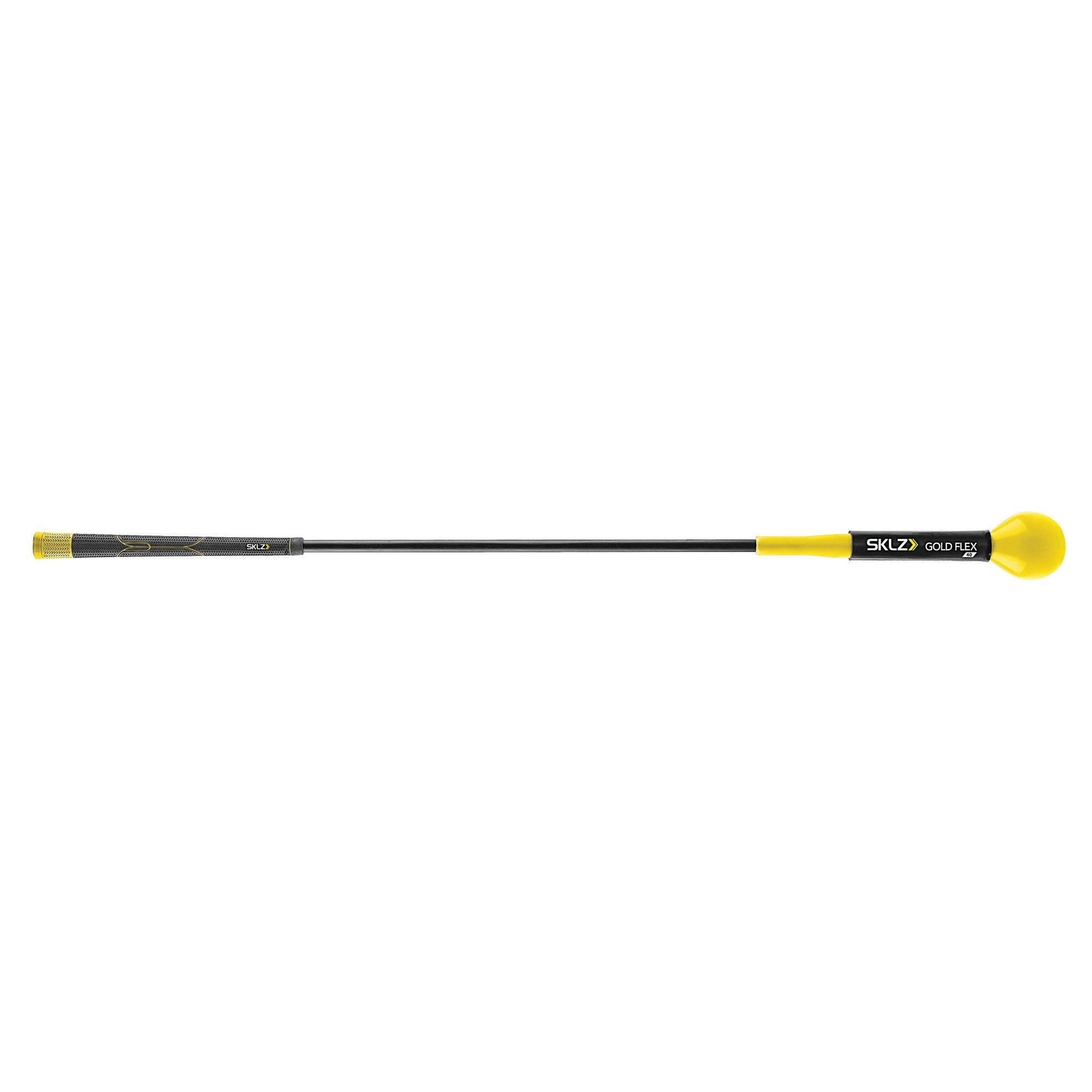
The SKLZ Gold Flex is a weighted, whippy fibreglass warm-up and tempo trainer (comes in 48 inch and a shorter 40 inch), aimed at golfers who want smoother rhythm and a bit of swing-muscle conditioning without hitting balls.
What's great
For tempo and warming up, this thing genuinely works. The over-flexy shaft forces you to wait at the top and feel the lag, so if you're a casting, over-the-top lash-merchant it'll expose that quick. Ten or twenty smooth swings before a round and your sequencing settles right down. It's cheap, near indestructible (the soft weighted head shrugs off knocks), and small enough to chuck in the car or swing in the garden. Loads of owners use it for months as a pre-round loosener and a gentle strength builder, and on that job it earns its keep.
Worth knowing
Be honest about what it isn't. It builds rhythm, not real distance, so don't expect overspeed gains. The weight feels heavy and awkward at first, and arthritic or smaller hands find the 48 inch a handful (the 40 inch suits ladies and shorter players, though some reckon it's actually too stiff to flex properly). Big one: do NOT try to regrip it. Owners on GolfWRX warn the shaft tip and grip are bonded oddly, and pulling the grip can wreck it. There's no feedback beyond feel, so if your tempo's already solid it adds little.
The verdict
A cracking little tempo and warm-up tool for the money, and one I'd happily rate for anyone fighting bad rhythm or wanting a no-balls loosener. Just buy the right length, leave the grip alone, and don't expect it to add yards.
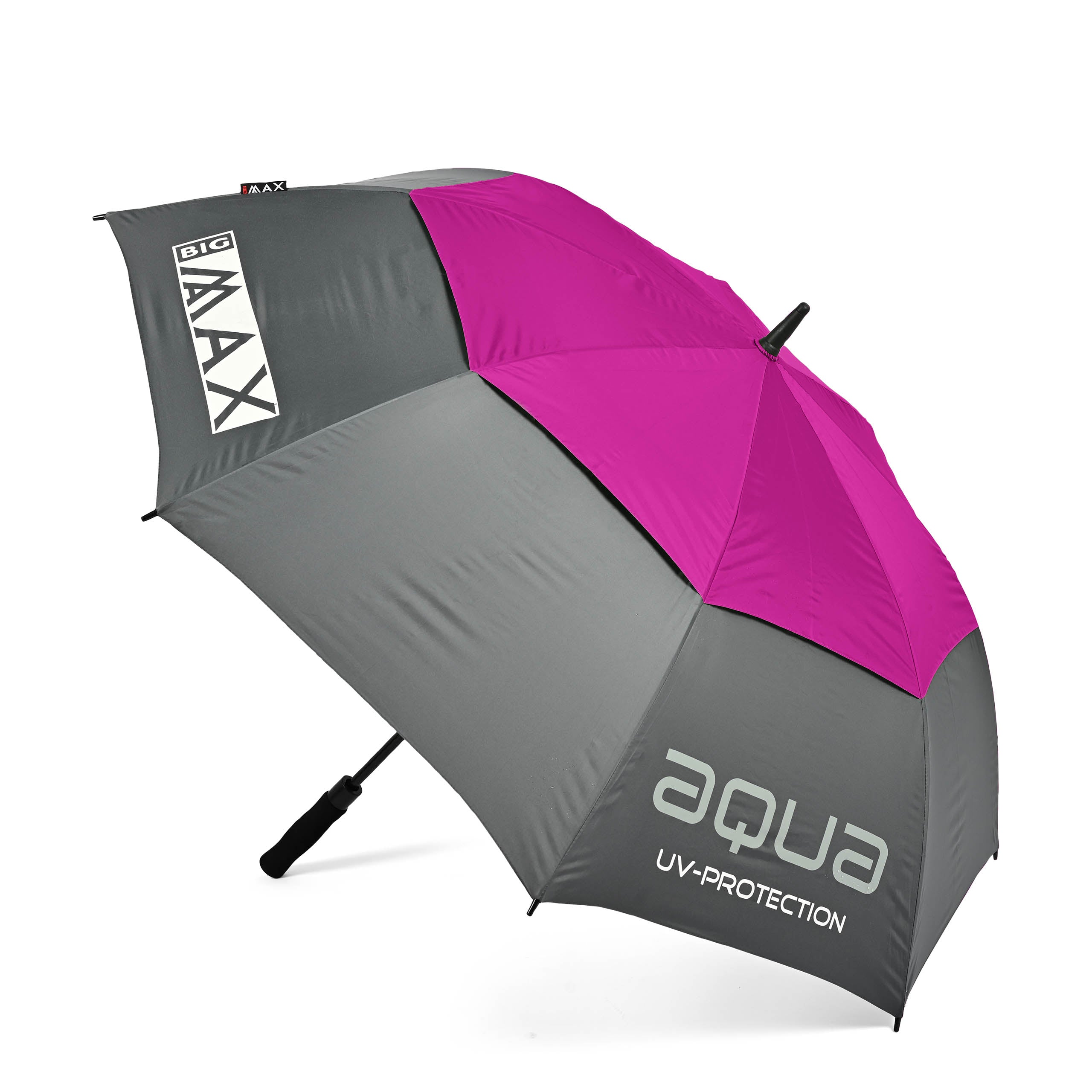
A big 60-to-68-inch twin-layer storm brolly built for blokes who play through proper British wind and rain, not just a passing shower. The vented top canopy is the whole point.
What's great
The double canopy genuinely earns its keep. That gap between the two layers lets gusts bleed through instead of catching you like a parachute, so it stays the right way out when a single-skin umbrella would already be turned inside out and flapping. Coverage is the other big win, the wide span keeps you AND your bag dry, and the better ones run a fiberglass shaft that flexes in a blow rather than snapping. Testers at Today's Golfer and Golf Monthly back this up, and owners who've binned a graveyard of cheap brollies rate the storm build as the one that finally lasted.
Worth knowing
It's heavy and bulky, the sturdier storm builds are a faff to wrestle shut and back into the sleeve, which is no fun mid-downpour. Watch the handle shape too, fat oval and pistol grips often won't drop into a standard trolley holder, so check before you buy if you ride a cart. The vents only work if they're built right, on some models the openings are too small or stitched too tight and they seal up in a real blow, killing the whole windproof trick. And in a true storm it's still a big lever in your hand, so don't kid yourself it's lightning-proof.
The verdict
If you play in weather, I rate it, the wind handling and coverage are worth the bulk. Just check the handle fits your trolley first, and don't expect it to fold away neatly.