Not a dusty evergreen list — this is what golf is actually buying and talking about right now, cross-checked against the bestseller charts, the 2026 test winners, and what's blowing up on golf social. The putter brand everyone's switching to, the driver that won the big robot test, the £199 launch monitor that broke the price floor, the viral strike board and the divot tool all over golf TikTok — alongside the staples (the most-played ball in golf, the smart-value dozen) that never leave the charts. Updated as the momentum moves. If you're not sure where to start, start here.
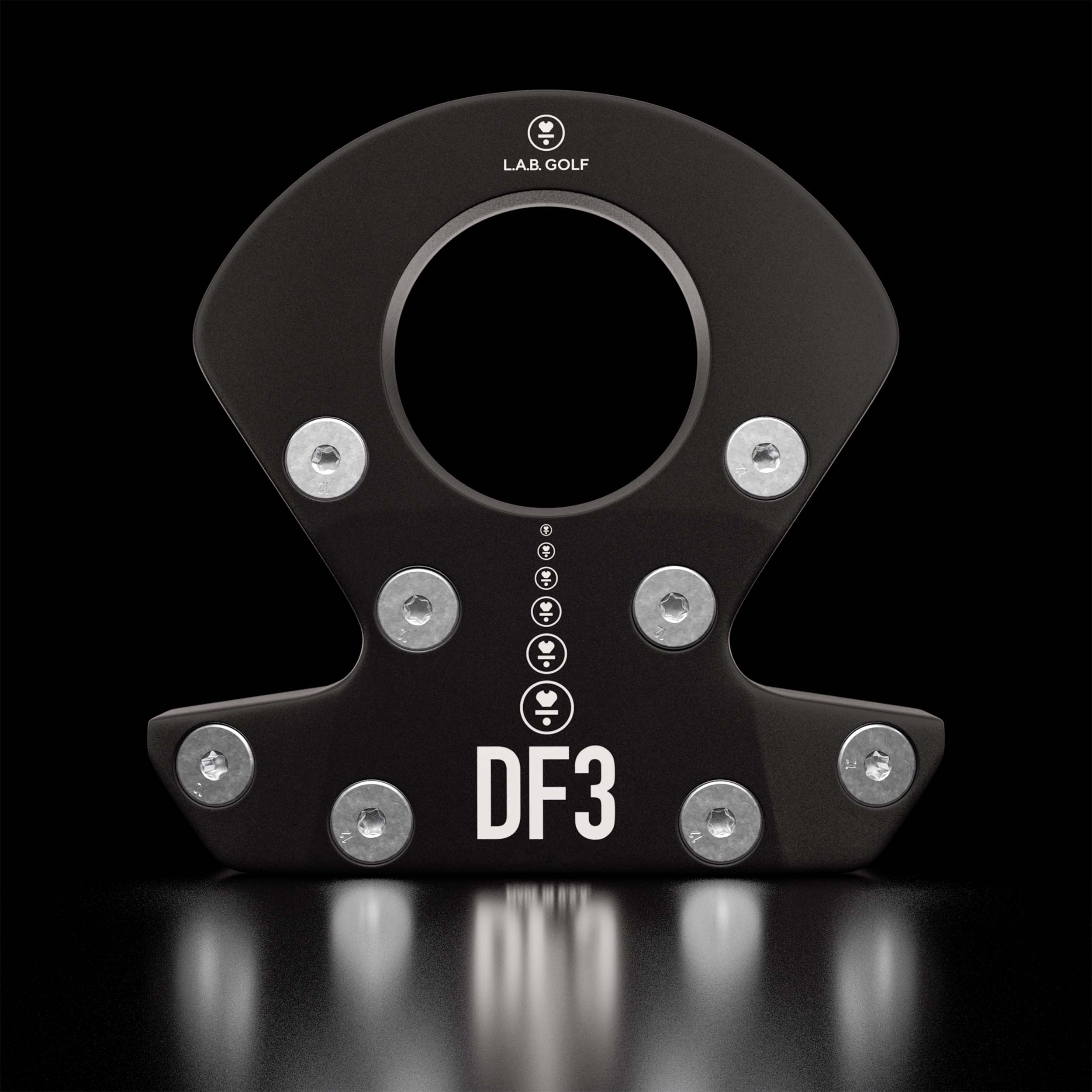
L.A.B. stands for Lie Angle Balance, and the DF3 is the putter that took the idea mainstream. The whole head is engineered so the face doesn't want to twist during the stroke — where a normal putter's face opens and closes and relies on your hands to square it, the DF3 just stays square on its own. That's the entire pitch, and it's why the brand went from cult oddity to roughly the third-biggest putter maker in golf, with limited runs selling out in hours and J.J. Spaun holing a 64-footer with one to win the 2025 US Open. In practice the difference is real: off-centre strokes stay on line noticeably better, and golfers who've fought a wristy, handsy stroke for years describe it as putting with the steering wheel finally straight. The trade-offs are also real. It's a striking-looking, wide-bodied head that some golfers never warm to behind the ball. It needs to be built to your specs — length and lie matter more than with a normal putter, so buy it fitted, not off a rack. And it's premium money for a putter, in blade-cost territory. It's also sold direct from L.A.B. rather than on Amazon, and lead times stretch when a colourway goes viral, which is often. If your putting is already silky this won't add much. If starting the ball on line is what's costing you strokes, this is the closest thing to a hardware fix the category has produced in years, and the momentum behind it is not an accident.
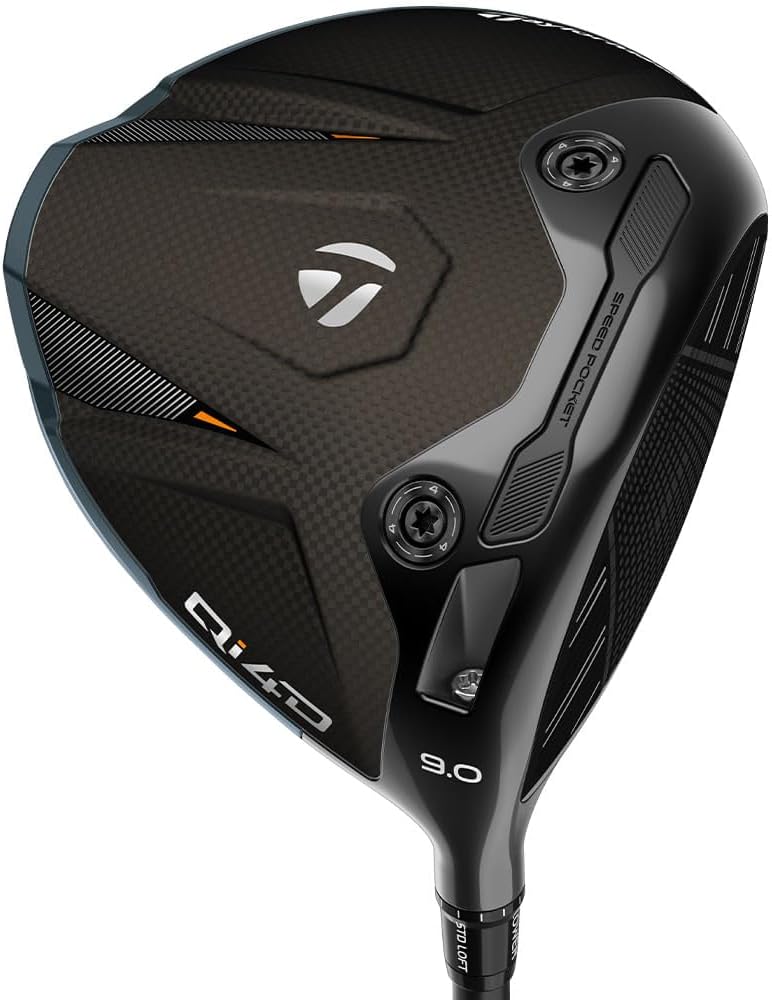
Every year there's one driver the testing sites and the forums actually agree on, and in 2026 it's the Qi4D. MyGolfSpy's Most Wanted test — 42 drivers, thousands of shots — named it the most consistent driver of the year: top six in distance, accuracy and forgiveness simultaneously, which is the combination every brand promises and almost none delivers. The story is a carbon face evolved over four generations, refreshed aerodynamics, and a new REAX shaft-fitting system TaylorMade built from analysing eleven million swings, so the stock shaft you get is far closer to a fitted one than stock shafts used to be. Scottie, Rory and Tommy Fleetwood all put it in play within weeks, and the GolfWRX launch threads have been running hot since January. The honest caveats: it's flagship-driver money, and if you're swinging something from the last two or three years the gain is incremental, not transformative — the robot data says a few yards and a tighter dispersion circle, not a new postcode. Lofts, flexes and shaft options sprawl across dozens of variants, so know your specs or get fitted before you click anything. And mid-season demand means popular configurations drift in and out of stock. But if you're upgrading from a five-plus-year-old driver, this is the rare year where the hyped club and the measurably best club are the same club.
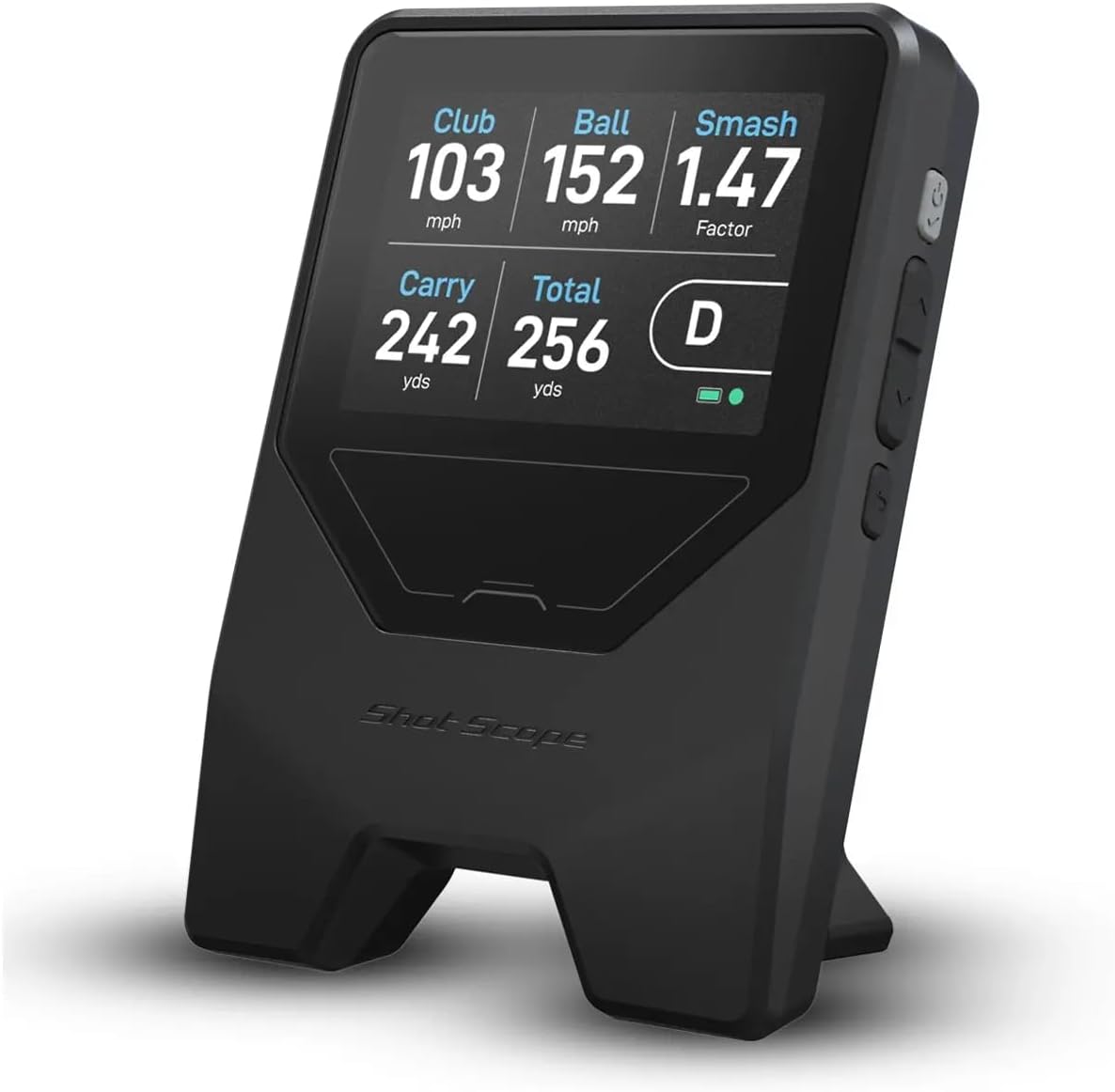
The talk of the 2026 PGA Show, and the reason 'launch monitor' stopped being a luxury-goods phrase. The LM1 is a genuine doppler radar unit at £199 — half the price of the previous budget benchmarks — with the two features that price bracket never had: a built-in colour display, so you get ball speed, club speed, smash factor, carry and total distance right there on the unit without propping a phone next to it, and zero subscription, ever. Drop it behind your ball at the range, hit, read the number. That simplicity is the product. Accuracy at this price is honest rather than tour-grade: speeds and carry numbers track impressively close to premium radar for full swings, which is exactly what you need for gapping your bag, checking a new shaft or chasing speed gains. What you don't get is spin measurement — it's calculated, not measured — so it won't replace a fitting, and like all doppler units it wants a bit of space behind you and works best outdoors hitting real balls. There's no simulator mode either; this is a numbers tool, not a winter-golf setup. But as the first launch monitor that's an impulse purchase rather than an investment decision, it resets the category. If you've been curious what your actual carry distances are — and most golfers are wrong by a club and a half — this is now the cheapest credible answer.
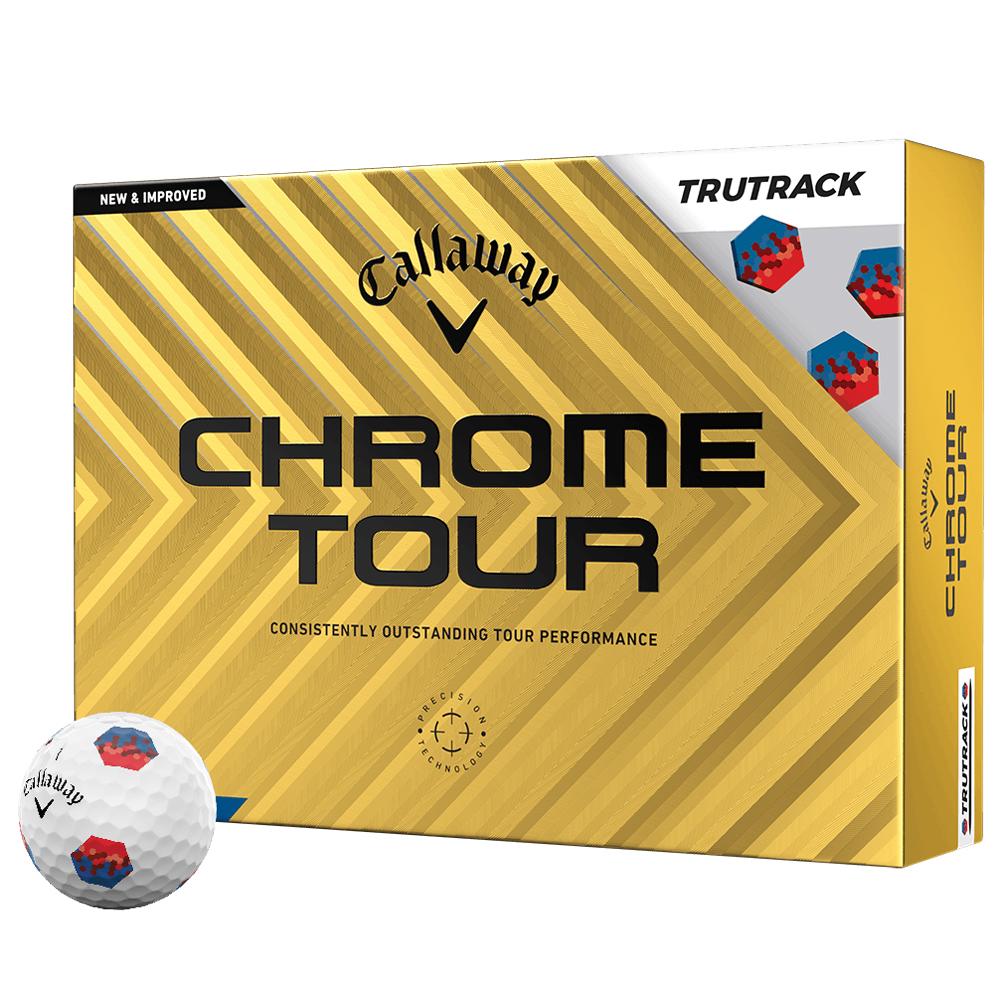
Callaway's premium tour ball, the one built to take on the Pro V1. Four-piece urethane job aimed at faster swingers who want soft feel without the spin getting silly.
What's great
This is a proper tour ball, not a pretender. The feel is a touch softer than the Tour X and even the Pro V1x, with a duller, muted click off the irons that a lot of blokes love. Greenside it bites just like a Pro V1, testers genuinely struggled to tell them apart around the green. Ball flight is rock solid and it holds its line beautifully in the wind, which makes it a cracker for links and breezy days. It's also tougher than you'd expect, more than one tester reckoned it held up better than a Pro V1 against cart paths and tree bark, so it lasts.
Worth knowing
It's a firmer feel overall (compression around 87), so if you swing easy or like a marshmallow ball, this isn't it, the Chrome Soft suits you better. It's a hair slower off the driver than a Pro V1x and the Tour X, costing a couple of yards of carry, though if you've got the speed you'll never notice. And it's full whack premium money. If you're a mid or high handicapper, you're paying tour prices for performance you can't fully use.
The verdict
A genuine Pro V1 rival and one of the best balls going for fast-swinging players who want soft feel and a steady flight in the wind. If you're slower or careful with cash, save your money and look elsewhere.
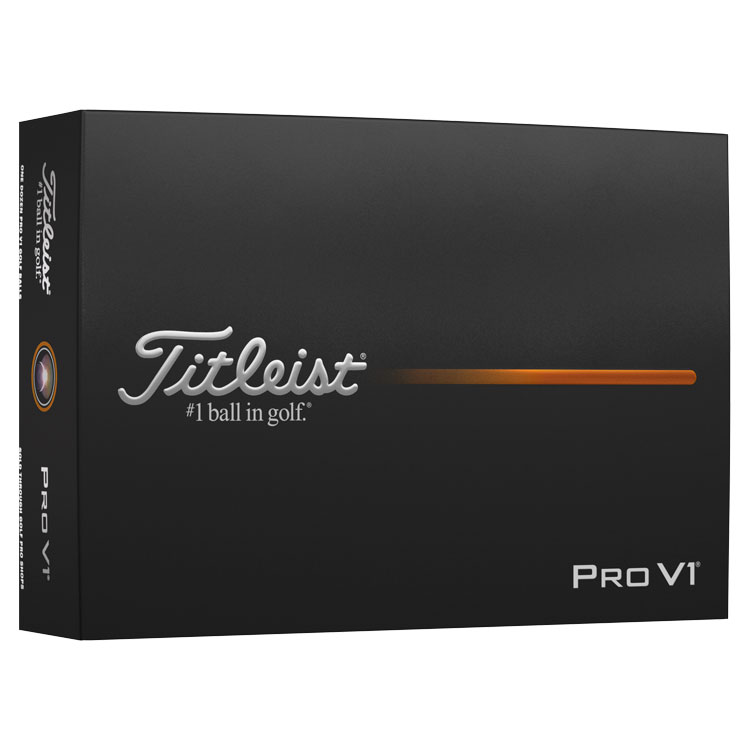
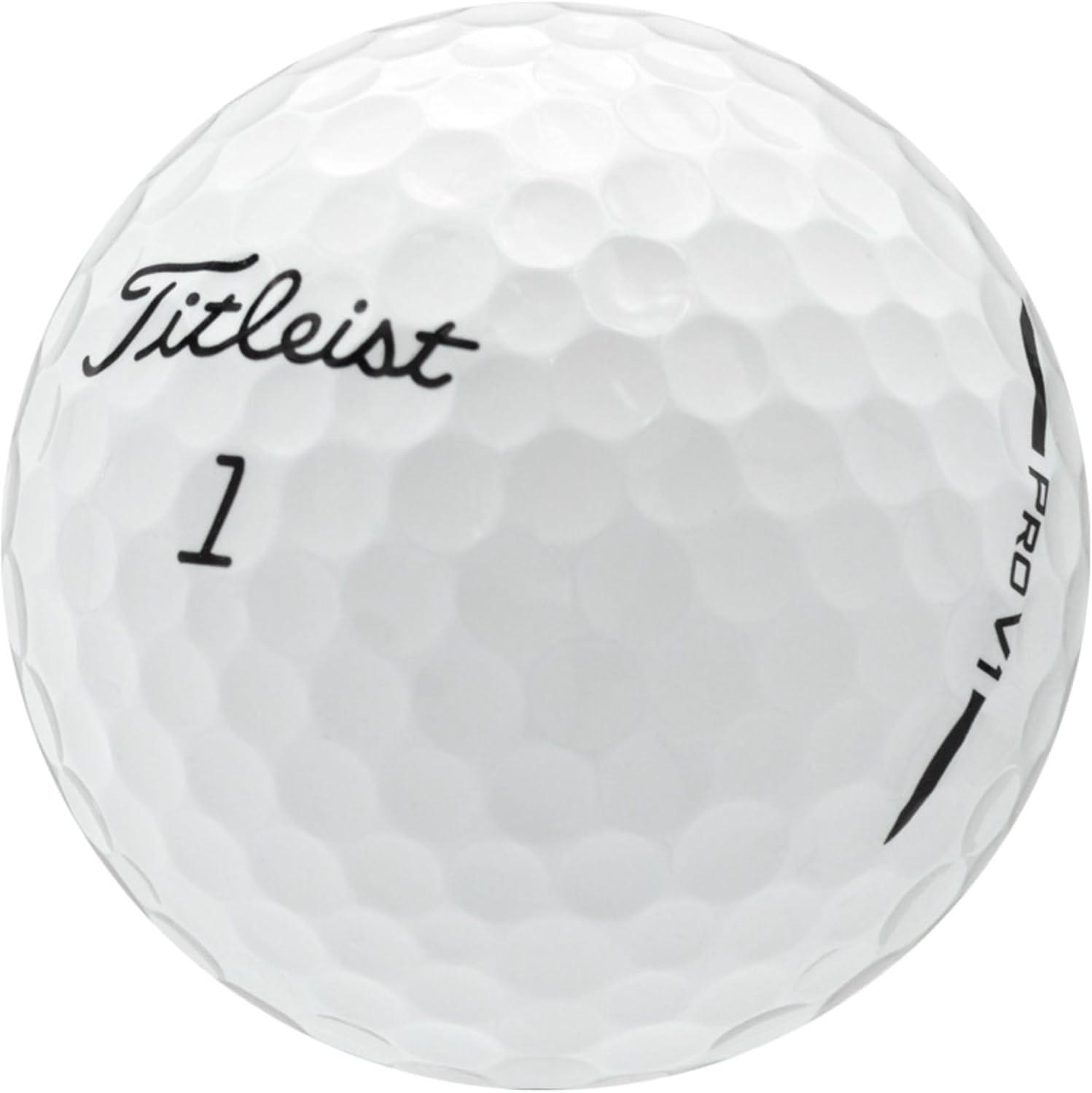
The Titleist Pro V1 is the benchmark tour-level urethane ball, a mid-spin, mid-flight three-piecer aimed at golfers who actually shape shots and want proper greenside bite, not casual hackers padding their bag.
What's great
Look, there's a reason half your fourball plays one. The 2025 version genuinely impressed me on irons, dead consistent carry distances and that penetrating flight that holds up in wind. Wedge spin and greenside control are still the gold standard, and the soft cast urethane cover feels lovely off the face. Titleist's quality control is the real flex though: independent lab testing found all 36 test balls passed with zero significant defects and compression in the top 10 of over 100 balls, so every one out of the box flies the same. Durability's also a proper step up on the older model.
Worth knowing
It's dear, and that's the honest catch. If you're losing three a round in the gorse you're literally chipping pound coins into the trees, and most reviewers agree a higher handicapper won't actually feel the difference enough to justify it over a cheaper urethane ball. It still scuffs in bunkers (all urethane does), and there are now balls that out-spin it around the green for less money. If you want soft and high-launching, the V1x or a rival might suit you better. Not a beginner's ball.
The verdict
If your game's good enough to notice and you're not haemorrhaging balls, it's the safe, do-everything pick I'd happily play every round. Budget golfers and high-handicappers: save your money for greens fees.
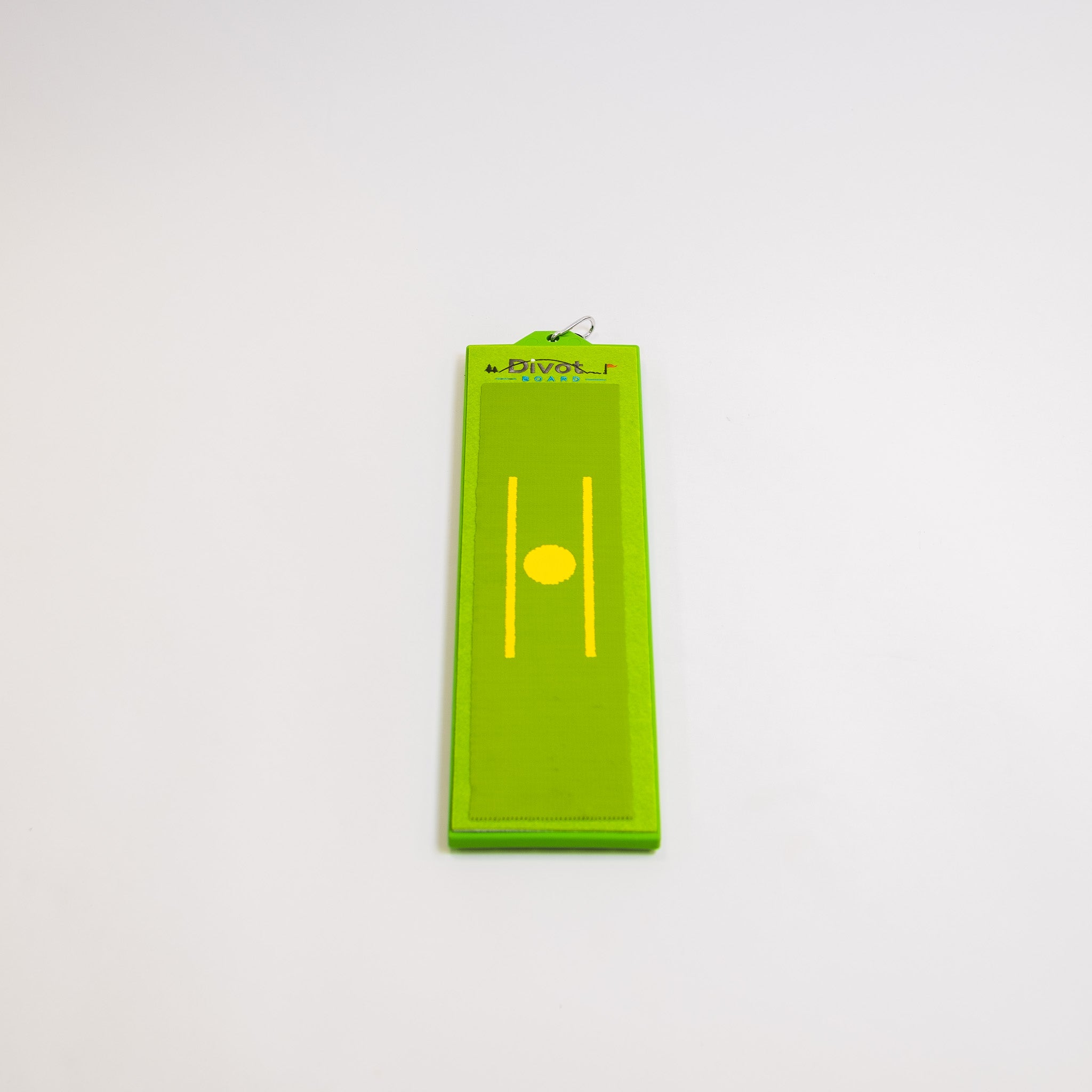
A thin, portable mat with a colour-changing top sheet. You hit shots off it (or rehearse swings just clipping the surface) and the club leaves a coloured mark showing exactly where the low point of your swing was and which direction the club travelled through impact. It is a diagnostic tool, not a hitting mat for full sessions, the point is to read the marks between swings.
What's great
The feedback is genuinely honest and immediate. Most golfers think they hit the ball first when they are actually bottoming out behind it, and this drags that truth into plain sight in one swing. It shows path direction and where on the face you are striking too, so it doubles as a path and contact trainer. It is light, packs flat, grips carpet and range mats well, and works indoors so you can drill ball-first contact at home year round. As a tool for fixing fat and thin strikes it is one of the few aids that actually changes behaviour because you cannot argue with the mark.
Worth knowing
The pad is a consumable. Hard, fat strikers can wear one out closer to 1,000 swings, and replacements cost most of forty pounds, so the real cost is ongoing rather than one-off. The surface is fairly narrow, so a big sweeping divot can run off the edge and leave you guessing at the full pattern. Marks can partially rub off during a session, and extreme heat or cold can dull the colour change, so it is happiest at room temperature. It is also a diagnostic aid, it tells you what is wrong but not how to fix it.
The verdict
If you struggle with fat and thin contact, this is one of the most useful training aids you can own because it makes the invisible visible. Just go in knowing the pad is a running cost and the board is narrow. For honest strike feedback at home or on the range, it earns its place, lesser strikers and casual users may not justify the price or the replacements.
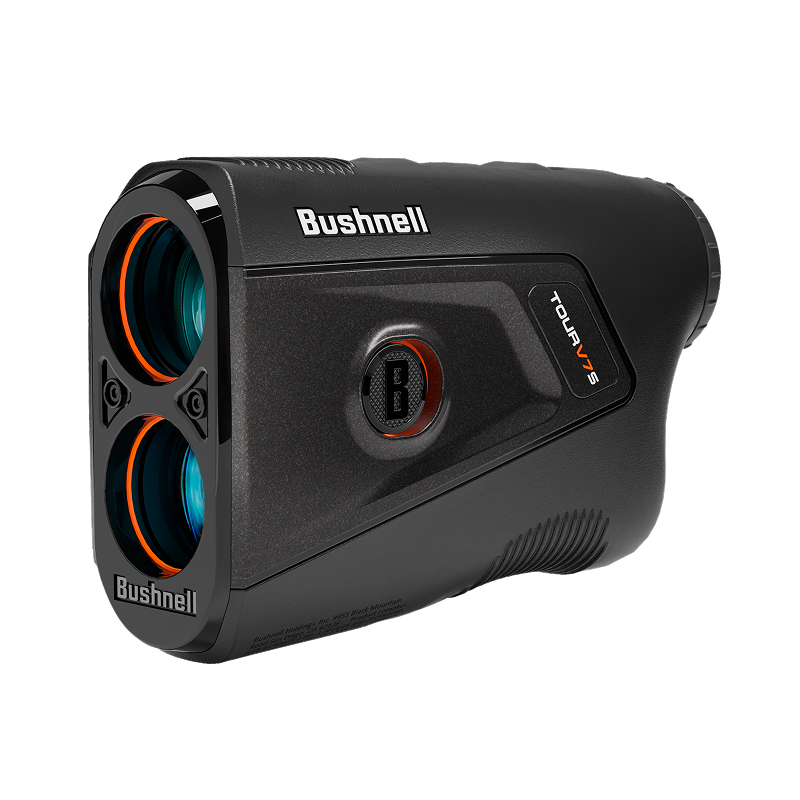
Bushnell's 2026 mid-range flagship laser, replacing the Tour V6 Shift, with a new dual-colour OLED display and slope-first readouts.
What's great
The display is the story here. Slope-adjusted yardages show in green and straight yardages in red, so there is zero ambiguity over which number you are playing. Today's Golfer reckoned Bushnell kept the best bits of the V6 and added genuinely useful extras, and Golf Monthly called the display the clearest Bushnell has ever produced. It locks onto flags quickly and confidently from silly distances, the JOLT vibration is reassuring rather than annoying, and the BITE magnet remains the most copied feature in golf tech. The LINK club recommendation stuff is a nice bonus if you ever get on a Foresight launch monitor.
Worth knowing
It is £399, which is serious money for a laser when the Shot Scope PRO ZR does the core job for £100 less. The LINK features only matter if you actually have launch monitor data to feed it. It runs on a CR2 battery rather than USB-C charging, which feels a bit old-school at this price. And UK stock is through golf retailers rather than Amazon for now.
The verdict
The best mid-priced rangefinder Bushnell has made, and the one to buy if the badge and the display matter to you.
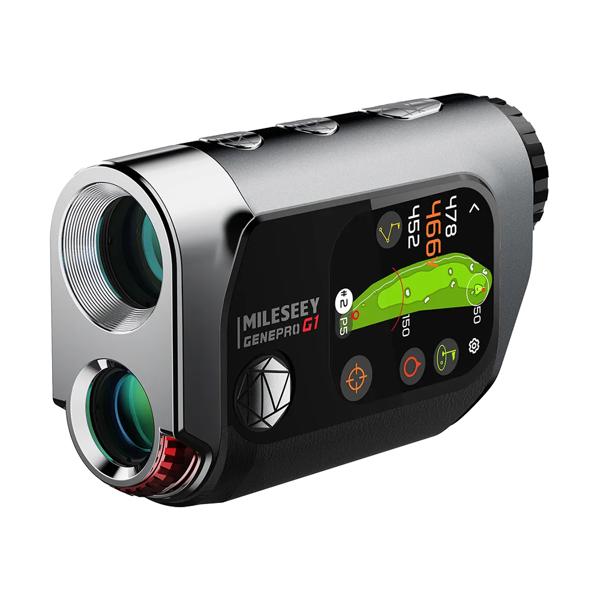
A hybrid laser rangefinder with a built-in colour GPS touchscreen, the first device to properly combine both in one unit.
What's great
As a piece of hardware it is superb. The laser is fast and accurate to within half a yard, the flag lock is near instant, and the AMOLED touchscreen is bright enough to read in full sun. Golf Monthly called it the best combination of rangefinder and GPS they had tested, and National Club Golfer praised how well it combines the best of both worlds. Having front, middle and back GPS numbers right next to your laser reading means you can sanity-check every yardage, and the triangulation mode for measuring doglegs is a clever extra. Battery life of four to five rounds is solid for everything it is doing.
Worth knowing
The app is poor, with a clunky interface and limited data, so treat the device as self-contained. The touchscreen can be fiddly with a glove on. £499 RRP is a big ask for an emerging brand, so wait for the frequent voucher discounts before buying. Long-term software support is an unknown compared with Bushnell or Garmin.
The verdict
The most feature-packed rangefinder you can buy, and brilliant as long as you never open the app.
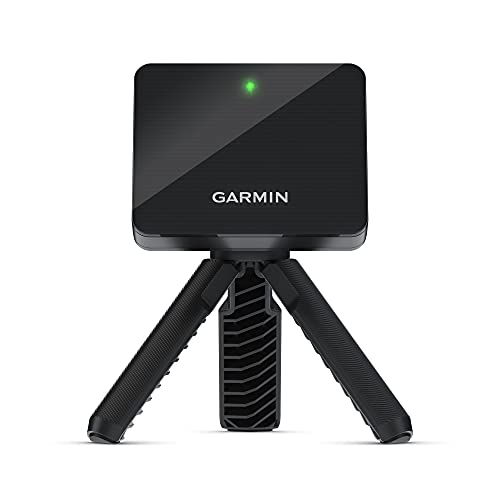
The Garmin Approach R10 is a pocket-sized radar launch monitor aimed at the golfer who wants real data, range practice, and a basic home sim setup without remortgaging the house.
What's great
For the money, it punches miles above its weight. Outdoors, where the radar can watch the whole ball flight, it goes toe to toe with launch monitors costing three or four times as much, ball speed and launch angle are genuinely tight. It's tiny (about the size of a deck of cards), the battery lasts a full session, setup with the included phone mount takes two minutes, and every shot logs automatically so you can actually see your dispersion improve. Firmware updates over the years have quietly fixed a lot of the early wobble.
Worth knowing
It's not perfect and I won't pretend it is. Spin is the weak spot, to get trustworthy spin indoors you need special Titleist RCT balls (not included, and useless outdoors where you can't fetch them), otherwise spin and the resulting shot shape are guesswork. Most numbers are calculated, not measured, so club path and face readings can wander. Indoors it sits behind you and wants real depth and ceiling height, cramped garages struggle. The app feels dated, and the genuinely useful sim features sit behind a yearly Garmin membership.
The verdict
If you mostly hit outdoors and want honest data plus a bit of home sim fun, the R10 is still the best bang-for-buck launch monitor going. Just buy the RCT balls and accept the spin caveats if you're going indoors.
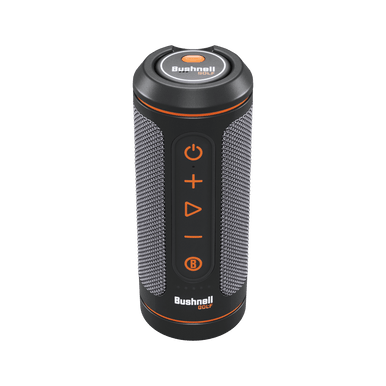
It is a Bluetooth speaker with built-in GPS that barks out front, middle and back yardages on the cart, aimed at riders who want tunes plus distances from one gadget on the buggy rail.
What's great
For the money the sound genuinely punches above its weight, full and warm with a proper indoor/outdoor mode toggle, and reviewers like Breaking Eighty and PlayBetter rate the audio highly. The upgraded BITE magnet is so strong testers reckon you need two hands to pry it off the cart frame, so it is not bouncing off on a bumpy path. Bluetooth range is solid and build quality is a clear step up on the original. One click of the remote and a caddie-style voice reads your yardages, which is genuinely handy when you are driving.
Worth knowing
This is the one to think hard about. There is no screen, so for not much more cash the Wingman View or Blue Tees Player+ give you visual yardages too. The remote has no volume control and won't pause music in Golf Mode, so you're walking back to the speaker to fiddle. Bushnell dropped the carabiner hook, so walkers have nothing to clip it to. Owner reports flag inconsistent GPS callouts (off by several yards), batteries fading faster than the claimed 14 hours over time, dodgy charge ports, and patchy customer support if it goes wrong.
The verdict
A cracking cart speaker with a useful talking-GPS bonus, but if you walk or want numbers on a screen, your money's better spent elsewhere. I rate it for buggy riders, I'd avoid it if you carry your bag.
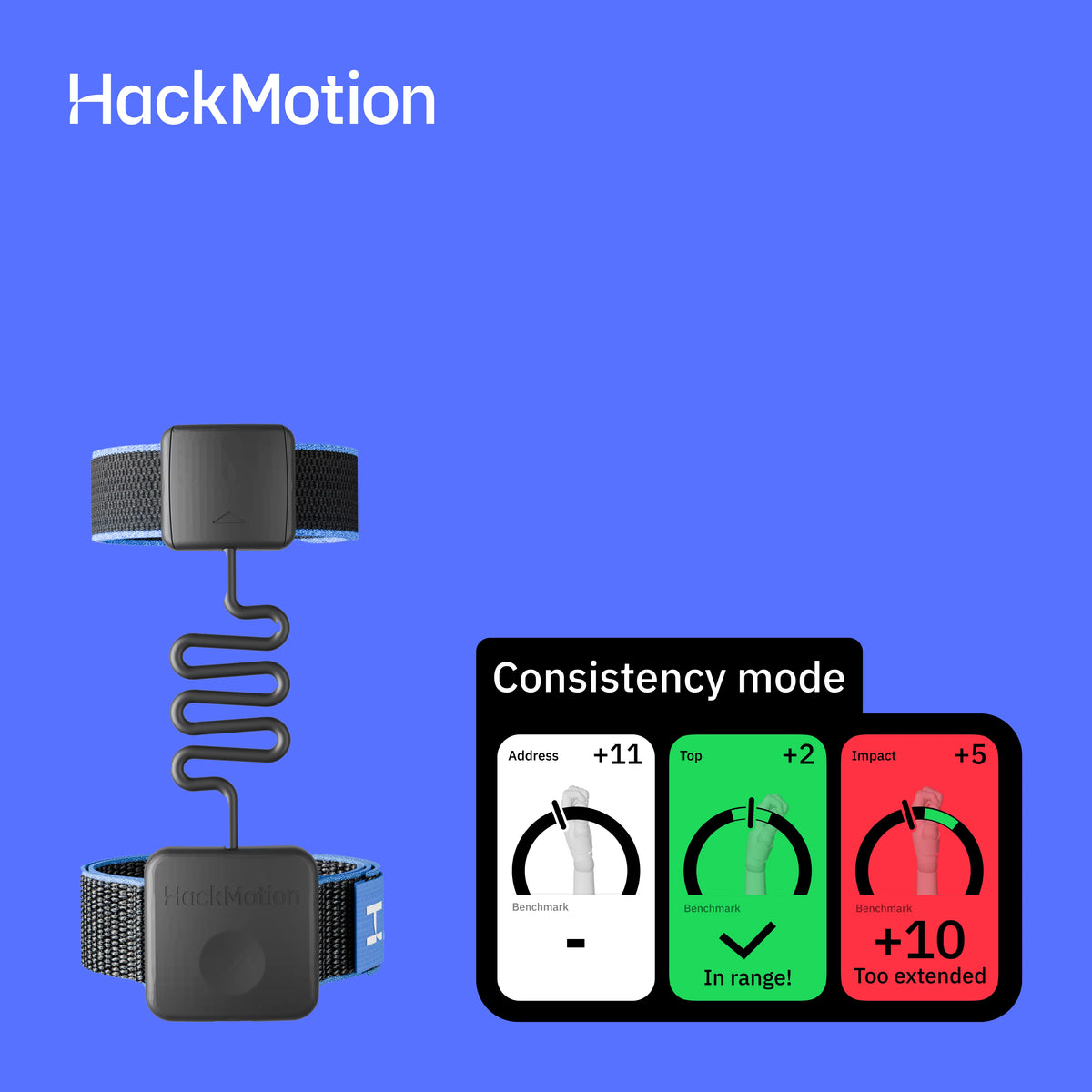
The HackMotion Core is a lightweight wrist sensor that clips to (or sits under) your golf glove and feeds back your wrist angles, mainly flexion and extension, in real time via an app. It's aimed at golfers who know their ball striking is inconsistent and want to fix the actual mechanics rather than guess.
What's great
The data is genuinely useful and there's basically no lag, so you see your wrist position at the top and at impact straight away. Setup and calibration are quick and the app walks you through it with drills and PGA Tour benchmarks to aim at. The sensor is barely noticeable when you swing, and audio cues mean you can keep your head down instead of staring at your phone. One nice touch: it's a one-off buy with a lifetime licence, no subscription. Testers across Golf Monthly, Breaking Eighty and others rate it as one of the better aids if wrist angle is your actual problem.
Worth knowing
It only does one thing. It coaches wrist angle and nothing else, so if your issue is grip, path or setup, this won't tell you. Calibration has to be done properly on the level or the numbers mislead you and you could groove the wrong move. The data can overwhelm you, and gadgets like this end up in a drawer if you overthink them. The audio cue can misbehave (sticking on at address for some), the app is landscape only, and battery is roughly 7 to 10 hours needing a USB-C recharge. Worst of all, Core is the entry tier: free practice and putting are locked behind pricey Plus and Pro upgrades.
The verdict
If you've got a real wrist-angle fault and the discipline to use it properly, Core is a smart, honest bit of kit that actually moves the needle. If you want a do-everything swing fixer or you know you'll fiddle once and forget, give it a miss.
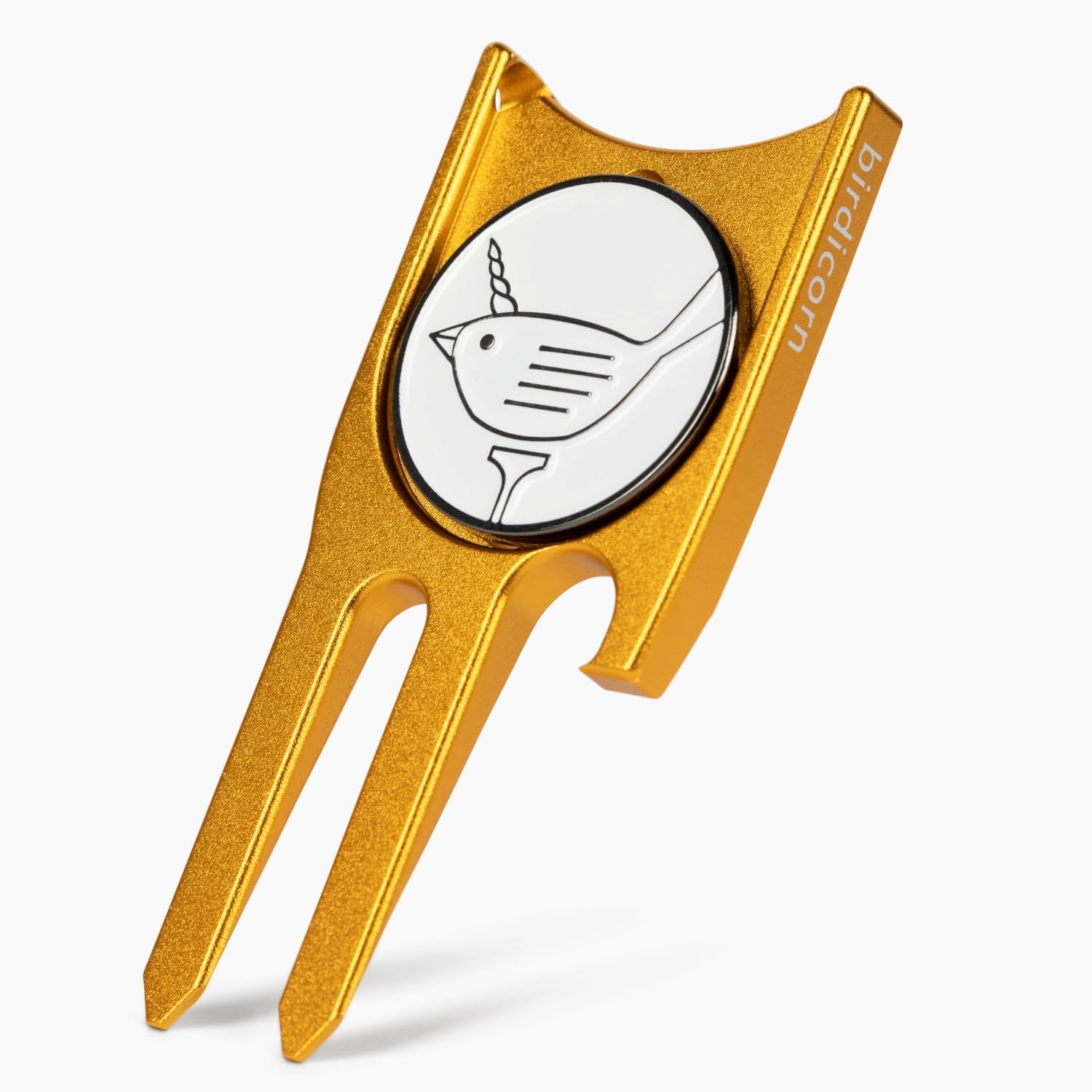
The gadget that keeps going viral for the simple reason that it replaces half the loose junk in your pocket. One solid tool gives you a divot fork that actually levers pitch marks properly, a magnetic ball marker, a line stencil for marking your ball, a putting aimer, a little stand that keeps your grip dry by propping your club off wet grass, and — the crowd-pleaser — a bottle opener for the 19th. Golf.com called it the ultimate fixer-upper tool and it's become a fixture of gift guides and golf TikTok because it's one of those rare novelty items that's genuinely useful every single round. Build quality is the surprise: it's machined metal with real heft, not the flimsy stamped-steel freebie you got at a society day. The honest take is that no single function beats a dedicated tool — a proper alignment stencil draws longer lines, and your tour marker is prettier — and if you already carry kit you love, this consolidates rather than upgrades. The club-rest function also needs reasonably firm ground to hold a heavy grip. But at under twenty quid it's the best gift-ratio item in golf right now: cheap enough to be a stocking filler, clever enough that the recipient actually uses it, and the bottle opener gets a laugh on the first tee every time.
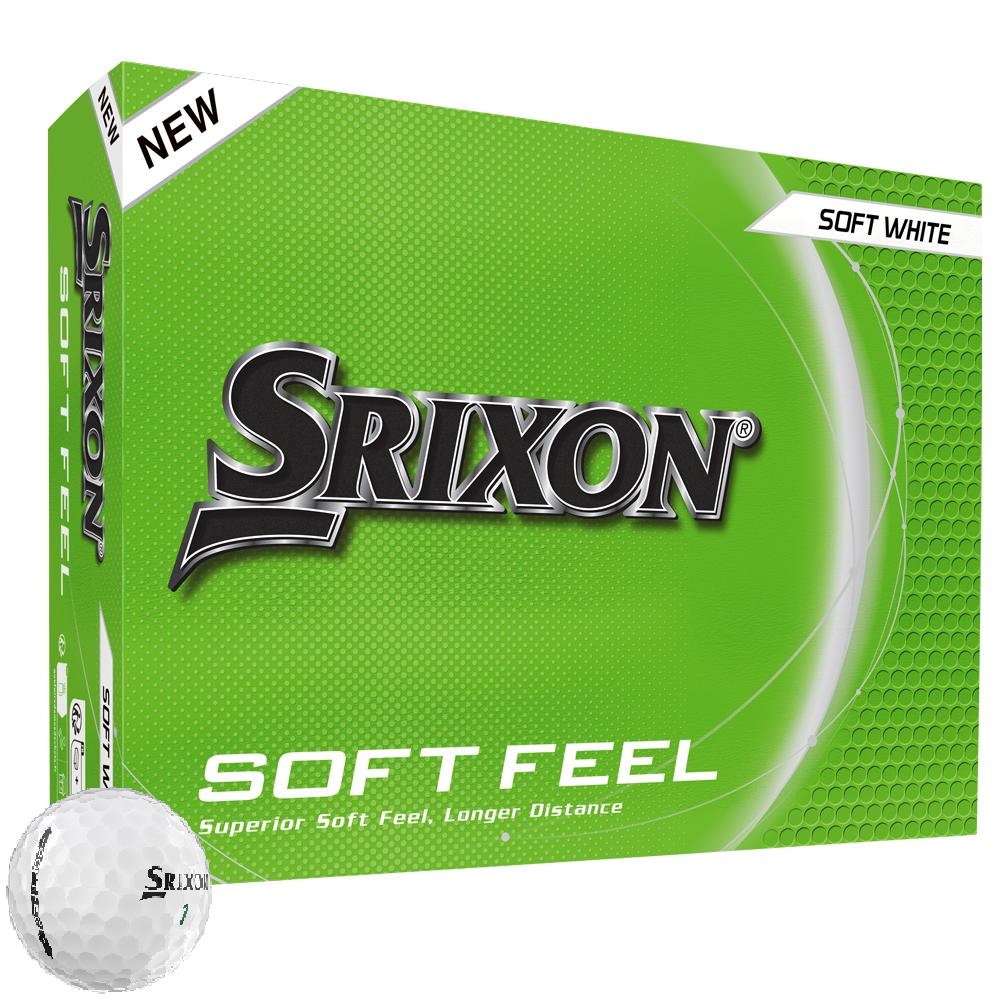
The Srixon Soft Feel is a low-compression, two-piece ionomer ball aimed at moderate swing speeds (think under 95mph), and it's pitched squarely at the weekend golfer who wants soft feel without paying premium-ball money.
What's great
For the cash, I rate this as one of the best value balls going. It genuinely feels soft off the putter and short irons, and the low driver spin keeps it flying dead straight, which is gold if you fight a slice. Reviewers who put 17 rounds through it found greenside spin better than they expected for a two-piece (one of the higher-spinning ones in that class), and the ionomer cover holds up well, so you're not binning balls after a few holes. Solid, predictable, easy to play.
Worth knowing
Be honest with yourself though, it is not a premium ball and it doesn't pretend to be. Low compression costs you ball speed, so faster swingers (95mph plus) will leave yards out there versus a firmer ball. Greenside spin is fine but nowhere near a Z-Star or even a Q-Star, so if you like to nip wedges and stop it on a sixpence, this won't do it. A couple of testers also found it a touch mushy off the tee and on full iron shots, so if you prefer a firm, clicky strike, look elsewhere.
The verdict
If you swing under 95mph and want a soft, straight ball that won't empty your wallet, I'd happily put this in the bag. Quick swingers and spin chasers should spend up to a urethane ball instead.
A dozen genuine Titleist Pro V1s recovered from course lakes, washed and graded near-new by Second Chance, a long-established UK lake ball company.
What's great
You get the most played ball on tour for roughly a third of retail. Grade A grading from Second Chance is genuinely strict by lake ball standards: these look close to new, with owners frequently saying they'd struggle to tell them from boxed balls. Independent ball testing over the years has generally found good-condition recycled premium balls perform within a whisker of new ones for the swing speeds most amateurs generate. Psychologically it's liberating too: pulling driver over water is easier when the ball cost £1.40. For winter golf, casual rounds and anyone whose handicap is in double digits, this is simply rational purchasing.
Worth knowing
Mixed years means you might get a 2023-generation ball next to a current one, with slightly different feel. Grading is done at scale, so the occasional scuffed ball slips into a Grade A pack; most sellers will sort it if you complain. Balls that spent months underwater can lose a touch of ball speed, and there's no way to know the history of any individual ball. Low single-figure players chasing every yard should stick to new.
The verdict
The best value-per-pound purchase in golf for the average player. Buy two dozen and stop flinching at water carries.
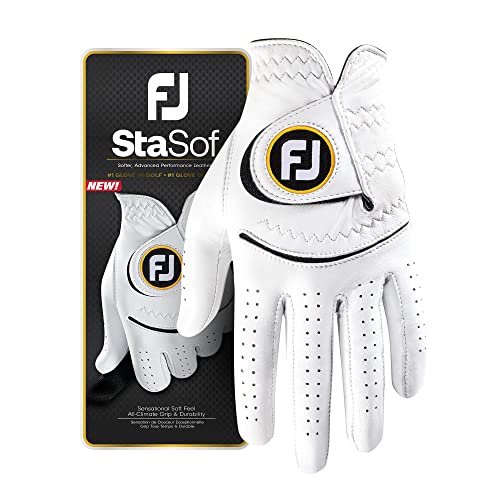
FootJoy's premium all-leather Cabretta glove, the one most of their tour staff wear. It's aimed at golfers who want proper feel and grip and will pay up for it, not range rats hammering balls all week.
What's great
The feel is the whole point and it delivers. Soft Cabretta leather that sits on your hand like a second skin, with grip that genuinely makes the club feel like an extension of your arm. The fit is snug and true to size, and the angled closure tab actually contours to your wrist instead of bunching. For a leather glove it's surprisingly hard-wearing too. Plenty of owners report 15 to 20-plus rounds before it gives up, where cheap gloves go crispy after a handful. The perforations and mesh keep your hand cooler than you'd expect on a sweaty day.
Worth knowing
It's pricey, and that's the real catch. Buy it for proper rounds, not the range, because leather wears faster than synthetic and you'll cry watching one die on a bucket of balls. Despite the moisture-management spiel it is NOT a rain glove. Get it properly soaked and it goes soggy then stiffens up as it dries, so keep a dedicated wet glove for downpours. White only, so it shows muck fast. And like any Cabretta, lifespan drops hard if you're heavy-handed or don't let it dry out between rounds.
The verdict
If feel and grip matter most to you and you'll baby it for actual rounds, I rate it as about the best leather glove going. Just don't waste it on the range or expect it to survive a soaking.
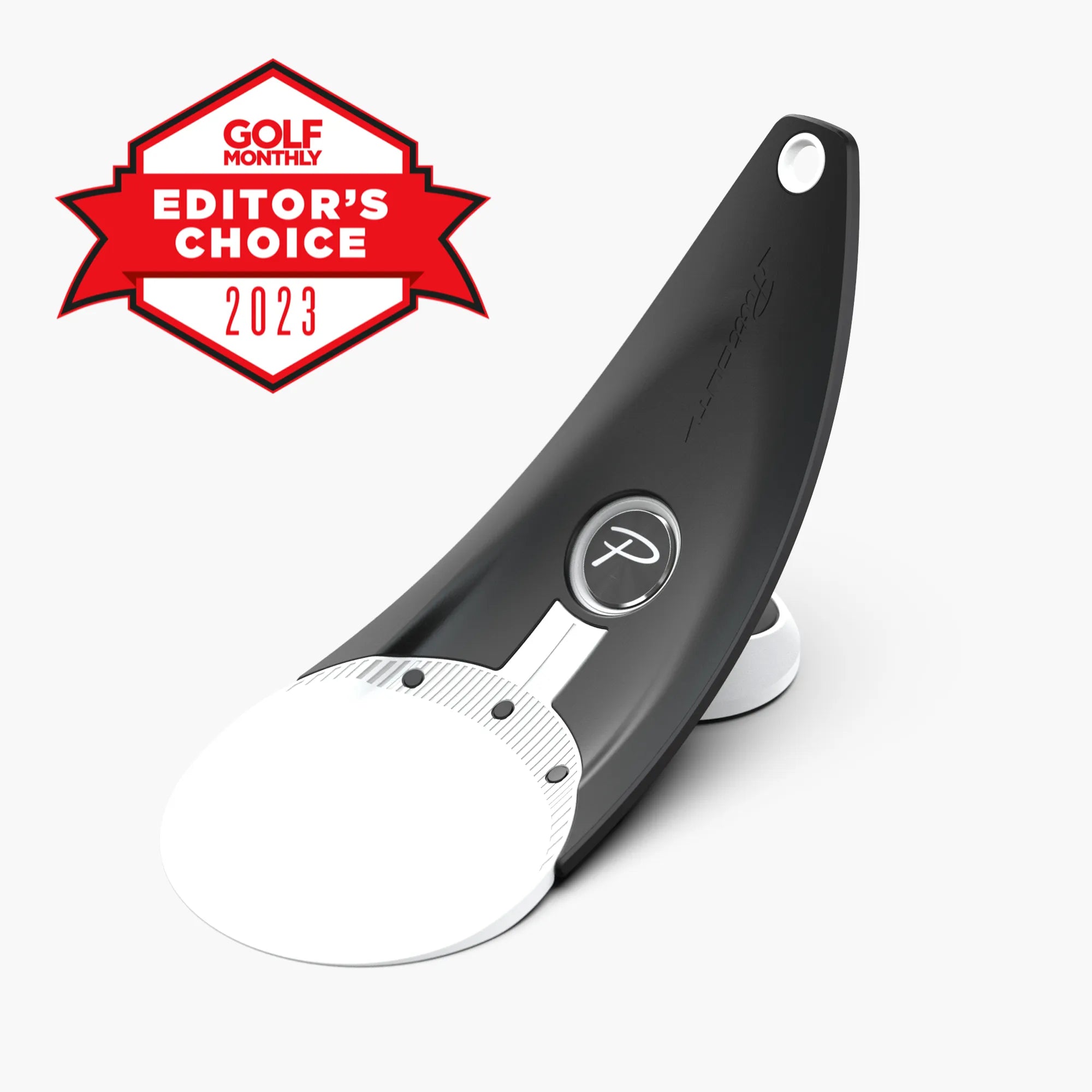
A pocket-sized putting aid: a parabolic ramp with a micro-target that catches dead-perfect putts and rolls everything else back to you. Aimed at anyone who wants to practise short putts at home or on the range without chasing balls all over the carpet.
What's great
The genius is the maths. The ramp returns a "made" putt the same distance it would have rolled past the hole, so it quietly drills pace control on those knee-knocker 6-footers. It's daft simple, sets up in seconds, packs into a bag pocket, and the no-faff ball return means you actually keep practising instead of bending down every five seconds. Reviewers and owners alike (Plugged In Golf, Golf Monthly) rate it as the training aid they keep coming back to, and it's genuinely addictive chasing that "perfect putt" that sticks in the micro-target.
Worth knowing
It only trains line and pace, nothing about your actual stroke mechanics, so it won't fix a wonky path or face. It's short-putt only, no use for lags. The micro-target is brutally hard and some folk find that more demoralising than motivating. Biggest real-world gripe: it needs a true, flat surface. On lumpy carpet or a cheap mat the returns wander and the feedback turns to mush, so a decent putting mat is almost mandatory.
The verdict
For the money it's a cracking, honest little tool that makes short-putt practice fun and builds real pace control. Just know it's a supplement, not a swing doctor, and pair it with a flat mat to get the most out of it. I rate it.