The aspirational setup that does the talking without a single shouty logo. The flagship AMOLED watch, the laser the best players trust, the most-played ball in golf, premium leather on the hand and on the feet, the electric trolley and the waterproof that costs what it costs because it's worth it. The gear you buy once and never apologise for.
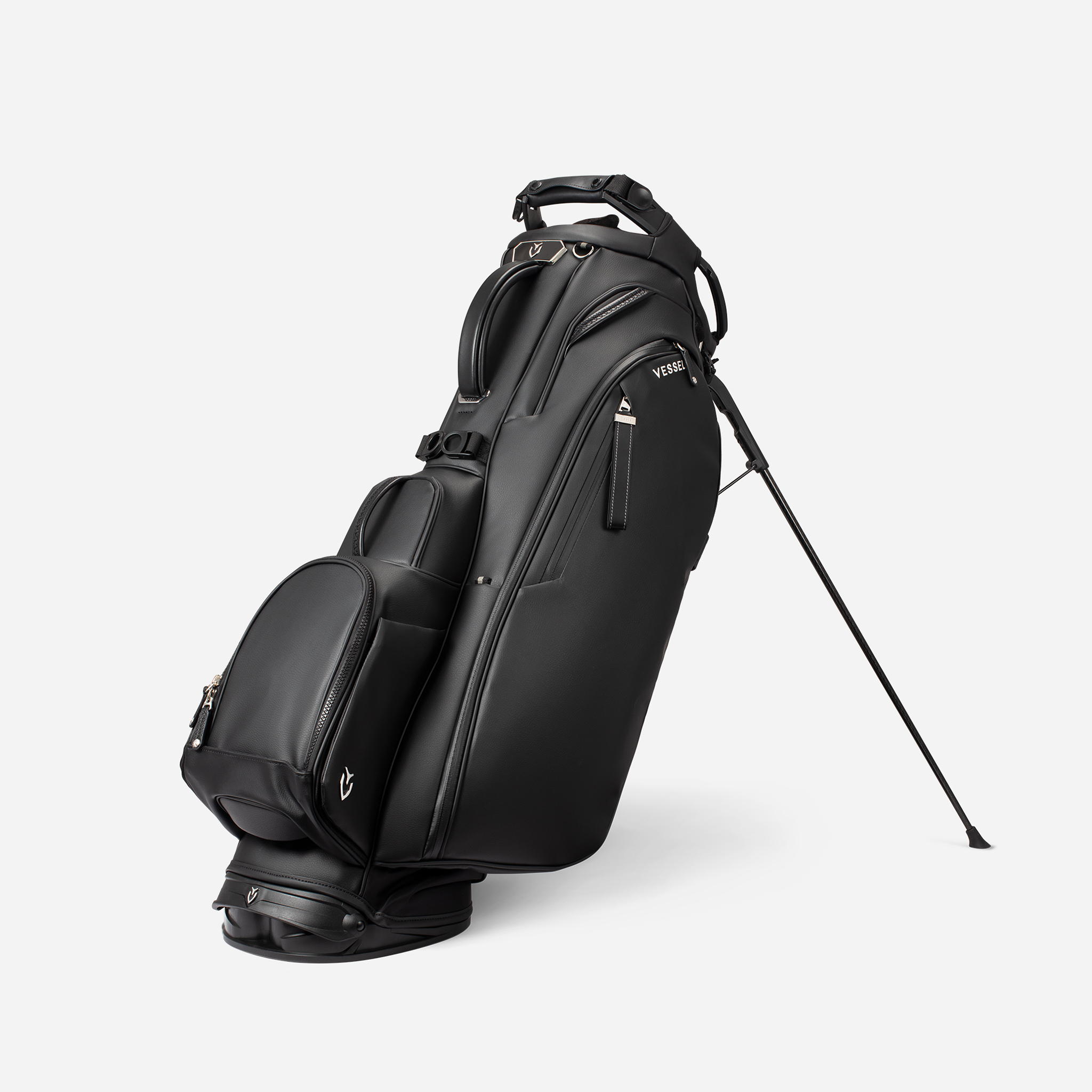
Vessel's flagship stand bag, built like a downsized staff bag in tour-grade synthetic leather, with carbon-fibre legs, a 7 or 14-way enclosed-divider top and the brand's Equilibrium 2.0 dual strap. It sits at the top end of the carry-bag market and is bought direct from Vessel.
What's great
The materials and finish genuinely feel a tier above almost anything else you can carry. The full-length enclosed dividers stop club tangle, the strap system is one of the most comfortable on the market, and storage is plentiful with a clever magnetic rangefinder pocket. The carbon legs and wide base sit flush and stable on uneven ground.
Worth knowing
It is heavy for a stand bag. Around 7.75 lbs empty for the 14-way, and reviewers measured well over 9 lbs fully kitted with strap and rain hood, making it among the heaviest carry bags tested. Fine for 18 holes, but a 36-hole day on your back will tell. It is also only water-resistant rather than fully waterproof, the raised club organiser can look odd and feel slightly top-heavy on the shoulder, and at this price it is a genuine luxury spend.
The verdict
If you ride or push more than you carry, and you want a bag that looks and feels like a serious investment, the Player V Pro is about as good as stand bags get. Dedicated walkers chasing low weight should look lighter, but few bags match this for build quality and organisation.
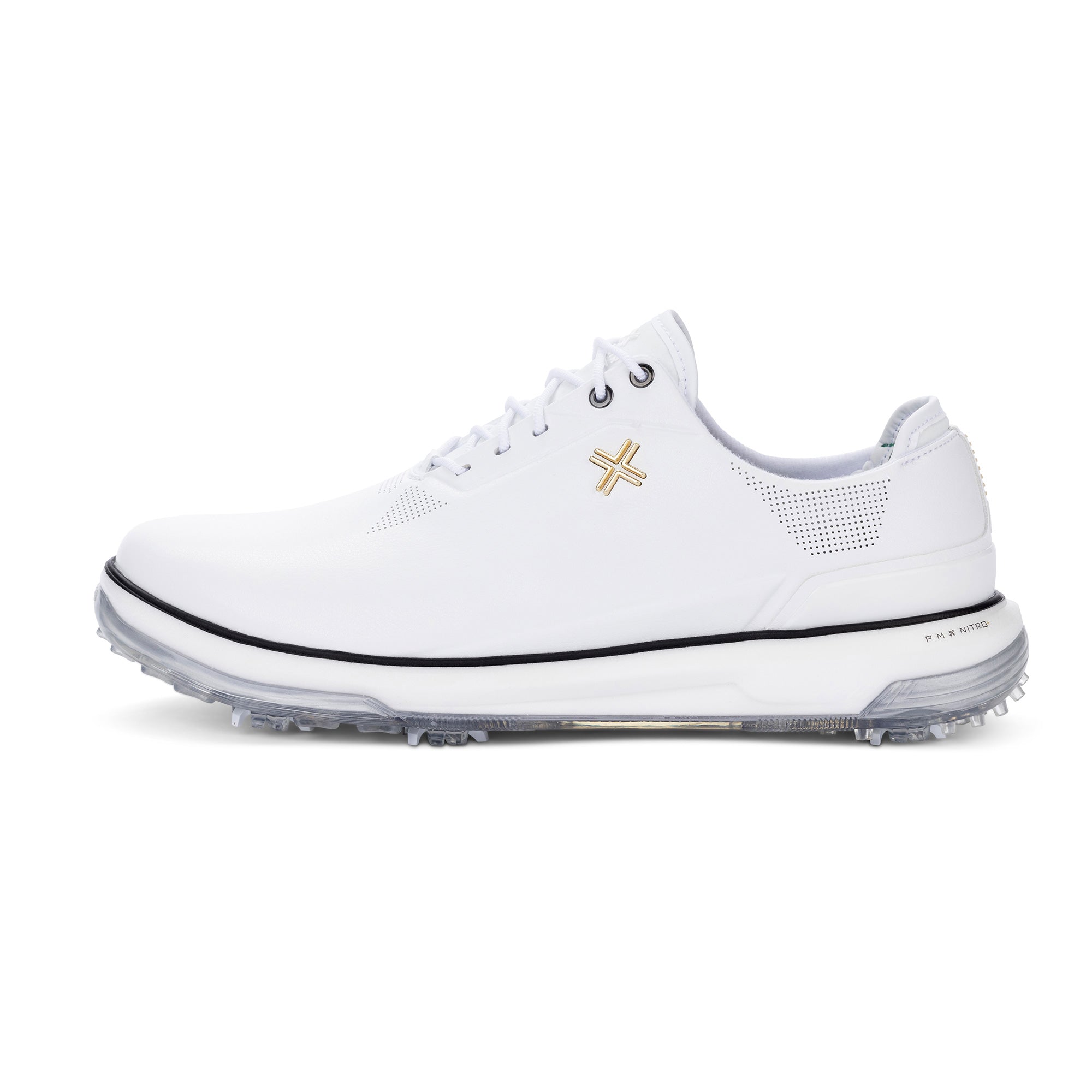
PAYNTR's flagship spiked shoe, co-created with Jason Day, blending a classic leather silhouette with a carbon fibre plate and modern foam.
What's great
This is the rare hype product that delivers. Golf Monthly's review praised how the foot locks comfortably in place and singled out the carbon propulsion plate as the real star, and Today's Golfer and Plugged In Golf were similarly glowing, with talk of tremendous traction and extreme comfort. The energy return through the swing is something you notice on the very first range session. The styling is a massive step up from PAYNTR's earlier, slightly odd-looking efforts, and it now passes as a proper classic dress shoe. Waterproofing is the real deal for UK winters.
Worth knowing
At £199.99 it costs more than the FootJoy and adidas flagships. Stock is a genuine problem, with full size runs selling out on the UK site. It's a spiked shoe, so no nipping into the clubhouse or the petrol station without a thought for your spikes. And as a young brand, long-term durability data simply doesn't exist yet.
The verdict
The most exciting golf shoe of the past year, full stop. If your size is in stock, move quickly.
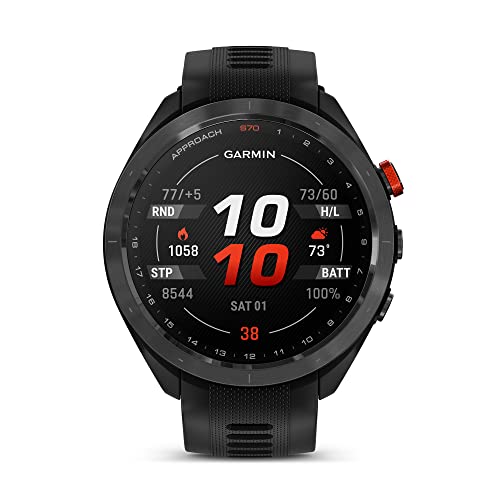
Garmin's flagship golf GPS watch with a big, gorgeous AMOLED touchscreen. It's aimed at the golfer who wants the absolute top-end Garmin and uses it as an everyday smartwatch too, not just on the course.
What's great
The AMOLED screen is the headline and it deserves it, bright, sharp and easy to read in full sun, a proper step up from older Garmins. GPS locks on in seconds and distances came within a yard or two of a laser in testing, with full hole maps you can drag a target around. PlaysLike (elevation and wind) and the Virtual Caddie club suggestions are genuinely useful once it's learned your game over a few rounds. As a daily watch it's the full Garmin suite, sleep, Body Battery, VO2 max, payments and music, so it earns its place off the course too.
Worth knowing
It's expensive, near the top of the GPS watch market, and you'll want the Garmin Golf membership (monthly or yearly) to unlock green contours. The touchscreen is the real gripe, fiddly when you're dragging the target cursor on a long par 5, and reviewers flag it gets temperamental in rain and cold (carry on with the buttons). It can't tell walking from riding in a cart, so it inflates your step count, and full Apple Health syncing is patchy. Battery is great by watch standards but the always-on AMOLED drinks more than the old transflective screens.
The verdict
If you want the best-looking, most complete golf watch going and the price doesn't scare you, the S70 delivers. But if you mostly want yardages, a cheaper Garmin does 90 percent of this for a lot less.
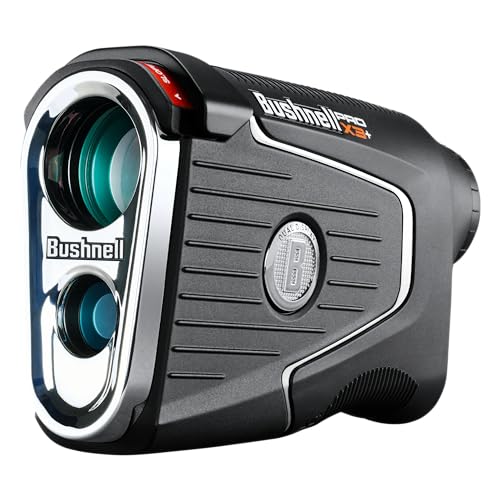
The Bushnell Pro X3+ is the top-of-the-range laser rangefinder, aimed at the golfer who wants every bell and whistle: slope, elevation, temperature, and now real-time wind data piped in from the app.
What's great
Where it counts, it delivers. It locks on stupid fast, the moment you ease off the button you've got your number, and those numbers are spot on whether straight line or slope-adjusted. The 7x optics are a notch above the usual 6x, so the flag jumps out of a busy background from way back, and the dual red/black display stays readable in any light. Build is tank-like, the BITE magnet genuinely sticks to the cart, and it shrugged off proper rain in testing. The Elements tech adjusting for altitude and temperature is a real edge if you travel to play.
Worth knowing
The headline wind feature is the weak link. It needs your phone on, Bluetooth paired and the app running, plus a compass calibration faff, and testers reported it dropping out and stalling readings by 15 to 20 seconds, which is the opposite of what a rangefinder should do. Pile wind on top of slope and battery and the viewfinder gets cluttered. It is heavy and bulky, built for cart riders not walkers. And slope and wind are both illegal in competition, so tournament players are paying top dollar for features they have to switch off.
The verdict
A genuinely brilliant rangefinder wrapped around a gimmicky wind feature you'll probably ignore. If you want the fastest, sharpest laser going and the budget doesn't scare you, I rate it, but most golfers should grab the cheaper plain Pro X3 (near identical) or a solid mid-priced rival and pocket the difference.
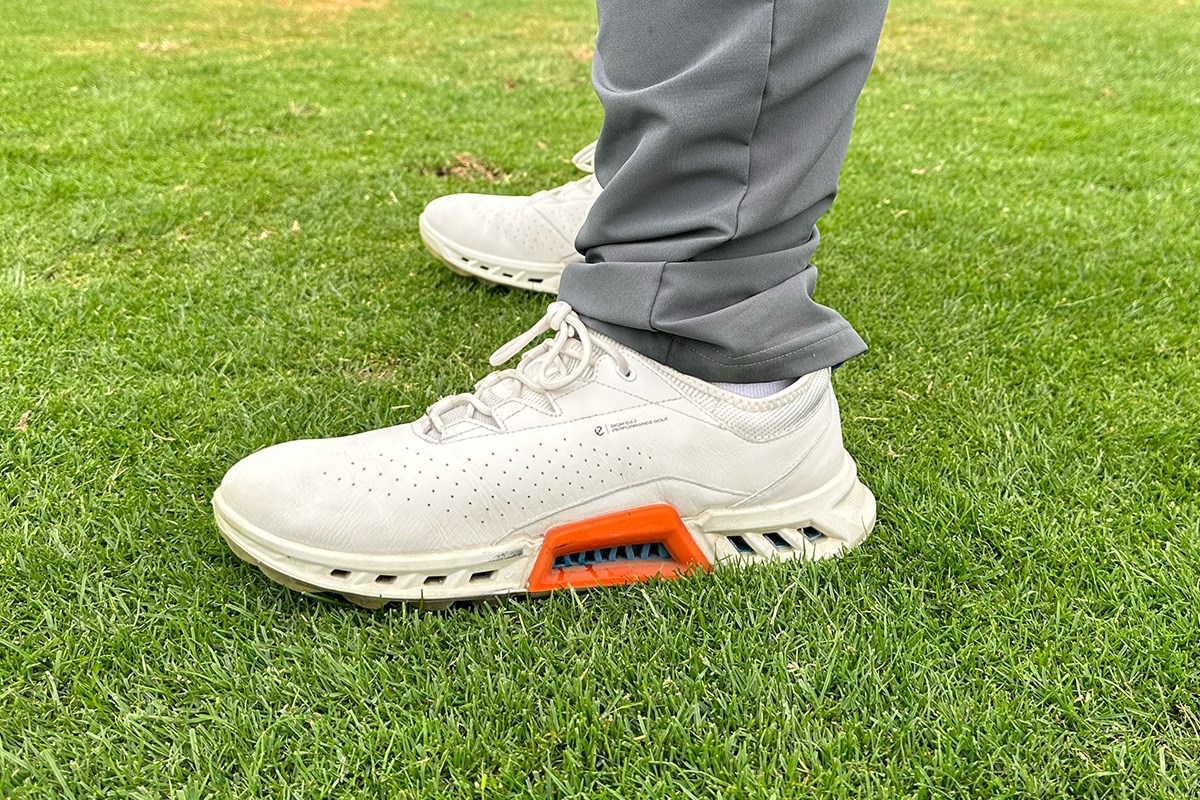
ECCO's flagship spikeless golf shoes (the C5, and the still-loved older C4), aimed at golfers who want a proper premium leather shoe that walks like a trainer and lasts more than one season.
What's great
These are about as comfy out of the box as golf shoes get, no break-in, no rubbing, just slip them on and play. ECCO make the whole shoe in-house, so the leather, the Fluidform sole and the build quality are a cut above most rivals, and they genuinely hold their shape round after round instead of going soft and saggy. Grip from the MTN-grip outsole is seriously good for a spikeless shoe, even on damp grass, and the C5 adds a Gore-Tex option that shrugged off light rain with zero leakage in testing. The C4 in particular gets near-universal love from owners for that cloud-like underfoot feel.
Worth knowing
They cost top money, and the C5 actually feels a touch firmer and barer inside than the beloved C4, with thin tongue and collar padding that some testers reckon doesn't match the price. Sizing is the real trap: the C5 runs large and the US/UK/EU labelling is genuinely confusing, so order carefully or you'll end up half a size long. The gradient leather look splits opinion and the exposed mesh can be a pain to keep clean. Rivals like Payntr and G/Fore feel plusher for similar outlay.
The verdict
If you walk every round and want one premium shoe that lasts, I rate these highly, the comfort and durability are the real deal. Just nail your size (they run big), and if pure softness is your priority, hunt down the C4 over the firmer C5.
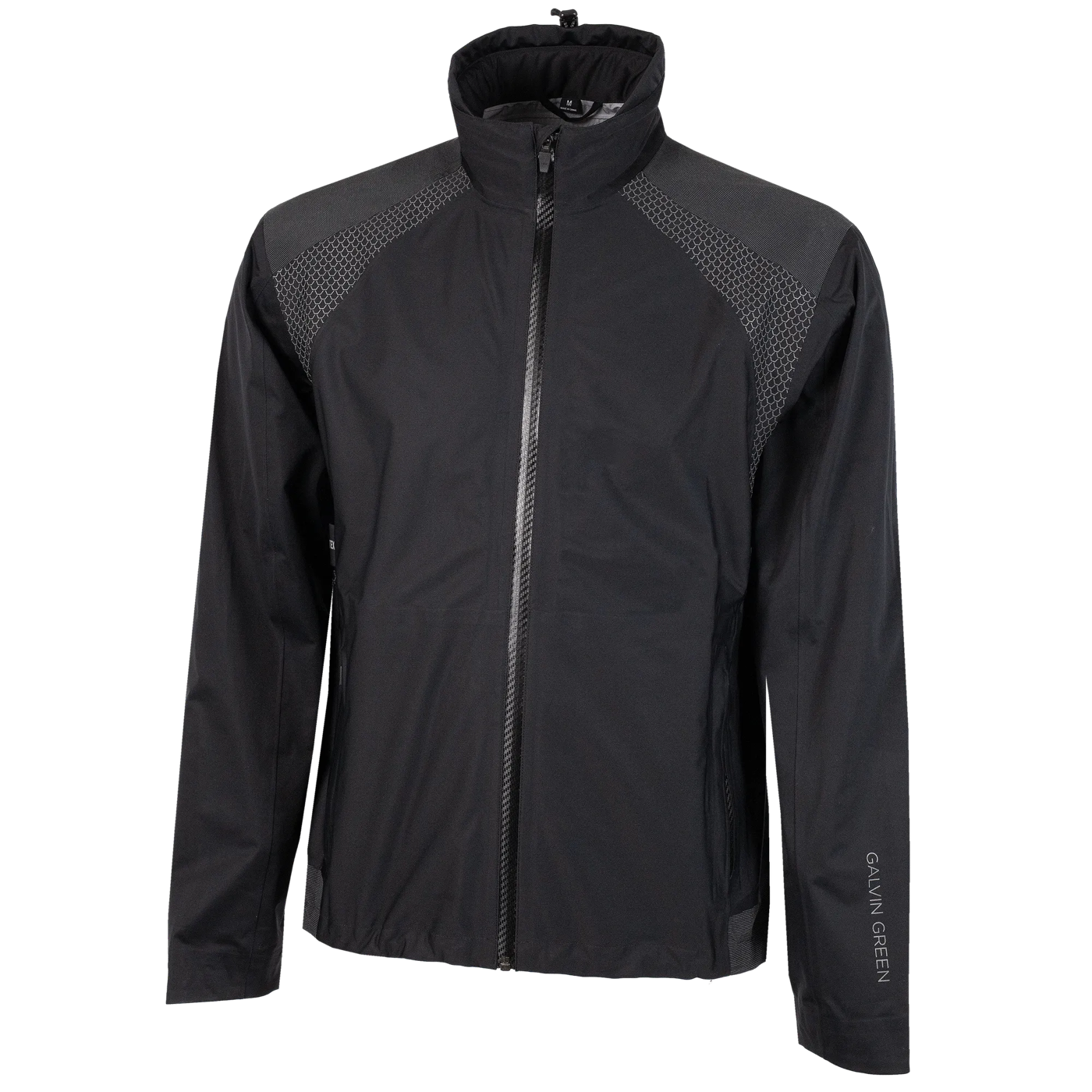
Galvin Green's GORE-TEX waterproof jacket is a premium, top-of-the-tree rain shell for golfers who actually play when the sky opens, not just when it threatens to.
What's great
Where it earns its keep is staying genuinely dry. Reviewers and owners report water beading and rolling off, sealed seams, waterproof YKK zips and a lifetime waterproof guarantee from Galvin Green, so the wet stays out even in a proper downpour. The Paclite stretch fabric is light, packs down small in the bag and moves with you, so you can swing full pelt without the usual waterproof straitjacket feeling. Breathability is a real strong point too, with testers noting they did not boil and sweat the way they do in cheaper shells.
Worth knowing
The price is the obvious sting, it is about as dear as golf outerwear gets, and honestly hard to justify if you only play once or twice a month. The cut runs slim with no double zip, so bigger blokes or anyone wanting room for thick layers should size up and try before buying. It is an unlined shell, so it keeps rain out but not cold in, you will want a midlayer in winter. Light colourways show mud the second you fat one out of the rough.
The verdict
If you play in all weather and want a shell that keeps you dry for years, I rate it highly, it is the real deal. Fair-weather golfers should save the cash and buy something cheaper.
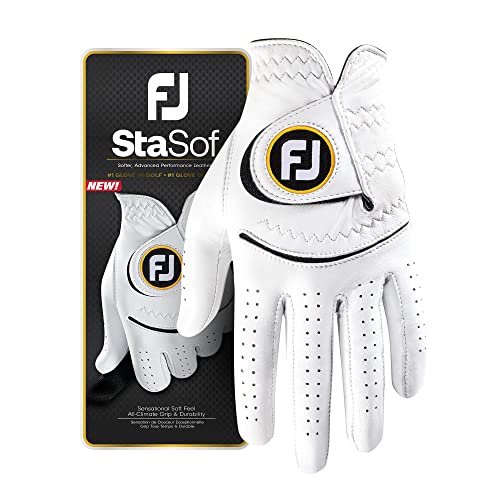
FootJoy's premium all-leather Cabretta glove, the one most of their tour staff wear. It's aimed at golfers who want proper feel and grip and will pay up for it, not range rats hammering balls all week.
What's great
The feel is the whole point and it delivers. Soft Cabretta leather that sits on your hand like a second skin, with grip that genuinely makes the club feel like an extension of your arm. The fit is snug and true to size, and the angled closure tab actually contours to your wrist instead of bunching. For a leather glove it's surprisingly hard-wearing too. Plenty of owners report 15 to 20-plus rounds before it gives up, where cheap gloves go crispy after a handful. The perforations and mesh keep your hand cooler than you'd expect on a sweaty day.
Worth knowing
It's pricey, and that's the real catch. Buy it for proper rounds, not the range, because leather wears faster than synthetic and you'll cry watching one die on a bucket of balls. Despite the moisture-management spiel it is NOT a rain glove. Get it properly soaked and it goes soggy then stiffens up as it dries, so keep a dedicated wet glove for downpours. White only, so it shows muck fast. And like any Cabretta, lifespan drops hard if you're heavy-handed or don't let it dry out between rounds.
The verdict
If feel and grip matter most to you and you'll baby it for actual rounds, I rate it as about the best leather glove going. Just don't waste it on the range or expect it to survive a soaking.
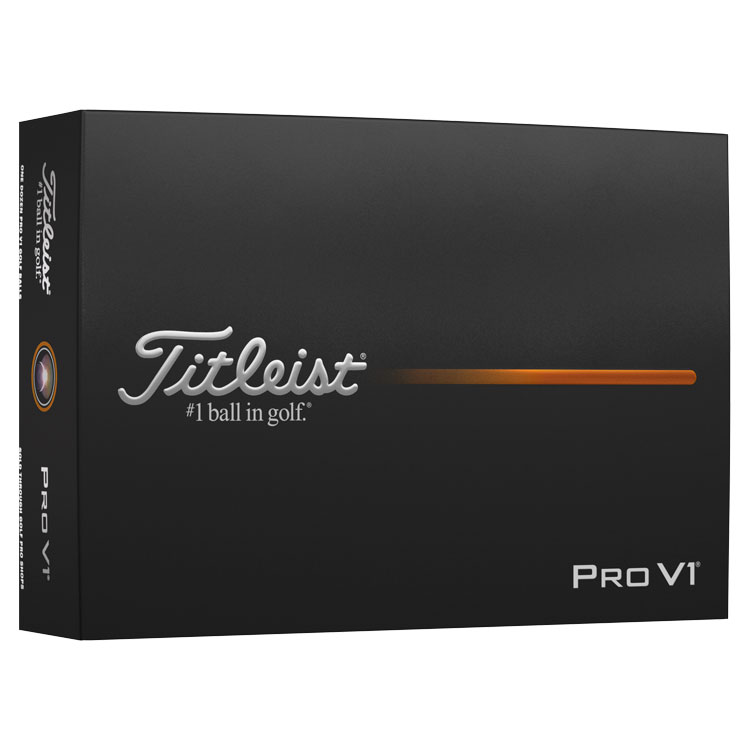
The Titleist Pro V1 is the benchmark tour-level urethane ball, a mid-spin, mid-flight three-piecer aimed at golfers who actually shape shots and want proper greenside bite, not casual hackers padding their bag.
What's great
Look, there's a reason half your fourball plays one. The 2025 version genuinely impressed me on irons, dead consistent carry distances and that penetrating flight that holds up in wind. Wedge spin and greenside control are still the gold standard, and the soft cast urethane cover feels lovely off the face. Titleist's quality control is the real flex though: independent lab testing found all 36 test balls passed with zero significant defects and compression in the top 10 of over 100 balls, so every one out of the box flies the same. Durability's also a proper step up on the older model.
Worth knowing
It's dear, and that's the honest catch. If you're losing three a round in the gorse you're literally chipping pound coins into the trees, and most reviewers agree a higher handicapper won't actually feel the difference enough to justify it over a cheaper urethane ball. It still scuffs in bunkers (all urethane does), and there are now balls that out-spin it around the green for less money. If you want soft and high-launching, the V1x or a rival might suit you better. Not a beginner's ball.
The verdict
If your game's good enough to notice and you're not haemorrhaging balls, it's the safe, do-everything pick I'd happily play every round. Budget golfers and high-handicappers: save your money for greens fees.
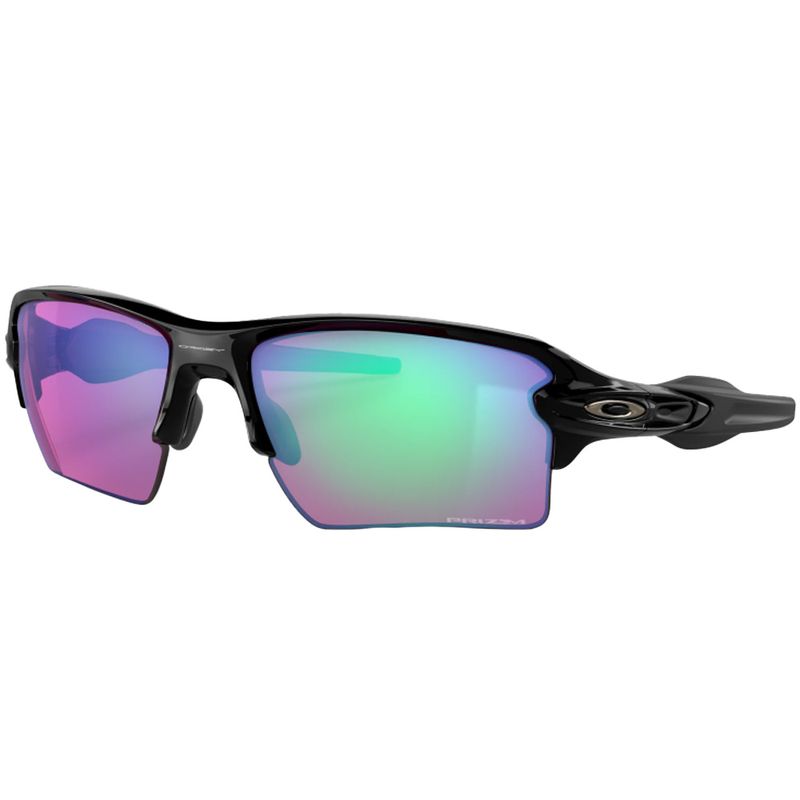
The Oakley Flak 2.0 XL is the workhorse half-frame golf sunnie, the bigger-lens version of the standard Flak, fitted with Oakley's Prizm Golf tint. It's aimed at golfers who want proper coverage and grip rather than a fashion statement.
What's great
The Prizm Golf tint genuinely earns its keep, lifting contrast so a white ball pops against blue sky and the lens picks out cuts between fairway and rough. The O Matter frame is properly light and you forget you're wearing them, and the Unobtainium nose pads and earsocks get grippier as you sweat, so they don't slide down your nose on a hot round. The XL lens gives wraparound coverage that cuts glare at the edges, and the build is Oakley-tough, so they take knocks in the bag.
Worth knowing
Not for big heads. The 37mm lens height and narrowish bridge mean larger faces feel pinched and the coverage shrinks, so try before you buy. The contrast claims are oversold too: owners reckon finding a ball in thick rough or reading grain on the greens is actually easier with them off, so don't expect a cheat code. The nose pads can pop off, and the darker Prizm Dark Golf variant is too dim for anything but bright sun. Looks divide people, more tactical SWAT than country club.
The verdict
If you've got a medium face and want a grippy, light, no-slip pair that genuinely helps you track the ball against the sky, I rate these. Big-faced lads and anyone expecting magic green-reading should look elsewhere or size up.
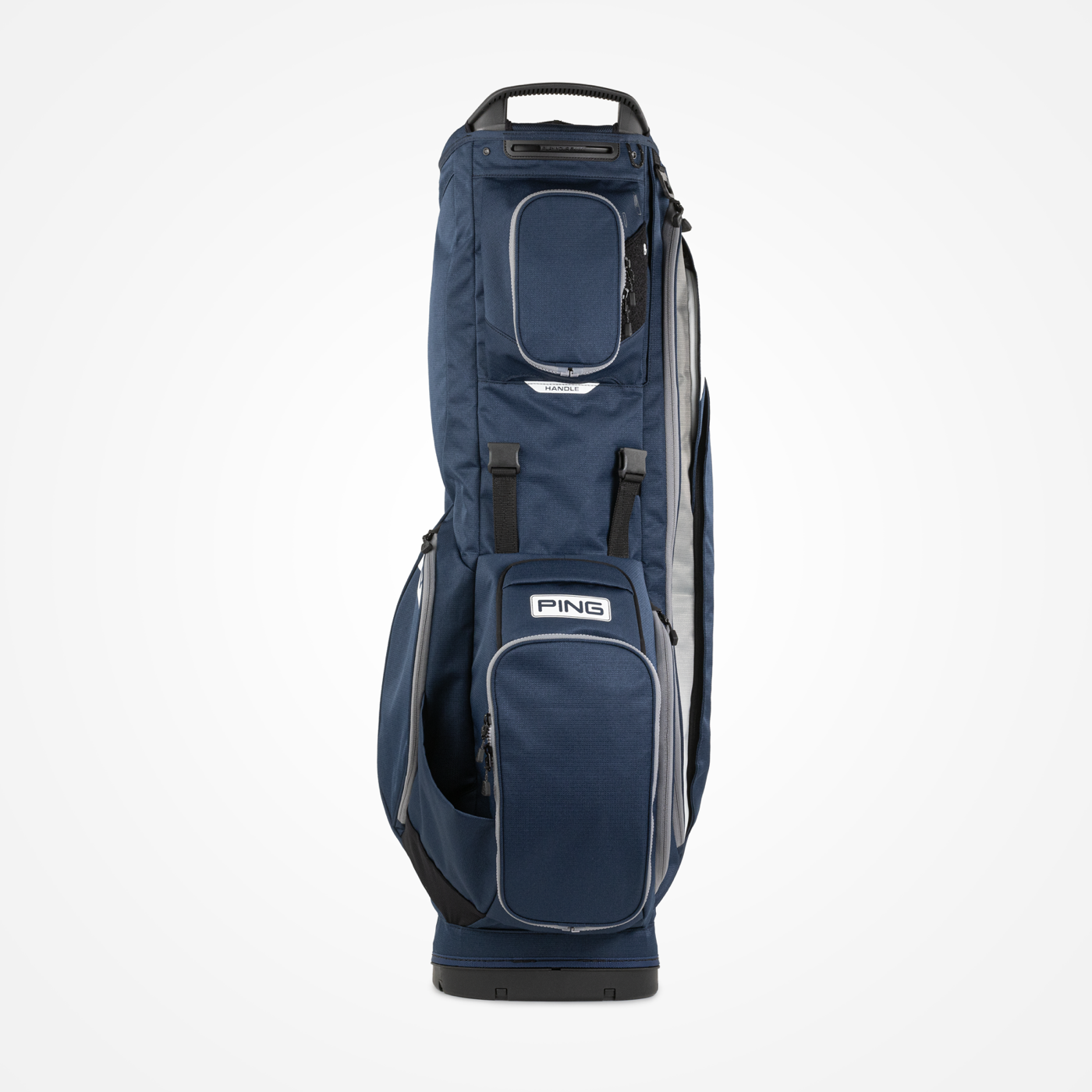
The Ping Hoofer 14 is the 14-way-divided version of Ping's long-running Hoofer carry bag, aimed at walkers who want every club in its own slot but still need a bag that throws on a buggy now and then.
What's great
The dual strap is the standout, and it is the real reason people stay loyal to this bag. One clip switches you from a balanced backpack carry to a single shoulder sling, and on the shoulders it is genuinely comfortable for 18 holes. Twelve pockets, including a proper padded valuables pocket, a rangefinder slot and a water-bottle holder, plus the built-in rain hood and a cart strap channel, means it is sorted for organisation and works fine on a trolley too. The legs are sturdy and the build is classic Ping, which is to say it lasts. independent testers rated it near the top of its class.
Worth knowing
Two honest gripes. First, the 14-way top has a smaller diameter than rivals and the dividers do not run to the base, so a lot of owners report clubs binding and grips tangling when you pull a club in a hurry. This is the single most common complaint and the buyer reviews on Ping's own site are notably lukewarm because of it. Second, it is around six pounds, heavier than a slim carry bag, and the strap can twist when you sling it on. Not the one if you want the absolute lightest bag for long walking days, or if a full-length 14-way divider is a dealbreaker.
The verdict
I rate the Hoofer 14 for the carry comfort and the organisation, and it is a sensible pick if you walk most rounds but cart occasionally. Just go in knowing the 14-way top can bind, and if that drives you mad, look at the standard Hoofer instead.
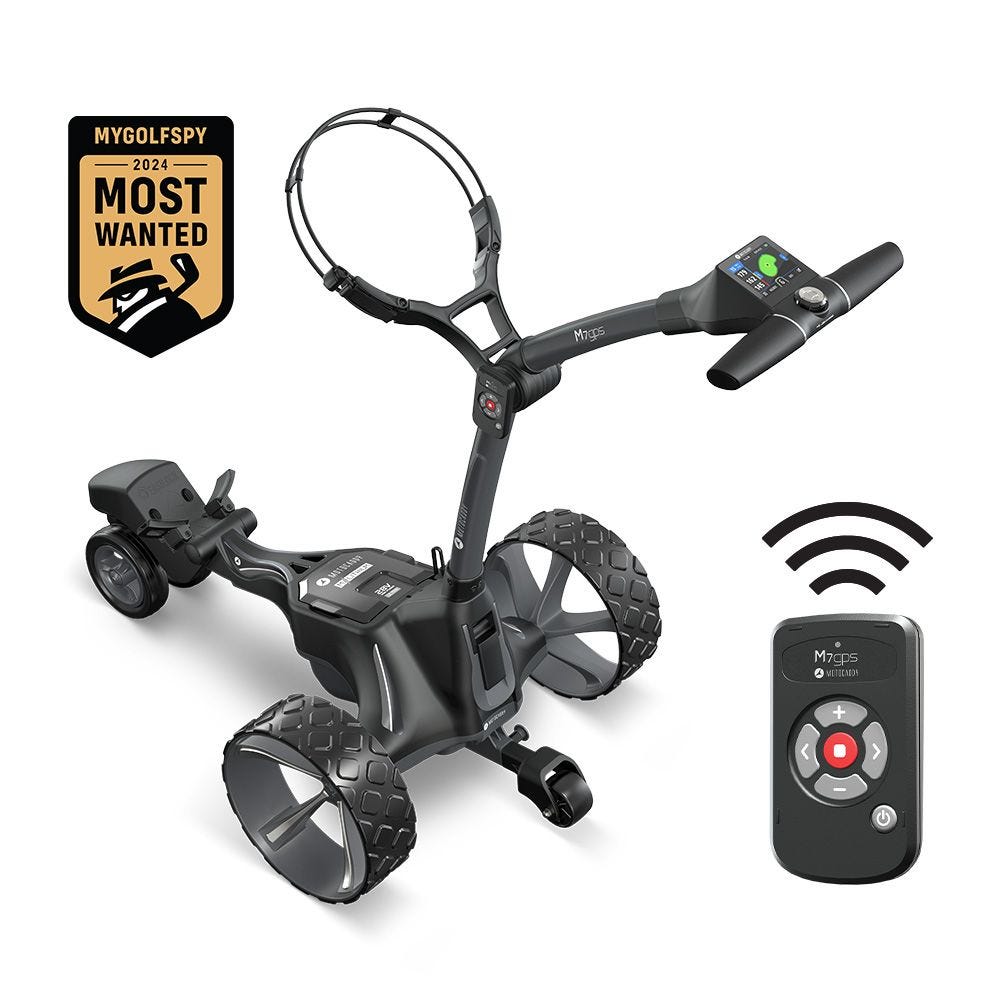
Motocaddy's flagship: a fully remote-controlled electric push trolley with a built-in 3.5 inch touchscreen GPS, twin motors, downhill braking and a cable-free lithium battery. It drives itself ahead of you, parks where you point it, and shows yardages and full-hole maps without needing a watch or phone.
What's great
The remote genuinely works and the 2026 GPS interface is a big leap, with pinch-and-zoom mapping and 3D hole flyovers that actually feel premium rather than gimmicky. Automatic downhill control and the anti-tip wheel keep it planted on slopes, the auto-disconnecting battery stops you killing it by leaving it switched on, and it still folds compact. It was a a Most Wanted test winner and a favourite of testers like Mark Crossfield, and crucially you can ditch the remote and steer manually from the handle dial when you want to.
Worth knowing
It is expensive, comfortably the dearest mainstream remote trolley, and if you already own a GPS watch or rangefinder the integrated screen is largely redundant tech you are paying for. The screen is landscape where some rivals (PowaKaddy, MGI) use a more readable portrait layout, and Motocaddy refreshes the line almost yearly, so last season's owners can feel leapfrogged fast. At nearly 15kg with the battery it is also no featherweight to lift into a boot.
The verdict
If you want the most feature-complete remote trolley on the market and the budget does not flinch at four figures, the M7 GPS is about as good as it gets. If you already carry a rangefinder or just want hands-free walking without the screen, a cheaper Motocaddy or a non-GPS remote rival gives you most of the magic for a lot less money.
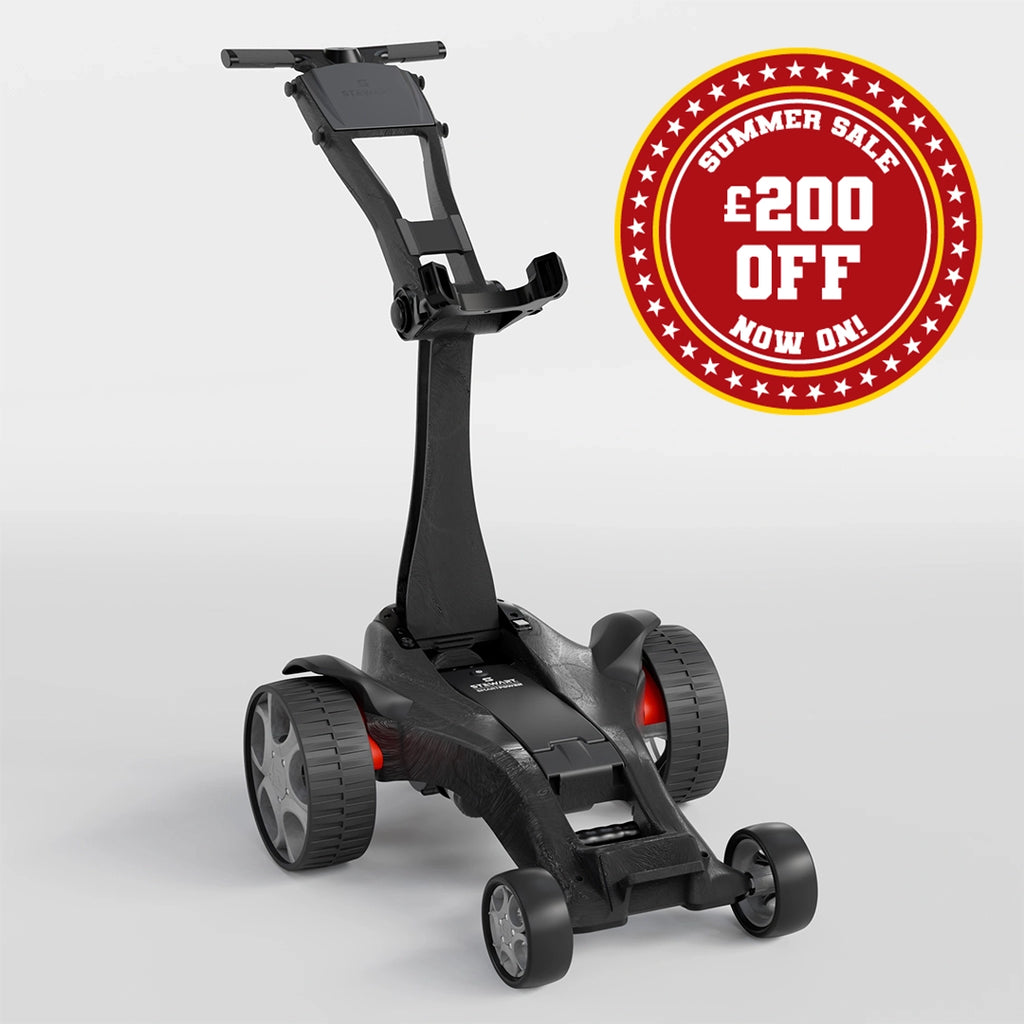
Stewart Golf's flagship electric trolley. It does the usual remote-control thing, but its party trick is Follow mode: pop the handset in your pocket and the trolley tracks you down the fairway on its own, adjusting speed and direction so you can walk with nothing in your hands. It is designed, engineered and hand built in Britain.
What's great
It is built like a tank and genuinely stable on slopes and sidehill lies thanks to the retractable stabiliser and dual-bearing wheels. The remote connection is rock solid out to a long range, the battery monitoring through the app is handy, and on open fairways the Follow tech is borderline magic. Reviewers reckon a good one lasts five to ten years, which softens the sting of the price over time.
Worth knowing
It is expensive, and Follow mode is not true hands-free golf yet: it works beautifully on open fairways but gets confused around bunkers, trees and water, so plenty of owners end up using the remote most of the time. At around 14kg before the battery it is legitimately heavy to lift in and out of a car boot, you cannot push it manually (it only moves under power), and it can pop a little wheelie off the mark on an incline. Best owned if you can store it at the club.
The verdict
If you walk every round and have the budget, it is about as good as a follow trolley gets right now: superbly built, brilliantly stable and a joy on open courses. Just go in clear-eyed that Follow mode is a clever assistant rather than a full caddie replacement, and that it is a lump to haul around if you are boot-to-clubhouse every week.