
PAYNTR Eighty Seven SC: the shoe brand that came from cricket and is out-scoring companies fifty times its size
A 2026 study of 391 golfers found PAYNTR posting favourability alongside the majors. That's a strange result for a company most golfers still can't pronounce — and the reason is in the sole.
By Tom Whitaker · Staff Writer
PAYNTR
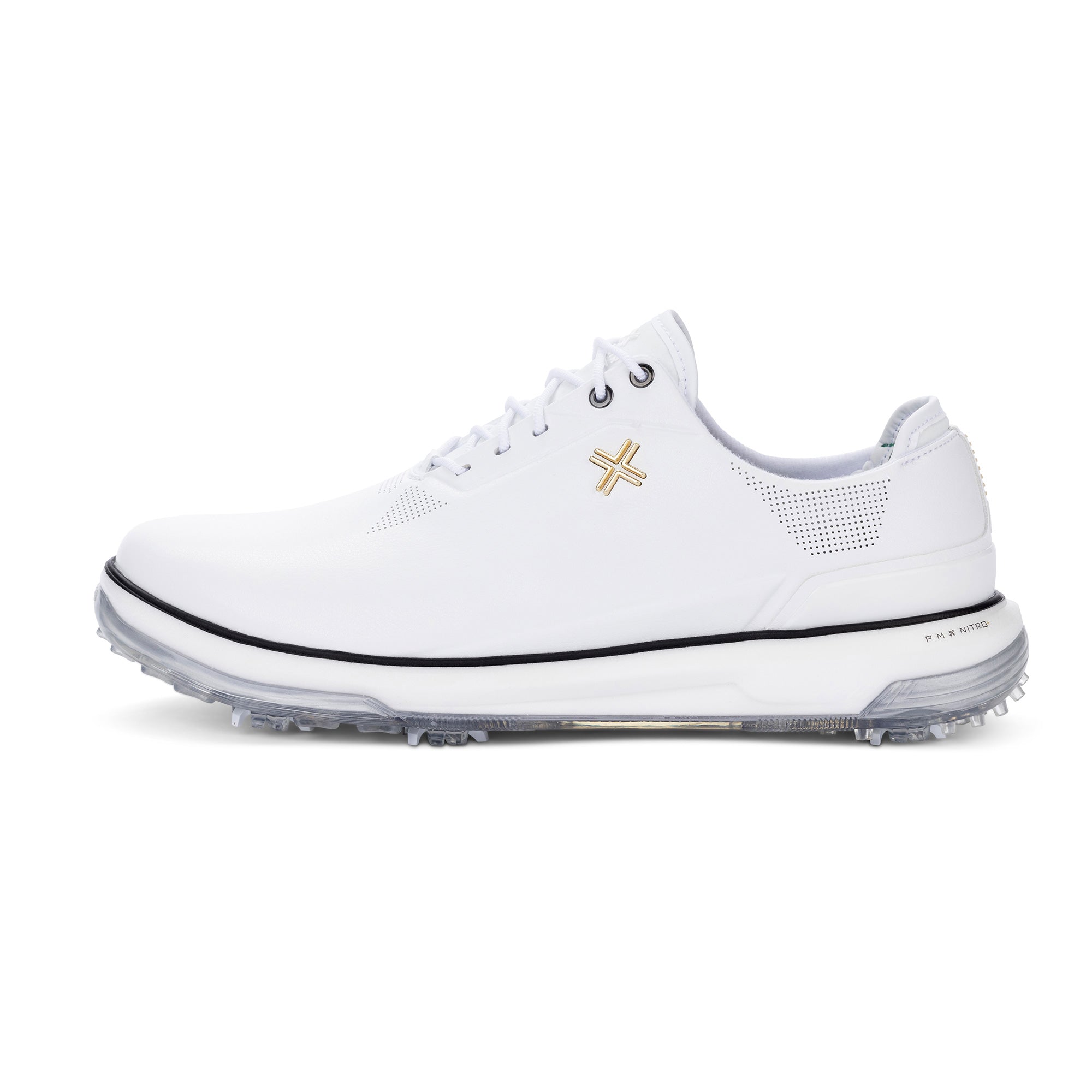
PAYNTR Eighty Seven SC Golf Shoes
ifrothgolf earns a commission on purchases made through these links, at no extra cost to you. It never changes what I recommend. Full disclosure.
PAYNTR is not a golf company by origin. It came out of cricket footwear, where the engineering problem is traction on a surface that changes underfoot and a foot that takes enormous lateral load. Then it applied that thinking to golf shoes, which is a more similar problem than the golf industry generally admits.
The result shows up in an unusual place. Buffalo Groupe's 2026 marketplace study, which rated 80 brands across 391 complete responses, found PAYNTR achieving favourability scores that sit alongside far larger competitors. For a brand this size, in a category dominated by FootJoy and the sportswear giants, that's genuinely notable.
What the shoe is actually doing differently
The interesting part is the ground contact. Coming from cricket means starting from the assumption that traction is about how the whole sole interacts with a surface under rotational load, rather than about how many spikes you can fit on the bottom.
In golf terms that means a spikeless outsole designed around the specific loads of a golf swing — resisting the foot turning against the ground through impact — rather than a walking-shoe sole with golf-shaped lugs added. Whether you notice depends heavily on how much you rotate and how wet your course gets, but the design premise is coherent rather than cosmetic.
The second thing is that they're built like athletic shoes rather than like golf shoes. Lower to the ground, less structured through the upper, more like something you'd run in. That's a preference, and a strong one in both directions.
Who it suits
Golfers who walk and rotate hard. The traction argument is most relevant to someone generating real ground force, and least relevant to someone riding a cart on dry turf.
Anyone who finds mainstream golf shoes over-built. If you've ever thought a golf shoe felt like a boot, this is the counter-proposal.
Golfers who like a lower, closer-to-the-ground feel. Genuinely a matter of taste, and it's the thing most likely to make you love or dislike them within one round.
Who should stay away
Anyone who needs width options. This is the structural weakness of every small footwear brand and it's the single most common reason to buy a major instead. FootJoy's range of widths and lasts is the deepest in golf, and if your feet are outside the standard, no amount of clever sole design compensates.
Anyone playing consistently wet golf who needs guaranteed waterproofing. Check the specific model before assuming it — spikeless athletic-style shoes vary a lot here, and a British winter is unforgiving.
Anyone who wants to buy shoes without trying them on. Small-brand sizing is less predictable and there are fewer places to go if it's wrong.
The wider point about small footwear brands
There's a reason two of the more interesting golf shoes right now come from outside golf — PAYNTR from cricket and TRUE Linkswear from a minimalist-footwear philosophy. Both started with a strong opinion about what a foot should do and worked towards golf, rather than starting from a golf shoe and iterating.
That's the pattern behind the survey finding. A brand that commits to a specific idea will be loved by the golfers it suits and irrelevant to everyone else, which produces high favourability among people who know it — exactly what the study measured. It doesn't mean the shoe is better in general. It means it's more decided, and decided products earn stronger opinions.
The sizing problem, specifically
Small footwear brands almost always run to a single last, and PAYNTR's is on the narrower, lower-volume side of average. If you normally need a wide fitting, this is not a shoe you can size up into — length and width aren't interchangeable, and a longer shoe in the wrong width slides at the heel through the swing, which is worse than a slightly tight one.
There's also a break-in consideration. Athletic-construction golf shoes with less structure tend to feel excellent immediately and then mould further over a few rounds, which is pleasant but means the first fitting is the tightest they'll ever be. Buying snug in the hope they'll give is reasonable here in a way it isn't with a stiffer, more supportive shoe.
Where it sits on price
This is not a budget shoe, and it's worth being clear about that because small brands are often assumed to be competing on price. It sits in the same bracket as a mainstream premium golf shoe, which means you're paying a normal amount of money for a less proven name with a narrower fitting range.
That's a defensible trade if the design genuinely suits you — you're buying a specific engineering point of view rather than a discount. It is not a defensible trade if you're buying it because it's different. At this price the shoe has to fit better than the alternatives, not just think differently from them.
The verdict
Worth trying on, genuinely — and that qualifier is the whole review. This is a well-engineered shoe from a company that knows things about traction most golf brands don't, and the golfers it suits rate it as highly as anything from the majors.
But it's footwear, which is the category where fit beats everything and where a small brand's narrow range is a real limitation rather than a charming quirk. Go and put them on. If they fit your foot, you've found something better than its market share suggests. If they don't, the best-designed sole in golf is worth nothing to you, and FootJoy's fitting range exists for exactly that reason.
Products mentioned in this article
PAYNTR
PAYNTR Eighty Seven SC Golf Shoes
The challenger that survey data says golfers rate alongside far bigger names
FootJoy
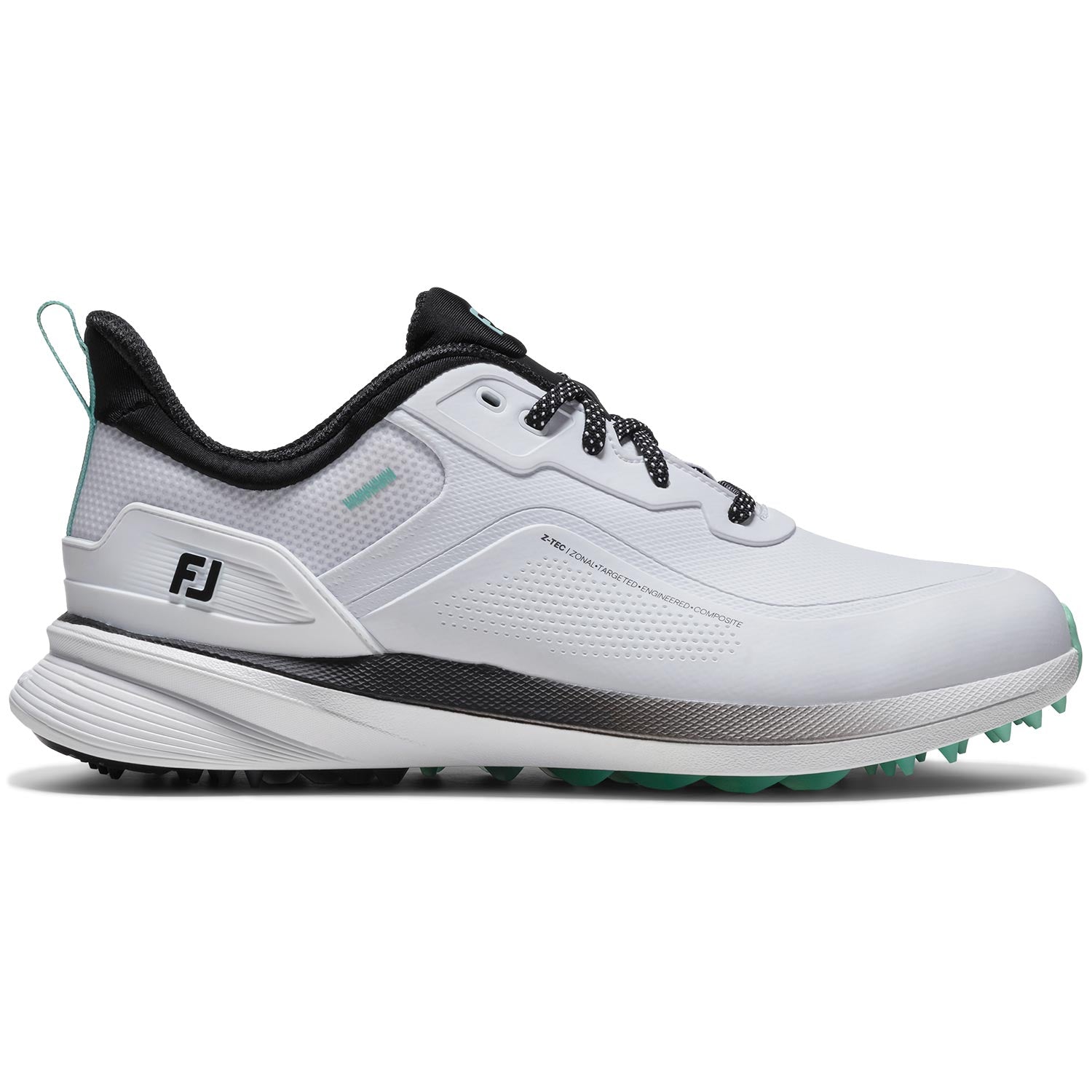
FootJoy Pro/SL 2026 Spikeless Golf Shoes
The spikeless benchmark, and the widest fitting range
TRUE Linkswear
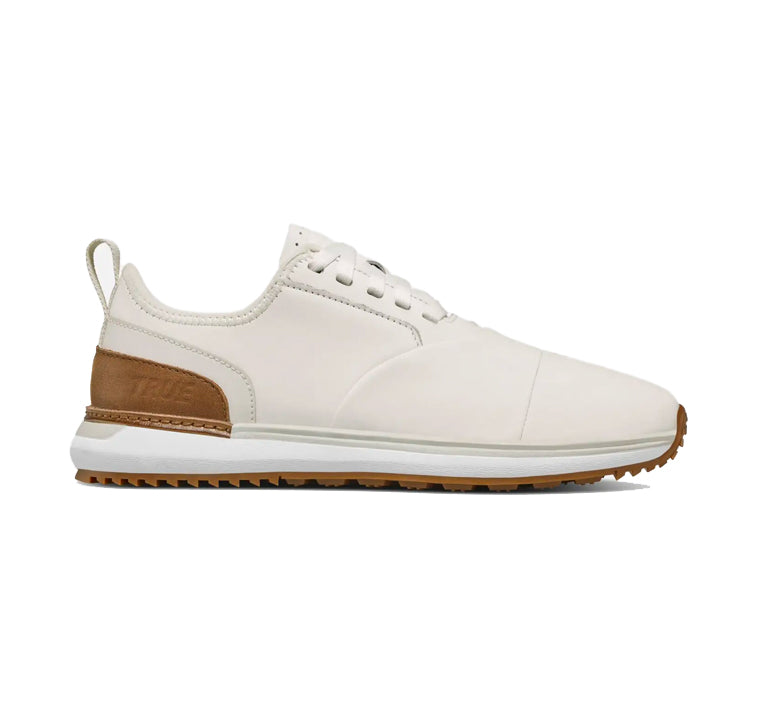
TRUE Linkswear LUX Pro
The other small brand worth trying if you want room in the toe box
ifrothgolf earns a commission on purchases made through these links, at no extra cost to you. It never changes what I recommend. Full disclosure.
Frequently asked
- Is PAYNTR a good golf shoe brand?
- By the evidence available, yes — a 2026 survey of 391 golfers found it scoring favourability alongside much larger competitors, and its traction engineering comes from cricket footwear, where rotational grip is a harder problem than in golf. The catch is a narrow fitting range.
- Are spikeless golf shoes good enough for wet conditions?
- Modern spikeless outsoles are far better than they were, but they vary considerably and some are not fully waterproof. If most of your golf is played on soft, wet turf, check the specific model's waterproofing rather than assuming, and consider spikes for winter.
- Should I buy golf shoes from a small brand?
- Only if you can try them on. Small brands often build one excellent shoe around a specific idea, but they rarely offer multiple widths or lasts, and fit matters more than design in footwear. If your feet are outside standard sizing, a major brand's fitting range will serve you better.
- Why do brands from other sports make good golf shoes?
- Because traction under rotational load is a problem several sports solve harder than golf does. Starting from that engineering and adapting to golf tends to produce a more considered sole than adding golf-shaped lugs to a walking shoe.
Read next
Review
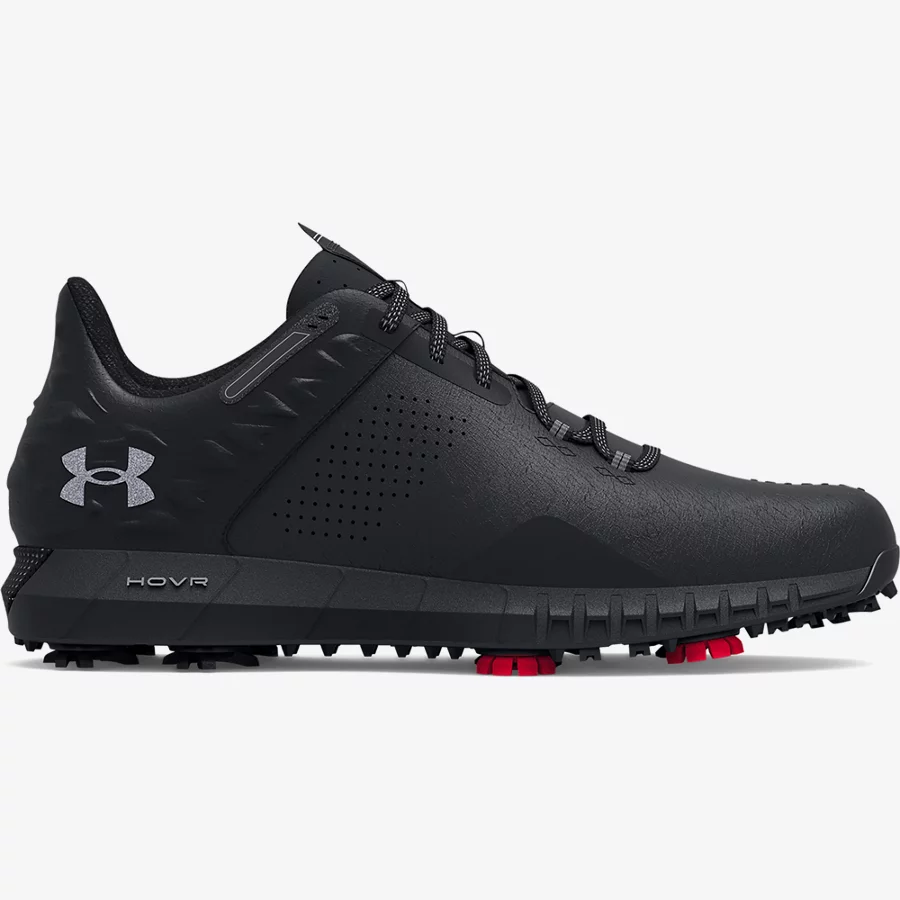
8.0/10Under Armour HOVR Drive 2 Wide review: the golf shoe wide feet have been waiting for
A spiked, waterproof shoe built on a genuine wide last, at a value price. For broad feet, it solves a problem the big brands mostly ignore.
Explained
Spikeless vs spiked golf shoes: how to choose
Grip, comfort, versatility and weather — what actually matters in 2026, and which type fits your golf.
Review
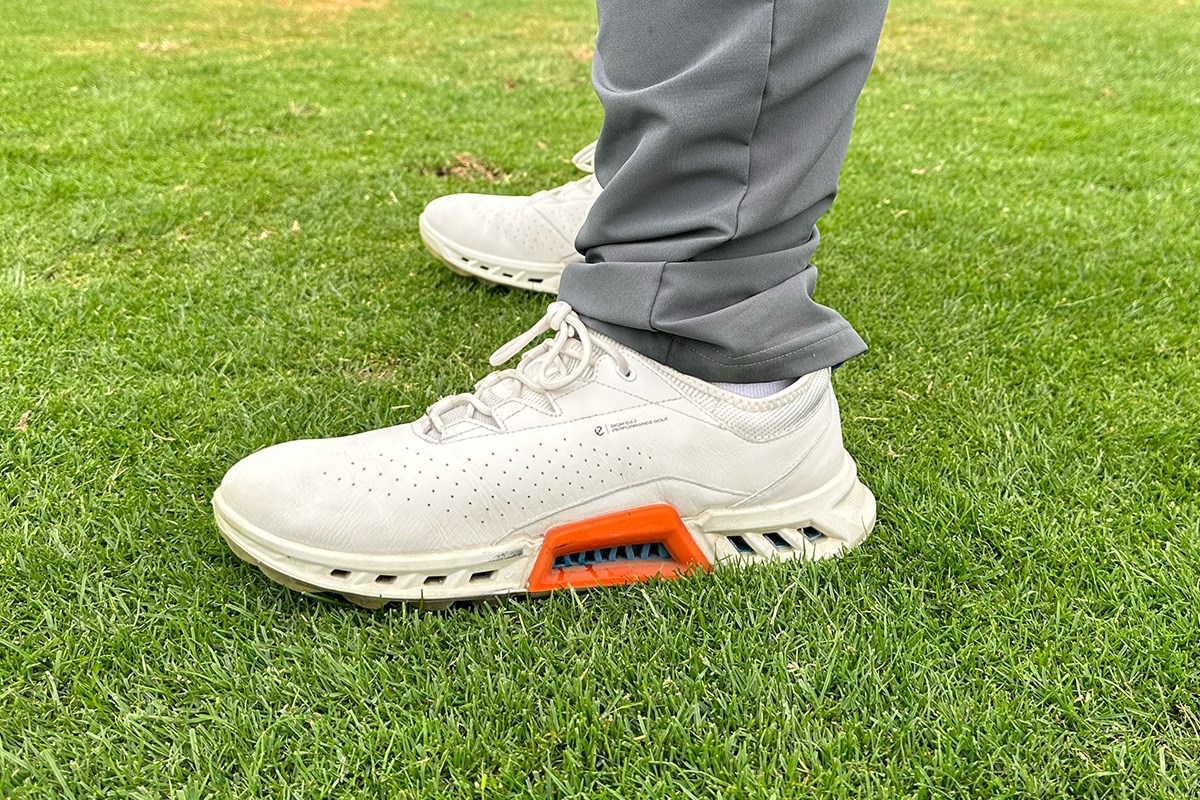
8.7/10ECCO Biom C5 review: the comfort benchmark, with a price to match
ECCO makes the leather and the shoe, and walks the comfort everyone else chases. Is the premium worth it?