
Spikeless vs spiked golf shoes: how to choose
Grip, comfort, versatility and weather — what actually matters in 2026, and which type fits your golf.
By Jordan Hale · Equipment Writer
 Explained
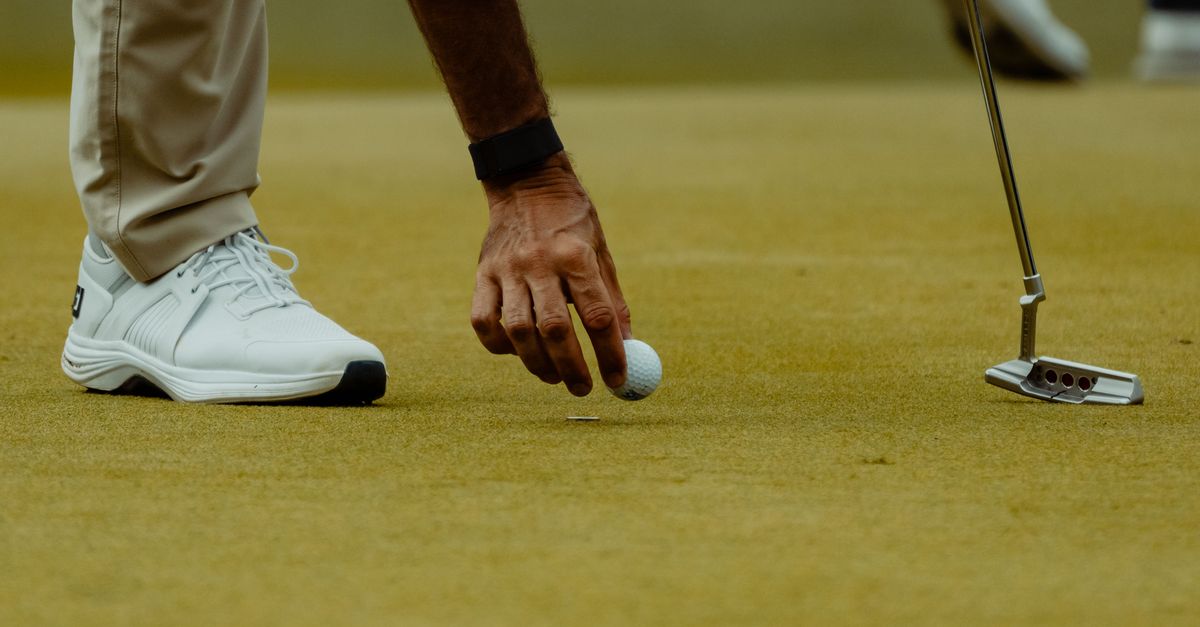
Default to spikeless for comfort and versatility; choose spiked only if you regularly play wet, hilly courses or swing hard enough to need maximum lateral lock. The old rule — spikes for grip, spikeless for the range — is a decade out of date. Here's the 2026 reality, what each type actually buys you, and how to pick for the golf you actually play.
The two designs, plainly
A spiked shoe has receptacles in the outsole that hold replaceable soft cleats — the little plastic claws you can unscrew and swap when they wear down. A spikeless shoe moulds the traction directly into the sole as fixed nubs, lugs and bars, often hundreds of them, with nothing to replace. That single difference cascades into everything else: spiked shoes bite into soft turf and can be refreshed for the cost of a few quid in cleats; spikeless shoes walk like trainers, never need new cleats, and are happy on a clubhouse floor or a supermarket aisle. Neither is 'better' in the abstract — they're optimised for different priorities, and the right pick depends entirely on where and how you play.
Why spikeless won for most golfers
Modern spikeless outsoles give up almost nothing to replaceable cleats for the golf the vast majority of us play. Look at FootJoy's 2026 Pro/SL: its ARCTrax outsole mixes firm TPU blades with softer rubber nubs specifically so it grips wet morning turf the way older spikeless shoes couldn't, and it's the spikeless shoe more tour pros wear than any other. That's the tell — if the traction were a genuine liability, the people whose livelihood depends on not slipping over a 7-iron wouldn't trust it. For fair-weather rounds on flattish courses with a normal swing, the grip is good enough that you'll never once think about it, and in return you get a shoe you can walk 18 holes in comfortably and then wear to lunch. Add lower maintenance — no cleats to replace, no wrench rattling in your bag — and for most golfers the maths is obvious.
When spiked still wins
Two situations, and they're real. First, genuinely wet, hilly, slippery rounds — British winter golf on a sloping parkland course — where the bite of replaceable cleats digging into soft ground gives you a security a moulded sole can't quite match on the steepest, soggiest lies. Second, hard swingers who aggressively load the ground and want maximum lateral lock through impact; the deeper anchor of cleats can give that player a touch more stability when they really brace against the turf. The trade-offs are equally real: spiked shoes are clumsier off the course, you'll feel the cleats on hard surfaces, and those cleats wear out and need replacing every season or two. If your golf lives in those two situations, that bite earns its keep — but be honest about how many of your rounds actually qualify.
Wet weather, walking and budget: the decision aids
Three quick filters settle most buying decisions. On weather: if you only play when it's reasonable, spikeless is a non-issue; if you're out in true winter slop most weeks, lean spiked — and either way prioritise a proper waterproof membrane over the outsole question. On walking versus riding: walkers benefit most from spikeless comfort over four-plus miles, while riders who only walk from cart to ball feel the comfort gap far less and can pick on traction alone. On budget: spikeless ranges from around $120 for an excellent value pair like the adidas S2G SL up to $250-plus for premium leather; spiked shoes cost similar up front but add a small running cost in replacement cleats. None of these filters points hard at spiked for the average golfer — which is rather the point.
Maintenance and longevity
This is the quietly decisive factor most buyers forget. Spiked shoes give you a renewable wear surface: when the cleats wear down — typically after a season or two of regular play — you unscrew them and screw in a few pounds' worth of replacements, and the shoe grips like new again. The cost is the faff: you need the right cleats, a wrench, and the discipline to actually swap them before they're worn flat (worn cleats are when people slip, not new ones). Spikeless shoes flip the trade: the moulded nubs wear gradually and can't be replaced, so the traction slowly fades over the life of the shoe — but you never carry a wrench, never buy cleats, and never think about it until the shoe itself is done. For most golfers the lifetimes work out similar, and the spikeless 'no maintenance ever' convenience outweighs the spiked 'renewable but fiddly' grip. If you're the type who'd never get round to swapping cleats, that alone is an argument for spikeless.
What matters more than the outsole
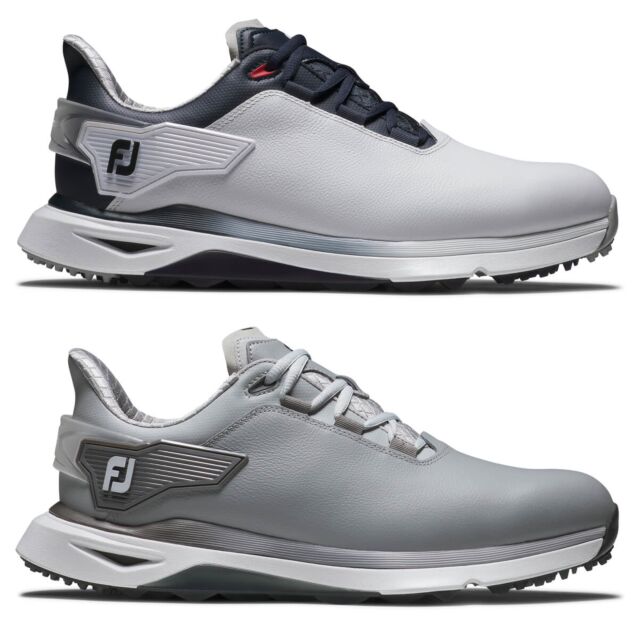
Fit and waterproofing. A shoe that fits and keeps your feet dry will do far more for your golf than agonising over spikes versus nubs — a blister at the turn or a soaked sock on the 5th wrecks more rounds than any traction deficit ever will. So prioritise comfort and a proper waterproof membrane first, then pick the outsole. For what it's worth, spikeless has already won for the golf most people play, and the FootJoy Pro SL is where we'd start; for genuine wet-weather security a spiked Pro SLX is the counterpoint. Buy spikeless if you play mostly fair-weather, flattish golf, walk or ride, and want one shoe that goes course-to-clubhouse. Buy spiked if you regularly play wet, steep, muddy ground or swing hard enough to want maximum lateral lock. The rest of the field is in our best golf shoes guide.
Products mentioned in this article
FootJoy
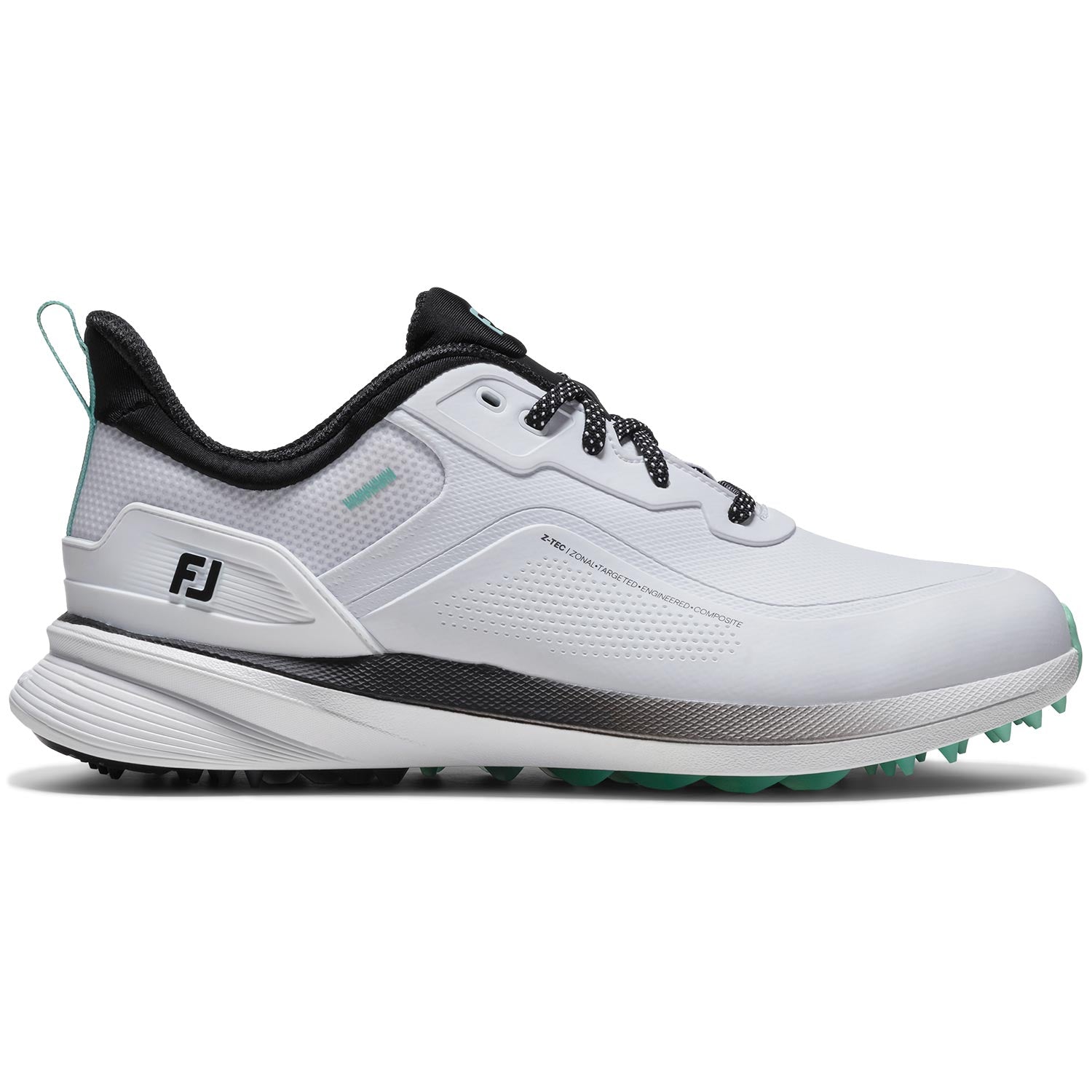
FootJoy Pro/SL 2026 Spikeless Golf Shoes
Spikeless — tour-proven grip, wears anywhere, course to clubhouse.
ifrothgolf earns a commission on purchases made through these links, at no extra cost to you. It never changes what I recommend. Full disclosure.
Frequently asked
- Are spikeless golf shoes grippy enough?
- For most golfers in normal-to-damp conditions, yes — modern moulded outsoles like FootJoy's ARCTrax give up almost nothing to cleats, which is why more tour pros wear spikeless than ever. Only regular play on wet, hilly or muddy ground really favours spikes.
- Should I buy spiked or spikeless?
- Spikeless for comfort and versatility (the right default for most). Spiked if you play wet, hilly courses, walk in winter, or swing hard and want maximum lateral lock.
- Do spikeless shoes last as long as spiked?
- The outsole nubs wear gradually and can't be replaced, unlike cleats — but you skip the cost and faff of replacing spikes. For most golfers it's a wash; fit and waterproofing matter more.
- Are spiked shoes better for hard swingers?
- Marginally, for the most aggressive players who really load the ground — the deeper anchor of cleats can add a touch of lateral lock through impact. For an average swing the difference is imperceptible, and a stable spikeless platform like the Pro SL is plenty.
- Can I wear spikeless golf shoes off the course?
- Yes — that's one of their main advantages. With no protruding cleats they walk like trainers on any surface, so you can drive, run errands and grab a coffee in them without a second pair. Spiked shoes feel awkward and wear faster on hard ground.
Read next
Review
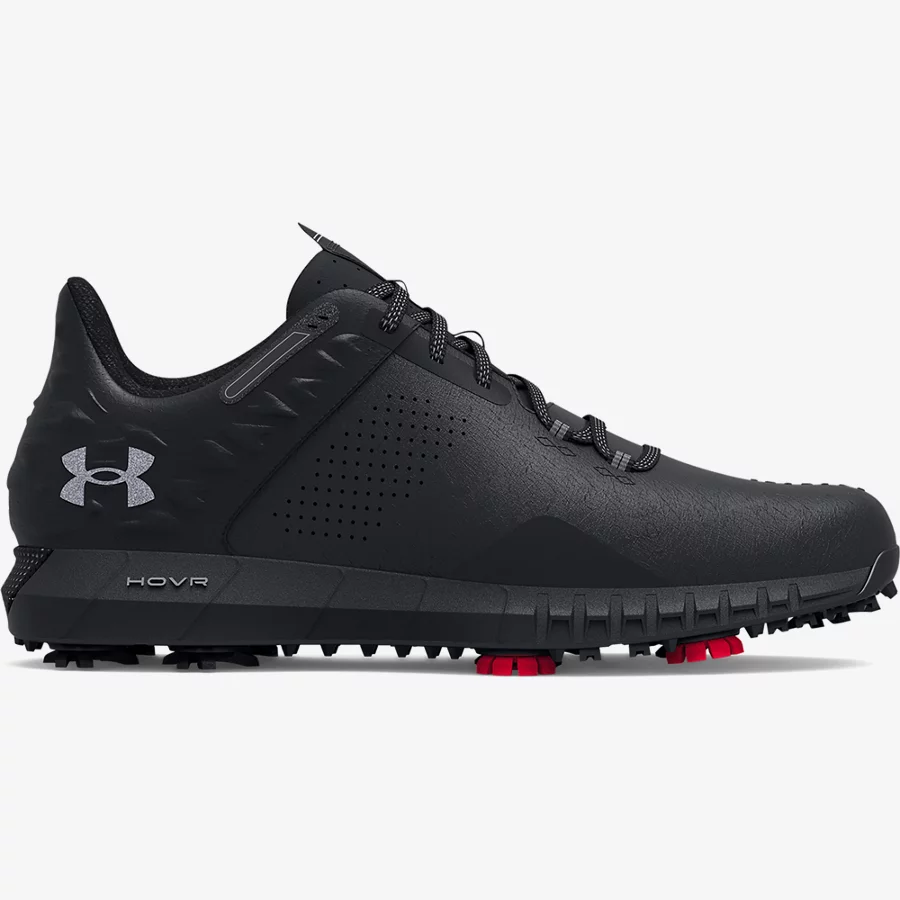
8.0/10Under Armour HOVR Drive 2 Wide review: the golf shoe wide feet have been waiting for
A spiked, waterproof shoe built on a genuine wide last, at a value price. For broad feet, it solves a problem the big brands mostly ignore.
Review
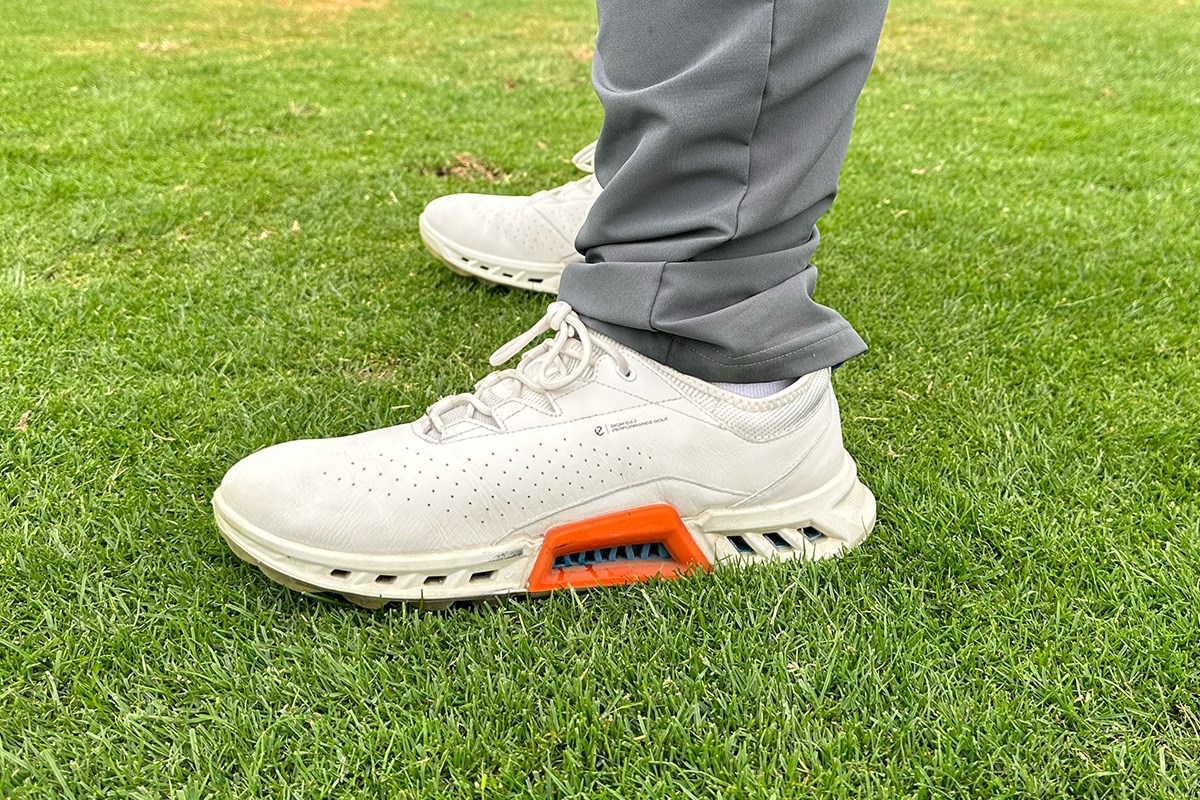
8.7/10ECCO Biom C5 review: the comfort benchmark, with a price to match
ECCO makes the leather and the shoe, and walks the comfort everyone else chases. Is the premium worth it?
Versus
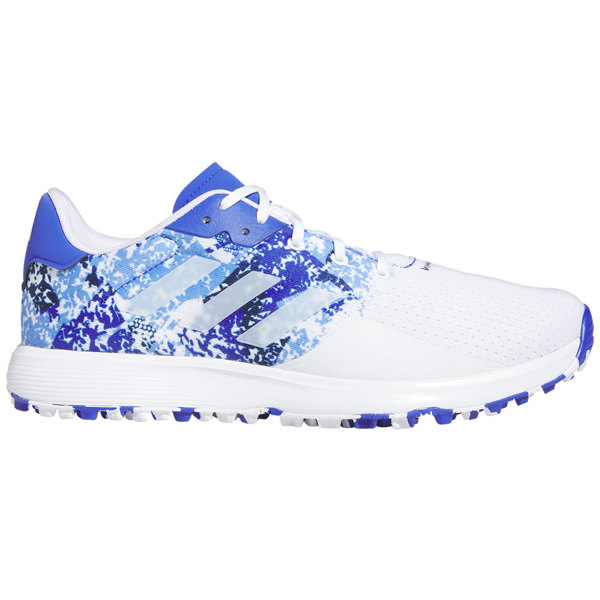
Spikeless face-off: adidas S2G SL vs FootJoy Pro SL
Two of the best spikeless shoes in golf, head to head. Both brilliant — here's which suits your feet and your wallet.