
Spikeless face-off: adidas S2G SL vs FootJoy Pro SL
Two of the best spikeless shoes in golf, head to head. Both brilliant — here's which suits your feet and your wallet.
By Jordan Hale · Equipment Writer
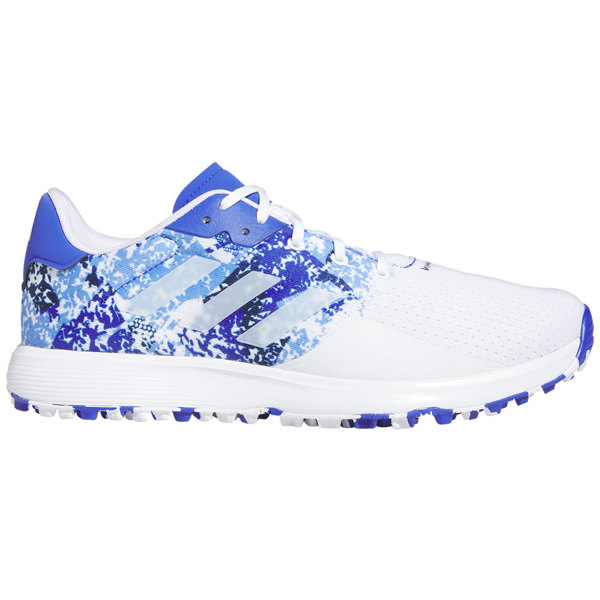
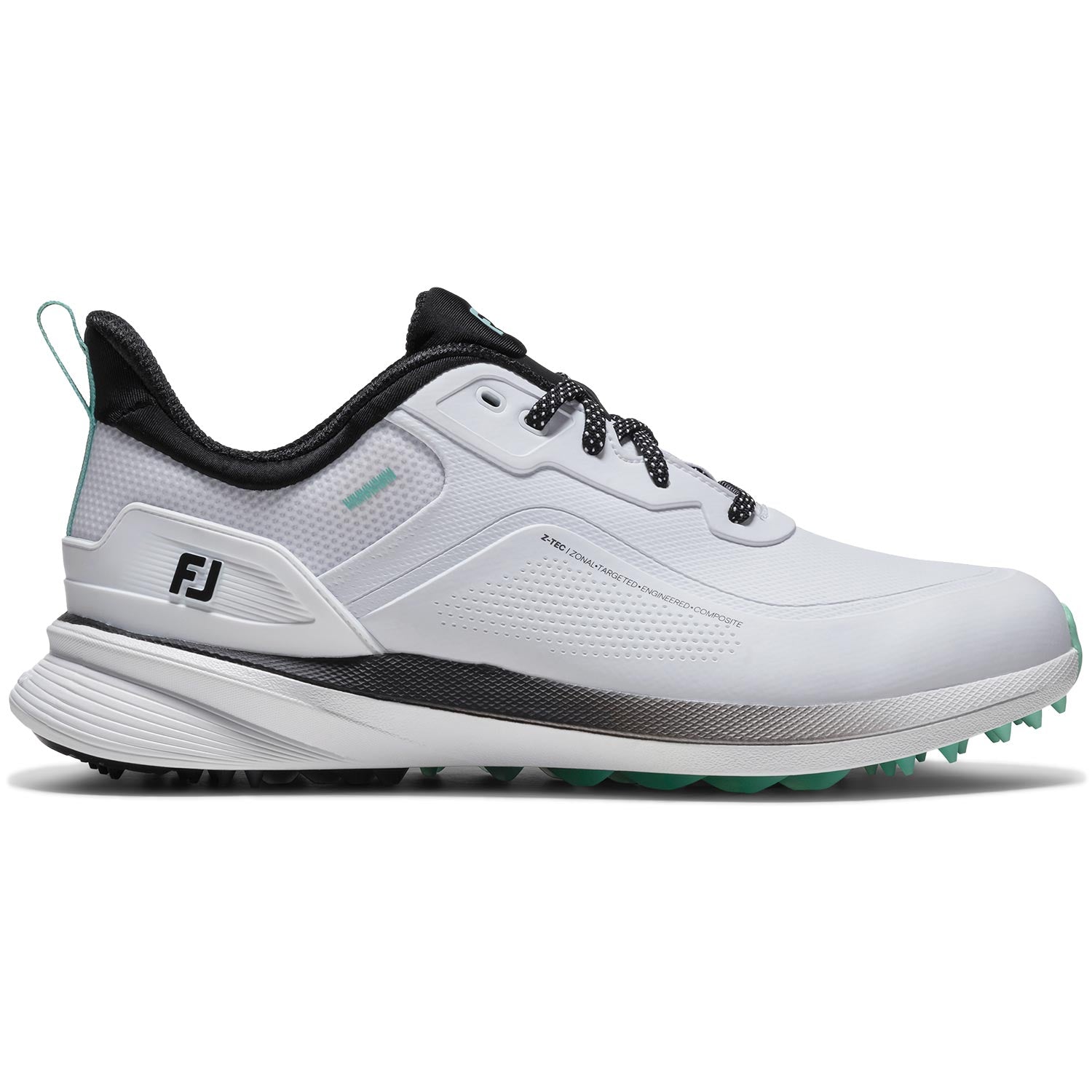
FootJoy
FootJoy Pro/SL 2026 Spikeless Golf Shoes
Pick for tour-proven grip and the benchmark stable platform.
ifrothgolf earns a commission on purchases made through these links, at no extra cost to you. It never changes what I recommend. Full disclosure.
Side by side
| Specification | adidasadidas S2G SL Spikeless Golf Shoe | FootJoyFootJoy Pro/SL 2026 Spikeless Golf Shoes |
|---|---|---|
| Shoe type | spikeless | spikeless |
| Upper material | leather | ZTEC upper for structure and waterproof support |
| Outsole | spikeless outsole | ARCTrax/SL spikeless outsole with TPU blades and rubber traction nubs |
| Fit notes | wider, true-to-size fit; suits broader feet; running-shoe inspired build | new Vantage Last with roomier toe box |
Specs as published by each manufacturer. Rows in grey are where the two match.
Both are superb spikeless shoes, and most golfers would be happy in either — so buy on feel and budget. The FootJoy Pro/SL wins on planted stability and tour pedigree (at around $200); the adidas S2G SL wins on comfort, a sporty feel and value (around $120). If you've accepted that spikeless has won, these two sit near the top of anyone's shortlist. They're aimed at different golfers despite landing in the same category, and once you see how, the choice usually makes itself. Here's how to split them, point by point.
FootJoy Pro/SL — the benchmark
The most-worn spikeless shoe on tour, rebuilt from the ground up for 2026 (our full review). It pairs an exceptionally stable, supportive platform with the new ARCTrax outsole — firm TPU blades that bite into soft turf, plus softer rubber nubs that grip hard ground — so traction is something you simply stop thinking about, even on a wet, sloping lie. It feels planted and 'golf-shoe' solid, the kind of base players who really load the ground into a shot appreciate. The 2026 version is a proper redesign: 29% lighter than the model it replaces, with a new ZTEC upper for lockdown, an OrthoLite X25 cushioned FitBed, and a roomier Vantage Last that finally suits wider feet. It also carries FootJoy's waterproof warranty. The trade-offs are two: at around $200 it sits firmly at the premium end of spikeless, and it's a deliberately conservative-looking shoe — reviewers note it lacks a bit of spice next to flashier rivals. Buy it if stability, weatherproofing, durability and pedigree matter and the budget allows.
adidas S2G SL — the value-and-comfort play
A sportier, more trainer-like feel built on a running-shoe last with adidas Lightstrike foam, lighter and softer underfoot, seriously comfortable for walking, and usually a meaningful chunk cheaper at around $120 — reviewers have flatly called it the best value shoe in golf. The fit runs noticeably wider and more relaxed than other adidas models and stays true to size, so it suits broader feet that find the brand's other shoes tight. The leather upper and modern-trainer styling mean it works as well grabbing a coffee as it does on the first tee, blurring the line between golf shoe and everyday sneaker in a way the FootJoy doesn't attempt. Grip is excellent for the vast majority of conditions; the honest caveat, which adidas effectively concede, is that the spikeless traction and water resistance are decent rather than premium-grade, so a proper downpour or saturated winter ground is where it cedes ground to the FootJoy. Buy it if you want outstanding comfort and grip for less, and like a sneaker-ish feel.
Head to head: grip, comfort, weather, value
On grip, the FootJoy's ARCTrax sole edges it, especially on wet, sloping lies and for aggressive swingers who want that last bit of planted lateral lock through impact — but for normal-to-damp golf the adidas is genuinely close, and most players wouldn't feel the gap. On comfort, it flips: the S2G SL's running-shoe build and Lightstrike foam feel softer and more trainer-like straight out of the box, while the Pro/SL is more structured and 'golf-shoe' firm, which some players actively prefer for the stability it brings. On weather, the FootJoy's waterproof warranty and blade-and-nub outsole pull clear — the adidas is fine for fair conditions but isn't a dedicated wet-weather shoe. On value, it's no contest: the adidas is around $120 to the FootJoy's $200, and delivers a large share of the performance for it.
Fit, sizing and durability
Fit may decide this more than any spec. The adidas runs noticeably wider and more relaxed than the brand's other shoes and stays true to size, so it's the easy call for broad or high-volume feet — the kind that find most golf shoes pinch across the forefoot. The Pro/SL's new Vantage Last has closed much of FootJoy's traditional narrowness, with a roomier toe box than before, so for the first time broad-footed players genuinely have two good options here rather than defaulting to the adidas by elimination. On durability, the FootJoy has the edge and it's part of what the premium buys: owner reports point to multiple seasons of dependable wear, where the softer, more trainer-like adidas is built more like the sneaker it resembles and will show its mileage a little sooner. Neither is fragile, but if you keep shoes for years rather than seasons, factor that in. The honest move with both is to try them on, ideally late in the day when your feet have spread, and walk a few minutes before deciding.
Which should you buy
Buy the Pro/SL if you want benchmark stability and tour pedigree, play in changeable or wet weather, swing hard enough to want maximum lateral lock, value long-term durability, and the price isn't a sticking point. Buy the S2G SL if you want most of that performance plus more out-of-the-box comfort, a wider sneaker-like fit, course-to-coffee versatility, and money left in your pocket — the right call for a lot of fair-weather golfers and easily our value pick. If you genuinely can't decide, default to the cheaper adidas and spend the difference on a waterproof shell or a fitting; the Pro/SL's advantages are real but they're refinements, not revelations, for the average swing. Both anchor our best golf shoes guide. And if winter bogs are your regular reality, remember spiked still has a place over either of these.
Frequently asked
- adidas S2G SL or FootJoy Pro SL — which is better?
- Both are excellent; it's about priorities. The Pro/SL offers more planted stability, better wet-weather grip and tour pedigree at around $200; the S2G SL is comfier, sportier, wider-fitting and cheaper at around $120. Most golfers would be happy in either.
- Is the FootJoy Pro SL worth the extra money?
- If you value the most stable platform, the best wet-weather grip and long-term durability, yes. But the adidas grips nearly as well in fair conditions and is more comfortable for many — the premium buys stability, weatherproofing and pedigree, not a night-and-day traction gap.
- Which is more comfortable, the adidas S2G SL or FootJoy Pro SL?
- The adidas, for most people — its running-shoe last and Lightstrike foam feel softer and more trainer-like out of the box, with a roomier fit. The FootJoy is more structured and stable, which some players prefer underfoot.
- Are spikeless shoes grippy enough?
- For normal-to-damp conditions, easily — both these shoes prove it. Only regular play on saturated, muddy winter ground really favours a spiked shoe.
Read next
Review
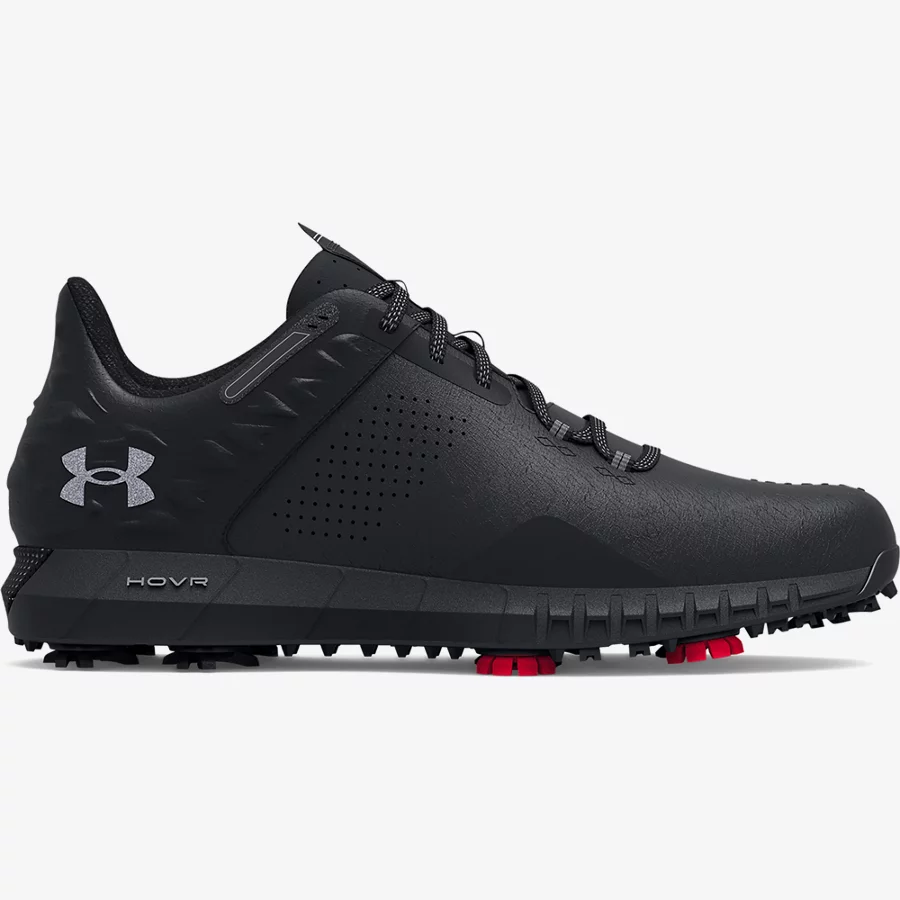
8.0/10Under Armour HOVR Drive 2 Wide review: the golf shoe wide feet have been waiting for
A spiked, waterproof shoe built on a genuine wide last, at a value price. For broad feet, it solves a problem the big brands mostly ignore.
Explained
Spikeless vs spiked golf shoes: how to choose
Grip, comfort, versatility and weather — what actually matters in 2026, and which type fits your golf.
Review
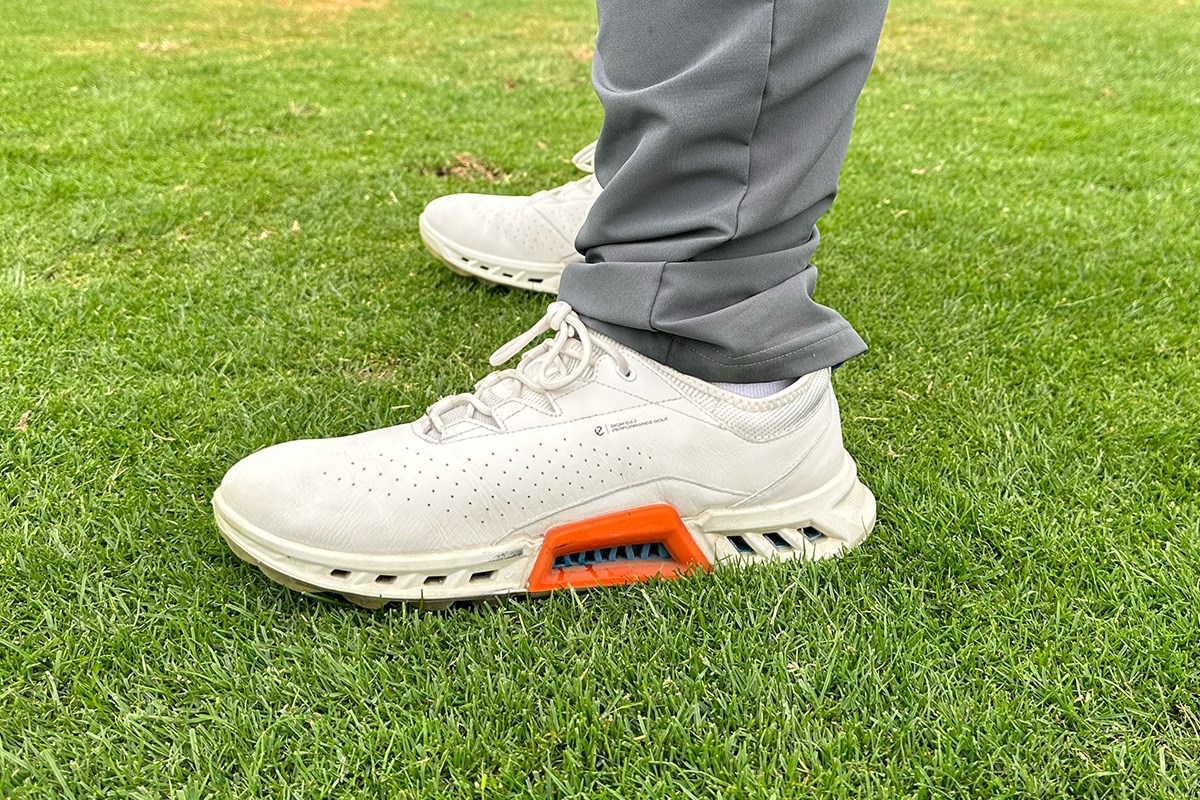
8.7/10ECCO Biom C5 review: the comfort benchmark, with a price to match
ECCO makes the leather and the shoe, and walks the comfort everyone else chases. Is the premium worth it?