
Spikeless won. Stop arguing about it.
The 'spikes for grip' line is a decade out of date. For the golf most of us play, spikeless is simply the better shoe — and it's not close.
By Jordan Hale · Equipment Writer
 Opinion
For the golf most people play, spikeless is simply the better shoe — comfier, more versatile, grippy enough — and it's not close. The 'you can't trust spikeless' line is a decade out of date. Spikes still have a narrow place, but it's a minority of rounds for a minority of players, not the default the old wisdom pretends. Here's the case, and why we'd stake our credibility on it.
The argument is over
Modern spikeless outsoles use hundreds of moulded grip elements that, for the rounds the vast majority of us play, give up essentially nothing to replaceable cleats — while being more comfortable, lower-maintenance, and wearable from the car park to the 19th. The golfer who tells you otherwise, unprompted, has been wrong for years; the gear moved on and the opinion didn't. The clinching evidence isn't a marketing line, it's behaviour: the FootJoy Pro/SL, a spikeless shoe, is worn by more tour pros than any rival. These are people who walk 72 competitive holes a week, often on wet ground, with millions riding on not slipping over a shot — and they choose moulded traction. If spikeless were the liability the doubters claim, the range would tell you, and it doesn't. Add the practical wins that have nothing to do with grip — no wrench in the bag, no cleats to replace every season or two, no clattering across a tiled clubhouse floor, no second pair of shoes for the drive home — and the case stops being close. You give up a sliver of traction in the worst possible conditions and get back comfort, versatility and convenience across every round you actually play.
What changed, technically
This isn't faith, it's engineering catching up. Early spikeless shoes really were compromised — flat, vague little nubs that slithered on a damp downslope and deserved their reputation. The current generation is a different object. Take FootJoy's 2026 ARCTrax outsole: it deliberately combines firm TPU blades, which behave like miniature fixed cleats and dig into soft turf, with softer rubber nubs that grip hard surfaces and keep you comfortable walking. That hybrid approach — borrowed across the category — is why a modern spikeless sole holds a wet, sloping lie that would have embarrassed a 2014 pair. The people still fighting this war are arguing against shoes that no longer exist. Judge the 2026 product, not the memory of your first dodgy pair.
Where spikes still earn their place
Two situations, and only two: genuinely wet, steep, slippery courses, and hard swingers who aggressively load the ground and want maximum lateral lock. If you play winter parkland golf on saturated hills most weeks, the bite of replaceable cleats digging into soft ground is a legitimate, real advantage — buy spikes and enjoy them, because the physics genuinely favour them when the turf turns to mush on a downslope. And if you're a powerful player who braces hard against the turf through impact, the deeper anchor can give you a touch more stability when a spikeless sole might let your trail foot creep. Both are real, and we're not going to pretend otherwise to win an argument. But notice how specific both cases are. They describe a minority of rounds for a minority of players: the genuine winter regular and the genuinely powerful swinger. Neither describes the once-or-twice-a-week fair-weather golfer who makes up the bulk of the game, and pretending otherwise is exactly how a narrow, legitimate preference got mistaken for a universal rule that everyone now repeats out of habit.
What the rest of us should do
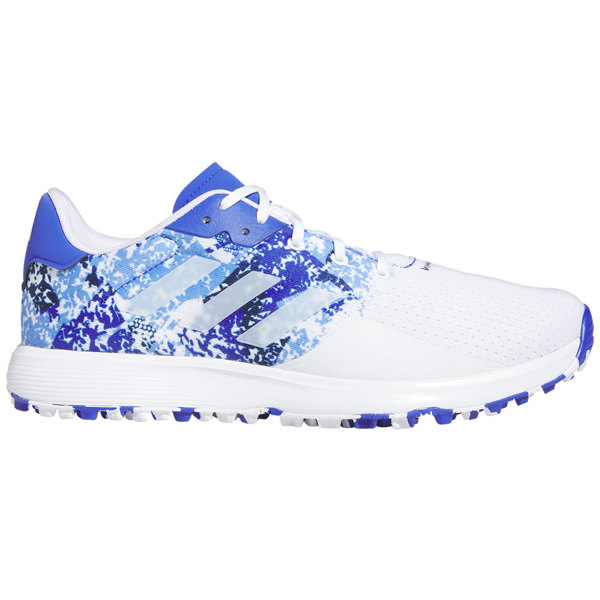
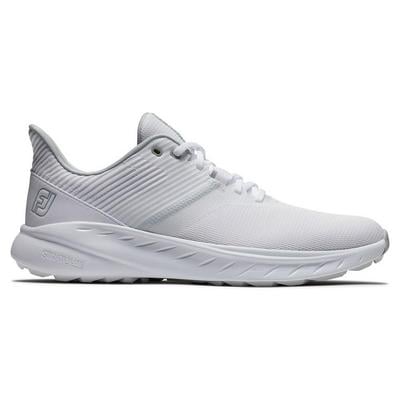
Fair-weather rounds, flattish courses, a normal swing? A pair like the adidas S2G SL — around $120 and repeatedly named the best value shoe in golf, built on a running-shoe last so it walks like a trainer — or the FootJoy Flex does everything you need, and you'll never once think about traction. Buy spikeless if you walk the course, want one shoe for golf and the rest of life, or simply value all-day comfort. Stick with spiked only if you genuinely live in winter mud or swing out of your shoes. And don't overthink it: the difference between a good spikeless shoe and a good spiked one, for the golf you actually play, is far smaller than the difference between a shoe that fits and one that doesn't. We weighed both sides honestly in spikeless vs spiked, and even playing devil's advocate, for most readers it isn't a debate — it's a habit dressed up as an opinion.
The one fair objection, answered
There's a single objection worth taking seriously: 'spikeless wears out and you can't refresh it, whereas I just replace my cleats.' True — and it's the best argument the other side has. But it cuts less than it sounds. The replaceable cleat is only an advantage if you actually swap them, and most golfers don't until they've already slipped on worn-flat stubs. Spikeless wears gradually and predictably, and over a typical owner's three-to-four-season lifespan the running cost of cleats roughly cancels the fact you can't renew the sole. So it's a real difference, not a real advantage — for the disciplined cleat-swapper it's a wash, and for everyone who'd never get round to it, spikeless quietly wins again.
What actually matters
Fit and waterproofing, not the outsole culture war. A shoe that fits and keeps your feet dry will do more for your golf than any metal-vs-nubs forum argument — a soaked sock on the 6th or a blister at the turn costs you more shots than any traction difference ever could. So spend your attention there: get the size right, try shoes on late in the day when your feet have spread, demand a real waterproof membrane rather than a hopeful label, and treat the spikeless-versus-spiked question as the settled, minor detail it now is. Start with our best golf shoes guide and buy the pair that fits — then stop arguing about it, because the rest of the game moved on a long time ago.
Products mentioned in this article
adidas
adidas S2G SL Spikeless Golf Shoe
Tour-proven grip in a shoe you can wear all day — the modern default done right.
FootJoy
FootJoy Flex Spikeless
Trainer-comfortable, genuinely waterproof options, and grip you'll never think about.
ifrothgolf earns a commission on purchases made through these links, at no extra cost to you. It never changes what I recommend. Full disclosure.
Frequently asked
- Are spikeless golf shoes good enough for serious golf?
- For the vast majority of rounds, yes — modern spikeless grip gives up almost nothing to cleats in normal-to-damp conditions, with better comfort and versatility. The fact that more tour pros wear the spikeless FootJoy Pro/SL than any rival settles it. Only wet, steep ground or very aggressive swings still favour spikes.
- When should I still choose spiked shoes?
- If you regularly play wet, hilly, slippery courses, or you swing hard and load the ground aggressively and want maximum lateral lock. Otherwise spikeless is the smarter default.
- Why did spikeless shoes used to be bad?
- Early designs used flat, vague nubs that slipped on damp slopes — the reputation was earned. Modern outsoles like FootJoy's ARCTrax mix firm TPU blades with rubber nubs to bite soft turf and grip hard surfaces, which is a genuinely different, far better product.
- What matters most when buying golf shoes?
- Fit and waterproofing, ahead of the spikes debate. A shoe that fits and keeps your feet dry helps your golf more than the outsole type ever will.
Read next
Review
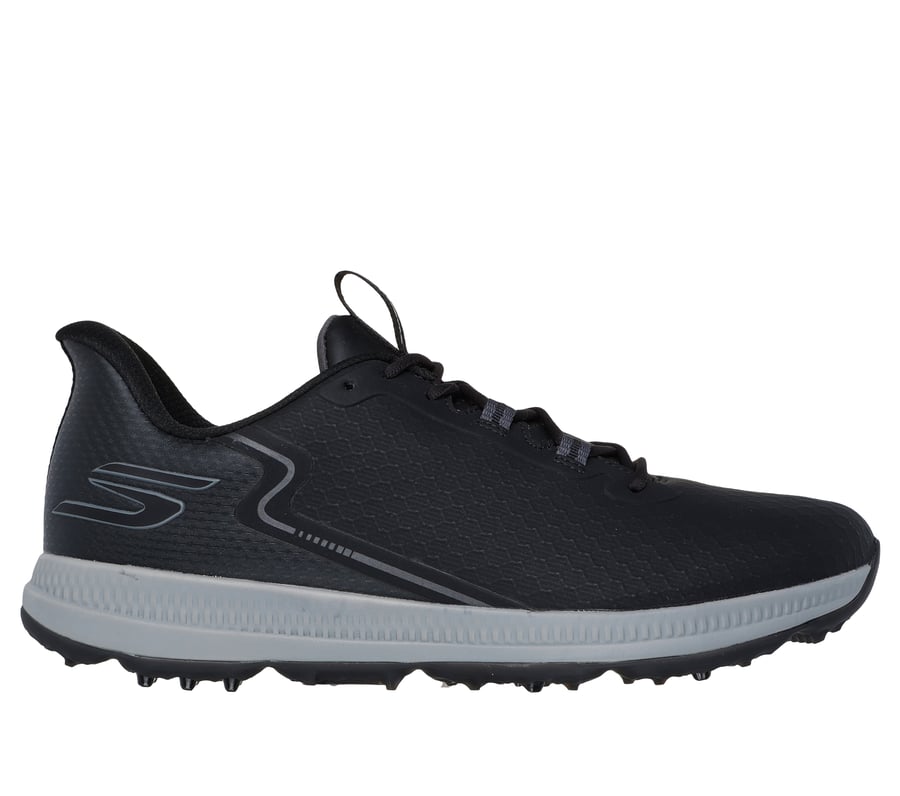
8.0/10Skechers GO GOLF Elite 6 review: is 'most comfortable shoe in golf' enough?
Skechers keeps winning the comfort argument on golf shoes. Whether that's the shoe you should buy depends entirely on how — and where — you play.
Review
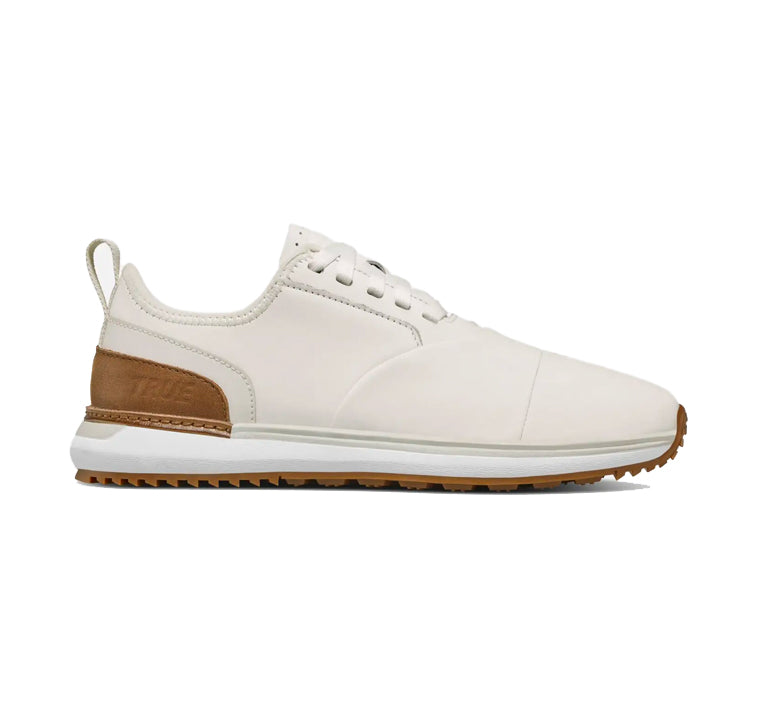
8.4/10TRUE Linkswear LUX Pro review: the cult walking shoe that plays 18 then goes to the pub
A premium leather spikeless shoe built around walking comfort rather than a tour athlete's swing — for the golfer who walks and hates changing shoes afterwards, it's a revelation.
Opinion
Golf shoes stopped looking like golf shoes — and got better for it
The saddle-shoe uniform is dead. The best-selling golf shoes of 2026 look like running shoes and lifestyle sneakers, the upstarts that forced the change came from cricket and the minimalist-comfort school, and the real spec now is whether you can wear them home. That's progress, not decline.