
What 'waterproof' actually means in golf kit
Water-resistant, waterproof, breathable, taped seams — the labels hide more than they reveal. Here's what to actually look for.
By Jordan Hale · Equipment Writer
 Explained
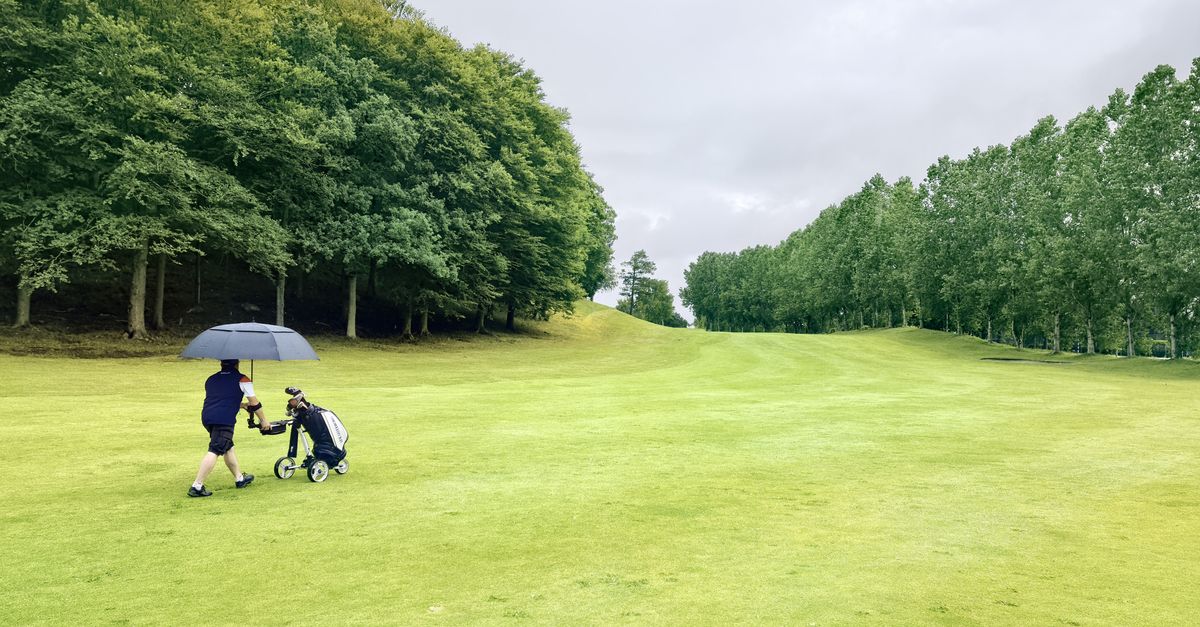
Ignore the marketing adjectives and check three things: a named waterproof membrane, fully taped seams, and breathability you can live with walking 18. 'Water-resistant' is not 'waterproof', and the difference is the whole ballgame on a grim British morning. Get those three right and rain stops being a reason not to play; get them wrong and you'll be soaked by the back nine no matter what the swing tag promised. Here's what the labels actually mean and how to read past them.
Water-resistant vs waterproof — not the same word
They're not the same, however confidently the label reads. Water-resistant shrugs off a light shower for a while, then wets out — the fabric saturates, water finds the path of least resistance, and you're wet. Genuinely waterproof keeps you dry through a proper, sustained downpour, the kind that turns up unannounced on the 7th and stays for the rest of the round. The slippery bit is that there's no legal line between the two terms in golf apparel, so brands lean on 'water-resistant', 'showerproof' and 'weatherproof' precisely because they sound protective without promising anything. If you play year-round in the British Isles, you want true waterproofing — water-resistant is for the bag-drop dash, not 18 holes in the rain.
How waterproofing is actually measured
The number that matters, when a brand bothers to publish it, is hydrostatic head — how tall a column of water the fabric holds back before it leaks, measured in millimetres. As a rough industry guide, around 5,000mm copes with light rain, 10,000mm handles steady rain, and 20,000mm-plus shrugs off a sustained downpour with pressure on it (think kneeling on a wet green, or a pack strap pressing the fabric to your shoulder). Most golf brands don't quote the figure and lean on the membrane name instead, which is fair enough — but if you see a hydrostatic head rating, anything from 10,000mm up is genuinely waterproof rather than merely resistant. Below 5,000mm, treat the 'waterproof' claim with suspicion.
What actually decides it: membrane and seams
Two things do the heavy lifting. A waterproof membrane — GORE-TEX is the famous one — is a microporous layer whose pores are too small for water droplets to pass but large enough to let water vapour (your sweat) escape. That's the whole trick of a waterproof-breathable fabric, and it's why breathability matters as much as the waterproof rating: a cheap non-breathable 'waterproof' jacket keeps the rain out and then soaks you from the inside with your own sweat, which feels exactly the same by the turn. The second thing is taped seams. Every stitched panel puts hundreds of needle holes through an otherwise waterproof fabric, and water finds them. Heat-taped seams seal those holes; 'fully taped' means every seam, not just the shoulders. A jacket can have a brilliant membrane and still leak like a colander if the seams aren't sealed, so this is the spec to confirm.
DWR, and why your jacket 'stops working'
There's a third layer most golfers never hear about until their jacket lets them down: the durable water-repellent (DWR) finish sprayed onto the outer face. DWR makes rain bead and roll off so the fabric never saturates — and crucially, so the membrane underneath can keep breathing. When people complain a good jacket has 'stopped being waterproof', it's almost always the DWR wearing off, not the membrane failing: the outer fabric wets out, breathability collapses, and you feel clammy and cold even though no water is actually getting through. The fix is cheap and not common knowledge — a warm tumble or iron reactivates DWR, and a spray-on reproofer restores it when that stops working. Knowing this saves you replacing a jacket that's genuinely fine.
The label words that mean nothing
Because there's no enforced standard, the hangtag is where marketing does its work, and a few words should set off alarms. 'Water-repellent' and 'water-resistant' are the soft ones — they describe a DWR finish on a fabric with no waterproof membrane behind it, fine for a shower, useless in sustained rain. 'Weatherproof' and 'showerproof' are vaguer still and promise even less. Watch for 'waterproof' with no membrane named and no taped seams mentioned: a genuine waterproof shell almost always tells you both, because they're the things worth boasting about. Be wary too of a low or unstated breathability claim paired with a big waterproof number — that combination keeps the rain out and then drowns you in your own sweat. The honest signal is specificity: a named membrane, the words 'fully taped seams', and ideally a hydrostatic head figure. Vagueness is the tell.
What price buys (mostly comfort, not dryness)
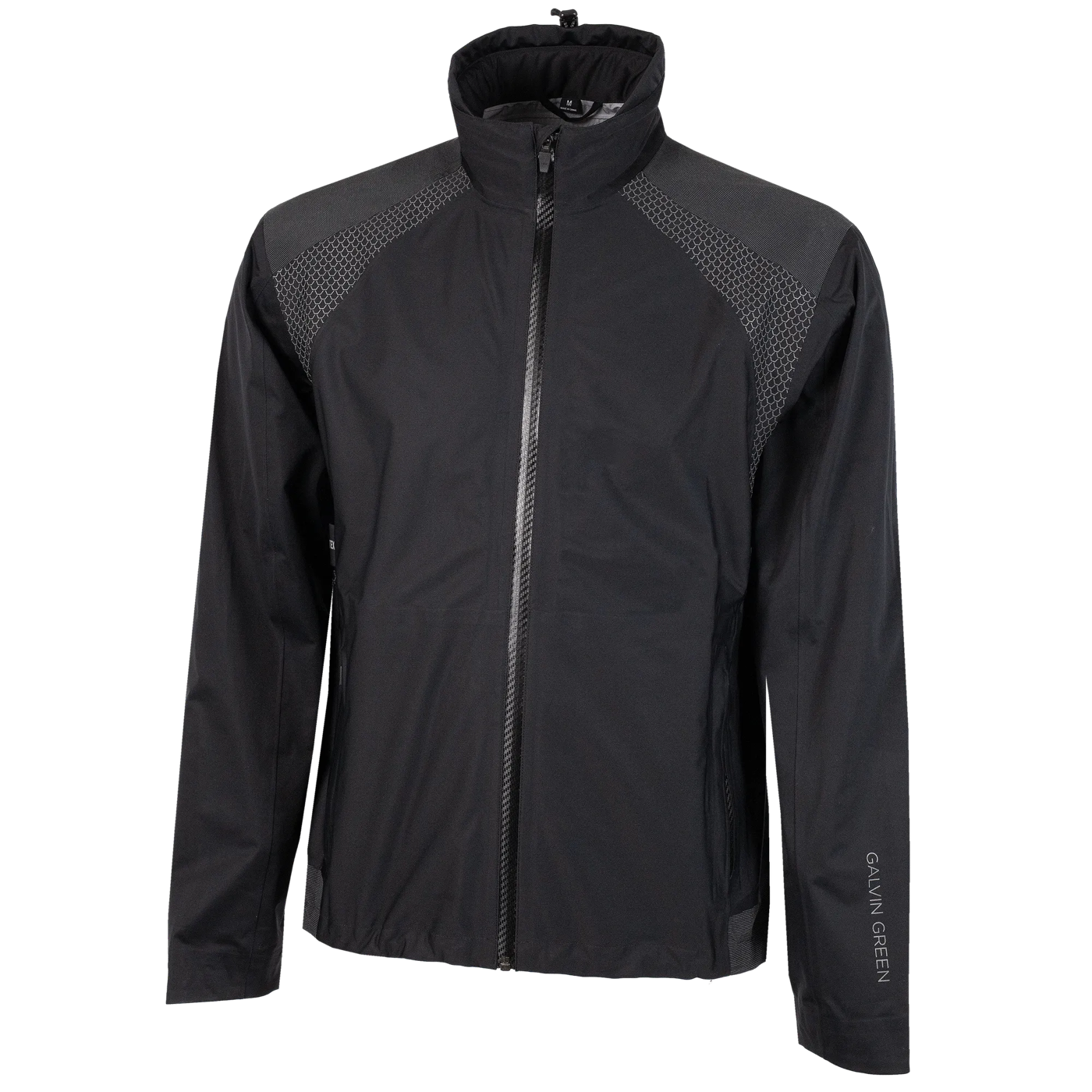
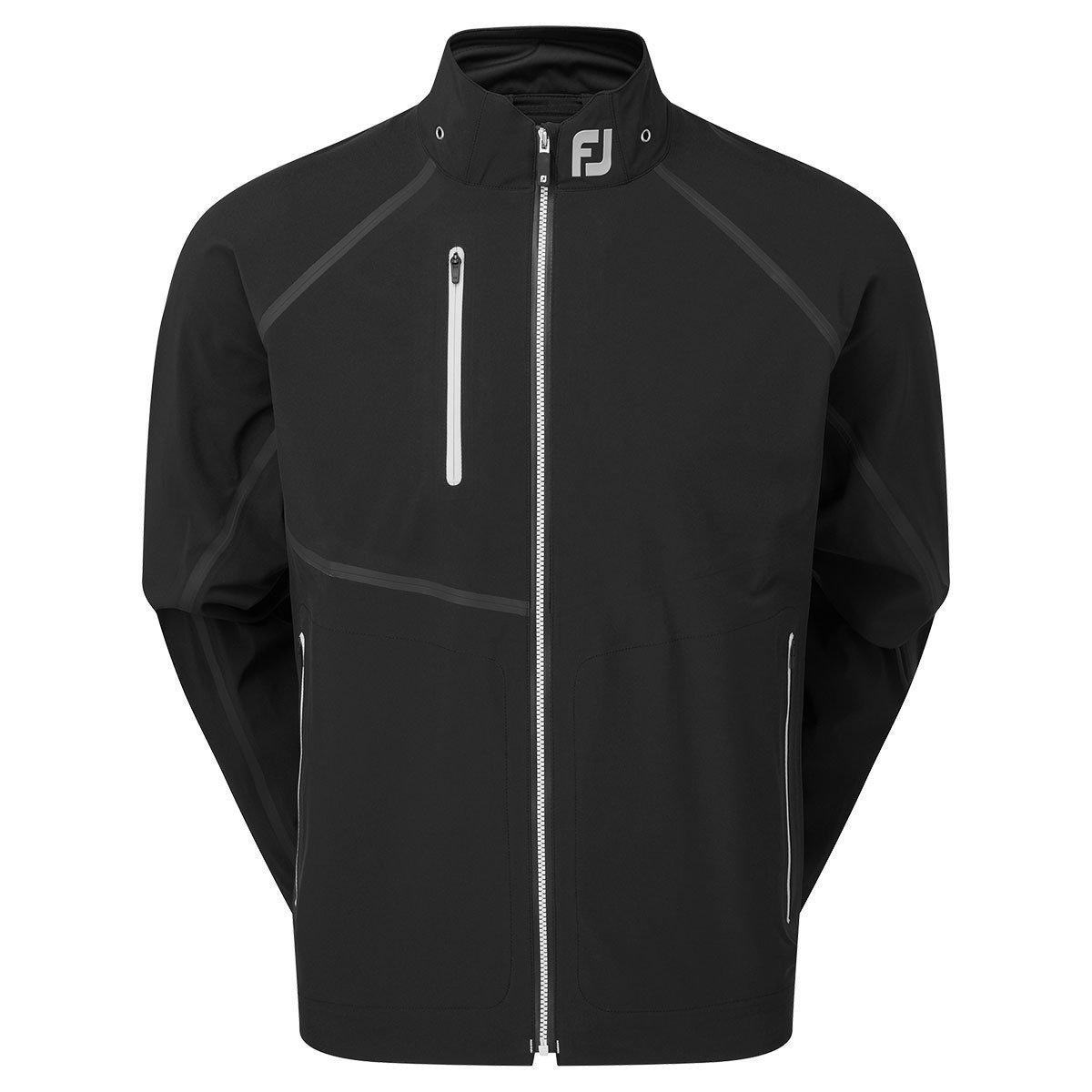
Here's the honest part: a $130 jacket and a $750 jacket can both keep you equally dry on day one. What the premium buys is durability, breathability and comfort over years, not basic dryness today. A premium Galvin Green GORE-TEX jacket is buy-once-cry-once — it stays breathable when you're working hard, swings quietly, and lasts the kind of seasons that make the price-per-round trivial; we cover exactly that case in our full review. A mid Ping SensorDry Pro gets you proper protection and stretch for less. A value FootJoy HydroTour keeps you dry without the flagship outlay, accepting it'll wet out sooner and won't breathe as well when you're walking hard. Match the spend to how often you actually play in real rain.
What to look for, and who needs what
A named waterproof membrane, fully taped seams, and a stretch and breathability you'd happily swing in for four hours — those three matter far more than the brand on the chest. Who should buy premium: anyone who plays regularly through autumn and winter and is tired of jackets that wet out by the back nine. Who can skip it: the golfer who only gets caught in the occasional summer shower, for whom a value shell is plenty. Whatever you spend, a waterproof is only half the system — pair it with the right layers underneath, which is the job of how to dress for winter golf. The full field is in our best waterproof jackets guide.
Products mentioned in this article
Galvin Green
Galvin Green GORE-TEX Waterproof Jacket
Premium — GORE-TEX, fully taped, the buy-once option for serious all-weather golf.

Ping
Ping SensorDry Pro Waterproof Jacket
Mid — proper waterproofing and stretch without the flagship price.
FootJoy
FootJoy HydroTour Waterproof Jacket
Value all-rounder — dependable protection that won't break the bank.
ifrothgolf earns a commission on purchases made through these links, at no extra cost to you. It never changes what I recommend. Full disclosure.
Frequently asked
- What's the difference between water-resistant and waterproof?
- Water-resistant repels a light shower for a while then wets out; waterproof keeps you dry through a sustained downpour. There's no legal line between the terms in golf apparel, so brands lean on 'water-resistant' and 'showerproof' because they sound protective without promising much. For year-round play you want genuinely waterproof.
- What should I look for in a waterproof golf jacket?
- A named waterproof membrane (e.g. GORE-TEX), fully taped seams, and good breathability and stretch so you can swing freely for 18 holes. If a hydrostatic head rating is quoted, 10,000mm or more is genuinely waterproof. Those things matter more than the brand.
- What is hydrostatic head and what rating do I need?
- It measures how much water pressure a fabric resists before leaking, in millimetres. As a rough guide, 5,000mm copes with light rain, 10,000mm with steady rain, and 20,000mm-plus with a sustained downpour. Most golf brands don't publish it, but if you see it, 10,000mm-plus is the waterproof threshold.
- Why has my waterproof jacket stopped keeping me dry?
- Usually the DWR (durable water-repellent) finish has worn off, not the membrane failing. The outer fabric saturates, breathability drops, and you feel clammy and cold. A warm tumble or iron reactivates DWR, and a spray-on reproofer restores it — far cheaper than replacing a jacket that's actually fine.
- Is an expensive waterproof jacket worth it?
- The premium mostly buys durability, breathability and comfort over years rather than basic dryness today — a cheaper jacket can keep you just as dry on day one. Pay up if you play a lot in the wet and want long-term comfort and a quieter, freer swing; stick to value if you only meet the odd shower.
Read next
Explained
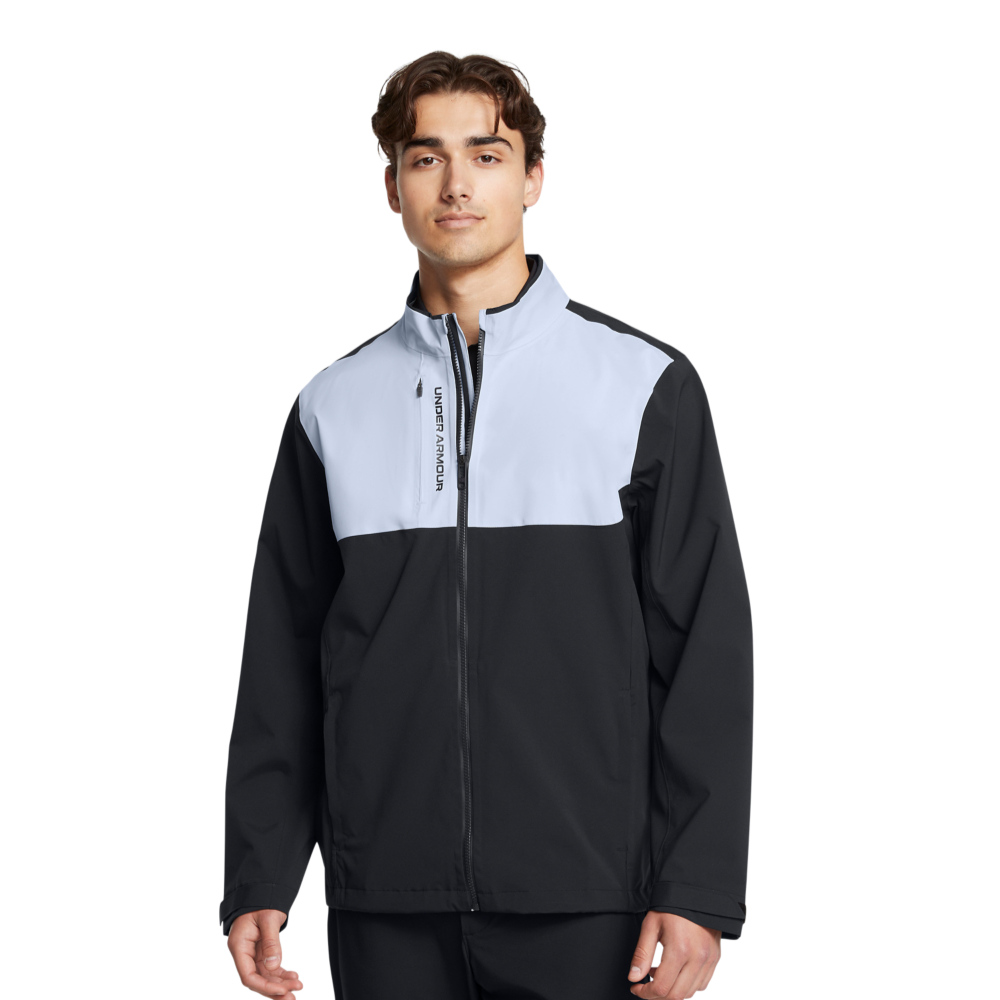
July is the smartest month to buy golf waterproofs. Yes, really
Nobody shops for rain gear in a heatwave — which is precisely the point. Last season's stock is being cleared, the new ranges land at full price in September, and Open week is about to remind everyone that the best golfers on Earth carry waterproofs in high summer. Here's how to buy once and buy right.

Explained
How to dress for winter golf (and actually enjoy it)
The golfers who keep playing through winter aren't tougher — they're dressed better. The layering system that keeps you warm, dry and swinging freely.
Review
8.9/10Galvin Green GORE-TEX jacket review: the waterproof that ends the search
Expensive, yes — but it keeps you genuinely dry, lets you swing freely, and lasts the decade. For golfers who play through real weather, it's the one.