
How to dress for winter golf (and actually enjoy it)
The golfers who keep playing through winter aren't tougher — they're dressed better. The layering system that keeps you warm, dry and swinging freely.
By Jordan Hale · Equipment Writer
 Explained
Layer, don't bulk. The golfers who keep playing through winter aren't tougher — they're dressed in thin layers that each do one job: a wicking base, a sheddable mid-layer, a breathable waterproof shell, and warm extremities. Get that system right and a grey 5°C round is genuinely good fun; get it wrong and you spend 18 holes cold, soaked and swinging like a robot in a duvet. Here's the full system, layer by layer, and where most golfers go wrong.
Why layers beat one thick coat
Winter golf is a kit problem disguised as a willpower problem. The principle walkers, climbers and skiers have sworn by for decades applies exactly on the course: several thin layers trap pockets of warm air between them and — just as importantly — let you regulate temperature as your body heat swings through a round. And it does swing. You're cold standing on the first tee, you warm up over the next three holes of walking, you cool again waiting on a backed-up par three. One heavy coat can't cope with that range: it overheats you on the walk, so you sweat, the sweat chills you when you stop, and it restricts your swing the whole time. A layered system lets you add and shed as the round and the weather change. Each layer has a single job — move moisture, hold warmth, block weather — and the magic is in how they work together.
The base layer (the one most golfers skip)
Start against the skin with a technical thermal base like the Galvin Green SKINTIGHT that wicks sweat off your skin and traps warmth without bulk. This is the layer most golfers skip and the one that matters most, because it sets up everything above it. The rule is simple and worth tattooing on your bag: no cotton. Cotton soaks up sweat and holds it against your skin, and damp fabric strips heat away from your body many times faster than dry — which is why a cotton T-shirt under a jacket leaves you clammy and freezing by the turn. A technical synthetic or merino base does the opposite, pulling moisture off your skin to evaporate from the outer layers and keeping you dry and warm. Get this layer right and everything above it works better; get it wrong and no amount of expensive shell will save you.
The mid-layer: warmth without the bulk
Over the base goes the insulating layer — a half-zip or thin insulated piece whose job is to hold warmth, and which you can shed as you warm up. This is where the half-zip earns its keep: as you heat up walking, you crack the zip to dump heat without taking anything off, then close it when you stop. A quality mid-layer like an INSULA half-zip traps warm air in a thin fabric, giving you the heat of a thick fleece without the boil-in-the-bag bulk that wrecks your shoulder turn — exactly the balance you want. One good mid-layer genuinely beats two cheap ones here, because better fabric is warmer for its weight and stretches with your swing rather than fighting it. In milder winter weather this is often your outer layer until it rains.
The shell: breathable, waterproof, stretchy
On top goes a waterproof, breathable shell like the Ping SensorDry Pro with enough stretch to make a full turn. The breathability is not optional in winter: a non-breathable jacket traps the sweat your base layer worked to move, and you end up wet from the inside, which in cold air is genuinely dangerous comfort-wise. Remember that what 'waterproof' actually means is about the membrane and taped seams, not the label on the hanger — and that breathability is what stops the whole layering system from defeating itself. The shell is the layer you'll happily over-spend on if you play through real weather, because it's the one keeping everything underneath dry.
Extremities decide how long you last
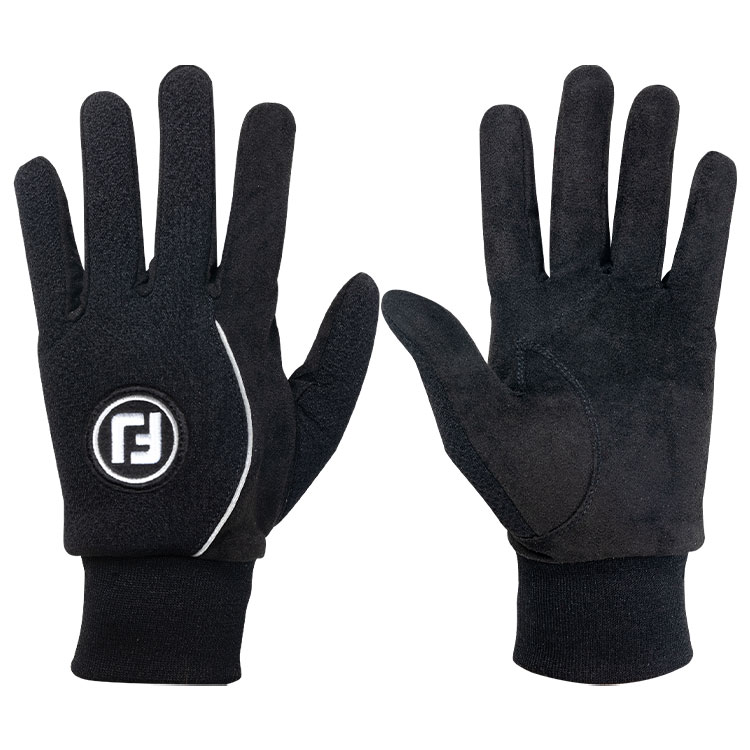
You lose comfort at the edges first, and cold hands and feet end a round faster than a cold core ever does. Hands are the priority because they're also your only connection to the club. Keep winter gloves or mitts on between shots — cold fingers kill feel and balloon your grip pressure instantly, which we get into in do golf gloves matter; a winter pair worn between shots and slipped off to play is the simple fix. A warm hat matters more than people think, since a meaningful chunk of body heat escapes from an uncovered head, and it costs almost nothing. Feet: waterproof shoes and proper warm socks — technical, not cotton, the same rule as the base layer — keep you in the game when the grass is soaked and frosty, and wet, cold feet by the 6th will sour any round however good the rest of your kit is. And the cheapest morale win in winter golf is a disposable hand-warmer in a pocket: a few pennies, and on a raw back nine it's the difference between enjoying yourself and silently counting down the holes to the clubhouse.
The payoff, and who needs what
Wick, insulate, protect, cover the extremities — that's the whole system. If you only play the occasional mild autumn round, a base layer and a mid-layer cover most of it and you can keep the shell in the bag. If you play hard through January in the British Isles, invest in the shell and a proper base first, because those two do the most work in the worst conditions. Either way, get the system right and you'll play comfortably in weather that sends everyone else home — which, when courses are quiet and green fees are cheap, is half the appeal. The cold-weather picks are in our clothing coverage and the waterproof jackets guide.
Products mentioned in this article
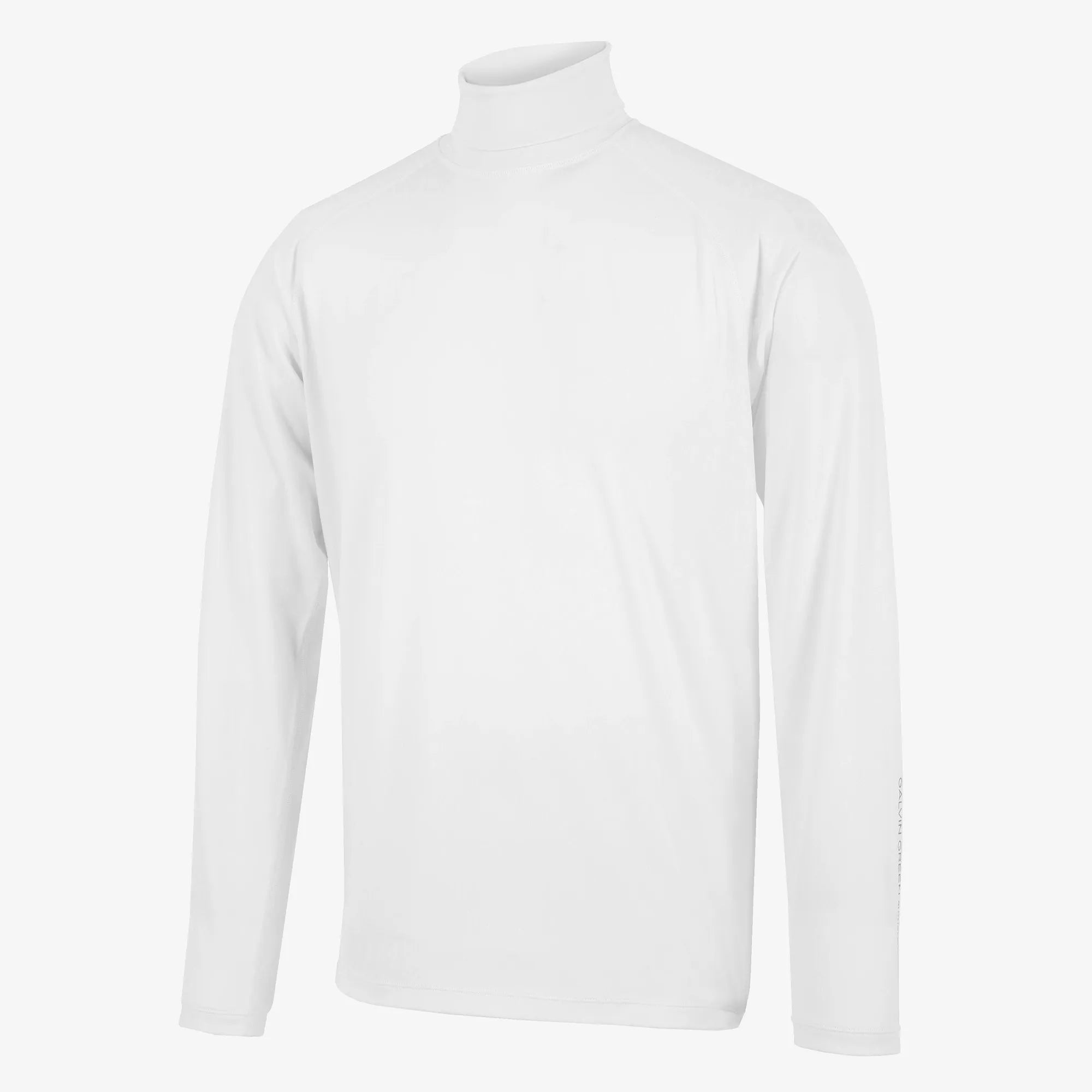
Galvin Green
Galvin Green SKINTIGHT Thermal Base Layer
The foundation — a thermal base layer that wicks and warms without bulk.
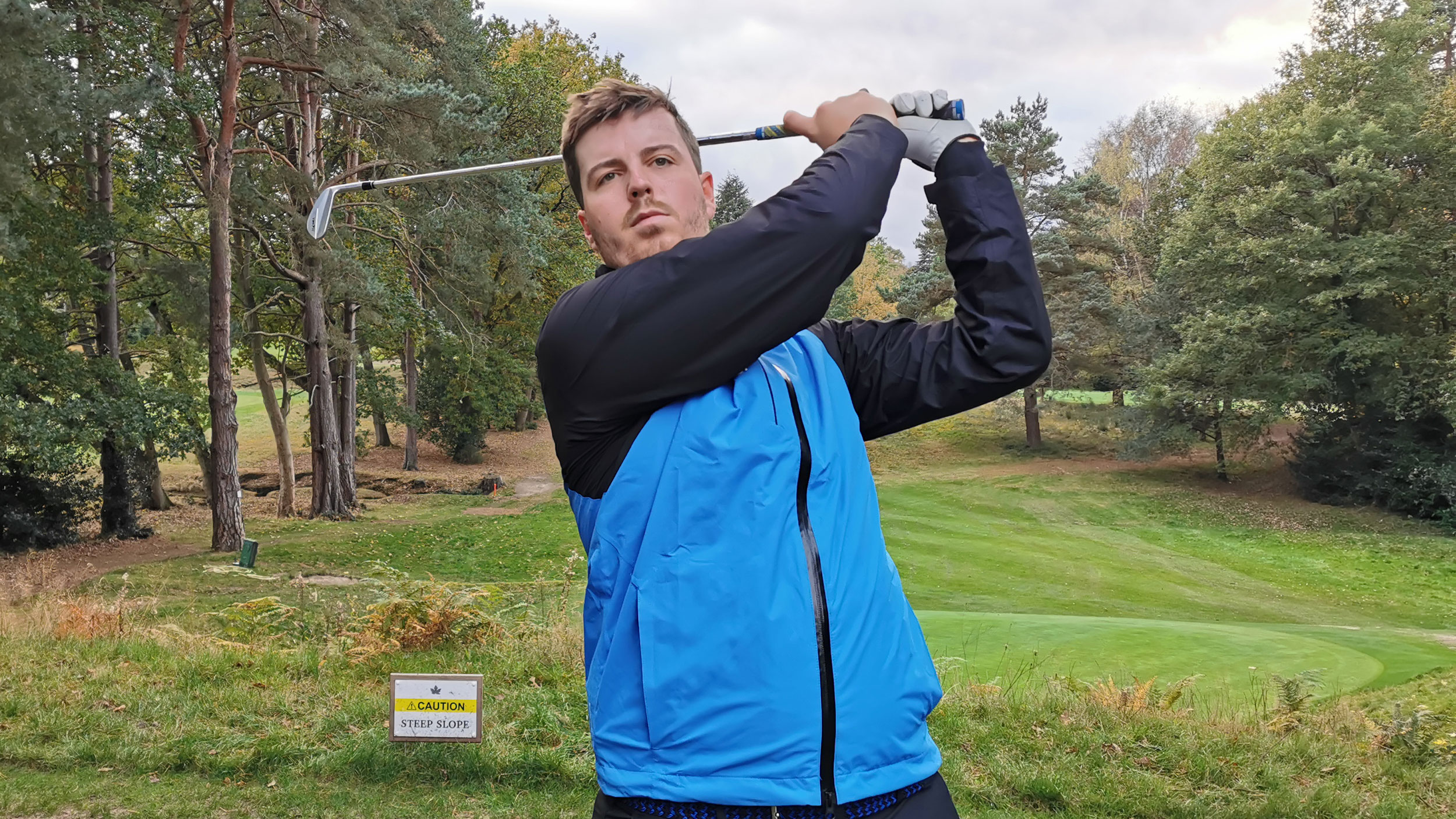
Ping
Ping SensorDry Pro Waterproof Jacket
Waterproof, breathable shell with stretch — the do-everything top layer.
ifrothgolf earns a commission on purchases made through these links, at no extra cost to you. It never changes what I recommend. Full disclosure.
Frequently asked
- What should I wear to play golf in winter?
- A thin wicking base layer, a sheddable mid-layer (half-zip or light insulation), and a breathable waterproof shell with stretch — plus a warm hat, winter gloves and waterproof shoes. Several thin layers beat one thick coat because they trap warm air and let you regulate temperature as you warm up and cool down.
- Is a base layer really necessary for winter golf?
- It's the most important layer and the one most golfers skip. A technical thermal base wicks sweat off your skin and traps warmth without bulk; cotton does the opposite, soaking up damp and chilling you, because wet fabric pulls heat from your body far faster than dry. Get this layer wrong and no shell will save you.
- How do I keep my hands warm playing golf in the cold?
- Wear winter gloves or mitts between shots, keep a disposable hand-warmer in a pocket, and choose a jacket with warm cuffs. Cold hands kill feel and grip pressure fast, so protecting your extremities does more for comfort and your scores than a heavier jacket would.
- Why does breathability matter in a winter golf jacket?
- Because your base layer moves sweat outward, and a non-breathable shell traps it — leaving you wet from the inside, which in cold air feels every bit as bad as rain getting in. A breathable membrane lets that moisture escape so the whole layering system actually works.
- Do I really need a mid-layer, or can I just wear a thicker jacket?
- A mid-layer is what makes the system adjustable. A half-zip lets you vent or trap heat as your body temperature swings through a round, where one thick jacket overheats you on the walk and restricts your swing. One good, thin, swing-friendly mid-layer covers most of the colder months.
Read next
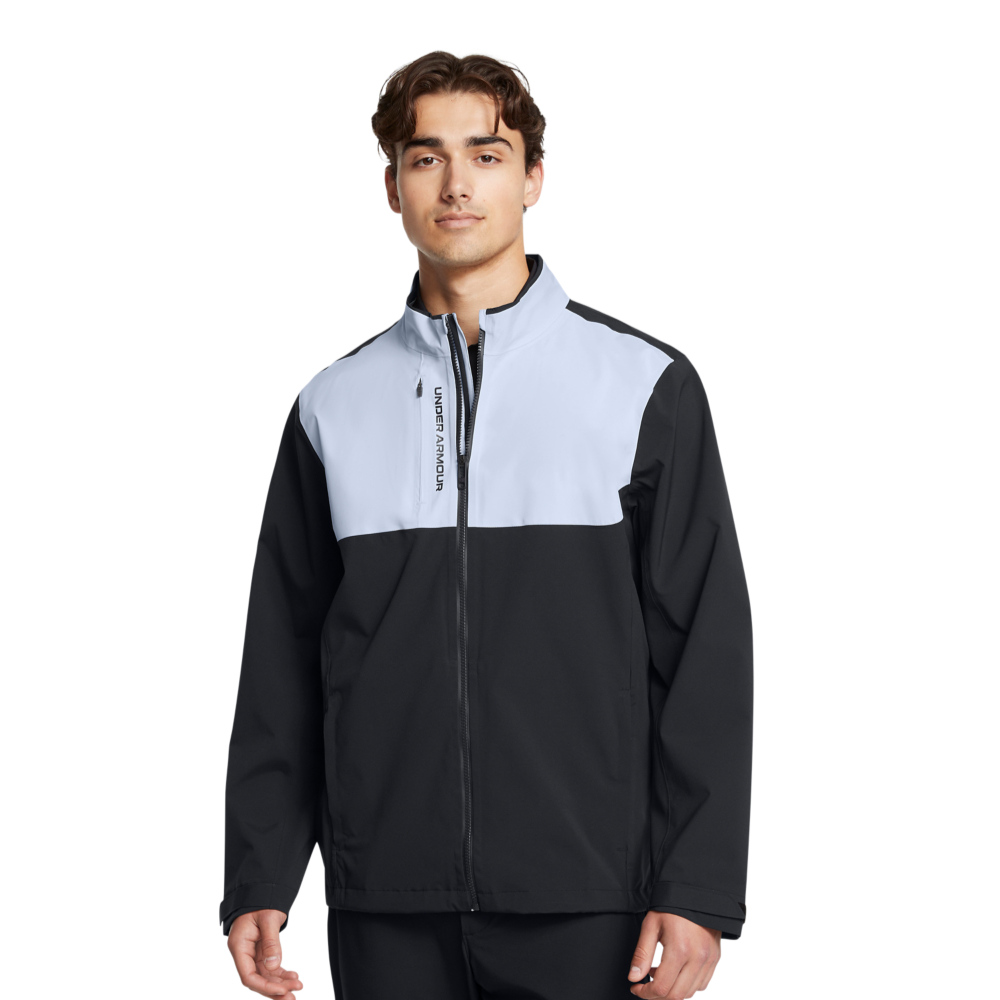
Explained
July is the smartest month to buy golf waterproofs. Yes, really
Nobody shops for rain gear in a heatwave — which is precisely the point. Last season's stock is being cleared, the new ranges land at full price in September, and Open week is about to remind everyone that the best golfers on Earth carry waterproofs in high summer. Here's how to buy once and buy right.
Explained
What 'waterproof' actually means in golf kit
Water-resistant, waterproof, breathable, taped seams — the labels hide more than they reveal. Here's what to actually look for.
Review
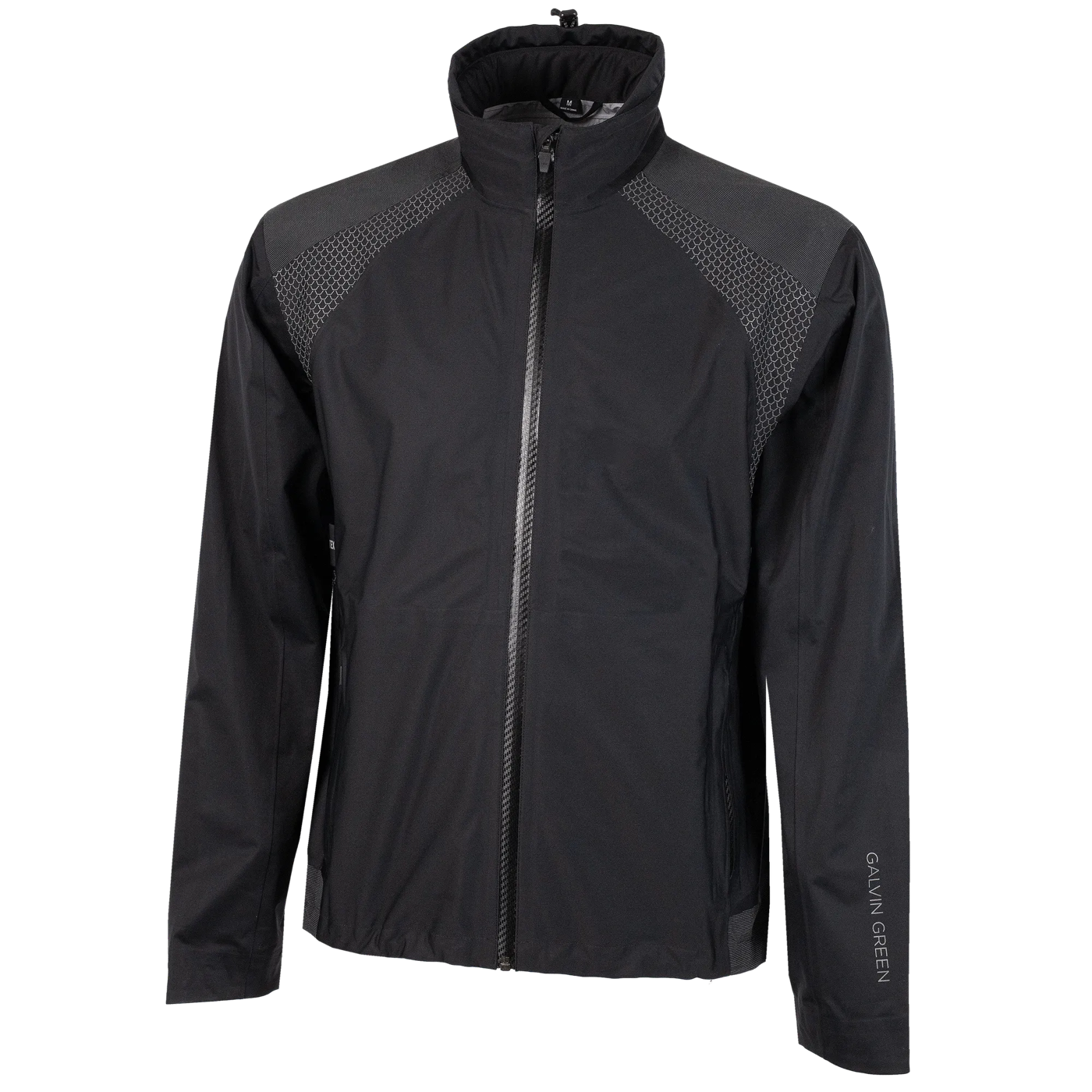
8.9/10Galvin Green GORE-TEX jacket review: the waterproof that ends the search
Expensive, yes — but it keeps you genuinely dry, lets you swing freely, and lasts the decade. For golfers who play through real weather, it's the one.