
Do golf gloves matter — and how many do you actually need?
It's the cheapest bit of kit you touch every swing, and most golfers treat it as an afterthought. Here's what actually matters.
By Jordan Hale · Equipment Writer
 Explained
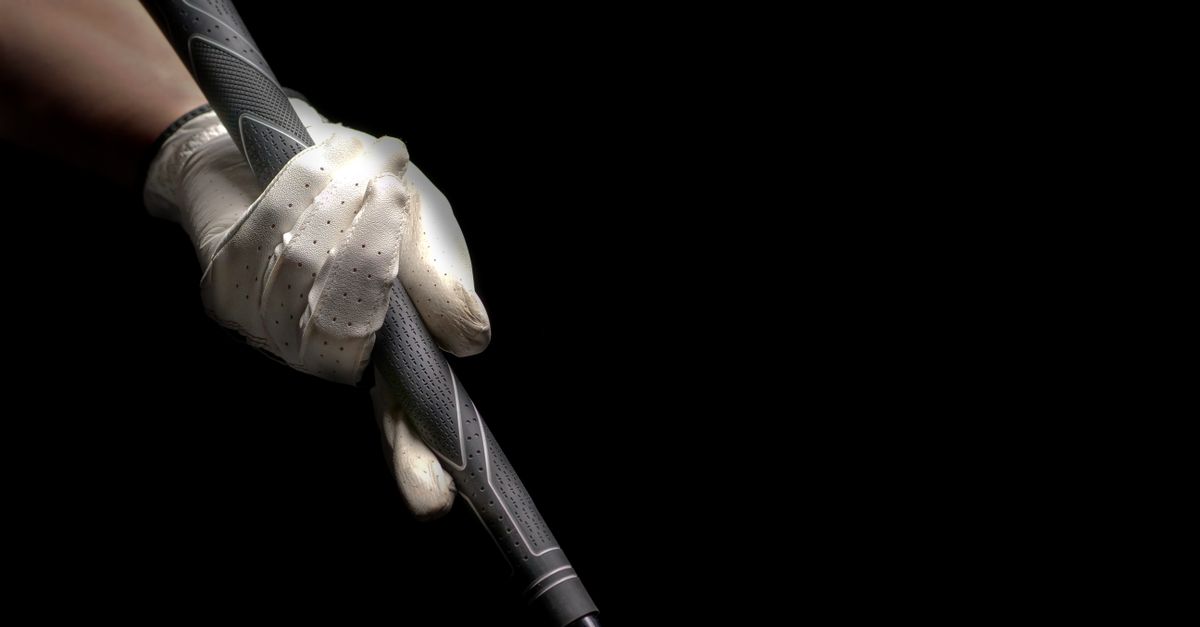
Yes, gloves matter — a fresh, well-fitting one lets you relax your hands and swing freely, and a worn, slick one quietly costs you grip, speed and feel. It's the cheapest bit of kit you touch every single swing, and most golfers treat it as an afterthought. Get a durable everyday pair plus a rain glove, prioritise fit over material, and replace before it goes hard. Here's why it matters more than its price suggests, and exactly how many you need.
Why a glove helps at all
A glove does one job: connect your hands to the club so you can hold on without strangling it. That grip security lets you relax your hands — and relaxed hands swing faster and more freely. The mechanism is simple and real: when your hands trust the grip, your forearms and wrists stay soft, the clubhead releases, and you generate speed without trying. A slick, worn glove flips all of that. The club feels like it might slip, so you grip tighter, your arms tense, your tempo shortens, and you lose speed and feel without ever connecting it to the $25 bit of leather on your hand. It's a small thing with an outsized effect on tempo, and it's working against or for you on every swing of the round.
Leather vs synthetic: the real trade-off
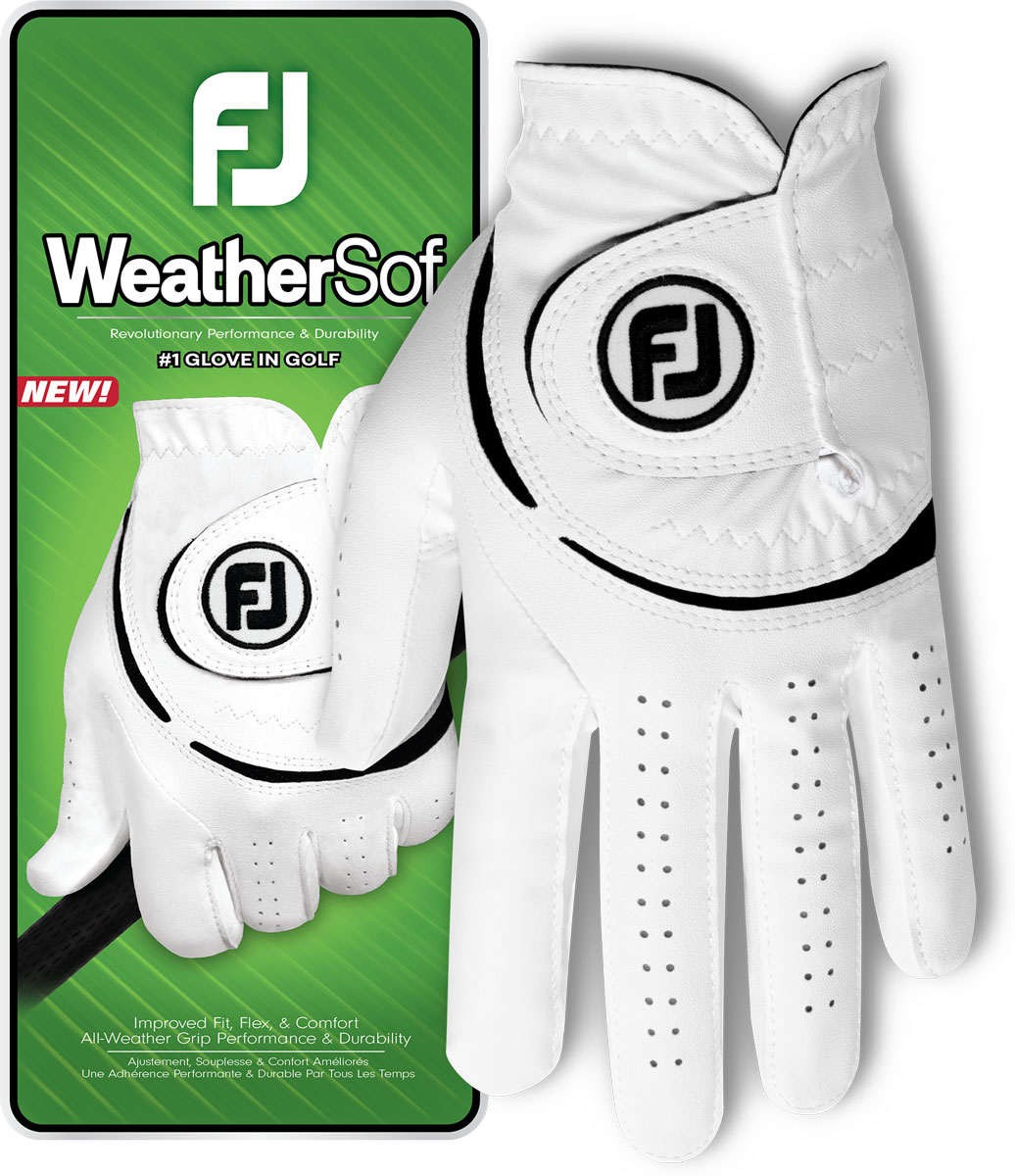
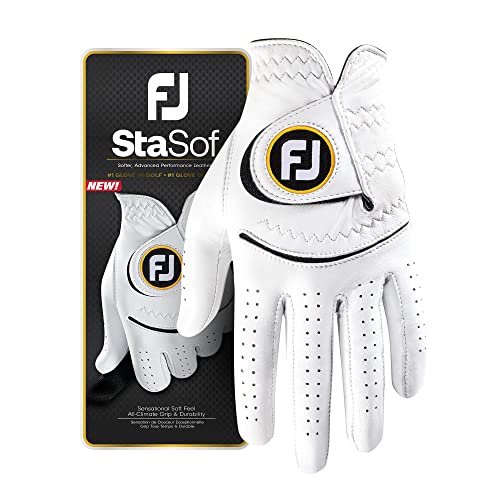
The material choice comes down to one trade: feel versus durability. Premium Cabretta leather, like the FootJoy StaSof, is thin, supple and tacky — it moulds to your hand and grips the club with a softness no synthetic quite matches, which is why feel players and tour pros favour it. The cost is that leather wears faster and dislikes moisture: get it soaked or grip too hard and it hardens at the heel of the thumb and the palm. Synthetic and hybrid gloves, with the FootJoy WeatherSof as the everyday benchmark, sacrifice a little of that pure feel for real durability, a lower price and far better behaviour in the damp. Neither is 'better' — a feel player in dry summer conditions wants leather; the golfer who plays year-round in all weathers and hates replacing kit wants synthetic. Many keep one of each, which is exactly the point of the section below. We go deeper on the StaSof in our dedicated review.
Fit beats material every time
Whatever the material, fit is the thing that actually decides whether a glove helps. A glove should fit like a second skin: snug across the palm, with no loose, baggy fingertips and no spare material bunching anywhere. Too big and it twists and slides under load, killing the connection it's meant to provide; too small and it restricts your hand and wears through at the seams in a fortnight. The fingertips should reach the end of your fingers with no empty space. Most golfers are wearing a glove a size too big because it felt comfortable in the shop — and a brand-new but ill-fitting glove does less for you than a slightly worn one that fits. If you're between sizes or have shorter palms, look at Cadet sizing, which shortens the fingers relative to the palm. Fit first, material second.
Replace it sooner than you do
The common mistake is wringing every last round out of a dying glove. Once it's gone slick, shiny and hard, or thin in the palm, it's actively costing you the grip security the glove exists to provide — and you're gripping tighter to compensate, which is the opposite of what you want. A leather glove might give you eight to ten rounds of good feel with regular use, less in the wet; a synthetic lasts longer. But the trigger to bin it isn't a round count, it's the feel: when it stops being tacky and starts being slick, it's done. A fresh, well-fitting glove is one of the cheapest performance upgrades in golf, full stop — there's no other $25 you can spend that touches your swing this directly.
How many do you actually need?
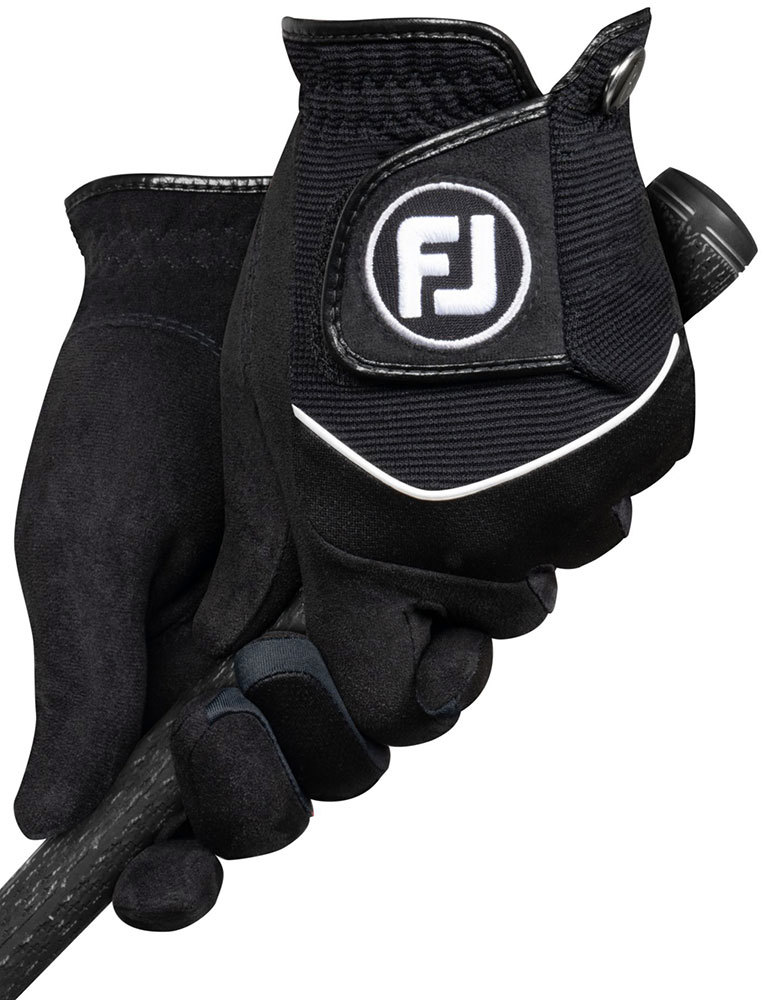
For most golfers: an everyday glove or two on rotation, plus a dedicated rain pair. The rotation trick genuinely works — alternating two everyday gloves and drying each flat between rounds (never balled up wet in the bag) roughly doubles how long each lasts, because sweat and moisture are what break a glove down. The rain glove is the non-obvious essential: a wet-weather pair like the FootJoy RainGrip is built to grip better the wetter it gets, the exact opposite of how a soaked leather glove behaves, and worn as a pair it saves your round when the heavens open. If you play through the cold, a winter pair worn between shots is a fourth category worth owning. That's the full system — see how it fits the wider kit picture in the clothing hub.
A note on care and budget
None of this needs to be expensive. Even the premium leather gloves cost a fraction of any other club in the bag, and the everyday synthetics are cheaper still — so the right approach is to buy decent gloves and replace them on time rather than buying one and flogging it to death. The single habit that saves the most money is drying: pull the glove off after the round, smooth it flat, and let it dry away from a radiator, which would cook the leather or fabric stiff. Keep it in the same spot in your bag rather than crushed under a wet towel. Do that and a modest glove budget stretches a long way, because you're getting the full life out of each one instead of half. Spend the money you save on the rain pair most golfers skip and then regret skipping the first time they get caught out.
The bottom line on gloves
Of all the kit decisions in golf, this is the cheapest one that touches your swing the most directly — and the one most golfers under-think. You don't need to agonise over brands or materials. Pick a glove that fits like a second skin, choose leather for feel or synthetic for durability based on how and where you play, add a rain pair, and replace each the moment it goes slick rather than when it disintegrates. Get those simple things right and your hands stay quiet, your grip pressure stays light, and the club does what you ask. Get them wrong — a baggy glove, a dead one, the wrong material for the conditions — and you'll grip tighter, swing worse, and never connect the cause to the $25 thing on your hand.
Products mentioned in this article
ifrothgolf earns a commission on purchases made through these links, at no extra cost to you. It never changes what I recommend. Full disclosure.
Frequently asked
- Do golf gloves actually make a difference?
- Yes — a fresh, well-fitting glove gives the grip security that lets you relax your hands and swing faster. A worn, slick glove makes you grip tighter, tense your arms and lose speed and feel, usually without realising the glove is the cause.
- How often should I replace my golf glove?
- Go by feel, not a round count: bin it the moment it turns slick, shiny or hard, or thins in the palm — well before it falls apart. A leather glove might give 8–10 good rounds, a synthetic longer. A dying glove costs grip and feel; a fresh one is the cheapest performance upgrade in the game.
- Leather or synthetic golf glove?
- Leather (Cabretta) feels best and grips superbly but wears faster and dislikes wet; synthetic and hybrid are more durable, cheaper and far better in the damp. A feel player in dry weather wants leather; an all-weather, year-round golfer wants synthetic. Many keep one of each.
- Does golf glove fit really matter that much?
- More than the material. A glove should fit like a second skin — snug across the palm, fingertips reaching the end with no spare material. Too big and it twists and slides under load; too small and it restricts and wears out fast. Most golfers wear one a size too big. Check Cadet sizing if your fingers are short relative to your palm.
- How many golf gloves do I need?
- An everyday glove or two on rotation, plus a dedicated rain pair, covers most golfers. Alternating two everyday gloves and drying each flat between rounds roughly doubles their life. Add a winter pair worn between shots if you play through the cold.
Read next
Explained
The golf glove is the cheapest upgrade in golf — and most golfers get it wrong
A glove touches every full swing you make, costs less than a sleeve of premium balls, and most golfers play the wrong one for the conditions. Here's the small rotation of gloves that keeps your grip locked in — dry, wet, cold and sweltering — for the price of one premium dozen.
Review
8.5/10FootJoy StaSof review: the premium glove tour pros have trusted for decades
The best feel and grip money can buy in a glove — as long as you accept that premium Cabretta leather wears faster than synthetic.
Explained
Your glove died three rounds ago and it's costing you the club face
A dead glove doesn't feel like broken kit, it feels like a swing fault. The tell is a shiny heel pad, not a hole — and it shows up about 3 rounds before most golfers notice.