
FootJoy StaSof review: the premium glove tour pros have trusted for decades
The best feel and grip money can buy in a glove — as long as you accept that premium Cabretta leather wears faster than synthetic.
By Dan Mercer · Editor
The verdict
Excellent
What's great
- Outstanding soft, tacky feel and grip
- Thin, supple leather that's broken in within a couple of holes
- Tour-proven pedigree at a fair price
Watch out
- Cabretta leather wears faster than synthetic
- Dislikes wet weather — not an all-conditions glove
- Best value only if you rotate and care for it
Bottom line — The best-feeling glove most golfers can buy — just treat leather as a fair-weather consumable and rotate a pair.
FootJoy
FootJoy StaSof Glove
ifrothgolf earns a commission on purchases made through these links, at no extra cost to you. It never changes what I recommend. Full disclosure.
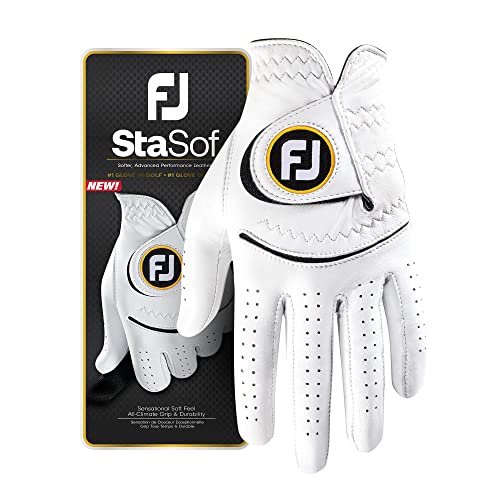
If you want the best feel and grip a golf glove offers, the FootJoy StaSof is it — premium Cabretta leather, soft and tacky, the glove tour pros have trusted since 1980, and a steal at around $30. The catch is the trade every leather glove makes: that supple feel wears faster than a synthetic, so you'll replace it more often, and it dislikes getting wet. For feel players in fair weather it's worth it without hesitation; for the all-weather, value-minded golfer a synthetic is the smarter buy. Here's exactly what the StaSof does brilliantly, where it doesn't, and how to make it last.
Why leather feels better
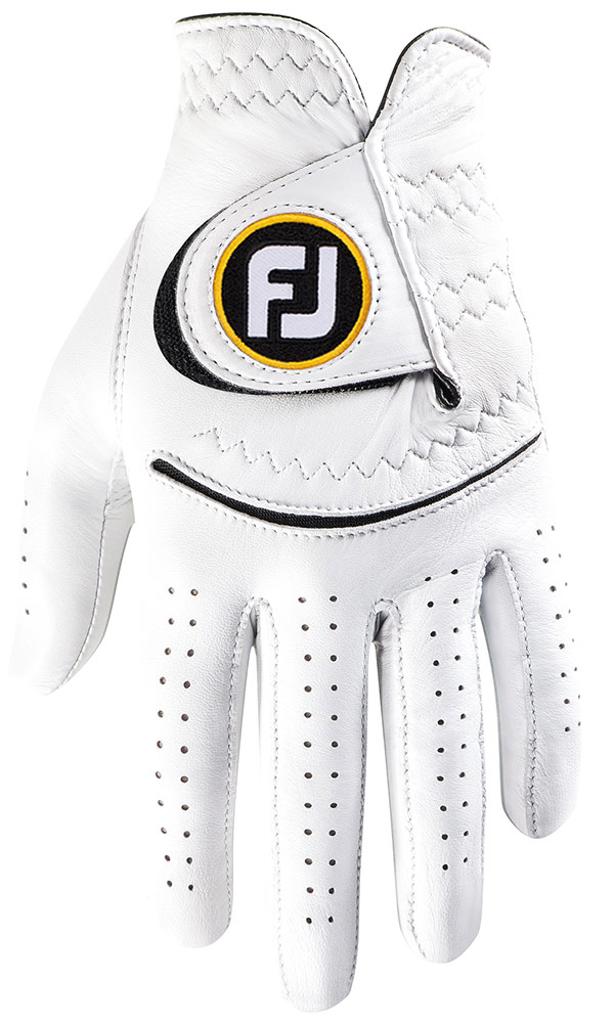
Cabretta leather — a soft, fine-grained sheepskin — moulds to your hand and grips the club with a tackiness no synthetic quite matches, giving you a direct, connected feel through impact, which is exactly what a glove is supposed to do. The StaSof is the benchmark for that sensation: it's thin and supple out of the packet and breaks in fully within a couple of holes, after which it sits like a second skin. The practical payoff isn't mystical. A glove you trust lets you relax your hands, and relaxed hands swing faster and release the club better; the StaSof's grip security is what gives a feel player the confidence to do that. It's the most-played tour glove FootJoy makes, worn over the years by the likes of Adam Scott and Billy Horschel — pedigree that, at around $30 retail, costs a fraction of what it suggests.
The honest trade-off
Premium leather is less durable than synthetic and genuinely dislikes moisture — this is the whole case against it, and it's a fair one. Play in the wet, sweat heavily, or grip too hard and the leather hardens and wears at the high-pressure points: the heel of the thumb and the pad of the palm, usually where it goes shiny and slick first. That's not a fault of the StaSof specifically; it's the nature of Cabretta, and any leather glove makes the same trade. Owner reviews and FootJoy's own positioning say the same thing in the same words — this is a fair-weather, feel-first glove, not a winter or wet-round workhorse. So treat it as exactly that, and keep a synthetic everyday glove and a dedicated rain pair for the days it isn't suited to, as we lay out in our best golf gloves guide.
Leather vs synthetic: which should you actually buy?
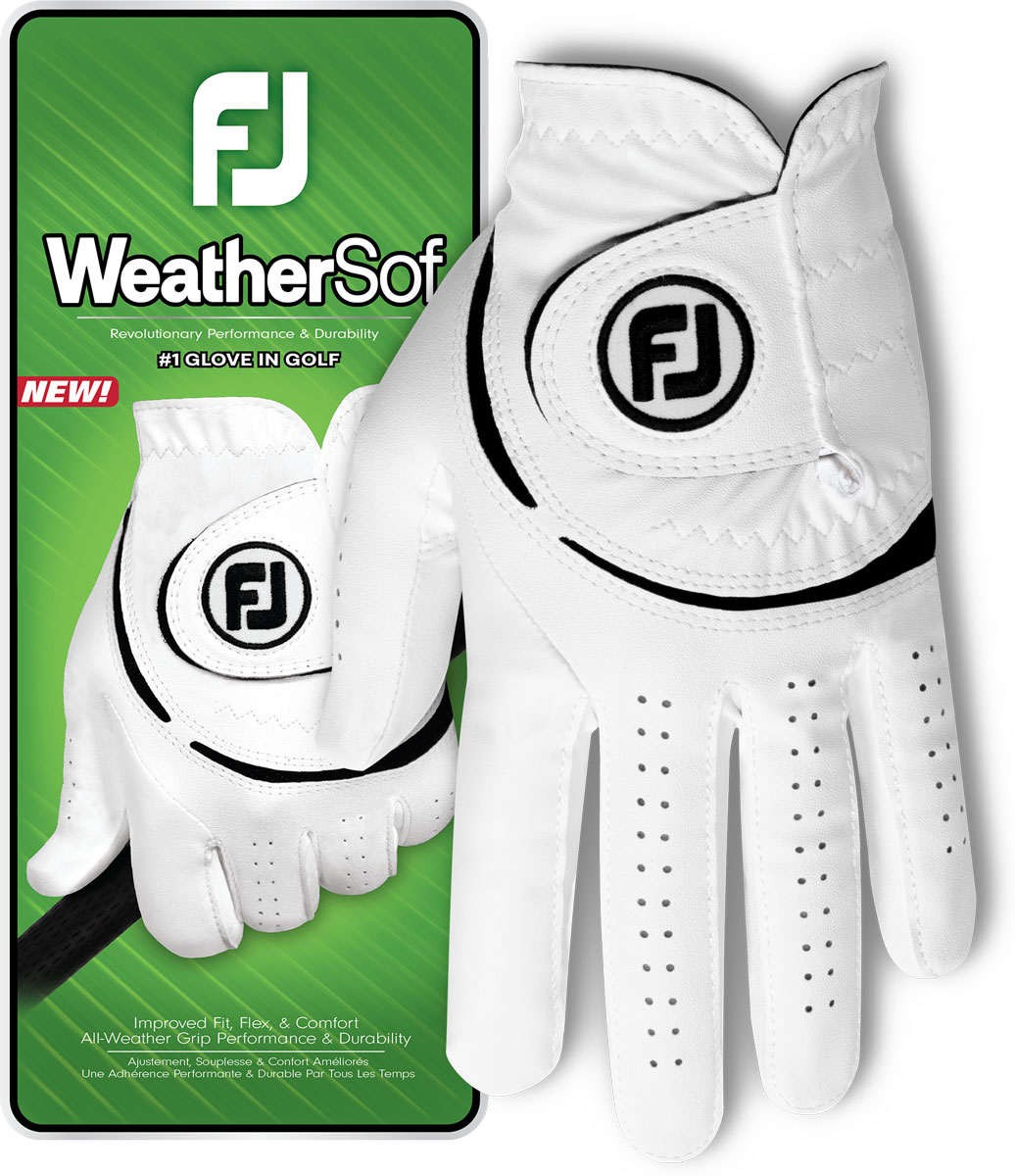
Be honest about the kind of golfer you are. If you play mostly in dry, fair conditions, chase feel above all, and don't mind that a glove is a consumable, the StaSof is the best in class and an easy recommendation. If you play year-round in all weathers, grip firmly, sweat a lot, or simply hate replacing kit, a durable synthetic like the WeatherSof will serve you better, cost less per round and shrug off the damp the StaSof hates. There's no wrong answer — many golfers own both and reach for the StaSof when conditions earn it. What you shouldn't do is buy a leather glove for soggy winter golf and then judge it harshly for wearing out: that's using the right tool for the wrong job.
Fit is what makes or breaks it
No glove — least of all a feel glove — does its job if it doesn't fit, and this is where most golfers quietly sabotage themselves. The StaSof should sit like a second skin: snug across the palm, no loose or baggy fingertips, no spare material bunching at the base of the fingers. With thin, supple leather like this the fit matters even more than with a forgiving synthetic, because the whole point is the direct connection, and a glove half a size too big slides and twists under load, killing exactly the feel you paid for. The fingertips should reach the very end of your fingers with no empty space. If your fingers run short relative to your palm, FootJoy's Cadet sizing shortens the fingers without dropping the palm width — worth knowing, because plenty of golfers blame a glove that simply isn't cut for their hand. Try the size on and make a fist or two: it should feel taut and connected, not comfortable-loose.
How to make it last
Leather rewards care more than synthetic does, and a few habits roughly double its life — the single biggest factor in whether the StaSof feels like good value or an expensive habit. Rotate two gloves so each dries fully between rounds, because it's trapped moisture, not playing time, that breaks leather down fastest. Take it off between shots and at the turn so sweat doesn't sit in it. Dry it flat rather than balling it up damp in a side pocket, where it stiffens and cracks. And don't soak it: if rain arrives, swap to your rain pair rather than ruining the leather. The trigger to retire it is feel, not a round count — the moment it turns slick, shiny or hard at the heel of the thumb, it's costing you the grip security it exists to provide, so bin it then rather than nursing it for another month. Done right, a StaSof gives you many good rounds of premium feel; done carelessly, it hardens in a fortnight and you blame the glove rather than the storage.
The verdict
The best-feeling glove most golfers can buy, at a genuinely fair price — just go in knowing leather is a consumable, not a season-long fixture, and rotate a cared-for pair to get the most from it. For the feel player in fair weather it's a near-perfect glove and the obvious pick. For the all-weather grinder it's the wrong tool, and a synthetic does the job better for less. Match it to how and when you play and you'll understand why tour pros have trusted it for over forty years.
Where to buy
8.5/10ifrothgolf earns a commission on purchases made through these links, at no extra cost to you. It never changes what I recommend. Full disclosure.
Frequently asked
- Is the FootJoy StaSof glove worth it?
- For feel players in fair weather, yes — the Cabretta leather offers the best grip and feel money can buy in a glove, at a fair price. Just accept it wears faster than synthetic and isn't an all-weather option.
- How long does a FootJoy StaSof glove last?
- Premium leather is a consumable — often 8–10 rounds with regular use, less if you play in the wet or grip hard. Rotating two gloves so each dries fully between rounds roughly doubles that, which is the key to getting value from it.
- Is leather or synthetic better for a golf glove?
- Leather like the StaSof gives the best feel and grip but wears faster and dislikes moisture; synthetic is more durable, cheaper and better in the wet. Neither is universally better — a feel player in dry weather wants leather, an all-weather golfer wants synthetic, and many keep a leather glove for fair weather and a synthetic pair for damp days.
- Can you wear the FootJoy StaSof in the rain?
- It's not built for it. Cabretta leather hardens and wears fast once soaked, so playing the StaSof in the wet ruins it quickly and the grip suffers as it saturates. Keep it for fair weather and switch to a dedicated rain glove, which is designed to grip better the wetter it gets, when the weather turns.
Read next
Explained
The golf glove is the cheapest upgrade in golf — and most golfers get it wrong
A glove touches every full swing you make, costs less than a sleeve of premium balls, and most golfers play the wrong one for the conditions. Here's the small rotation of gloves that keeps your grip locked in — dry, wet, cold and sweltering — for the price of one premium dozen.
Explained
Do golf gloves matter — and how many do you actually need?
It's the cheapest bit of kit you touch every swing, and most golfers treat it as an afterthought. Here's what actually matters.
Explained
Your glove died three rounds ago and it's costing you the club face
A dead glove doesn't feel like broken kit, it feels like a swing fault. The tell is a shiny heel pad, not a hole — and it shows up about 3 rounds before most golfers notice.