
The golf glove is the cheapest upgrade in golf — and most golfers get it wrong
A glove touches every full swing you make, costs less than a sleeve of premium balls, and most golfers play the wrong one for the conditions. Here's the small rotation of gloves that keeps your grip locked in — dry, wet, cold and sweltering — for the price of one premium dozen.
By Dan Mercer · Editor
FootJoy
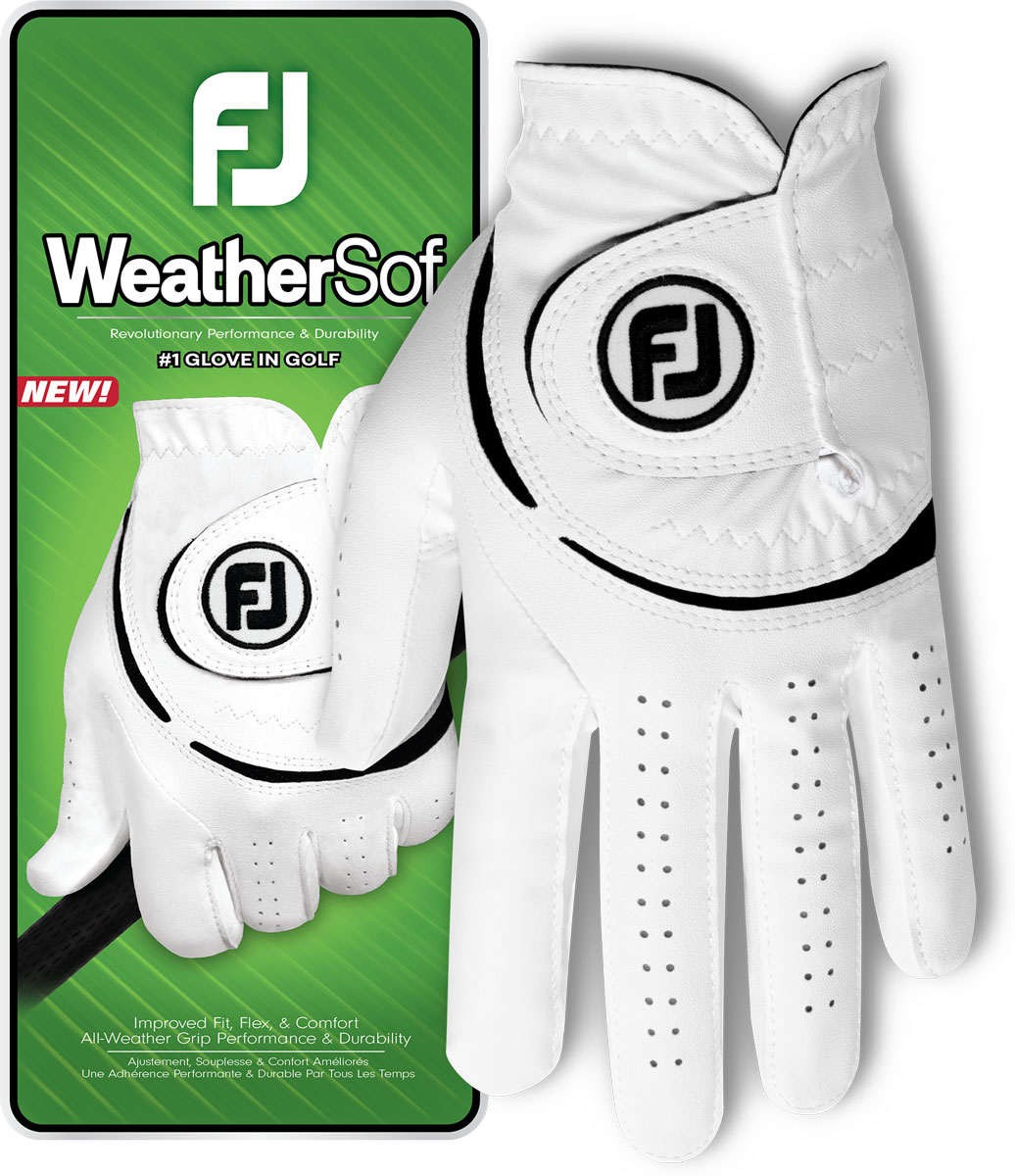
FootJoy WeatherSof Golf Glove
ifrothgolf earns a commission on purchases made through these links, at no extra cost to you. It never changes what I recommend. Full disclosure.
Here's a bet most golfers would lose: the single best value upgrade in your bag isn't a ball, a wedge or a rangefinder — it's the right glove for the day. A glove touches every full swing you make, a good one costs less than a sleeve of premium balls, and yet most golfers wear one soft leather glove all year and wonder why the club twists in their hands come autumn. The fix is a small rotation of the right gloves for the conditions, and the whole set costs about what you'd spend on a single premium dozen. Here's how to think about it.
Your everyday glove
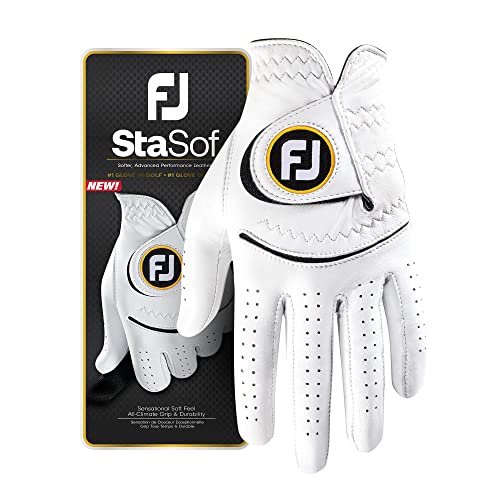
Most of your golf happens in ordinary, dry-ish conditions, and for that you want a durable all-rounder, not a delicate premium leather that feels lovely for three rounds then wears through. The FootJoy WeatherSof is the sensible default the largest number of golfers should own: a hard-wearing body with leather patches on the palm and thumb for a secure, tacky grip, and it lasts far longer than a full-leather glove. It performs in light rain and through plenty of rounds. Feel purists will still prefer buttery premium leather like FootJoy's StaSof, and that's fine — but for value-to-longevity, the everyday workhorse is very hard to beat.
The hot-day glove
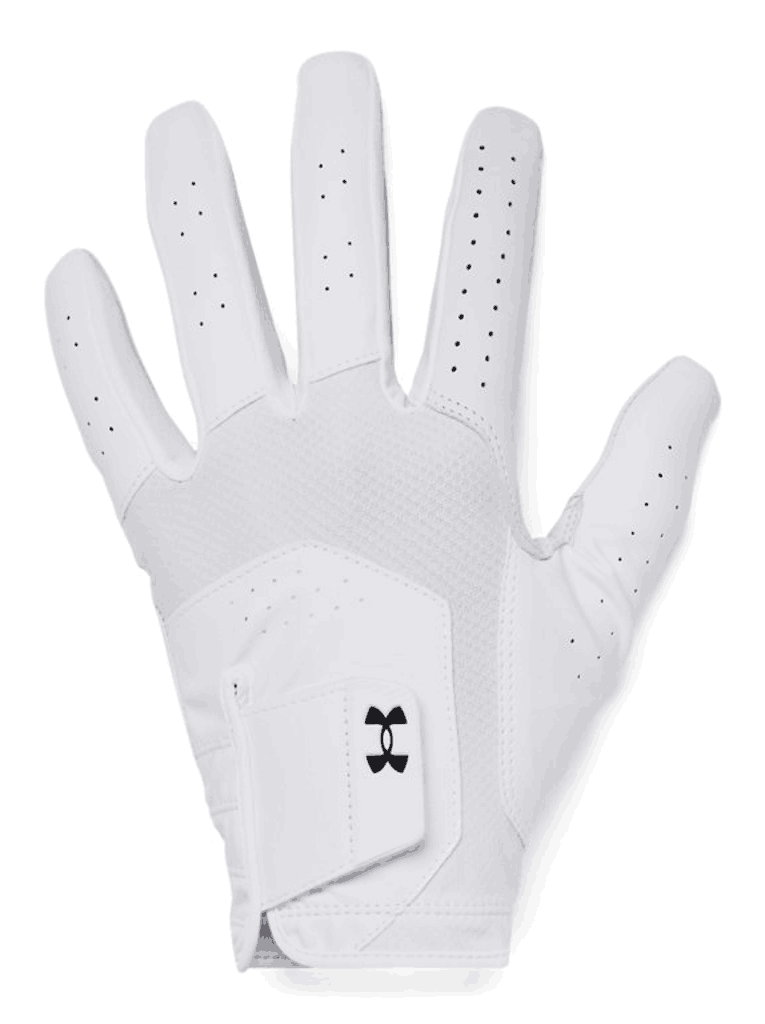
In summer, the enemy isn't rain, it's sweat — a leather glove turns greasy and slips exactly when you're gripping hardest. This is where a cooling summer glove earns its place. The Under Armour Iso-Chill uses a fabric that genuinely feels cool against the skin, with a perforated, fast-drying back and a cabretta leather palm for grip. The back of your hand stays noticeably less clammy by the back nine, so the club stays put. The trade-off with any breathable summer glove is durability — it wears faster than all-leather — but as a warm-weather specialist it does its one job well.
The wet-weather gloves
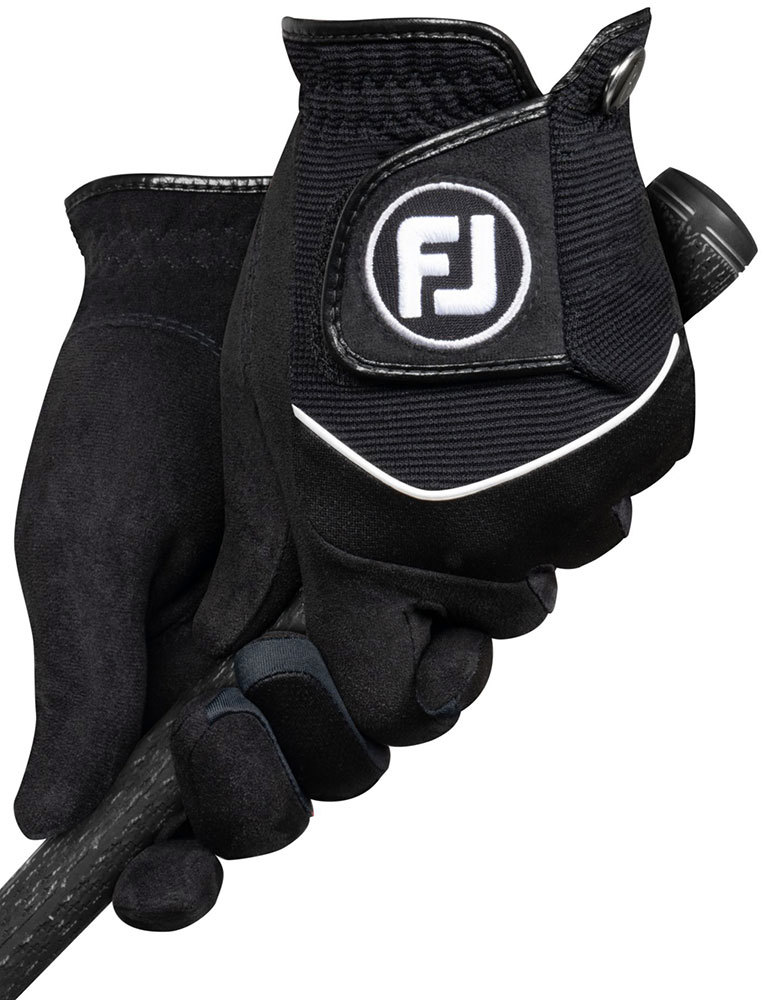
This is the one most golfers are missing, and it's the difference between saving a round and abandoning it. Rain gloves work on a counter-intuitive principle: the wetter they get, the better they grip. FootJoy's RainGrip, worn as a pair for full coverage, has autosuede palms that turn tacky in the wet, so when a leather glove has turned to soap mid-downpour, these keep the club locked in your hands. In the dry they feel a little odd, so they're not an everyday glove — they're a specialist tool that lives permanently in the bag and saves the day (and possibly your clubs) when the heavens open.
The winter gloves
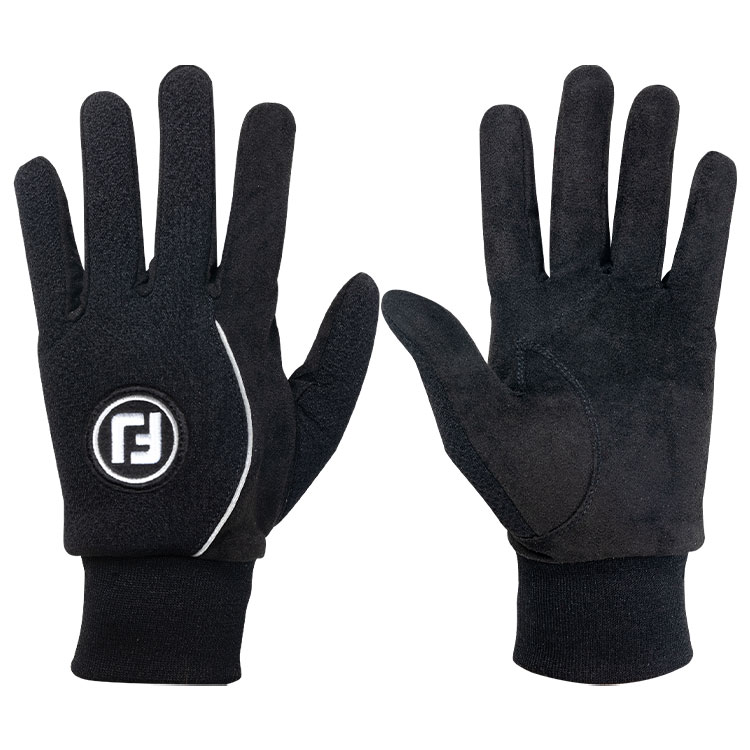
When it's genuinely cold, feel is useless if your hands are numb — you can't grip what you can't feel. Winter gloves like the FootJoy WinterSof are worn as a warm pair, with high cuffs to block draughts, a waterproof structured back and fleece warmth, while keeping enough palm grip to swing confidently. They transform a frosty early-morning round from an ordeal into actual golf. The trade-off is reduced feel versus a thin summer glove — but that's the entire point, and in December nobody's chasing feel anyway.
The one-glove compromise
If you genuinely won't carry a rotation, the smart single pick is an all-weather hybrid like the Srixon All Weather: a synthetic shell with a leather palm patch that keeps gripping through damp and cool conditions and shrugs off the wear that shreds soft leather, all for pocket money. It's not a premium leather feel and it's no substitute for dedicated rain gloves in a downpour, but as one durable glove that copes with most of the year, it's the sensible-money answer. However you play it, the lesson holds: match the glove to the weather, and the cheapest upgrade in golf quietly becomes one of the best. See the full range in our best golf gloves guide.
Products mentioned in this article
FootJoy
FootJoy WeatherSof Golf Glove
The everyday default: a hard-wearing all-rounder that grips well and lasts far longer than premium leather.
Under Armour
Under Armour Iso-Chill Golf Glove
The hot-day pick: genuinely cool-to-the-touch, so a sweaty hand stays glued to the grip.
FootJoy
FootJoy RainGrip Gloves (Pair)
The downpour saviour: a pair whose palms grip better the wetter they get.
FootJoy
FootJoy WinterSof Gloves (Pair)
The winter pick: a warm pair that keeps both hands from going numb on frosty mornings.
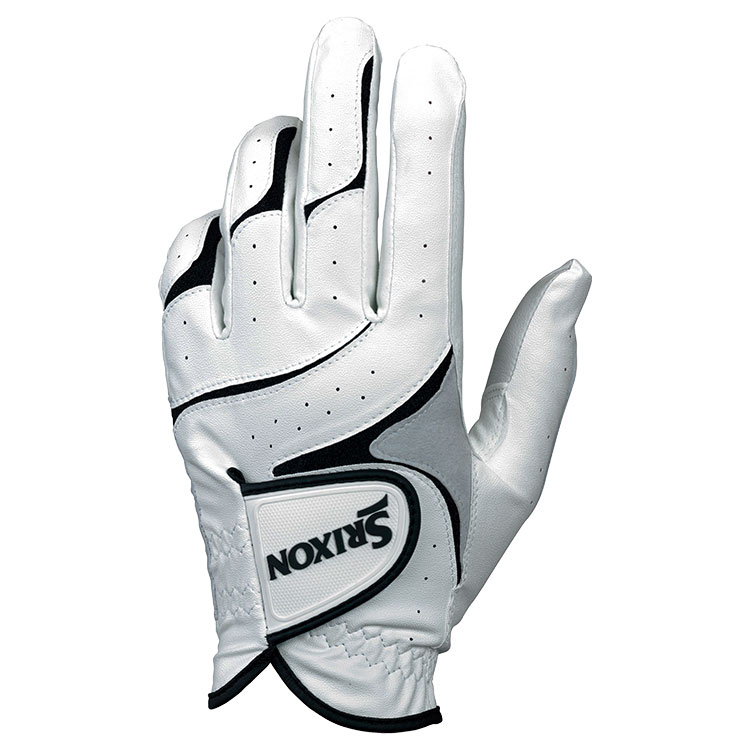
Srixon
Srixon All Weather Golf Glove
The durable value option: a hybrid that keeps gripping through damp, cool rounds for pocket money.
ifrothgolf earns a commission on purchases made through these links, at no extra cost to you. It never changes what I recommend. Full disclosure.
Frequently asked
- How many golf gloves should I own?
- Ideally a small rotation: a durable everyday glove, a cooling glove for hot days, and a pair of rain gloves for downpours — plus winter gloves if you play through the cold. The whole set costs roughly what a single dozen premium balls does, and each lasts a long time.
- Why do rain gloves grip better when wet?
- Rain gloves use an autosuede or synthetic palm that becomes tackier as it absorbs moisture, the opposite of leather, which turns slick and soapy when wet. That's why you wear them as a pair specifically in the rain, and switch back to a normal glove when it's dry.
- Do I really need a winter golf glove?
- If you play in genuinely cold conditions, yes. Numb hands can't feel the grip, so a warm winter pair does more for your golf in December than any amount of feel from a thin summer glove. In mild conditions a standard all-weather glove is fine.
- What's the best value golf glove?
- For an everyday all-rounder, a hard-wearing glove like the FootJoy WeatherSof offers excellent grip and longevity for the money. For a single do-most-things option, an all-weather hybrid such as the Srixon All Weather keeps gripping through damp and cool rounds and lasts well, for very little.
Read next
Explained
Do golf gloves matter — and how many do you actually need?
It's the cheapest bit of kit you touch every swing, and most golfers treat it as an afterthought. Here's what actually matters.
Review
8.5/10FootJoy StaSof review: the premium glove tour pros have trusted for decades
The best feel and grip money can buy in a glove — as long as you accept that premium Cabretta leather wears faster than synthetic.
Explained
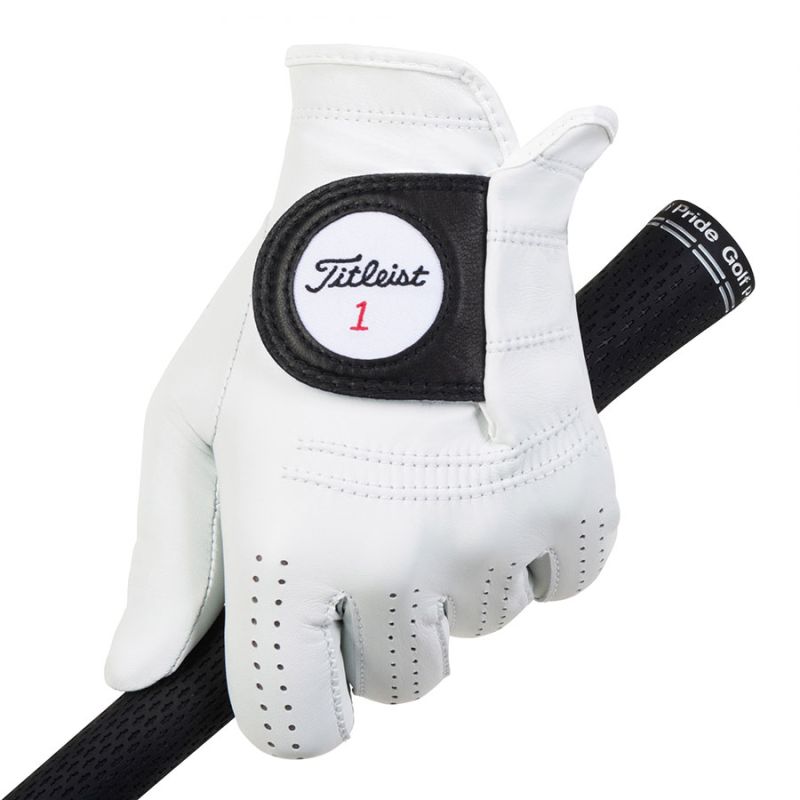
Your glove died three rounds ago and it's costing you the club face
A dead glove doesn't feel like broken kit, it feels like a swing fault. The tell is a shiny heel pad, not a hole — and it shows up about 3 rounds before most golfers notice.