
Your glove died three rounds ago and it's costing you the club face
A dead glove doesn't feel like broken kit, it feels like a swing fault. The tell is a shiny heel pad, not a hole — and it shows up about 3 rounds before most golfers notice.
By Ross Hamilton · Staff Writer
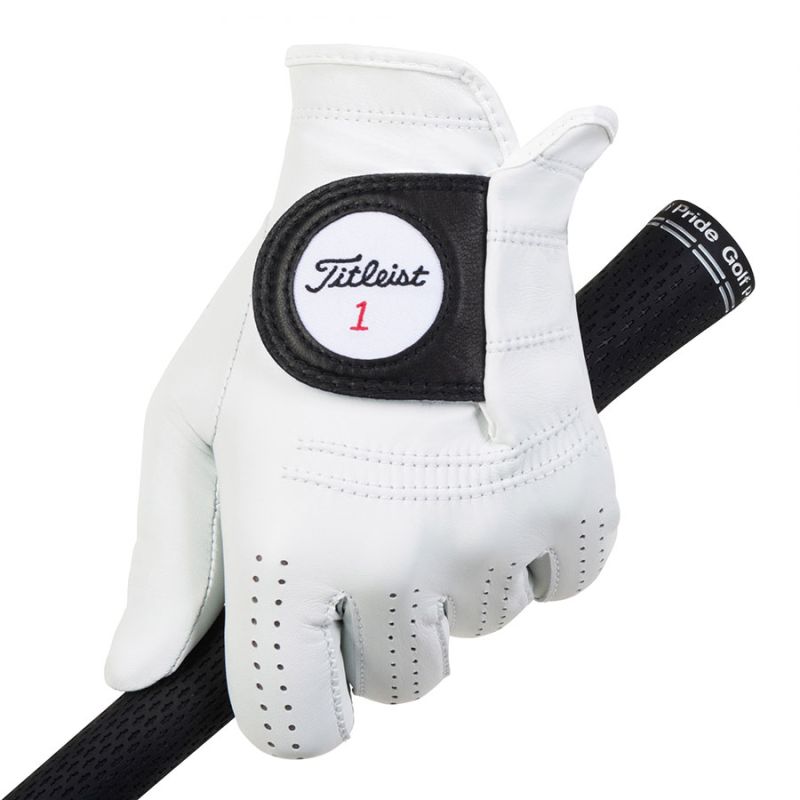
Titleist
Titleist Players Glove
ifrothgolf earns a commission on purchases made through these links, at no extra cost to you. It never changes what I recommend. Full disclosure.
Take your glove out of the bag and look at two places: the heel pad, and the leather at the base of your ring and little fingers. If either has gone smooth and slightly shiny, that glove is finished. Not nearly finished. Finished. It probably has no hole in it, it will look perfectly serviceable on the hand, and you will have been quietly compensating for it for about three rounds.
This is the least glamorous thing in golf and one of the few genuinely checkable ones. A glove's entire job is to let you hold the club lightly. Once the leather glazes, it stops gripping, the club moves a fraction in your hands, and your brain does the only thing it knows how to do about that: it squeezes. You don't decide to squeeze. You just do. And grip pressure is one of a very short list of variables that measurably changes how the face behaves through impact.
Why grip pressure is the bit that matters
Hold a club as tight as you can and then try to let your wrists work. You can't. Tension in the hands travels straight up the forearms and locks the release, which is the mechanism by which the clubface squares itself. Choke it and the face arrives late and open, and the ball leaks right for a right-hander. Some golfers over-compensate the other way and flip at it, which produces the opposite miss from the same cause. Either way the fault is nowhere near your hands in the diagnosis and entirely in your hands in reality.
The reason this is worth an article is that the failure is invisible. A broken shaft announces itself. A worn-out glove presents as inconsistency — a fortnight of shots that leak right for no reason you can name, a sudden inability to hold a green. Most people spend that fortnight on the range working on a swing that was fine. It's a small edge, and I'll be honest about that up front: replacing a dead glove is not a swing fix and won't take shots off a handicap on its own. It just stops you inventing a fault that doesn't exist.
What actually kills a glove
Sweat is the main one, and specifically the salt in it. Cabretta leather is thin, soft sheepskin, and salt crystallising in the fibres as it dries is what makes it go stiff and then glazed. Which leads directly to the second killer: how you dry it. Drying a glove fast on a radiator, a dashboard or in direct sun cooks the natural oils out of the leather and it comes back cardboard-stiff. Flat, out of the bag, at room temperature, overnight. That's it. That's the whole method, and it's worth more than anything else on this list.
Third: wearing it between shots. Every minute your glove spends on your hand while you're walking, driving a buggy or standing on a tee is a minute of sweat going into it for no golfing benefit whatsoever. Take it off after the shot. Fourth, and this is the one that catches people out in summer: leaving it draped over a cart rail or a bag strap in full sun for four hours. UV and heat do to a glove roughly what a radiator does, just slower.
How to tell it's actually done
Ignore the hole. A hole at the thumb usually means a fit or a grip-pressure problem rather than end of life, and a glove can be dead long before it tears anywhere. The real tells, in order: glazing at the heel pad where the club sits under the base of the palm; the same shine at the base of the last two fingers; the leather feeling papery rather than supple when you rub it between finger and thumb; and the cuff having stretched so the closure no longer pulls it genuinely snug. Two of those four and it's a range glove now.
The buying maths nobody sets out
The trade-off is real and it is not subtle. Premium cabretta feels better and dies faster. That's not a design failure, it's the same property doing both jobs — the thinner and softer the leather, the more you feel through it and the less there is to wear away. The Titleist Players Glove is the clearest example: an all-cabretta glove built to put as close to nothing as possible between your hand and the grip. It is superb, and if you play three times a week in summer you will get through them.
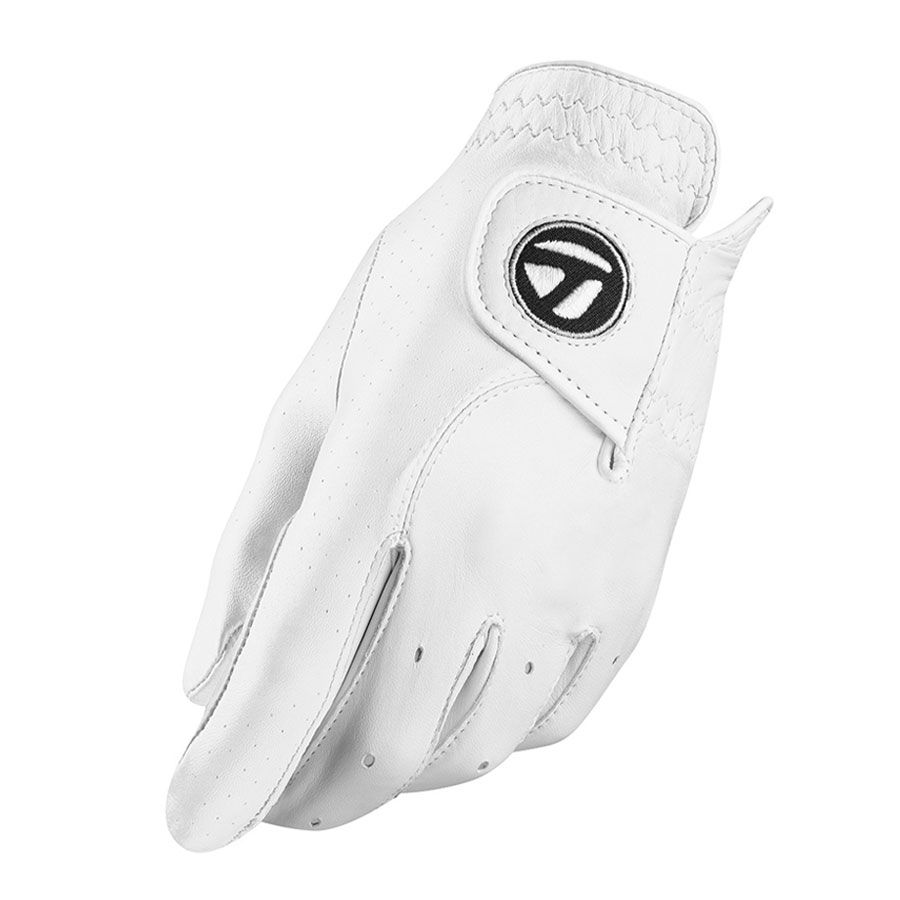
The Callaway Tour Authentic makes the same bargain and is honest about it, trading durability for the softest and grippiest feel in this group. The TaylorMade Tour Preferred is the interesting one on value, because it's ultra-thin AAA cabretta at a price that undercuts the obvious rivals — which matters enormously once you accept that you're buying gloves as a consumable rather than as equipment.
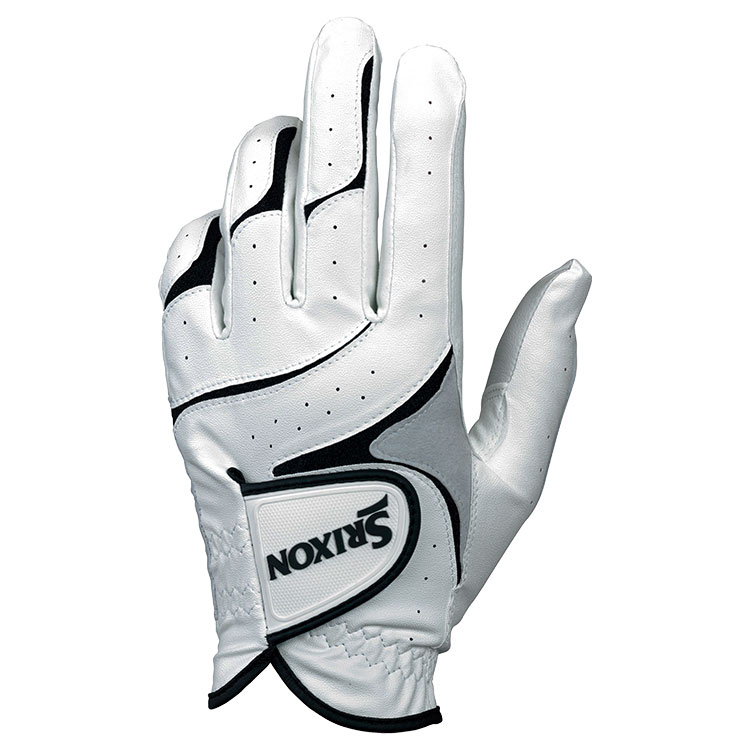
At the other end sits the all-weather synthetic. The Srixon All Weather is a synthetic-and-leather hybrid built to keep gripping when the weather turns, and it will outlast every leather glove here comfortably. It also feels worse. Less connected, less alive, a slight layer of remove between hand and grip. Whether that matters to you is a genuine question and not a rhetorical one: plenty of good golfers cannot tell, and plenty of others notice on the first swing.
What most golfers should actually do
Buy two mid-priced gloves and rotate them. This beats buying one expensive one and it isn't close. Two gloves alternated means each gets a full day or more to dry out properly between rounds, which is the single biggest factor in how long cabretta survives — you are attacking the salt-and-drying problem rather than the leather-quality problem, and the salt-and-drying problem is the one actually killing your gloves. Two rotated gloves will typically outlast three used one at a time.
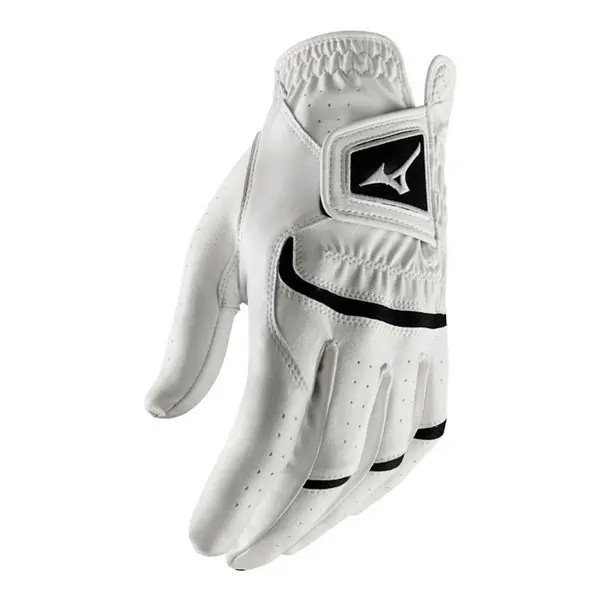
Something like the Mizuno Elite is the shape of the right answer here: a soft cabretta palm and a properly tailored fit at a price that doesn't sting when you wear one out. Buy two, alternate them, dry them flat, and keep a synthetic in the bag for wet days so you're never drowning a good glove in a downpour. If you want the wider case for how many gloves a golfer needs, we set it out in do golf gloves matter, and the seasonal version is in which glove for the weather.
The other half of the same problem
Worth saying, because it's the identical mechanism: worn grips cause exactly the same squeeze. If the rubber has gone hard and shiny you will grip tighter to compensate, and no glove fixes that. Grips are consumable on a roughly annual schedule for anyone playing regularly, and a full regrip costs a fraction of almost any club in the bag. If you've just replaced your glove and the club still feels slippery, the problem was never the glove.
Who can skip all of this
If you play once a month, one decent glove will last you most of a season and none of this is urgent. If you don't wear a glove at all — and there are good players who don't — the grip-pressure argument still applies, it just runs through the grips instead. And if your ball flight problems are large and consistent rather than small and drifting, this isn't your answer; go and see someone who can watch you swing. This is a marginal fix for a marginal problem. It just happens to be a marginal problem that a lot of golfers mistake for a large one.
The rest of our gloves coverage goes deeper on fit and materials. But if you take one thing: look at the heel pad. If it shines, it's done.
Products mentioned in this article
Titleist
Titleist Players Glove
The thinnest of the group: maximum feel, minimum lifespan — a glove for people who genuinely notice the difference.
TaylorMade
TaylorMade Tour Preferred Glove
Tour-grade cabretta at a price that undercuts the badge brands, which makes the rotation strategy affordable.
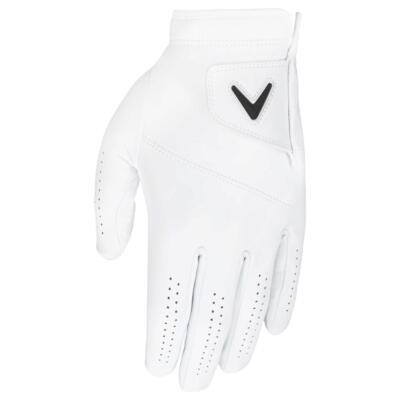
Callaway
Callaway Tour Authentic Glove
The softest, grippiest feel here, and openly trades durability to get it.
Mizuno
Mizuno Elite Golf Glove
The sensible one: soft cabretta palm, tailored fit, and cheap enough that wearing it out doesn't sting.
Srixon
Srixon All Weather Golf Glove
The synthetic hybrid that keeps gripping when it's wet and outlives every leather glove on this list.
ifrothgolf earns a commission on purchases made through these links, at no extra cost to you. It never changes what I recommend. Full disclosure.
Frequently asked
- How do you know when a golf glove needs replacing?
- Look for glazing rather than holes. A smooth, shiny heel pad and the same shine at the base of the ring and little fingers mean the leather has stopped gripping. Papery rather than supple leather, and a cuff that no longer pulls snug, are the other two tells. Two of those four and it belongs on the range.
- How long should a golf glove last?
- It depends far more on how you dry it than on what you paid. Sweat salts and fast drying on a radiator or dashboard are what kill cabretta. Dried flat at room temperature and rotated with a second glove, a mid-priced cabretta glove lasts substantially longer than an expensive one used every round without a rest day.
- Is a cabretta leather glove better than an all-weather synthetic?
- Better feel, worse lifespan. Cabretta is thin and soft, so you feel more through it and it wears out faster. An all-weather synthetic keeps gripping in the wet and lasts considerably longer, but sits as a slight layer of remove between hand and grip. Most golfers are best served owning both and choosing by forecast.
- Does a worn golf glove really affect your swing?
- Indirectly, and the effect is small but real. A glazed glove slips slightly, you unconsciously increase grip pressure to stop it, and tension in the hands restricts the release that squares the clubface. It typically shows up as shots leaking right for a right-hander. It is not a swing fix, but it does stop you chasing a fault that was never there.
Read next
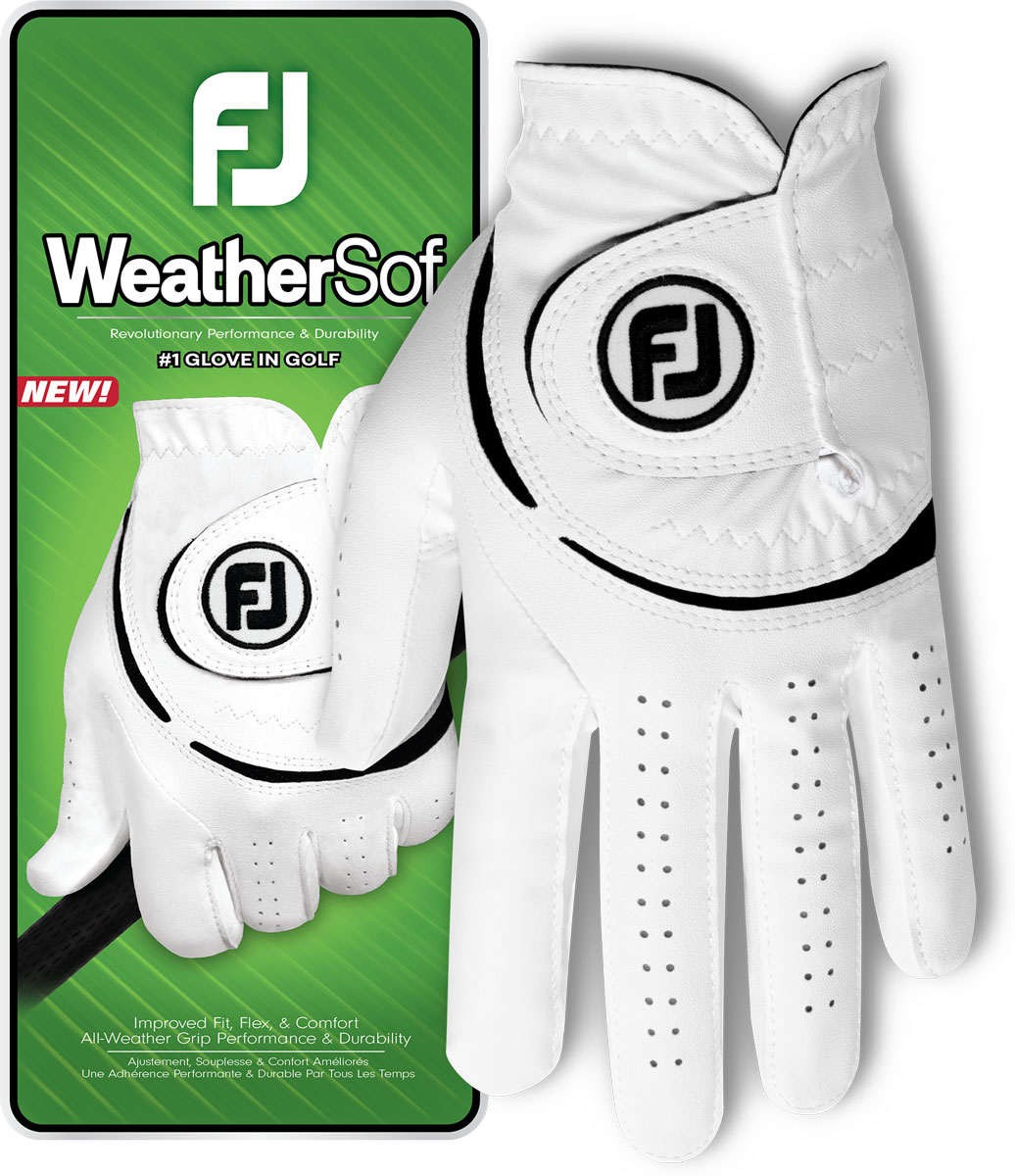
Explained
The golf glove is the cheapest upgrade in golf — and most golfers get it wrong
A glove touches every full swing you make, costs less than a sleeve of premium balls, and most golfers play the wrong one for the conditions. Here's the small rotation of gloves that keeps your grip locked in — dry, wet, cold and sweltering — for the price of one premium dozen.
Explained
Do golf gloves matter — and how many do you actually need?
It's the cheapest bit of kit you touch every swing, and most golfers treat it as an afterthought. Here's what actually matters.
Review
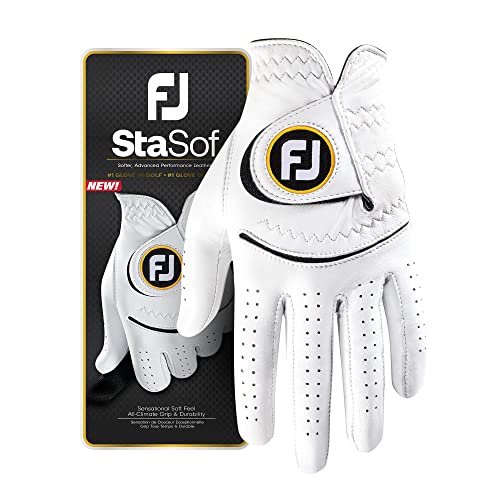
8.5/10FootJoy StaSof review: the premium glove tour pros have trusted for decades
The best feel and grip money can buy in a glove — as long as you accept that premium Cabretta leather wears faster than synthetic.