
The guy grooving 60 straight 7-irons is wasting his afternoon
Most range time never touches your scorecard — it's mindless bucket-bashing that feels like practice and transfers to nothing. The fix is counterintuitive and cheap: practise what you can measure, then practise the way you actually play.
By Jordan Hale · Equipment Writer
 Explained
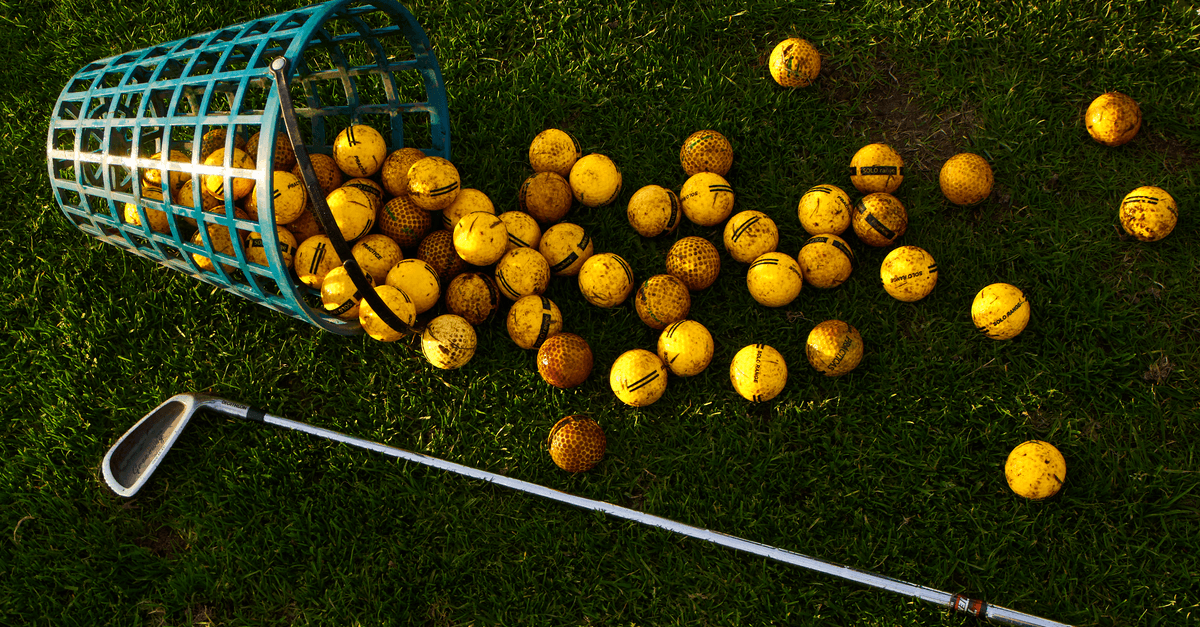
Walk onto any driving range on a Saturday and you'll see the same man. He's got a pyramid of a hundred balls, he's hitting 7-iron after 7-iron to the same 150 flag, and by ball sixty he's grooving a lovely little draw. He feels like he's practising. He's actually wasting his afternoon. When he stands on the first tee next week with one ball, a different target and a heart rate to match, almost none of what he did on the range will show up — and the reason why is one of the best-established findings in the science of skill, and one the golf industry has spent decades quietly ignoring.
The claim I want to defend is blunt: most range practice is worthless for scoring. Not because effort is bad, but because the two things that make practice transfer — measurability and specificity — are exactly the two things a bucket of balls to a vague flag strips out. Get those two right and you can practise less and improve more. Get them wrong and you can hit ten thousand balls a year and post the same handicap you had in 2022.
Blocked practice feels great and teaches little
Here's the counterintuitive bit. The research on motor learning draws a hard line between blocked practice — repeating the same task over and over — and random (or interleaved) practice, where you constantly change the task. Blocked practice produces better results during the session. It feels productive because it looks productive: shot fifty is visibly better than shot five. But study after study shows the improvement largely evaporates when you test it later, or in a new context — which, on a golf course, is every single shot.
Random practice does the opposite. It feels worse in the moment — you're worse at each individual shot because you never settle into a groove — but it builds skill that actually holds up when conditions change. That's the mechanism nobody enjoys hearing: the discomfort is the point. The man grooving sixty identical 7-irons is optimising for the one thing golf never asks of him, which is to hit the same shot twice in a row from the same lie to the same target with a practice swing's worth of warning. His session feels like mastery and delivers almost nothing to the card.
Practise what you can measure
The first fix is to stop guessing. You cannot improve what you can't see, and the human eye is a spectacularly unreliable judge of your own swing. Three things are worth measuring above all others because they're the root causes of most amateur misses: alignment, strike location and tempo. Fix those and a startling amount of the rest tidies itself up.
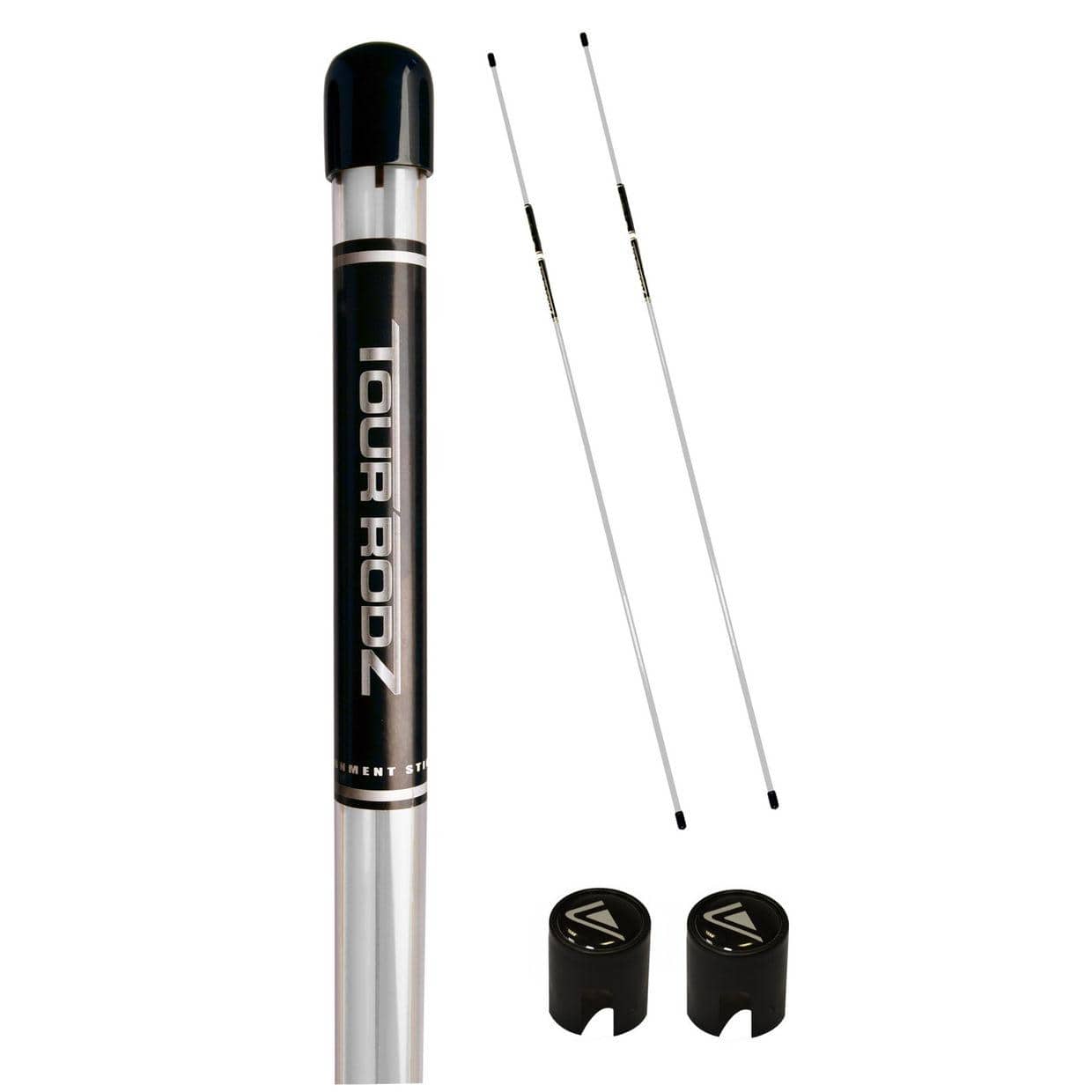
Alignment first, because it's the most common fault and the easiest to ignore. Almost every amateur aims somewhere other than where they think, and then makes a compensating swing to save the shot — baking a flaw in with every rep. A pair of alignment sticks laid on the ground is the cheapest, highest-return training aid in the game: it turns your invisible aim into something you can see and correct. Practise aimed at nothing and you groove a compensation. Practise aimed at a rod and you groove a swing.
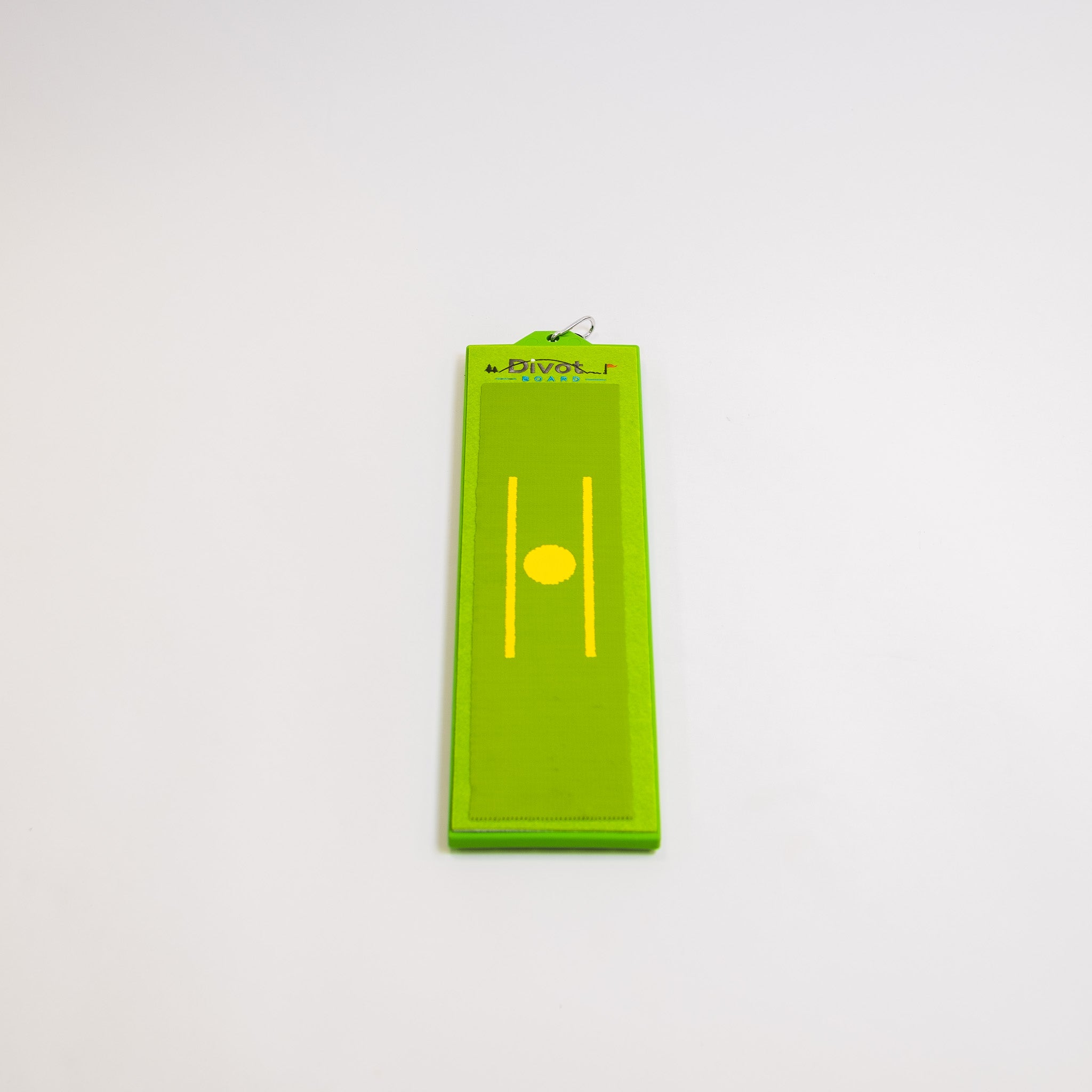
Then strike. Where you contact the face and the turf explains more of your distance and dispersion than almost anything else, and it's another thing your eyes lie to you about. A strike-feedback board shows you exactly where you're making contact and where your low point is — heel, toe, fat, thin — in a way you cannot argue with. That's the whole value: unarguable feedback. You stop believing you flushed one and start seeing that you caught it half an inch off the heel, which is the information that actually changes a swing.
Strike quality has a root cause of its own, and it's the relationship between the lead arm and the club through impact. This is where a device like the Tour Striker Smart Ball earns its keep — held between the forearms, it gives instant feedback when your arms and body come out of sync, training the connected, ball-first delivery that produces a crisp strike. The feedback is built into the drill; you don't need a coach standing over you to know when you got it wrong.
Practise the way you actually play
Measurement gets you a better swing. Specificity gets that swing onto the course. And the single highest-leverage change is almost embarrassingly simple: after your warm-up, stop hitting the same club to the same target. Play the range like a round. One ball. Pick a real target, run your full pre-shot routine, hit the shot, then switch club and target completely for the next one — driver, then wedge, then a punch 6-iron to a different flag. It feels harder and your ball-striking will look worse. That's random practice doing its job.
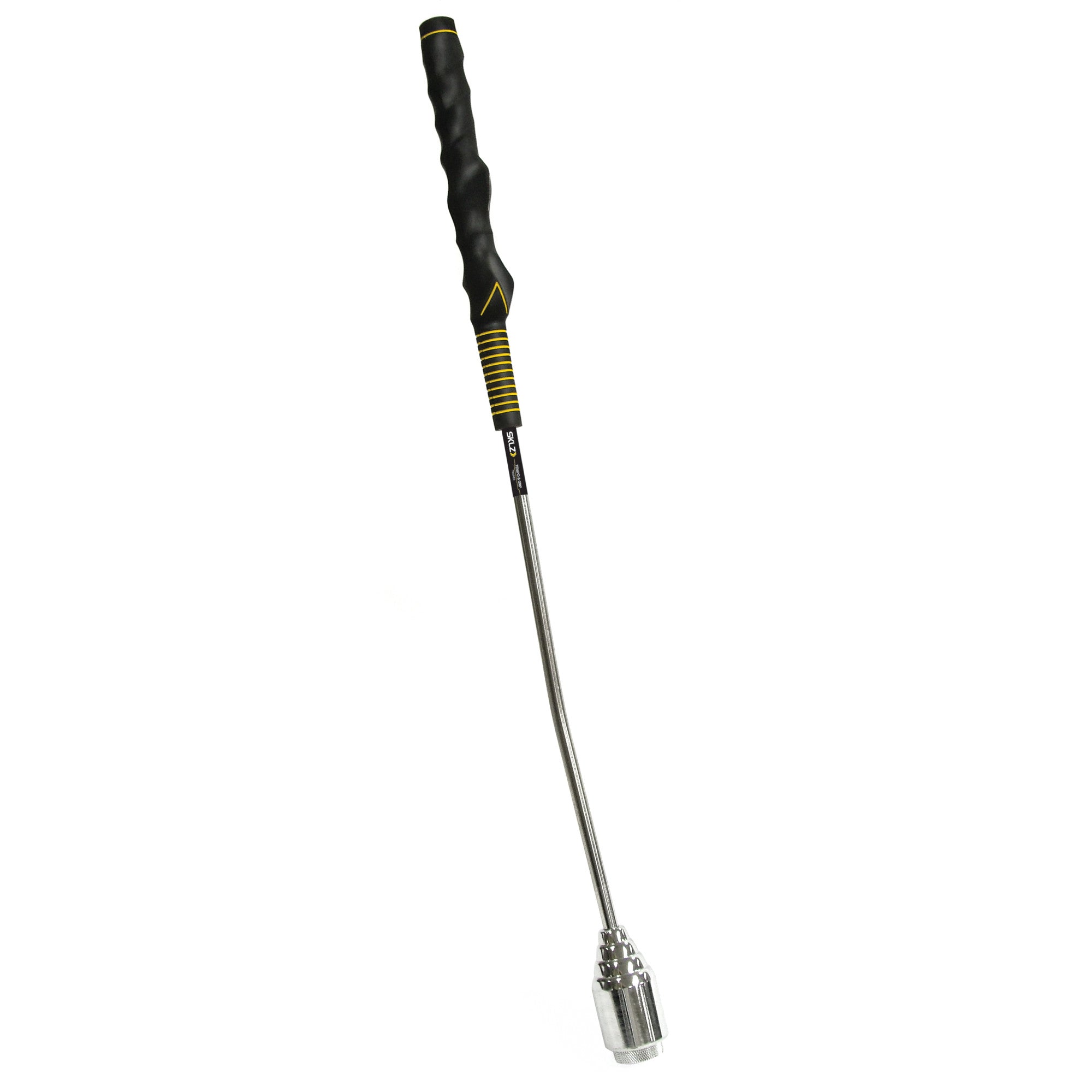
The one variable worth grooving on repeat is tempo, because tempo is what deserts you first under pressure. A tempo trainer — essentially a metronome you swing to — trains a repeatable rhythm that survives the adrenaline of the first tee, where technique tends to speed up and fall apart. Tempo is the rare thing that benefits from a little blocked repetition, because you're building a rhythm you'll then carry into the varied, one-ball practice that mirrors real golf. For the wider field of what's worth owning, our training aids guide does the sorting.
Who genuinely just needs reps
Now the honest caveat, because random practice is a principle, not a religion. If you're a genuine beginner or you've just made a real technical change with a coach, you need blocked reps — and lots of them. When you're building a brand-new movement pattern from scratch, repetition is exactly right; you can't interleave a skill you don't yet have. Grooving the same swing forty times in a row is precisely what a rebuilt takeaway or a new grip needs before it's ready to be tested under varied conditions.
The blocked-practice trap only springs once the movement is basically there. If you can already make contact and roughly control the ball, and you're still bashing buckets at one flag, you've graduated from a phase you never left. Measure the three things that matter, then practise the way you play. Do that and you'll spend less time on the range and more shots on the right side of the pin — which, in the end, is the only test that counts. More sorted-through options live in the training hub.
Products mentioned in this article
Longridge
Longridge Tour Rodz Alignment Sticks
$15
The cheapest fix for the most common miss: two rods that stop your aim quietly drifting shot after shot.
Divot Board
Divot Board Strike Trainer
$120
Instant, unarguable feedback on strike location — you cannot fool it the way you fool your eyes.
Tour Striker
Tour Striker Smart Ball
$30
Forces the lead-arm-and-club relationship that produces a ball-first strike; feedback comes from the drill itself.
SKLZ
SKLZ Tempo and Grip Trainer
$30
A metronome you swing to — trains the one variable, tempo, that survives contact with the first tee under pressure.
Frequently asked
- What is the difference between blocked and random practice in golf?
- Blocked practice means repeating the same shot over and over, which improves performance within the session but tends not to transfer to the course. Random or interleaved practice means constantly changing club and target, which feels harder and looks worse in the moment but builds skill that holds up under the varied conditions of a real round.
- Why doesn't hitting lots of range balls lower my scores?
- Because most range sessions are blocked repetition to a single target, which grooves one shot golf never actually asks you to repeat. Without measuring strike, alignment and tempo, and without practising the way you play, the improvement rarely transfers to the course where every shot is different.
- What should I actually practise on the driving range?
- Warm up, then measure the three things that drive most misses: alignment, strike location and tempo, using simple tools. After that, play the range like a round with one ball, a full pre-shot routine and a different club and target on every shot, so your practice mirrors real golf.
- Is repetitive practice ever a good idea?
- Yes. Genuine beginners and anyone making a fresh technical change with a coach need blocked repetition to build the new movement pattern before testing it under varied conditions. The blocked-practice trap only applies once you can already make solid contact and control the ball.
Read next
Versus
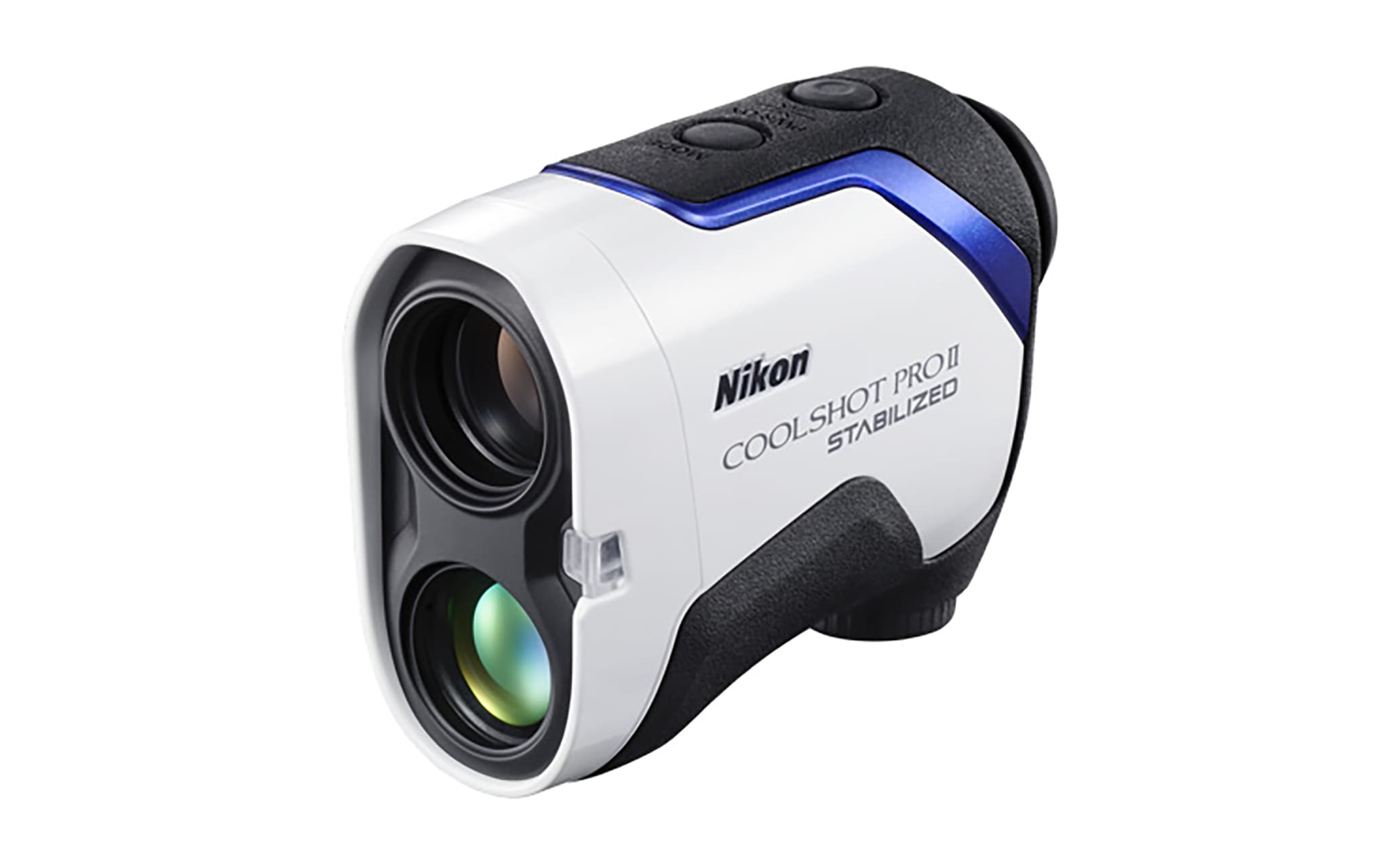
Nikon Coolshot Pro II vs Precision Pro NX10: how much rangefinder do you need?
One buys you the best optics and a gyro-stabilised picture; the other gives you most of the experience for a little over half the outlay. Which is the smarter buy?

Review
8.0/10Under Armour HOVR Drive 2 Wide review: the golf shoe wide feet have been waiting for
A spiked, waterproof shoe built on a genuine wide last, at a value price. For broad feet, it solves a problem the big brands mostly ignore.

Review
8.3/10Bridgestone Tour B XS review: the soft-feel tour ball for fast swingers
A three-piece urethane tour ball built around Bridgestone's fastest staffers, at the soft, spinny end of the line. Who should play it over a Pro V1 or TP5?