
Read your divots: the cheap board that fixes ball-striking
It's all over golf TikTok for a reason — instant, brutally honest feedback on where your club actually bottoms out.
By Ross Hamilton · Staff Writer
The verdict
Excellent
What's great
- Instant, brutally honest feedback on low point and strike
- No batteries, no app — works in the garden as well as the range
- Outstanding value for a fundamentals fix
Watch out
- Shows you the fault, not the fix — you still do the work
- Single-purpose: it's a strike trainer, nothing more
Bottom line — If your contact runs hot and cold, it's the cheapest honesty in golf — and seeing the fault is most of the battle.
Divot Board
Divot Board Strike Trainer
ifrothgolf earns a commission on purchases made through these links, at no extra cost to you. It never changes what I recommend. Full disclosure.
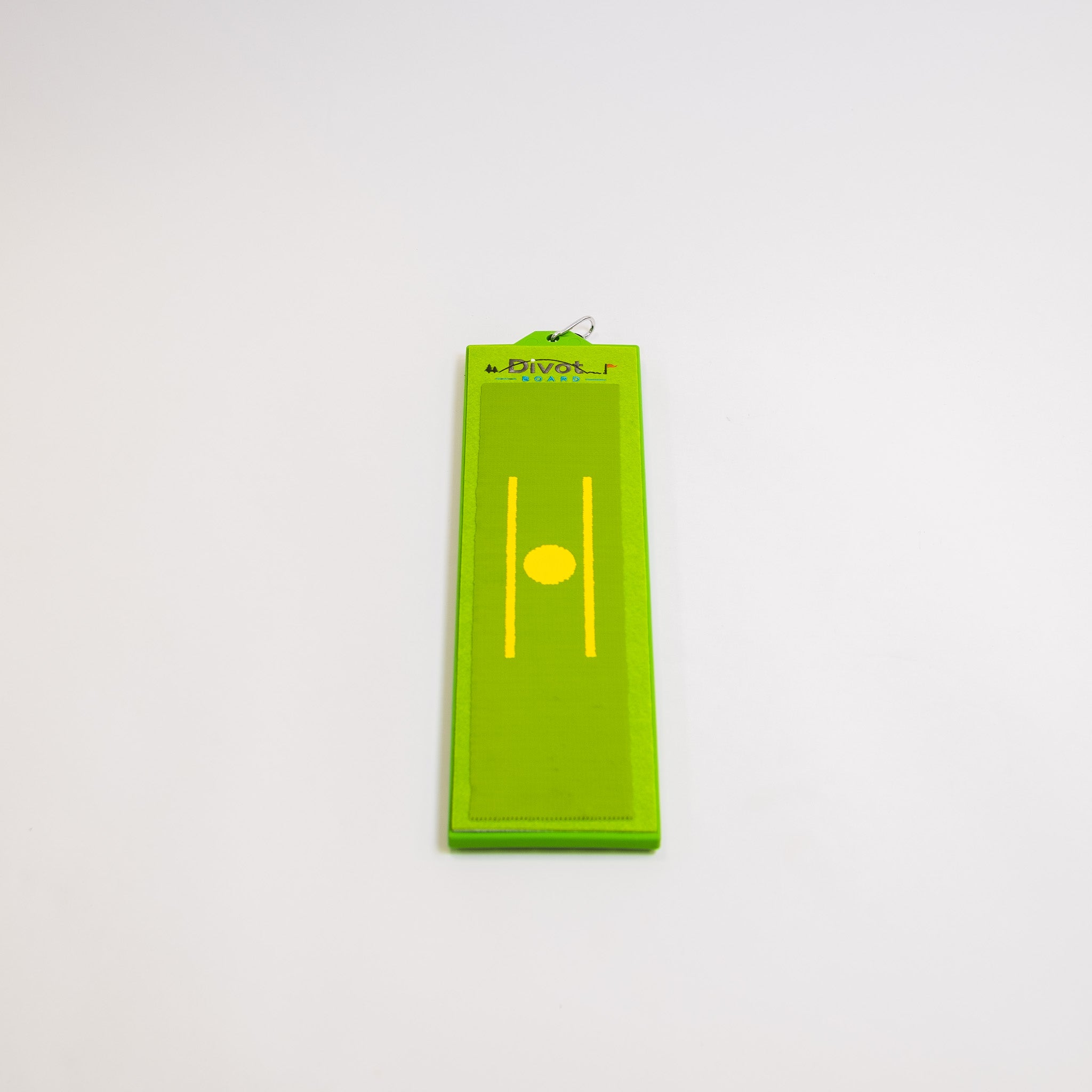
If your contact runs hot and cold, the Divot Board is the cheapest honesty in golf — around $120, no batteries, no app, and it shows you exactly where your club bottoms out on every swing. It went viral on golf TikTok for a real reason: it makes the one fault the eye can't catch visible, instantly. Seeing the problem is most of the battle.
What it actually measures
Ball-striking comes down to one thing you can't see in real time: low point — where the club reaches the bottom of its arc relative to the ball. The single biggest difference between a good iron player and a poor one isn't clubhead speed or even path; it's low-point control. Hit the ground just after the ball and you compress it, pinching it against the turf for that crisp, ball-then-turf strike every coach harps on; catch the ground early and you're fat, dumping speed into the dirt and leaving it short. The board's textured surface marks exactly where and how the club struck — a clean strip of contact starting at the ball means you bottomed out in the right place, while a mark behind it is the fat shot made visible. You read the evidence instead of guessing.
It also shows the direction of the strike, not just the depth. A mark that runs heel-to-toe or skews across the board tells you the face arrived steep, or that you caught it out of the toe or heel — the contact faults that bleed distance and start the ball offline without you ever feeling them. On a real fairway the turf hides most of this; the divot is gone the moment you walk to the ball. The board freezes it long enough to learn from. And because a thin or fat strike costs you far more distance and accuracy than most golfers realise — a fat iron can lose a full club or two of carry — fixing low point is often the fastest way to lower scores that has nothing to do with buying new clubs.
Why it went viral
Drop a ball on it, swing, and the board draws your strike — too far behind, too steep, toe-first, all of it. It turns the single most important fundamental in golf into a feedback loop you can see and chase, the way a good coach points at the turf and says 'there's your problem.' That immediacy is what makes it stick where a verbal tip doesn't: the lesson lands in the half-second after the swing, while the feel is still in your hands, which is exactly when the brain actually rewires a motion. A swing thought you read in a magazine is gone by the next ball; a mark on the board you caused yourself is not.
There's a quieter reason it spread, too. Most ball-striking advice is abstract — 'hit down on it', 'compress it', 'shallow the club' — and means nothing until you can see whether you're doing it. The board converts that vocabulary into a picture. Golfers who'd been told for years to stop hitting it fat finally watched the mark creep forward toward the ball over a session and understood, viscerally, what the instruction meant. That's the appeal: it's not a new tip, it's the missing feedback that makes every old tip usable.
How to actually use it
Don't just hit balls at it and admire the marks — that's bucket-bashing with extra steps. Give yourself a target: try to start every divot at or just in front of a fixed line, do ten in a row, and count how many land forward. Wipe it clean between sets so you're reading one swing at a time, not a smear. Mix in the random-practice discipline that actually transfers — change clubs, change the feel you're testing — rather than grooving one rehearsed move. The board is brutally honest, which only helps if you give it something specific to be honest about.
Who it's for (and who it isn't)
It's for anyone whose contact is inconsistent and who'll do the work once they can see the fault — the player who hits one flush and the next one fat and has no idea why. It's also a genuinely good winter and home tool: it works on a mat, in the garage or in the garden, so you can keep grooving low point when the course is unplayable. It's not magic, though — it shows you the problem, not the fix, and it's single-purpose, just a strike trainer. If your contact is already crisp and you want help with tempo or putting, your money goes further elsewhere. And if you'd rather not do the reps, no board will save you; it diagnoses, it doesn't cure.
The verdict
At the price it's one of the highest-value training aids going: no batteries, no nonsense, works in the garden as well as the range. It won't fix your strike for you, but it makes the most important and least visible fault in golf impossible to ignore, and for hot-and-cold ball-strikers that visibility is worth far more than the few quid it costs. I made the wider case for it in the only three training aids worth buying — it's there because, like the best of them, it gives instant honest feedback on a fundamental and asks nothing more of you than that you keep swinging.
Where to buy
8.2/10Divot Board
Divot Board Strike Trainer
A colour-changing board that draws your real divot so you can finally see where the club bottoms out.
ifrothgolf earns a commission on purchases made through these links, at no extra cost to you. It never changes what I recommend. Full disclosure.
Frequently asked
- What does the Divot Board actually do?
- It reveals your low point — where the club bottoms out relative to the ball — by marking exactly where and how the club struck its surface. That tells you instantly whether you're hitting fat, thin, too steep or out of the toe.
- Will the Divot Board fix my ball-striking on its own?
- No — it shows you the fault, not the fix. But seeing precisely where your strike goes wrong on every swing is most of the battle, and it gives you a clear feedback loop to practise against.
- Can I use it at home?
- Yes. It needs no batteries or app and works on a mat in the garden or garage as well as the range, which is a big part of why it's such good value — and it makes a genuinely useful winter tool for keeping your low point grooved when the course is unplayable.
- How is it different from a launch monitor?
- A launch monitor measures the ball flight and the numbers behind it; the board shows you the physical strike — exactly where and how the club met the ground. They're complementary, but for the specific job of seeing your low point and curing fat or thin contact, the board is far cheaper and more direct.
- How should I practise with it to actually improve?
- Pick a target — start every divot at or just in front of a fixed line — wipe it clean between swings so you read one strike at a time, and vary the club and feel rather than grooving one rehearsed move. Treat it like random practice, not a bucket to bash through, and the marks will start creeping forward.
Read next
Review
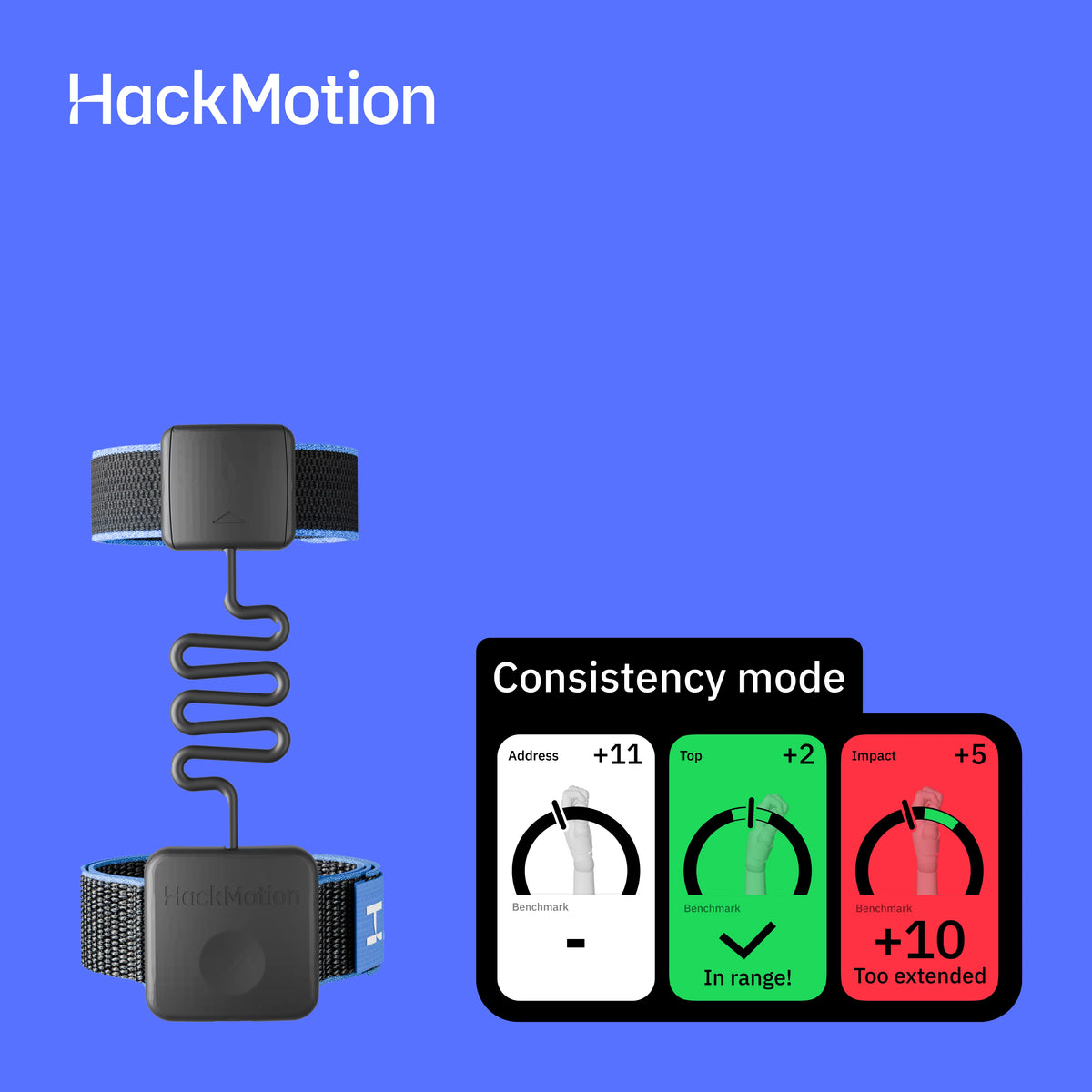
8.5/10HackMotion Core review: the wrist sensor that shows you why you slice
Clubface control is the hidden cause of most slices, and until now it was invisible. HackMotion straps a sensor to your lead wrist, measures what your hands are doing 800 times a second, and beeps when you square the face. For the improver obsessed with ball-striking, it's genuinely revealing tech.
Review
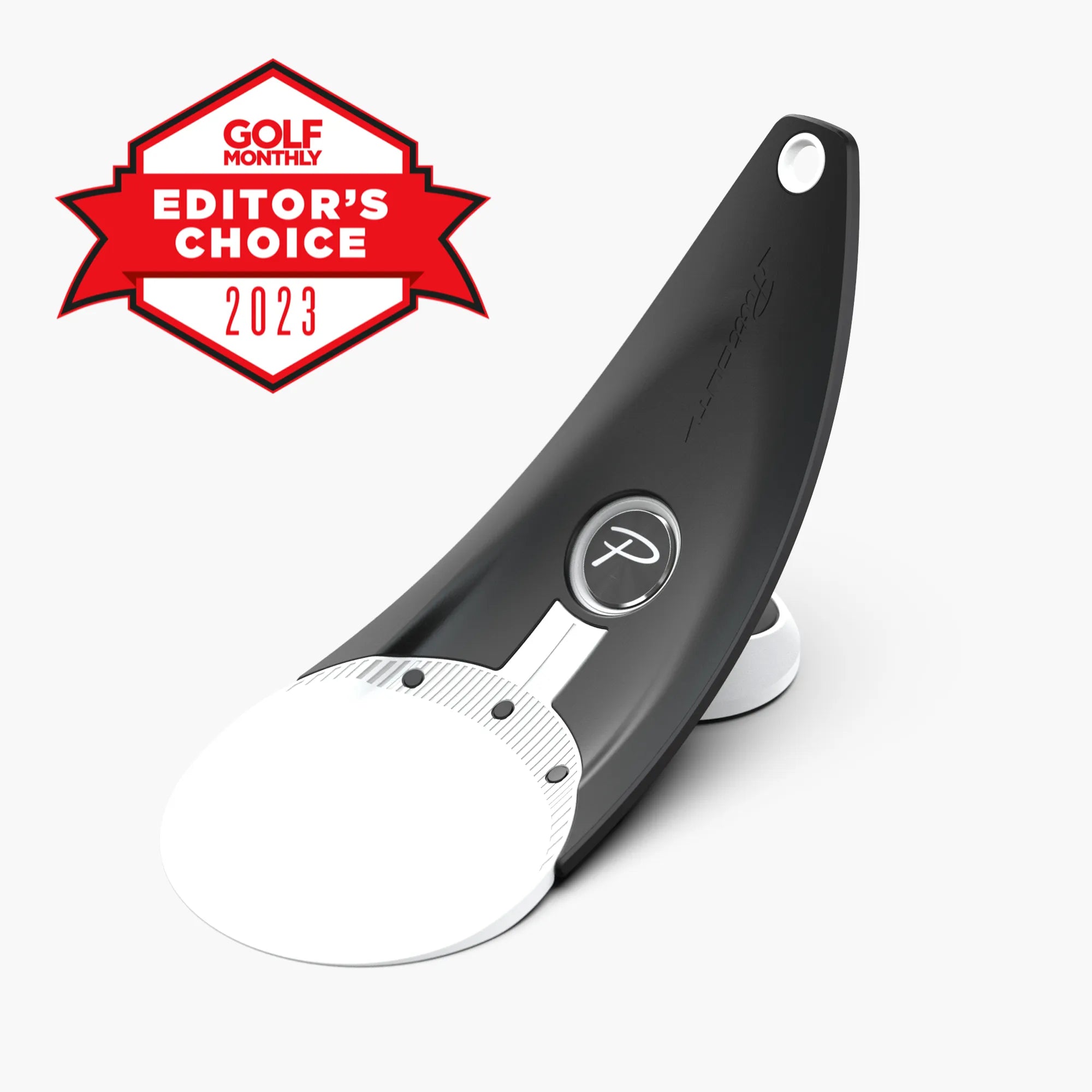
8.8/10PuttOut Pressure Putt Trainer review: the cheap aid that actually gets used
Most training aids end up in the garage. This little ramp is the rare one that earns a permanent spot — here's why it works.
Opinion
Stop buying alignment sticks you'll never use — the only 3 training aids worth it
Your garage is a graveyard of gadgets. Here are the three that actually earn their place, and why everything else is clutter.