
HackMotion Core review: the wrist sensor that shows you why you slice
Clubface control is the hidden cause of most slices, and until now it was invisible. HackMotion straps a sensor to your lead wrist, measures what your hands are doing 800 times a second, and beeps when you square the face. For the improver obsessed with ball-striking, it's genuinely revealing tech.
By Jordan Hale · Equipment Writer
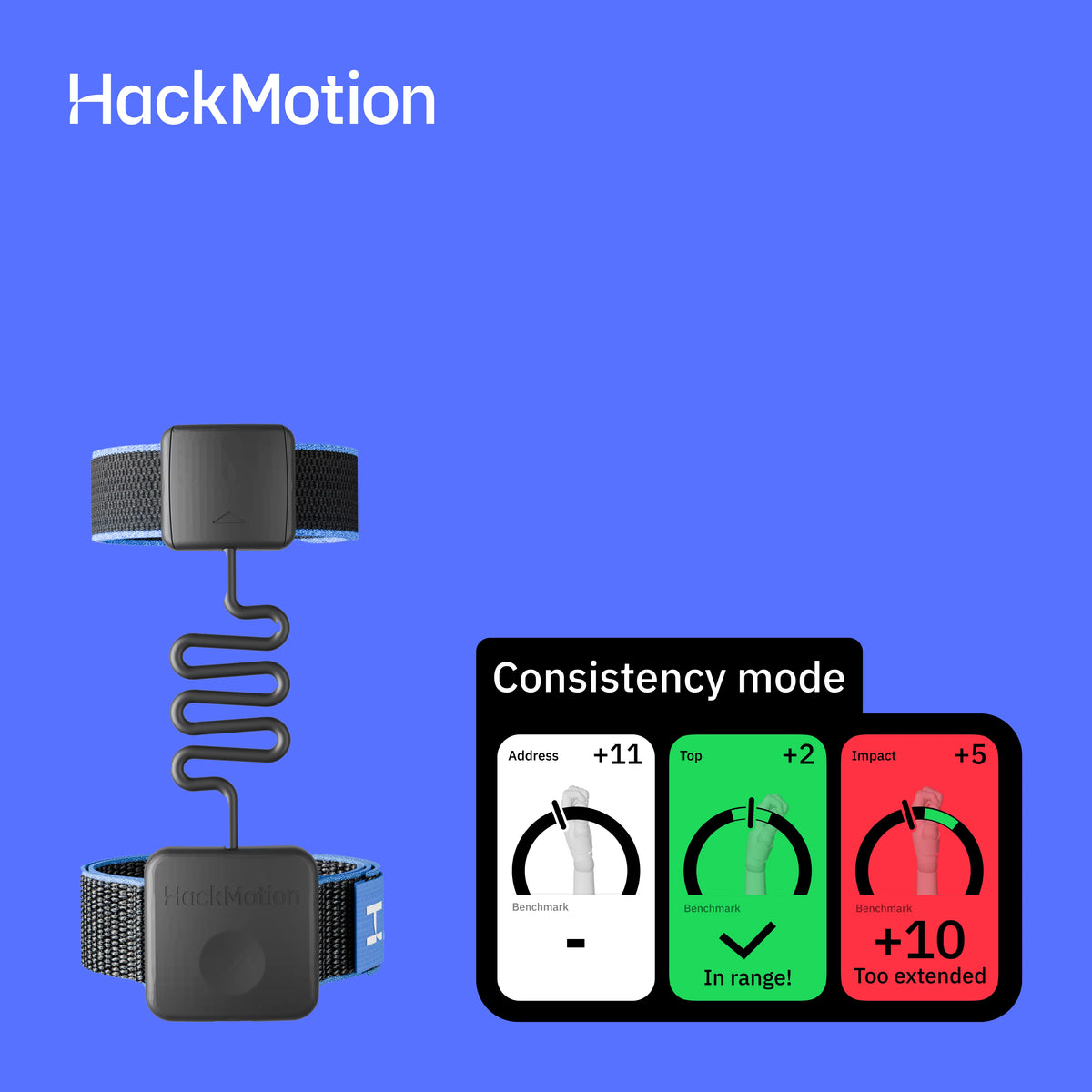
The verdict
Excellent
What's great
- Makes the invisible visible: real, measured wrist data instead of feel and guesswork
- Real-time audio feedback trains clubface control without staring at a screen
- A genuinely good app with guided drills, and an upgrade path to putting and pro metrics
Watch out
- Serious, data-heavy tool — beginners can find it overwhelming without coaching context
- It shows you the fault; the work of fixing it is still yours to do
Bottom line — The most insightful ball-striking aid at the price — if you're the kind of golfer who wants the data.
HackMotion
HackMotion Core Wrist Sensor
ifrothgolf earns a commission on purchases made through these links, at no extra cost to you. It never changes what I recommend. Full disclosure.
If you slice, flip, or just strike it inconsistently and can't work out why, the HackMotion Core is the training aid most likely to tell you. Clubface control — what your lead wrist does through impact — is the hidden cause of most bad golf, and it has always been invisible. HackMotion straps a sensor to your wrist, measures its angle around 800 times a second, and gives you real-time audio feedback as you learn to square the face. It's a serious, data-led tool rather than a quick fix, but for the improver obsessed with ball-striking, nothing else at the price is this revealing.
What it actually measures
The sensor sits on your lead wrist and tracks the movements that decide where the clubface points: flexion and extension (whether your wrist is bowed or cupped), radial and ulnar deviation (the hinge), and rotation. That flexion-extension number is the big one — it's the difference between a face that's open at impact (hello, slice) and one that's square. The app shows you exactly what your wrist is doing through the swing in real time, and crucially it can beep when you're in the right range, so you can train by feel and sound without stopping to stare at a screen after every ball.
Why it works
Most golf instruction fails because it's built on feel, and feel lies — the thing you think you're doing and the thing you're actually doing are often miles apart. HackMotion replaces the guesswork with a measured number, so instead of a coach saying 'bow your wrist a bit more' and hoping, you get objective feedback on every swing. The app coaches you through structured drills for the full swing on the Core tier, and it turns a vague, frustrating fault into something you can see, target and repeat. That is a genuinely different way to practise, and it's why it's become one of the most talked-about aids in golf.
The honest caveats
Two things to be clear about. First, this is a proper data tool, not a gimmick you clip on for five minutes — a rank beginner with no sense of their swing can find the numbers overwhelming, and it works best either with some coaching context or a willingness to dig into the app and learn. Second, it diagnoses; it doesn't fix. The sensor will show you, precisely, that your face is wide open at the top — but closing that gap is still hours of honest practice. It's a mirror, not a magic wand. There's also an upgrade path: the Core covers the full swing, while pricier tiers add putting analysis and advanced metrics.
What a session actually looks like
In practice it's less fiddly than the spec sheet suggests. You strap the sensor to your lead wrist, pair it to the app, and take a couple of reference swings so it knows your baseline. From there you pick a drill or a target range for your wrist angle and start hitting balls, with the audio feedback telling you — beep or no beep — whether you found the range without you ever glancing at the phone. Battery is good for around eight hours of practice, so it comfortably covers several range sessions on a charge, and it's small enough to live in the bag and use at the range, in a net at home or in a sim bay. Afterwards, the app replays the session so you can see the trend rather than just the last swing. It rewards a focused half-hour far more than idle ball-beating.
Who should buy it — and who should skip
Buy it if you're an improver or a gearhead who loves data, you practise on your own, and you've fought a slice or a flip you can't seem to shift — for that player it's genuinely insightful, and it pairs well with the kind of feedback tools in our best training aids guide and our take on how the right practice kit lowers scores. Skip it if you're a beginner still building a basic swing, or you just want a simple, no-screens aid — a strike-focused tool like a divot board will teach you more, faster, at that stage. For the data-driven improver, though, this is the most revealing thing you can strap on.
Where to buy
8.5/10HackMotion
HackMotion Core Wrist Sensor
A wrist sensor that finally makes invisible clubface control visible.
ifrothgolf earns a commission on purchases made through these links, at no extra cost to you. It never changes what I recommend. Full disclosure.
Frequently asked
- Does HackMotion actually improve your swing?
- It doesn't swing the club for you, but by making your wrist angles visible and giving real-time feedback, it lets you train clubface control with objective data instead of guesswork. Improvers who put in the practice it prompts tend to see real gains, especially against a slice.
- Is HackMotion Core good for beginners?
- It's better suited to golfers who already have a basic swing and want to refine it. A complete beginner can find the data overwhelming and is often better served by a simpler strike or alignment aid first, then graduating to HackMotion once they understand their swing.
- What's the difference between HackMotion Core, Plus and Pro?
- Core covers full-swing wrist analysis and drills. Plus adds putting analysis, and Pro adds the most advanced metrics for coaches and serious players. Most amateurs who want full-swing help are well served by the Core tier.
- Which wrist do you wear HackMotion on?
- Your lead wrist — the left wrist for a right-handed golfer. That's the wrist whose flexion and extension most directly controls the clubface through impact, which is exactly what the sensor is measuring.
Read next
Review
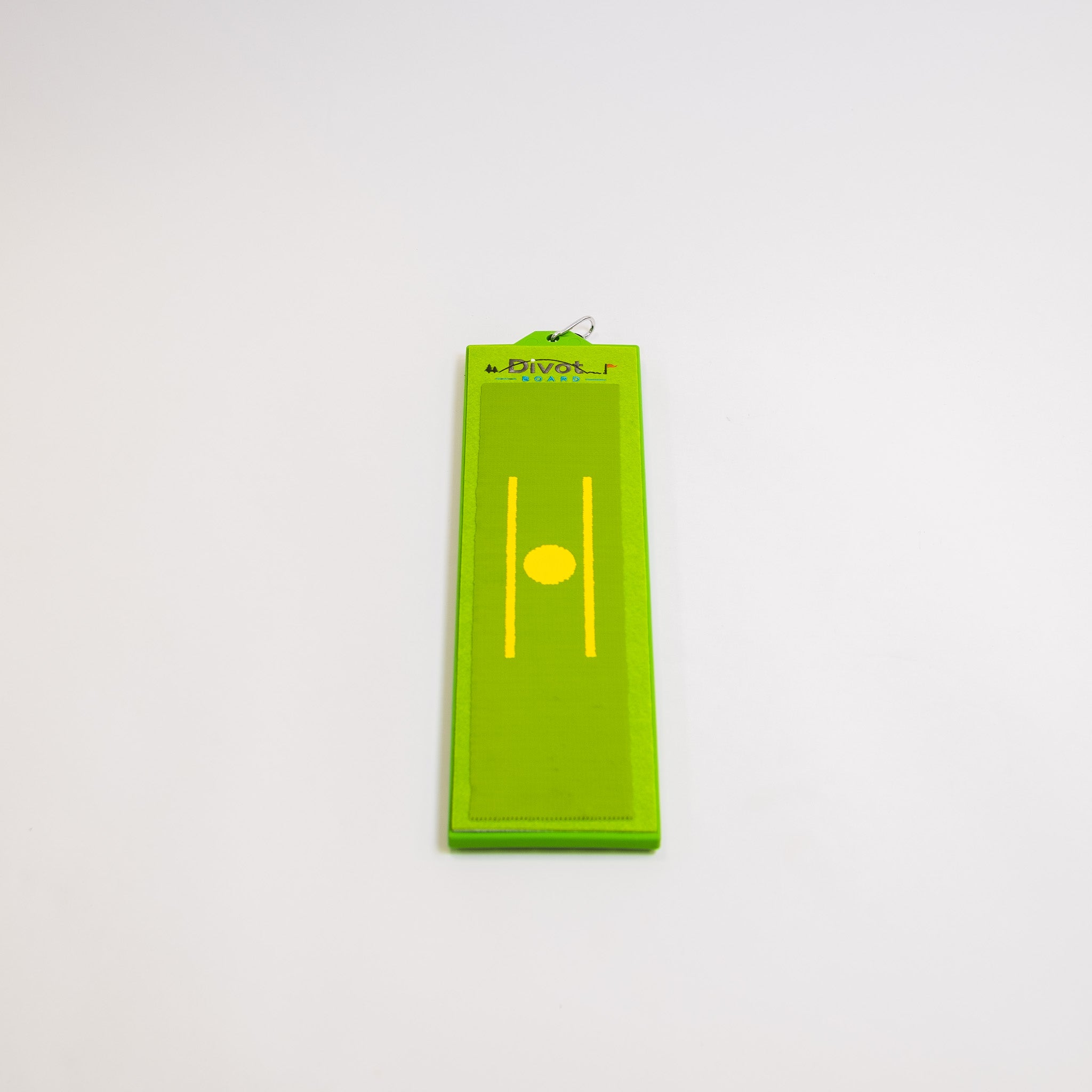
8.2/10Read your divots: the cheap board that fixes ball-striking
It's all over golf TikTok for a reason — instant, brutally honest feedback on where your club actually bottoms out.
Review
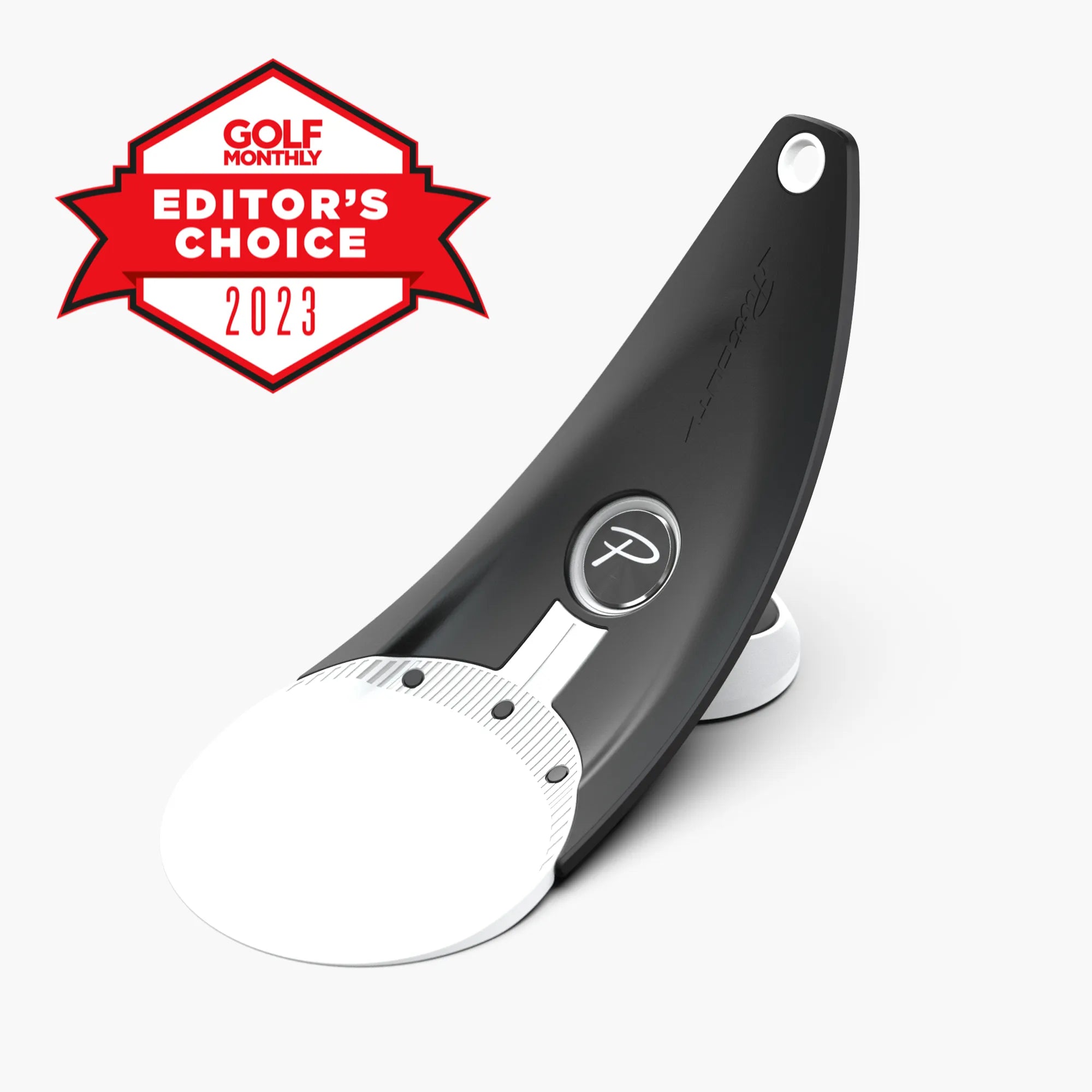
8.8/10PuttOut Pressure Putt Trainer review: the cheap aid that actually gets used
Most training aids end up in the garage. This little ramp is the rare one that earns a permanent spot — here's why it works.
Opinion
Stop buying alignment sticks you'll never use — the only 3 training aids worth it
Your garage is a graveyard of gadgets. Here are the three that actually earn their place, and why everything else is clutter.