
Stop buying alignment sticks you'll never use — the only 3 training aids worth it
Your garage is a graveyard of gadgets. Here are the three that actually earn their place, and why everything else is clutter.
By Dan Mercer · Editor
 Opinion
Most training aids get used twice and then live in the garage judging you. Only three earn their place, because they share one trait the failures don't: instant, honest feedback on a fundamental, with no faff. Buy a putting trainer, a tempo trainer and a strike trainer — and ignore the rest of the clutter. Here's the case for each, and the test every one of them passes that the gimmicks don't.
The one rule that sorts the keepers from the clutter
Before the picks, the principle that explains all three. A training aid only changes your golf if it gives you immediate, truthful feedback on something you can't otherwise see or feel, and then gets out of the way. The failures break that rule in one of two directions: either they tell you nothing you didn't know (alignment sticks lying on the ground), or they bury the feedback under an app, a charge cycle and a fifteen-minute setup so you never actually use them. The keepers are the ones you'll still be reaching for in a year — and 'will I use it' beats 'is it clever' every single time. Leave them where you'll trip over them, because the real secret to any aid is that an aid in a cupboard does nothing.
1. A putting feedback aid
The PuttOut (our full review) rewards good pace and a true roll and rejects a bad one, instantly, in the area you lose the most shots. Putting is roughly 40% of the strokes in an average round, and three-putts — almost always a pace error, not a line one — are where amateurs hand back the most. The PuttOut's parabolic ramp returns a well-struck putt the exact distance it would have rolled past the hole, so you get a number on your pace, not a vague sense of 'about right'. It's around $40, needs no batteries, folds into a pocket, and is faintly addictive — the rare aid that survives because the feedback loop is immediate and honest. If you buy only one of these three, buy this; it targets the cheapest strokes in golf.
2. A tempo-and-sequencing trainer
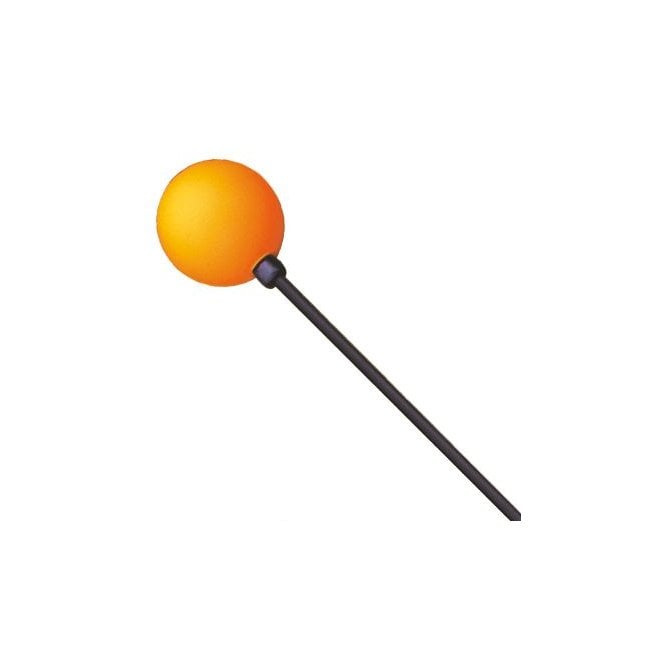
The Orange Whip is the rare aid that doubles as a warm-up. The weighted, flexible shaft physically teaches you to sequence the swing from the ground up and stop hitting from the top — you literally can't muscle it, so you feel the right order rather than being told it. It's been voted the number-one training aid by PGA and LPGA pros, and the reason is the same as the rest of this list: the feel it gives you is the lesson, and it arrives in real time. Swing it for five minutes before a round and you'll start smoother; swing it in the garden through the winter and the rhythm carries into your real club. The honest caveat is that it trains feel rather than fixing a specific mechanical fault, so pair it with lessons if you have a genuine swing flaw — and pick the right size, as the full length suits most adult men. A faster alternative if your goal is measured clubhead speed rather than rhythm is a proper speed system, but for tempo the Whip is the one.
3. A strike trainer
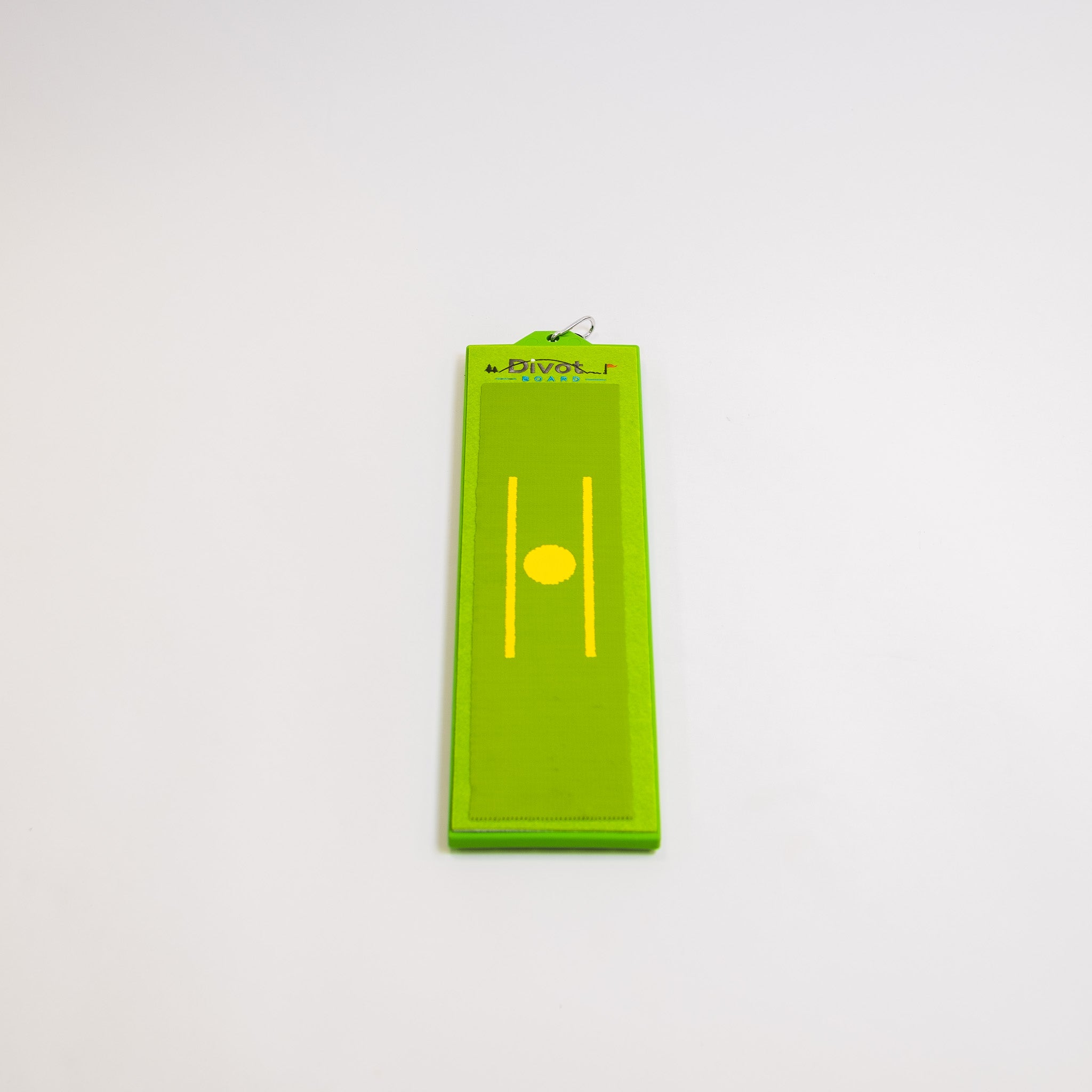
The Divot Board makes the single most important ball-striking variable — your low point — visible on every swing, as we covered in read your divots. Low-point control is the biggest separator between good and poor iron players, and it's the one fault the eye can't catch in real time: the divot is gone by the time you walk to the ball. Drop a ball on the board, swing, and it draws exactly where and how the club bottomed out — too far behind, too steep, out of the toe. You stop guessing why you're thin or fat and start seeing it, which is how strike actually improves. It's single-purpose and cheap, and it earns its place precisely because it does the one thing a launch monitor's numbers can't: shows you the physical strike.
The thread that connects all three
Notice what these three have in common and you'll never waste money on an aid again. Each isolates one thing that decides scores — pace on the greens, sequence in the swing, low point at impact — and each hands you honest feedback the instant you act, with no screen to read or app to fight. That's not a coincidence; it's the entire reason they survive. The aids that fail do the opposite: they target something vague, or they smother the feedback in setup. So when you're tempted by the next clever gadget, ask the two questions that sort keepers from clutter — does it give me immediate, truthful feedback on a fundamental, and will I genuinely reach for it next week? If the honest answer to either is no, save your money for green fees or a lesson, which buy more golf than another aid in the cupboard ever will.
What to skip
The cheap alignment sticks everyone buys and the wrist-gizmos that need an app and a degree to set up. Sticks aren't useless — a cheap pair is genuinely handy for a quick alignment check on the range — but they're not a session you'll build around, so don't overspend or treat them as a cure-all. The app-dependent sensors can be excellent in a coaching setting, but most golfers buy them, charge them once, fight the Bluetooth, and shelve them; the friction kills the habit. Anything sold on a single dramatic 'fix' should make you suspicious too — golf doesn't have those. Buy the three that fix putting, tempo and strike, leave them out where you'll use them, and ignore the rest. The full list, with the picks across every category, is in our training aids guide.
Products mentioned in this article
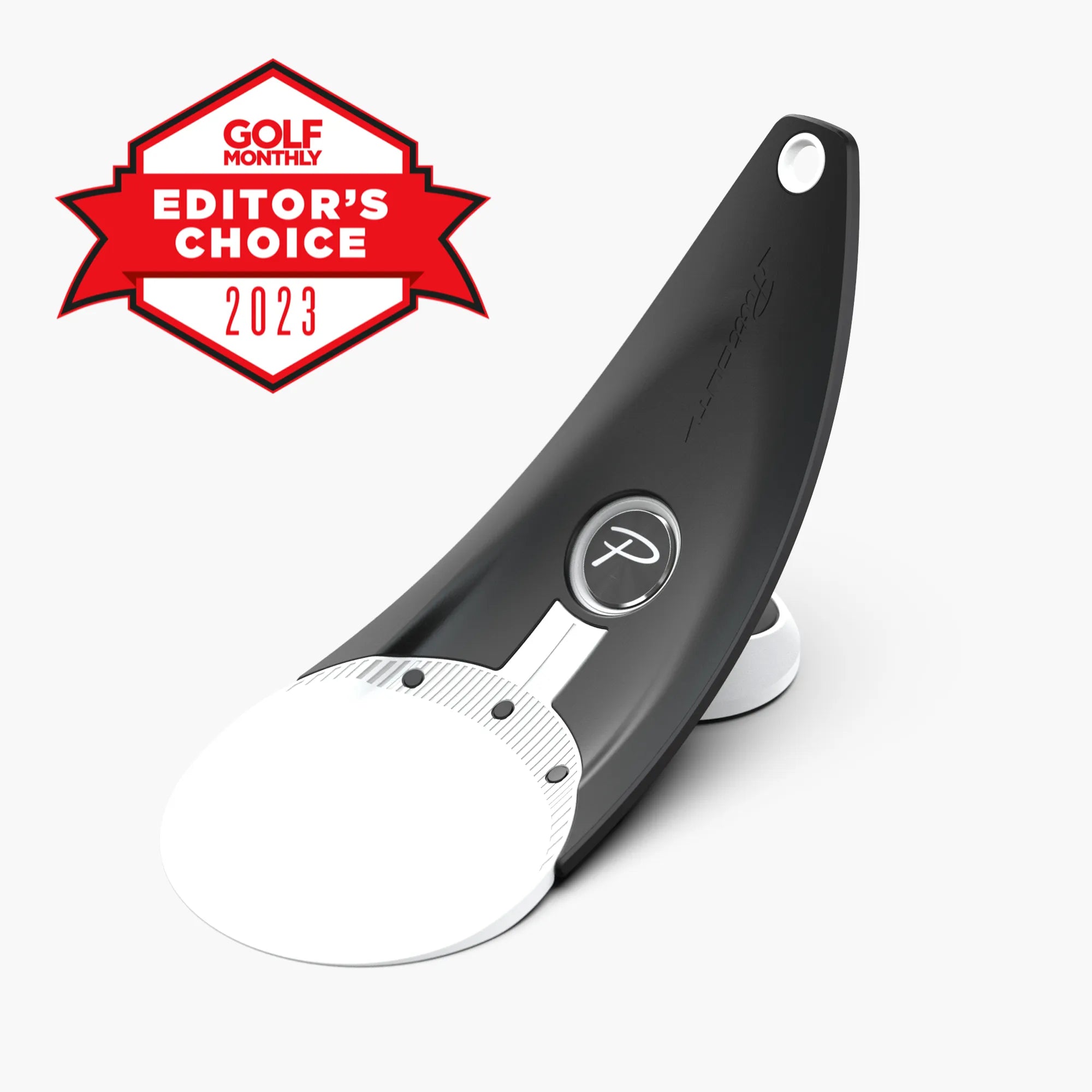
PuttOut
PuttOut Premium Pressure Putt Trainer
Pace and start-line, instantly — the one that fixes putting.
ifrothgolf earns a commission on purchases made through these links, at no extra cost to you. It never changes what I recommend. Full disclosure.
Frequently asked
- What training aids are actually worth buying?
- The three that give instant feedback on a fundamental: a putting trainer (PuttOut), a tempo/sequencing trainer (Orange Whip) and a strike trainer (Divot Board). Most other aids get used twice and abandoned.
- Are alignment sticks a good training aid?
- A cheap pair is handy for checking alignment, but they're not a session you'll build around. Don't overspend on them or treat them as a cure-all.
- What's the single best training aid for most golfers?
- A putting feedback aid like the PuttOut — putting is roughly 40% of your strokes and three-putts are where amateurs leak the most, it's cheap, and the instant pace feedback means you'll actually keep using it. If you buy only one, buy that.
- Why do most training aids end up unused?
- Friction and vagueness. Aids that need an app, a charge and a long setup get shelved after the novelty fades, and aids that give no clear feedback teach you nothing. The three that survive — a putting trainer, a tempo trainer and a strike trainer — give instant, honest feedback on a fundamental with almost no setup, so the habit sticks.
- Are wrist sensors and electronic gadgets worth it?
- They can be excellent with a coach guiding the data, but most golfers buy them, charge them once, battle the connection and abandon them. Unless you'll genuinely commit to the workflow, your money goes further on the simple, immediate-feedback aids you'll actually pick up.
Read next
Review
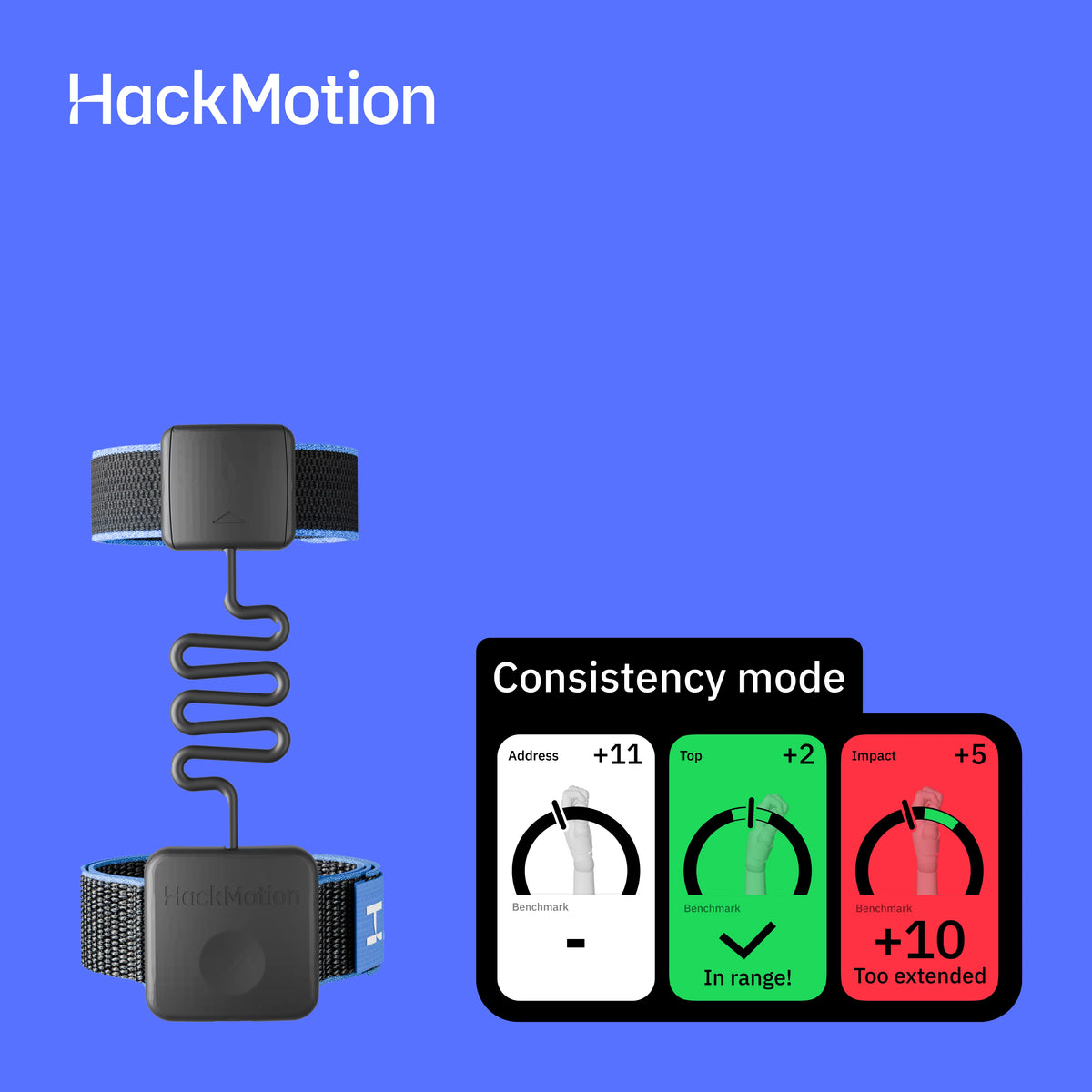
8.5/10HackMotion Core review: the wrist sensor that shows you why you slice
Clubface control is the hidden cause of most slices, and until now it was invisible. HackMotion straps a sensor to your lead wrist, measures what your hands are doing 800 times a second, and beeps when you square the face. For the improver obsessed with ball-striking, it's genuinely revealing tech.
Review
8.2/10Read your divots: the cheap board that fixes ball-striking
It's all over golf TikTok for a reason — instant, brutally honest feedback on where your club actually bottoms out.
Review
8.8/10PuttOut Pressure Putt Trainer review: the cheap aid that actually gets used
Most training aids end up in the garage. This little ramp is the rare one that earns a permanent spot — here's why it works.