
PuttOut Pressure Putt Trainer review: the cheap aid that actually gets used
Most training aids end up in the garage. This little ramp is the rare one that earns a permanent spot — here's why it works.
By Ross Hamilton · Staff Writer
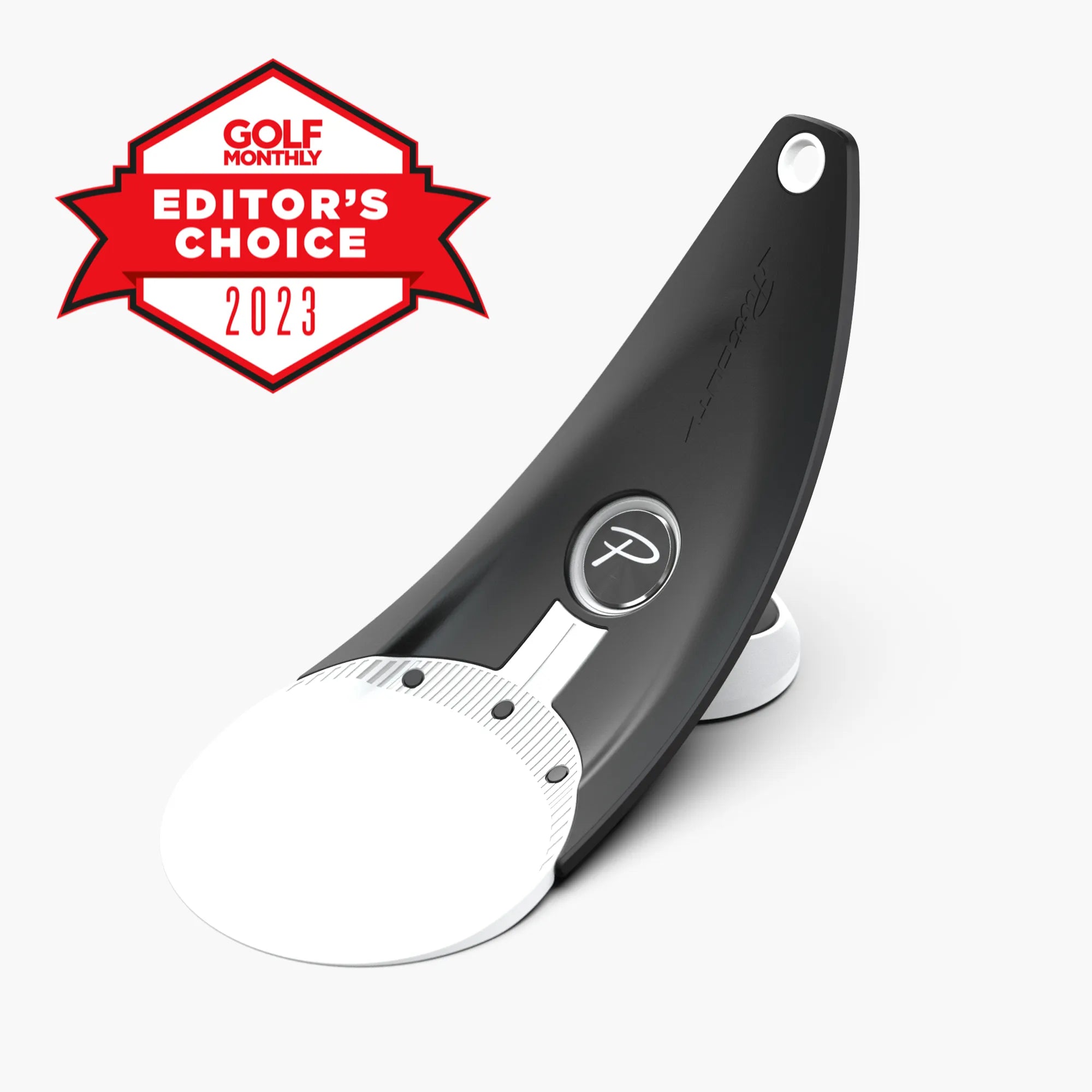
The verdict
Excellent
What's great
- Instant, intuitive feedback on pace and start line
- Cheap, portable, no batteries — so it actually gets used
- Genuinely fun, which means more reps
Watch out
- Trains pace and aim, not stroke mechanics
- Hard floors roll faster than real greens
Bottom line — The best-value training aid going for the area amateurs leak the most shots. Buy it, leave it out, and you'll actually use it.
PuttOut
PuttOut Premium Pressure Putt Trainer
ifrothgolf earns a commission on purchases made through these links, at no extra cost to you. It never changes what I recommend. Full disclosure.
The PuttOut Pressure Putt Trainer is the rare training aid that earns its keep — instant pace-and-aim feedback, around $40, no batteries, and genuinely fun, so it actually gets used. It won't fix your stroke mechanics, but it'll sharpen the area amateurs leak the most shots. If you buy one cheap thing for your putting, buy this.
Why it works when most aids don't
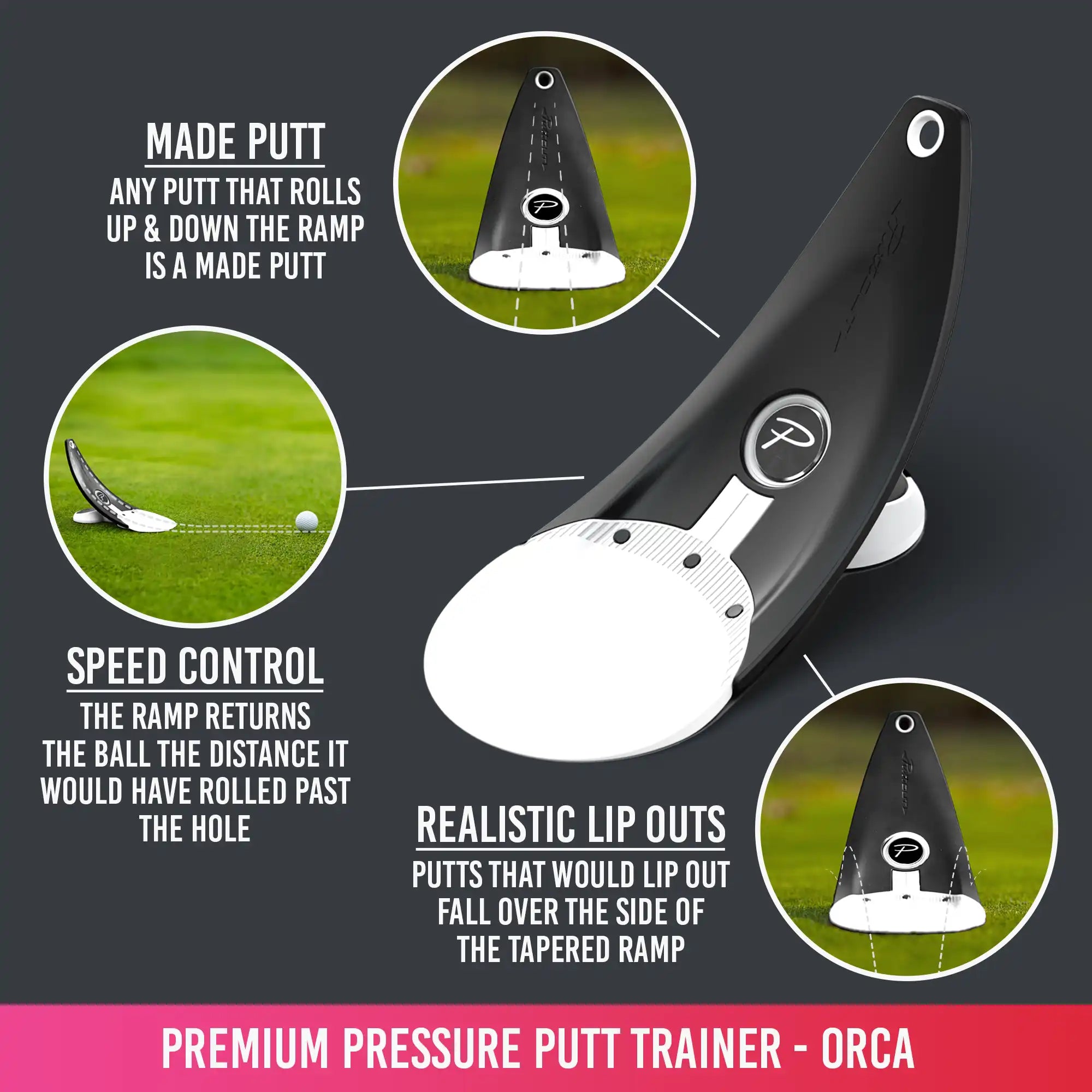
The graveyard of golf training aids is vast, and most deserve it. The PuttOut survives because it does one thing brilliantly and asks almost nothing of you: a parabolic ramp that returns a perfectly-paced putt to your feet and spits back one hit too hard. A putt struck at the ideal pace — the kind that would die roughly a foot past the hole — climbs the ramp and rolls back to you; too firm and it flies off the top, too weak and it never reaches the curve. There's no menu, no app, no calibration. You drop a ball, putt, and the ramp tells you the truth before you've even looked up. That immediacy is the whole point: the feedback arrives in the same second as the stroke, which is exactly the loop that builds a skill rather than a memory of one.
Crucially, it cleverly returns a well-struck putt the same distance it would have rolled past the hole — so a putt that climbs high up the ramp tells you it was struck too hard and would have run well by, while a gentle return confirms ideal, dying pace. You're not guessing whether that one was 'about right'; the ramp quantifies it for you. That single design decision is why it teaches pace, the variable amateurs control worst, almost passively.
What it is — and isn't
Be clear on the job: it's a pace-and-aim trainer, not a stroke-mechanics fixer. It won't tell you that your shoulders are open at address or that your path cuts across the line — for that you want a mirror trainer and gate drills. And a hard kitchen floor rolls faster than a green, so don't read the speed too literally; treat it as relative feedback, not a stimpmeter. PuttOut's owner consensus is unanimous on this point — thousands of reviews rate it for line and pace feedback, with the recurring caveat that it works best on a true surface or a matching putting mat rather than bare carpet or tile. Within those limits it's superb, and it targets the part of the game that costs amateurs more strokes than any swing fault: putting accounts for roughly 40% of strokes in an average round, and three-putts are overwhelmingly a pace failure, not a line one.
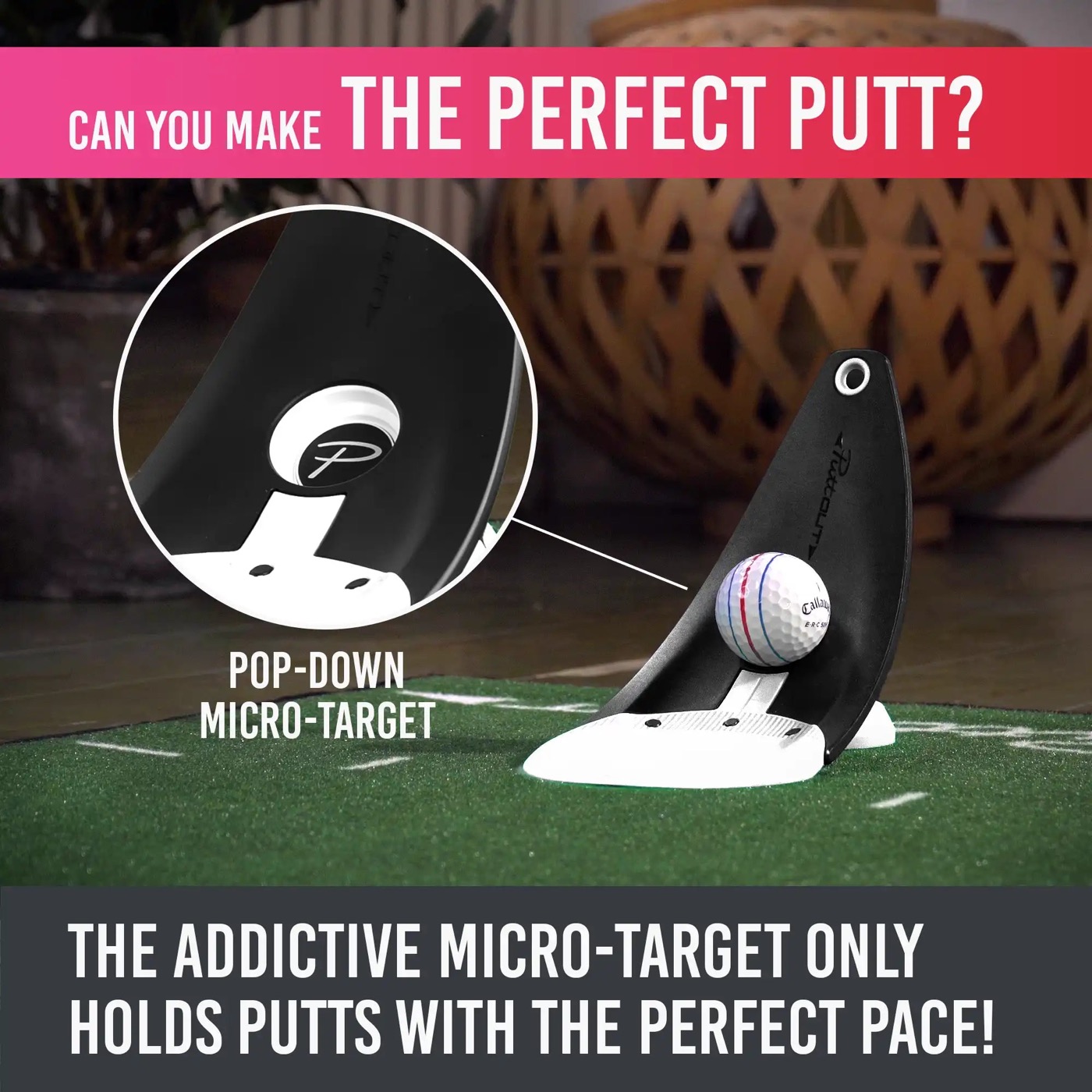
The Premium version we rate adds three aim points — central, left and right — so you can rehearse breaking putts and vary your reps rather than grooving one straight ten-footer into boredom. There's a micro-target too for precision work once your pace is dialled. None of that complicates the core promise: it still folds flat into a pocket and sets up in seconds — owners routinely mention keeping one by the desk or in a hotel room precisely because it deploys in the time it takes to find a ball.
How to actually use it
The mistake is to roll putts at it idly while half-watching the telly, which turns a feedback tool into a fidget. Give the session a shape instead. Start short — three- to four-footers straight at the target — and bank a run of clean returns before you back up; a putt that climbs too high tells you to soften it, one that never reaches the ramp tells you to commit, and a clean roll back to your feet confirms the dying pace that would just trickle past the hole. Then stretch the distance and chase consistency of return height rather than raw makes, because a row of similar returns means a repeating pace. Once that's solid, use the left and right aim points to rehearse starting the ball on a chosen line for breaking putts. Five honest minutes structured like that beats half an hour of aimless rolling, which is the same practise-with-intent principle that makes range work transfer — small, committed, consequential reps over mindless volume.
Who should buy it
Almost anyone whose putting runs hot and cold, which is almost everyone. It's around $40, packs into a bag and — the real test of any aid — you'll actually leave it out and use it, because it's quick and faintly addictive. If you've got a hallway and ninety seconds, you've got a putting session. Pair it with a putting mat and an alignment mirror and you've a proper home putting lab for less than the cost of a single lesson.
Who should skip it
Skip it only if your putting issue is genuinely mechanical — a steered, decelerating stroke or a face you can't square — because the PuttOut shows you the result, not the cause, and you'll spin your wheels chasing pace with a broken motion. In that case spend on a coach or a mirror first, then add the PuttOut to pressure-test the stroke once it's sound. And if you already have a true putting mat with a returning cup, the overlap is real, though the PuttOut's pace feedback is sharper than any hole. For the price, those are thin reasons not to own one. It's the first name in our training aids guide and the anchor of the only three aids worth buying for a reason.
Where to buy
8.8/10PuttOut
PuttOut Premium Pressure Putt Trainer
The clever curved ramp that only returns perfectly-paced putts.
ifrothgolf earns a commission on purchases made through these links, at no extra cost to you. It never changes what I recommend. Full disclosure.
Frequently asked
- Does the PuttOut trainer actually work?
- For pace and start line, yes — the parabolic ramp gives instant feedback by returning well-paced putts the distance they'd have rolled past the hole and rejecting firm ones, building the feel that lowers three-putts. It won't fix stroke mechanics; for that you need a mirror or a coach.
- Is it worth the money?
- At around its low price, easily — it's cheap, needs no batteries, folds into a pocket and is fun enough that you'll actually use it, which is where most training aids quietly fail. For less than a lesson it targets the area amateurs lose the most shots.
- Can I use it indoors?
- Yes, that's the point — it works on any flat surface and sets up in seconds. Just remember hard floors roll faster than a green, so judge pace relatively rather than as exact green speed, and use a true putting mat if you can for the most realistic feedback.
- What's the difference between the standard and Premium version?
- The Premium model adds three aim points (central, left and right) so you can rehearse breaking putts, plus a micro-target for precision drills, while keeping the same fold-flat, pocket-sized design. It's the one we'd buy for the small premium.
- Will it fix my putting on its own?
- It'll sharpen pace and start line, which is most of what costs amateurs strokes, but it shows you the result rather than the cause. If your stroke itself is broken — steered, decelerating, face wide open — pair it with a mirror trainer or a coach first, then use the PuttOut to pressure-test the fix.
Read next
Review
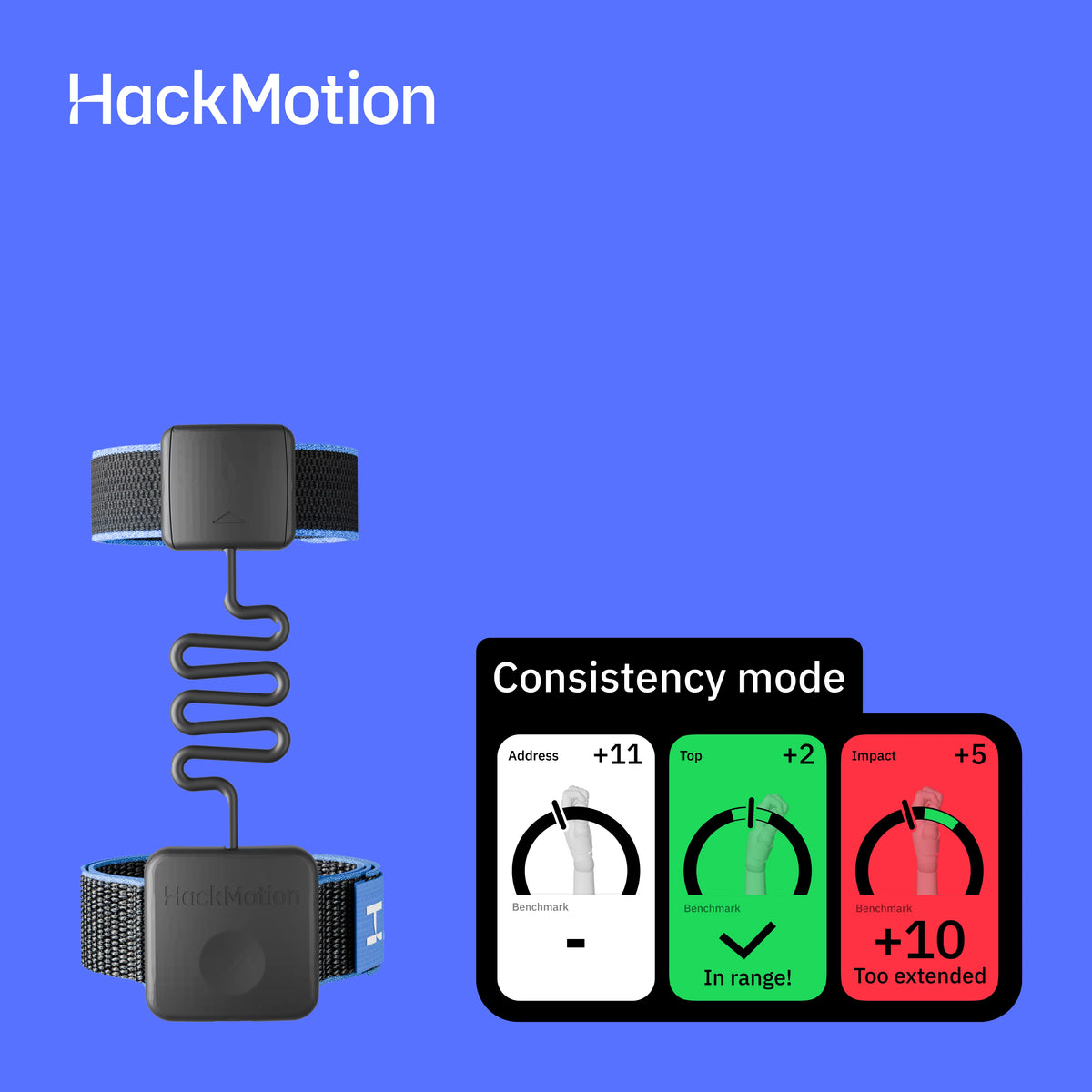
8.5/10HackMotion Core review: the wrist sensor that shows you why you slice
Clubface control is the hidden cause of most slices, and until now it was invisible. HackMotion straps a sensor to your lead wrist, measures what your hands are doing 800 times a second, and beeps when you square the face. For the improver obsessed with ball-striking, it's genuinely revealing tech.
Review
8.2/10Read your divots: the cheap board that fixes ball-striking
It's all over golf TikTok for a reason — instant, brutally honest feedback on where your club actually bottoms out.
Opinion
Stop buying alignment sticks you'll never use — the only 3 training aids worth it
Your garage is a graveyard of gadgets. Here are the three that actually earn their place, and why everything else is clutter.