
The summer practice kit that actually lowers your scores
Long evenings are the cheapest strokes you'll ever buy, but only if your practice tools turn range time into feedback instead of repetition.
By Ross Hamilton · Staff Writer
 Explained
If you want summer practice to actually lower your scores, build it around feedback, not reps, and four tools cover the jobs that matter: a launch monitor for real distances, a putting pressure trainer, a strike-feedback board, and a wrist biofeedback sensor. Each one closes a different gap between what you think you're doing and what you're actually doing. That gap is where your shots are hiding.
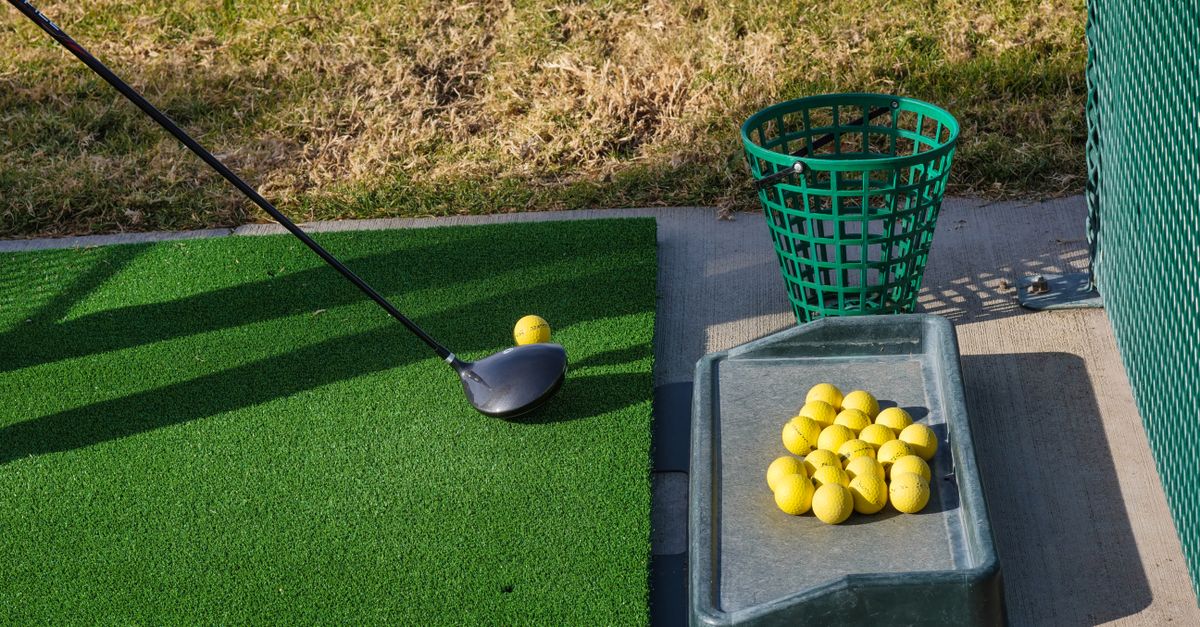
Summer is practice season because the light lasts and the ground is good, but more reps on their own don't lower scores, better feedback does. Aimless range balls just groove your existing mistakes. The point of a training kit is to make every swing tell you something, so you leave the practice ground knowing what changed rather than just sweaty.
The hard part is not the kit, it is the habit. Plenty of golfers own feedback tools and still practise like they are venting a bad week, hammering driver until the bucket is empty and the daylight is gone. Tools cannot save you from aimless reps; they can only reward you when you give them a job. The discipline that separates the golfer who improves over a summer from the one who simply gets a tan is intent: walking onto the practice ground with a specific question to answer, a number to beat, or a pattern to fix, and leaving when you have an answer rather than when your arms ache. That mindset is what turns the four tools below from gadgets into genuine strokes off your handicap.
Real numbers: a launch monitor
The foundation is honest distance data, and the Shot Scope LM1 delivers it without the premium price tag. Its score-lowering job is gapping: it tells you your true carry numbers so you stop guessing club selection. Most amateurs have no idea what they actually carry each club, and that uncertainty leaks shots on every approach. Knowing your real numbers means you commit to the right club instead of the hopeful one.
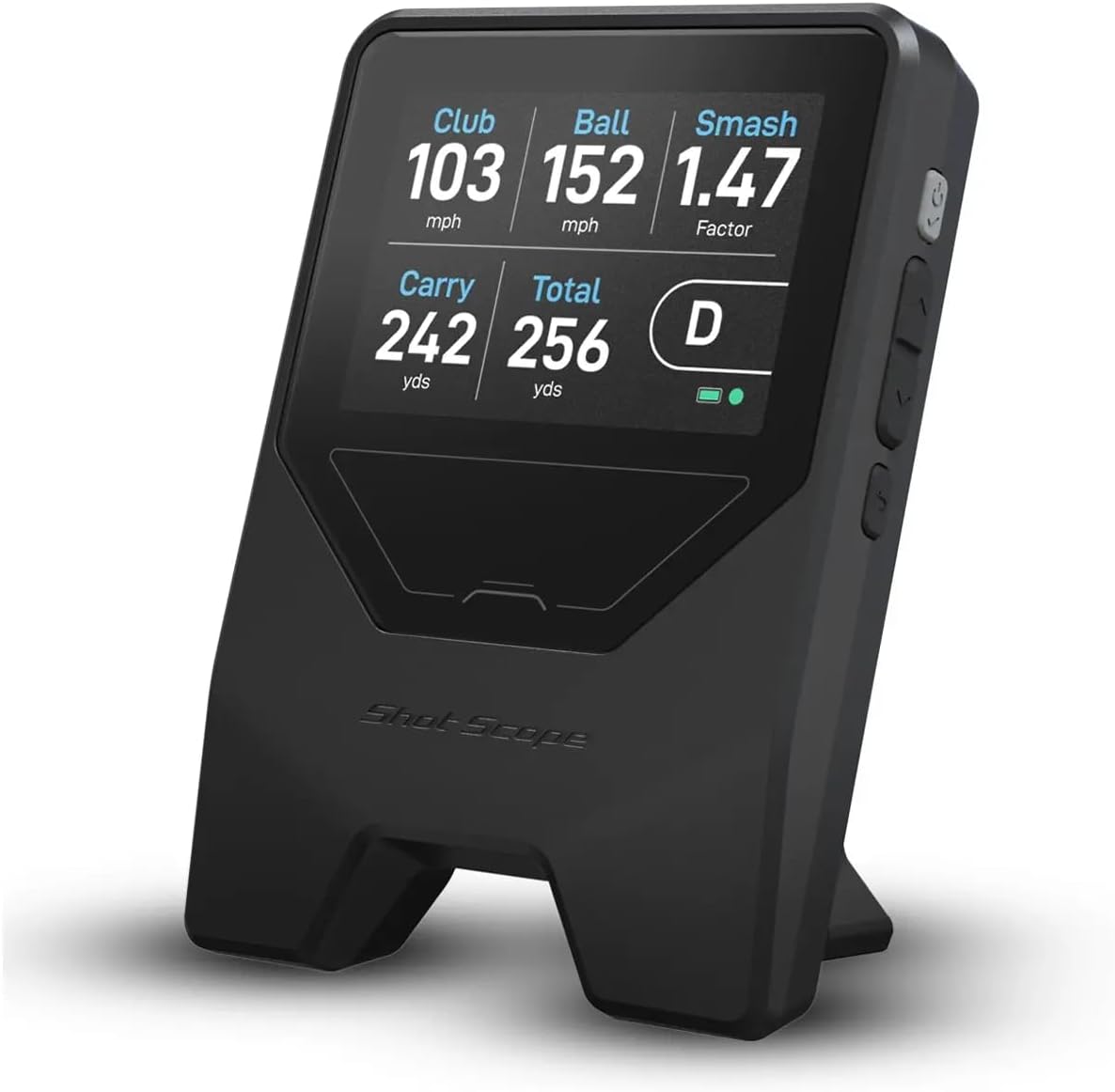
Use it to map your bag once, properly, early in the summer. Hit ten balls with each club, ignore the freaks, and write down the believable carry. Suddenly you know that the gap between two clubs is real, or that two of your wedges go the same distance and one needs to change. That single afternoon of data quietly improves every round that follows.
Pressure putting: PuttOut
Most rounds are decided on the greens, and most green practice is too easy to transfer. The PuttOut Pressure Putt Trainer fixes that. Its parabolic ramp only returns the ball if your putt had the right pace to drop and stop just past the hole, so a sloppy lag that would have lipped out simply rolls away. It manufactures the one thing the practice green can't: consequence.
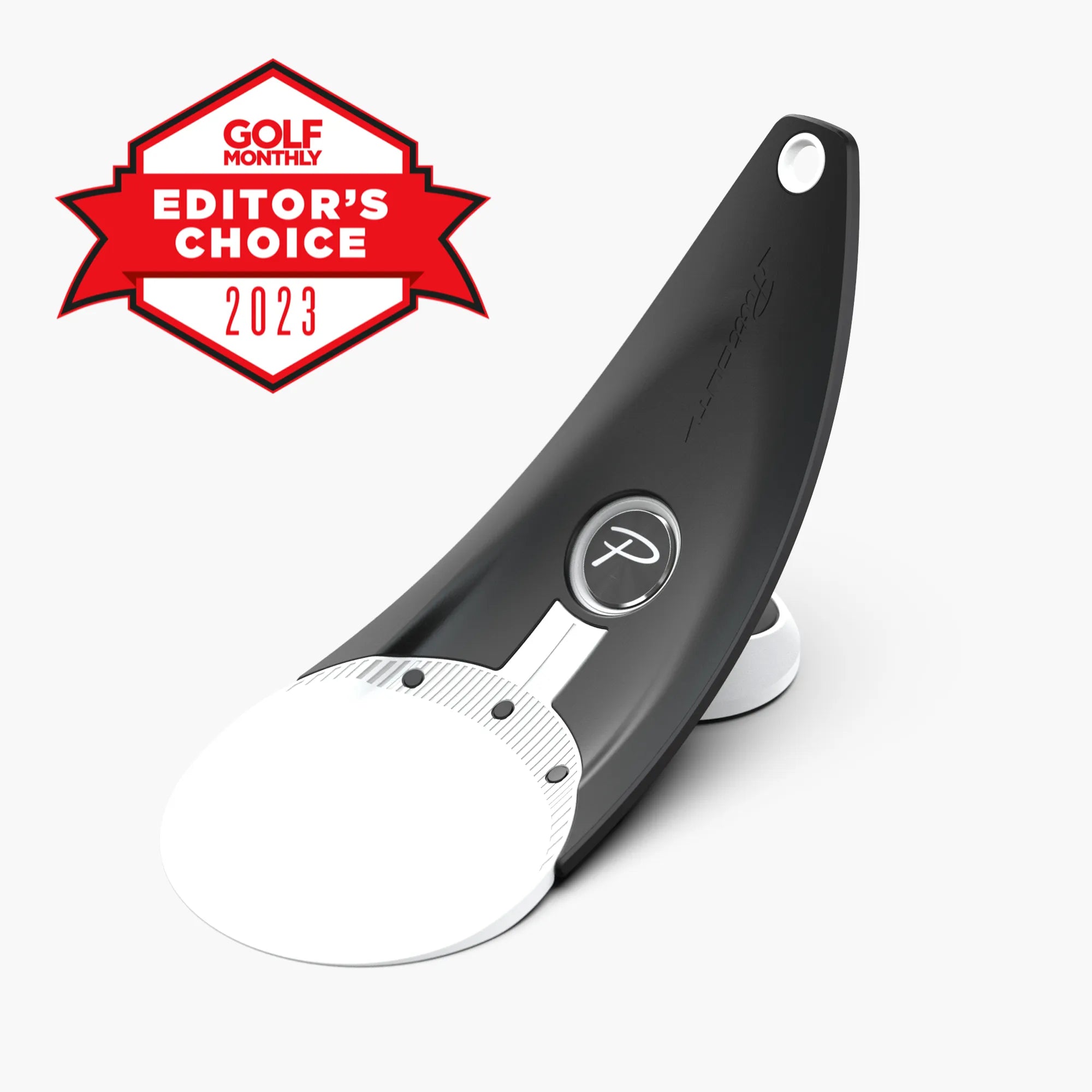
Its score-lowering job is holing out under pressure. Because the trainer punishes pace and start-line errors, you build a stroke that's confident from inside ten feet, which is exactly where weekend scores bleed away. Five focused minutes of make-or-it-rolls-back putting trains more pressure tolerance than an hour of lazily raking balls at a flat hole.
Ball-striking: the Divot Board
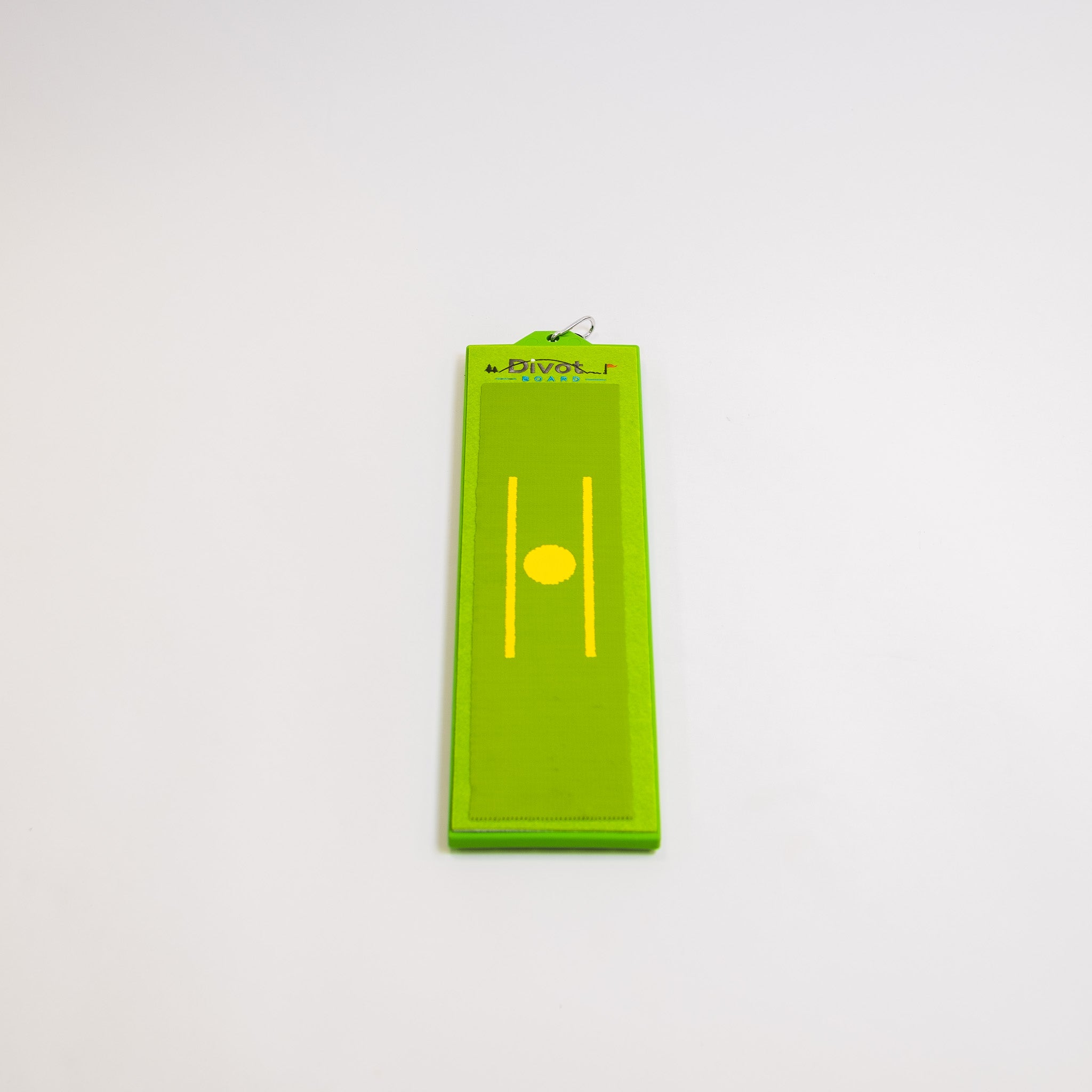
Ball-striking improvement stalls because turf contact is invisible in real time, and the Divot Board Strike Trainer makes it visible. You hit down onto the board and it shows the exact location and direction of your strike, turning a vague feeling of "fat" or "thin" into a clear, repeatable pattern you can actually work on. Owner consensus is that the instant mark is the addictive bit; you chase a better strike line shot after shot.
Its score-lowering job is consistent contact. Crisp, ball-then-turf strikes mean truer distances and fewer chunked or bladed disasters, which are the shots that turn a bogey into a triple. Pair it with the launch monitor and you can see how a better strike pattern translates straight into tighter, more reliable carry numbers.
Clubface control: HackMotion
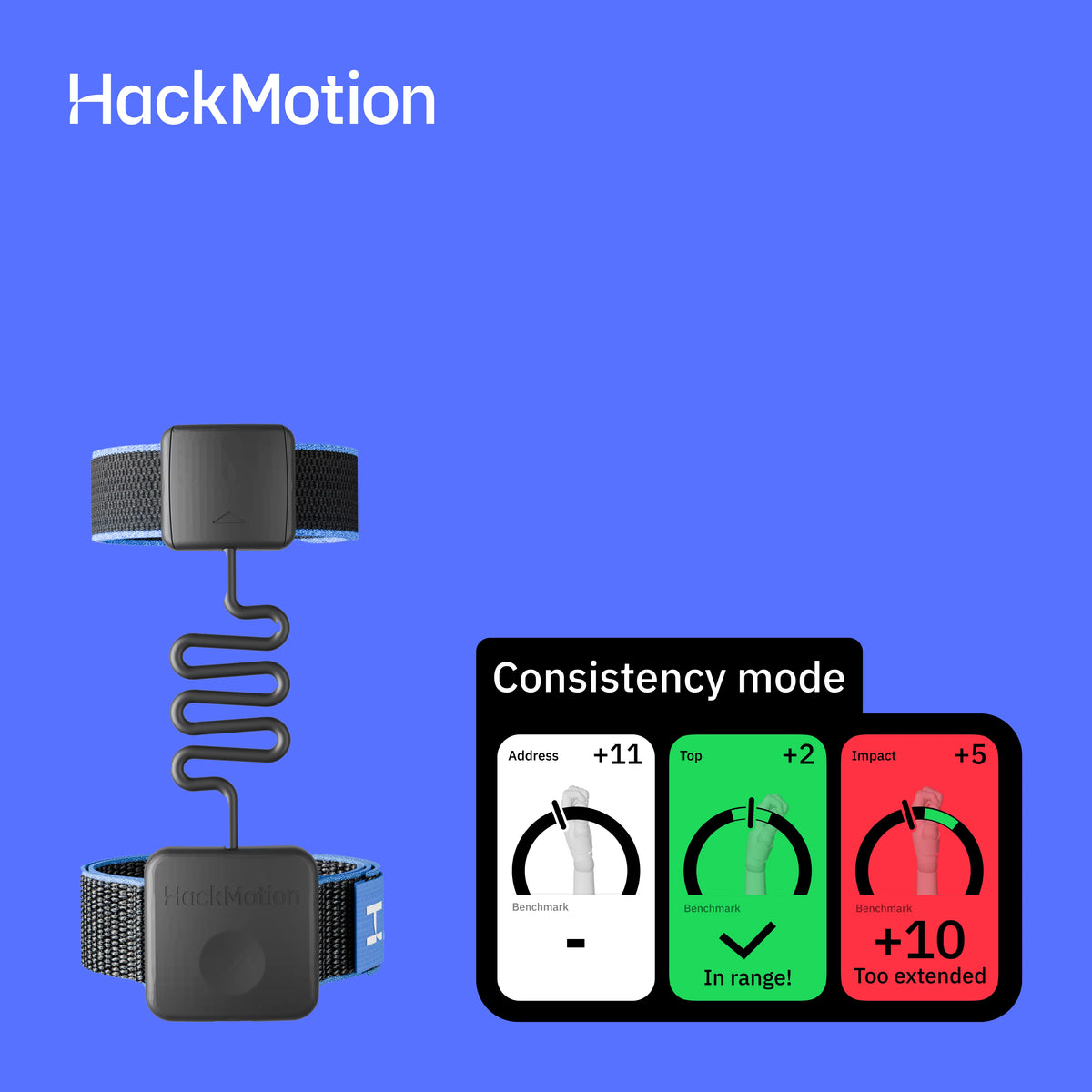
The most advanced piece, and the one that targets the root cause of crooked shots, is the HackMotion Core. It's a wrist sensor that gives live biofeedback on your wrist angles through the swing, which directly governs where the clubface points at impact. Instead of guessing whether you're flipping or holding off, you get an objective readout and an audio cue to groove the positions that square the face.
Its score-lowering job is dispersion: a more consistent clubface means straighter, more predictable shots and fewer big misses off the tee and into greens. It's the most coaching-adjacent tool in the kit, so it rewards a little study, but for slicers and hookers chasing the source of the problem rather than the symptom, it's the sharpest feedback you can strap on.
Build a short-game routine, not a ball-beating habit
The strokes hiding in your scorecard are overwhelmingly inside a hundred yards, yet that is the area most people practise least, because thumping drivers feels more satisfying than grinding eight-foot putts. Flip that ratio on purpose. A genuinely useful summer routine front-loads the short stuff: start every session with the pressure-putt trainer for ten minutes, move to a small basket of pitches and chips with a clear landing spot for each, and only then let yourself hit full shots. Spending the first and freshest part of practice on the scoring clubs is uncomfortable precisely because it is the part you have been avoiding, which is the clearest sign it is the part that will pay.
Give the routine structure so it cannot drift back into mindless repetition. Set a target you have to clear before you move on, such as a run of made putts inside the trainer's pace window, or three crisp strikes in a row on the board, and treat failing it as information rather than frustration. Rotate the focus across the week so no single skill goes stale, and keep the sessions short and sharp rather than long and vague. Forty purposeful minutes that end on a passed test will move your scores; two unfocused hours that end when the bucket runs out will not, however good the kit in your hands.
Practise with intent and actually measure progress
The difference between practice that transfers to the course and practice that evaporates is consequence. On the range, a sliced drive costs nothing and you simply reload; on the first tee it costs a stroke and your composure. Good feedback tools manufacture consequence, the putt that rolls back at you, the strike mark that exposes a fat one, but you have to honour it. Treat each rep as a shot that counts, go through your full routine, commit to a target, and read the feedback honestly instead of teeing up another ball to bury the bad one. That is what builds a swing that holds up when it matters rather than one that only behaves when nothing is at stake.
Measuring progress is the part almost everyone skips, and it is what makes improvement visible enough to sustain. Keep a simple log: your believable carry numbers from the gapping session, your best run on the putt trainer, the percentage of clean strikes on the board. Numbers you can compare across weeks turn a vague sense of getting better into proof, and proof is motivating in a way that a good feeling never quite is. It also keeps you honest, because a metric that has not moved in a month tells you, bluntly, that you have been busy rather than effective, and points you straight at the work that is actually left to do.
How to use the kit together
Don't try to use all four every session. Build a rotation: one session mapping distances with the launch monitor, one grooving strike on the board, one on wrist control with HackMotion, and short pressure-putting bursts every time you practise. The kit works because each tool isolates one job, and summer gives you the daylight to actually rotate through them with intent.
Spread across a season, this is some of the best-value improvement money in golf, because feedback compounds. You're not buying distance or forgiveness; you're buying the information that lets your existing swing produce lower numbers. Use the long evenings well and the autumn version of your game will be measurably better than the spring one.
Products mentioned in this article
Shot Scope
Shot Scope LM1 Launch Monitor
Gives you real carry numbers so range time becomes accurate bag-gapping instead of guesswork.
PuttOut
PuttOut Premium Pressure Putt Trainer
Builds holing-out confidence under pressure by demanding a putt good enough to stop at the hole, not just near it.
Divot Board
Divot Board Strike Trainer
Shows exactly where and how you strike the turf, turning vague ball-striking into a fixable, visible pattern.
HackMotion
HackMotion Core Wrist Sensor
Gives live wrist-angle biofeedback so you can groove a square clubface instead of guessing at your hands.
ifrothgolf earns a commission on purchases made through these links, at no extra cost to you. It never changes what I recommend. Full disclosure.
Frequently asked
- Do I need all four tools to improve over summer?
- No. Each targets a different job, so start with your weakest area, distance control, putting, strike or clubface, and add the others as your practice routine builds. Even one used with intent beats aimless range balls.
- Which tool gives the fastest score improvement?
- For most amateurs the launch monitor and the pressure putt trainer pay back quickest, because accurate gapping and confident short putting fix the most common stroke leaks. Strike and clubface tools reward slightly longer commitment.
- Is the HackMotion sensor too advanced for a club golfer?
- It is the most coaching-adjacent tool in the kit and rewards a little study, but the live feedback makes wrist and clubface control far less of a guessing game. Slicers and hookers chasing the root cause benefit most.
- How should I structure a summer practice week?
- Rotate the tools rather than using them all at once: one session mapping distances, one on strike, one on wrist control, and short pressure-putting bursts every time you practise. Daylight makes the rotation easy to sustain.
Read next
Review
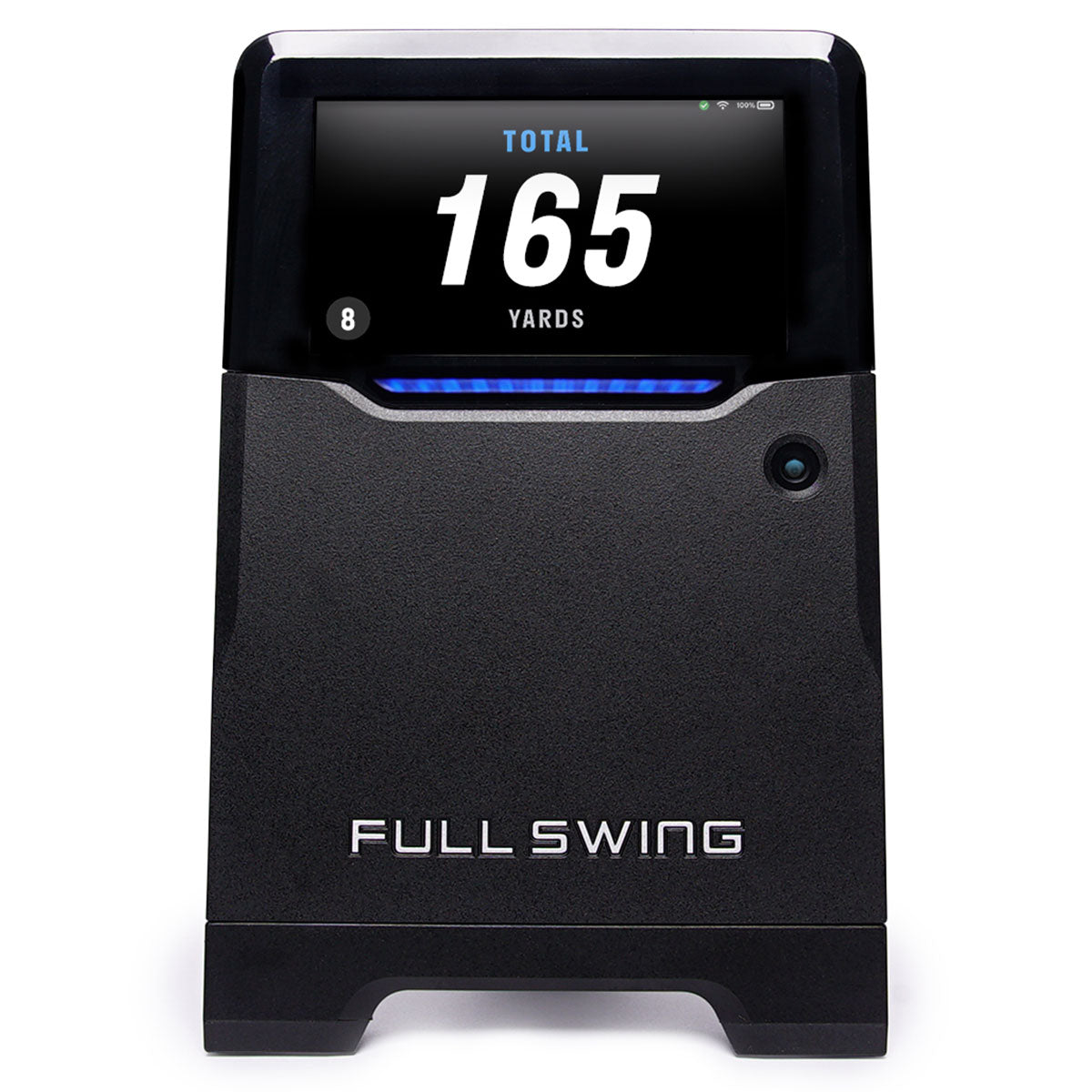
7.9/10Full Swing KIT review: the tape measure decides this, not Tiger
Tour pedigree, TGL on ESPN, and radar good enough to be checked against a Trackman outdoors. It also wants eighteen to twenty feet of room, which rules out most of the garages people buy it for.
Versus
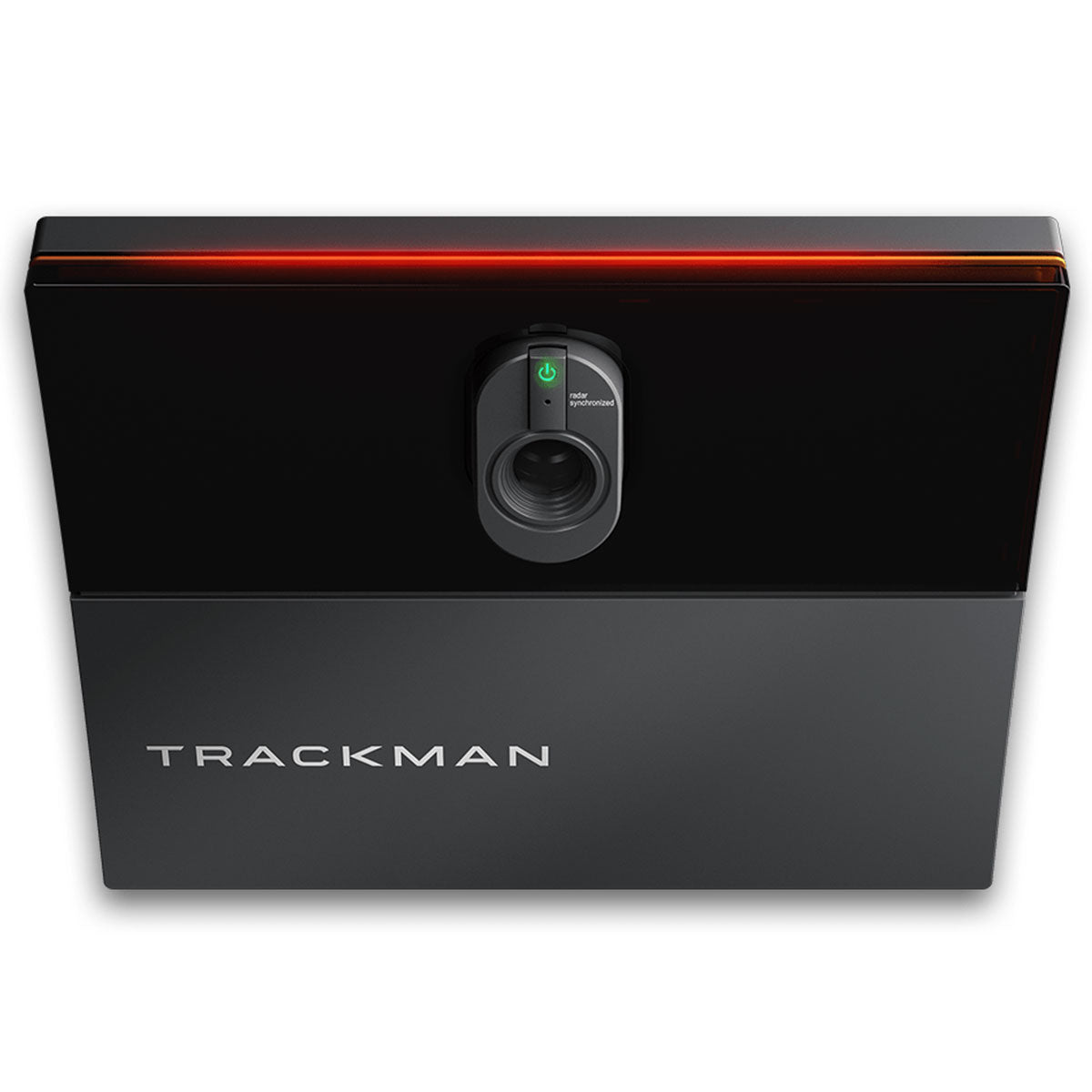
Trackman iO vs Uneekor EYE XO2: the year-one trap
Both mount overhead, both want ten feet of ceiling, and about $3,000 separates them on the shelf. Then Trackman's included first year runs out, and the gap starts growing by $1,100 a year.
Versus
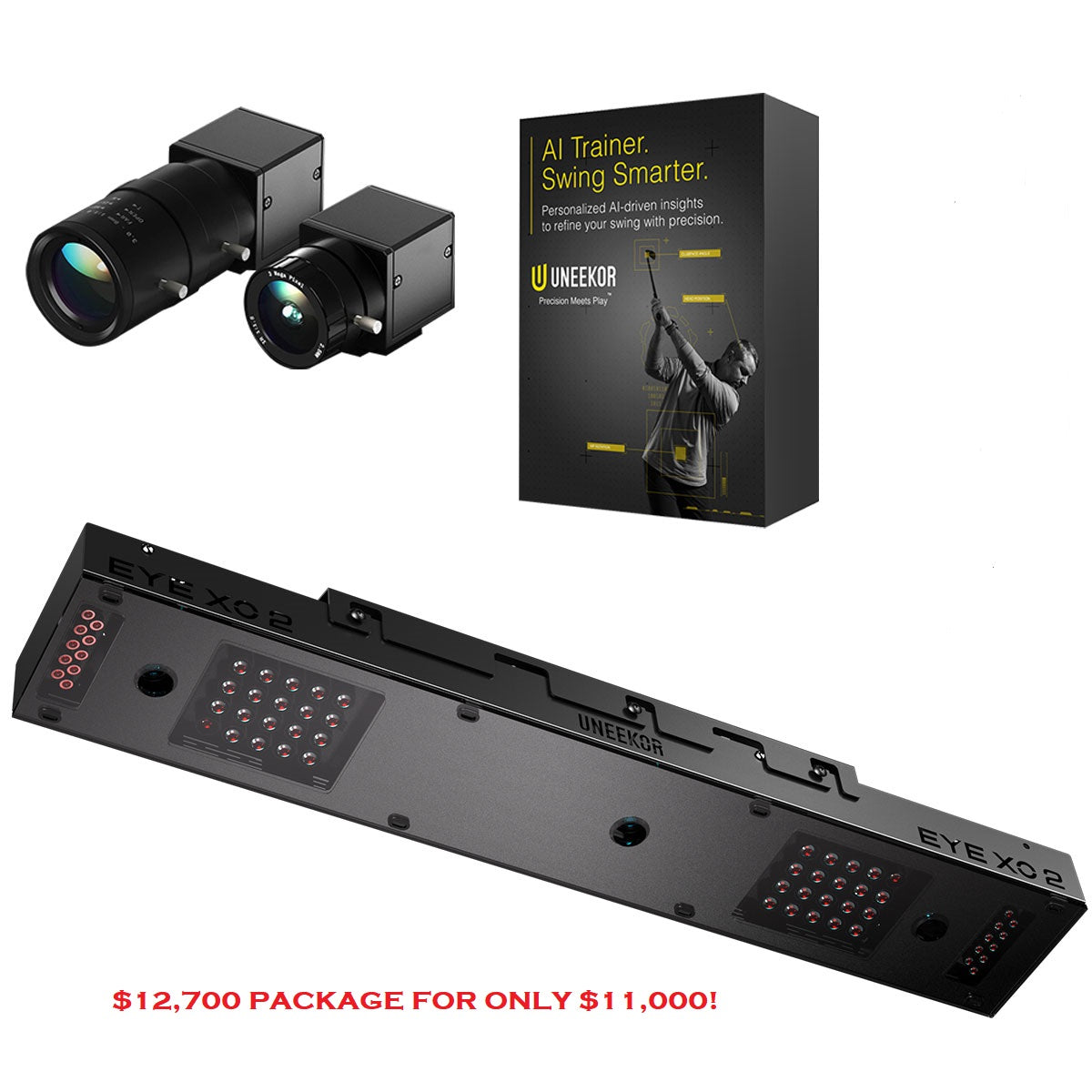
Uneekor EYE XO2 vs Foresight GC3: ceiling or floor?
About $4,000 separates them, but they're not really rivals — one lives in your ceiling forever, the other sits on the floor and travels. The cheaper one is also the one with no subscription.