
Full Swing KIT review: the tape measure decides this, not Tiger
Tour pedigree, TGL on ESPN, and radar good enough to be checked against a Trackman outdoors. It also wants eighteen to twenty feet of room, which rules out most of the garages people buy it for.
By Ben Marsden · Reviews Editor
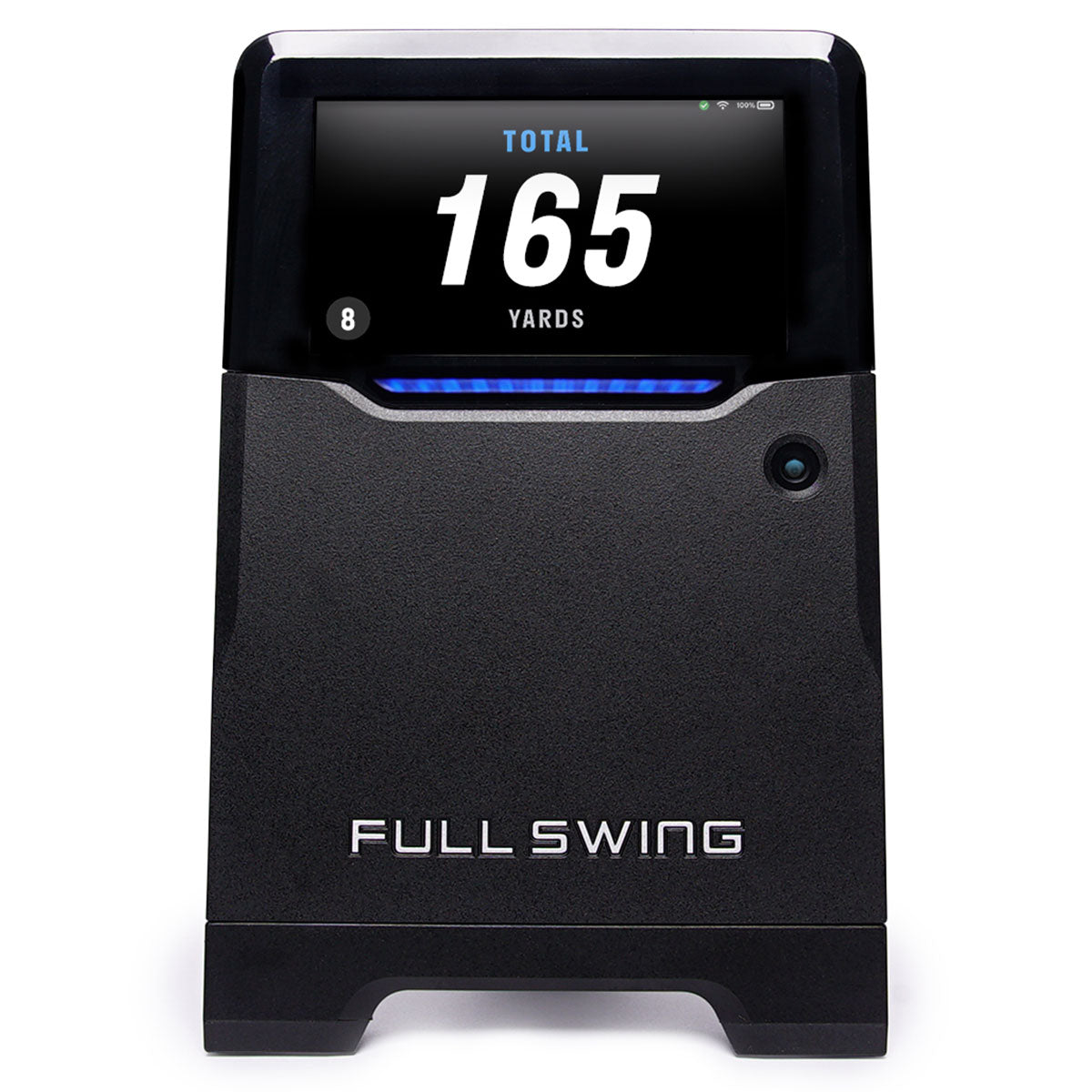
The verdict
Very good
What's great
- Radar with a real competitive record — two TGL seasons on ESPN and outdoor numbers checked against Trackman
- No subscription on the hardware: the 16 data points are yours once you've bought it
- Outdoors, or in a room with genuine depth, it's one of the most enjoyable units at the money
Watch out
- Wants 18–20ft of total depth indoors, 8–10ft of it behind the ball — more than most garages have
- It's radar at camera money: photometric rivals at the same price read happily in a fraction of the space
- The app experience that makes it sing is a separate annual cost
Bottom line — A very good launch monitor with a room requirement most buyers won't meet. Measure your depth before you fall for the pedigree, because in a standard garage a camera unit at the same price will serve you better.
Full Swing
Full Swing KIT
ifrothgolf earns a commission on purchases made through these links, at no extra cost to you. It never changes what I recommend. Full disclosure.
There's a moment in every home-sim build where someone stands in the garage with a tape measure and finds out what they can actually have. It usually happens after the shortlist, not before, which is the wrong way round. The Full Swing KIT is the unit that punishes that order most.
So here's the thing to know first, before the pedigree and the ESPN coverage and the Tiger connection, all of which are real. The KIT is a radar unit. It sits behind you, watches the ball fly, and needs room to do it: Full Swing asks for 8 to 10 feet between the unit and the ball, plus another 8 to 10 feet of ball flight in front, which is 18 to 20 feet of total depth, in a room at least 10 feet wide with a 9 foot ceiling. A standard single garage is around 18 to 20 feet long. You can see the problem. Once you've allowed for a screen, a mat and somewhere to stand, the maths gets tight, and radar that can't see enough flight starts guessing.
What you're actually buying
Set the room aside and this is a serious instrument. Sixteen data points off machine-learning-enhanced Doppler radar, two seasons as the official launch monitor of TGL — the indoor league on ESPN with Tiger and Rory in it — and outdoor numbers that reviewers have checked against a Trackman and come away satisfied with. That is not a marketing record, it's a competitive one. Tiger's involvement runs deeper than an endorsement fee too; he became an investor after putting one in his own house. Make of that what you will, but it isn't nothing.
The other thing I'd put in the plus column is what Full Swing doesn't charge you. The hardware is bought once and the 16 data points come with it, which puts it in a shrinking group. The app experience is a separate annual thing, around $225 a year, and it's the part that makes the unit fun rather than merely accurate. Budget for it, but know that the numbers themselves aren't held hostage.
Who should skip it
If your sim is going in a normal garage, a spare bedroom, or a basement with a beam in the wrong place, skip it. Not because it's bad. Because at around $5,000 you can buy a photometric unit that sits beside the ball, reads the strike rather than the flight, and works in a couple of metres. That is the whole argument, and it applies to most people reading this. The Bushnell Launch Pro and the SkyTrak ST MAX both live in that camp and both cost less.
Skip it too if you want one box that does everything indoors from day one. Radar rewards space and outdoor use. If your golf happens mostly on a screen in a tight room, you are paying a premium for a strength you can't use.
Who should buy it
Buy it if you have real depth — a double garage, a barn, an outbuilding, a purpose-built room — or if a meaningful share of your hitting happens outside. Radar's advantage is that it works on a range as happily as it works at home, and the KIT is portable enough to make that a habit rather than a plan. Buy it if you like the idea of practising on the thing the pros are playing TGL on, because that connection is genuine and it does make the sessions better. And buy it if you'd rather own your data outright than rent it, which at this price point is rarer than it should be.
The bottom line
This is the one I'd want if my room were bigger. It isn't the one I'd buy for a standard garage, and most people building a home sim are building it in a standard garage. Go and measure the depth from where the ball will sit to the back wall, then measure from the ball to where the screen will hang. If those two numbers don't add up to eighteen feet, the pedigree doesn't matter, and no amount of tour credibility will make radar see what isn't there. Our Sim Room Architect will do the sums with you, and the premium launch monitors guide covers the units that fit a tighter space.
Where to buy
7.9/10Full Swing
Full Swing KIT
Radar plus a high-res camera in one case — 16 data points and swing video, as used by Tiger Woods.
ifrothgolf earns a commission on purchases made through these links, at no extra cost to you. It never changes what I recommend. Full disclosure.
Frequently asked
- How much space does the Full Swing KIT need?
- About 18 to 20 feet of total depth indoors: 8 to 10 feet between the unit and the ball, plus 8 to 10 feet of ball flight to the screen or net. Full Swing also asks for at least 10 feet of width and a 9 foot ceiling. It sits behind the golfer, which is why it needs more room than camera-based units.
- Is the Full Swing KIT accurate?
- Yes. It reads 16 data points from machine-learning-enhanced Doppler radar, has served two seasons as the official launch monitor of TGL, and reviewers checking it outdoors against a Trackman have reported numbers they were satisfied with. Its weakness is room size rather than measurement.
- Does the Full Swing KIT need a subscription?
- Not for the hardware or its 16 data points, which are yours once bought. The app experience is a separate annual cost of roughly $225. That makes it cheaper to keep than several rivals that gate club data behind a plan.
- Full Swing KIT or a camera-based launch monitor?
- If your room has under about 18 feet of depth, choose a camera-based unit such as the Bushnell Launch Pro or SkyTrak ST MAX — they sit beside the ball and read the strike, so they work in a fraction of the space. Choose the KIT if you have real depth or will use it outdoors, where radar's strengths actually apply.
- Why does Tiger Woods endorse the Full Swing KIT?
- He is an investor in Full Swing, not only an endorser — he took an interest after installing one of the company's units at his own home, and the KIT is the official launch monitor of TGL, the indoor league he co-founded.
Read next
Versus
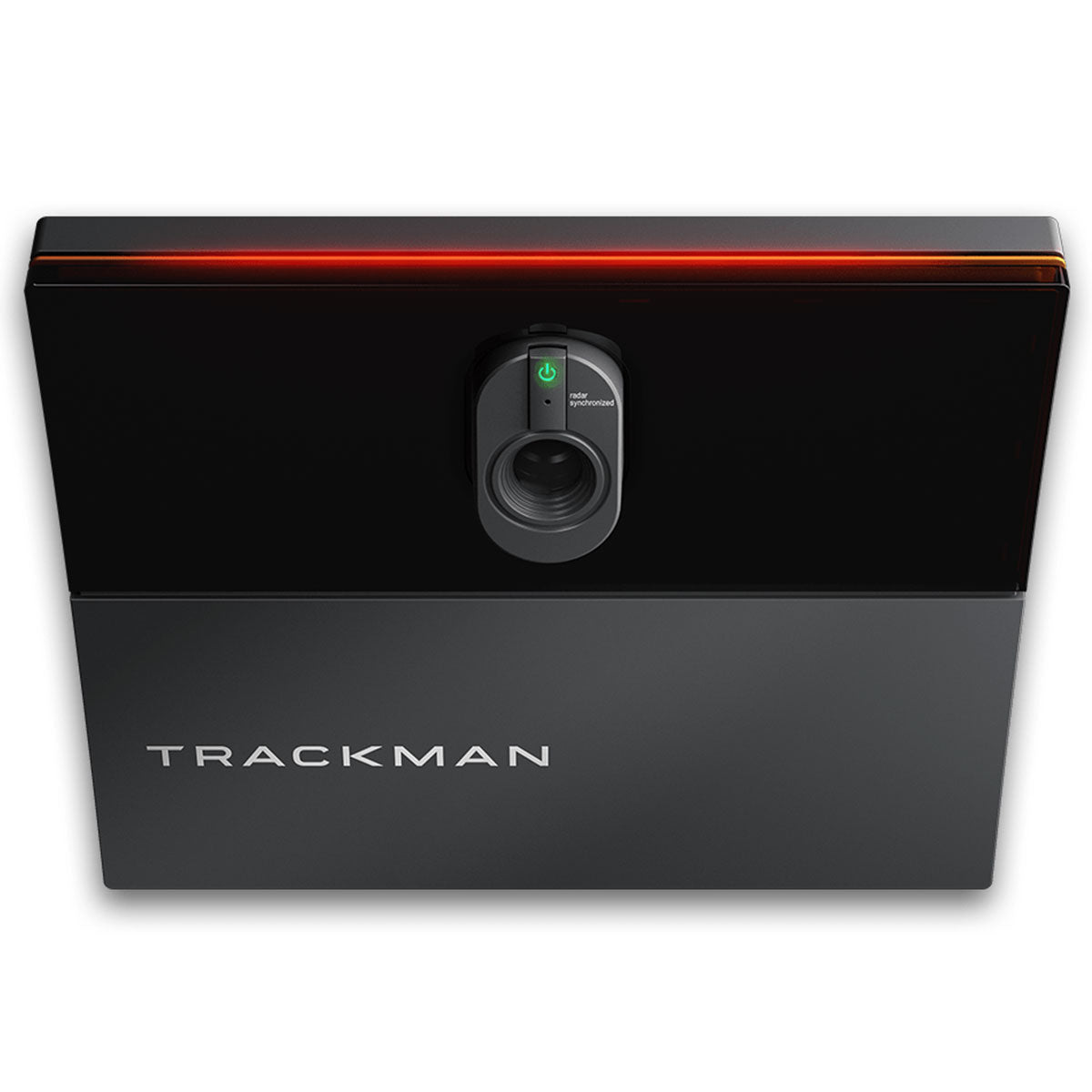
Trackman iO vs Uneekor EYE XO2: the year-one trap
Both mount overhead, both want ten feet of ceiling, and about $3,000 separates them on the shelf. Then Trackman's included first year runs out, and the gap starts growing by $1,100 a year.
Versus
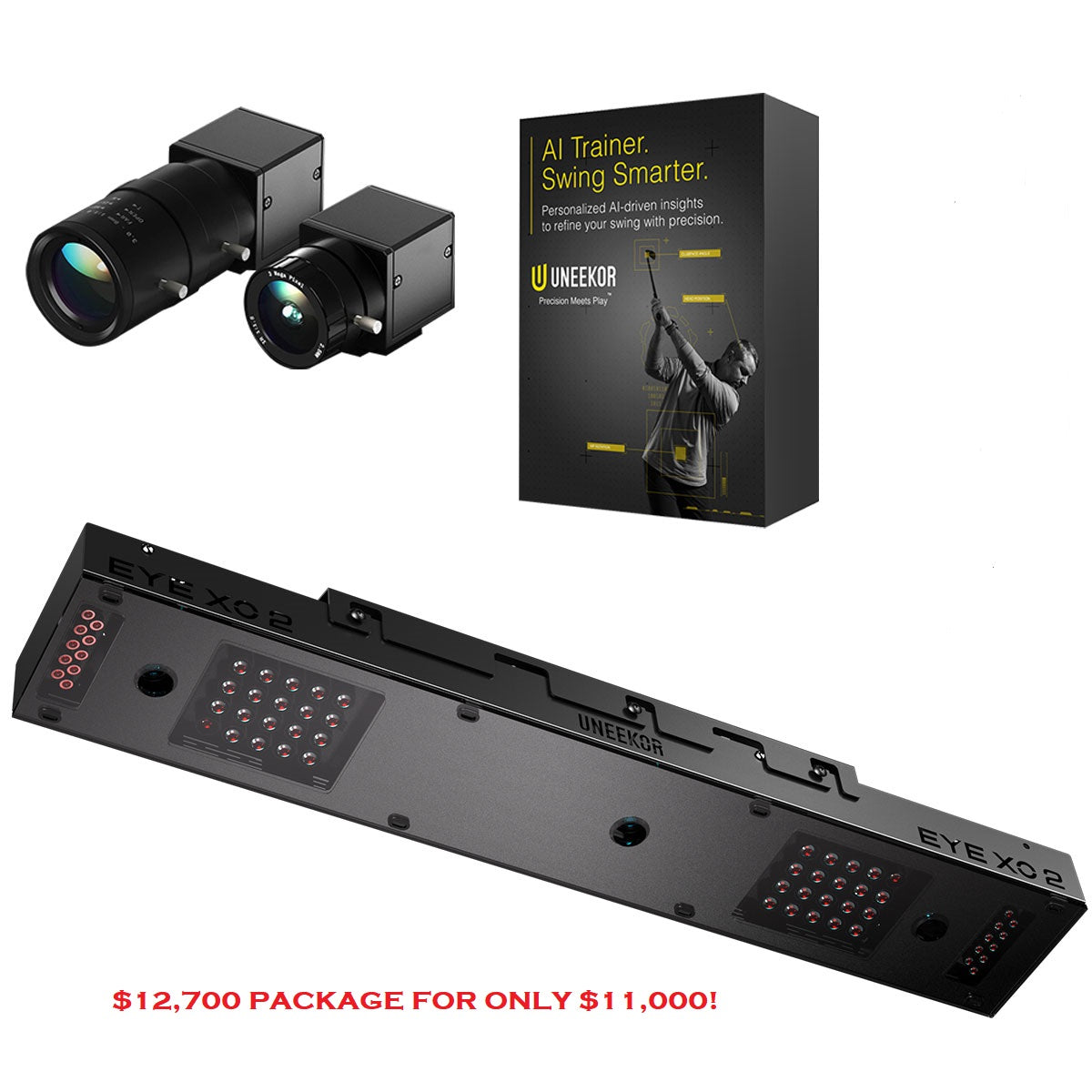
Uneekor EYE XO2 vs Foresight GC3: ceiling or floor?
About $4,000 separates them, but they're not really rivals — one lives in your ceiling forever, the other sits on the floor and travels. The cheaper one is also the one with no subscription.
Versus
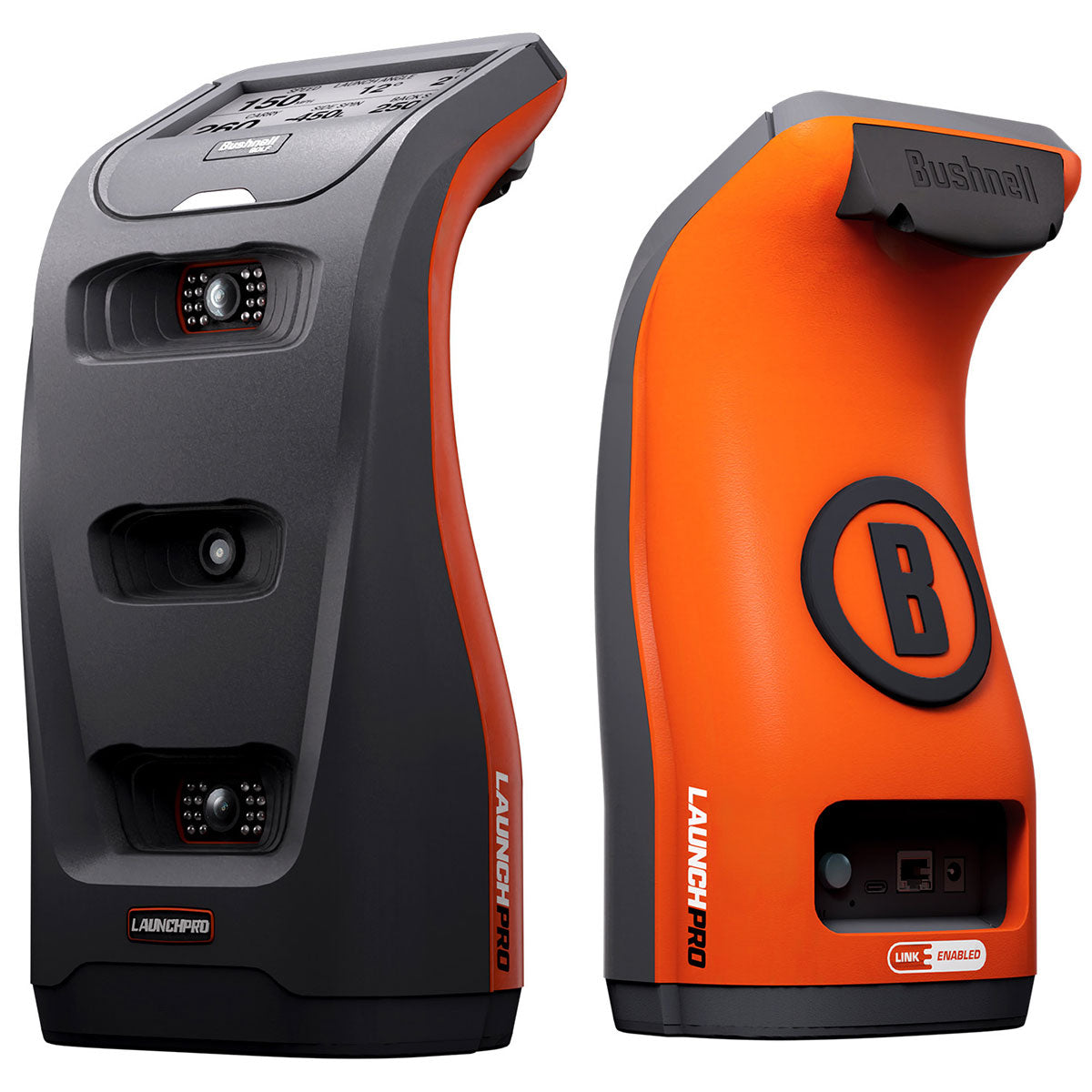
Launch Pro vs Foresight GC3: I did the subscription maths and it says the opposite of what everyone tells you
Same measurement technology, $4,000 apart, and one of them bills you every year. The received wisdom is that the no-subscription unit wins over time. Run the actual numbers and it only wins if you'd have picked the expensive plan.