
Uneekor EYE XO2 vs Foresight GC3: ceiling or floor?
About $4,000 separates them, but they're not really rivals — one lives in your ceiling forever, the other sits on the floor and travels. The cheaper one is also the one with no subscription.
By Marcus Bell · Simulator & Indoor Golf Writer
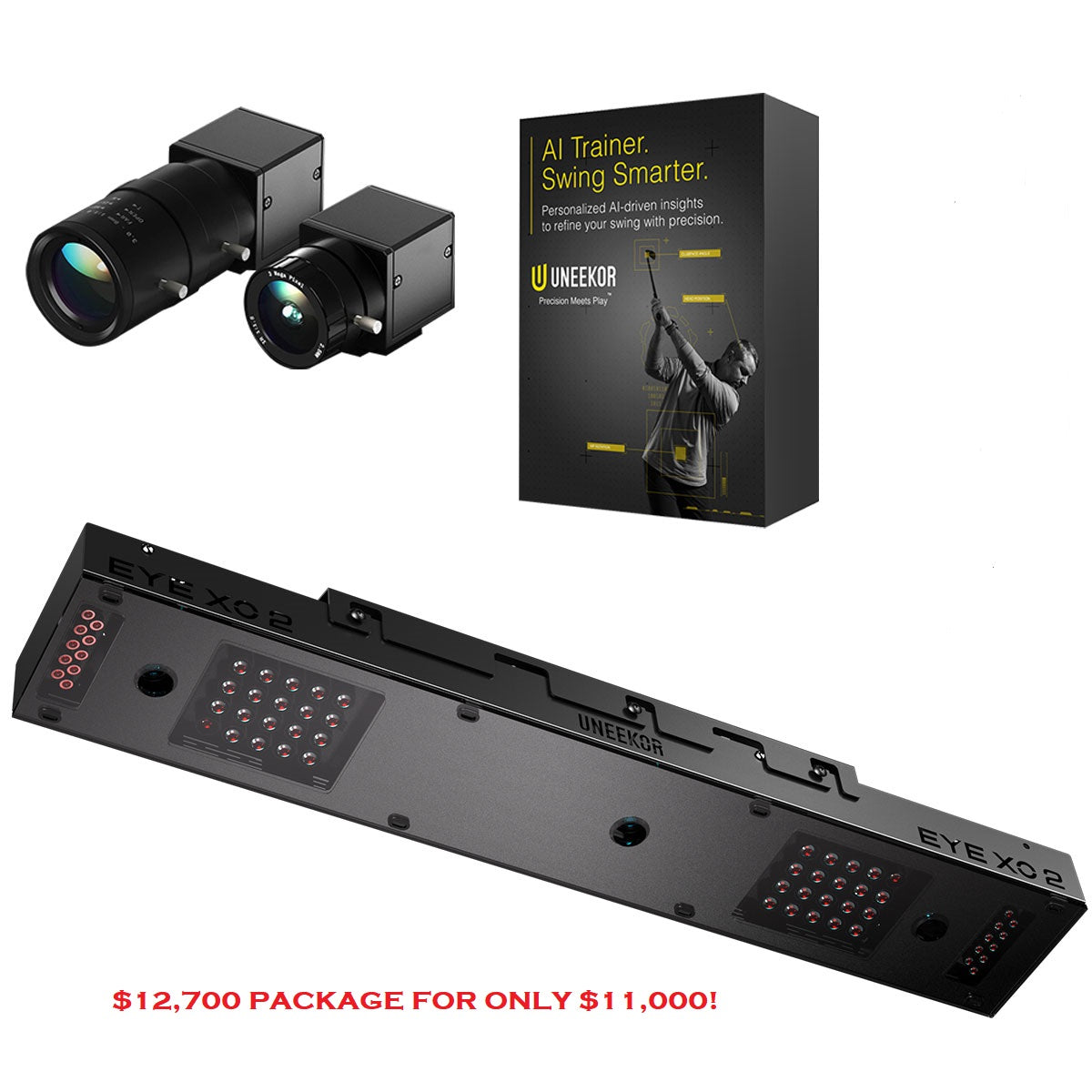
Uneekor
Uneekor EYE XO2
Pick if the room is permanent — mounts overhead, nothing on the floor, nothing to set up.
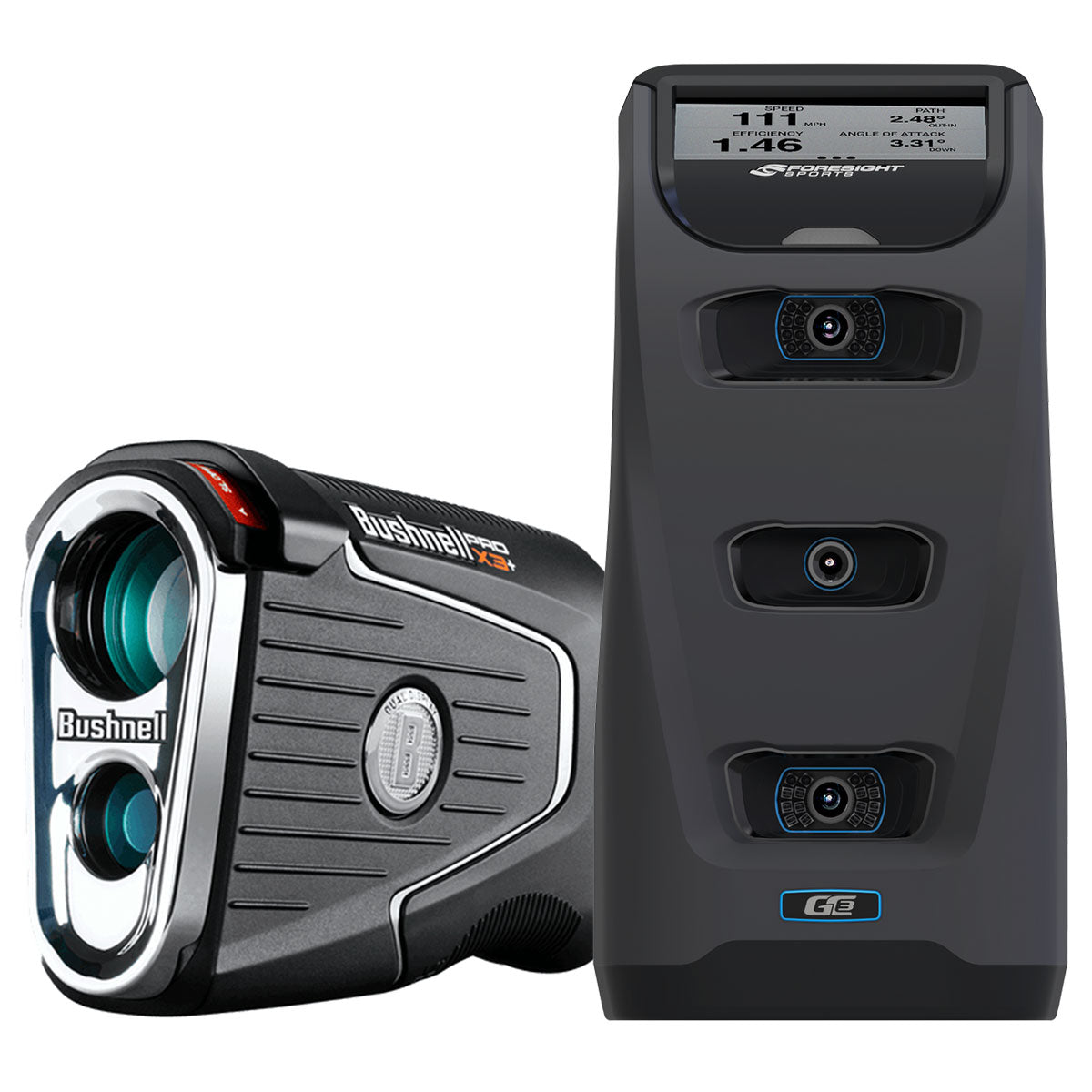
Foresight Sports
Foresight GC3 with LINK
Pick for $4,000 less and no subscription, if you can live with a unit on the floor.
ifrothgolf earns a commission on purchases made through these links, at no extra cost to you. It never changes what I recommend. Full disclosure.
Side by side
| Specification | UneekorUneekor EYE XO2 | Foresight SportsForesight GC3 with LINK |
|---|---|---|
| Device type | launch monitor (overhead) | launch monitor |
| Sensor type | three overhead high-speed cameras | three high-speed cameras, direct ball measurement |
| Compute required | gaming PC required | gaming PC required for simulator software |
| Subscription required | full software experience runs on a subscription after the trial | none — all features included |
Specs as published by each manufacturer. Rows in grey are where the two match.
Buy the Uneekor EYE XO2 if you are building a room you will never dismantle and want nothing on the floor; buy the Foresight GC3 if you want most of the same measurement for around $4,000 less, with no annual fee and the freedom to pick it up and take it somewhere. These get compared as though they are competing for the same slot. They aren't. One is a fixture and the other is a device, and that difference decides this long before the spec sheets do.
The decision is where it lives
The EYE XO2 mounts to the ceiling and looks down at the ball from nine or ten feet up. That is the whole proposition: nothing sits in your hitting bay, nothing gets kicked, and there is no setup ritual — you walk in, switch on and hit. The cost is commitment. You are drilling into joists, running power to the ceiling, and fixing the geometry of the room permanently. Move house and you are uninstalling a launch monitor.
The GC3 with LINK is the opposite bargain. It sits on the floor a few feet to the side of the ball, which means it is in the room with you — something to position, something to avoid on a wild one — but it also means you own a portable instrument rather than a fixture. It goes to the range, to a fitting, to a friend's garage. If your sim space doubles as anything else, or you rent, that portability is not a nice-to-have. It's the answer.
Worth saying plainly, because plenty of comparisons blur it: Foresight does make an overhead unit, the Falcon, and it now sells to home buyers rather than only into commercial bays — but it lands at roughly three times GC3 money and needs a ceiling you are allowed to drill. Within Foresight's range there is still no ceiling-mounted answer to the XO2 at anything like GC3 money.
The subscription inverts what you'd expect
Usually the more expensive unit is the one you own outright and the cheaper one nickels you afterwards. Here it runs the other way. The GC3 is bought once. There is no annual fee to keep using it, and Foresight's FSX software ecosystem comes with the hardware.
The XO2 ships generously — the Player package doesn't expire, and it covers all 24 data points, Club Optix video and the virtual range — but the moment you want third-party simulator software, which for most home builders means GSPro or E6 Connect, you need at least the Pro tier at around $200 a year. Champion is about $400 and Ultimate about $600. So the honest five-year comparison isn't $11,000 against $7,000; it's closer to $12,000 against a flat $7,000. That is a materially bigger gap than the shelf price suggests, and it runs in the cheaper unit's favour. Those figures are our own logged prices from the retailer we link to, taken this month — software pricing moves, so check before committing.
What you actually give up on the GC3
Not much on measurement, which is the surprising part. Both are photometric camera systems rather than radar, so both read the strike itself and both work happily in a tight garage. Neither needs marked balls — the GC3's triscopic three-camera array and the XO2's Dimple Optix get spin off a normal ball — and if you were expecting markerless club data to be the Uneekor's trump card, it isn't: Uneekor recommends stickers on the clubface for accurate XO2 club numbers. Community testing against a GCQuad puts the GC3 within a couple of miles an hour on ball speed and a hundred or two RPM on spin, which is not the kind of difference that shows up in your handicap.
What you give up is the ergonomics and the extras. Floor placement means you work around the unit. You lose Club Optix's overhead video of the club through impact, which is genuinely useful if you care about path and face rather than just outcomes. And you lose the walk-in-and-hit quality that makes a permanent bay get used on a wet Tuesday when a setup ritual would have talked you out of it. That last one is soft, unmeasurable and probably the strongest argument for the XO2.
How to choose
One question sorts it: is the room permanent? If you own the space, the bay is dedicated, and you will still be hitting into that screen in five years, the XO2's install cost buys you something a portable unit can never give you, and the subscription is a reasonable price for the software. If there is any chance the room changes — you rent, the garage still parks a car, the space does double duty, or you simply want the option to take it with you — the GC3 is the better buy twice over, because it is cheaper up front and cheaper to keep. Our Sim Room Architect will cost the rest of the build around either, and both sit in the premium launch monitors guide.
The verdict
The EYE XO2 wins the room and the GC3 wins the maths. If you are building the last golf room you will ever build, the overhead mount is worth the money and the annual fee — it is the better experience, every session, forever. For everyone else, the GC3 measures nearly as well, costs about $4,000 less, asks for nothing afterwards, and can leave the house. Decide whether you are buying a fixture or an instrument, and the rest follows.
Frequently asked
- Uneekor EYE XO2 or Foresight GC3?
- The XO2 if your sim room is permanent — it mounts overhead so nothing sits on the floor and there is no setup. The GC3 if the space is shared or rented, or you want to save around $4,000 and avoid an annual software fee.
- Does the Foresight GC3 need a subscription?
- No — that is one of its main advantages here. The GC3 is bought outright and Foresight's FSX software comes with the hardware. The EYE XO2 needs at least Uneekor's Pro tier, around $200 a year, before it will drive third-party simulator software like GSPro or E6 Connect.
- Is the EYE XO2 more accurate than the GC3?
- They are closer than the price gap implies. Both are photometric camera systems reading the strike itself, and community testing puts the GC3 within roughly 1-2 mph of ball speed and 100-200 RPM of spin against a GCQuad. The XO2's advantages are its overhead position, Club Optix club video and 24 data points rather than a decisive accuracy win.
- Do either need marked golf balls?
- Neither. The GC3 uses a triscopic three-camera array and the EYE XO2 uses Dimple Optix, which reads the dimple pattern of an ordinary ball. If you have seen markerless described as an argument for the Uneekor over the Foresight, it isn't one.
- Can the GC3 be mounted overhead like the XO2?
- No. The GC3 is a floor unit. Foresight's overhead model is the Falcon at around $16,000 and aimed at commercial installations, so within Foresight's range there is no ceiling-mounted equivalent at GC3 money.
Read next
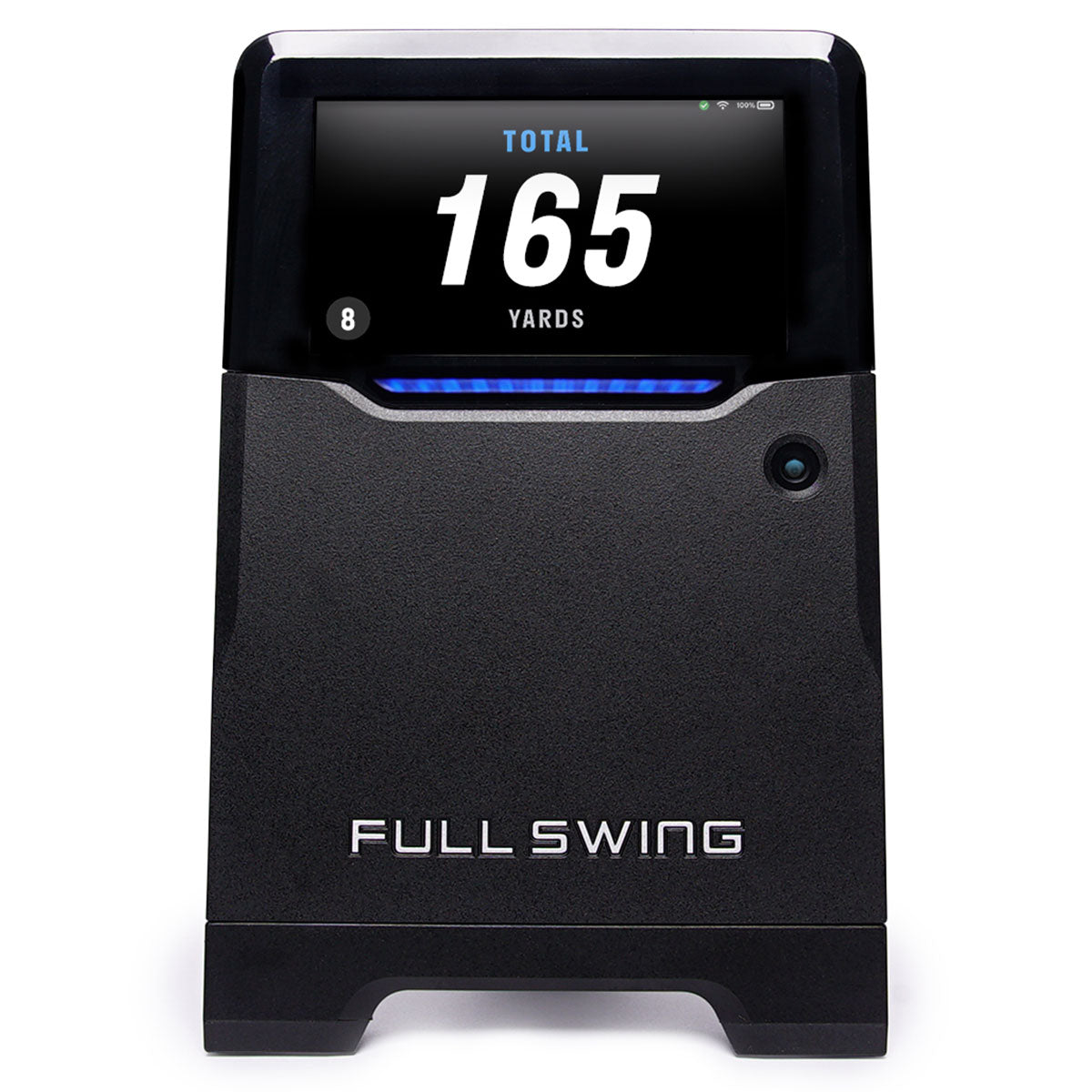
Review
7.9/10Full Swing KIT review: the tape measure decides this, not Tiger
Tour pedigree, TGL on ESPN, and radar good enough to be checked against a Trackman outdoors. It also wants eighteen to twenty feet of room, which rules out most of the garages people buy it for.
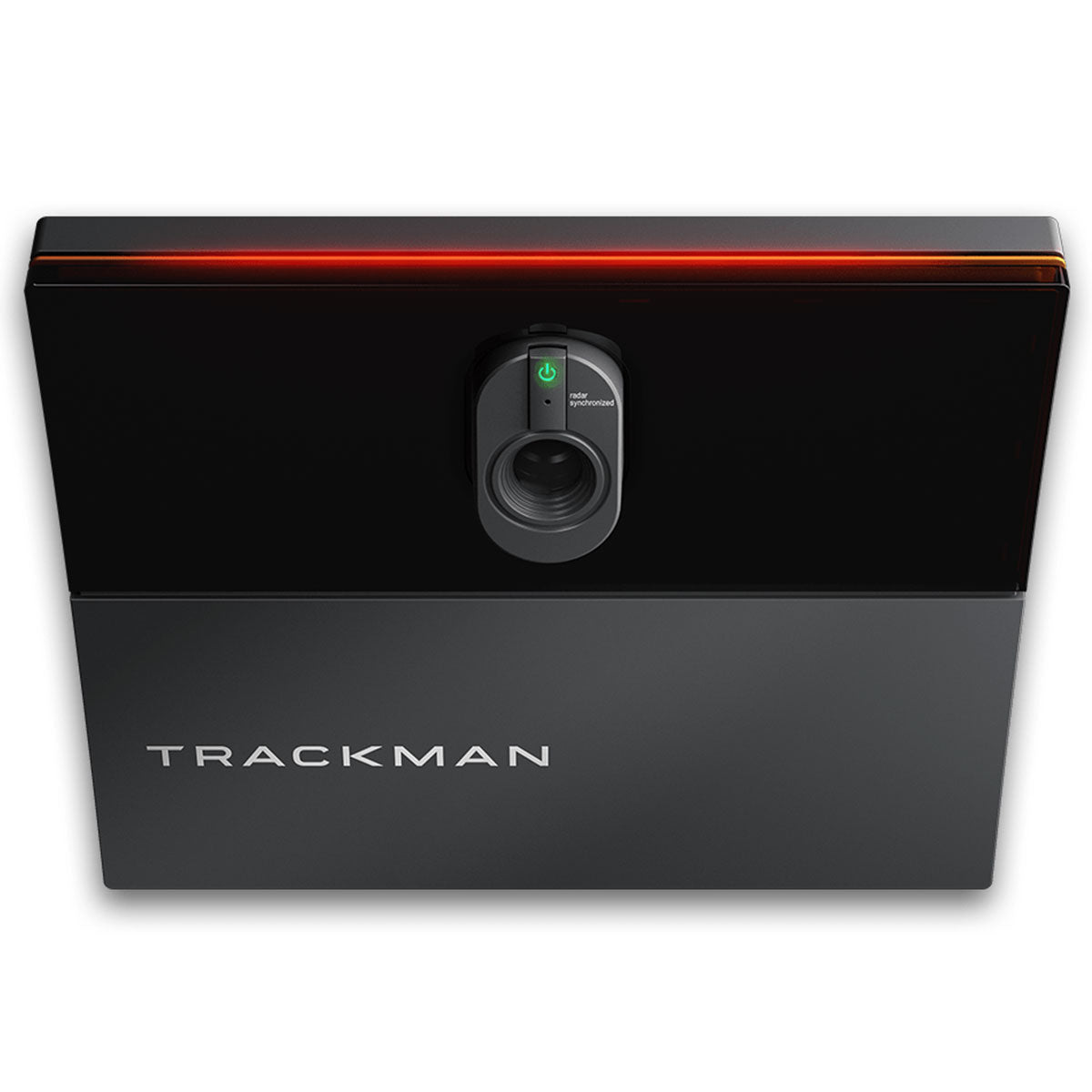
Versus
Trackman iO vs Uneekor EYE XO2: the year-one trap
Both mount overhead, both want ten feet of ceiling, and about $3,000 separates them on the shelf. Then Trackman's included first year runs out, and the gap starts growing by $1,100 a year.
Versus
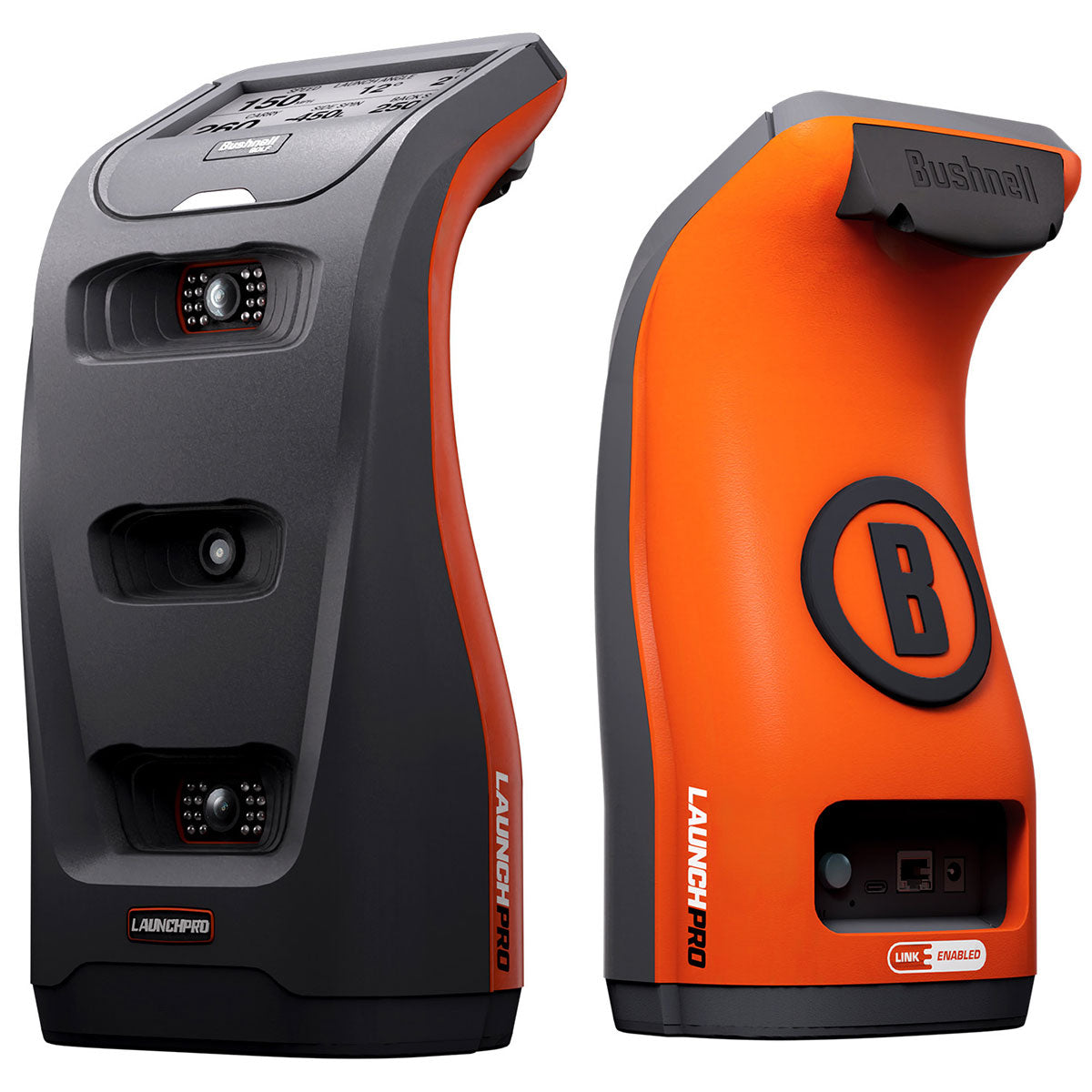
Launch Pro vs Foresight GC3: I did the subscription maths and it says the opposite of what everyone tells you
Same measurement technology, $4,000 apart, and one of them bills you every year. The received wisdom is that the no-subscription unit wins over time. Run the actual numbers and it only wins if you'd have picked the expensive plan.