
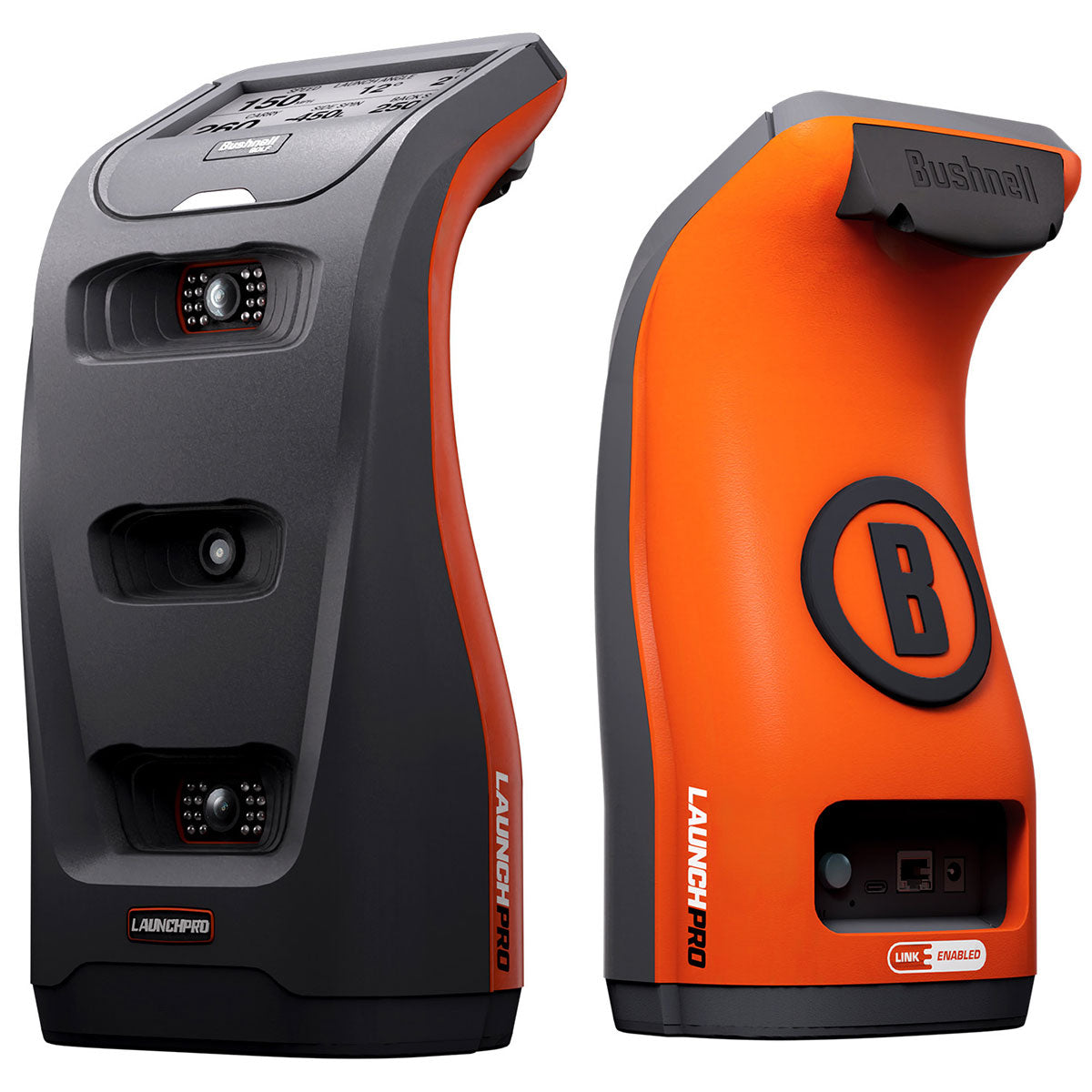
The Launch Pro is the machine that reset expectations. Foresight Sports' camera technology — the same measurement lineage tour players and club fitters trust — in a box priced within reach of a serious amateur, working indoors or outdoors and feeding FSX Play for simulation. It reads the ball directly rather than inferring flight from the club, which is why the numbers hold up when a $500 radar unit starts guessing. The Circle B edition is a cosmetic refresh of a proven product, not a new platform, and that's a point in its favour. The catch is the subscription ladder: the base unit gives you ball data, and full club data plus the simulation features arrive as paid tiers. Budget for the tier you actually want from day one and the maths still works out — you're getting a meaningful share of GCQuad accuracy for a fraction of GCQuad money. Skip it if you only ever practise outdoors, where a cheaper radar unit will do.
Best Premium Launch Monitors 2026
Where the money actually goes at the top of the market.
Almost every launch-monitor guide stops at $1,900, which is where the interesting decisions actually start. Above it you stop buying "good enough for practice" and start buying the thing a fitter or a teaching pro would put you in front of — and the field splits into three genuinely different answers. The Bushnell Launch Pro is the value pick and the one most people in this bracket should buy: Foresight Sports measurement for roughly a third of a GCQuad. The Foresight GC3 with LINK is the long-game pick, because every feature is included with no subscription, which reshapes the ten-year cost against everything else here. And the overhead units — TruGolf APOGEE, Uneekor EYE XO2, Trackman iO — are what you buy when the room is permanent and you want the floor clear.
The number on the price tag is the smaller half of the decision. Three things quietly decide the real cost. First, subscriptions: Bushnell's Launch Pro and LPi put full club data and simulation behind recurring tiers, while the GC3 includes everything outright — price the tier you'll actually use over three years before you compare anything. Second, the PC. Uneekor, Foresight and most serious sim software want a gaming PC, and that's a four-figure line item nobody puts in the brochure; SkyTrak's ST MAX is the notable exception, running course play on a compatible Mac or iPad. Third, mounting. Overhead units clear the floor and transform how a bay feels to use, but alignment is unforgiving — the EYE XO2 in particular will hand you bad data for a mounting error, not an error message.
So work backwards from the room. A permanent, dedicated space justifies an overhead install and everything that follows from it. A garage that's also a garage wants a portable unit that lives on a shelf. A shallow bay rules out radar entirely and points you at the camera-based units, which read the strike rather than the flight. Get that one question straight and the shortlist below narrows to two or three, at which point the subscription arithmetic picks the winner for you.
Above all of that sits a tier most buyers should walk straight past, and it is on this list so the ladder is complete rather than because we expect anyone to buy it: the Foresight QuadMAX and the Trackman 4 are the machines other launch monitors get benchmarked against, and the FlightScope X3C is radar making a late run at the indoor rooms cameras have owned. What separates them from the units above is not accuracy so much as reach — the Trackman 4 reads a range session outdoors in any weather and then comes inside, which no camera unit here can do, and the QuadMAX carries its own screen and storage so it works without a laptop attached. They are fitting-bay instruments. If your golf happens entirely on a screen, everything you are paying the extra for goes unread, and the honest pick is still near the top of this list rather than the bottom of it.
ifrothgolf earns a commission on purchases made through these links, at no extra cost to you. It never changes what I recommend. Full disclosure.
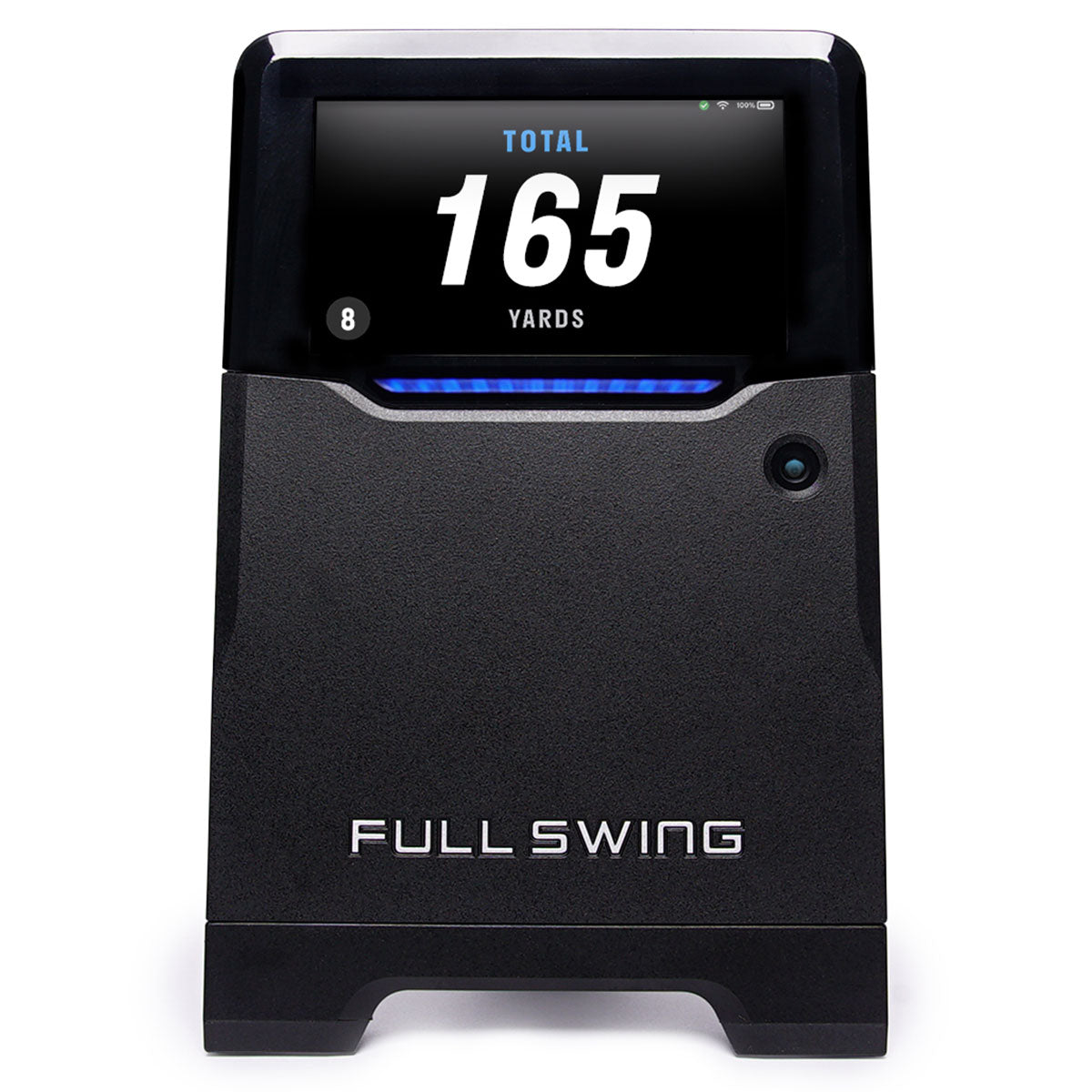
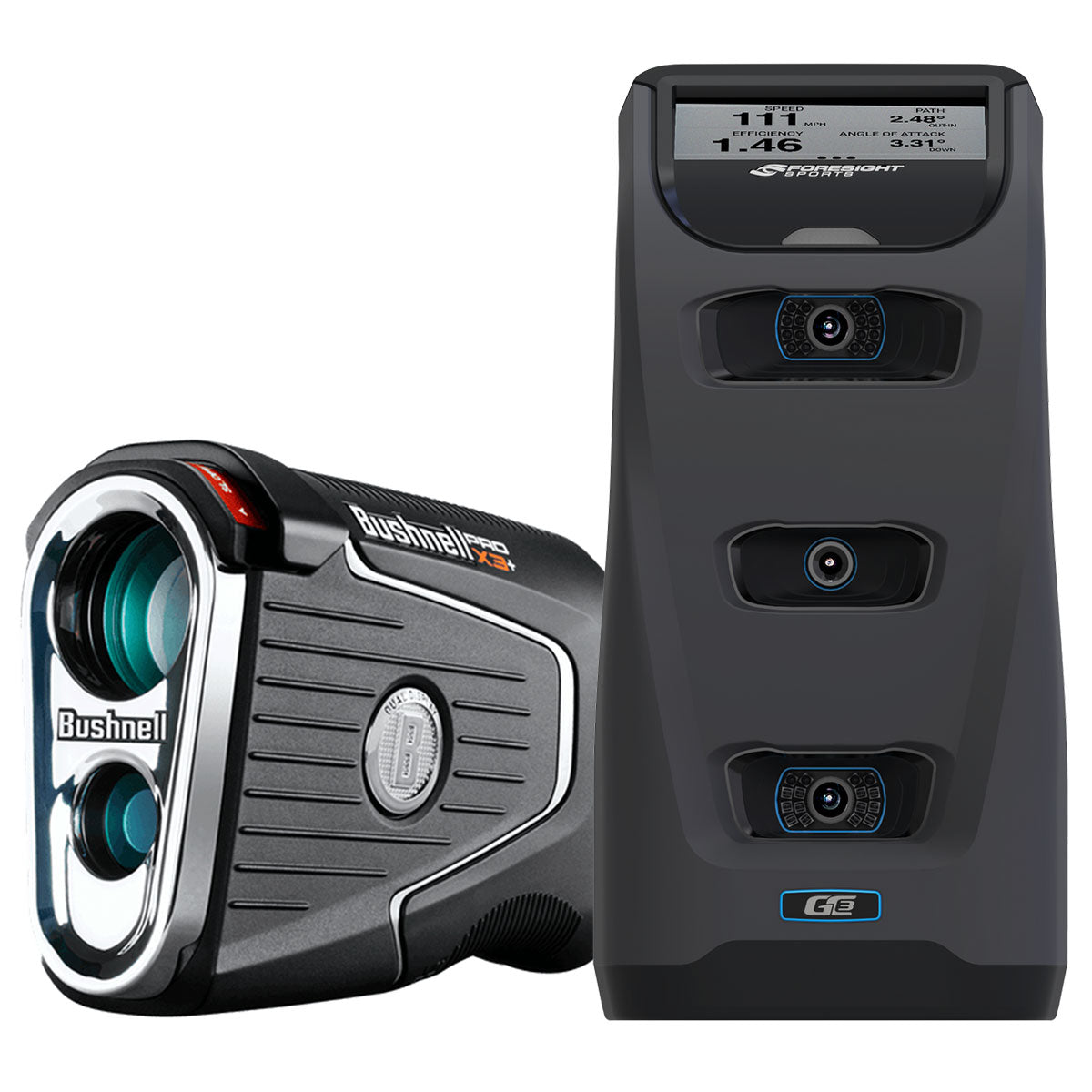
The GC3 is the sensible person's Foresight. Three high-speed cameras read the ball directly, the accuracy sits close enough to a GCQuad that most amateurs will never find the gap, and — the line that matters after years of subscription creep elsewhere — all features are included with no recurring fee. That single fact reshapes the total cost against everything cheaper on this page. LINK is the new part: the GC3 now shares your performance data with a Bushnell Pro X3 LINK rangefinder, so the yardages it hands you on the course are built from how far you actually hit it rather than how far you think you do. That closes a genuinely useful loop between the practice bay and Saturday morning. You'll still need a gaming PC for simulator software, and it's a serious spend — but if you intend to keep a sim for a decade, the no-subscription maths is the strongest argument on this list.
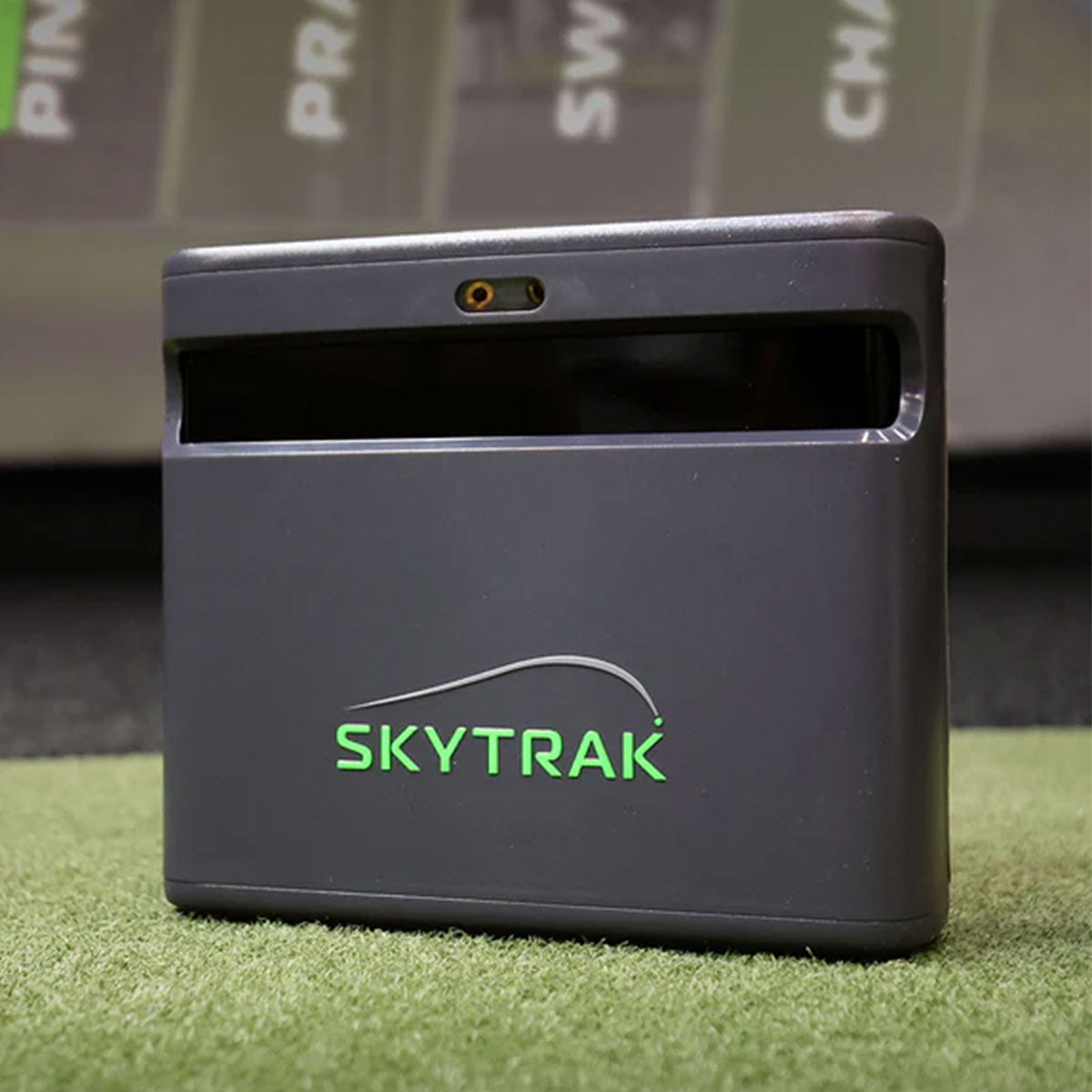
SkyTrak has spent a decade as the answer to "what launch monitor should I put in my garage?", and the ST MAX is the version that stops feeling like a compromise. It reads 15 performance metrics, adds GOLFTEC-powered speed training — structured overspeed work with real measurement behind it, rather than a number you squint at — and gains dual USB connectivity, which sounds dull until you've spent an evening fighting a single flaky cable mid-round. Software is where SkyTrak still wins: the 2026 membership tiers bundle Foresight and Trackman course play, and crucially you can run those on a compatible Mac or iPad rather than building a gaming PC, which knocks a four-figure hidden cost out of the project. The honest framing: the cheaper SkyTrak+ shares most of the core hardware and gives up the speed training and the extra port, so if you're building a pure course-play sim rather than a practice room, the saving is real and worth taking.
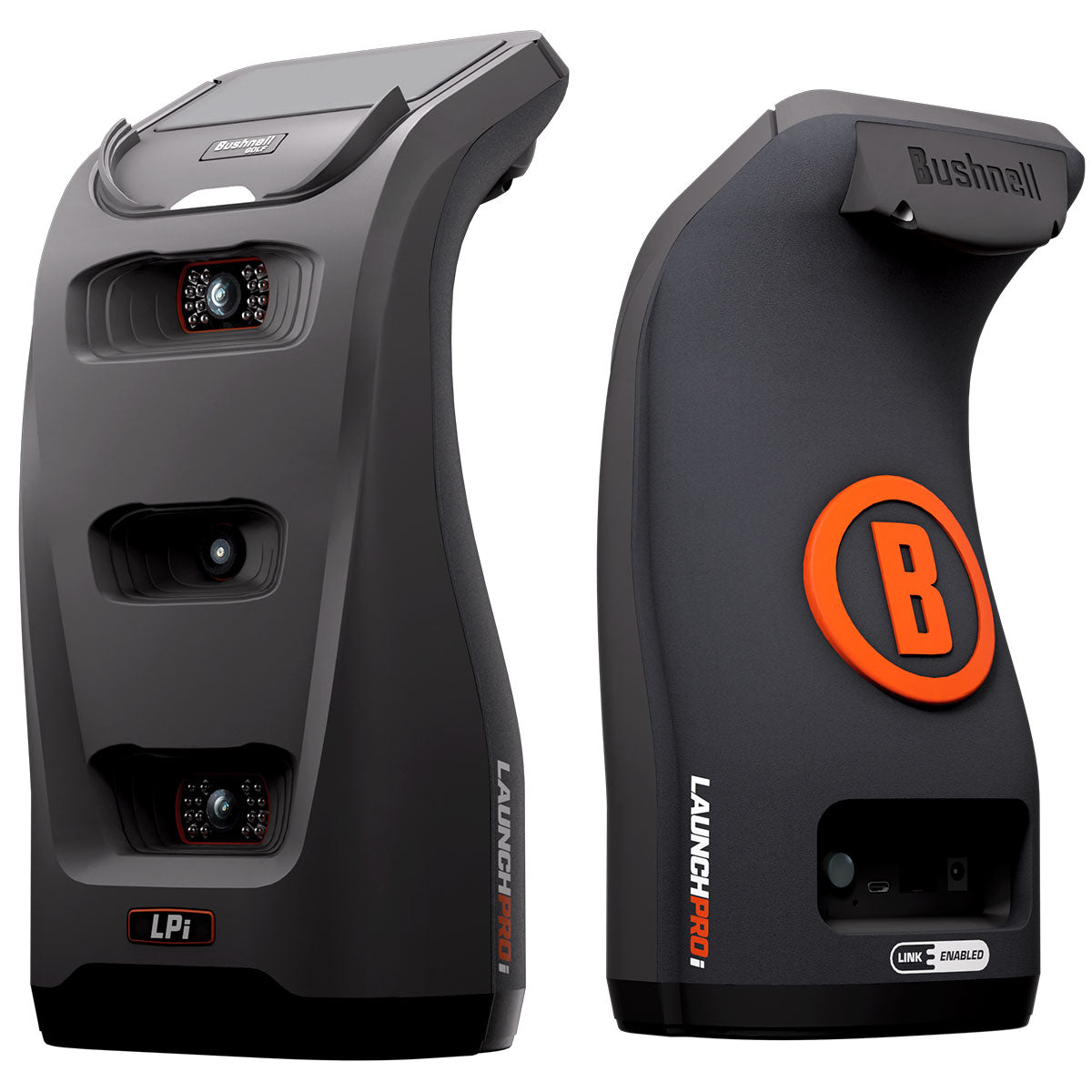
The LPi is Bushnell's answer to a specific question: how cheap can Foresight-grade indoor data get if you strip out everything you don't need outdoors? The answer is a compact, indoor-only unit running the same Foresight Sports measurement lineage as the Launch Pro, with FSX Play and GS Pro access sold as flexible subscriptions rather than baked into the sticker price. That subscription model is the whole story, and you should read it carefully before buying: the entry price is genuinely low for this class of accuracy, but the data packages and simulation software you'll actually want are recurring, so the three-year cost looks very different from the day-one cost. Get past that and you have a serious piece of kit — the sort of numbers that make a proper indoor bay worth building, in a box that costs less than the projector some people put in front of it. Indoor only, though: this one never goes to the range.
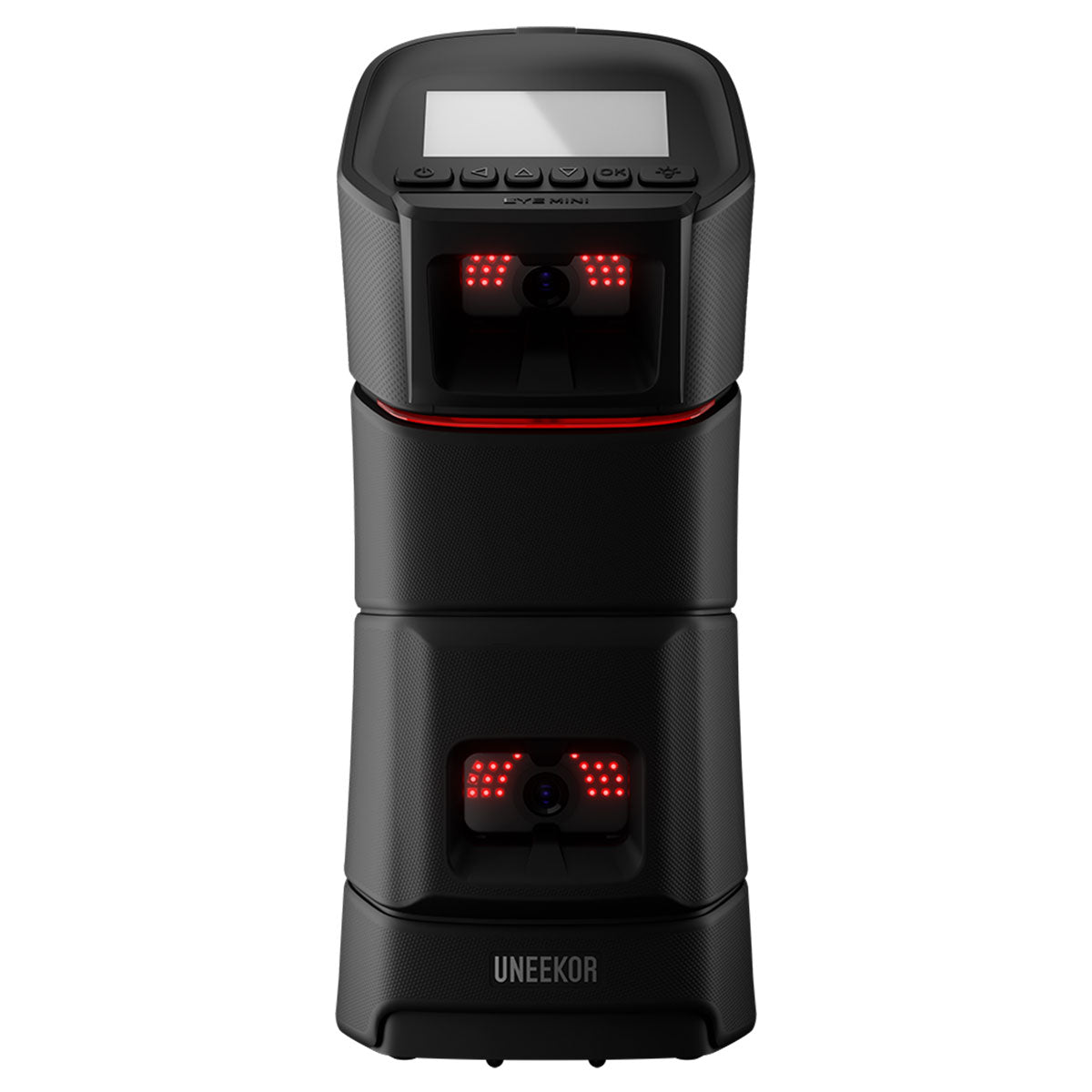
Uneekor built its reputation on ceiling-mounted units that read club and ball without marked balls or club stickers — brilliant data, permanently installed. The EYE MINI takes that measurement pedigree and puts it in a portable box that sits beside the ball, which is a genuinely different proposition: the same brand of pinpoint club-and-ball capture, but it comes with you to the range or a mate's garage instead of living bolted above a bay. Uneekor's View software now ships included, so shot analysis and course visuals aren't an immediate extra line item. Two things to be clear-eyed about. First, you need a gaming PC to run simulator software — that's a real, separate four-figure decision, not an accessory. Second, at this price you're deep into territory where a Launch Pro plus subscriptions is the obvious alternative, so the MINI earns its place on portability and Uneekor's software rather than on raw price.
The LITE is what happens when a manufacturer asks which features people actually use indoors. It keeps the part that matters — 19 data points with Dimple Optix ball tracking and Club Optix impact visuals, so you see what the club did as well as what the ball did — and strips out the outdoor capability and the built-in display that push the standard EYE MINI to nearly twice the money. If your unit was only ever going to live in a garage bay, you were paying for range-day capability you'd never use. What you're taking on is a genuine narrowing. Indoor only, no on-board screen, and a gaming PC required to run simulator software — that last point is a four-figure cost that belongs in your budget from the start, not as a surprise in month two. A three-month Ultimate subscription trial comes with it, after which the software tiers are a live decision. Within those limits it's one of the strongest value propositions in the mid-premium bracket: Uneekor's measurement quality, at Bushnell Launch Pro money, for a room that isn't going anywhere.
The KIT is the rare piece of golf tech where the celebrity endorsement is also the design brief: Tiger Woods uses one, and Full Swing built it to survive the kind of scrutiny that implies. It pairs radar with a high-resolution camera, so you get 16 data points and synchronised video of the swing that produced them — the second half is what separates it from cheaper radar boxes, because a number without the picture leaves you guessing at why. Physically it's a self-contained, rugged unit that sets up in seconds and works indoors or out, which suits people who want one device for the garage in January and the range in June. Where it gets harder to justify is against the camera-based competition at similar money: radar wants distance behind the ball to do its best work, so a tight indoor bay flatters a Launch Pro or EYE MINI instead. Buy the KIT if you're primarily outdoors and want the video.
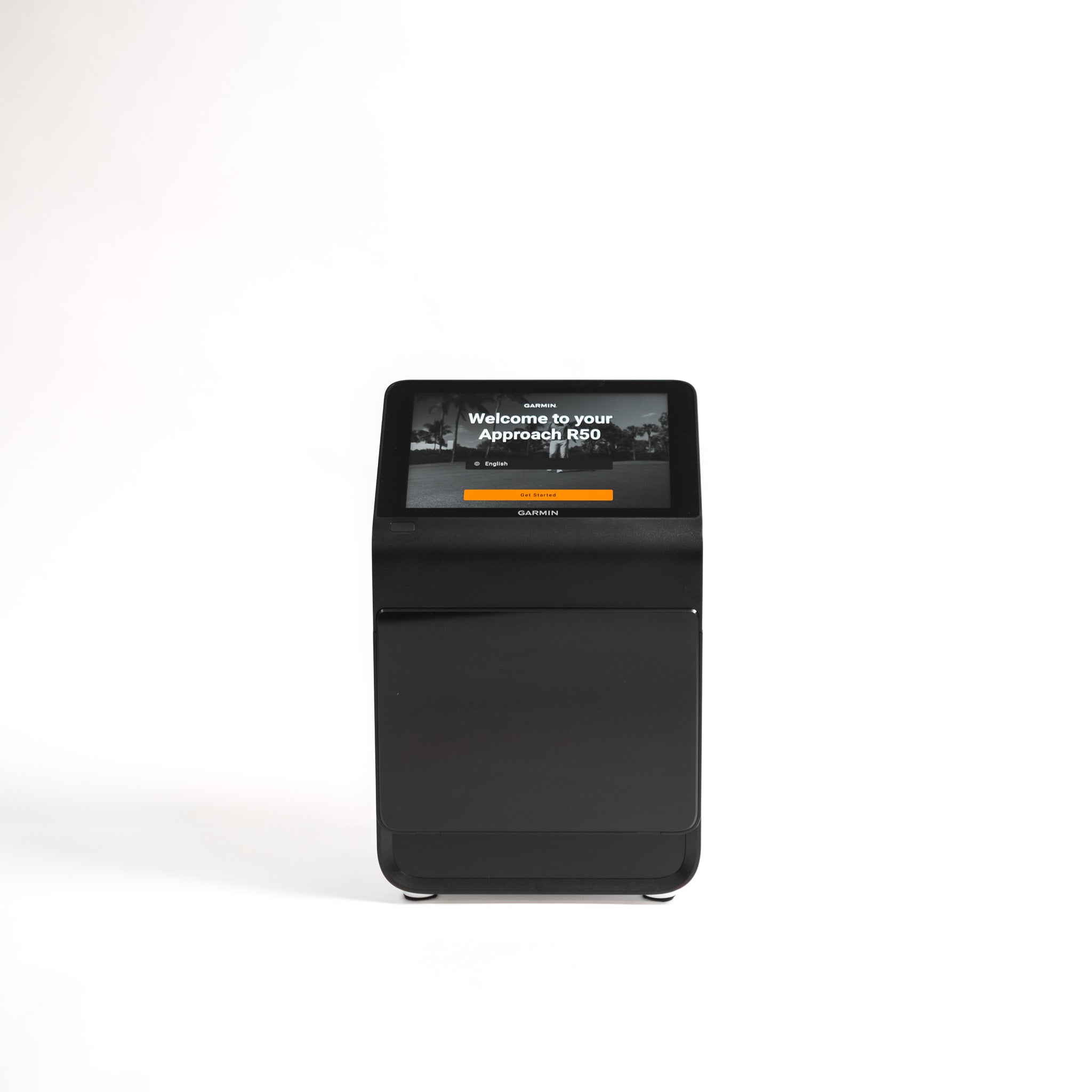
Garmin's premium photometric launch monitor and simulator. Three cameras read ball and club data, and a 10in colour touchscreen is built straight into the unit, so it runs Home Tee Hero virtual rounds and shows your numbers without any external laptop, tablet or phone. It works indoors with a net or screen and outdoors on the range, and packs into an included carry case.
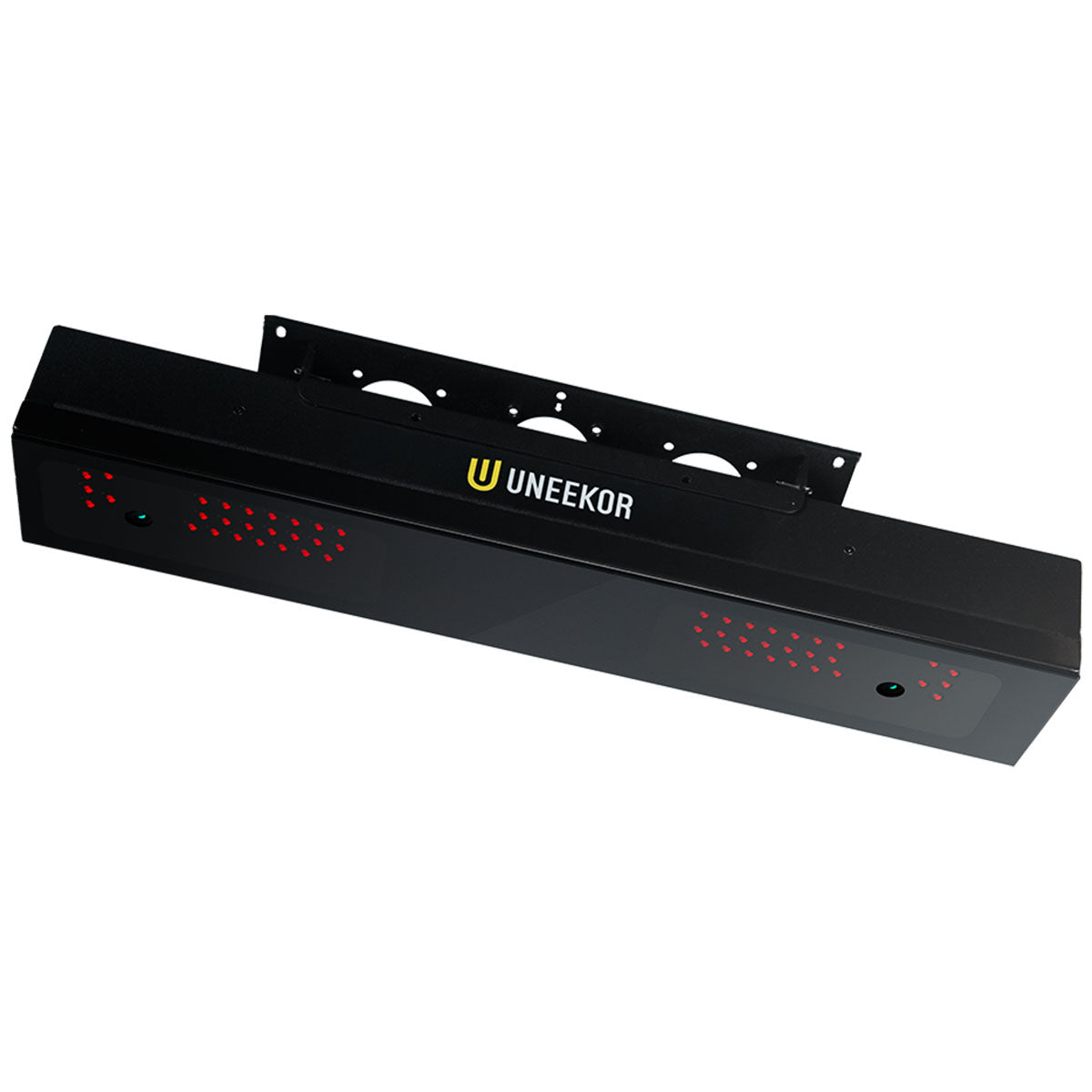
The EYE XR is Uneekor's argument that a ceiling-mounted unit should not cost double a floor one. It mounts above and slightly behind the hitting area, which is the single biggest practical advantage in a shared room: nothing sits beside the ball, nothing gets kicked, and left- and right-handed players swap without moving hardware. Two high-speed cameras read 19 ball and club data points, and Uneekor's Club AI does the club tracking without the marked balls or face stickers earlier generations needed — a small thing that turns out to matter a lot when the alternative is re-stickering a driver every few sessions. Power over Ethernet means one cable to the ceiling rather than two. The constraints are structural rather than optional, and worth checking before anything else: it wants a nine to ten foot ceiling and a mount around three and a half feet behind the tee line, and the ready zone where it will pick up a ball is roughly fourteen inches by twelve. If your ceiling is eight feet, this unit is not a negotiation. It also ships with Swing Optix cameras at this price, which is the part that makes it read as a package rather than a sensor.
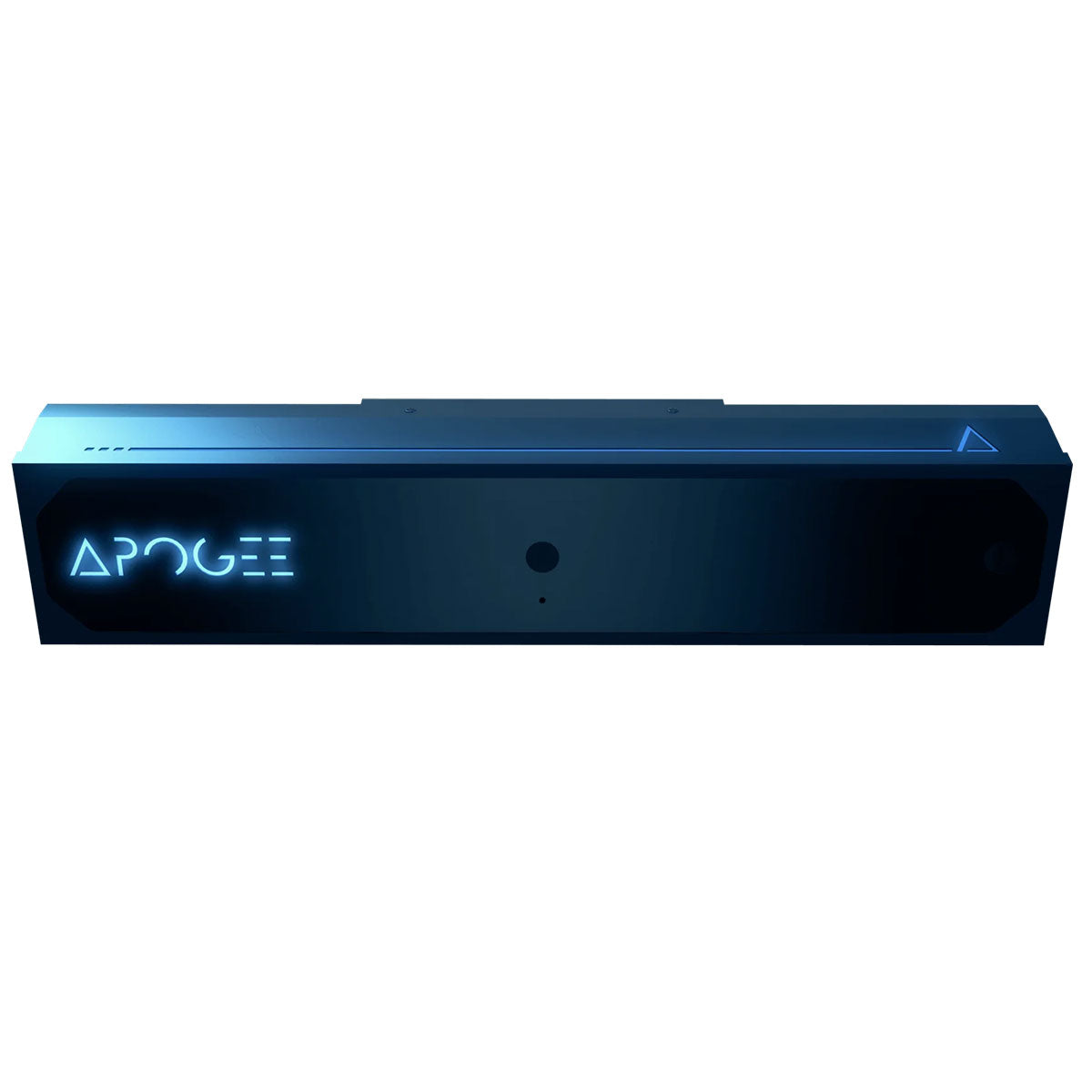
Overhead is where premium home sims are heading, and the APOGEE explains why in about three swings. Mounted to the ceiling, it clears the floor entirely: no box beside the ball to catch a shank, no repositioning between a driver and a wedge, no tripping over it when someone walks into the bay. It reads ball speed, spin, launch angles, club path and face angle without marked clubs or special balls, and it does two things most units don't — zero display delay, so the ball appears on screen at the moment it should rather than a beat later, and slow-motion impact replay after every shot. There's a laser launchpad to make alignment obvious and voice commands so you're not walking back to a keyboard. It's expensive, and it's genuinely indoor-only — this is a permanent install, not a device you carry. But for a dedicated room, the ergonomics are worth real money.
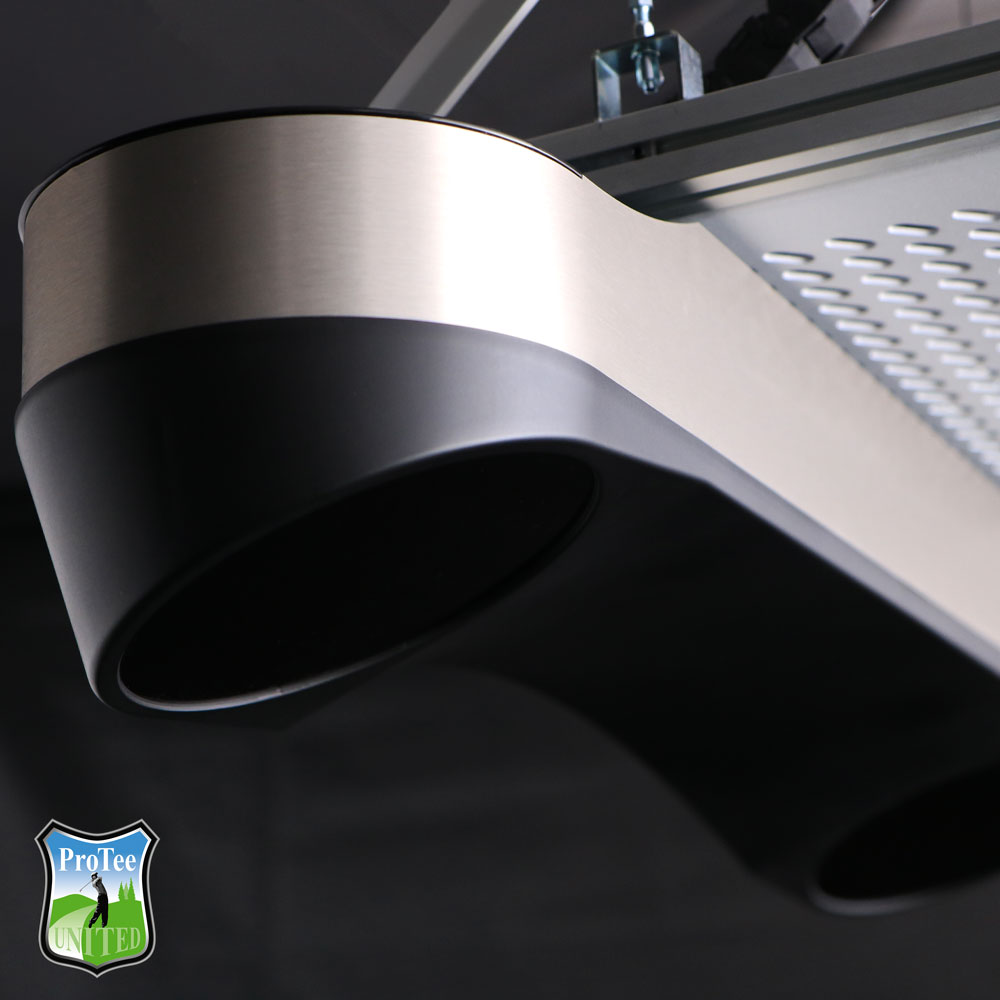
The ProTee VX is an overhead launch monitor that mounts to your ceiling rather than sitting on the floor or behind you. Two high-speed cameras with AI tracking watch the ball and club from above, so you get full ball flight and club delivery numbers without sticking dots on anything. It is built to be the brain of a dedicated simulator room rather than a portable range tool.
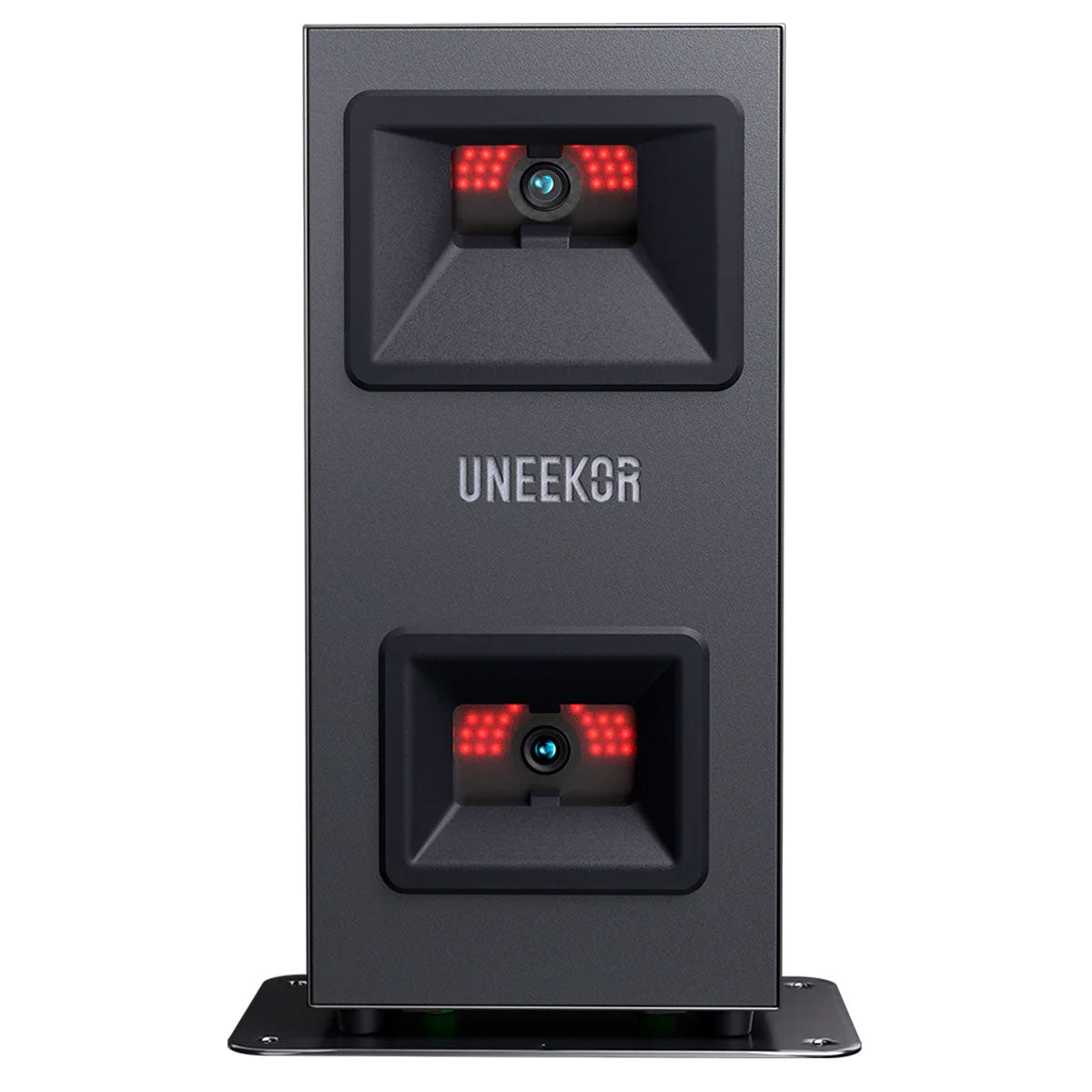
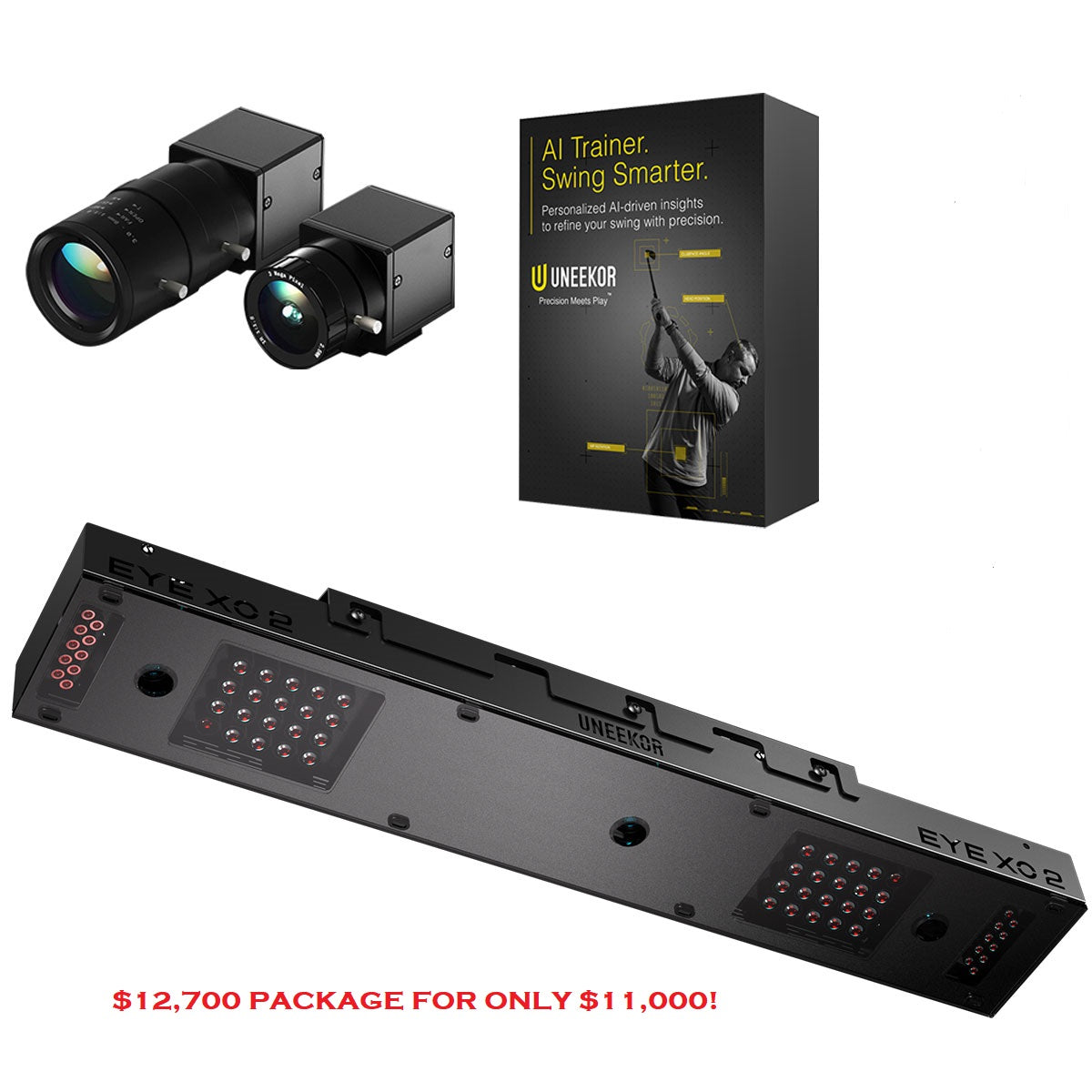
The EYE XO2 is what people mean when they say a home sim can be indistinguishable from a fitting bay. Three high-speed cameras mounted overhead track ball and club in real time, and the enlarged hitting zone is the underrated feature: it forgives the drift in ball position that creeps into a two-hour session, which is the difference between data you trust and data you argue with. At the time of writing it ships with two Swing Optix cameras included — a genuinely significant addition, because synchronised swing video from two angles turns the unit from a measurement device into a coaching one. Be realistic about what it demands. Mounting position and alignment are critical and unforgiving; get them wrong and the accuracy you paid for evaporates. You need a gaming PC. And the full software experience runs on a subscription after the trial. This is the top of the sensible home market, not an impulse buy.
For twenty years "Trackman numbers" has been shorthand for the truth, and the iO is the company's answer to a fair complaint: its outdoor radar units were never designed for a 12-foot garage. The iO is built for exactly that room. Ceiling-mounted, it fuses radar, infrared and high-speed imaging to produce real-time 3D spin and club data — the multi-sensor approach is what lets it deliver Trackman-grade output in a space where radar alone would be guessing. Practically, the mounting position is the whole point: the floor stays clear, there's nothing to move between clubs, and the bay looks like a room rather than a workshop. The price is what it is. At this level you're not comparing feature lists with a SkyTrak; you're deciding whether the brand's data standard is worth roughly seven times the entry point — which, for a teaching professional, a fitter or a commercial bay, it can straightforwardly be.
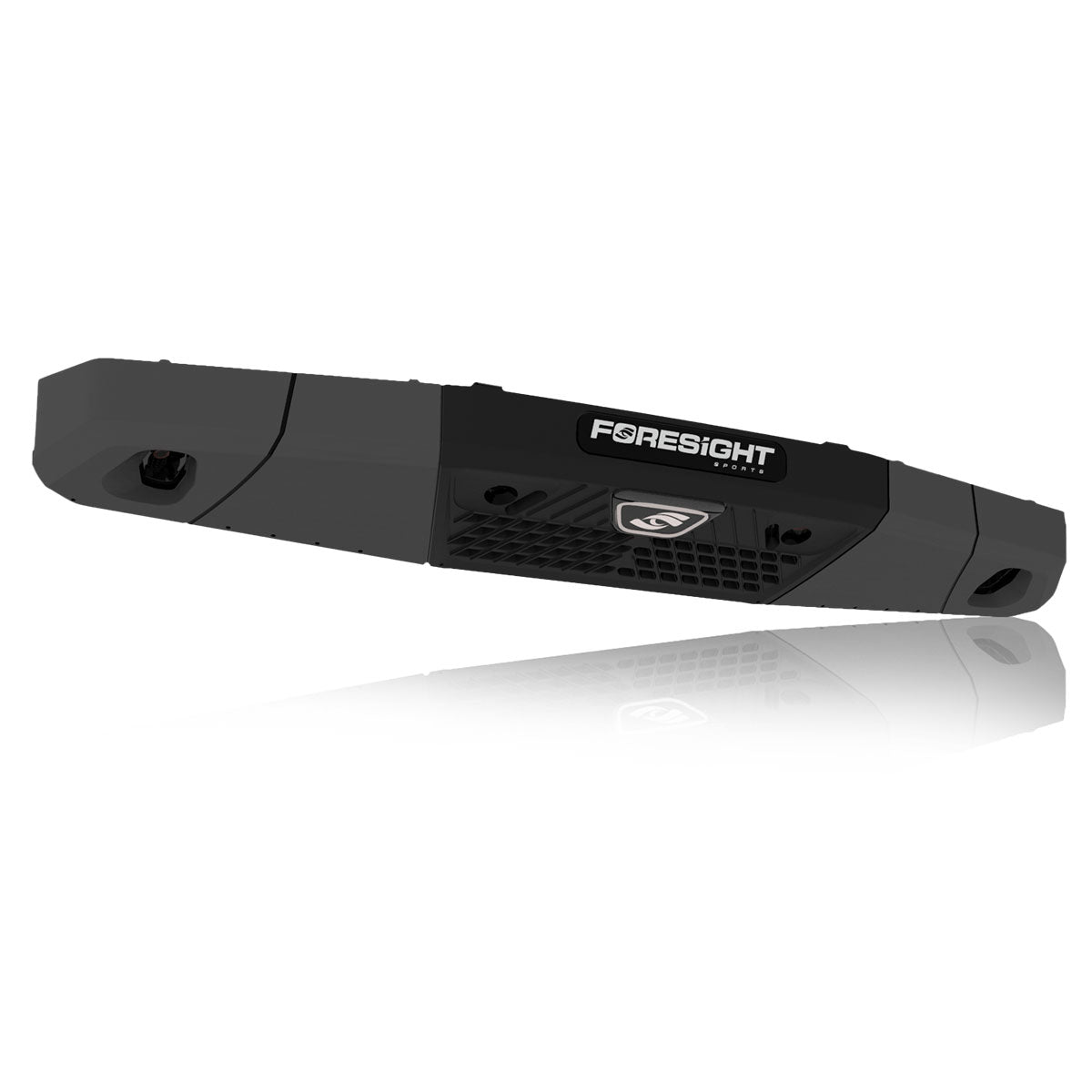
The Falcon mounts above the hitting area rather than beside it, and that single decision is what you are paying for. A floor unit has to sit somewhere — off to one side, in the swing path of a left-hander, in the way of a second player, and re-aimed every time somebody nudges it. An overhead unit is installed once and then forgotten, which is why commercial bays have used them for years. Foresight's pitch here is a smaller housing than overhead units have traditionally needed, plus faster processing for quicker shot-to-shot turnaround. It reads both ball and club, and it handles left- and right-handed players without being moved. Your golf balls need no marking, which is the part most people care about, but be clear that full club data runs on fiducial stickers applied to the clubface — a dispenser ships in the box, and they need reapplying over time. Two more things to be clear-eyed about before the number stops being abstract. It needs a gaming PC, sold separately, so the sticker is not the finished cost. And it needs a ceiling you are allowed to drill into and enough height above the hitting zone to mount it properly, which quietly rules out a lot of garages and nearly every rented room. This is a permanent-installation product. If your bay has to come down, or the room has another job, the architecture is wrong for you no matter how good the data is.
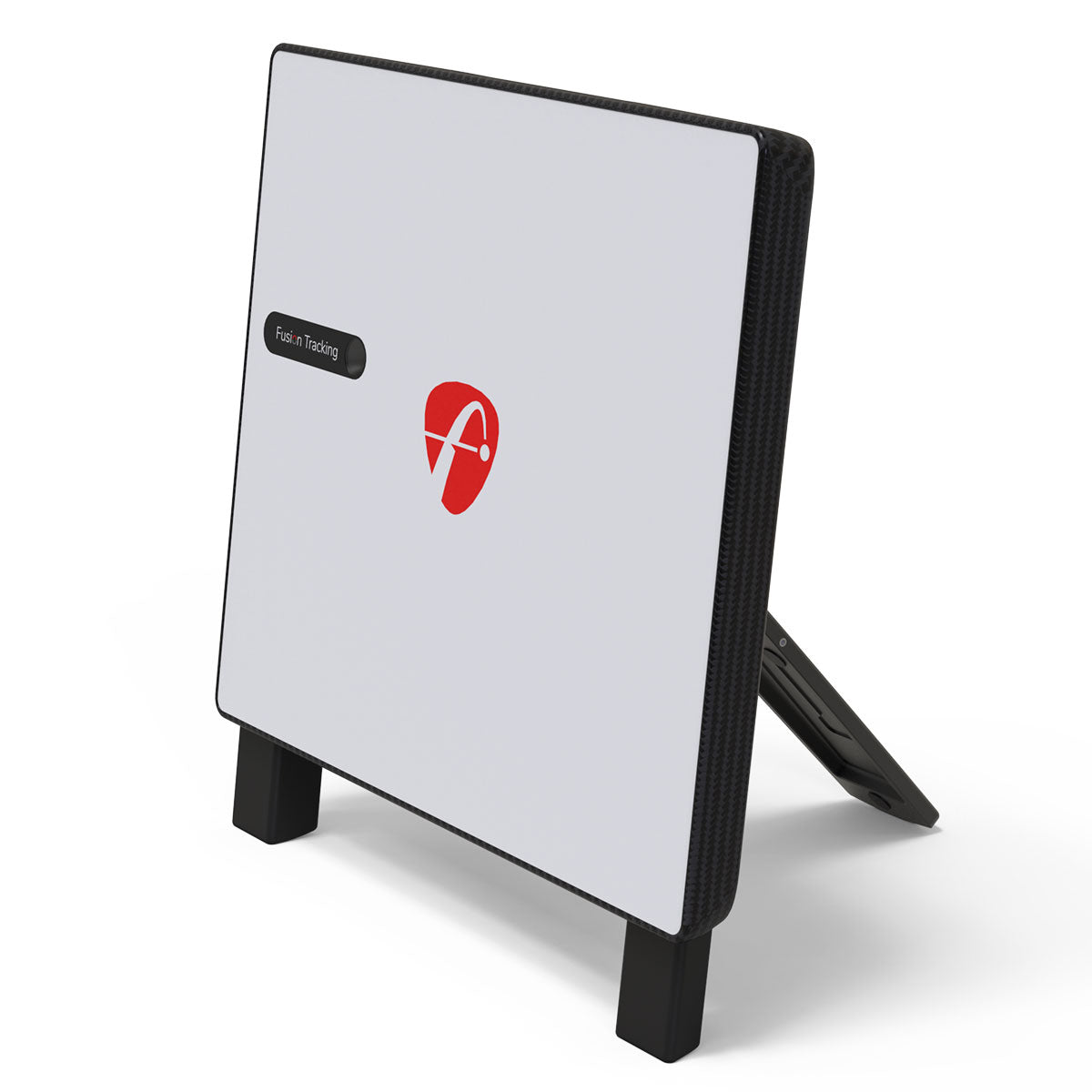
FlightScope is a radar house, and the X3C is the company planting a flag in territory photometric units have had largely to themselves. It combines 3D Doppler radar with synchronised high-speed imaging — FlightScope calls the pairing Fusion Tracking — to report 50 parameters, which is a deliberate answer to the standing objection that radar infers club delivery rather than seeing it. The chassis is the other statement: an aerospace carbon-fibre body that brings the whole unit in at six pounds ten ounces, so a machine at this level travels between a range bag and a sim room instead of living in one. A lithium-polymer battery runs up to six hours, and a twelve-course E6 Connect licence for iOS is included. The honest reading is that this is a specialist's pick rather than a default. At $13,500 you are buying radar's range-and-room flexibility with much of the close-in detail cameras are prized for, and if your golf genuinely happens in both places that trade is a good one. If it all happens in a nine-foot bay, the units designed only for that bay still read more in less space for less money.
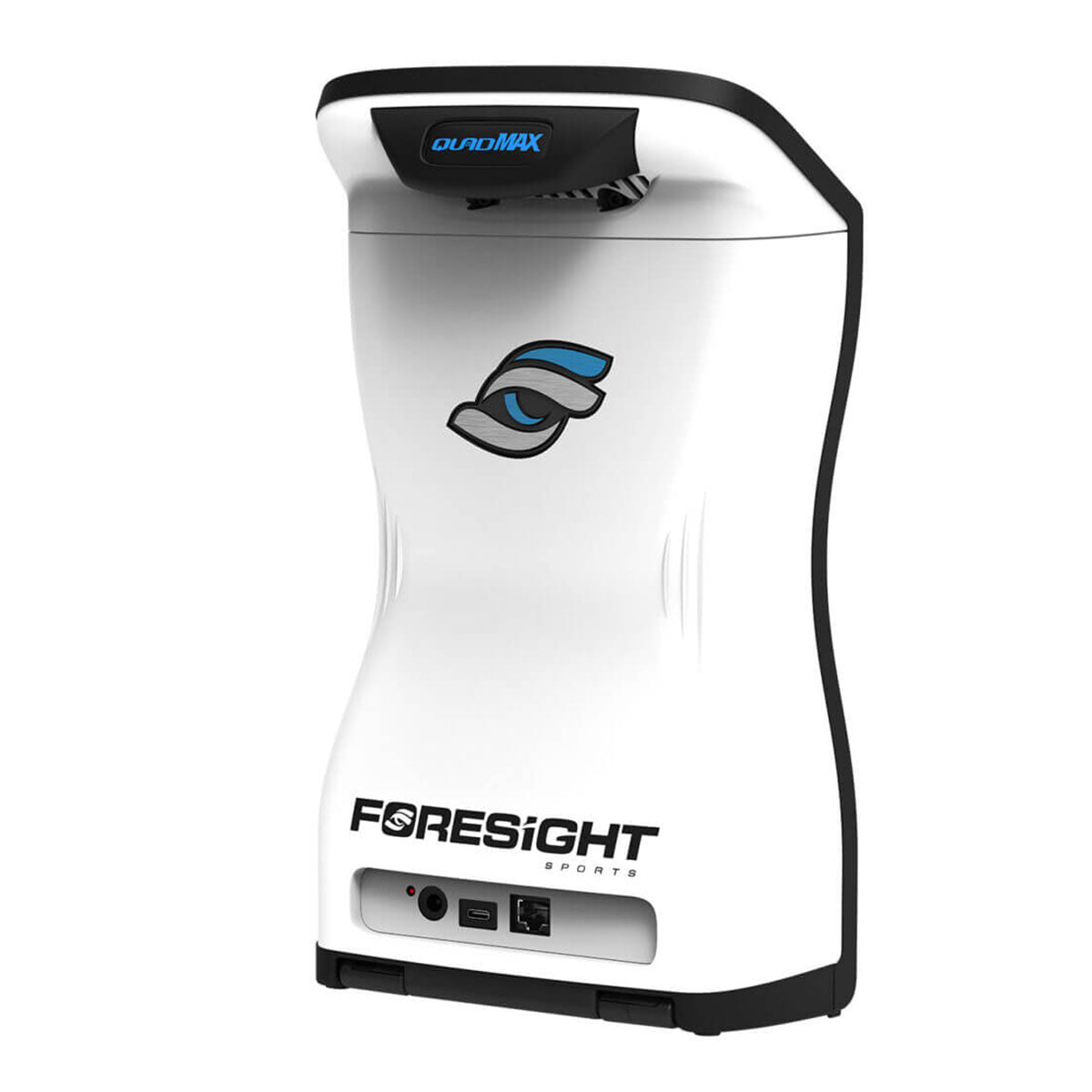
The QuadMAX is the top of Foresight's floor-standing line and the machine a large share of professional fitting bays are built around. Four high-speed cameras sit beside the ball rather than behind it, which is what lets it read club delivery — path, face angle and where on the face you struck it — without a radar's appetite for room depth. That is the whole argument for photometric capture, and the QuadMAX is the most complete expression of it: 18 measured parameters, an onboard touchscreen with a customisable tile layout so you can read numbers without a laptop, and internal memory Foresight rates at up to two billion shots. It also reports apex and descent angle on the device itself, and carries a free-speed training mode. FSX Play, FSX 2020 and 25 courses are included, so it arrives as a simulator rather than a sensor looking for software. The caveats are the obvious ones at this money. It is a floor unit, so it sits beside you and needs its own space in the hitting area, and left-handed and right-handed players will be repositioning it unless you buy a second. And at $20,000 it is a professional instrument: if the room is mainly for playing courses with friends, most of what you are paying for will never be read.
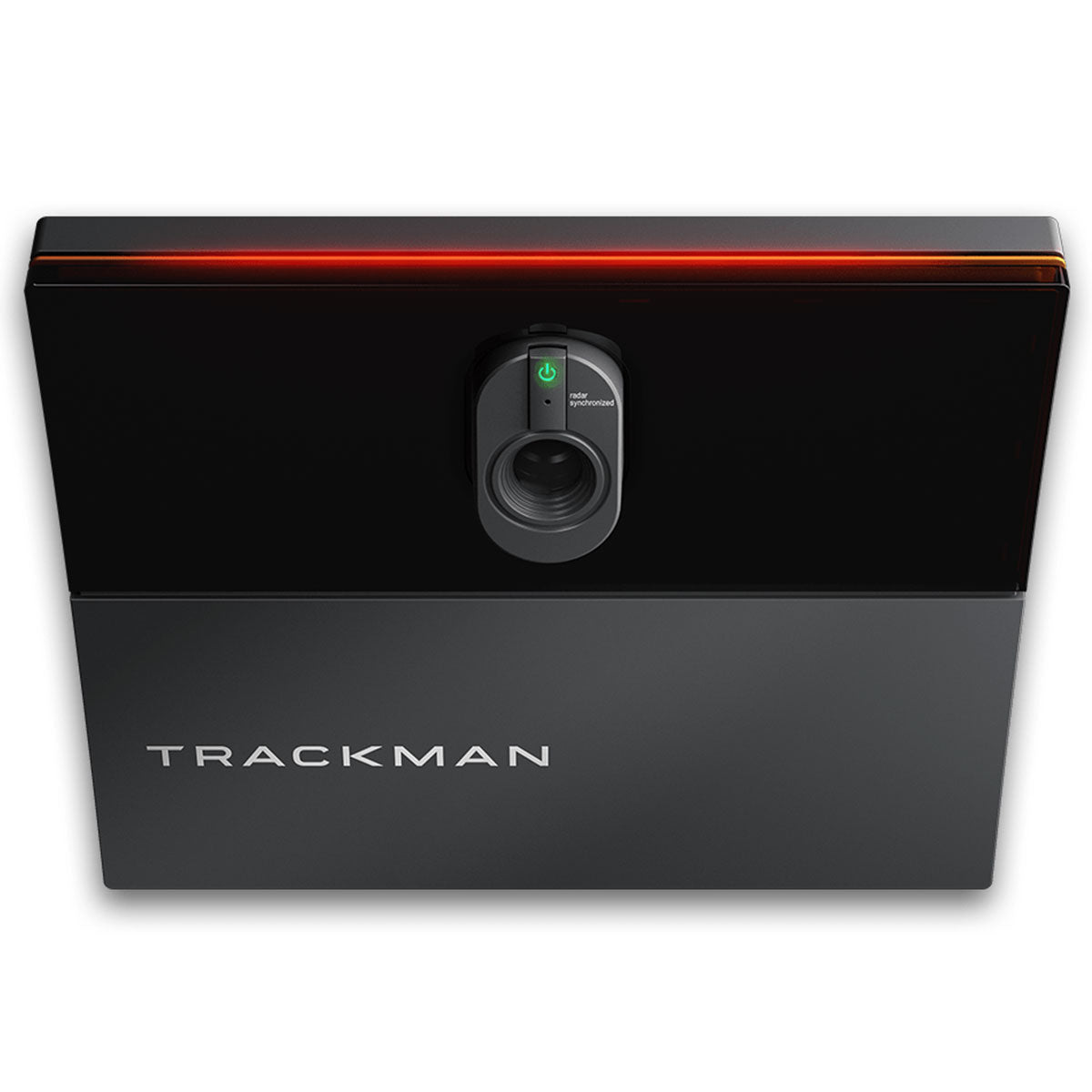
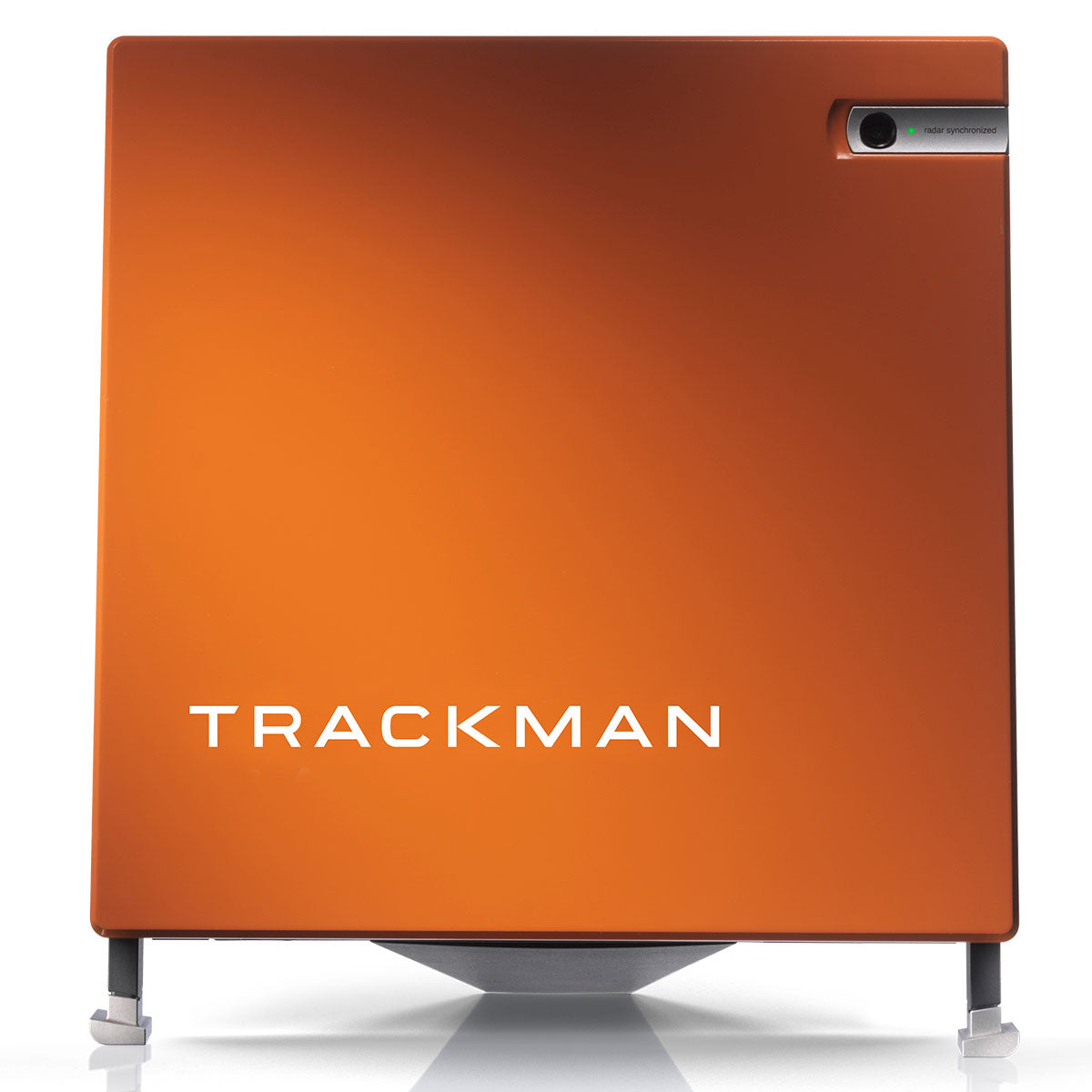
Trackman 4 is the reference. When a review says a launch monitor was checked against a Trackman, this is usually the machine, and that status is the reason it still sits at the top of the range years after launch. It pairs dual Doppler radar with a synchronised high-speed camera — Trackman's Optically Enhanced Radar Tracking — so it measures ball flight the way radar does and fills in impact detail the way a camera does, across more than 40 parameters per shot. The part that separates it from the photometric units at similar money is where it works: this is one box that tracks the full flight of a range session outdoors in any weather and then comes inside. Camera units such as the QuadMAX go outdoors too, but they measure at impact and compute the flight; radar watches the ball land. At 3.0kg with a 10,400mAh battery good for four hours-plus it travels easily. Two things to be clear about. It is radar, so indoors it wants real depth behind and in front of the ball — this is not the unit for a tight garage, and Trackman sells the iO precisely because of that. And at $26,000 the honest question is not whether it is good, it is whether you will use the half of it that justifies the premium: if every shot you hit is into a screen, the camera units read more in less room for less money.
Frequently asked
- What's the best premium launch monitor for most people?
- The Bushnell Launch Pro. It uses Foresight Sports camera technology — the measurement lineage tour fitters trust — at roughly a third of a GCQuad's price, and it works indoors and out. Budget for the subscription tier that unlocks full club data, because the base unit gives you ball data only.
- Which premium launch monitor has no subscription?
- The Foresight GC3 with LINK includes all features outright with no recurring fee. Over a decade of ownership that can make it cheaper than a unit with a lower sticker price and a paid data tier, so compare total cost rather than the headline number.
- Do I need a gaming PC for a premium launch monitor?
- Usually yes. Uneekor, Foresight and most serious simulator software require a gaming PC, which is a separate four-figure cost. SkyTrak's ST MAX is the main exception, running its Foresight and Trackman course play on a compatible Mac or iPad.
- Are ceiling-mounted launch monitors better?
- For a dedicated room, they're better to live with — nothing on the floor to hit or step over, and no repositioning between clubs. The trade-off is that they're a permanent install and alignment is critical: mount an overhead unit slightly wrong and it will quietly give you inaccurate data rather than an error.
- Is a premium launch monitor worth it over a $750 unit?
- Only if you'll use the extra accuracy. A budget radar unit is genuinely good for gapping and tracking trends. You're paying up here for measured rather than modelled data, tight indoor performance in shallow rooms, and fitting-grade confidence — which matters to coaches, fitters and anyone building a room they'll use several times a week for years.
Related reading
More on this from the desk
Review
7.9/10Full Swing KIT review: the tape measure decides this, not Tiger
Tour pedigree, TGL on ESPN, and radar good enough to be checked against a Trackman outdoors. It also wants eighteen to twenty feet of room, which rules out most of the garages people buy it for.
Versus
Trackman iO vs Uneekor EYE XO2: the year-one trap
Both mount overhead, both want ten feet of ceiling, and about $3,000 separates them on the shelf. Then Trackman's included first year runs out, and the gap starts growing by $1,100 a year.
Versus
Uneekor EYE XO2 vs Foresight GC3: ceiling or floor?
About $4,000 separates them, but they're not really rivals — one lives in your ceiling forever, the other sits on the floor and travels. The cheaper one is also the one with no subscription.
Versus
Launch Pro vs Foresight GC3: I did the subscription maths and it says the opposite of what everyone tells you
Same measurement technology, $4,000 apart, and one of them bills you every year. The received wisdom is that the no-subscription unit wins over time. Run the actual numbers and it only wins if you'd have picked the expensive plan.
Opinion
Overhead or beside the ball? The home-sim decision nobody explains until you've already bought
Every premium launch monitor guide ranks units by accuracy. Almost none of them tell you that where the thing physically sits will change your sim room more than the spec sheet will — and that one of these choices is permanent.
Review
8.8/10Bushnell Launch Pro review: the unit that dragged fitting-grade data into the garage
Foresight Sports measurement for roughly a third of a GCQuad, indoors or out. The hardware is close to unimpeachable — the thing you need to think hard about is which subscription tier you'll actually live on.
Review
8.8/10Trackman iO review: the launch monitor you buy once, and the four reasons most people shouldn't
The most expensive thing in our catalogue, and it earns the badge. But there are 4 honest reasons it isn't the right buy for most home sim rooms — and the rung below gets a lot of people most of the way.
Versus
ProTee VX vs Trackman iO: the iO costs 77 per cent more, and that gap only pays if the bay earns money
Two ceiling-mounted launch monitors, one clear hitting bay, and a price gap of roughly 77 per cent. The decision is less about accuracy than most buyers assume.
Review
7.9/10TruGolf APOGEE review: the sim unit that gives you your floor back
TruGolf's overhead unit clears the hitting bay completely and replays your impact in slow motion after every shot. The catch is a ceiling you have to drill into and a software list with one name on it.
Versus
Uneekor EYE MINI vs Bushnell Launch Pro: over three years the subscription box is still the cheaper one
Two photometric units, two completely different bargains. Add up three years of ownership and the cheaper box is still the cheaper box, which changes what the EYE MINI premium is really for.
Review
8.5/10Foresight made real accuracy a garage purchase. The no-subscription pitch has one asterisk.
Three cameras reading the ball directly, close enough to a GCQuad that most amateurs will never find the gap, and no fee to keep using the hardware. The room it needs and the software it talks to are what decide whether it fits your build.
Explained
BenQ publishes a zero-degree floor for its sim projector. No launch monitor maker publishes one at all
Most home sims live in an unheated garage, shed or loft, and winter is the entire point of owning one. Cold does not throw an error message. It quietly changes the room, the kit and every number you are given.
Review
8.2/10Foresight Falcon review: the ceiling is the product, and the gaming PC is not in the box
Nothing sits beside the ball, nothing gets re-aimed, and a left-hander can step in without anyone moving anything. Then it asks for a ceiling you are allowed to drill into and a computer that is sold separately.
Versus
Foresight Falcon vs Trackman iO: one charges you at installation, the other every year after
Two ceiling-mounted launch monitors at the very top of the market, roughly 21 per cent apart on the shelf. Both carry a second cost the sticker never mentions, and they carry it at opposite ends of the ownership.
Versus
Foresight QuadMAX vs Trackman 4: cameras beside the ball, radar that needs the room
The two machines every other launch monitor gets benchmarked against, about 30 per cent apart on the shelf. The number that decides between them is not on either spec sheet — it is the distance from where the ball sits to the wall behind you.
Versus
Uneekor EYE XR vs EYE XO2: the cheaper overhead keeps the sticker-free club tracking and gives up the hitting zone
Same brand, same ceiling mount, and one of them costs a little over 1.8 times the other. Before either is a decision, measure the room — then the gap comes down to a third camera and how much ball-position drift it forgives.
Review
8.4/10FlightScope X3C review: a radar house going after the indoor rooms the cameras own
FlightScope has spent two decades arguing that radar sees ball flight better than anything. The X3C pairs it with synchronised high-speed imaging and puts the whole thing in an aerospace carbon-fibre shell that weighs under seven pounds. It is a specialist's buy, and the specialism is a specific one.
Review
8.2/10Bushnell LPi Circle B review: Foresight measurement at a third of the Launch Pro, and it never leaves the room
It runs the same Foresight Sports measurement lineage as the Launch Pro and currently sells for about a third of the price. The catch is stated plainly on the spec sheet, which is rarer than it should be: this one is indoor only, and it is the first unit at this money to stop pretending otherwise.
Versus
Uneekor EYE XR vs Foresight Falcon: the Falcon buys a far bigger hitting zone, the EYE XR keeps stickers off your clubs
Both hang from the ceiling and both leave the floor empty. One costs nearly three times the other, and the money buys space to miss the spot, four cameras and no software fee. It does not buy sticker-free club data. The cheaper unit has that.
Review
8.4/10Foresight QuadMAX review: a coach's instrument for the range as much as the bay, and a GC3 covers the home sim
Four cameras, 18 parameters, a touchscreen and a battery that outlasts a range day. The QuadMAX is the machine fitting bays are built around, and the people who should own one are the people who use its data for a living.
Review
8.7/10Trackman 4 review: the 2015 radar is still the reference, and it pays for coaches, putting and the range
Trackman's dual-radar unit is more than ten years old and every other launch monitor is still checked against it. That age is part of the case for it. The room it needs, the putting data it has and the iO doesn't, and who should spend the money.
Review
8.1/10Uneekor EYE XO2 review: a 28-inch hitting zone built for a busy bay, with stickers on the clubface
Three overhead cameras and the biggest hitting zone Uneekor makes, which is exactly what a bay with several players needs. The fine print is a box of 400 clubface stickers, a gaming PC and a software tier for course play.
Review
8.3/10ProTee VX review: overhead club data where the only yearly bill is the course software
A ceiling-mounted camera unit with a hitting zone more than three times the size of Uneekor's EYE XR and no membership to unlock its own data. Play courses on it and you still pay GSPro, but only GSPro.
Versus
Garmin Approach R50 vs TruGolf APOGEE: a portable all-in-one sim against a ceiling unit that keeps the floor clear
Two premium camera units with their own software, and one of them is bolted to the ceiling. The R50 needs nothing else to run a round. The APOGEE needs a PC, a permanent room and a commitment to E6.