
Trackman iO review: the launch monitor you buy once, and the four reasons most people shouldn't
The most expensive thing in our catalogue, and it earns the badge. But there are 4 honest reasons it isn't the right buy for most home sim rooms — and the rung below gets a lot of people most of the way.
By Marcus Bell · Simulator & Indoor Golf Writer
The verdict
Excellent
What's great
- Data nobody argues with — the reference the rest of the market is measured against
- Ceiling-mounted: clear floor, no repositioning between clubs, both-handed play without moving anything
- Once installed the room is finished — no setup ritual, no alignment fuss, no calibration doubt
Watch out
- Needs a permanent, purpose-built room rather than a shared or temporary space
- The precision only pays back if you or a coach actually act on club-delivery data
- At this outlay the software tier matters as much as the hardware — check what you're committing to
Bottom line — The best indoor launch monitor you can put in a home bay, and the wrong buy for most home bays — brilliant for a permanent, coached, purpose-built room, overkill for forty balls and a virtual round.
Trackman
Trackman iO
ifrothgolf earns a commission on purchases made through these links, at no extra cost to you. It never changes what I recommend. Full disclosure.
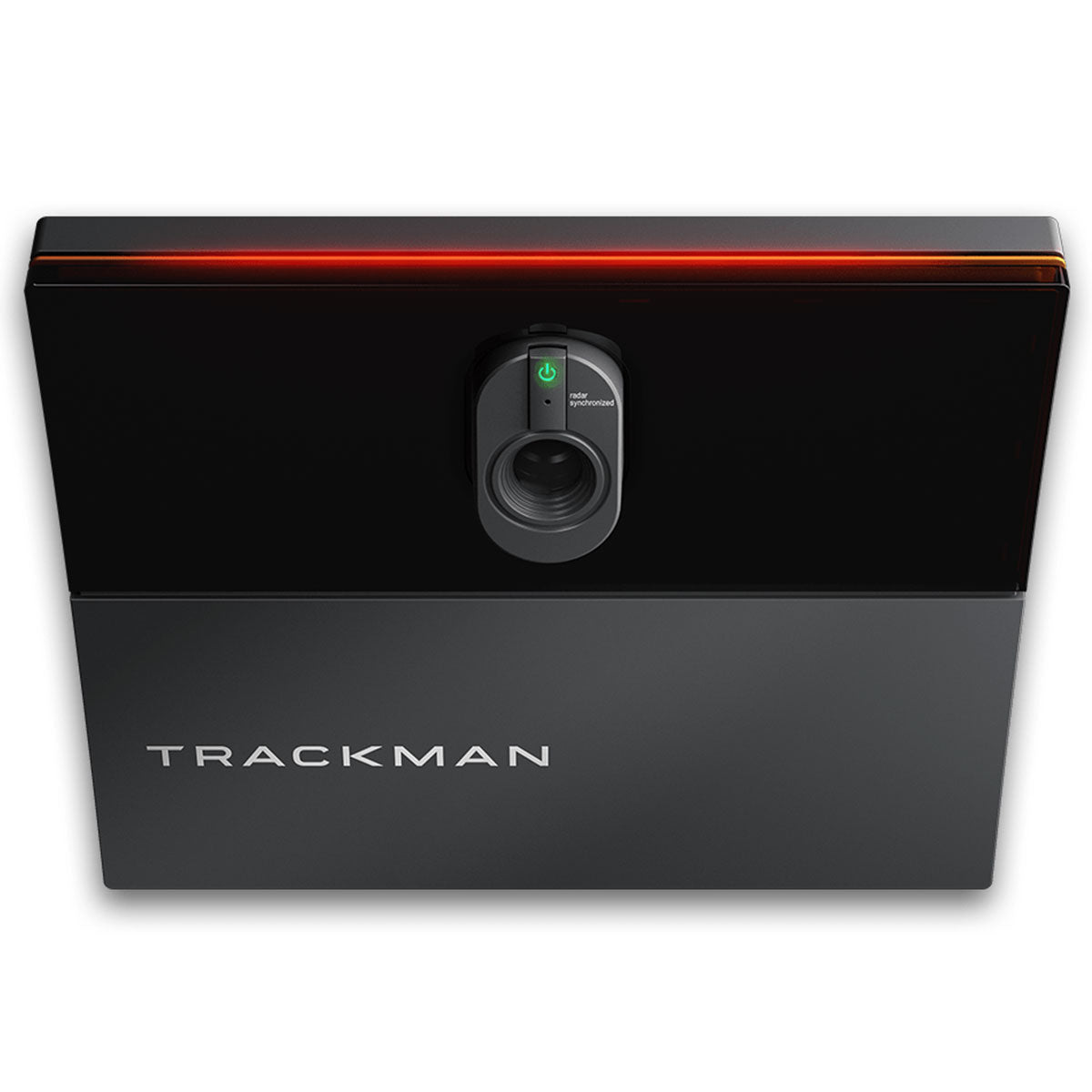
The Trackman iO is the most expensive item in our catalogue at $14,000, and the unusual thing about it is that the price is not the argument against it. Trackman's outdoor units have been the number every other launch monitor gets validated against for the best part of two decades, and the iO takes that name indoors and puts it on the ceiling: radar, infrared and high-speed imaging in one overhead housing, reading real-time 3D spin and club data with nothing sitting on your floor. If you are cross-shopping at this level, the honest question is not whether it is good. It is whether the room you are actually building deserves it — and for most people the answer is no.
What it is, and why overhead changes the room
An overhead unit inverts the normal sim-room problem. A radar sits behind you and wants distance; a photometric box sits beside the ball and wants to be exactly there, every shot. The iO hangs above the hitting area, which means three practical things that spec sheets bury. Nothing on the floor to kick, trip over or clip with a hosel. No repositioning between clubs, because the sensor sees the whole hitting zone rather than a spot you have to feed it. And no shuffling the hardware when a left-hander steps in, which turns a one-person room into a household one. Trackman built the iO specifically for indoor spaces rather than shrinking an outdoor unit into a bay, and it shows in how little the room has to bend around it. Our overhead or beside the ball piece covers that trade-off in full, and it is the decision to settle before you shortlist anything.
The positive case, stated plainly
Two things justify the money. The first is data you do not have to caveat. Trackman is the reference the rest of the market is measured against, and when a number disagrees with your eyes, being able to trust the number rather than argue with it is worth real money to anyone working on a swing change. The second is the install itself: once it is up, the room is finished. There is no daily setup ritual, no alignment fuss, no calibration anxiety before a session, and no creeping doubt that the unit drifted two inches left over winter. That combination — a permanent, invisible sensor and data nobody argues with — is a genuinely different ownership experience from every rung below it. If you are going to hit thousands of balls indoors over the next decade, buying the thing once has an appeal that spreadsheets underrate.
Reason one: you need a room, not a corner
The iO is more forgiving on ceiling height than a radar that needs metres of clear space behind you, and that is a real point in its favour. But it still asks for a ceiling you can mount into, a fixed position, and a space you are not converting back into a spare bedroom in eighteen months. That is a different commitment from a unit you set on the floor and pack away. If your bay is a garage bay you share with a car, or a loft you rent, or a corner of a room the family reclaims at Christmas, the permanence is a liability rather than a feature — and a portable photometric unit that lives in a case is the smarter purchase, even though it is objectively the lesser instrument. Be honest about the building, not just the golf.
Reason two: precision you will never act on
This is the one nobody wants to hear. The gap between a very good launch monitor and the best one is mostly measured in spin-axis accuracy, club-delivery detail and consistency at the margins. Those are coaching inputs. If you have a coach who reads your data between sessions, or you are chasing a specific delivery change, that resolution turns into strokes. If you are going to open the software, hit forty balls, glance at carry, and load Pebble Beach, you have bought a laboratory instrument to answer a question you were never going to ask. There is no shame in that — playing virtual golf is a perfectly good reason to build a sim — but it is a reason to spend the money on the picture and the room, not the sensor. Buy this tier because someone is going to act on the output.
Reason three: the money is better split across the room
A sim bay is a system, and the sensor is one component of it. A world-class sensor firing into a cheap screen, with a mat that punishes your wrists and a projector you fight for brightness, is a worse room than a very good sensor with the rest done properly. Mats in particular are where people economise and then quietly stop using the bay, which is why we keep banging on about it in don't cheap out on the mat. Run the total budget through the Sim Room Architect before you commit a penny to a sensor: if the launch monitor is eating more than half the build, the build is unbalanced.
Reason four: the rung below is closer than the price gap suggests
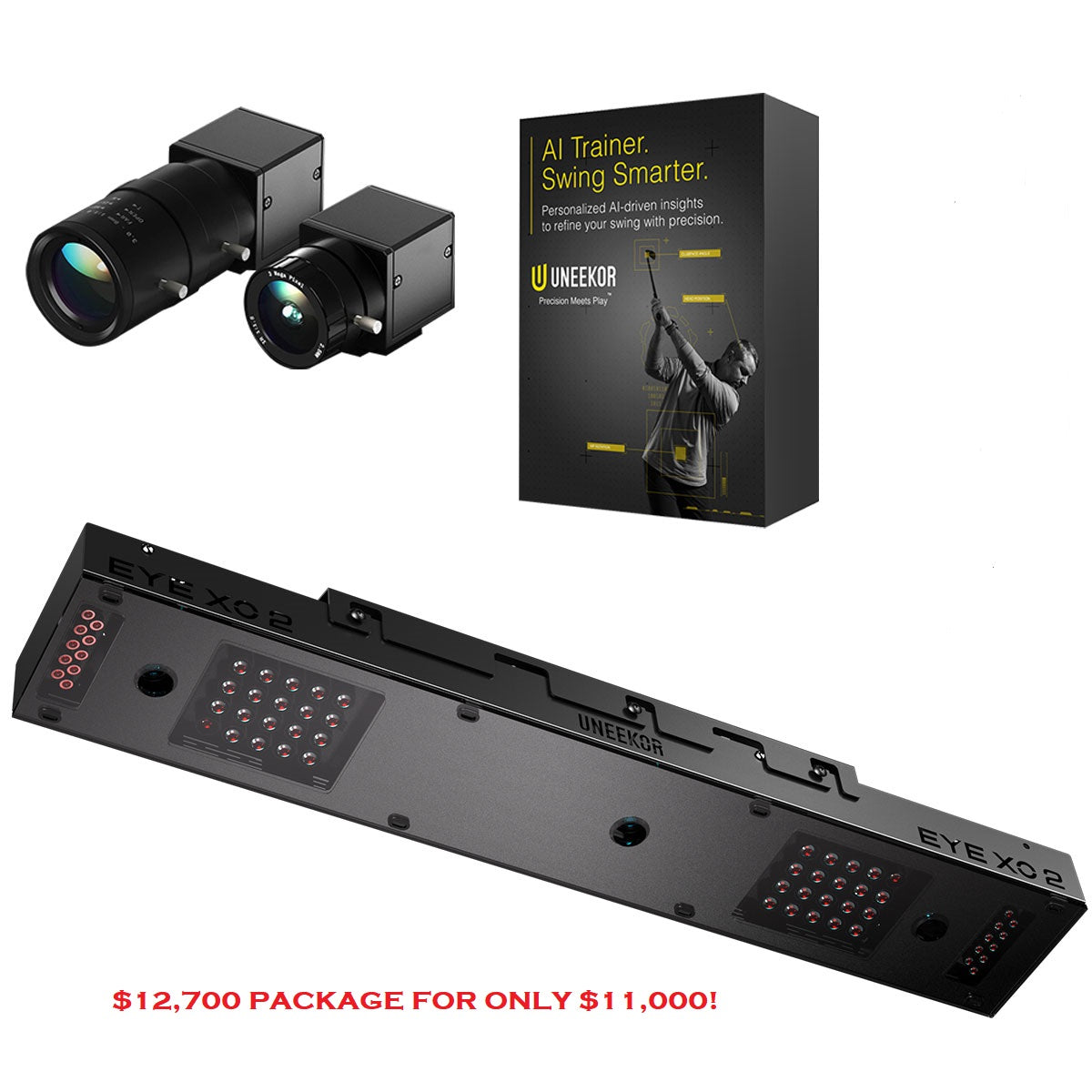
This is the decisive one. The Uneekor EYE XO2 at $11,000 puts three high-speed cameras overhead with an enlarged hitting zone, needs no ball markings, and has been shipping with two Swing Optix swing cameras — meaning you get video of the move alongside the numbers, which for a lot of self-coached players is more actionable than another decimal place of spin accuracy. It wants precise ceiling mounting and a gaming PC, and the full software experience runs on a subscription after the trial, so read that line before you buy.
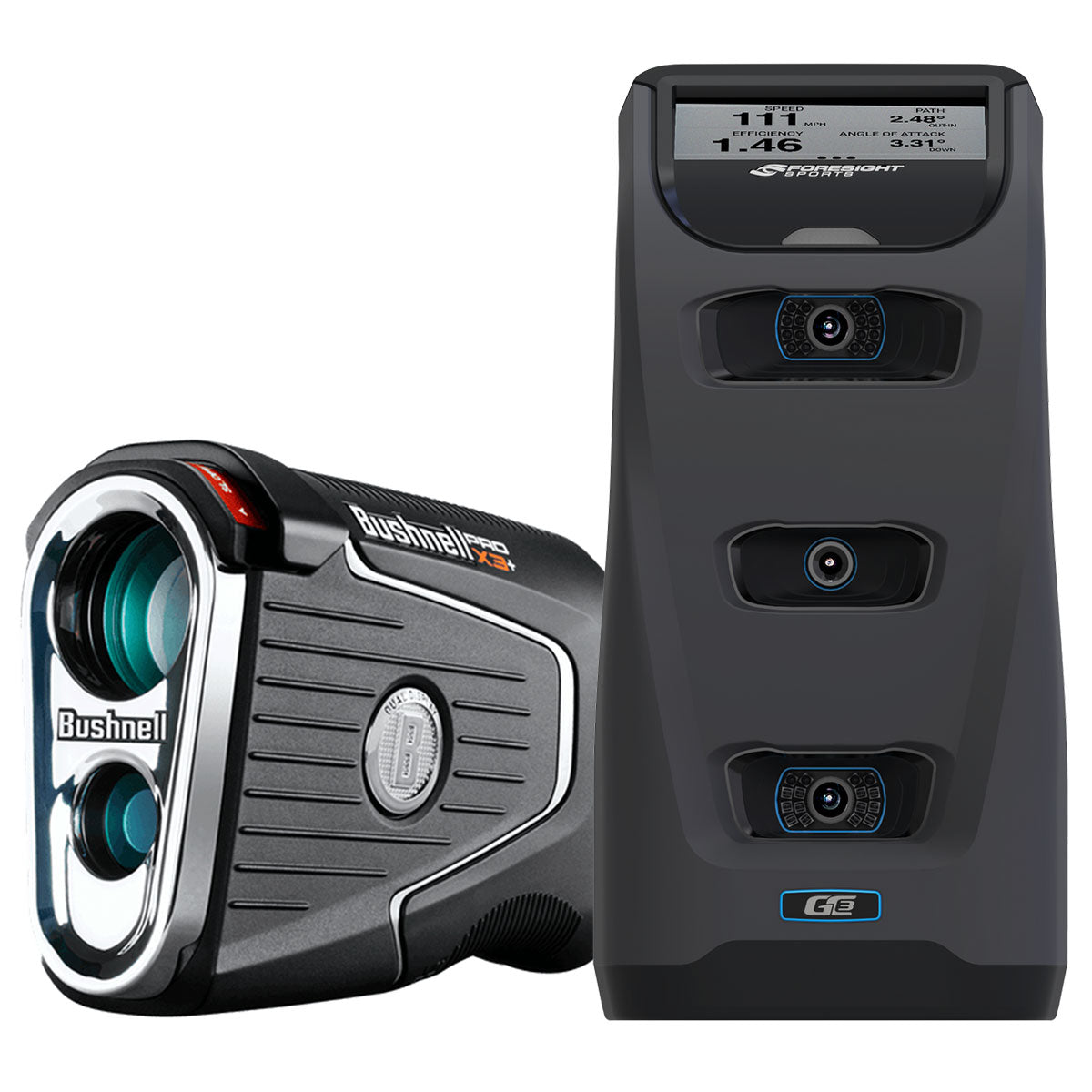
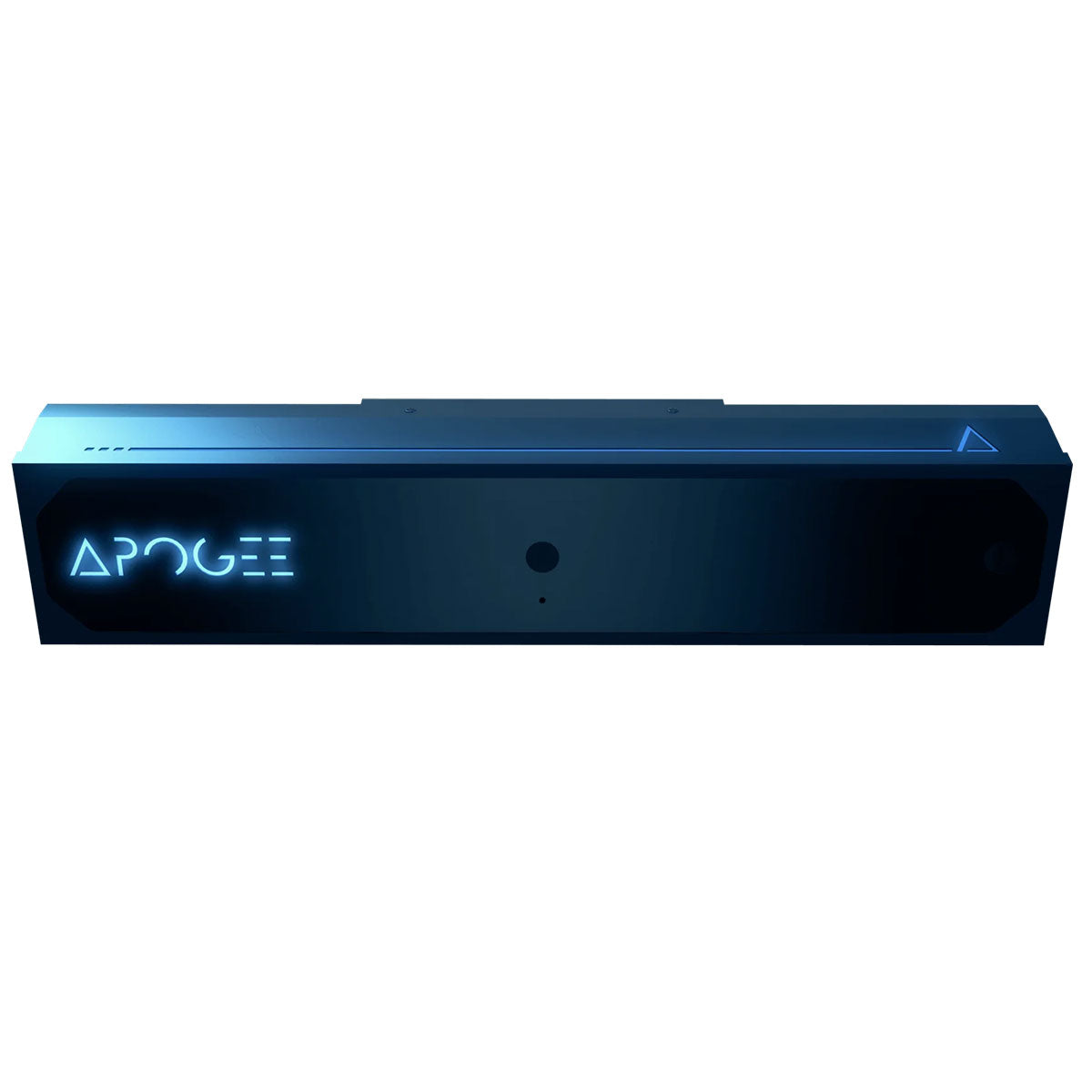
Below that, the ladder is genuinely strong. The TruGolf APOGEE at $8,000 is ceiling-mounted with zero display delay and a slow-motion impact replay on every shot, which is the sort of feature that changes how you practise rather than how you spectate. The ProTee VX at $7,900 is the value argument up here: an overhead camera unit reading 24 ball and club data points across a 25-by-21-inch hitting zone, switching between right and left-handers with no repositioning, no marked balls, and — the line that matters over ten years — no subscription and no annual software fee. And the Foresight GC3 with LINK at $7,000 gives you three cameras, every feature included, no subscription, indoor and outdoor use, and it now talks to a Bushnell Pro X3 LINK on the course, which is the only unit here that keeps earning its keep in daylight.
None of those are Trackman. They are, roughly, most of the way there for thousands less — and the honest framing is that the last stretch of accuracy costs about as much as everything before it. Our launch monitor price ladder maps every rung, including the annual fees that never appear on a price tag.
Who should buy it, and who should walk
Buy the iO if you are building a permanent, purpose-made room you will still be using in ten years, you work with a coach or coach yourself seriously enough to act on club-delivery data, and the rest of the bay is already specified properly. Buy it, too, if you are fitting clubs, teaching, or running anything commercial, where the badge and the trust in the numbers are part of what you are selling. Walk away if the space is temporary or shared, if the sensor would swallow more than half your budget, if you mostly want to play courses with mates, or if the honest use case is forty balls and a virtual round. That last golfer is not being cheap by choosing the ProTee VX or the GC3 — they are buying the right instrument for the job, and putting the difference into a screen and a mat they will feel every single session.
The verdict
The iO is the best indoor launch monitor you can put in a home bay, and it is the clearest example in golf of a product where being the best and being the right buy are different questions. It scores high because it does exactly what it claims, permanently and without argument. It is not a ten because the value case only closes for a narrow slice of buyers, and because at this price the software tier you end up on matters as much as the box — check what you are signing up to. If you fall outside that slice, the premium launch monitor field and the wider home sim world have answers that make your room better rather than your spreadsheet worse.
Products mentioned in this article
Trackman
Trackman iO
The reference standard, overhead and indoors — buy it once, if the room deserves it.
TruGolf
TruGolf APOGEE
Ceiling-mounted with zero display delay and slow-motion impact replay every shot.
ProTee
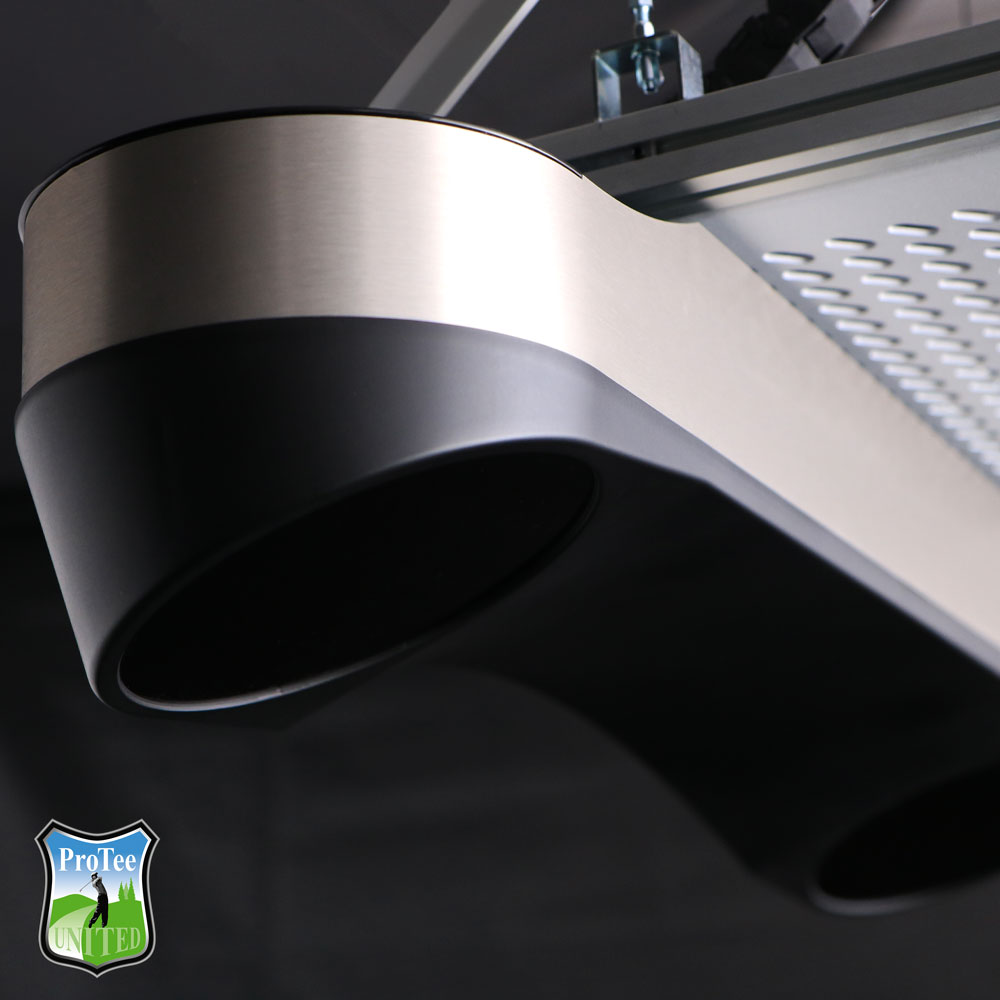
ProTee VX Overhead Launch Monitor
Overhead camera unit with no marked balls and no subscription — the value pick up here.
Foresight Sports
Foresight GC3 with LINK
Three cameras, every feature included, and it talks to a Pro X3 LINK on the course.
ifrothgolf earns a commission on purchases made through these links, at no extra cost to you. It never changes what I recommend. Full disclosure.
Frequently asked
- What makes the Trackman iO different from Trackman's outdoor units?
- It's built specifically for indoor use and mounts on the ceiling rather than sitting behind or beside the golfer. It combines radar, infrared and high-speed imaging in one overhead housing, reading real-time 3D spin and club data with nothing on the floor.
- Do I need a lot of ceiling height for an overhead launch monitor?
- Less than people assume, and overhead units generally suit indoor rooms better than a radar that needs clear space behind you. The bigger requirement is permanence: you need a ceiling you can mount into and a room you're not converting back, because this is a fixed install rather than a unit you pack away.
- Is the Trackman iO worth it over a Uneekor EYE XO2 or ProTee VX?
- Only if you'll act on the extra data. The EYE XO2 gives you three overhead cameras plus swing video, and the ProTee VX gives you 24 ball and club data points with no subscription for a fraction of the outlay. The last stretch of accuracy costs roughly as much as everything below it, so it's worth it for coaching, fitting and commercial use, and hard to justify for playing virtual courses.
- How much of my sim budget should the launch monitor take?
- As a rule, if the sensor is eating more than half the total build, the build is unbalanced. The enclosure, screen, mat and projector decide whether you actually use the room, and a cheap mat is the most common reason a bay goes quiet.
Read next
Review
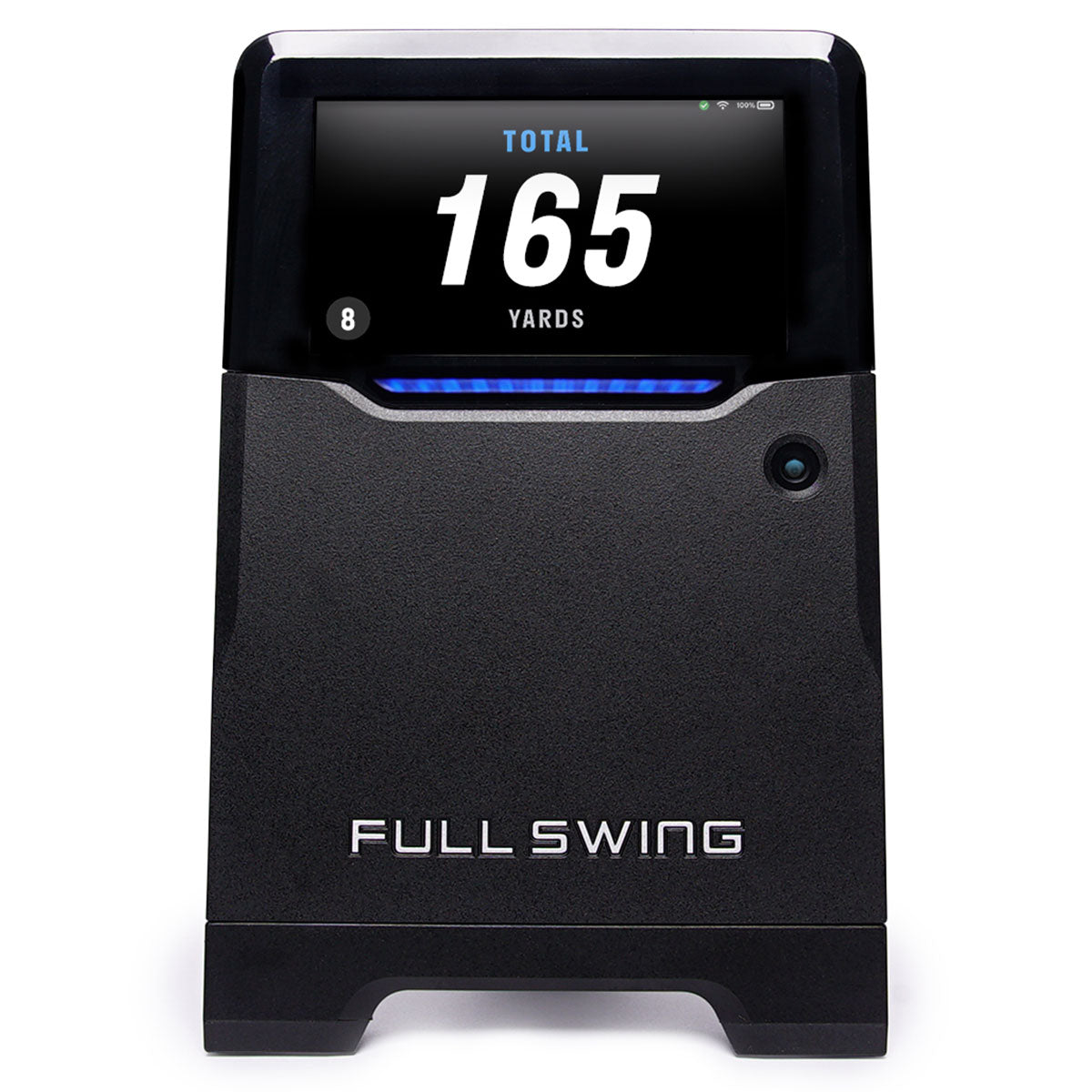
7.9/10Full Swing KIT review: the tape measure decides this, not Tiger
Tour pedigree, TGL on ESPN, and radar good enough to be checked against a Trackman outdoors. It also wants eighteen to twenty feet of room, which rules out most of the garages people buy it for.
Versus
Trackman iO vs Uneekor EYE XO2: the year-one trap
Both mount overhead, both want ten feet of ceiling, and about $3,000 separates them on the shelf. Then Trackman's included first year runs out, and the gap starts growing by $1,100 a year.
Versus
Uneekor EYE XO2 vs Foresight GC3: ceiling or floor?
About $4,000 separates them, but they're not really rivals — one lives in your ceiling forever, the other sits on the floor and travels. The cheaper one is also the one with no subscription.