
The launch monitor price ladder: what each jump in price actually buys
Seven rungs, seventy-fold price range, and only two of the jumps genuinely change how much you improve. A plain map of where the money goes — including the annual fees that don't appear on any price tag.
By Dan Mercer · Editor
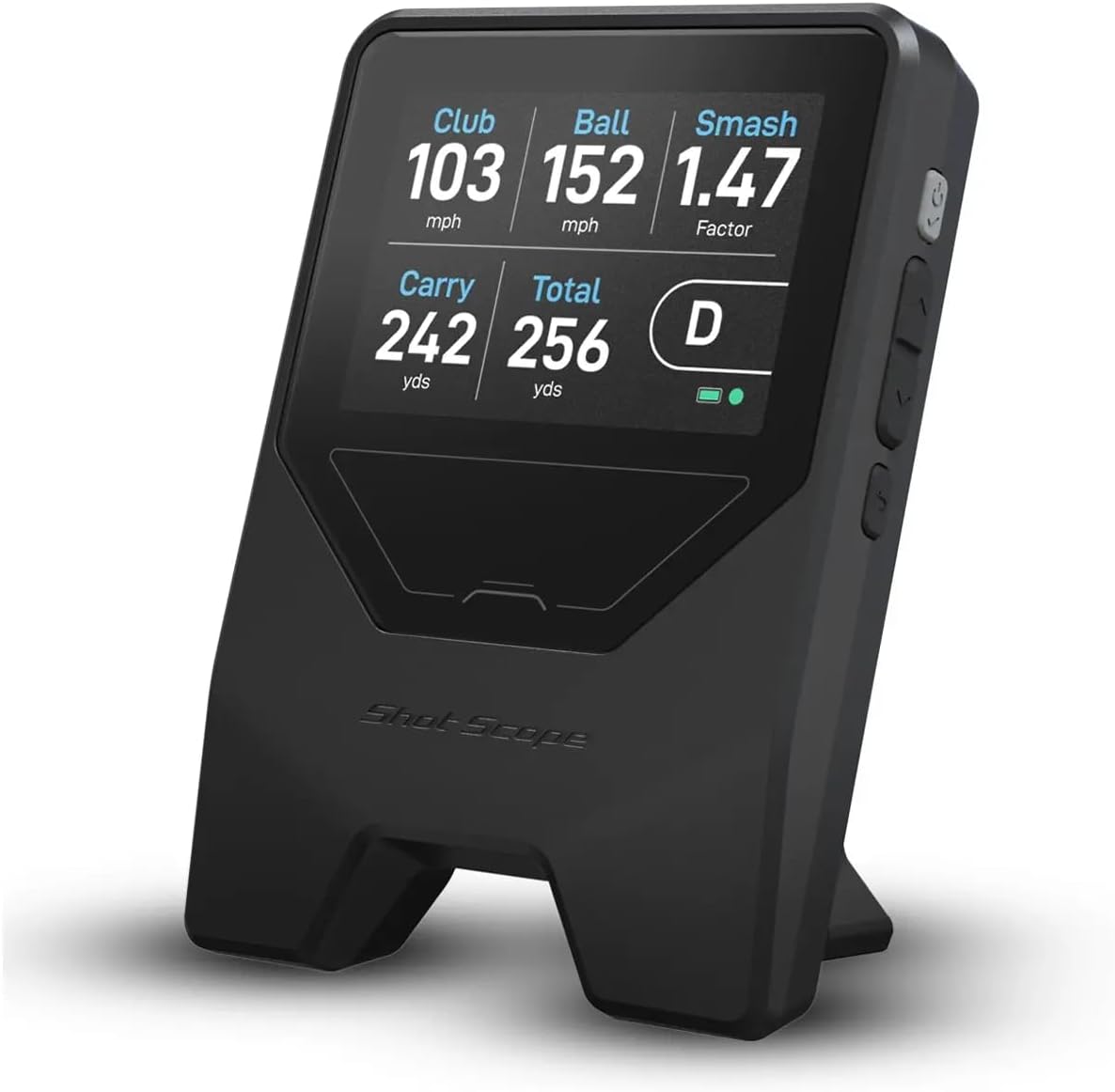
Shot Scope
Shot Scope LM1 Launch Monitor
ifrothgolf earns a commission on purchases made through these links, at no extra cost to you. It never changes what I recommend. Full disclosure.
Launch monitor pricing looks irrational until you lay it out as a ladder, at which point a clear shape appears: the money buys three different things in sequence, and only the first is really about getting better. From roughly $200 to $13,950 you are, in order, buying usable numbers, then trustworthy numbers, then — for the whole top half of the range — installation, ergonomics and a brand's name on the data. Knowing which rung you're standing on is the difference between spending well and spending a lot. Here is every rung, what it adds, and the annual fee that isn't on the box.
Rung one — around $200: a number, not a tool
The Shot Scope LM1 sits at the floor of the category and does a genuinely honest job: ball speed, carry, a handful of basics, no subscription. What it can't do is tell you why. There's no club data, no spin measurement worth the name, no simulator. That's fine if the question you're asking is "how far do I actually hit this?" — which is a real question most golfers get wrong by fifteen yards. It's not fine if you expected a practice system. Buy at this rung to end an argument about carry distance, not to start a training programme.
Rung two — around $500: the first genuinely useful jump
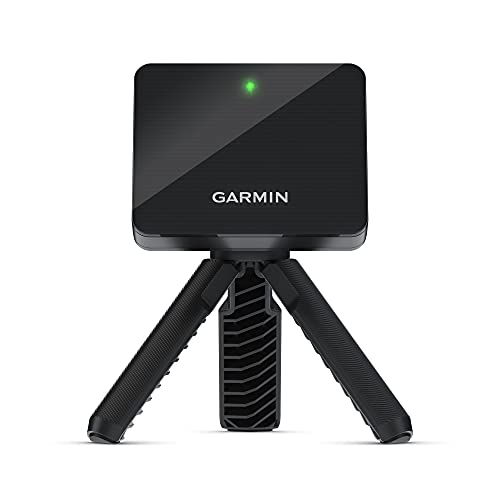
This is the biggest value step on the whole ladder. The Garmin Approach R10 adds a proper app, session history, a full spread of ball metrics and enough simulator capability to make winter interesting. Crucially it makes the numbers comparable over time, which is when a launch monitor stops being a gadget and becomes a practice tool. Spin is modelled rather than fully measured, and radar wants a few feet of ball flight to work properly — so a shallow garage flatters it less than a driving range does. For a golfer who mainly wants to gap the bag and track progress, this rung is where the improvement-per-pound curve peaks, and everything above it has diminishing returns on that specific axis.
Rung three — around $2,000: measured, not modelled
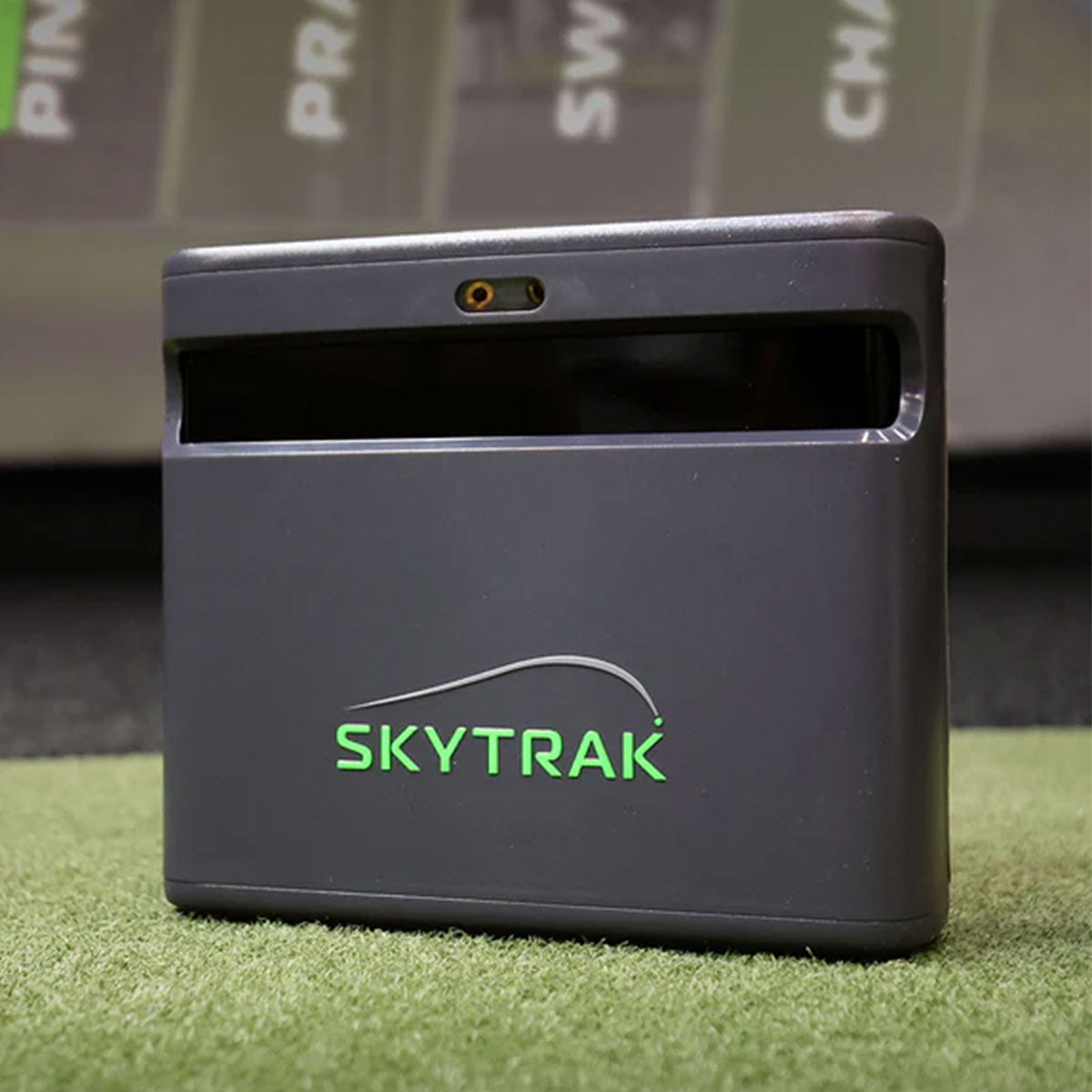
The SkyTrak ST MAX marks the switch from inferring the ball's behaviour to photographing it. That matters most indoors, where radar has no flight to read: a camera unit in a tight bay is simply doing a different and more reliable job. You also get 15 metrics, structured speed training, and — the underrated part — course play that runs on a compatible Mac or iPad rather than demanding a gaming PC. That single compatibility fact is worth roughly $1,500 against every rung above it, and almost nobody puts it in the comparison. This is the rung where a home simulator becomes something you'd trust shot to shot.
Rung four — around $3,000: peak amateur-detectable accuracy
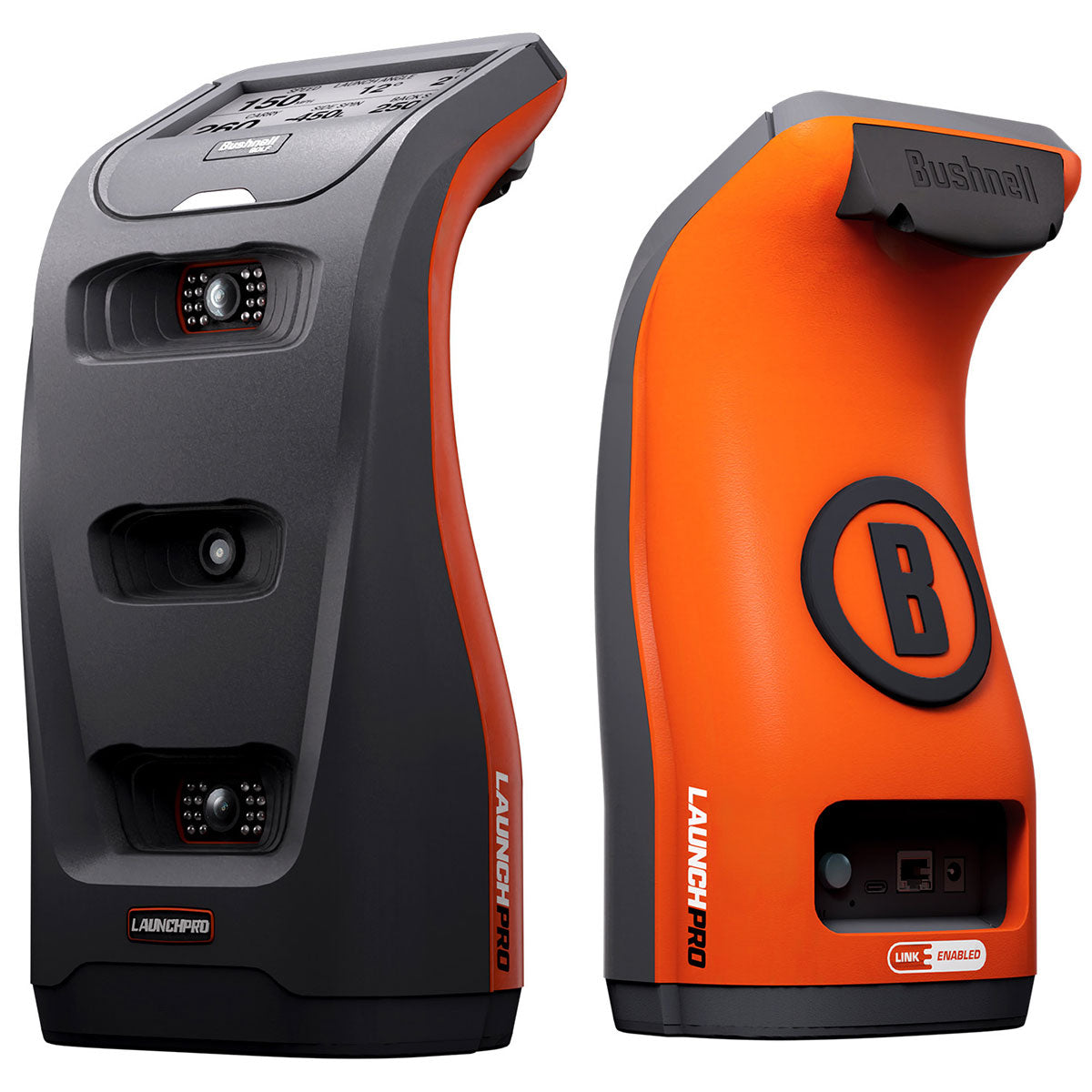
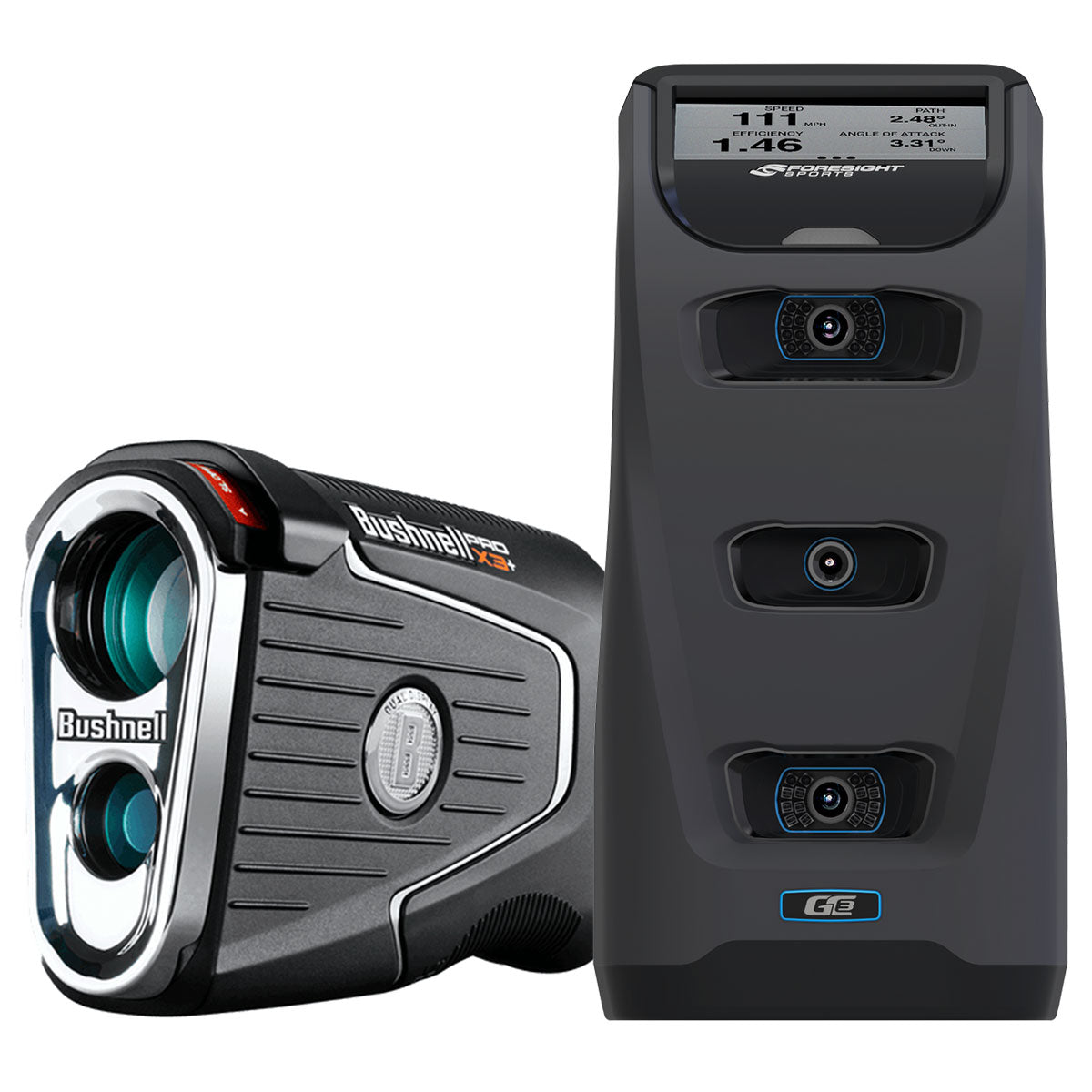
The Bushnell Launch Pro brings Foresight Sports measurement into reach, and here's the blunt truth about everything above it: this is roughly where accuracy stops improving in any way a club golfer can perceive. The units above are more accurate. You will not feel it. What you'll feel from here on is build, ergonomics, software and support. That's not nothing — but it's a different purchase from "better data", and the marketing at the top of the market works hard to blur the two.
Rung five — around $7,000: paying to stop paying
The Foresight GC3 adds a third camera and a rangefinder, but its real product is the absence of a subscription: everything switched on, forever, plus LINK integration that feeds your measured distances to an on-course rangefinder. Whether that's worth more than double the Launch Pro depends entirely on which subscription tier you'd otherwise pick — we ran that arithmetic properly and the answer surprises most people. This rung is a financial decision dressed as a technical one.
Rungs six and seven — $11,000 and up: architecture and a name
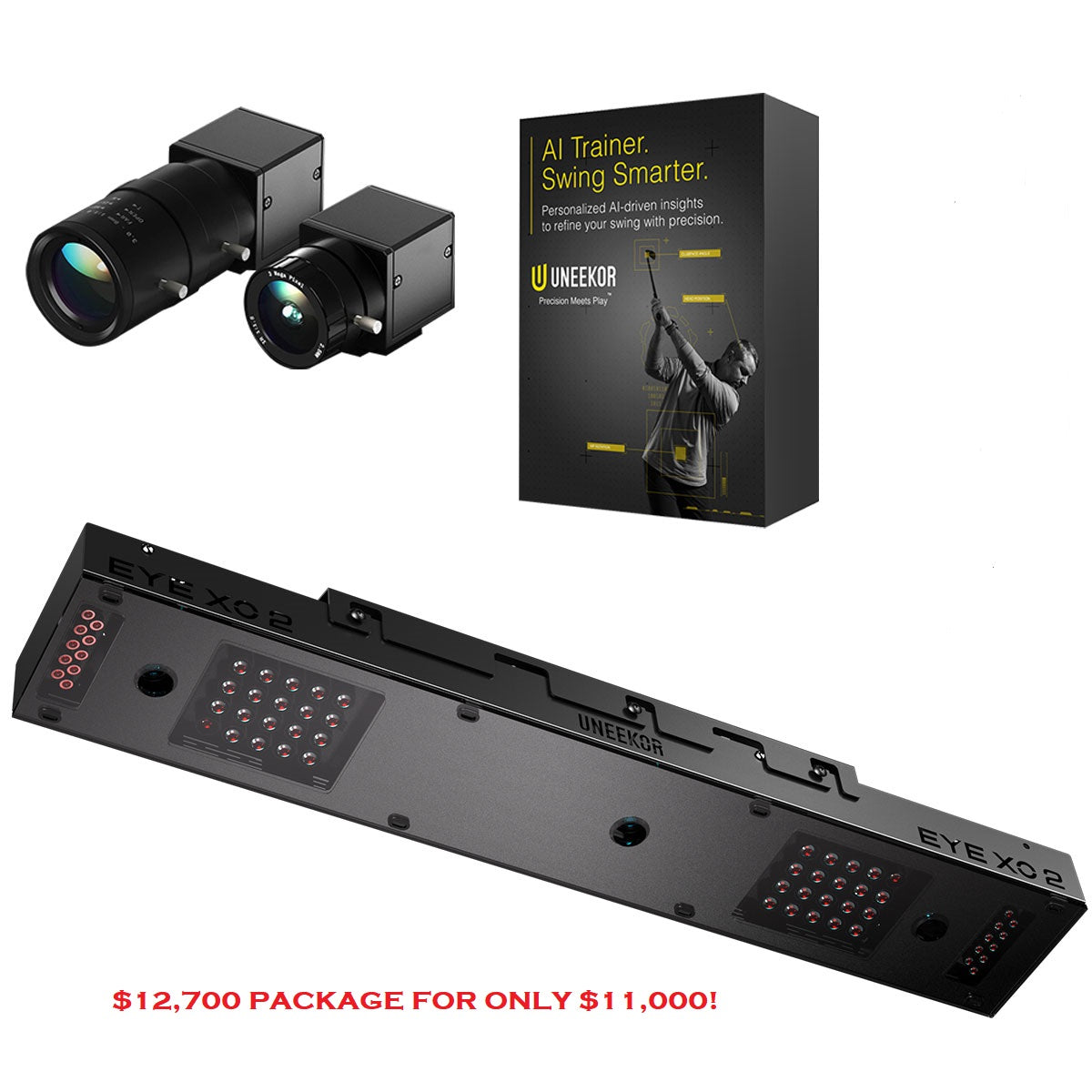
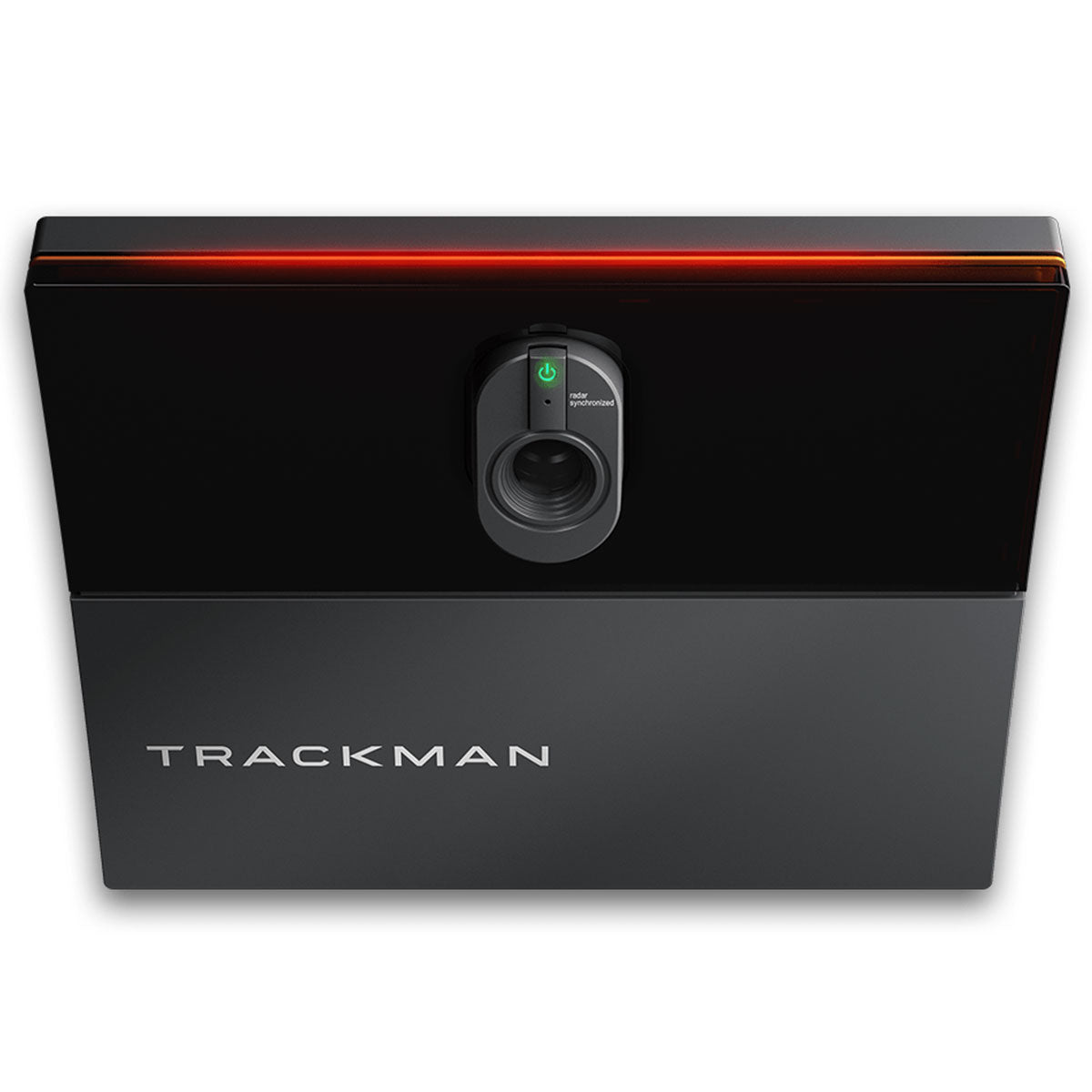
The Uneekor EYE XO2 and Trackman iO are where you stop buying data quality and start buying how the room works. Overhead mounting clears the floor, reads left- and right-handers without moving anything, and turns a bay into a room — genuinely transformative to live with, and a decision worth making before you shortlist units. At the very top you're also buying a name that means something to a fitter or a pupil, which is a legitimate commercial reason and a poor personal one. The catch nobody advertises: Trackman's iO doesn't run GSPro or E6 Connect, so at $13,950 you can end up with a smaller course library than someone on rung two.
The ladder nobody prints: annual fees
Every comparison above changes once you add the recurring cost, and the ordering is not what you'd guess. Roughly, per year: the LM1 and the GC3 charge nothing, ever. The R10's virtual rounds need a Garmin membership. SkyTrak's course-play tiers vary by what you want to play. The Launch Pro runs about $200 a year on its cheap tier or $500 on the premium one, with a one-time club-data buyout around $1,500. Uneekor's tiers run from free at the base level up to roughly $600 a year, with third-party software like GSPro gated above the entry tier. Trackman's home plans start near $700 and run to about $1,100 for full club data.
Read that list again and note the inversion: a $3,000 unit can cost more over a decade than a $7,000 one, and the most expensive hardware on the ladder also carries the most expensive plan. Multiply the annual figure by ten and add it to the sticker before you compare anything. It reorders the ladder more than any spec does.
The three questions that place you on it
One: are you measuring to settle distances, or to train? Settling distances is rung one or two, and spending more is waste. Two: is the room shallow? If yes, jump to rung three or above, because radar can't do its job in a garage and you'll be paying for accuracy you don't receive. Three: is the room permanent, and does more than one person use it? That's the only honest argument for rungs six and seven, and it's an argument about architecture rather than data. Our launch monitor finder walks those three questions in about a minute, and the premium tier guide covers the top rungs in detail.
What the ladder actually says
Most golfers should buy rung two and spend the difference on lessons. Most people building an indoor room should buy rung three or four and stop. Rungs five to seven are excellent products solving problems — permanence, handedness, commercial credibility, freedom from renewal emails — that have very little to do with hitting the ball better. There's nothing wrong with buying them. Just buy them knowing which problem you're solving, because the price tag has stopped tracking the golf a long way before the top of this ladder.
Products mentioned in this article
Garmin
Garmin Approach R10 Launch Monitor
Where a launch monitor becomes a practice tool rather than a gadget.
ifrothgolf earns a commission on purchases made through these links, at no extra cost to you. It never changes what I recommend. Full disclosure.
Frequently asked
- How much should I spend on a launch monitor?
- Around £400 if you mainly want to gap your bag and track progress outdoors — that is where improvement-per-pound peaks. Around £1,570 or more if your room is shallow, because camera units read the ball at impact where radar needs flight to work. Above roughly £2,360 you are buying build, ergonomics and software rather than accuracy you can detect.
- At what price do launch monitors stop getting more accurate?
- In practical terms, around £2,360. Units above that are measurably more accurate, but the difference is below what a club golfer can perceive. What the extra money buys from there is installation options, ergonomics, software and brand credibility.
- Which launch monitors have no subscription?
- At opposite ends of the ladder: the Shot Scope LM1 at the entry level and the Foresight GC3 at the premium end both include everything with no recurring fee. Most units in between charge annually for club data, simulation or course play.
- Do I need a gaming PC for a home launch monitor?
- For most serious simulator software, yes, and it is a four-figure cost that appears in no brochure. The notable exception is SkyTrak's ST MAX, which runs its course play on a compatible Mac or iPad — worth roughly £1,200 against every rung above it.
- Is an expensive launch monitor worth it for a home simulator?
- Only for specific reasons: a permanent room where overhead mounting clears the floor, a household with both left- and right-handed players, or commercial use where a brand's name carries weight with clients. None of those are about hitting the ball better, which is why most home builds should stop around the middle of the ladder.
Read next
Versus
SkyTrak+ vs FlightScope Mevo+: your room decides this one, not your budget
Both are now outgoing models on run-out prices, which makes this more useful rather than less — the successors inherit the same trade-off. And it isn't the spec sheet. It's how much space you actually have.
Versus
Rapsodo MLM2 Pro vs Shot Scope LM1: measured spin and sim golf, or just the number?
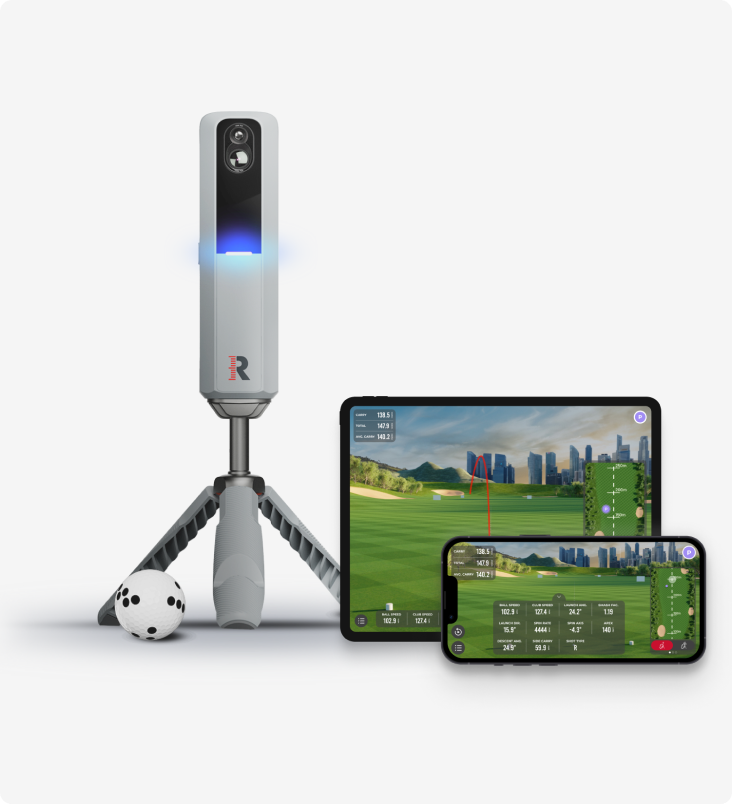
Two launch monitors golfers cross-shop constantly, sitting either side of the same question — how much do you actually need? One films your swing, measures spin and plays sim courses all winter. The other strips the whole idea down to a carry number on a screen.
Review
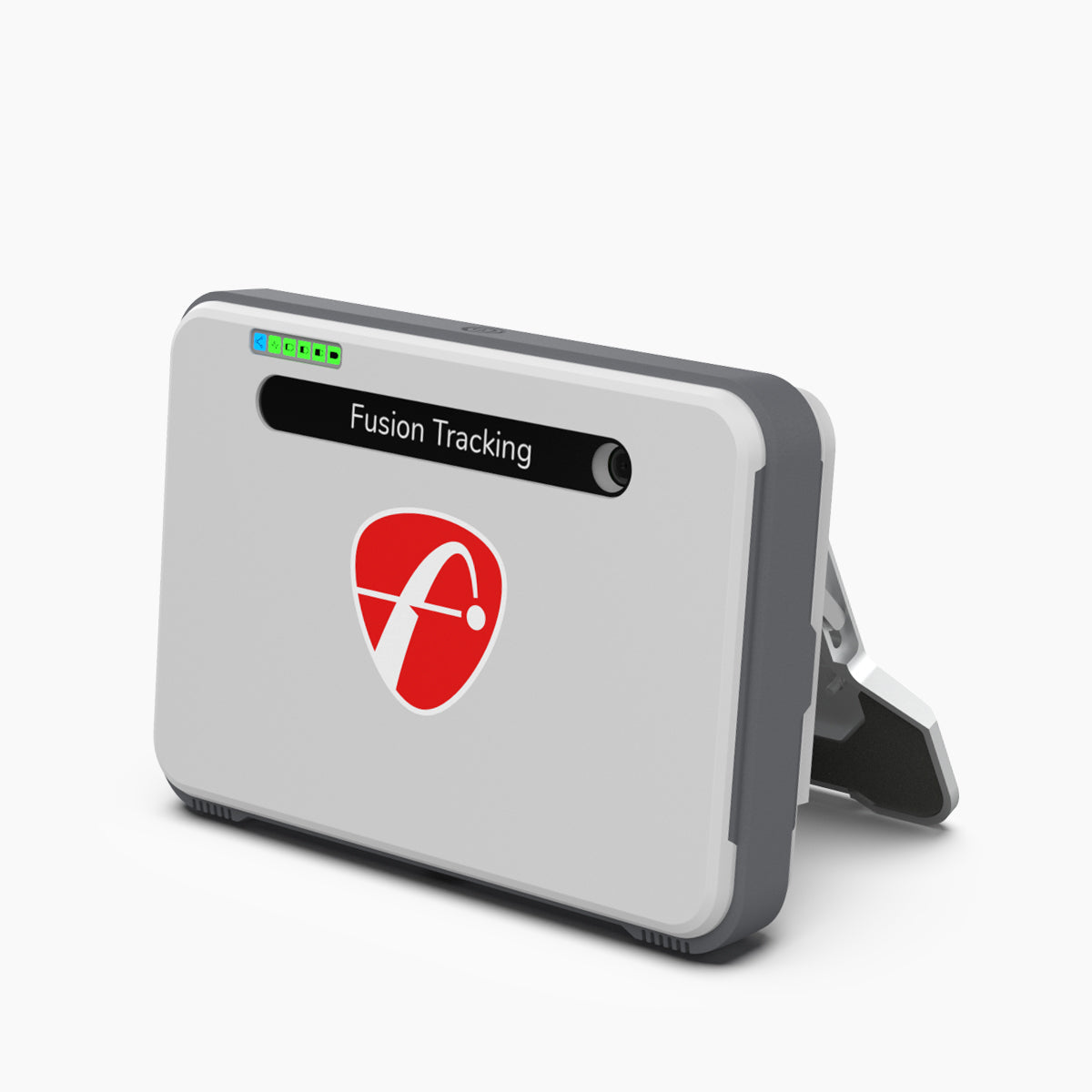
8.7/10FlightScope Mevo+ review: the launch monitor home simulators are actually built around
While the internet argues about budget camera units and the Garmin R10, the Mevo+ quietly became the default brain of the serious home sim — tour-grade radar heritage, full ball and club data, and out-of-the-box simulator connectivity. It needs room to breathe, and the add-ons push the real cost up.