
Shot Scope LM1 review: has the launch monitor finally got cheap enough?
The LM1 drags personal launch-monitor pricing down to impulse-buy territory, and for most golfers chasing a real carry number, that is the whole story.
By Jordan Hale · Equipment Writer
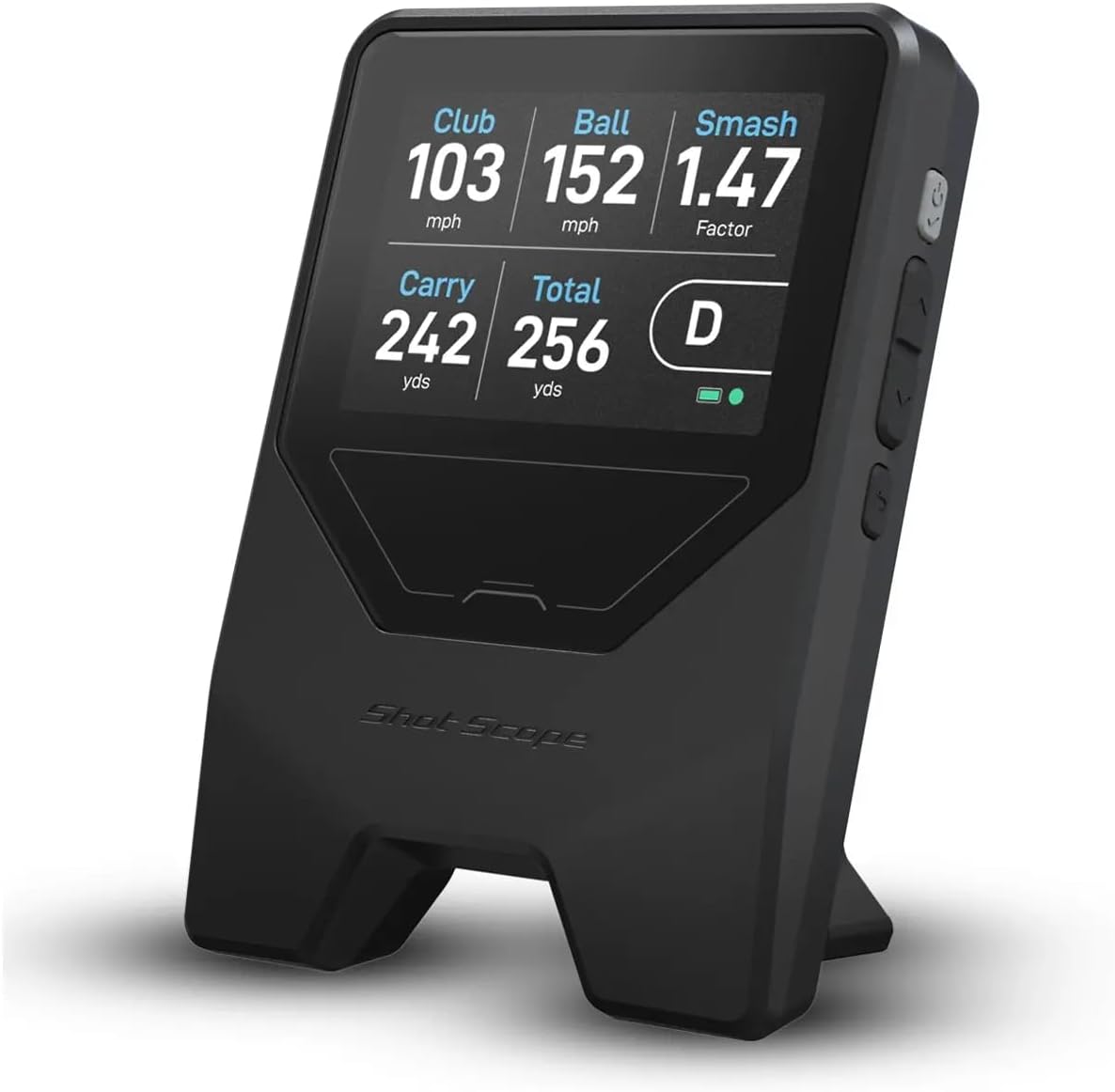
The verdict
Excellent
What's great
- Drops launch-monitor pricing to impulse-buy territory
- Trustworthy ball speed and carry numbers for gapping your bag
- Backed by Shot Scope's mature performance-tracking app
Watch out
- Weak on club path, face angle and spin precision
- Noisier readings than premium units, and happiest outdoors
Bottom line — The first launch monitor cheap enough for ordinary golfers, and genuinely good at the numbers that lower scores.
Shot Scope
Shot Scope LM1 Launch Monitor
ifrothgolf earns a commission on purchases made through these links, at no extra cost to you. It never changes what I recommend. Full disclosure.
Yes, for a huge slice of golfers the launch monitor has finally got cheap enough, and the Shot Scope LM1 is the unit that did it. It is a genuinely useful entry-level radar that nails the numbers most amateurs actually need (ball speed, carry, total distance) at a price closer to a single round than a premium device. It is not a tour-fitting tool, and it is not pretending to be.
The story of 2026 in the launch monitor category is the floor dropping out of the price chart. For years a personal launch monitor meant a real investment; the LM1 reset that expectation. The question is no longer whether you can afford one, but whether a budget radar gives you data you can trust enough to change how you practise. Mostly, it does.
It helps to know what you are buying into. A budget radar like this is a measuring tape, not a coach: it tells you what happened, not why, and certainly not how to fix it. That is not a criticism, it is the deal. For the golfer who has spent years guessing at distances, a tape measure is exactly what is missing, and the LM1 hands it over for the price of a long weekend's golf. The trap is expecting it to behave like a four-figure photometric unit. Judge it against what a club golfer actually needs to improve, rather than against a fitting bay, and it stops looking compromised and starts looking like one of the shrewder buys in the bag.
What it measures well
The LM1's job is to turn the range from a guessing game into something measurable, and it does that for the numbers that matter most to an improving golfer. Ball speed and carry distance are the headline outputs, and owner consensus is that these track sensibly round to round once you have hit a few balls to calibrate your eye. For the player who has spent a lifetime estimating that they hit a 7-iron "about 150", seeing a true carry number for the first time is genuinely clarifying.
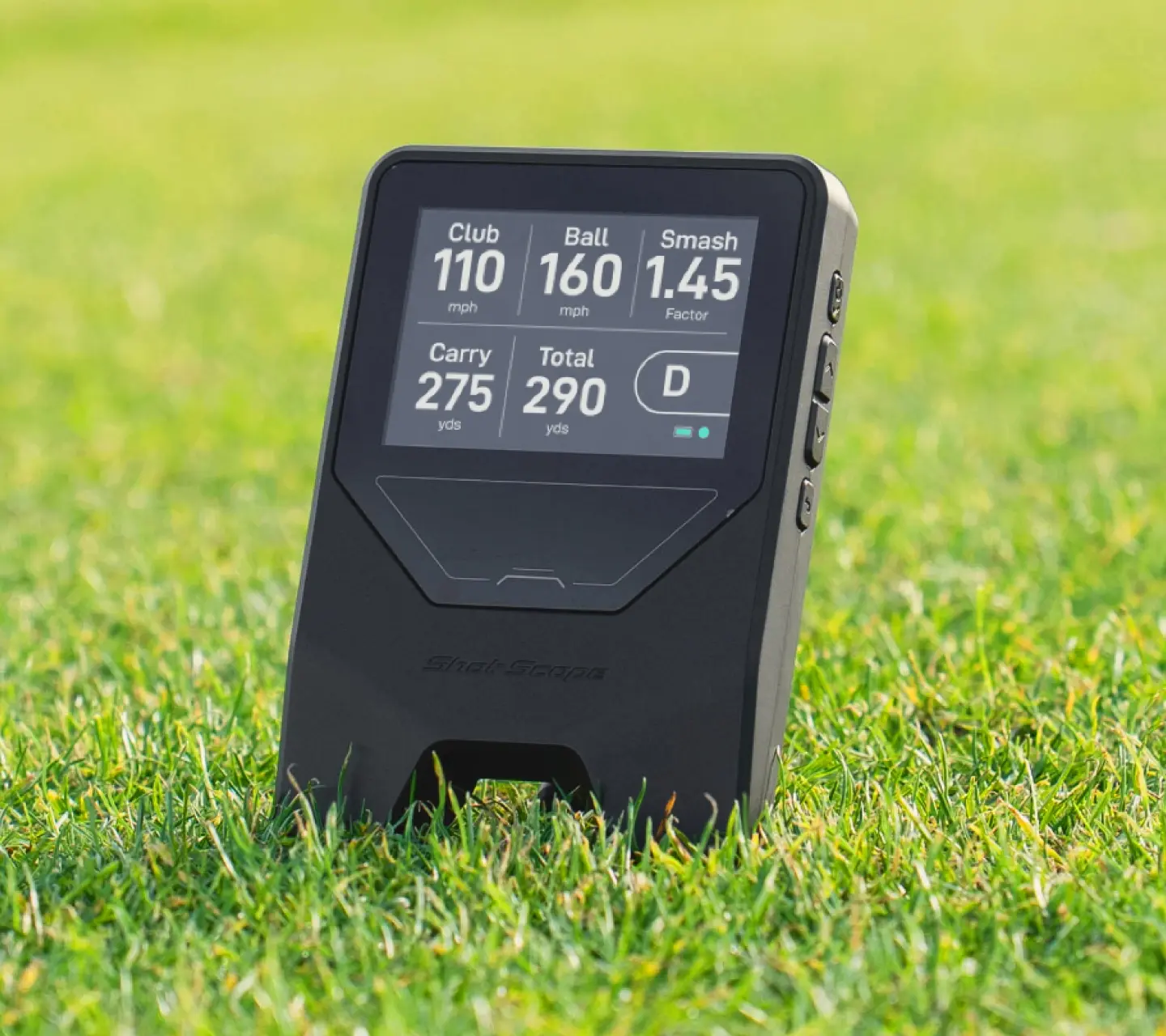
Carry is the figure that changes scores, because it is the number you should be gapping your bag around. Knowing that your real carry gap between two clubs is twelve yards, not the twenty you assumed, is the kind of insight that quietly removes shots. The LM1 surfaces that without a subscription wall in front of the basics, and it is portable enough to live in your bag rather than gathering dust at home.
It also benefits from Shot Scope's wider data culture. This is a company built on performance tracking, and the app side is more mature than you might expect at this price. The numbers land somewhere you can review them rather than evaporating the moment you leave the range, which matters if your goal is to actually practise with intent rather than just admire a speed reading.
Where the budget shows
Be clear-eyed about the limits. A budget radar unit captures fewer data points than a premium monitor, and the readings are noisier. The metrics that demand precision optics or Doppler horsepower, club path, face angle, and spin in particular, are where the LM1 either estimates or simply does not compete with units several times its price. Independent testing of entry-level radar devices as a category consistently shows the same pattern: distance numbers land in a believable window, the fine spin and path detail does not.
There is also the indoor-versus-outdoor reality of any radar at this level. Radar units generally want ball flight to read, so a cramped net or a short indoor space can confuse a budget device more than it would a premium photometric monitor. Outdoors, hitting into real space, is where the LM1 is happiest. Set your expectations there and you will be a lot less frustrated.
Who it's for, who should skip
This is an easy one. The LM1 is for improvers and value-hunters who have never seen a real carry number in their lives and want one without remortgaging anything. If you are a mid-to-high handicapper who practises occasionally and wants honest distances to gap your bag, this is one of the most cost-effective improvement purchases in golf right now. It punches well above its price for exactly that buyer.
Who should skip it: low handicappers and fitting nerds who want club-path and spin precision. If you are tuning a driver build or chasing the last yard of optimised spin, you will outgrow a budget radar fast and should look up the ladder. The obvious step up is the Garmin Approach R10, a slightly pricier alternative that adds more metrics and a longer track record, and is the unit to consider if the LM1's limits sound like dealbreakers to you. If you're not sure which rung of the ladder you belong on, our Launch Monitor Finder sorts it in three questions.
How to actually use it to improve
Owning a launch monitor and improving with one are different things, and most people stop at the first. The mistake is treating it as a toy that flashes a speed number after every swing, which trains nothing except a craving for the next big reading. Use it instead with a job in mind. The highest-value session is a one-off gapping audit: hit ten balls with each scoring club, throw out the two freaks at either end, and write down the believable carry. You will almost certainly find two clubs that go the same distance, or a gap far bigger than you assumed, and that single afternoon quietly improves club selection on every approach for the rest of the season.
Beyond gapping, the LM1 earns its keep as a feedback loop on contact. Watch ball speed rather than carry, because ball speed is the cleaner read on strike quality: a centred hit and a toe hit can finish similar distances on a calm day, but the speed number exposes the difference. Set yourself a simple game, say five strikes in a row above a target speed, and the range stops being a bucket to empty and becomes something you pass or fail. That is the whole point of a personal monitor at this price: it converts vague practice into something with a score, and a score is what you actually improve against.
Indoor, outdoor and the realities of setup
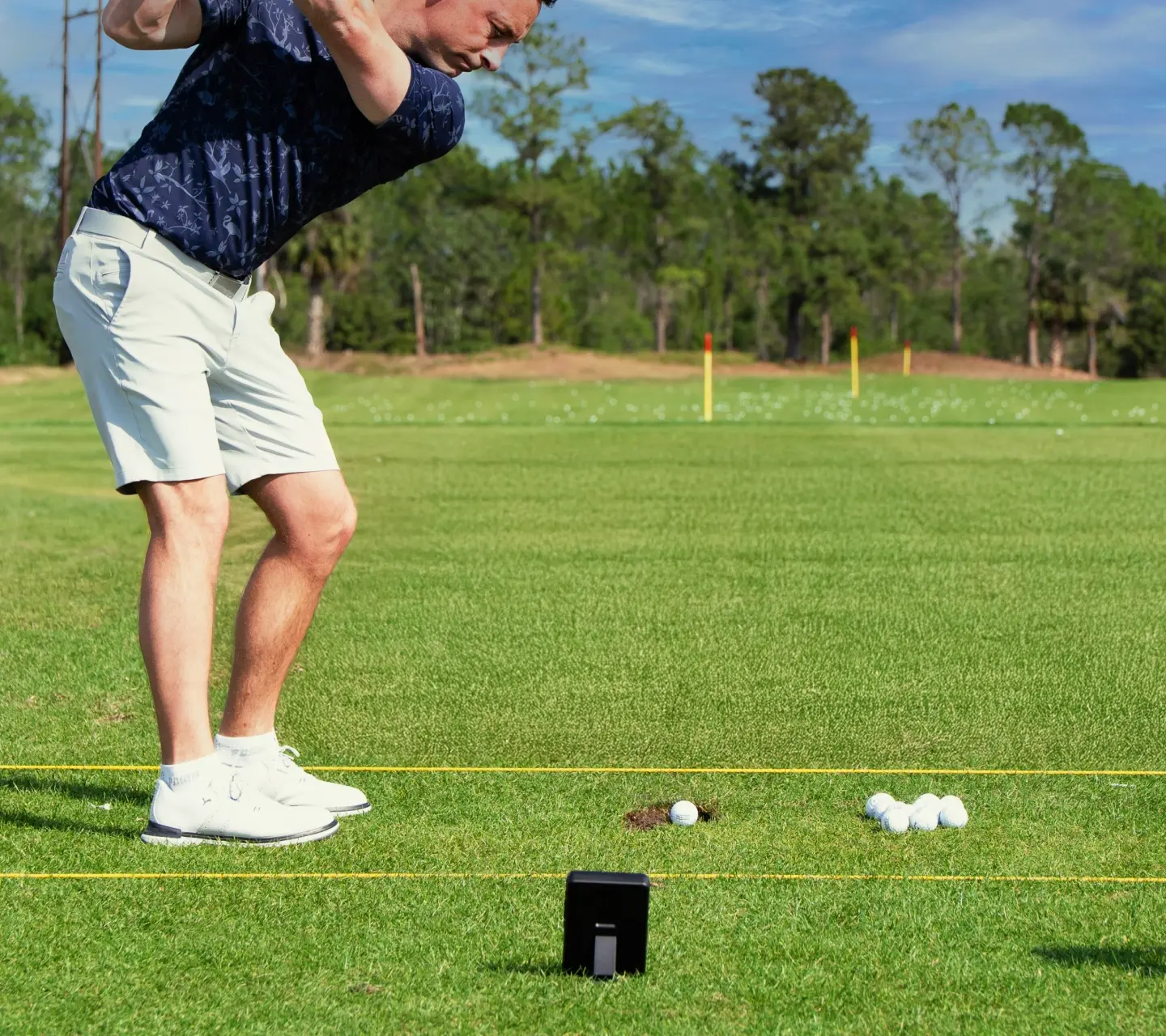
Radar wants ball flight to read, and that single fact governs where the LM1 is happy. Outdoors, hitting into open space with the unit lined up behind the ball and down your target line, is its natural home; it sees enough of the shot to give numbers you can trust round to round. Squeeze the same device into a cramped garage net and you are asking it to infer a full flight from a couple of feet of travel, which is where any budget radar gets jittery. If indoor work is your main use, set your expectations accordingly, or accept that the indoor numbers are a rough guide rather than gospel.
Setup discipline matters more than people expect from a plug-and-play box. Give it a consistent alignment every time, hit a handful of balls to let your eye and the unit settle before you trust the readings, and resist reading meaning into a single shot. Wind, a fluffed lie or a slightly off alignment will all nudge the numbers, so look at the pattern across ten balls rather than agonising over one. Treat the data as a trend line, not a verdict on each swing, and the LM1 rewards you with exactly the honest, repeatable distances it was built to deliver.
The verdict in context
The LM1 matters less because of what it is and more because of where it sits. It is the device that makes "I should get a launch monitor" a reasonable sentence for an ordinary club golfer rather than a gearhead's indulgence. Judged as a tour tool it falls short; judged as the cheapest honest way to learn your real carry numbers, it is excellent, and that is the only fair way to judge it.
If you have been waiting for the personal launch monitor to get cheap enough to justify, your wait is over. Just buy it for the right reasons: real distances, better gapping, more purposeful practice, not lab-grade spin data it was never built to deliver.
Where to buy
8.2/10Shot Scope
Shot Scope LM1 Launch Monitor
The $250 launch monitor that broke the price floor: real doppler numbers and a built-in colour screen, no app required, no subscription ever.
ifrothgolf earns a commission on purchases made through these links, at no extra cost to you. It never changes what I recommend. Full disclosure.
Frequently asked
- What does the Shot Scope LM1 actually measure?
- The headline outputs are ball speed, carry distance and total distance, which are the numbers most amateurs need to gap their bag and practise with intent. It is not built for precise club-path or spin data.
- Is the LM1 accurate enough to trust?
- Owner consensus and independent testing of entry-level radar units suggest the distance numbers land in a believable, repeatable window once you have hit a few balls. The fine detail like spin and path is where budget radars get noisy.
- Should I buy the LM1 or spend more on a Garmin Approach R10?
- Buy the LM1 if you want honest carry numbers at the lowest sensible price. Step up to the R10 if you are a low handicapper who needs more metrics and precision for fitting-level work.
- Does it work indoors?
- Like most radar units it prefers real ball flight, so it is happiest outdoors with space to read the shot. Cramped indoor nets can confuse a budget radar more than a premium photometric monitor.
Read next
Review
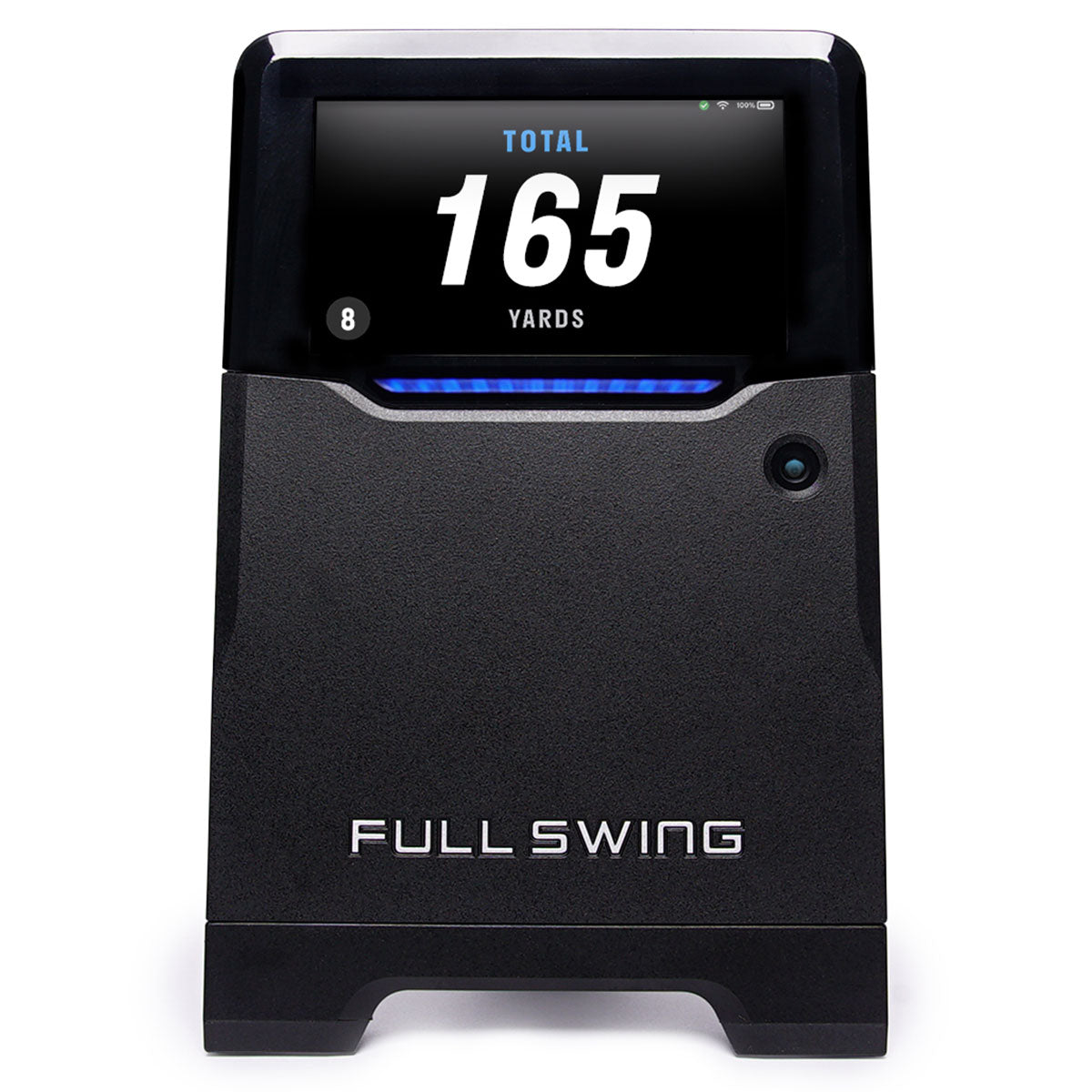
7.9/10Full Swing KIT review: the tape measure decides this, not Tiger
Tour pedigree, TGL on ESPN, and radar good enough to be checked against a Trackman outdoors. It also wants eighteen to twenty feet of room, which rules out most of the garages people buy it for.
Versus
Trackman iO vs Uneekor EYE XO2: the year-one trap
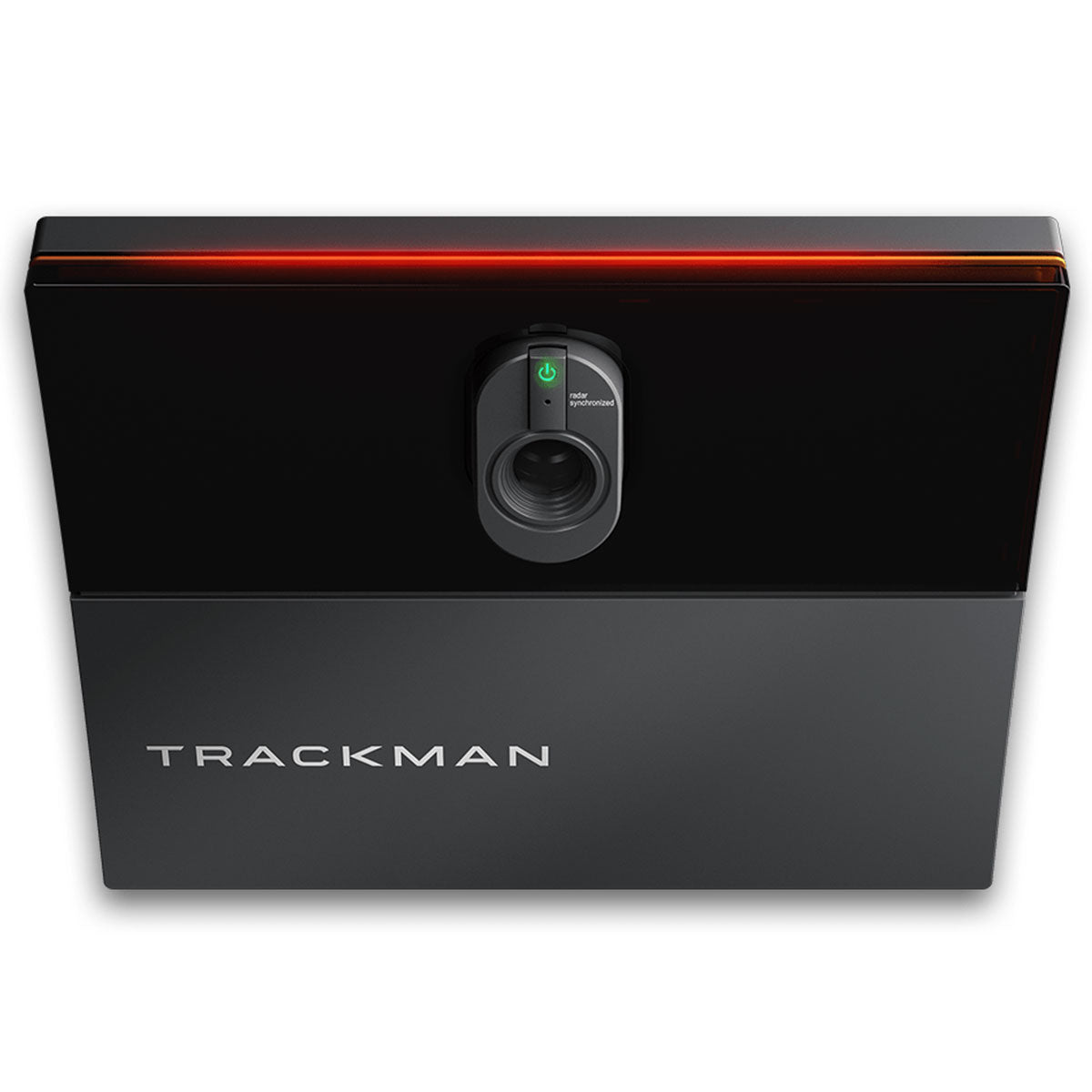
Both mount overhead, both want ten feet of ceiling, and about $3,000 separates them on the shelf. Then Trackman's included first year runs out, and the gap starts growing by $1,100 a year.
Versus
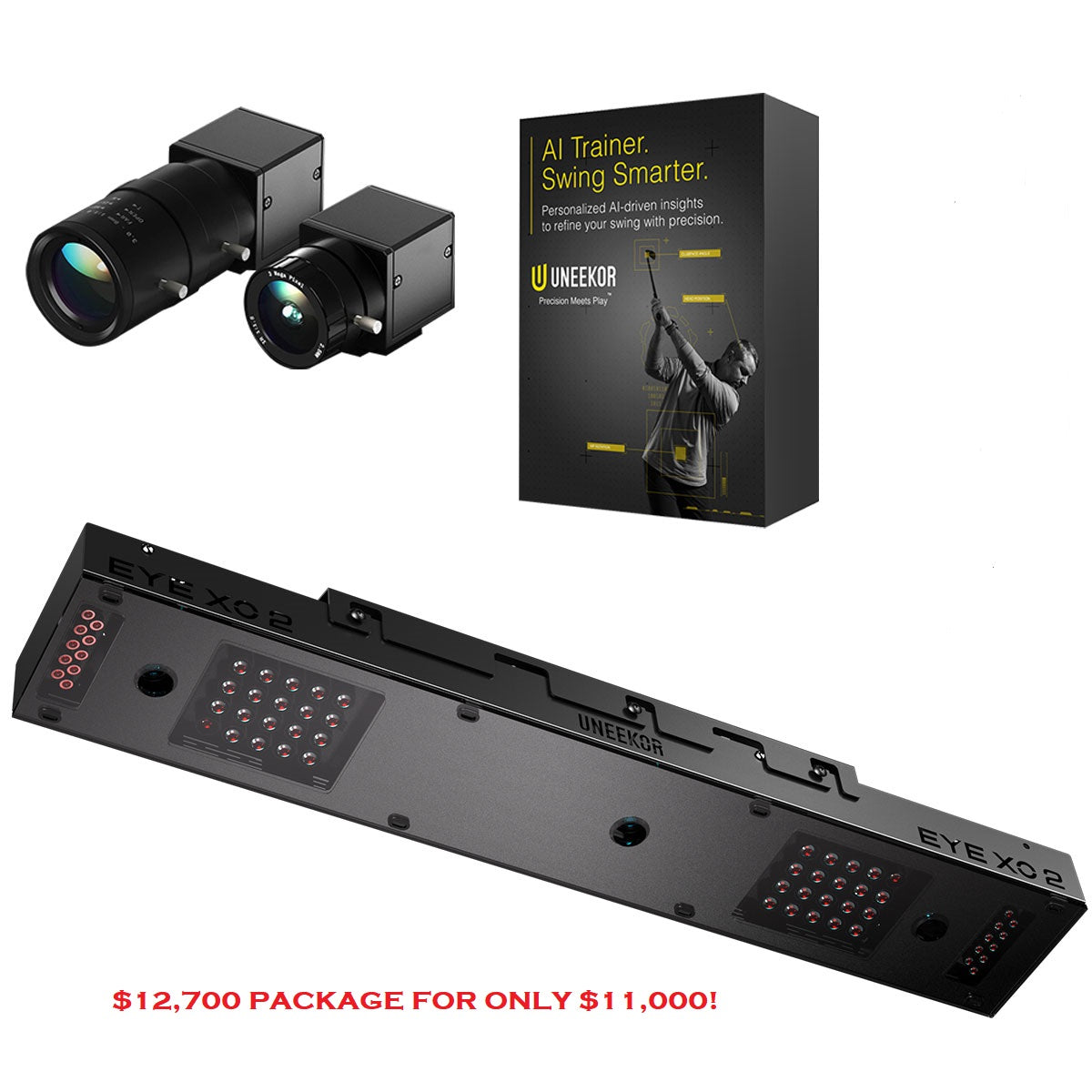
Uneekor EYE XO2 vs Foresight GC3: ceiling or floor?
About $4,000 separates them, but they're not really rivals — one lives in your ceiling forever, the other sits on the floor and travels. The cheaper one is also the one with no subscription.