
FlightScope Mevo+ review: the launch monitor home simulators are actually built around
While the internet argues about budget camera units and the Garmin R10, the Mevo+ quietly became the default brain of the serious home sim — tour-grade radar heritage, full ball and club data, and out-of-the-box simulator connectivity. It needs room to breathe, and the add-ons push the real cost up.
By Jordan Hale · Equipment Writer
The verdict
Excellent
What's great
- Genuinely trustworthy ball and club data — 16 to 17 parameters per shot from tour-grade radar heritage
- Works with the big third-party sim platforms out of the box, so it's a real simulator brain, not just a numbers box
- Portable at around 1.2kg with a real session of battery, so it moves between garage, range and course
Watch out
- Radar needs serious depth indoors — 16 feet minimum, and owners report 18-plus is where it gets reliable
- The Pro Package and marked balls push the true cost well past the sticker
- Overkill if all you want is carry numbers at the range
Bottom line — The smartest bridge between a practice gadget and a true home simulator — if your room is deep enough.
FlightScope
FlightScope Mevo+ Launch Monitor
ifrothgolf earns a commission on purchases made through these links, at no extra cost to you. It never changes what I recommend. Full disclosure.
Here's the quiet truth about the launch monitor market: while everyone argues about the budget camera units and the Garmin Approach R10, the serious home simulators being built in garages right now are overwhelmingly built around one device — the FlightScope Mevo+. Our verdict up front: at $2,250 it is the smartest bridge in golf tech between a practice gadget and a true simulator brain, with genuinely trustworthy ball and club data and out-of-the-box connectivity to the big sim platforms. The catches are space — radar needs room to read flight — and a real cost that runs past the sticker once you add the extras.
The radar heritage nobody puts in the ads
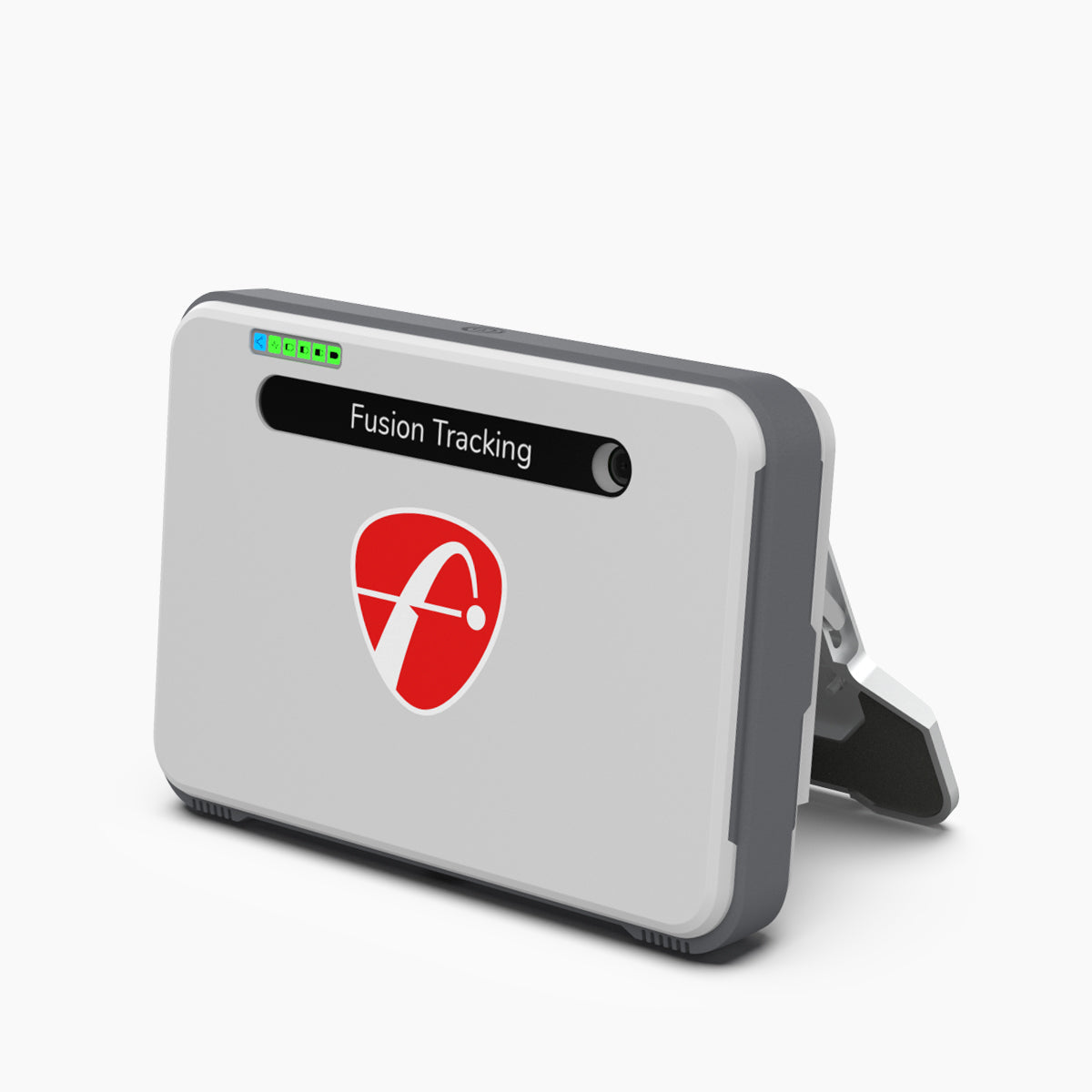
The reason the Mevo+ reads differently from the sub-premium crowd is where it comes from. FlightScope builds tour-grade radar — the company's professional units sit behind players at the top level of the game — and the Mevo+ is that engineering philosophy shrunk to a box you can carry in one hand. It sits behind you and fires 3D Doppler radar at the ball, augmented by what FlightScope calls Fusion Tracking, which adds an optical camera to the radar picture. That matters most in the short game, where pure radar units traditionally flail: chips and pitches that barely get airborne are exactly the shots radar-only devices misread, and the optical assist tidies them up. This isn't a phone camera guessing at your swing from a slow-motion clip. It's the same measurement principle as the machines the professional game trusts, at a fraction of the cost.
Data you can actually build a game on
Per full shot the Mevo+ tracks 16 to 17 parameters — ball speed, club speed, smash factor, carry, launch angle, spin rate, angle of attack, spin axis and more. The numbers that matter most are the ones owners consistently rate as solid: ball speed, club speed, smash and carry on mid and short irons are dependable enough to make real practice decisions with, which is the entire point of owning one of these. It's worth being honest about the soft spots, because every launch monitor has them. Total distance can read short of reality, and high-spin wedge spin is the one number that still drops out or wanders — a genuine annoyance if your scoring clubs are the whole reason you're buying. If wedge-matrix work is your obsession, know that going in. For everything from 9-iron to driver, though, this is data you can trust at a price that used to buy you a guess.
From numbers box to sim brain
This is where the Mevo+ separates itself from the practice-gadget crowd. It ships with a built-in simulation course bundle, and — crucially — it works with the big third-party sim platforms like GSPro and E6 out of the box. That last part is the whole game. A launch monitor locked into its own ecosystem is a gadget; one that plugs into the software the sim community actually plays on is infrastructure. Pair it with a net or an impact screen and it stops being a numbers box and becomes the brain of a proper off-season setup — which is exactly the role it plays in most of the serious garage builds we see. If that's the project on your mind, our garage sim setup guide walks the full build, and the Mevo+ is the data layer most of it assumes.
The space problem — measure before you buy
Radar has one non-negotiable demand: it needs to watch the ball fly. FlightScope says 16 feet of depth minimum indoors, and plenty of owners only got reliable readings with 18 feet or more. That's total flight depth — device behind you, ball, and room in front for the radar to track — and it rules out a lot of single garages and spare rooms. Measure honestly before you spend anything, because no firmware update fixes a wall — our Home Sim Build Planner will tell you in four questions whether your room clears the bar and what the rest of the build should look like. The consolation is that the Mevo+ is genuinely portable: around 1.2kg with roughly six hours of battery, so it moves from garage to range to course without ceremony. A few owners report real-world battery life under the spec, so a long session may want a power bank on standby — but this is a device you take to the range, not a fixture you bolt to the floor.
The real cost of ownership
The sticker is not quite the whole story, and it's better to hear that from us than from your bank statement. To unlock the full parameter set — 20-plus extra data points including the complete D-Plane dataset — you need the paid Pro Package, and to get the most from it you'll ideally use marked balls or metallic stickers. None of that is scandalous; it's how FlightScope tiers a product that spans casual range users and data obsessives. But if you're budgeting, budget for the machine you'll actually want in six months, not the one in the box. Even with the add-ons, it undercuts the photometric camera systems it competes with by a distance — that's the value case, and it holds.
Who should buy it — and who should skip
Buy the Mevo+ if you're building a home simulator or you practise seriously enough to want full ball and club data you can trust — and you have the depth for radar to work. It's the sweet spot between hobbyist gadgets and five-figure camera rigs, and the sim-platform compatibility means it grows with your setup instead of capping it. Skip it if you just want carry numbers at the range: it's overkill, and the Garmin R10 does that job for a fraction of the money. Skip it too if your room is short — an underfed radar unit is an expensive frustration. For everyone in between, this is the launch monitor the home-sim world quietly standardised on, and the reasons hold up. One important update since this unit defined the category: the Mevo+ has been discontinued, and the FlightScope Mevo Gen2 is the model that replaces it in the line. Everything above still describes what the Mevo+ does and why owners rate it — used and remaining-stock units are a genuinely strong buy — but if you're spending new money, the Gen2 is the one FlightScope is actually selling. See how the field stacks up in our best launch monitors guide, or browse everything in launch monitors.
Where to buy
8.7/10FlightScope
FlightScope Mevo+ Launch Monitor
A radar launch monitor that doubles as a full home simulator, with genuinely trustworthy ball and club data for the money.
This model is no longer made. The current version is FlightScope Mevo Gen2 Launch Monitor. Remaining stock is often discounted, so this can still be the better buy — check both prices.
ifrothgolf earns a commission on purchases made through these links, at no extra cost to you. It never changes what I recommend. Full disclosure.
Frequently asked
- How much space does the FlightScope Mevo+ need indoors?
- FlightScope recommends a minimum of 16 feet of depth for indoor use, and many owners report readings only became fully reliable with 18 feet or more. Measure your room honestly before buying — radar needs to watch the ball fly, and no setting can compensate for a short space.
- Is the Mevo+ better than the Garmin Approach R10?
- They serve different buyers. The R10 is the value all-rounder for practice data and casual sim use; the Mevo+ costs several times more but delivers more parameters, club data, Fusion Tracking for the short game, and out-of-the-box compatibility with major sim platforms. If you are building a proper home simulator, the Mevo+ is the stronger foundation.
- Does the Mevo+ work with third-party simulator software?
- Yes. It ships with a built-in simulation course bundle and works with major third-party platforms such as GSPro and E6, so you are not locked into one ecosystem — a key reason it has become a default choice for home sim builds.
- What is the Mevo+ Pro Package?
- A paid add-on that unlocks more than 20 extra data parameters, including the full D-Plane dataset for detailed club delivery analysis. To get the most from it you will ideally use marked balls or metallic stickers, so factor it into the real cost if deep data is why you are buying.
- What are the Mevo+ weak spots?
- Total distance can read short, and high-spin wedge spin is the number that most often drops out or wanders — a known limitation of its radar roots. Core numbers like ball speed, club speed, smash factor and carry on mid and short irons are consistently solid.
Read next
Versus
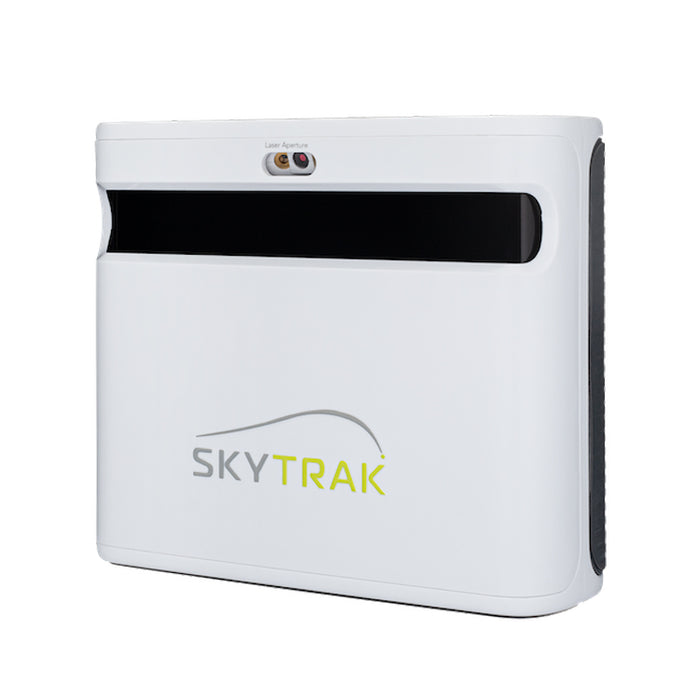
SkyTrak+ vs FlightScope Mevo+: your room decides this one, not your budget
Both are now outgoing models on run-out prices, which makes this more useful rather than less — the successors inherit the same trade-off. And it isn't the spec sheet. It's how much space you actually have.
Versus
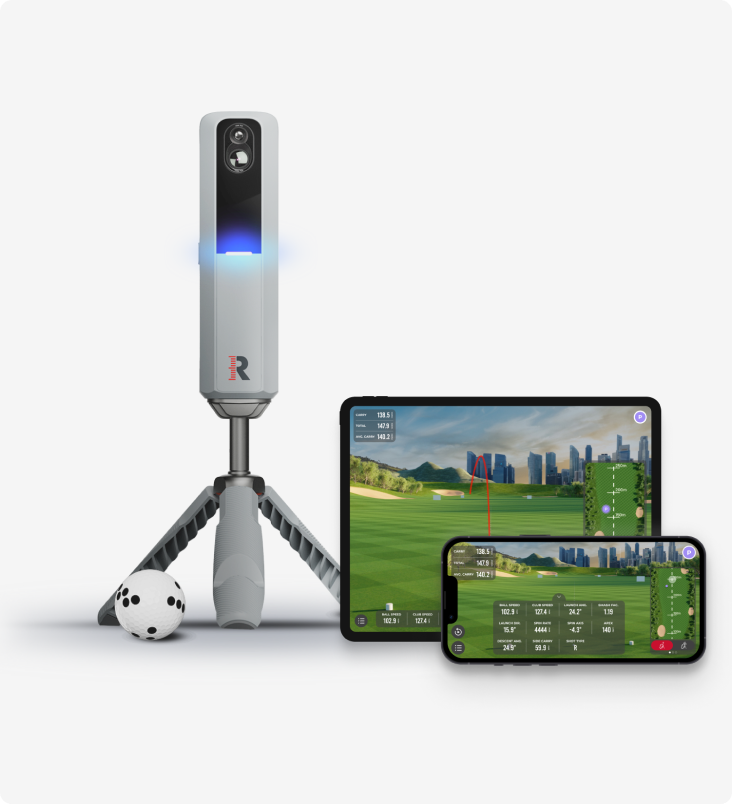
Rapsodo MLM2 Pro vs Shot Scope LM1: measured spin and sim golf, or just the number?
Two launch monitors golfers cross-shop constantly, sitting either side of the same question — how much do you actually need? One films your swing, measures spin and plays sim courses all winter. The other strips the whole idea down to a carry number on a screen.
Review
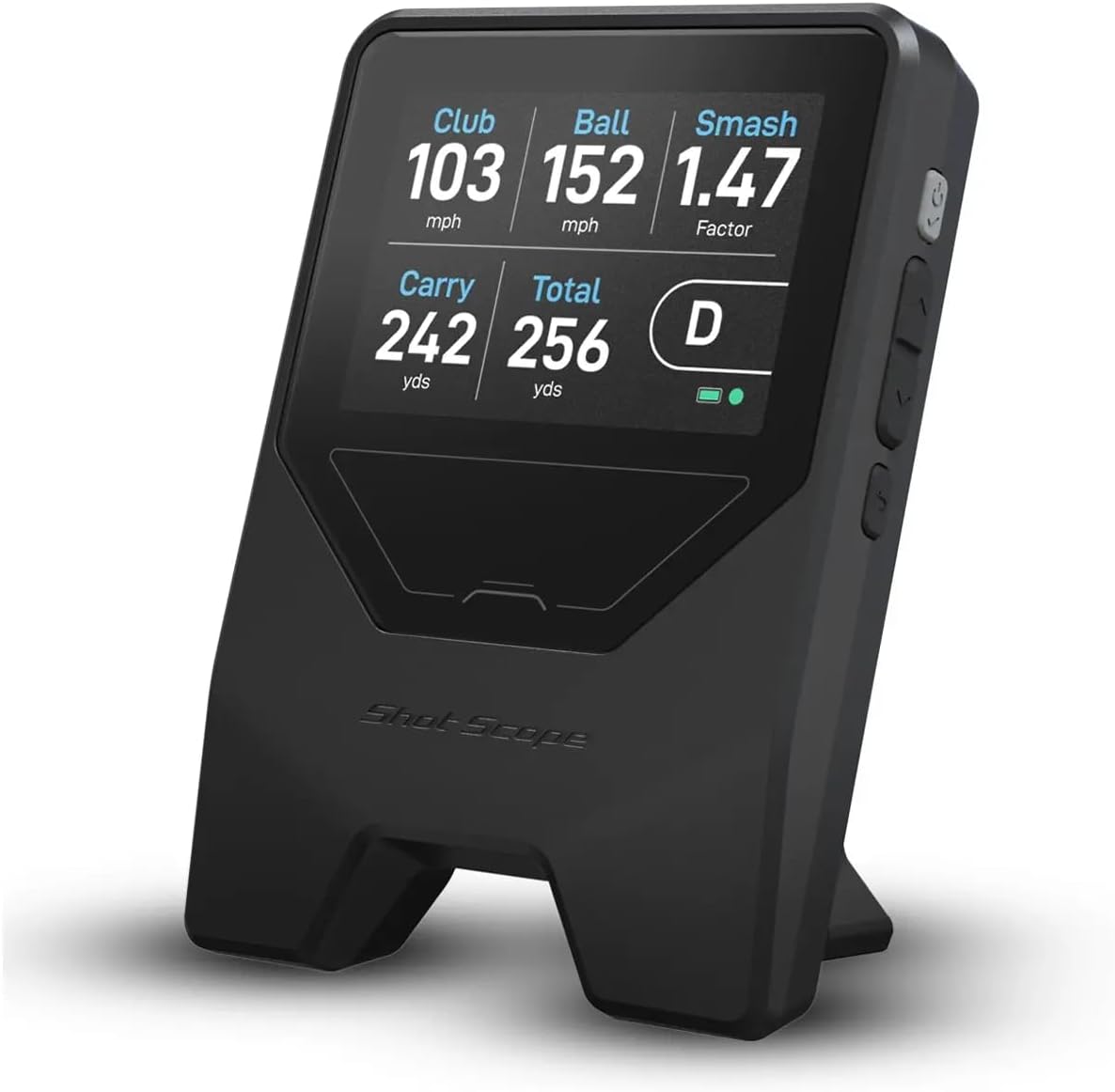
8.4/10The launch monitor that broke the price floor
Personal launch monitors used to start in the thousands. This one moved the floor — and dropped the subscription.