
The launch monitor that broke the price floor
Personal launch monitors used to start in the thousands. This one moved the floor — and dropped the subscription.
By Tom Whitaker · Staff Writer
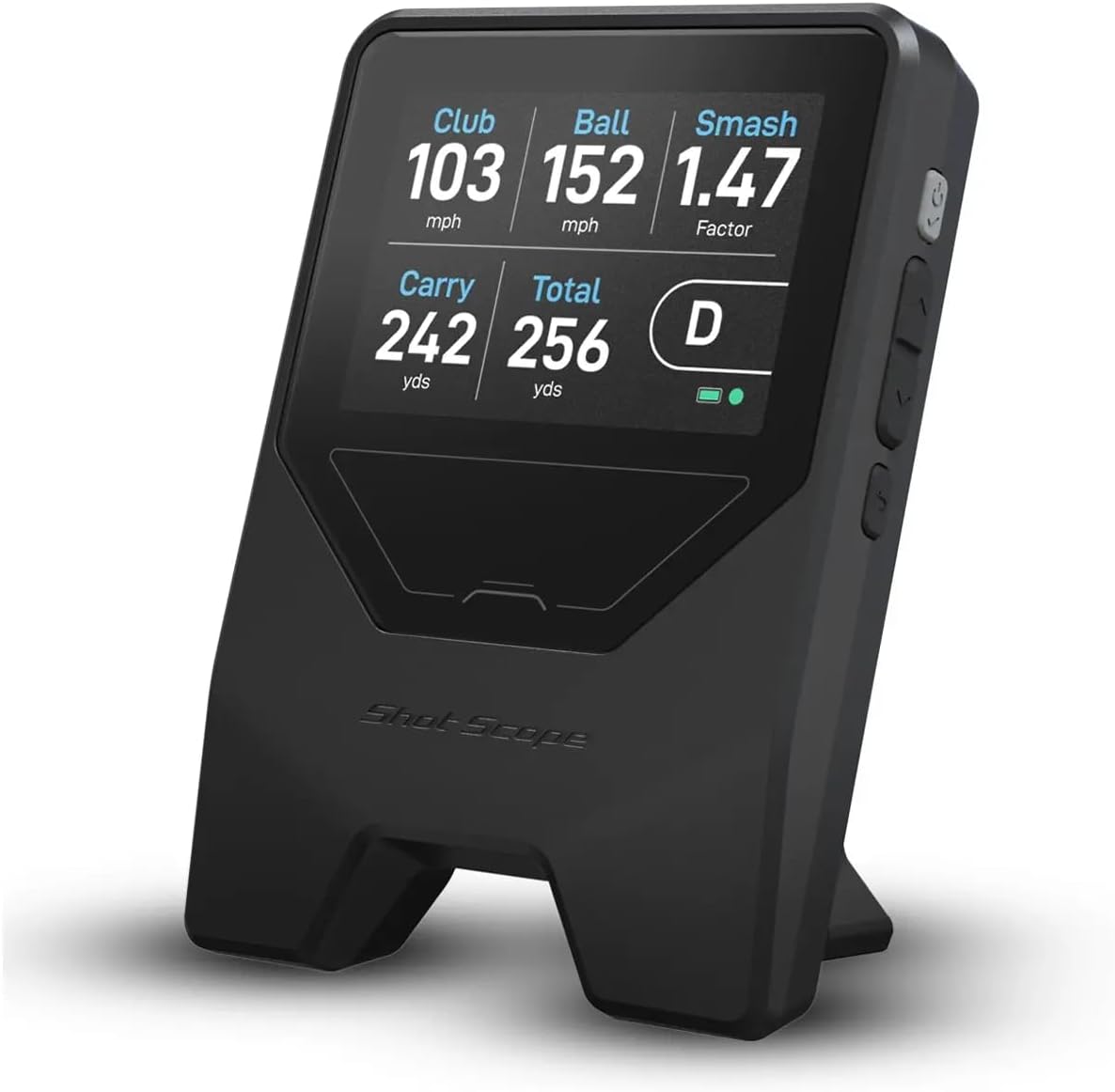
The verdict
Excellent
What's great
- Trustworthy Doppler-radar numbers: carry, total, ball speed, clubhead speed
- Colour screen built in — no phone required
- No subscription
Watch out
- No spin or full club-fitting data
- Not a replacement for a photometric unit
- Best off a proper mat, hitting to a target
Bottom line — At around $200 with no subscription and a screen on the unit, it's the cheapest way to get launch-monitor numbers you can actually trust — a genuine price-floor breaker. Measured speed and carry; calculated spin; no sim mode. For first real numbers, start here.
Shot Scope
Shot Scope LM1 Launch Monitor
ifrothgolf earns a commission on purchases made through these links, at no extra cost to you. It never changes what I recommend. Full disclosure.
The Shot Scope LM1 is the cheapest way to get launch-monitor numbers you can actually trust — around $200, no subscription ever, with a colour screen built in so you don't even need your phone. Personal launch monitors used to start in the thousands; this one moved the floor and dropped the monthly fee. For a data-curious golfer who's been priced out, it's the place to start — and the reason 'launch monitor' stopped being a luxury-goods phrase at the 2026 PGA Show.
The old price barrier
A personal launch monitor used to be a luxury purchase. The accessible end of the market — the Garmin Approach R10 and its rivals — has long sat north of $650, and anything with measured spin or simulator-grade accuracy ran well into four figures. A SkyTrak+, to take the obvious benchmark, lists around $2,900. For most golfers that put real swing data firmly in the 'one day' column. The LM1 lands at roughly $250 — around half the price of the previous budget benchmarks — and quietly deletes that barrier, recurring fees included.
Is it a toy? No
The catch you'd expect doesn't really hold. The LM1 is a genuine Doppler radar unit — the same principle the expensive devices use — reading ball speed, clubhead speed, smash factor, carry and total distance shot after shot. Owner and reviewer consensus since launch is consistent: for full swings, its speed and carry numbers track impressively close to premium radar. That's the data that changes how you practise. What it won't do is the full spin-and-fitting workup a photometric unit delivers, because — and the spec sheet is honest about this — spin here is calculated, not measured. There's no simulator mode either, so this isn't a winter-golf setup; it's a numbers tool. But none of that was the job at this price. The whole product is the simplicity: drop it behind your ball, hit, read the number on the screen, repeat. No phone, no fee, no fuss.
What it actually unlocks
Three things, all of which lower scores. First, honest distance gapping: most amateurs are wrong about their own carries by a club and a half, and seeing the real numbers reorganises the bag overnight — the classic discovery is two clubs that fly the same distance and a yawning gap somewhere else. Second, instant feedback on whether a swing tweak or a new shaft actually adds speed; you stop guessing and start measuring, and the smash factor reading tells you whether you're catching it out of the middle. Third, a reason to practise with purpose instead of raking balls — a number to beat turns a bucket into a session. The built-in colour screen is the unsung hero here: ball speed, club speed, smash, carry and total appear right on the unit, so you're not propping a phone against a bucket between shots. A free companion app adds session history and shot-by-shot review if you want it, but you don't need it to get value on day one.
How it stacks up against the next tier
The fair comparison isn't the LM1 versus a $2,900 photometric rig — it's the LM1 versus spending nothing, or versus stretching to a Garmin R10 at around $650. The R10 adds app-based simulator play, on-course tracking and a longer metric list, and it's the better buy if winter sim golf is the dream. But it costs more than double, needs your phone for the screen, and its spin can wander indoors too. If all you want is to know your real numbers at the range, the LM1 does that job for a fraction of the outlay — and the money you save buys a lot of lessons. That's the calculation that makes it the right first step for most golfers, not a compromise.
How to get trustworthy numbers from it
Like every Doppler unit, the LM1 wants a little room behind the ball and is happiest outdoors hitting real balls into open air. Hit off a proper mat to a defined target and the readings settle quickly. Treat the calculated spin as a directional guide rather than gospel, lean on the speed and carry figures it does measure well, and you'll get range-session data that's genuinely actionable. A couple of practical habits help: warm up before you read anything into the numbers, hit five or six of a club and look at the cluster rather than fixating on a single hot strike, and pick a consistent spot for the unit so sessions are comparable week to week. Indoors into a net at short range is where any radar unit struggles most — that's a photometric job, not this one's, and pushing it there is the fastest way to wrongly conclude it's inaccurate.
Who should buy — and who should skip
Buy it if you're a data-curious golfer who's been priced out, or anyone who wants honest carry numbers and speed feedback without an ongoing fee. It's the entry point. Skip it if you're building a winter simulator or need measured spin for fitting — serious sim builders and coaches will still want the high-end units, and the SkyTrak+ is where that conversation starts. If the jargon's a blur, launch monitors explained breaks down what your money buys, it goes head-to-head with Garmin in R10 vs Shot Scope LM1, and our Launch Monitor Finder will match a unit to your setup in three questions. For most people, though, this is how they'll get their first real numbers — a genuinely big deal.
Where to buy
8.4/10Shot Scope
Shot Scope LM1 Launch Monitor
The $250 launch monitor that broke the price floor: real doppler numbers and a built-in colour screen, no app required, no subscription ever.
ifrothgolf earns a commission on purchases made through these links, at no extra cost to you. It never changes what I recommend. Full disclosure.
Frequently asked
- Are cheap launch monitors accurate?
- For the core numbers, yes. The Shot Scope LM1 uses Doppler radar — the same principle as expensive units — and owner consensus is that its carry, total, ball speed and clubhead speed track close to premium radar on full swings off a proper mat. What it won't match is a photometric unit's measured spin and full fitting data.
- Does the Shot Scope LM1 charge a subscription?
- No — there's no monthly fee, ever, and a colour screen is built in so you don't need your phone. A free companion app adds session history if you want it. That subscription-free, screen-on-unit combination is a big part of why it broke the price floor.
- Does the LM1 measure spin?
- Spin is calculated, not camera-measured, so treat it as a directional guide rather than a fitting number. The figures it measures directly — ball and club speed, smash factor, carry and total — are the ones it's built to get right.
- What can a budget launch monitor actually improve?
- Distance gapping (knowing how far each club really flies — most golfers are out by a club and a half), instant feedback on whether a swing change or new shaft adds speed, and purposeful practice instead of aimless ball-raking. Those are exactly the things that lower scores.
Read next
Versus
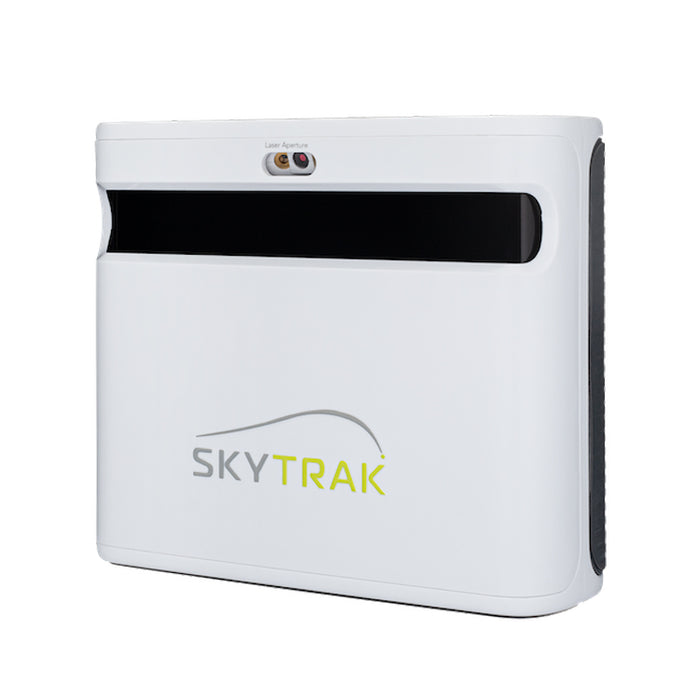
SkyTrak+ vs FlightScope Mevo+: your room decides this one, not your budget
Both are now outgoing models on run-out prices, which makes this more useful rather than less — the successors inherit the same trade-off. And it isn't the spec sheet. It's how much space you actually have.
Versus
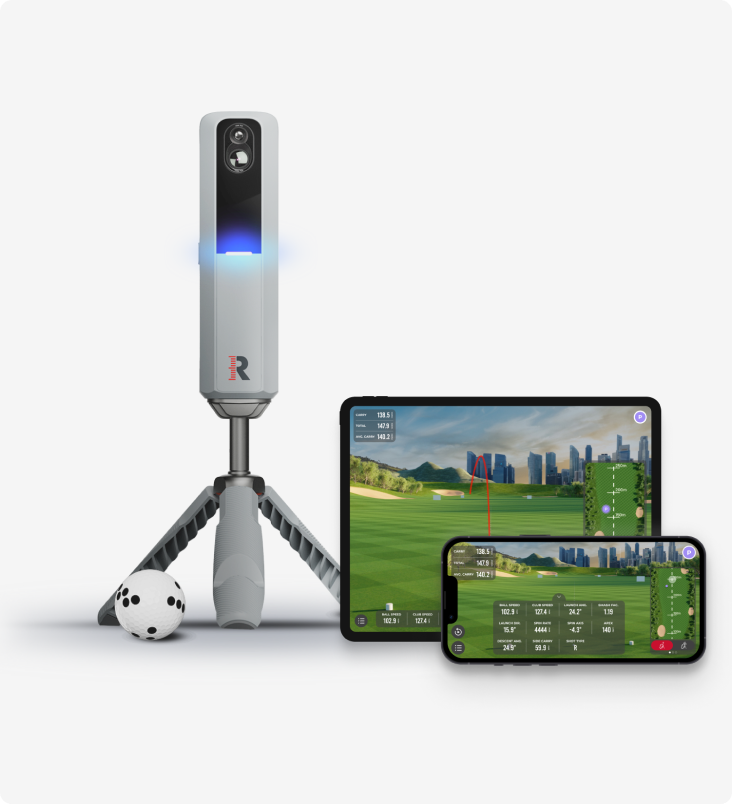
Rapsodo MLM2 Pro vs Shot Scope LM1: measured spin and sim golf, or just the number?
Two launch monitors golfers cross-shop constantly, sitting either side of the same question — how much do you actually need? One films your swing, measures spin and plays sim courses all winter. The other strips the whole idea down to a carry number on a screen.
Review
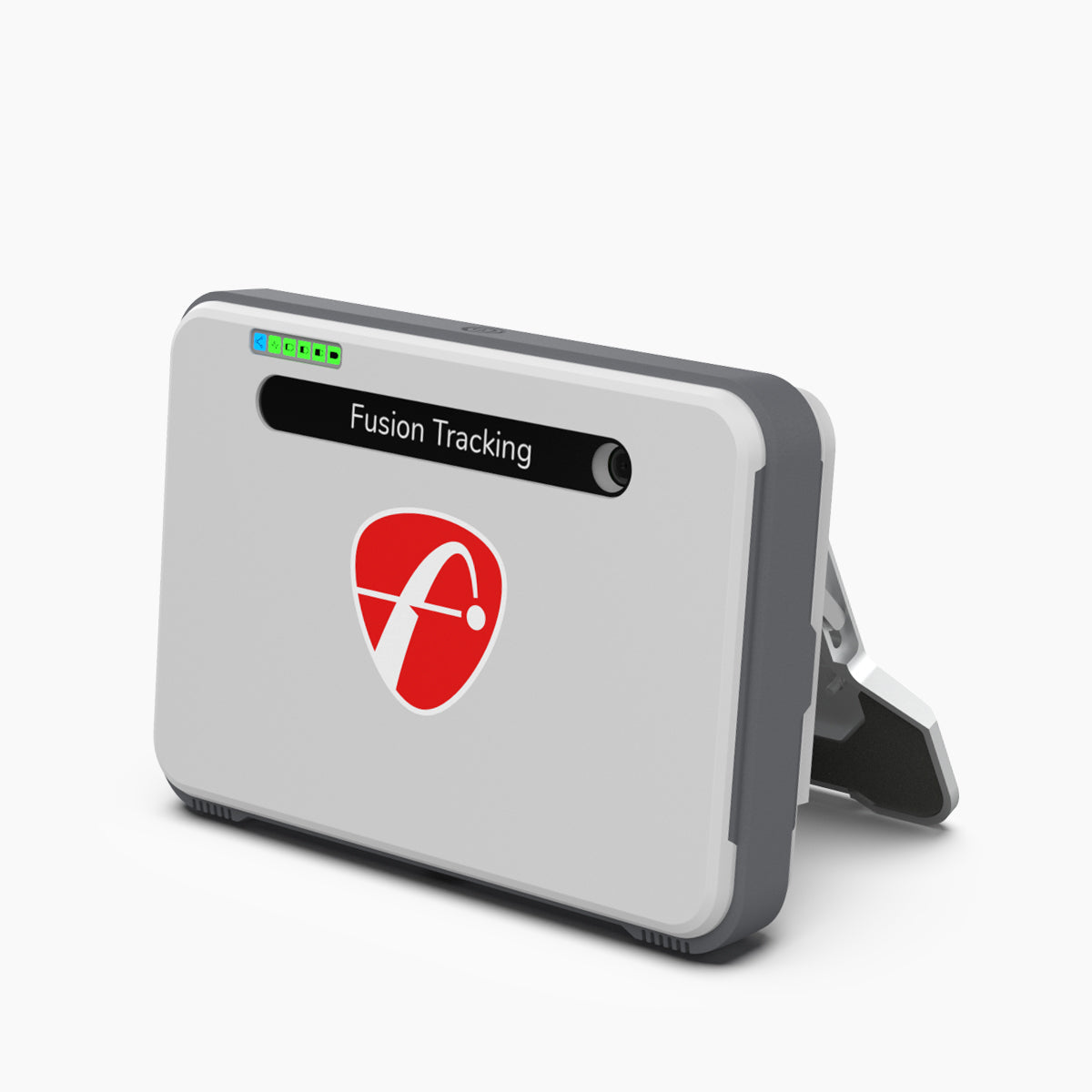
8.7/10FlightScope Mevo+ review: the launch monitor home simulators are actually built around
While the internet argues about budget camera units and the Garmin R10, the Mevo+ quietly became the default brain of the serious home sim — tour-grade radar heritage, full ball and club data, and out-of-the-box simulator connectivity. It needs room to breathe, and the add-ons push the real cost up.
The personal launch monitor is now an impulse buy
Real radar numbers used to start in the thousands. A new wave of devices — no subscription, screen built in — has blown the door open.
Read