
Foresight made real accuracy a garage purchase. The software is now a membership.
Three cameras reading the ball directly, close enough to a GCQuad that most amateurs will never find the gap, and club data with no membership at all. The room it needs and the Foresight+ tier your build actually needs are what decide whether it fits.
By Ben Marsden · Reviews Editor
The verdict
Excellent
What's great
- Three high-speed cameras read the ball itself, so the numbers hold up in a shallow garage bay where radar starts modelling
- Club data works on Foresight+'s free tier, so you never pay a membership just to see your own strike
- LINK feeds your real carry numbers to a Bushnell Pro X3 LINK rangefinder, closing the loop between the mat and Saturday morning
Watch out
- It sits on the floor beside the ball, so bay width and a settled ball position matter more than with an overhead unit
- A gaming PC is required before simulator software will run, and that is a four-figure line no brochure quotes
- Anything past the core data is a Foresight+ membership: unlimited history needs Silver at about $200 a year, and GSPro needs Gold at about $600 a year plus its own licence
Bottom line — The unit I would buy if I were building a room I intend to keep for a decade and I want club data I never have to argue with, especially near its October 2026 price. Not the unit to buy for the badge, or if your practice happens outdoors on grass.
Foresight Sports
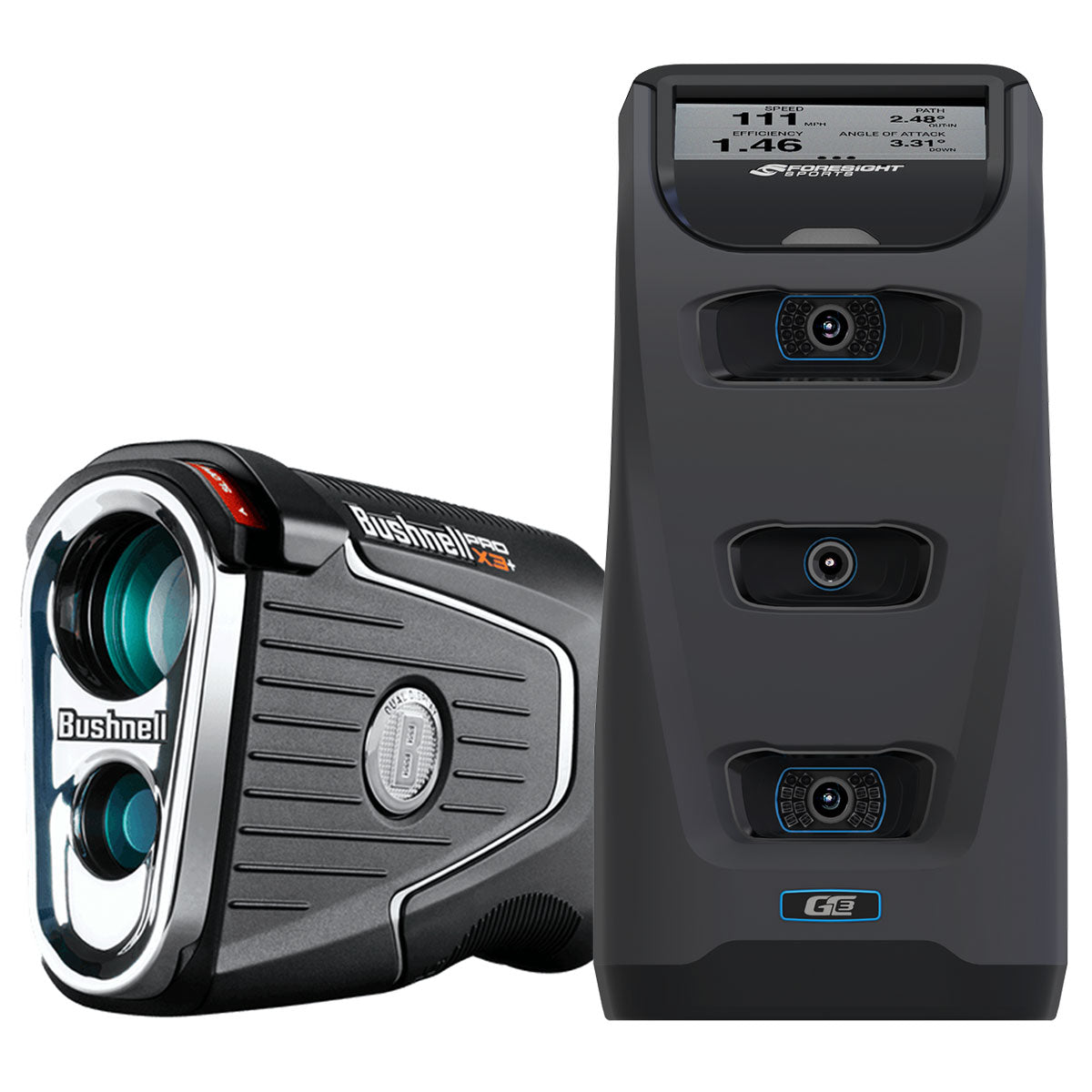
Foresight GC3 with LINK
ifrothgolf earns a commission on purchases made through these links, at no extra cost to you. It never changes what I recommend. Full disclosure.
January, a single-garage bay, a mat, a net and a strip light that was never designed for this. The numbers on the screen say a seven iron carried 162, and the entire value of the room comes down to one question: do I believe it? That is the whole argument for a photometric launch monitor, and the Foresight GC3 with LINK is the unit that dragged the answer down to a price a serious amateur can reach.
Three high-speed cameras look at the ball at impact and measure it directly. They do not watch it fly and model backwards, which is what a radar unit does and why radar wants space behind you that a garage does not have. In a shallow bay, direct measurement is not a nice-to-have. It is the difference between practice and guesswork.
What the third camera actually buys you
Foresight's own top-end units are what club fitters and tour players use, and the GC3 sits close enough to a GCQuad that the honest position is that most amateurs will never find the gap. That is a real claim and it is worth being precise about what it does and does not mean. It does not mean identical. It means the error is smaller than your own shot-to-shot variance, which makes it small enough to build a game on.
Where the extra camera earns its keep is off-centre ball positions. Set up a foot further left than last session, or drift over the course of two hours the way everyone does, and a system with more read on the ball keeps giving you numbers rather than shrugging. That is unglamorous and it is the thing that decides whether you trust a session or spend it repositioning a mat.
The room it needs, said plainly
The GC3 goes on the floor, a few feet to the side of the ball. That has two consequences nobody mentions in a spec list. First, it is in the room with you — something to position at the start, and something a wild one can find. Second, and better, you own a portable instrument rather than a fixture. It goes to the range, to a fitting, to a friend's garage, and it comes with you if you move house.
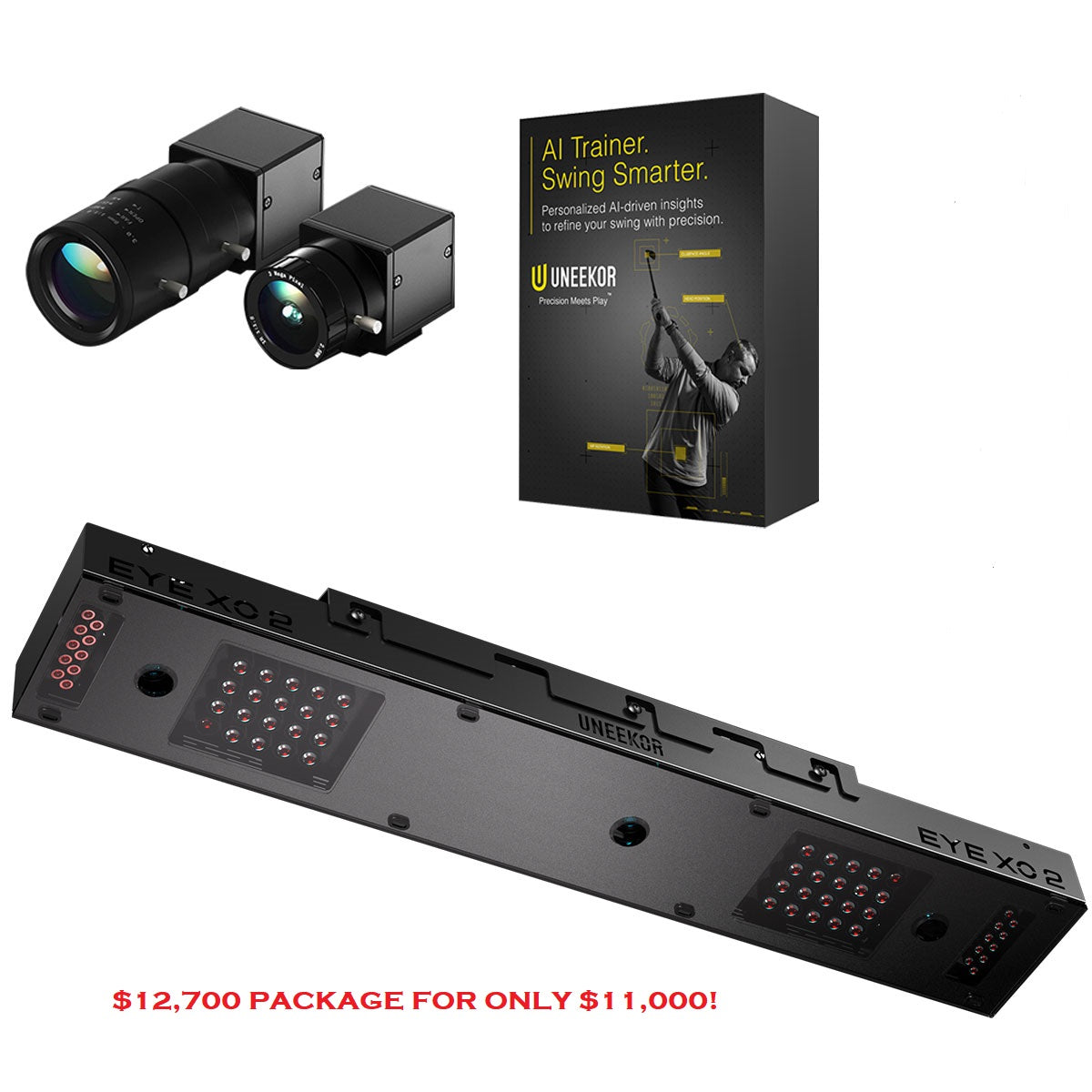
The alternative is overhead, and that is the Uneekor EYE XO2 at around $11,000, which mounts to the ceiling and leaves the floor completely clear. Nothing to kick, no setup ritual. The price of that is permanence: you are drilling into joists, running power up there, and fixing the geometry of the room for good. We ran the two side by side in EYE XO2 vs Foresight GC3, and the conclusion was that they are not really rivals — one is a fixture, the other is a device, and that decides it before the specs do.
The PC nobody budgets for
The GC3 gives you numbers on its own. It does not give you a simulator. For that you need a gaming PC, and that is a four-figure line that sits outside every price you will read about this unit, including ours. Budget it before you compare anything, because for a lot of buyers it is larger than several years of the memberships everyone argues about.
If what you actually want is club data and a net — carry numbers, spin, face and path, no projector, no course to play — you can skip the PC entirely, and Foresight+'s free tier covers core ball and club data, so the GC3 becomes considerably cheaper than it looks. Be clear which of those two rooms you are building. They are different purchases wearing the same box.
The software is a membership now
The GC3 used to be sold as the launch monitor with nothing to renew. That is no longer how Foresight sells it, and it is the most useful thing in this review. Foresight's software now runs through Foresight+ memberships, billed annually, and the GC3 sits on the same ladder as every other Foresight and Bushnell device.
The free tier is better than it sounds. It keeps the core ball and club data views in the Foresight app and in Foresight Premier, with 10 sessions of history, and club data on that free tier is something Foresight gives its own devices but not Bushnell's. So you are not paying annually to get your own club data out of a device you own. Past that, Silver at about $200 a year adds unlimited history and is the minimum for a Course Pass, which is how you play Foresight's courses. Gold at about $600 a year adds swing video, multiple profiles and third-party integrations, and Foresight says GSPro needs Gold, with GSPro's own licence on top. The box includes a 30-day Gold trial with Course Pass Pro. Most home builders eventually want GSPro or Foresight's courses, so budget for the tier you will actually use, not the free one.
Above it and below it
The GC3 lists at around $7,000, and Foresight cut it to about $4,000 in October 2026. At list, the arithmetic around it is unusually tidy: the EYE XO2 is roughly $4,000 above it and the Bushnell Launch Pro is roughly $4,000 below it at around $3,000, which puts the GC3 in the middle of the sensible home market. At the cut price it is a different product to shop for: about $1,000 above the Launch Pro and more than $7,000 under the XO2.
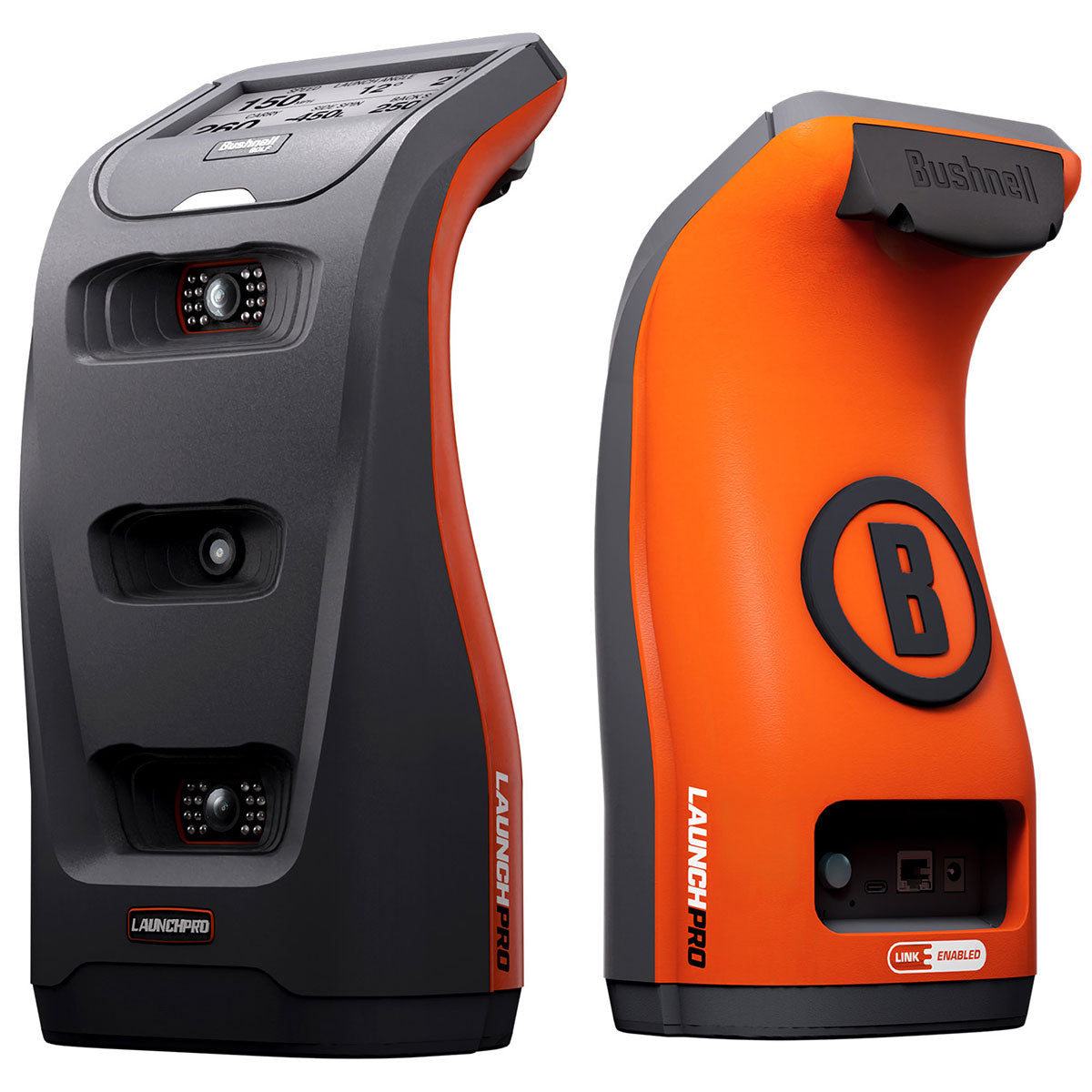
The single most useful thing a buyer at this money can know is that the Launch Pro is Foresight-engineered. Same measurement lineage, built under licence, reading the ball with cameras rather than modelling flight. So the step down from the GC3 is not a step down in technology at all. It runs on the same Foresight+ memberships, and the practical difference is that the Launch Pro needs Silver before it shows club data, where the GC3 shows it on the free tier. We ran the full ownership maths in Launch Pro vs Foresight GC3, and anyone about to spend GC3 money should read it before clicking, because the answer depends on which price the GC3 is at on the day.
LINK, and why it is more than a bundled gadget
LINK is the feature that makes this specific configuration worth its own review. The GC3 shares your performance data with a Bushnell Pro X3 LINK rangefinder, so when you aim at a flag on the fourteenth, the club it suggests is built from how far you actually carry a seven iron rather than how far you told yourself you do.
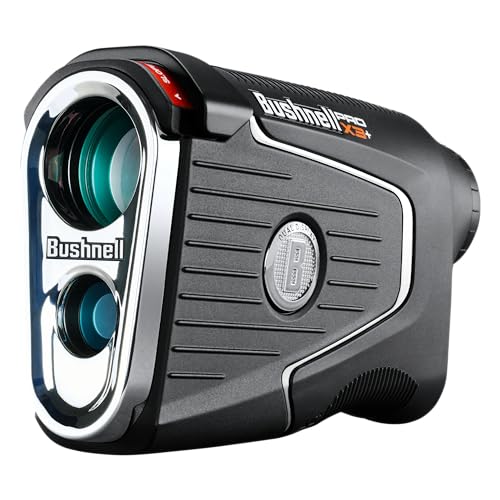
That closes a loop that almost nothing else in this market closes. Most launch monitors give you data and then leave you to remember it. This one exports the practice bay onto the course, and I rate it higher than the third camera in terms of what it will actually change about your golf.
Who needs this, and who is paying for a badge
You need Foresight-grade club data if you are working on strike — face angle, path, delivered loft, low point — and you intend to make changes based on what you see. That golfer is served badly by a unit that guesses, because you cannot coach off numbers you do not trust. You also need it if the room is going to exist for a decade and you would rather buy the instrument once.
You are paying for a badge if what you want is a projector, a course to play and a number on the screen that feels about right. At list prices, that golfer gets almost all of the fun and most of the accuracy from the Launch Pro on Silver, and should spend the difference on the screen, the mat and the enclosure, which is where a sim room actually feels expensive or cheap.
Skip it entirely if you practise outdoors on grass. That is radar's home ground, it costs a fraction of this, and the reason to buy cameras is a ceiling and a short bay.
The one I would buy
If I were building the room I intend to keep, this is the unit I would buy, and the reason is not the accuracy headline. It is that the GC3 gives me my own club data without a membership, and LINK carries those numbers onto the course. I would not buy it believing it frees me from renewals: if the room is for GSPro or Foresight's courses, it bills me the same as a Launch Pro does. Run the Launch Pro maths first, at the price the GC3 is actually selling for. If it still comes out here, buy with confidence: nothing in this review is a warning about the instrument, only about the room, the PC and the membership that come with it.
Where to buy
8.5/10Foresight Sports
Foresight GC3 with LINK
Foresight's three-camera unit, indoors or out, with full ball and club data measured at impact.
ifrothgolf earns a commission on purchases made through these links, at no extra cost to you. It never changes what I recommend. Full disclosure.
Frequently asked
- Is the Foresight GC3 accurate enough compared with a GCQuad?
- For amateur use, yes. The GC3 uses three high-speed cameras to measure the ball directly at impact rather than modelling its flight, and the accuracy sits close enough to a GCQuad that the difference is smaller than a typical amateur's shot-to-shot variance. Club fitters and tour players use the higher-end Foresight units, but the measurement approach is the same.
- Does the Foresight GC3 need a subscription?
- Not for the basics. Foresight now sells its software through Foresight+ memberships, and the free tier keeps the GC3's core ball and club data views with 10 sessions of history. Silver, about $200 a year, adds unlimited history and is required for a Course Pass to play Foresight's courses. Gold, about $600 a year, adds swing video, multiple profiles and third-party integrations, and Foresight says GSPro needs Gold plus a separate GSPro licence. A new GC3 comes with a 30-day Gold trial with Course Pass Pro.
- How much space does the GC3 need?
- It sits on the floor a few feet to the side of the ball rather than behind you, which is why it works in a shallow indoor bay where a radar unit would struggle. You still need normal hitting-bay width and height, and because the unit is in the room with you, a settled ball position matters more than it does with a ceiling-mounted system.
- What does LINK add to the GC3?
- LINK lets the GC3 share your performance data with a Bushnell Pro X3 LINK rangefinder, so the club recommendation you get on the course is built from your measured carry distances rather than an estimate. It connects practice-bay data to on-course decisions, which very little else in this market does.
Read next
Review
7.9/10Full Swing KIT review: the tape measure decides this, not Tiger
Tour pedigree, TGL on ESPN, and radar good enough to be checked against a Trackman outdoors. It also wants eighteen to twenty feet of room, which rules out most of the garages people buy it for.
Versus
Trackman iO vs Uneekor EYE XO2: the year-one trap
Both mount overhead, both want ten feet of ceiling, and about $3,000 separates them on the shelf. Then Trackman's included first year runs out, and the gap starts growing by $1,100 a year.
Versus
Uneekor EYE XO2 vs Foresight GC3: ceiling or floor?
At least $4,000 separates them, but they're not really rivals — one lives in your ceiling forever, the other sits on the floor and travels. Both now charge a yearly fee for the software most home builders want.