
TruGolf APOGEE review: the sim unit that gives you your floor back
TruGolf's overhead unit clears the hitting bay completely and replays your impact in slow motion after every shot. The catch is a ceiling you have to drill into and a software list with one name on it.
By Ben Marsden · Reviews Editor
The verdict
Very good
What's great
- Ceiling mount clears the floor completely: same setup for a wedge and a driver, and right- to left-hander switching with nothing to move
- Zero display delay plus slow-motion impact replay on every shot, neither of which is common at this money
- No marked clubs or special balls, laser launchpad alignment and voice commands, so there is very little friction between walking in and hitting
Watch out
- Published retailer documentation says it ships with an E6 Connect Practice licence and cannot currently be used with other simulator software, so GSPro is out
- A permanent install needing roughly nine to ten feet of ceiling above the hitting surface, with no portable use case and no good answer for renters
- The ProTee VX is also overhead, subscription-free and open on software at a near-identical price
Bottom line — The best-feeling overhead unit in its bracket, and the ergonomics are worth real money in a room you will use every week. Buy it for a permanent, owned, properly built bay. If the sim might move, or GSPro is where you want your winter to happen, the ProTee VX is the safer spend.
TruGolf
TruGolf APOGEE
ifrothgolf earns a commission on purchases made through these links, at no extra cost to you. It never changes what I recommend. Full disclosure.
Walk into any home sim room that has been in use for a year and look at the launch monitor. There will be a scuff on it. Somebody caught one thin, or a shank left the face at ankle height, or a visitor stood on the corner of it reaching for a driver. The unit is on the floor, which means the unit is in the way, and everybody who owns one has quietly built a routine around not hitting it.
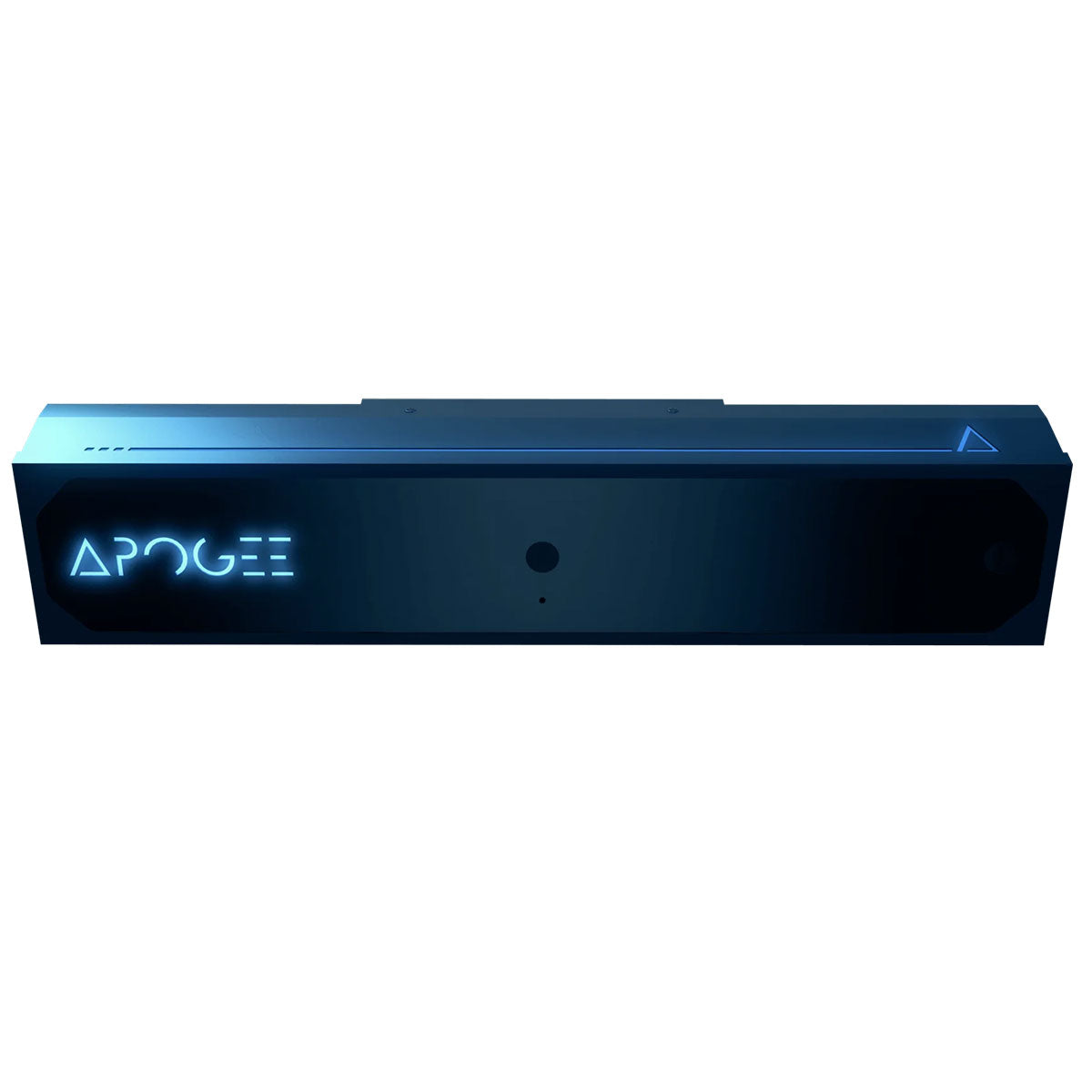
The TruGolf APOGEE is the answer to that, and to about four other small irritations you stopped noticing because you assumed they were the price of having a simulator at home. It mounts to the ceiling. Nothing sits on the floor at all.
The only decision that matters at this money
At $8,000 you are not really choosing a sensor. Every credible unit in this bracket will give you ball speed, spin, launch, club path and face angle to a standard you cannot out-hit. What you are choosing is architecture: where the thing lives, and therefore what your room is like to use for the next ten years. We have set out the full version of that argument in overhead or beside the ball, and it is still the decision I would make first, before looking at a single number.
Overhead buys you three things that compound. A permanently clear hitting area, so a wedge and a driver are the same setup and a thinned shot hits the screen rather than the hardware. Switching between a right-hander and a left-hander without moving anything, which matters enormously in a shared room. And a bay that looks like a room rather than a workshop, which sounds like a vanity point right up until the person you share a house with has an opinion about it.
What the APOGEE does that its neighbours don't
Two features here are genuinely uncommon at this money. The first is zero display delay: the ball appears on screen at the moment it should, rather than a beat later. That sounds like a detail. It is the difference between a simulator that feels like golf and one that feels like software, and it is the thing people register in the first three swings and then never consciously think about again. The second is a slow-motion replay of the point of impact after every shot, which is a coaching feature bundled into a measurement device.
Around that, TruGolf has done the unglamorous work. No marked clubs, no special balls. A laser launchpad that shows you exactly where to put the ball instead of leaving you to guess at a taped-down zone. Voice commands, so calling a mulligan does not mean walking back to a keyboard mid-session. None of these sell a launch monitor on a spec sheet. All of them are the difference between using the room four times a week and using it twice.
One caveat on the markings claim, because it is a headline one: Carl's Place, who build these rooms for a living, note in their write-up that some conditions can still call for metallic club stickers. Worth knowing before you assume it is never an issue.
The ceiling is a commitment, not a spec line
Installation guidance published by simulator retailers puts the mount at nine to ten feet above the hitting surface, roughly twenty-one to twenty-five inches in front of the tee position, with the unit itself weighing around twenty-two pounds. Read that as a building job, not an unboxing. You need a ceiling that will take a fixed mount, you need the alignment right, and if you get the alignment wrong you do not get an error message. You get numbers that are subtly and confidently incorrect.
This is where I would stop and be honest about the room. If you are renting, do not buy this. If the ceiling is plasterboard over nothing in particular, do not buy this until somebody who knows has looked at it. And if there is any real chance the sim moves, to a garage, to a different room, to a mate's place for a winter, do not buy this either, because moving it means re-mounting and re-aligning it. The whole ergonomic argument assumes it never moves.
The software question, which is the real catch
The APOGEE ships with an E6 Connect Practice licence, upgradeable to course play, and Carl's Place state plainly that it cannot currently be used with other golf simulator software. That means no GSPro. If you have already decided that GSPro's course library is what you want your winter to look like, this is not a criticism of the hardware, it is a full stop. Buy something else.
I would weigh that more heavily than most reviews do, because software is where the hours actually go. The sensor is a purchase; the software is the thing you live in. TruGolf's ecosystem is a real one and plenty of owners are happy inside it, but you should go in knowing the door only opens one way.
What else this money buys
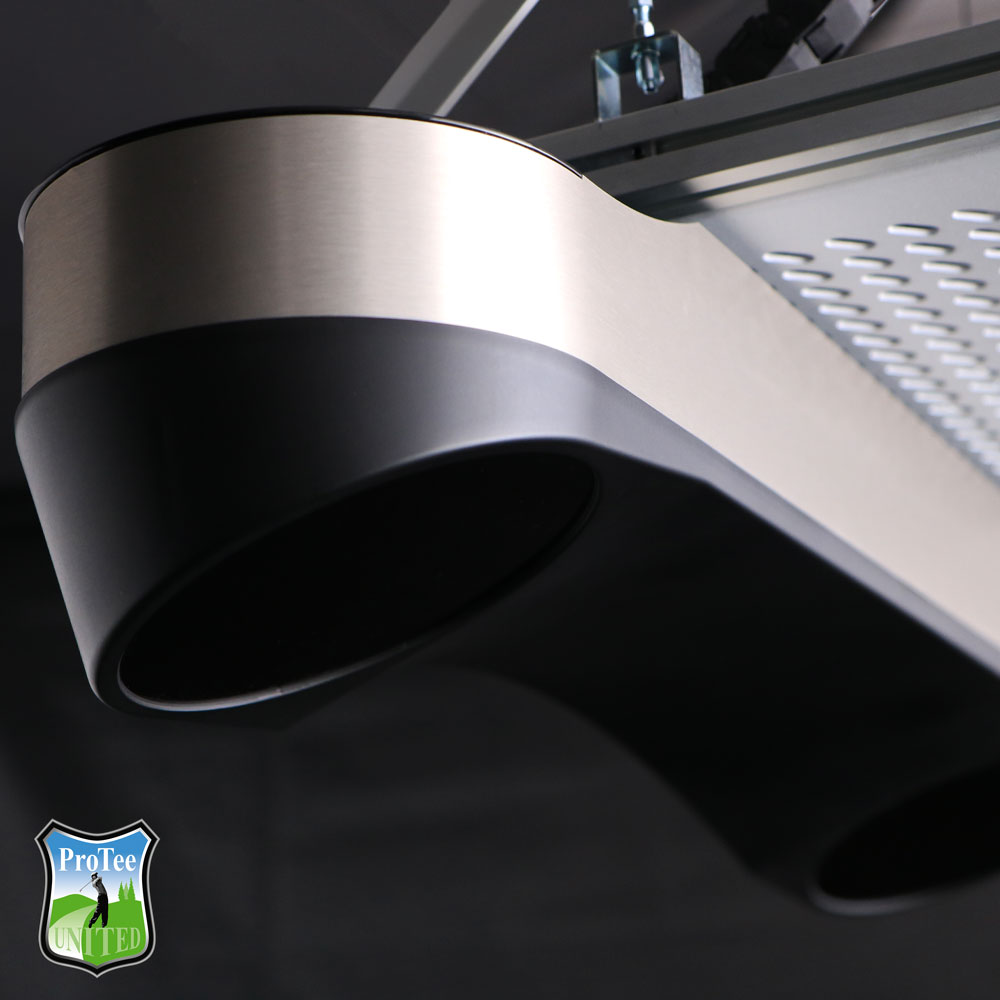
The ProTee VX is the awkward comparison, because it is also overhead, also camera-based, and lands at $7,900, which is near enough identical. It reads twenty-four ball and club data points, has a generous twenty-five by twenty-one inch hitting zone, switches handedness without repositioning, and carries no subscription at all. What it does not have is the APOGEE's zero-delay display, the impact replay or the voice control. If software freedom and data breadth are the priority, take the VX. If how the room feels is the priority, the APOGEE is the nicer thing to stand in.
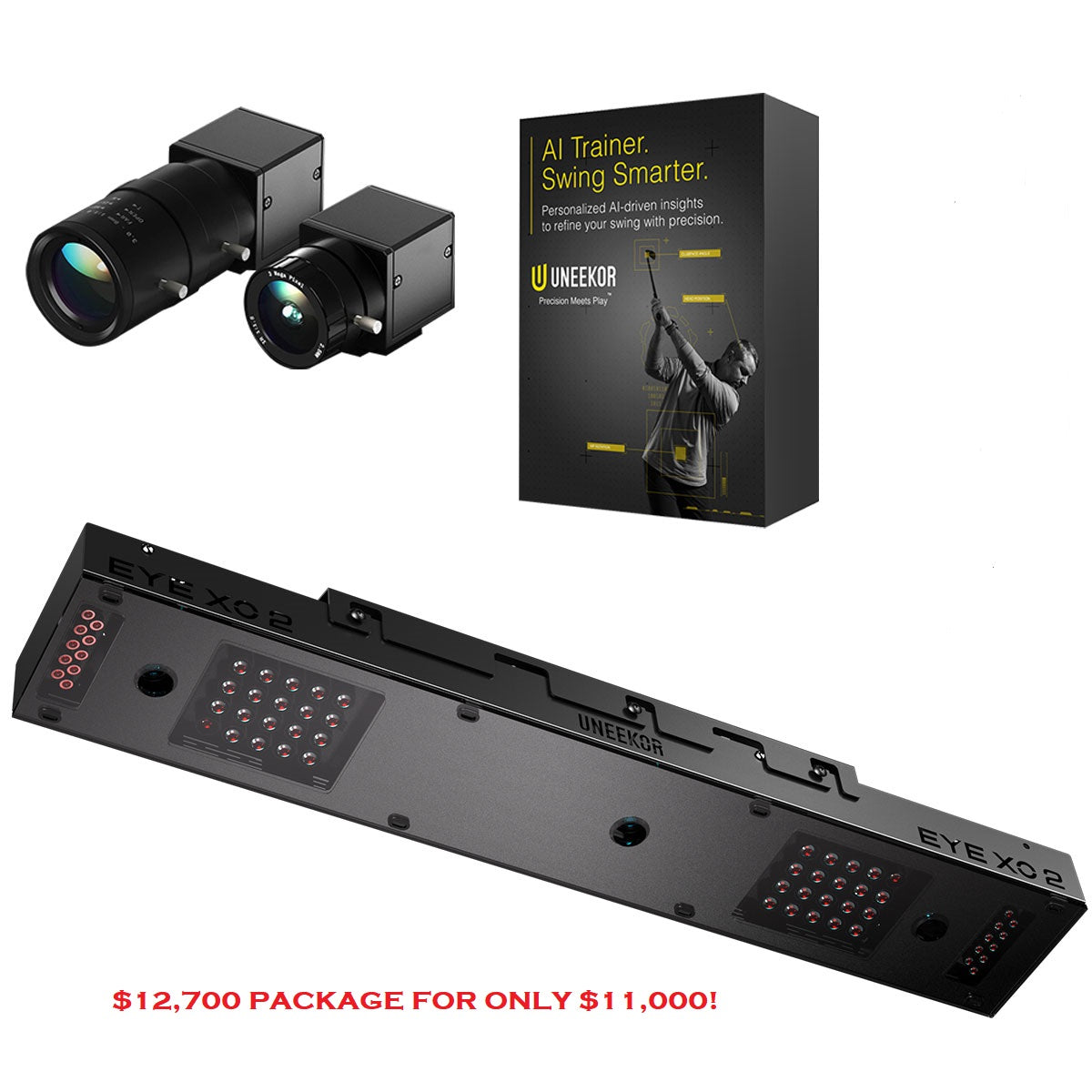
Above it, the Uneekor EYE XO2 at $11,000 adds a third camera and two Swing Optix cameras, turning a measurement device into a coaching one. The bill for that is a gaming PC, unforgiving mounting tolerances and a subscription for the full software once the trial runs out.
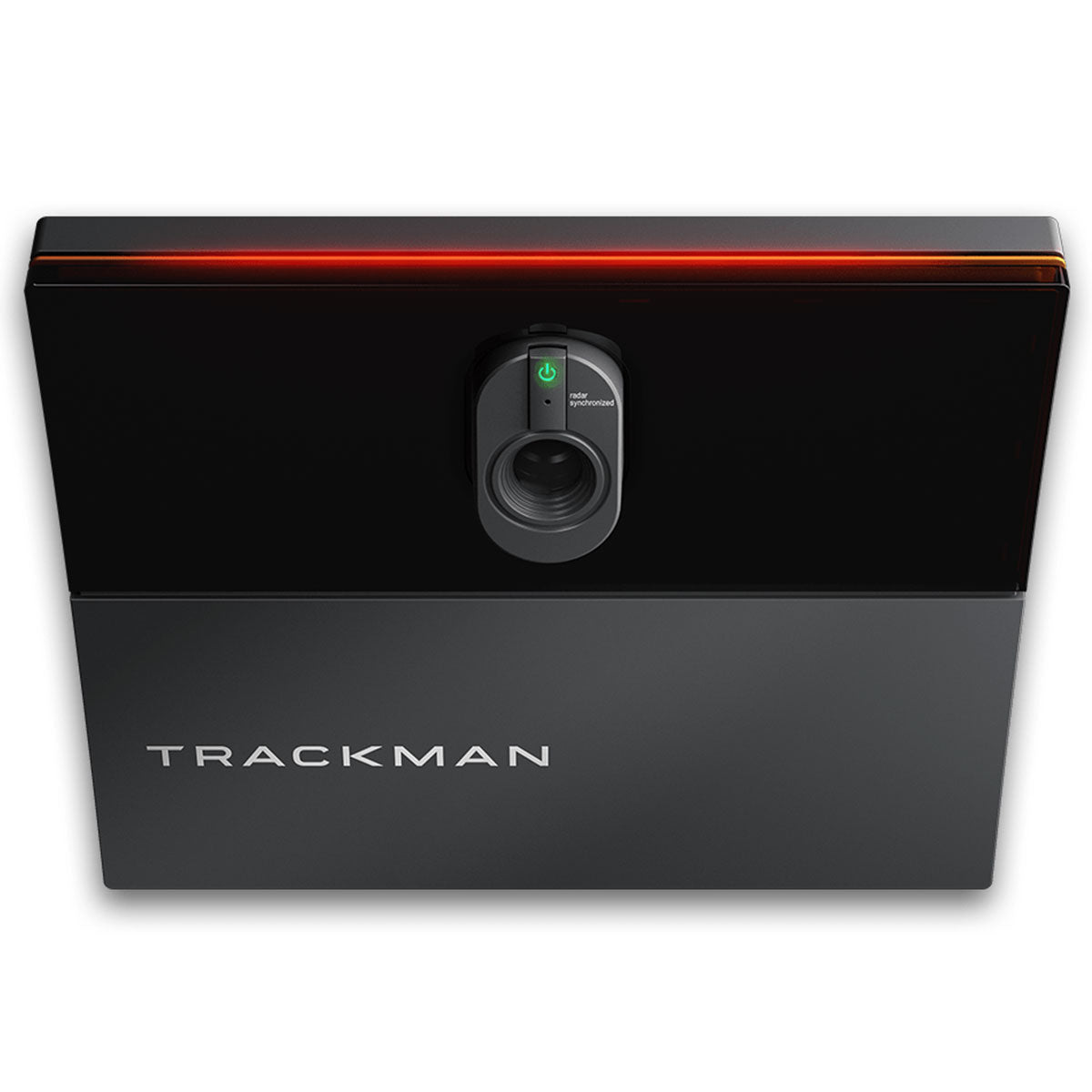
The Trackman iO at $14,000 is a different conversation entirely: radar, infrared and high-speed imaging fused into the data standard the rest of the industry gets measured against, for the better part of double the APOGEE. For a teaching professional or a commercial bay that is straightforwardly justifiable. For a home room it is a want, and it is fine to call it that.
Who should not buy it
Anyone who needs the unit to move. Anyone renting. Anyone whose ceiling cannot take a permanent mount, or whose room is under nine feet at the hitting surface. Anyone already committed to GSPro. And anyone treating the launch monitor as the whole budget, because the sensor is the start of the bill and the screen, enclosure, mat and PC all still have to be bought.
Where I would put my own money
If the room is permanent, the ceiling is sound and you are not wedded to a particular course library, the APOGEE is the one in this bracket I would actually enjoy owning. A clear floor and a zero-delay display are ergonomic wins you feel on every single shot, which is a better use of the last thousand than a data point you will never audit. If any one of those three conditions is shaky, buy the VX and keep your options open.
Where to buy
7.9/10TruGolf
TruGolf APOGEE
Ceiling-mounted, zero display delay, slow-motion impact replay — and nothing on the floor to hit.
ifrothgolf earns a commission on purchases made through these links, at no extra cost to you. It never changes what I recommend. Full disclosure.
Frequently asked
- What ceiling height do you need for the TruGolf APOGEE?
- Installation guidance published by simulator retailers puts the mount at nine to ten feet above the hitting surface, roughly twenty-one to twenty-five inches in front of the tee position.
- Does the TruGolf APOGEE work with GSPro?
- No. It ships with an E6 Connect Practice licence, upgradeable to course play, and retailer documentation states it cannot currently be used with other golf simulator software.
- Do you need marked balls or special clubs with the TruGolf APOGEE?
- TruGolf's specification is no marked clubs and no special balls. Carl's Place note in their write-up that some conditions can still call for metallic club stickers.
- Is the TruGolf APOGEE portable?
- No. It is a permanent ceiling-mounted install for a dedicated indoor room. Moving it means re-mounting and re-aligning it, so it is not a unit to take to the range or to carry between rooms.
Read next
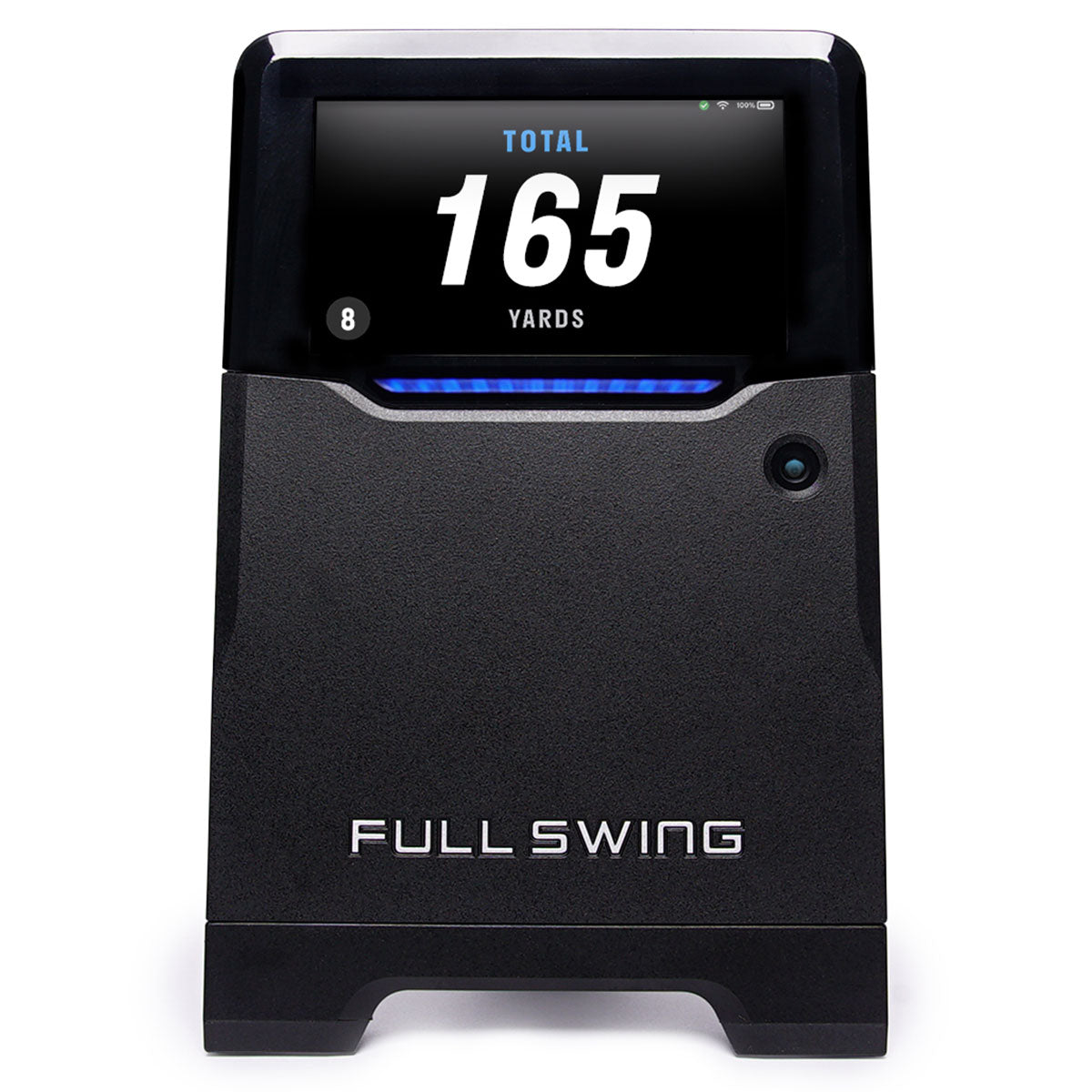
Review
7.9/10Full Swing KIT review: the tape measure decides this, not Tiger
Tour pedigree, TGL on ESPN, and radar good enough to be checked against a Trackman outdoors. It also wants eighteen to twenty feet of room, which rules out most of the garages people buy it for.
Versus
Trackman iO vs Uneekor EYE XO2: the year-one trap
Both mount overhead, both want ten feet of ceiling, and about $3,000 separates them on the shelf. Then Trackman's included first year runs out, and the gap starts growing by $1,100 a year.
Versus
Uneekor EYE XO2 vs Foresight GC3: ceiling or floor?
About $4,000 separates them, but they're not really rivals — one lives in your ceiling forever, the other sits on the floor and travels. The cheaper one is also the one with no subscription.