
BenQ publishes a zero-degree floor for its sim projector. No launch monitor maker publishes one at all
Most home sims live in an unheated garage, shed or loft, and winter is the entire point of owning one. Cold does not throw an error message. It quietly changes the room, the kit and every number you are given.
By Marcus Bell · Simulator & Indoor Golf Writer
BenQ
BenQ LK936ST
ifrothgolf earns a commission on purchases made through these links, at no extra cost to you. It never changes what I recommend. Full disclosure.
The room you built in July is about to do its actual job. That is the strange thing about a home simulator: you commission it in good weather, and then the season it exists for arrives and the room is a different room. Four degrees, damp air off a concrete floor, the smell of a cold garage.
Nothing will tell you this is happening. Cold does not throw an error message. It produces a slightly bouncier screen, a slightly harder mat, a lens that takes a while to clear, and a set of numbers that are all a bit lower than they were in August — and it lets you draw your own conclusions about which of those is your swing.
The one component that publishes a limit
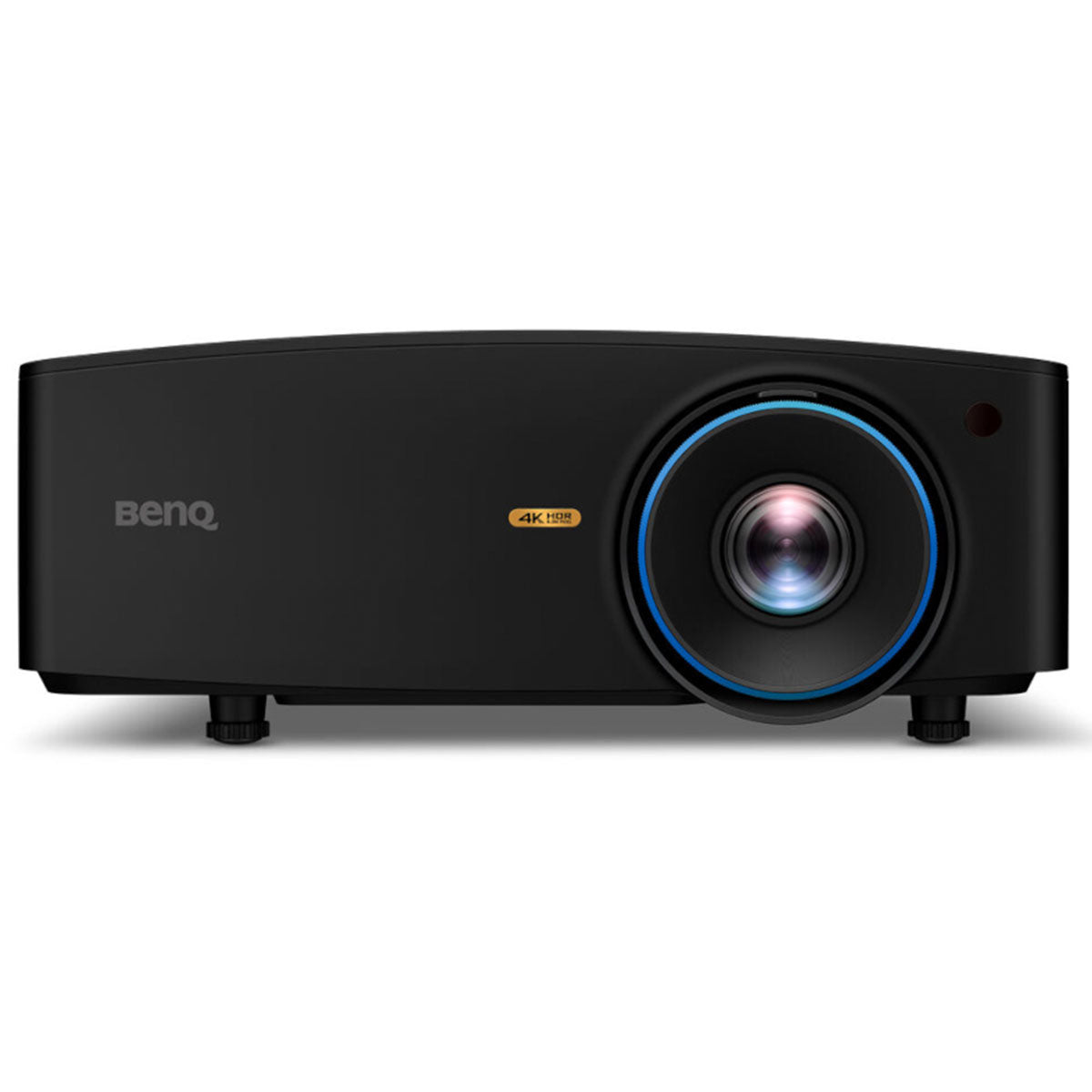
I went looking for stated environmental limits on every part of a premium sim, and found exactly one that a buyer can check in thirty seconds. BenQ's own specification page for the LK936ST — the short-throw laser we rate as one of the two projectors worth buying for a sim — gives an operating temperature of 0 to 40 degrees Celsius.
Read the bottom of that range against a real British garage in January. Zero is not an exotic condition you would have to engineer; it is a normal overnight low in an unheated building, and a room does not warm up the instant you open the door. That is not a reason to avoid the projector, which is an excellent one. It is a reason to know the number, because it is the only hard environmental figure on the whole build.
The expensive half publishes nothing at all
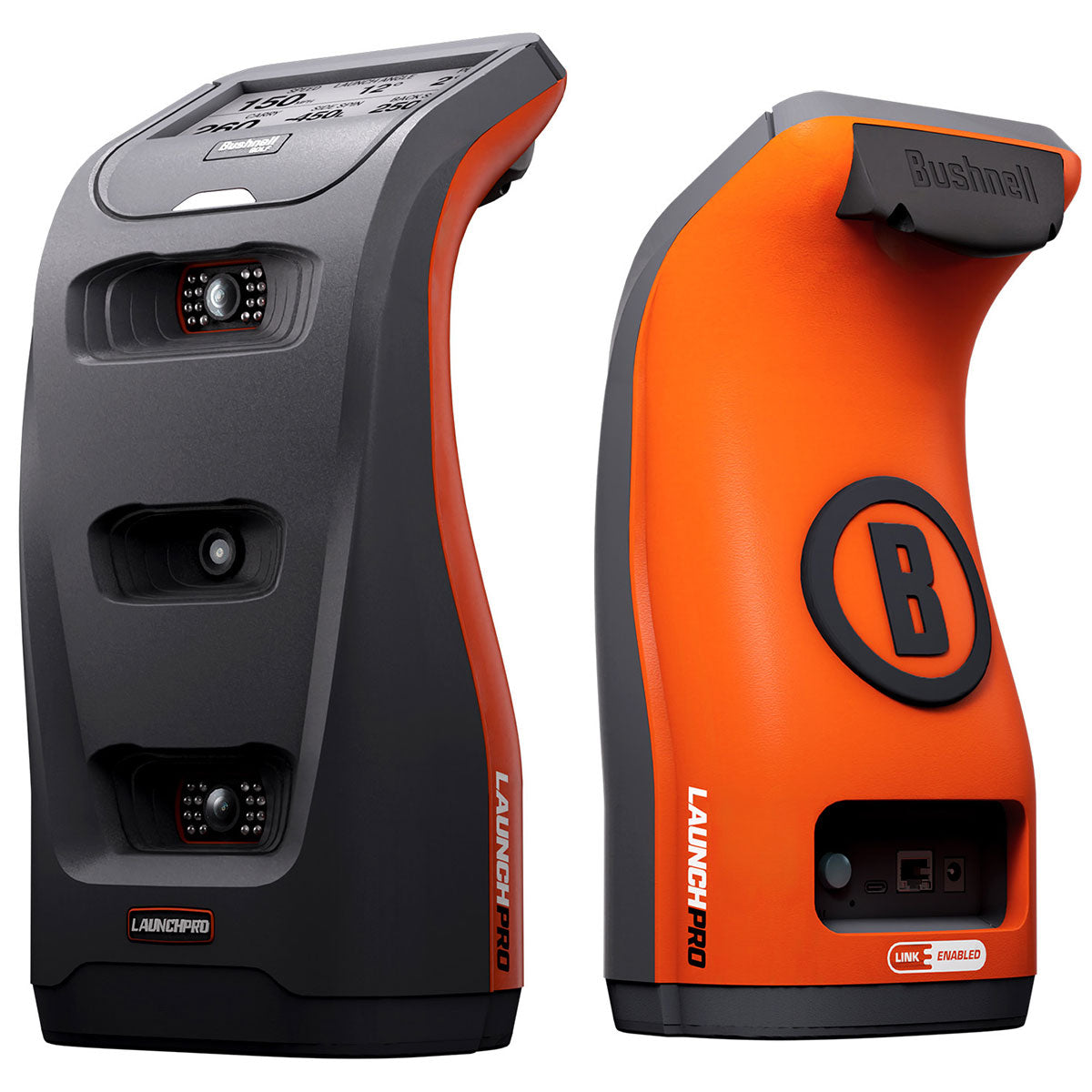
Now the part that surprised me. I could not find a published operating temperature range for the launch monitors themselves. The Bushnell Launch Pro at $3,000 has a detailed specifications and FAQ page and it carries no temperature figure of any kind. I looked for SkyTrak's and Foresight's and did not find one either. These are devices costing from $3,000 up to $14,000, and the environmental spec is simply absent from the information you buy on.
Be fair about what that does and does not mean. An absent spec is not evidence of a fragile device, and plenty of people have run camera units in cold garages for years without trouble. What it means is that you cannot plan around it, and you have nothing to point at if something goes wrong. So if your room genuinely drops below freezing, ask the manufacturer in writing before you order and keep the reply.
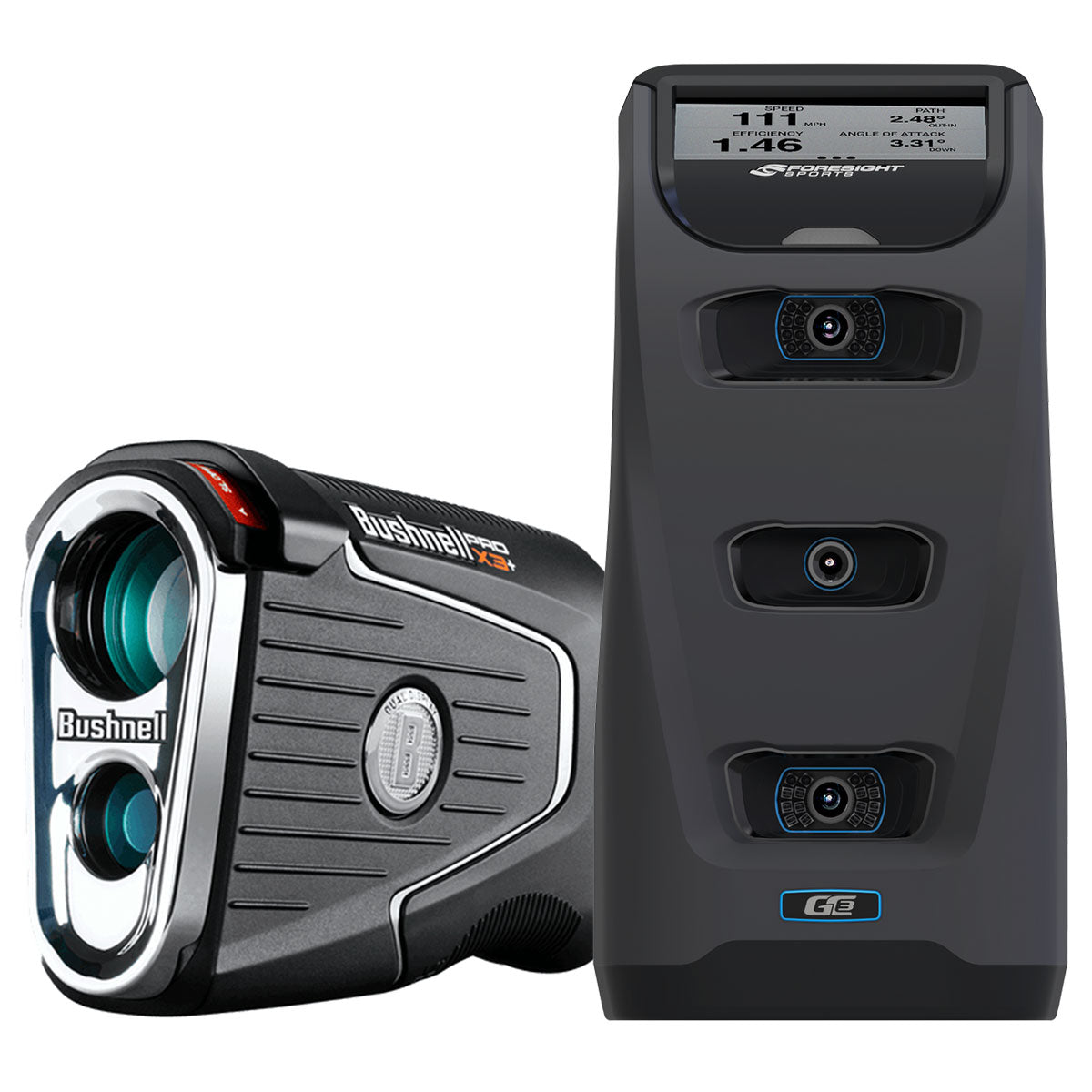
One useful signal does exist in the copy. Both the Launch Pro and the Foresight GC3 with LINK are stated to work indoors and outdoors, which is a stronger claim about environmental tolerance than silence is.
Condensation, and what I am not going to pretend to know
The mechanism is ordinary physics rather than a product flaw. A cold room heats quickly once a projector and a PC are running in it, and any surface still colder than the air's dew point collects water. Glass is slow to warm, so the surfaces that stay cold longest are exactly the ones you need clear: a projector lens, and the camera windows on an overhead unit.
What I cannot give you is a threshold, because nobody publishes one for this kit and inventing a number would be worse than useless. What I can give you is the direction the physics points. Fast temperature swings cause it, so avoid them: leave the equipment living in the room rather than carrying it in warm from the house, and give a cold room fifteen minutes powered up before you judge the picture or trust the first shots. If you can see moisture on a lens, let it clear rather than wiping it.
Mats go hard, and fabric moves
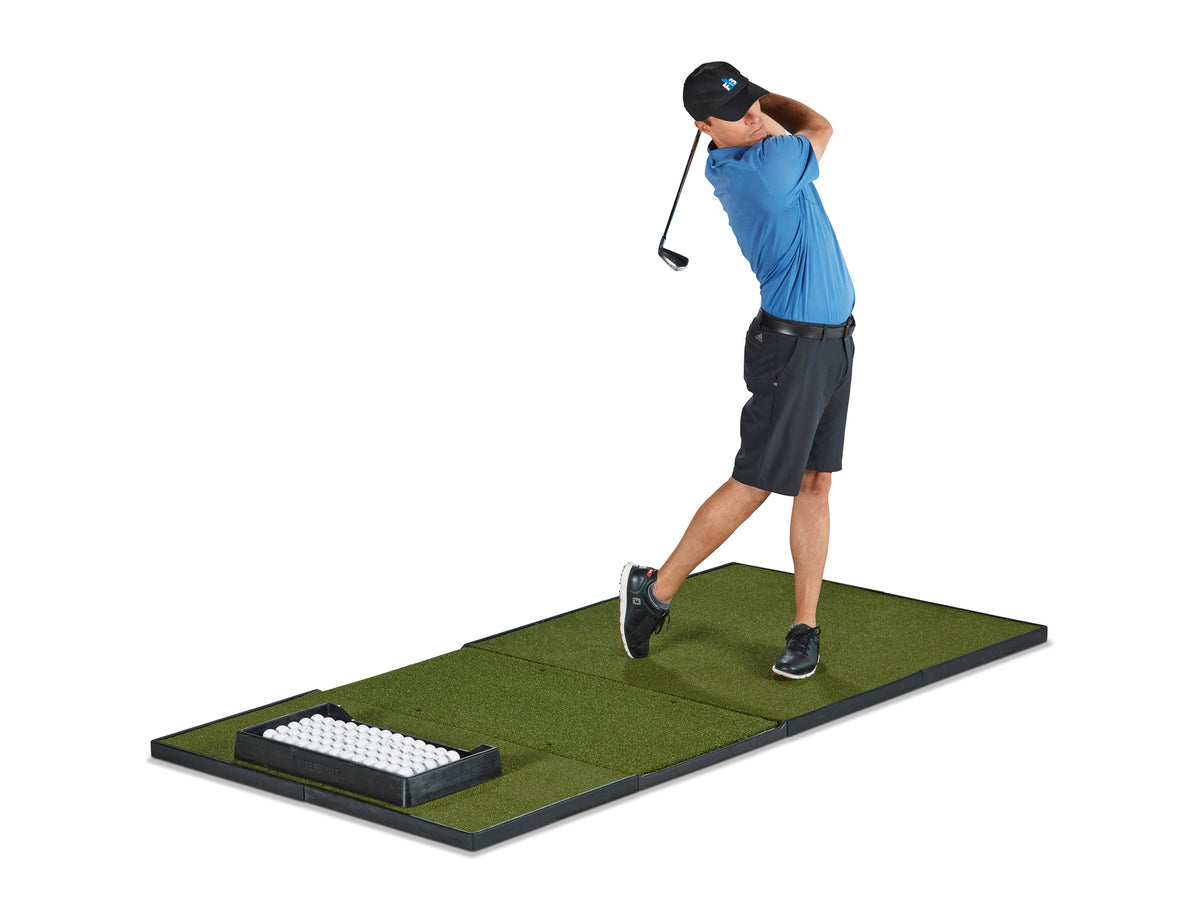
Cold stiffens most polymers, which is the whole reason winter is when a bad hitting mat starts hurting people. The argument for a serious mat has always been what sits under the turf: our copy on the Fiberbuilt Player Preferred at $1,500 cites a vibration absorption layer that Fiberbuilt quotes at around 94 per cent, and that layer is the entire difference between a fat shot being information and a fat shot being a jolt through your lead wrist.
I have no figure for how that number moves in the cold, and neither does anyone else, so I will not invent one. The practical version instead: if you were going to make one upgrade before the indoor season, make it the mat rather than the sensor, because the mat is the only component in the room that can injure you and the cold is when it is worst at it. Warming up before you hit indoors matters more in February than in July, and almost nobody does it.
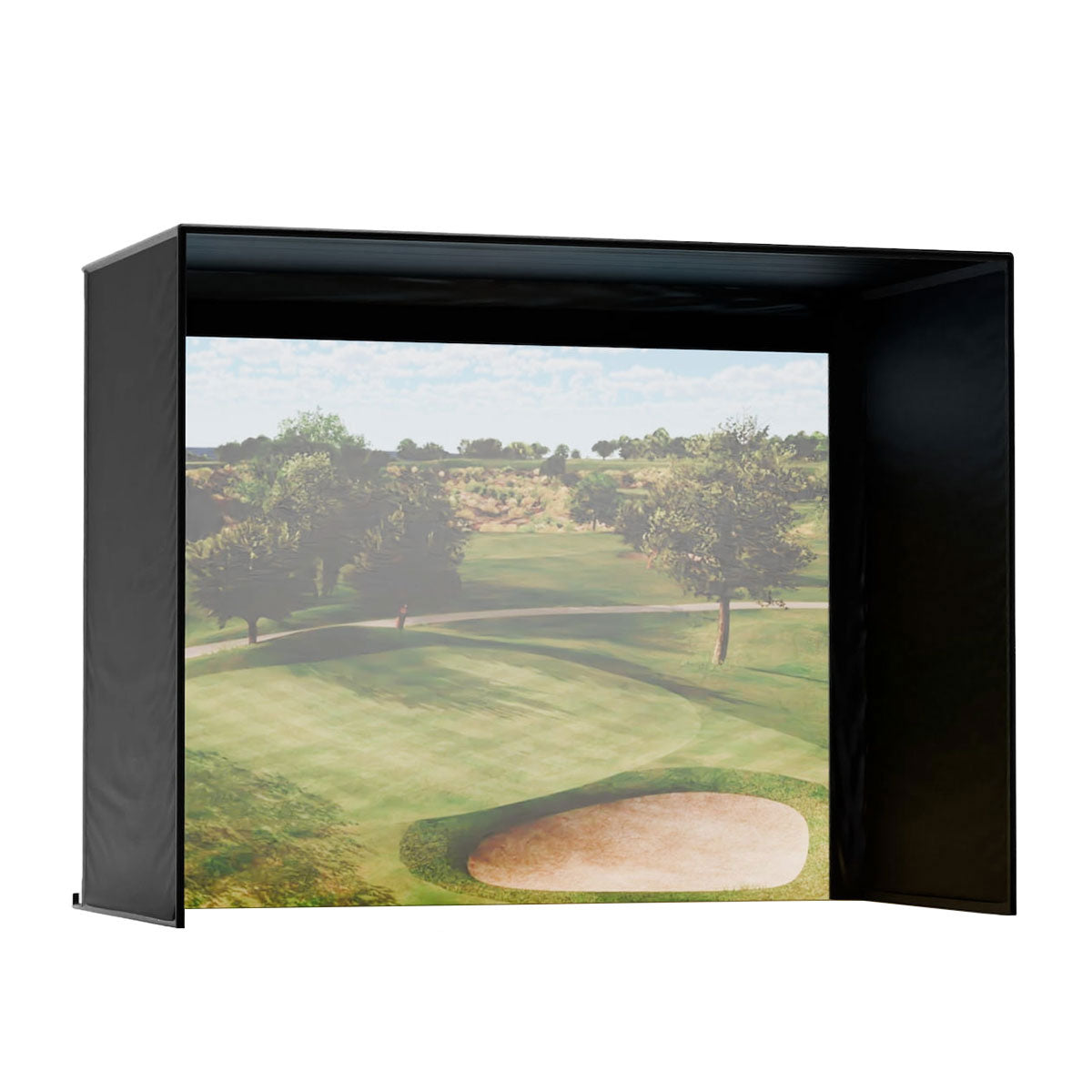
Fabric moves too. The impact screen is the component our Carl's Place DIY kit copy identifies as the one you cannot fudge, and a screen tensioned in warm weather does not sit the same once the room and the frame around it have cooled and contracted. A slack screen bounces harder, sounds worse and blurs the image. It takes ten minutes to re-check tension at the start of the indoor season and it is the cheapest quality upgrade available to an existing room.
The ball is what corrupts your winter
This is the best-sourced item on the page and the one nobody thinks about, because it is not a piece of equipment you bought. A cold golf ball travels shorter, and the figures are published. Titleist's own research puts it at roughly 1.5 per cent of carry for every 20 degree Fahrenheit drop — about 11 Celsius — which is a shade under four yards on a 250-yard drive. Trackman's number is 1.33 to 1.66 yards per 10 degrees Fahrenheit depending on the club. Andrew Rice, a GOLF Top 100 teacher, ran the test on Trackman and published a table running from 250 yards of driver carry at 75 degrees down to 242 at 35.
Outdoors that is a club-selection problem. Indoors it becomes something worse, because a launch monitor measures the ball it is given. The machine is not wrong. The ball is cold, the numbers are honest, and you spend three months quietly re-learning yardages that will be wrong again in April — or worse, concluding you have lost speed over the winter when what you have actually lost is eleven degrees.
The fix costs nothing and it is the highest-value sentence in this article. Keep your practice balls indoors. Bring half a dozen out at a time and rotate them back. A shoebox in the house solves a data problem that no amount of launch monitor money can.
Alignment drifts, slowly and invisibly
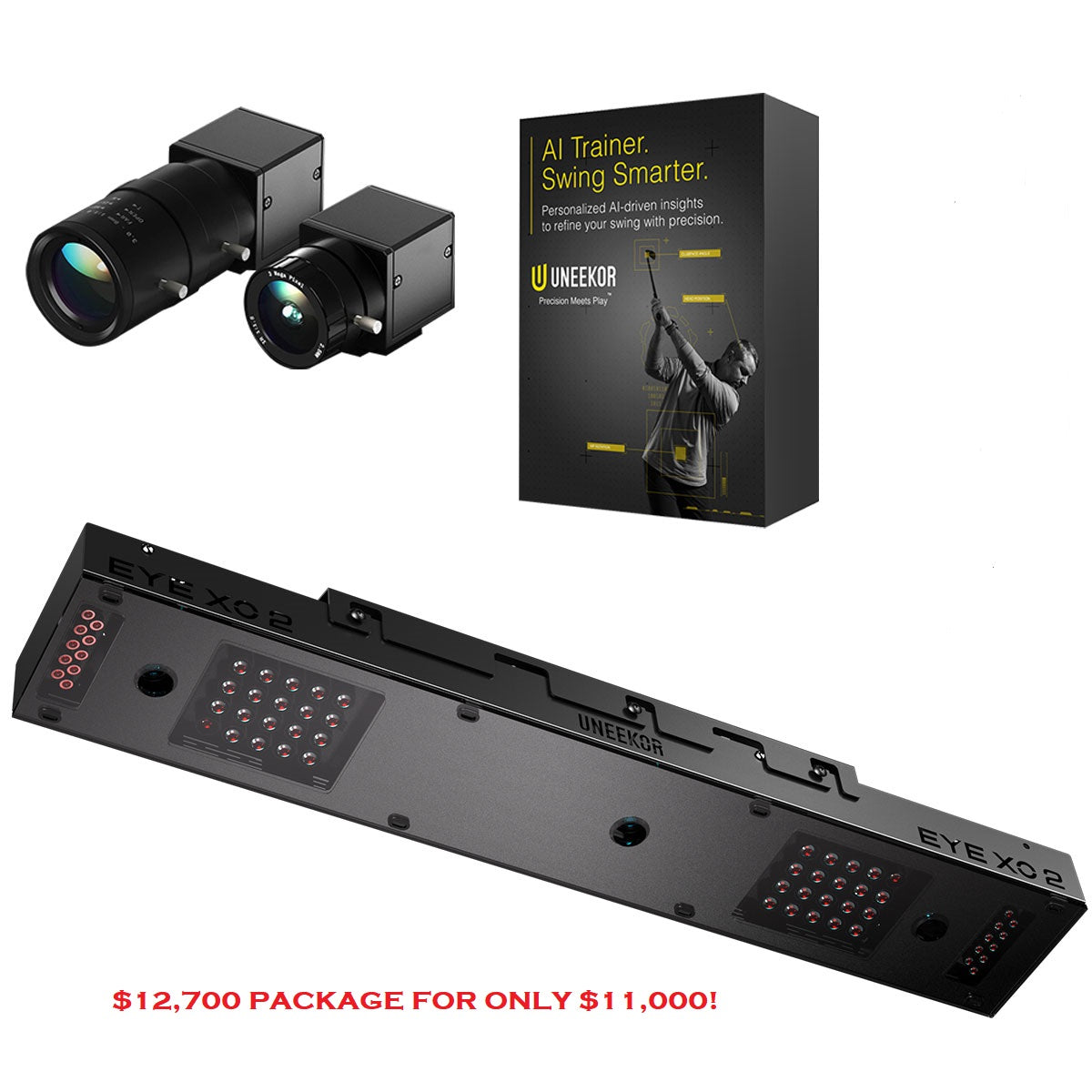
Overhead units are the ones to watch here. Our own copy on the Uneekor EYE XO2 is blunt about it: mounting position and alignment are critical and unforgiving, and get them wrong and the accuracy you paid for evaporates. That is a fair description of every ceiling-mounted unit, the ProTee VX and the Trackman iO included.
Timber and plasterboard move with temperature and humidity. A joist in an unheated garage in February is not precisely where it sat in August, and the drift is far too small to see. Re-run the unit's own calibration at the start of the indoor season rather than assuming last summer's is still true, and do it before you draw conclusions from the data.
What is genuinely not worth solving
Heating an uninsulated garage to living-room temperature all winter. The cost is continuous, the benefit is comfort rather than performance, and most of that comfort comes from a hat, a mid-layer and winter gloves for a fraction of one month's bill.
A second winter mat. One good mat all year beats two mediocre ones, and swapping surfaces mid-season changes your low point, which is the opposite of what winter practice is for. A dehumidifier bought pre-emptively, too: if your room has a damp problem you already know, because you can smell it.
And replacing a launch monitor because the numbers dropped in November. Read the ball section again first. It is free, and it is the answer far more often than a fault is.
The list worth doing is almost entirely free: balls kept indoors, fifteen minutes of warm-up for the projector and the room, a screen-tension check, a calibration re-run, and a proper warm-up for you. The only item on it that costs money is the mat, and that is the one thing here I would actually spend on. If you are still specifying the room rather than running one, the complete home simulator setup lays out the components in the order they matter, and the bill nobody budgets for covers the two line items most builds forget entirely.
Products mentioned in this article
Bushnell
Bushnell Launch Pro Circle B
Stated to work indoors and outdoors, with no operating temperature published anywhere we could find.
Uneekor
Uneekor EYE XO2
Ceiling-mounted and unforgiving about alignment, in a structure that moves with the seasons.
Foresight Sports
Foresight GC3 with LINK
The other unit we stock that is explicitly designed to leave the house.
Fiberbuilt
Fiberbuilt Player Preferred Studio Golf Mat
The vibration layer is what your wrists are buying, and winter is when they notice.
Carl's Place
Carl's Place DIY Enclosure Kit
The screen is the component you cannot fudge, and tension is a seasonal check.
ifrothgolf earns a commission on purchases made through these links, at no extra cost to you. It never changes what I recommend. Full disclosure.
Frequently asked
- Can you use a golf simulator in an unheated garage in winter?
- Yes, and most home simulators live in exactly that. The published limit you can actually check belongs to the projector: BenQ states an operating temperature of 0 to 40 degrees Celsius for the LK936ST. Launch monitor makers largely do not publish an operating range at all — the Bushnell Launch Pro's specifications and FAQ page carries none — so if your room genuinely drops below freezing, ask the manufacturer in writing before ordering and keep the reply.
- Does a cold golf ball go shorter in a simulator?
- Yes, and it matters more indoors than out. Titleist's research puts the loss at roughly 1.5 per cent of carry for every 20 degree Fahrenheit drop in temperature, and Trackman gives 1.33 to 1.66 yards per 10 degrees depending on the club. A launch monitor measures the ball it is given, so a cold ball produces honest numbers about a golfer you are not. Keep practice balls indoors and rotate half a dozen at a time.
- How do I stop condensation on a simulator projector or launch monitor?
- Avoid fast temperature swings, because condensation forms on any surface colder than the air's dew point and glass warms slowly. Leave the equipment living in the room rather than carrying it in warm from the house, and give a cold room around fifteen minutes with everything powered up before judging the picture or trusting the first shots. If a lens is misted, let it clear rather than wiping it. No manufacturer publishes a threshold for this, so treat it as a habit rather than a number.
- What should I check on a home simulator before the indoor season?
- Four things, and three of them are free. Re-check the impact screen's tension, since fabric and frame both move once the room cools and a slack screen bounces harder and blurs the image. Re-run your launch monitor's own calibration, particularly on a ceiling-mounted unit, because the structure it is fixed to shifts with temperature and humidity. Move your practice balls indoors. And warm up properly before hitting, because a cold mat is harder than a warm one and winter is when a poor mat starts causing wrist and elbow trouble.
Read next
Review
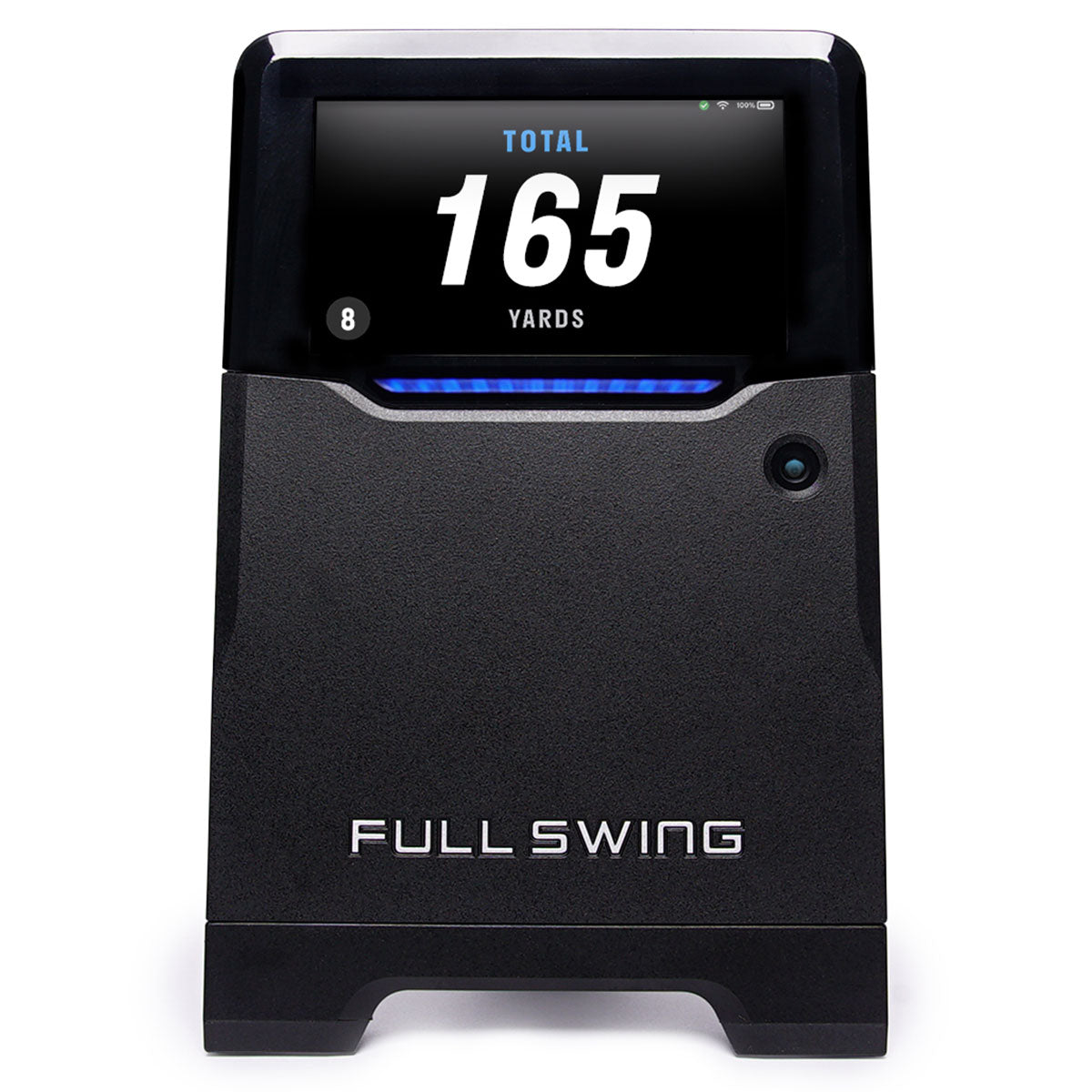
7.9/10Full Swing KIT review: the tape measure decides this, not Tiger
Tour pedigree, TGL on ESPN, and radar good enough to be checked against a Trackman outdoors. It also wants eighteen to twenty feet of room, which rules out most of the garages people buy it for.
Versus
Trackman iO vs Uneekor EYE XO2: the year-one trap
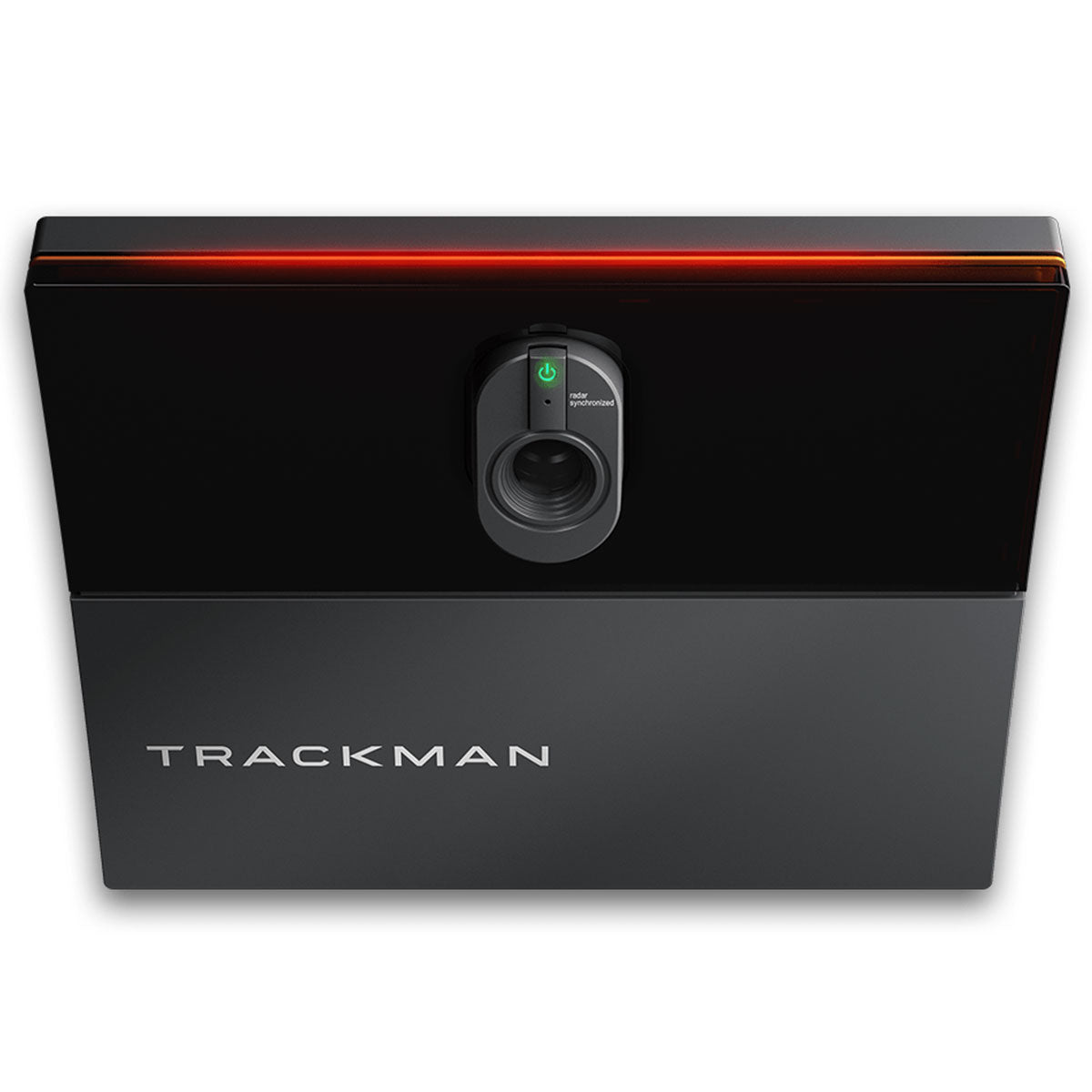
Both mount overhead, both want ten feet of ceiling, and about $3,000 separates them on the shelf. Then Trackman's included first year runs out, and the gap starts growing by $1,100 a year.
Versus
Uneekor EYE XO2 vs Foresight GC3: ceiling or floor?
About $4,000 separates them, but they're not really rivals — one lives in your ceiling forever, the other sits on the floor and travels. The cheaper one is also the one with no subscription.