
Foresight Falcon vs Trackman iO: one charges you at installation, the other every year after
Two ceiling-mounted launch monitors at the very top of the market, roughly 21 per cent apart on the shelf. Both carry a second cost the sticker never mentions, and they carry it at opposite ends of the ownership.
By Marcus Bell · Simulator & Indoor Golf Writer
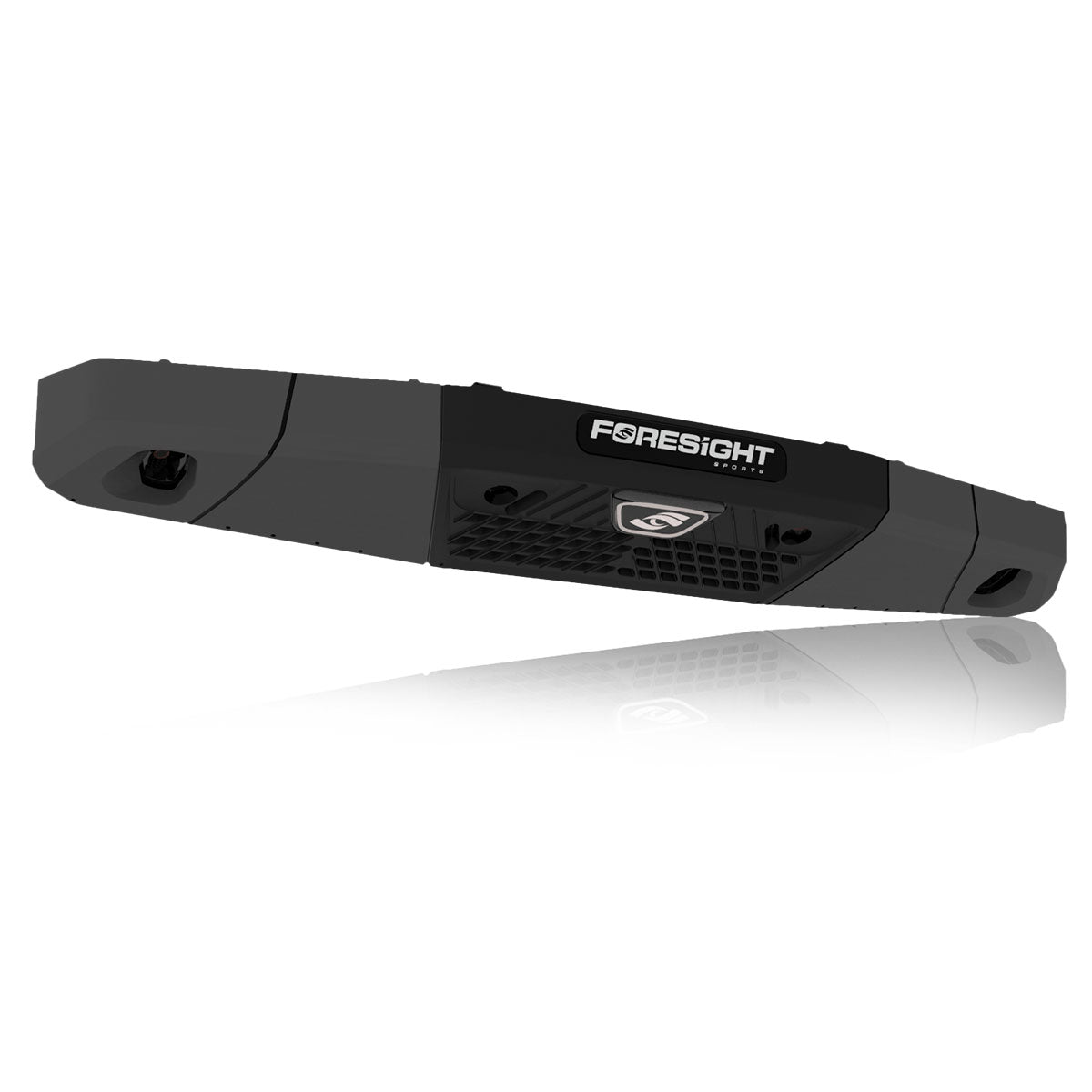
Foresight Sports
Foresight Falcon Overhead Launch Monitor
Pick if you want the extra money to land once, at install, and the bay is shared between right- and left-handers.
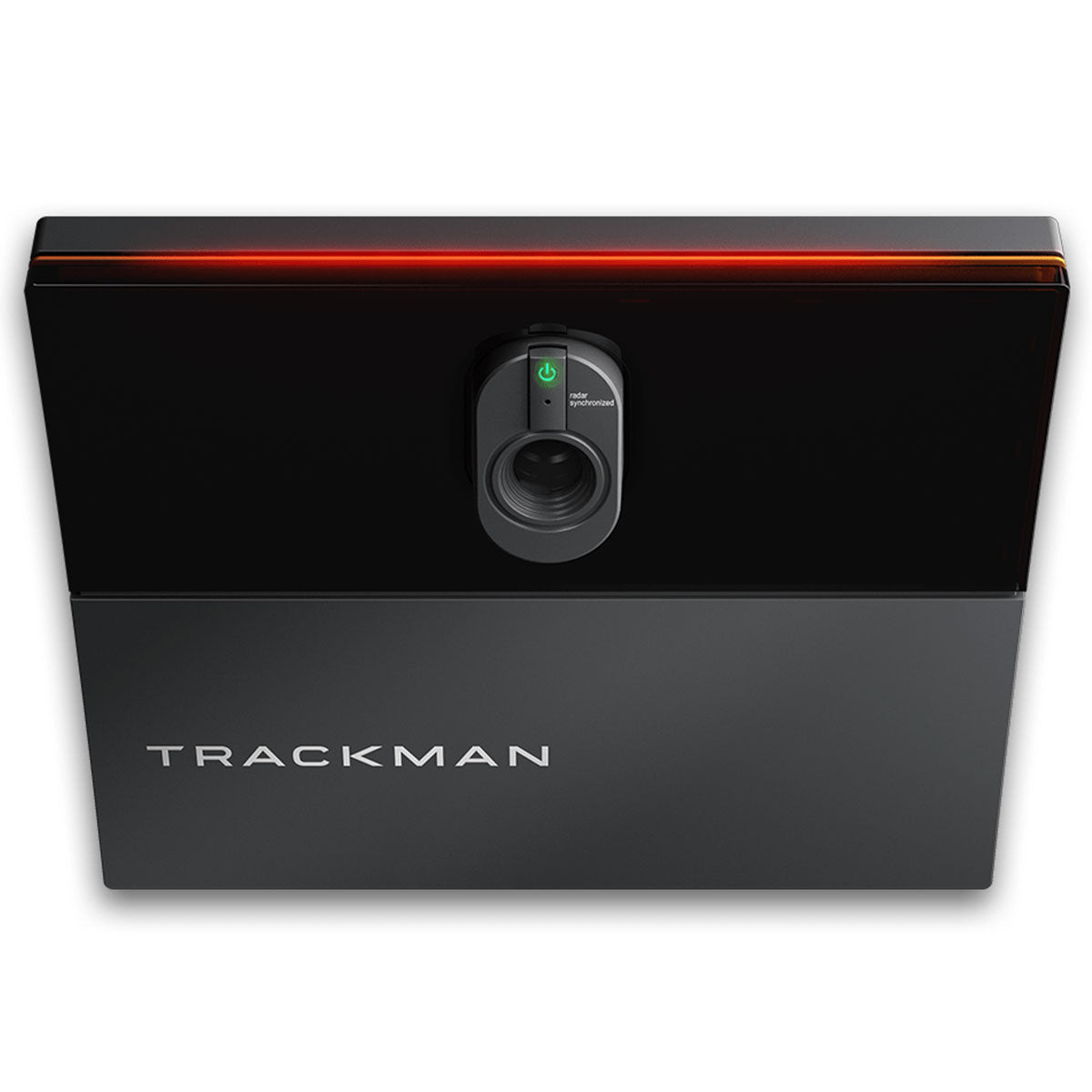
Trackman
Trackman iO
Pick if the numbers leave the room — teaching, fitting or paid bay time, where the name is part of what you are selling.
ifrothgolf earns a commission on purchases made through these links, at no extra cost to you. It never changes what I recommend. Full disclosure.
Part of our guide toBest Premium Launch Monitors 2026Buy the Foresight Falcon if you want the whole bill to arrive at installation and never again; buy the Trackman iO if other people have to believe the numbers coming out of your room. The Falcon lists at $17,000 and the iO at $14,000, which is a gap of roughly 21 per cent. That is the least useful number in this comparison. Neither of these units is a finished purchase at the till, and the ways they are unfinished sit at opposite ends of the ten years you will own one.
The overhead argument is already settled. This is the one after it.
Both of these hang above the hitting area and look down, so the floor stays empty, nothing gets kicked, and a left-hander takes their turn without anybody moving anything. We have made the case for that architecture at length in overhead or beside the ball, and we have already run the cheap-overhead-against-expensive-overhead version of this fight in ProTee VX vs Trackman iO. Assume all of that. These two are what you look at once you have decided the ceiling is where the sensor goes and you are not shopping for a bargain. The question left is which of two expensive answers you want to live inside.
Where the second bill lands
Foresight is unusually direct about the Falcon's: it needs a gaming PC, sold separately, and it needs a ceiling you are allowed to drill into. Both of those are real money and neither is on the product page as a price. Add the mount, the alignment, and an electrician if power does not already run to the right part of the ceiling. Call it a building job with a sensor attached. The important characteristic is that it is a one-time job. Pay it, get it right, and the unit is simply there afterwards.
Trackman's second bill is a different shape. Our own catalogue listing for the iO says nothing at all about software or subscriptions, which is worth stating plainly rather than filling in from memory, so the numbers we hold come from our earlier sourced piece on the unit: the hardware ships with the first year of software included, and after that the home tiers are annual, priced by how much of the club-data set and the course library you want. We set that out in full, with the tier prices, in Trackman iO vs Uneekor EYE XO2, and it is the single most important thing to read before you buy an iO. Software pricing moves, so confirm the current tiers with the seller rather than trusting any comparison's figures, ours included.
One correction while we are here, because plenty of write-ups get it the wrong way round. The gaming PC is not a Falcon-only tax. The iO is a Windows machine too, as is essentially everything in this bracket, and an underpowered computer makes an expensive launch monitor feel slow in a way most buyers wrongly blame on the sensor. The difference between these two is not whether a PC is required. It is that Foresight's listing tells you so and Trackman's does not, and the sticker on a five-figure product is not the place to be discovering that on delivery day.
What the ceiling has to clear
Trackman does. Its published minimum mounting height for the iO is nine feet four inches above the hitting surface, with around nine feet eight considered ideal. Measure from the top of the mat rather than the concrete, because the mat is thicker than you think and it raises the ball with it.
Foresight gives a figure too, in the Falcon's quick-start guide rather than on the product page: ideally a ceiling of 9.5 to 10.5 feet, with the centre of the hitting mat 10 to 12 feet from the screen. That is a band, not a bare minimum, and it sits close enough to the Trackman number that neither unit buys you much leeway in a low room. Confirm the figure for your exact room with Foresight or your installer in writing, before anything is ordered. This is the stage of the purchase where a tape measure is worth more than a spec sheet.
What each ecosystem locks you into
For the iO, the ecosystem is most of the product. Trackman Performance Studio is the environment tour coaches and fitters already work in, the reports look like the reports a pupil's instructor sends them, and a session recorded on it travels to anybody else with the software. If your bay has clients in it, that portability of evidence is not a soft benefit, it is the thing you are charging for. The flip side is the obvious one: the walls are deliberate, and you are renting the keys annually once year one is up.
Foresight arrives with a different inheritance. The Falcon sits in the lineage that gave us the GC3 and the GCQuad, which is the measurement most club fitters in the world have actually been using, and Foresight's own simulation software has historically shipped with the hardware rather than being rented alongside it. That has changed: Foresight now sells its software through Foresight+ memberships across its devices, and its own Foresight+ page says one membership works with both a Falcon and a GC3. There is a free tier for core data, Silver and Gold are billed yearly, and a new device comes with a 30-day trial. Ask, explicitly, which tier you will need for the way you play and what it costs in year two. On the wider question of which units drive which simulator packages, our launch monitor compatibility matrix is the reference we built precisely because nobody else publishes one.
The features that genuinely differ
Foresight's pitch for the Falcon is ergonomic and it is a good one. It reads the ball without marked balls, and full club data runs on small 4-dot markers applied to the clubface, a supply of which ships in the box. It handles right- and left-handed players without being moved, and the housing is smaller with faster processing than overhead units have traditionally managed, which shows up as shot-to-shot turnaround rather than as a number on a page. There is an optional USB swing camera if you want video alongside the data.
Trackman's pitch is the sensing itself. The iO fuses radar, infrared and high-speed imaging rather than relying on any one of them, which is how it produces real-time 3D spin and club data in a twelve-foot room where radar alone would be extrapolating. That multi-sensor approach is the entire reason the unit exists: Trackman's outdoor radars were never built for a garage, and the iO is the company saying so in hardware.
A note on what we are not claiming. Our specification for the iO does not state whether it needs marked balls or club stickers, and silence in a spec sheet is not a yes or a no. If markerless operation is a deciding feature for you, ask before you buy rather than reading anybody's omission as an answer.
Who should buy which
Buy the Falcon if the room is permanent and shared, and if you would rather absorb a bigger one-time cost than carry an annual one. A family bay, a club with members using it, a golfer who wants the sensor to become part of the building and then stop being a line item: that is the Falcon's golfer. The handedness switching alone can decide it in a house with two players who swing opposite ways.
Buy the iO if somebody other than you needs to trust the screen. Coaches, fitters, academies and commercial bays are buying a measurement standard their clients already believe in and a reporting system that travels, and for them the annual fee is a cost of doing business rather than a tax on a hobby. It is also the lower number to get started with, which genuinely matters if the build is being staged over two seasons.
Buy neither if you rent, if the ceiling cannot take a permanent mount, if the room has another job, or if the launch monitor is the whole budget. At this level the screen, enclosure, mat, projector and PC still all have to be bought afterwards, and the most common way a five-figure sim build goes wrong is a magnificent sensor pointed at a compromised room. Our Sim Room Architect will cost the rest of it honestly, and both units sit in the premium launch monitors guide.
The verdict
There is no winner here and pretending otherwise would be dishonest, because these are two well-made answers to the same physical problem sold by two companies we link to. The decision is a question about your next decade rather than about the hardware: do you want the extra cost concentrated at installation, where it is painful once and then over, or spread annually, where it is small each time and never stops? Price both to year five, in writing, before you price either to today. That is the number that separates them, and it is the one neither box has printed on it.
Frequently asked
- Foresight Falcon or Trackman iO?
- The Falcon if the room is permanent and shared and you would rather pay more once, at installation, than carry an annual software fee. The Trackman iO if the bay teaches, fits or charges for time, because you are buying a measurement standard other people already trust and a reporting system that travels to them.
- Does the Foresight Falcon need a PC?
- Yes. Foresight specifies a gaming PC, sold separately, so the sticker price is not the finished cost. This is not unique to the Falcon: the Trackman iO is a Windows machine too, and so is essentially every unit in this bracket. Budget for the computer as part of the purchase rather than as an afterthought.
- What ceiling height do you need for the Trackman iO?
- Trackman publishes a minimum mounting height of nine feet four inches above the hitting surface, with around nine feet eight considered ideal. Measure from the top of the mat rather than the floor, because the mat raises the ball with it. Foresight's quick-start guide puts the Falcon's ideal ceiling at 9.5 to 10.5 feet; confirm your own room with the seller or your installer in writing before ordering.
- Does the Trackman iO require a subscription?
- After the first year, which is included with the hardware. The home tiers are annual and priced by how much of the club data set and the course library you want. Confirm the current tier prices with the seller before you buy, because software pricing moves. Foresight does not state a software arrangement for the Falcon in the specification we hold, so ask what is included and what year two costs.
Read next
Review
7.9/10Full Swing KIT review: the tape measure decides this, not Tiger
Tour pedigree, TGL on ESPN, and radar good enough to be checked against a Trackman outdoors. It also wants eighteen to twenty feet of room, which rules out most of the garages people buy it for.
Versus
Trackman iO vs Uneekor EYE XO2: the year-one trap
Both mount overhead, both want ten feet of ceiling, and about $3,000 separates them on the shelf. Then Trackman's included first year runs out, and the gap starts growing by $1,100 a year.
Versus
Uneekor EYE XO2 vs Foresight GC3: ceiling or floor?
At least $4,000 separates them, but they're not really rivals — one lives in your ceiling forever, the other sits on the floor and travels. Both now charge a yearly fee for the software most home builders want.