PGA Catalunya golf guide: Spain's number-one resort near Barcelona
The Stadium Course is regularly rated Spain's best and one of continental Europe's top 20 — a tree-and-water test that hosts the DP World Tour, an hour from Barcelona. How to play it, when to go, and how to build a trip.
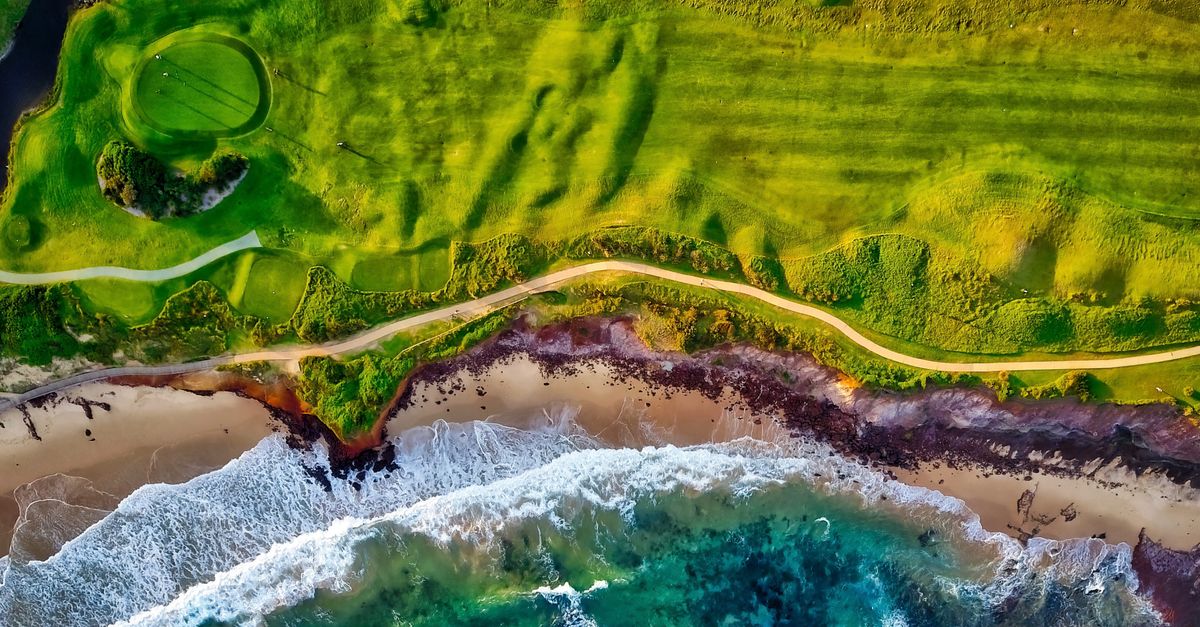
PGA Catalunya's Stadium Course is the course most experts name when asked for the best in Spain. Set in pine and cork-oak woodland near Girona, an hour north of Barcelona, it's a modern championship test — water, elevation change and tree-lined corridors demanding precise driving — that regularly ranks inside continental Europe's top 20 and hosts the DP World Tour's Catalunya Championship.
Best of all, it's a resort you can simply book. This guide covers how visitors play it, the holes that define the Stadium Course, its second course, when to go, and how to build a Costa Brava golf trip around it.
Where
Caldes de Malavella, near Girona — about an hour north of Barcelona
Courses
The Stadium Course (par 72, ~7,300 yds) plus the Tour Course
Designers
Ángel Gallardo & Neil Coles (Stadium Course, opened 1999)
Nearest airport
Girona (GRO) ~15 min; Barcelona (BCN) ~1hr
Best time
Spring and autumn are ideal; summer is hot, winter mild and playable
Access
Resort — book tee times directly; on-site hotels and stay-and-play packages
The courses
The Stadium Course
Ángel Gallardo & Neil Coles · 1999 · 18 holes · Parkland/woodland · par 72 · ~7,300 yds
Regularly rated Spain's #1 course and a European top-20; DP World Tour host
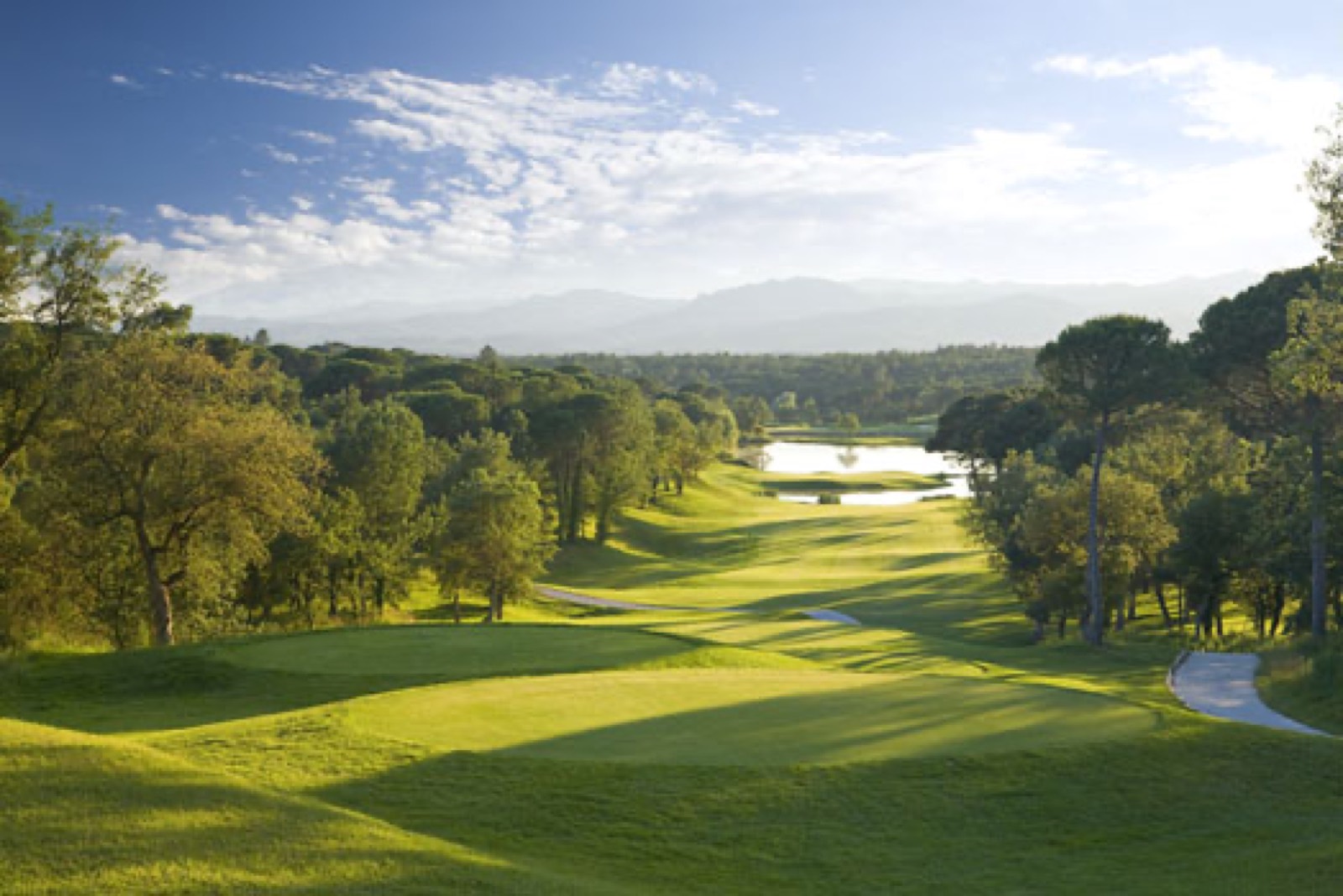
The Stadium Course winds through mature umbrella pines and cork oaks, using water, doglegs and significant elevation change to demand position off the tee rather than raw length. The celebrated par-4 4th — a plunging, tree-framed tee shot to a fairway far below — is the signature moment, and a cluster of water-guarded holes on the way home give it genuine championship bite.
It's a course that rewards strategy and punishes the wayward, which is why the tour rates it, but with multiple tees it stays fair and enjoyable for resort golfers. Immaculate conditioning and a big, modern feel — the 'Stadium' name reflects natural viewing amphitheatres around several holes — round out one of the most complete inland courses in Europe.
The Tour Course
PGA Catalunya · 18 holes · Parkland · shorter, more forgiving
The resort's second 18 is shorter, more open and more forgiving than its big brother — a genuinely good course in its own right that makes a relaxed second round or an option for higher handicappers. Stay-and-play packages typically pair a Stadium round with a loop here.
How visitors play PGA Catalunya
This is the easy part: PGA Catalunya is a resort, so the Stadium Course is open to visitors — you book a tee time (or, better, a stay-and-play package using the on-site hotels) and turn up. Carts are available and the whole operation is geared around giving visiting golfers a polished, tour-standard experience, with a strong practice facility and academy on site.
Green fees on the Stadium Course are premium — it's Spain's top-rated course — but far below the private-club giants, and packages that bundle both courses with a room make it excellent value for a golf break. Being a resort, it's also ideal for a society or buddies' trip, with plenty to do on site between rounds.
The Stadium Course's best holes
The round is defined by its variety of demands. The par-4 4th is the postcard hole — a dramatic downhill tee shot through a chute of pines to a fairway well below, with the approach into a green ringed by trouble. Elsewhere, water comes into play on several holes, and the closing stretch asks for nerve and precise iron play to protect a score. It's not a course you can overpower; the players who do well here drive it in the right spots and manage the ball around the trees and lakes — exactly the examination the DP World Tour wants from a modern venue.
When to go
Spring (April–June) and autumn (September–October) are the sweet spots — warm, settled and the course in peak condition, which is also when the tour tends to visit. Summer is hot inland, so early or twilight tee times are wise, while winter on the Costa Brava stays mild and very playable, making PGA Catalunya a viable warm-ish winter-golf option a short flight from northern Europe.
How to build the trip
PGA Catalunya works brilliantly as a self-contained golf break — two courses, hotels and a spa on site — or as the anchor of a wider Costa Brava and Barcelona trip, with Girona's old town 15 minutes away and Barcelona an hour south for a city finish. Golfers chasing more of Spain's best can pair it with the country's other marquee names on a longer tour, though most visitors are happy to make a long weekend of the resort itself. It's one of the most convenient premium golf escapes in Europe, thanks to Girona's compact airport right on the doorstep.
What to pack
The kit this trip demands
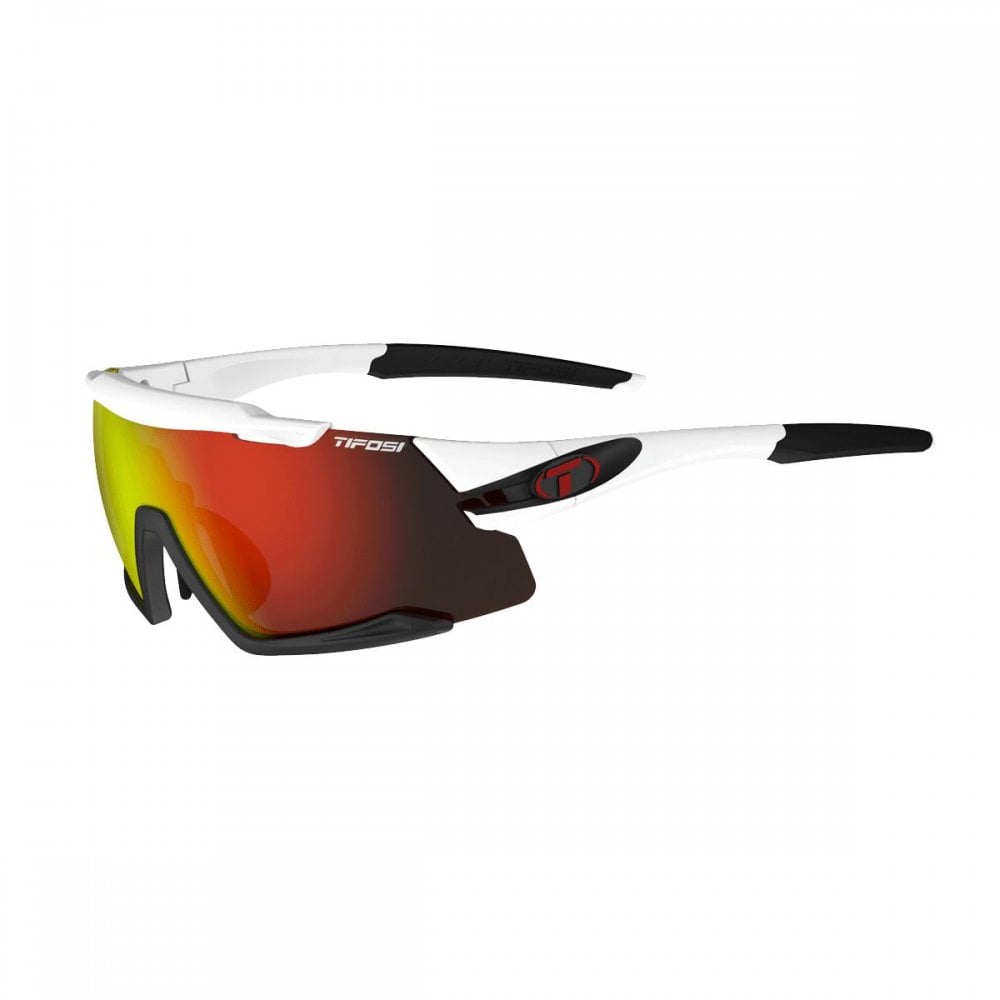
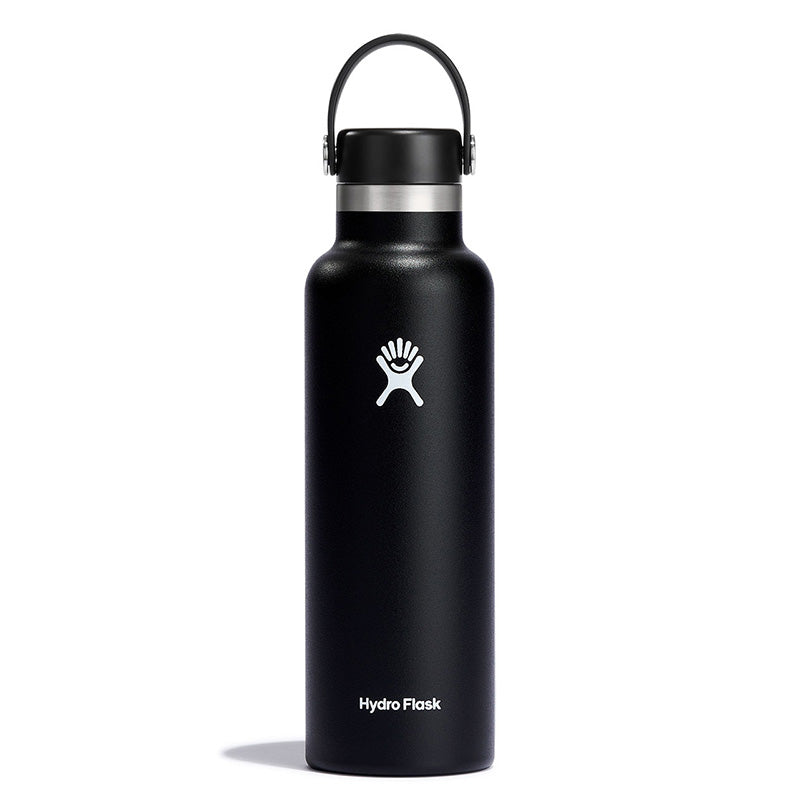
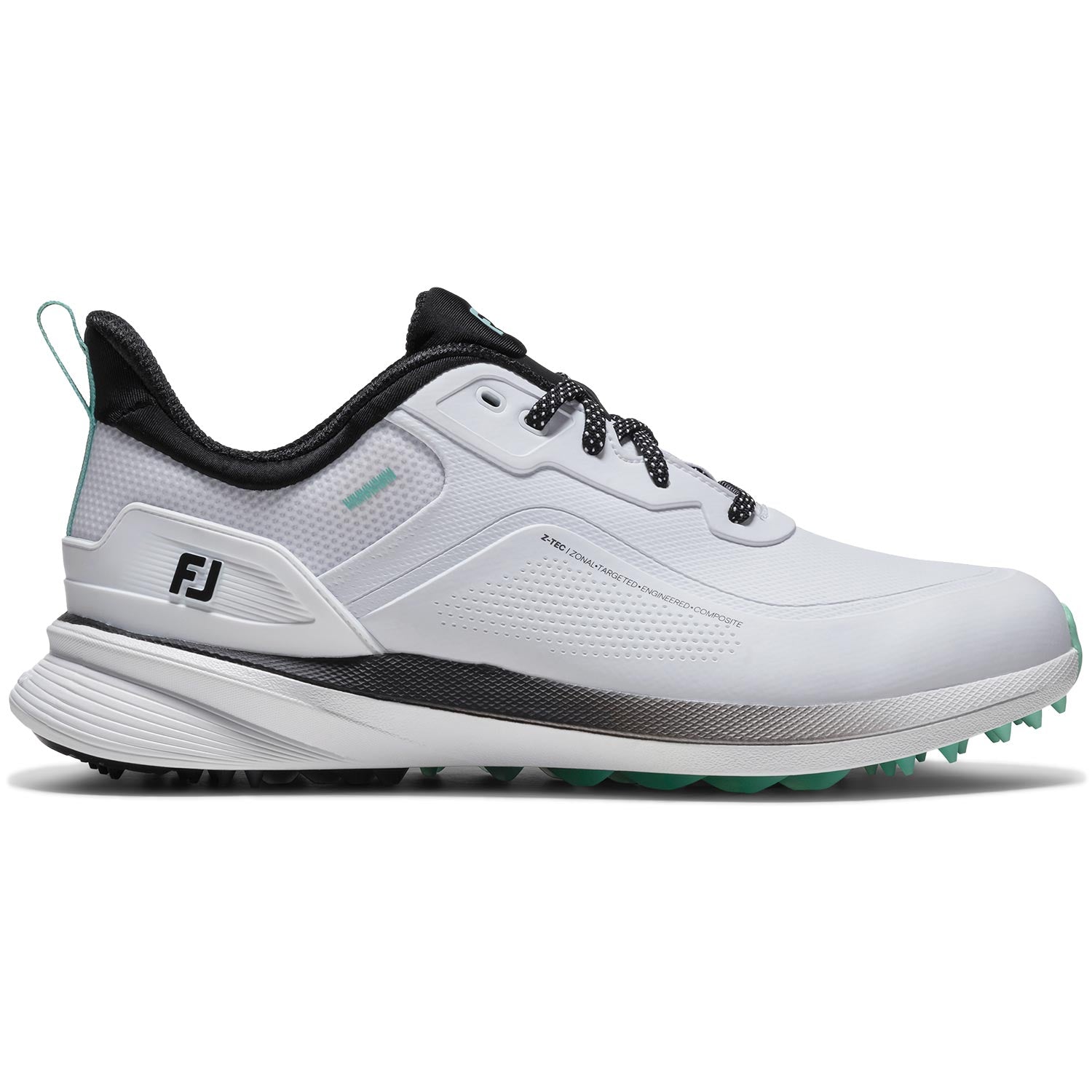
PGA Catalunya is warm, cart-friendly inland golf that demands accuracy through the trees — pack for Mediterranean sun and precise scoring:
Yes. PGA Catalunya is a resort, so the Stadium Course is open to visitors — you book a tee time directly, or a stay-and-play package using the on-site hotels. Green fees are premium (it's Spain's top-rated course) but far below the private giants, and packages bundling both courses with a room are good value.
Why is the Stadium Course so highly rated?
It's regularly named Spain's number-one course and ranks inside continental Europe's top 20 — a modern championship test through pine and cork-oak woodland, using water, doglegs and elevation to demand precise driving. It hosts the DP World Tour's Catalunya Championship.
How far is PGA Catalunya from Barcelona?
About an hour north by road, near Girona. Girona Airport (GRO) is only around 15 minutes away and Barcelona (BCN) roughly an hour, which makes it one of the most convenient premium golf resorts to reach in Europe.
When is the best time to play PGA Catalunya?
Spring and autumn are ideal — warm, settled and the course at its best, which is also when the tour visits. Summer is hot inland (play early or at twilight), while the Costa Brava's mild winters keep it playable year-round.