
Flying with your golf clubs: how to protect your bag (and what it costs)
Airlines are hard on golf bags. A little planning — and a few quid of protection — is the difference between your clubs arriving ready to play and arriving in pieces.
By Tom Whitaker · Staff Writer
 Explained
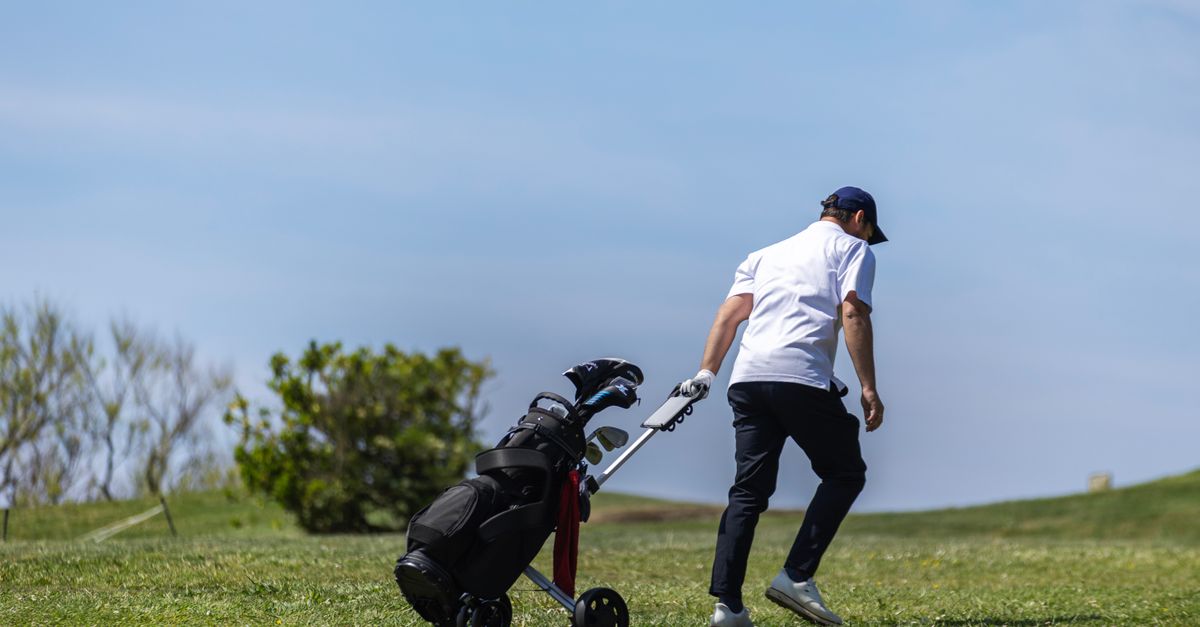
Clubs get thrown, stacked and dropped in the hold, and graphite shafts snap more easily than golfers think. The good news: protecting them is cheap and mostly common sense. Travel light, pad the weak points, protect the fragile extras, and know your airline's rules before you get to the desk. Do that and your bag arrives ready to play.
It helps to think of the journey in three stages, because the plane is only the middle one. Getting the bag checked in at the oversize desk, and getting it back — intact, on time, with proof — is where trips actually go wrong. A delayed or damaged bag isn't a disaster if you've photographed your clubs, kept your receipts and know rental clubs are usually a phone call away at the other end. The golfers who travel calmly aren't the ones with the toughest cases; they're the ones who've assumed something might go missing and packed and planned accordingly. A few minutes of preparation before you hand the bag over saves the entire holiday if the worst happens.
Travel light — it protects you twice
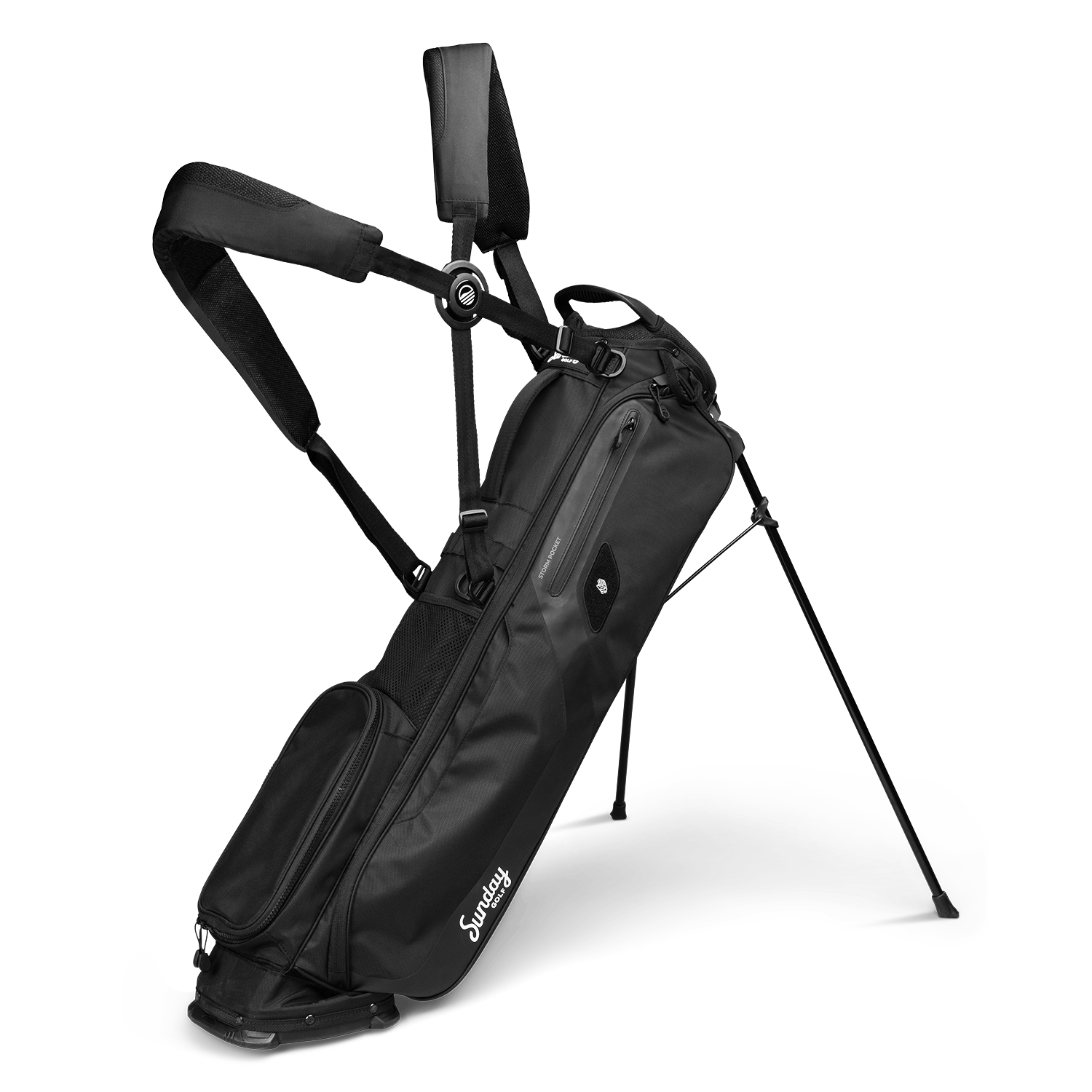
A lighter setup is easier to protect and cheaper to fly. Pairing a lightweight carry bag like the Sunday Golf El Camino with a padded travel cover usually keeps you under the airline weight limit even after the cover's own weight — where a heavy tour bag plus a hard case can tip you into excess-baggage fees. Fewer clubs and less kit also means less to rattle, snap or lose.
Pad the weak points
The classic break is a snapped shaft at the head, so the trick is to make your longest club the tallest thing in the bag — a 'stiff arm' support pole does this, or improvise by letting the driver sit highest and wrapping the heads in towels and headcovers. Stuff clothes around the shafts for padding (your trip needs the clothes anyway, so it's free protection). Reverse the bag so the heads sit at the reinforced top of the travel cover.
Protect the fragile extras
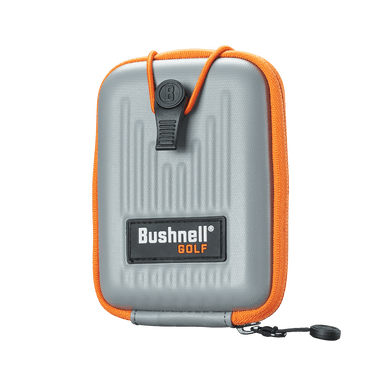
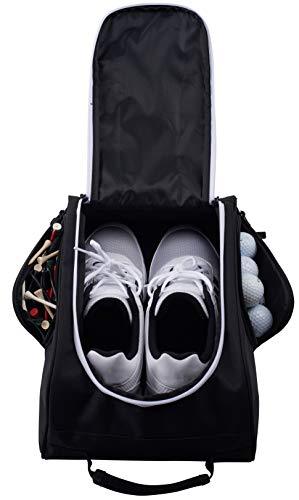
Anything electronic or breakable should not travel loose. A hard rangefinder case keeps your laser intact, and a ventilated shoe bag keeps damp spikes from your clothes while adding padding around the bag. If you're driving rather than flying, a boot organiser does the same job of stopping everything sliding around.
Know the rules and the cost
Golf bags usually count as one piece of checked luggage, but policies and fees vary wildly by airline — some include them in your allowance, some charge a sports-equipment fee, and weight limits differ. Check before you book, not at the desk, and weigh the packed bag at home. Budget airlines in particular can charge more for the clubs than the seat. A few minutes on the airline's website saves both money and a nasty surprise.
It's also worth checking how your clubs are actually insured before you fly. Standard travel-insurance policies often cap single-item or sports-equipment claims well below the value of a full bag, and some won't cover damage in the hold at all, so read the limits rather than assuming you're covered. If your set is worth real money, a specific sports-equipment add-on or naming the clubs on a home-contents policy is cheap peace of mind — and the photographs and receipts from earlier are exactly what turn a claim from a flat 'no' into a payout.
At the airport and the other end
Most damage and most stress happen away from the plane itself, so plan the bits at either end. Photograph your clubs and your packed bag on your phone before you hand it over — heads, shafts and the closed case — so you have dated evidence if anything turns up bent or cracked. Golf travel bags almost always go to an oversize or outsize baggage desk rather than the standard belt, which takes longer at both airports, so build in extra time and don't sprint for a tight connection with clubs in the hold. Keep your baggage receipt; it's the only proof you checked the bag in if it goes astray.
If the bag is delayed, report it before you leave the terminal and get a reference number — courses and resorts can usually arrange rental clubs for a day or two, and a decent set off the rack beats missing a tee time you've travelled for. If it arrives damaged, raise it at the airport there and then rather than after you've left, because most carriers won't entertain a claim made days later. Carry a glove, a few balls and a tee in your hand luggage as a tiny insurance policy: it means a borrowed or hired set is playable the moment you reach the first.
The bottom line
You don't need an expensive hard case to fly with clubs — a padded soft cover, a light bag, towels for the heads and a bit of care covers most golfers. Spend on protecting the fragile extras, know your airline's policy, and weigh everything before you leave. For what to actually put in that bag, see our golf-trip packing checklist.
Products mentioned in this article
Athletico
Ventilated Golf Shoe Bag
Keeps damp shoes away from your clothes in a shared travel bag — small, cheap, essential.
Bushnell
Bushnell Magnetic Rangefinder Case
Hard-shell, magnetic protection so your laser survives the hold.
Sunday Golf
Sunday Golf El Camino Stand Bag
Light enough that a padded travel cover over it still comes in under most airline weight limits.
Athletico
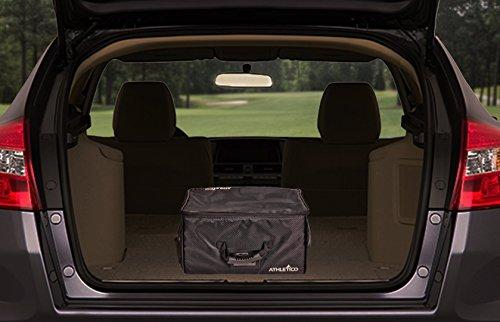
Athletico Golf Trunk Organiser
For the road-trip version — everything corralled in the boot, nothing rolling around.
ifrothgolf earns a commission on purchases made through these links, at no extra cost to you. It never changes what I recommend. Full disclosure.
Frequently asked
- Do I need a hard case to fly with golf clubs?
- Not necessarily. A padded soft travel cover plus a lightweight bag, with towels and headcovers padding the clubheads, protects most golfers' clubs while staying under weight limits. Hard cases offer more protection but add weight and bulk.
- How do I stop my golf shafts snapping in transit?
- Make your longest club the tallest point in the bag (a support pole or 'stiff arm' helps), pad the heads with towels and headcovers, and stuff clothing around the shafts. Reverse the bag so heads sit at the reinforced top of the cover.
- How much does it cost to fly with golf clubs?
- It varies by airline — some include a golf bag in your checked allowance, others charge a sports-equipment fee. Check the policy and weight limit before booking, and weigh the packed bag at home to avoid excess-baggage charges.
- Should I pack my rangefinder and shoes with my clubs?
- Protect them separately within the bag — a hard case for the rangefinder so it isn't crushed, and a ventilated shoe bag so damp spikes don't ruin your clothes. Both also add useful padding around the clubs.
Read next
Review
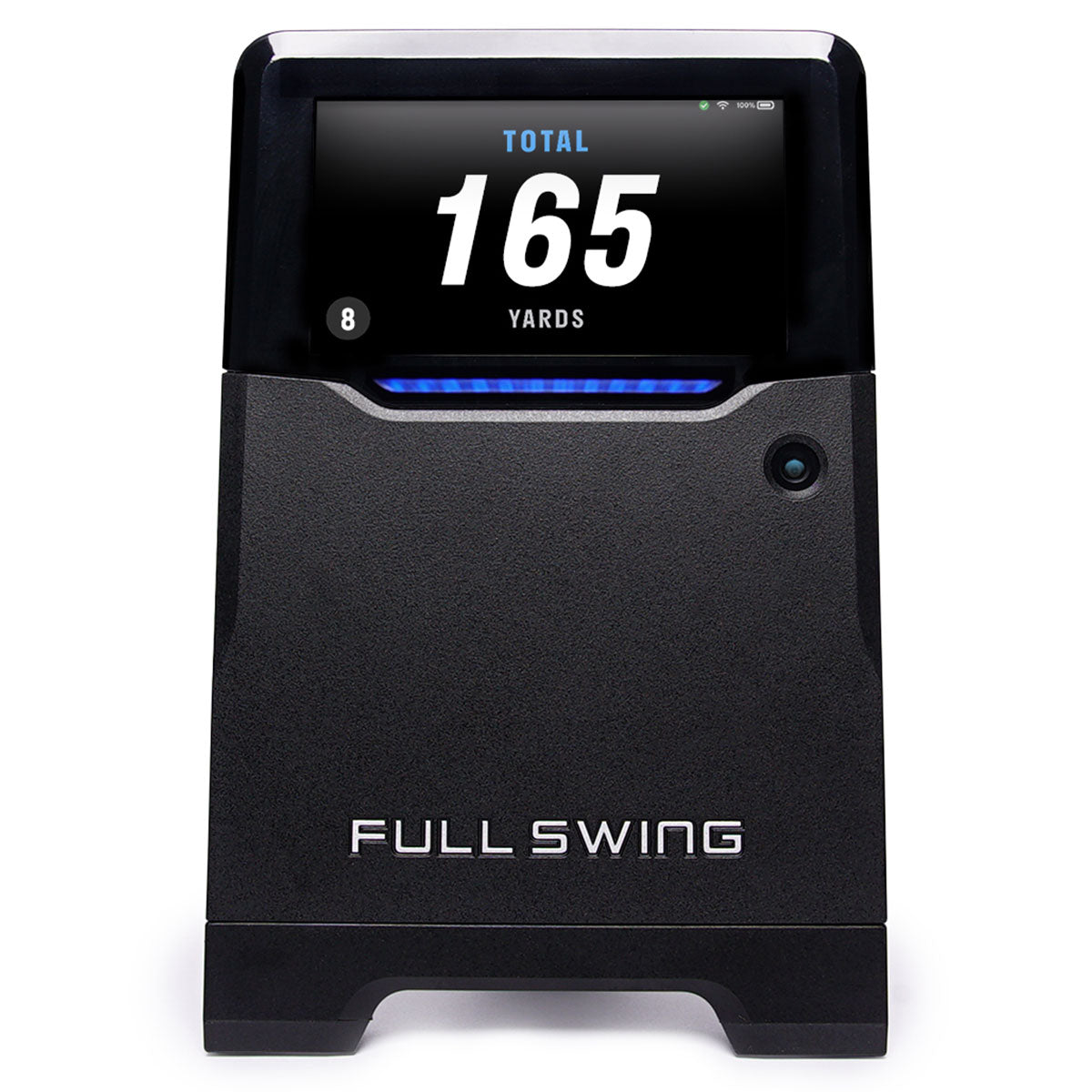
7.9/10Full Swing KIT review: the tape measure decides this, not Tiger
Tour pedigree, TGL on ESPN, and radar good enough to be checked against a Trackman outdoors. It also wants eighteen to twenty feet of room, which rules out most of the garages people buy it for.
Versus
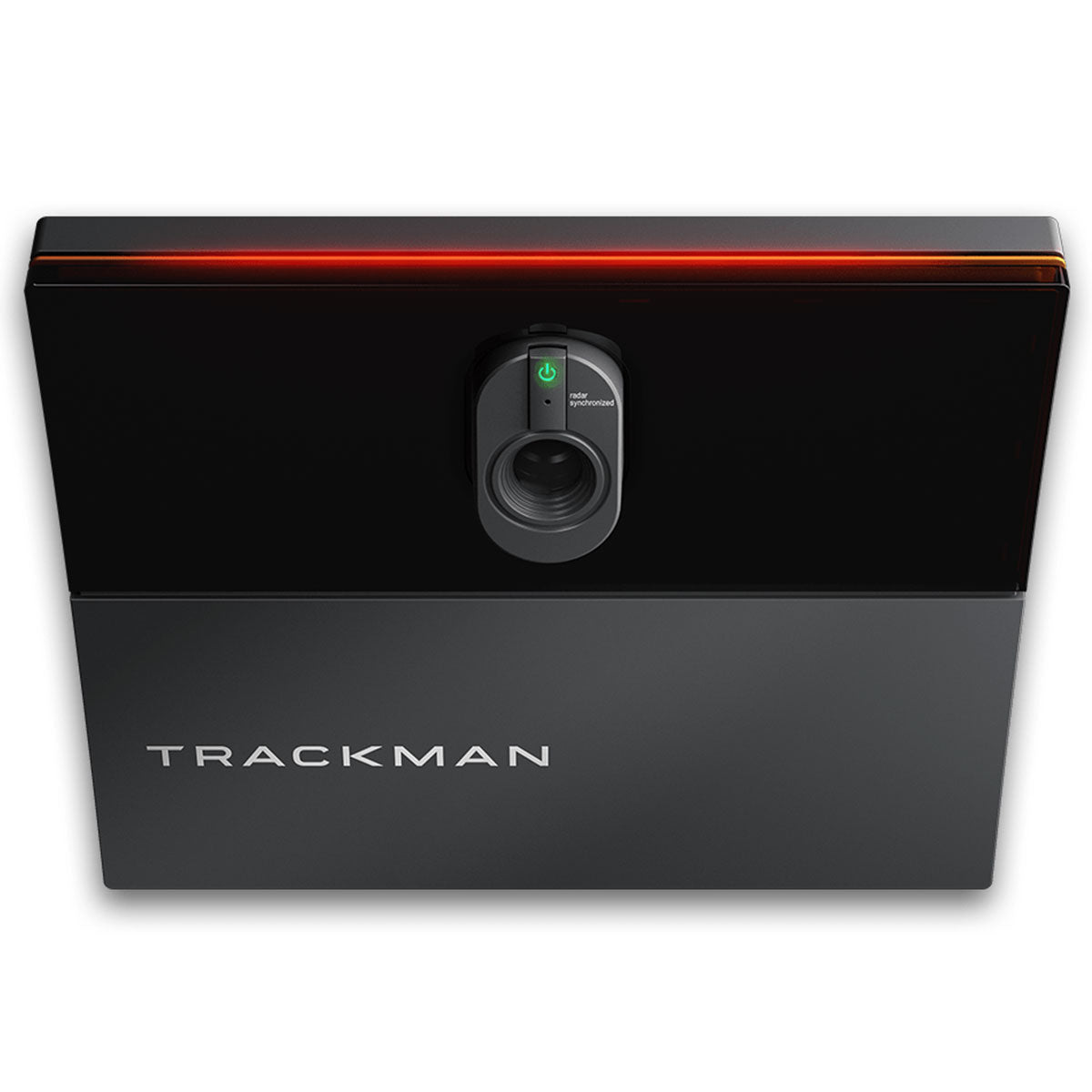
Trackman iO vs Uneekor EYE XO2: the year-one trap
Both mount overhead, both want ten feet of ceiling, and about $3,000 separates them on the shelf. Then Trackman's included first year runs out, and the gap starts growing by $1,100 a year.
Versus
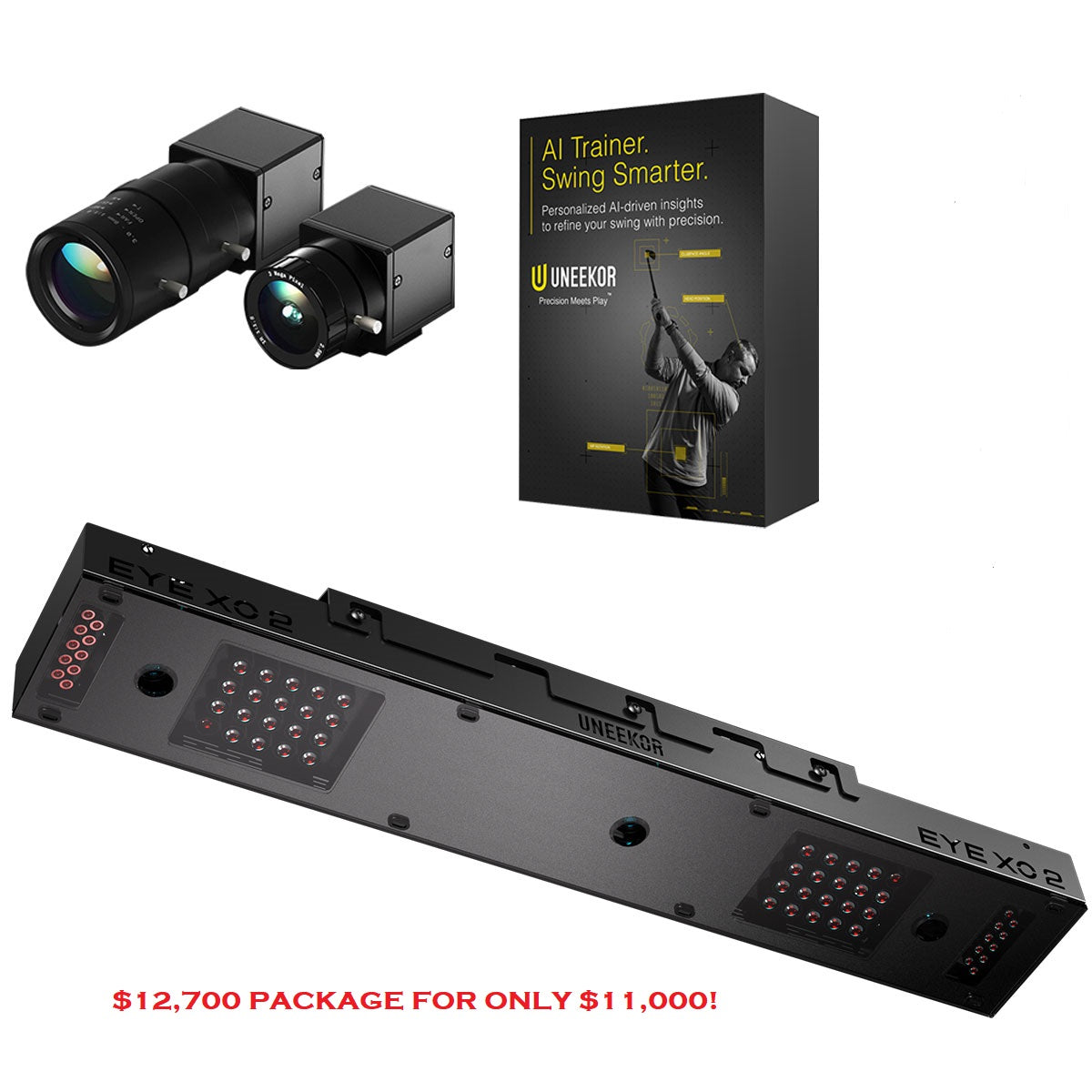
Uneekor EYE XO2 vs Foresight GC3: ceiling or floor?
About $4,000 separates them, but they're not really rivals — one lives in your ceiling forever, the other sits on the floor and travels. The cheaper one is also the one with no subscription.