
What to pack for a golf trip: the kit that actually matters
The difference between a smooth golf getaway and a stressful one is mostly in what you pack. Here's the away-day checklist that earns its place in the bag.
By Tom Whitaker · Staff Writer
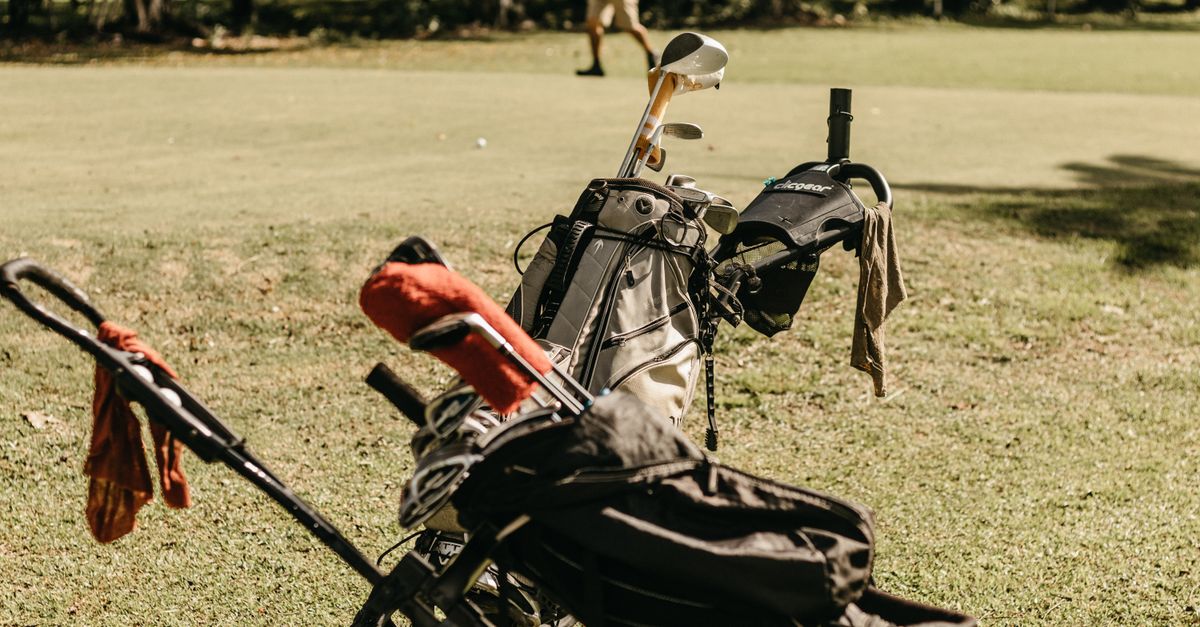 Explained
Packing for a golf trip is its own skill, and most people learn it the hard way — a soaked glove with no spare, shoes that wreck everything else in the bag, a rangefinder rattling around loose. Get a handful of things right and the whole trip runs smoother. The short version: travel light with the right bag, protect what breaks, double up on the cheap stuff that runs out, and leave the rest at home.
The mistake most golfers make is packing the exciting kit first and leaving the dull, decisive stuff to a last-minute scramble. Nobody forgets their driver; people forget chargers, medication, a plug adaptor and the spare spikes that save a round. A good trip bag is built around a written list you reuse every time, not your memory at the airport. Get the boring essentials sorted first and the rest — clubs, balls, shoes — slots in around them. Treat the checklist as the backbone of the whole trip, and you stop arriving somewhere hot and humid only to discover the one thing you needed is sitting on the kitchen table at home.
Start with the right bag
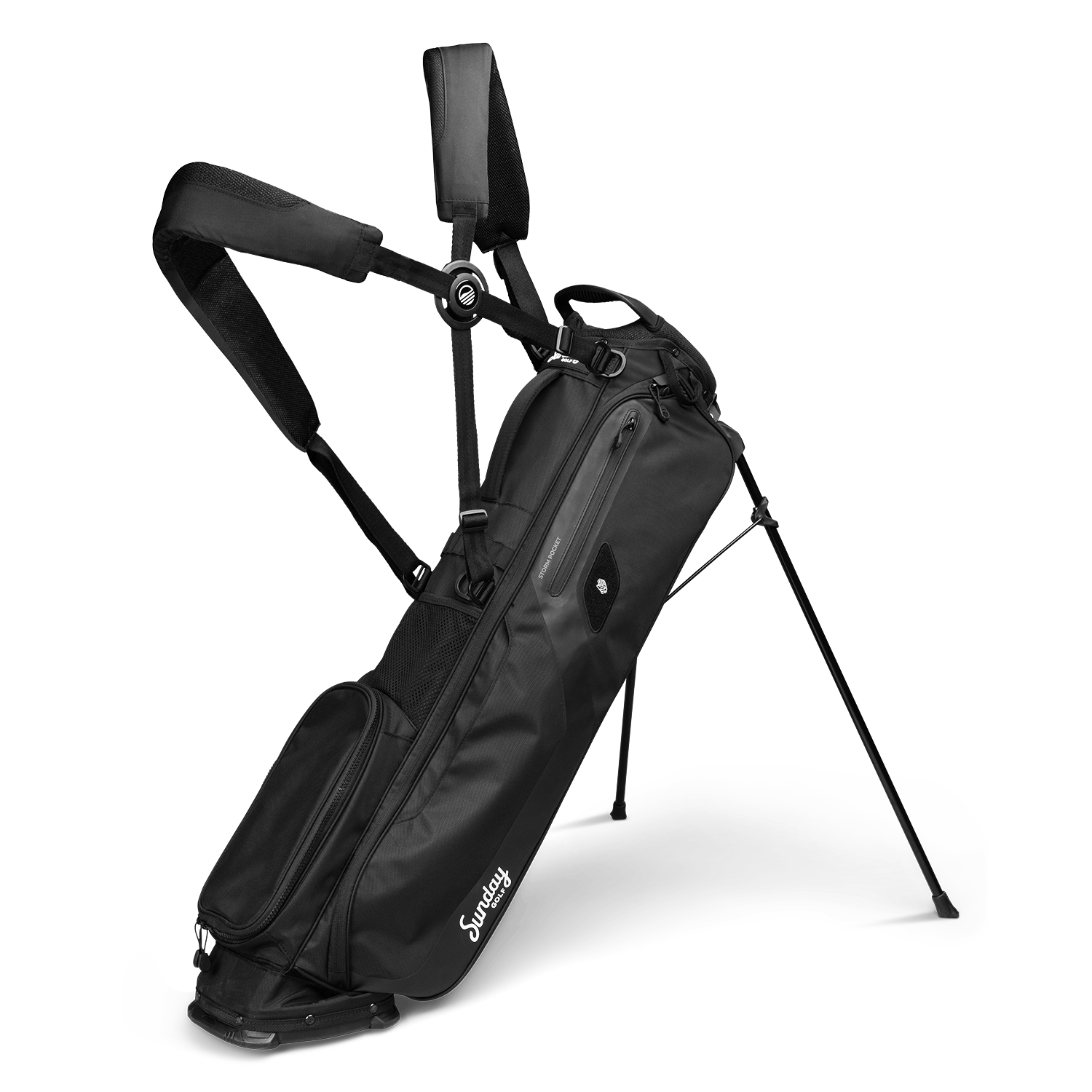
If you're flying or sharing a car boot, a heavy tour bag is the enemy. A lightweight carry bag like the Sunday Golf El Camino is built for exactly this — enough room for a half-or-full set, light enough to sling over a shoulder between the car and the first tee, and small enough not to dominate the boot. For a trip where you'll walk every round, it's the single best change you can make.
Protect the things that break or stink
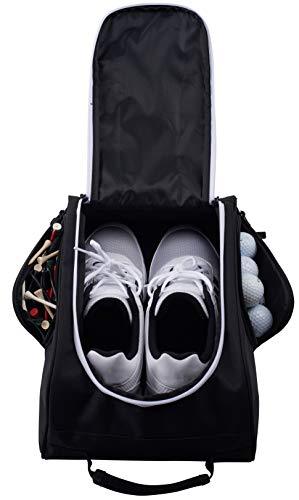
Two cheap items punch far above their price on a trip. A ventilated shoe bag keeps muddy, damp spikes from contaminating your clothes and clubs — non-negotiable when you're playing consecutive days and your shoes never fully dry. And if you carry a laser, a hard rangefinder case stops a pricey device getting crushed in a holdall. A boot organiser keeps the loose stuff — balls, tees, spare layers — from becoming a daily archaeology dig.
Double up on the cheap stuff
The mistake everyone makes is packing for one round when they're playing five. You sweat more, lose more, and have nowhere to dry or replace things. Pack at least two gloves — a two-pack is the easy answer — because one soaked glove on day one leaves you gripping a wet one all week. Take more balls than you think (a value dozen, not your good ones — strange courses eat balls), plenty of tees, sun cream, and any tablets or blister plasters you might need. These weigh nothing and save the trip.
Think about how it all travels, not just what goes in. Wear or carry on your heaviest shoes and warmest layer rather than packing them, to keep the checked bag under the weight limit. Roll clothes instead of folding them — it saves space and doubles as padding around anything fragile — and keep a change of clothes and your golf shoes in your hand luggage in case the main bag is delayed. Turning up for a first-morning tee time with no shoes is a trip-ruiner that a few minutes of smart packing avoids entirely.
What to leave at home
Resist overpacking the bag itself. You don't need every wedge, three dozen premium balls, or the launch monitor — a trip is for playing, not tinkering. Leave the spare driver, the training aids and the fragile premium balls behind. A lean bag is lighter to carry, cheaper to check, and less to lose. The golfers who travel best take less, not more — and spend the saved energy on the golf.
The boring essentials nobody packs until it's too late
The kit that ruins a trip is never the driver you forgot — it's the small, dull stuff. Travel documents and a charged phone are obvious until you're abroad with a flat battery and no boarding pass, so carry a power bank and the right plug adaptor for where you're going, plus a spare cable. Pack any regular medication in your hand luggage, not the hold, because clubs and cases go missing and pharmacies abroad won't honour a script you left at home. A small repair kit — a few plasters, blister tape, ibuprofen, sun cream, a spare pencil and a divot tool — lives in the bag year-round and earns its place on day one.
Two specific items punch above their size. A waterproof valuables pouch keeps your phone, cash and room key dry and sand-free in a buggy or a downpour, and costs almost nothing. And a couple of spare soft spikes plus the little wrench to fit them will save a round when one shears off on the 4th and your feet start sliding on every slope. None of this is glamorous and all of it is forgettable, which is exactly why it's worth a written list rather than trusting your memory at 5am. Run through a written checklist the night before, not while the taxi's waiting outside.
The away-day checklist
Before you go: a light carry bag, a shoe bag, head protection or a hard case for anything valuable, two-plus gloves, a value dozen balls, tees, sun protection and a waterproof layer regardless of the forecast. Sort those and the only thing left to worry about is your tee time. For the rounds themselves, our gear guides cover the value balls and gloves worth taking.
Products mentioned in this article
Sunday Golf
Sunday Golf El Camino Stand Bag
A featherweight carry bag that's perfect for travel and quick nine-and-a-beer rounds away.
Athletico
Ventilated Golf Shoe Bag
Ventilated so wet, muddy shoes don't ruin the rest of your kit in transit — cheap and indispensable.
Athletico
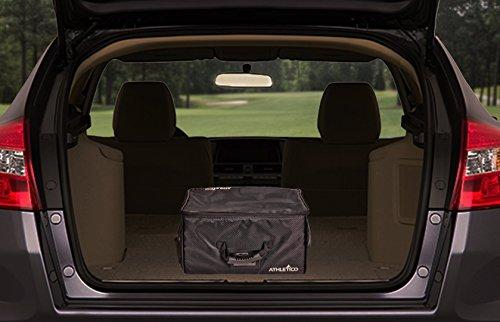
Athletico Golf Trunk Organiser
Keeps balls, tees, gloves and a spare layer corralled in the boot so you're not repacking every day.
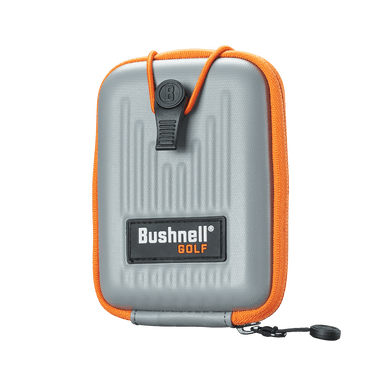
Bushnell
Bushnell Magnetic Rangefinder Case
Magnetic, hard-shell protection so your laser survives being thrown in a holdall.
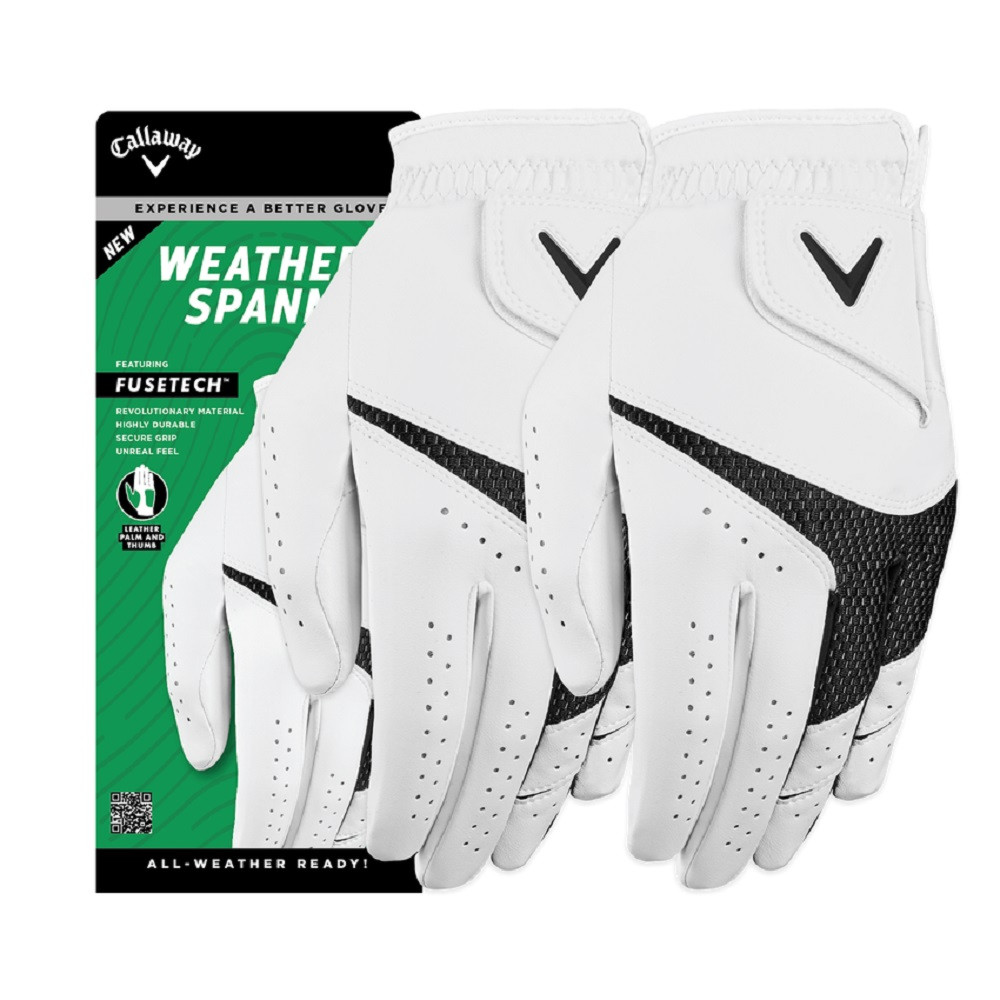
Callaway
Callaway Weather Spann Golf Gloves (2-Pack)
Pack two gloves minimum — a trip means more rounds, more sweat, and nowhere to dry a soaked one.
ifrothgolf earns a commission on purchases made through these links, at no extra cost to you. It never changes what I recommend. Full disclosure.
Frequently asked
- What golf bag is best for travelling?
- A lightweight carry or Sunday bag like the Sunday Golf El Camino — it's easy to sling between the car and the course, takes up little boot space, and is far less hassle than a heavy tour bag on a trip.
- How many golf gloves should I pack for a trip?
- At least two, ideally more. You play more rounds, sweat more and have nowhere to dry a soaked glove, so a fresh one each day keeps your grip reliable. A glove two-pack is the simplest fix.
- Should I take my good golf balls on a golf holiday?
- Usually no. Unfamiliar courses lose more balls, so take a value dozen rather than your premium ones. Save the good balls for rounds where you know the layout.
- How do I protect my clubs and gear when travelling?
- Use a ventilated shoe bag to keep damp spikes away from clothes, a hard case for a rangefinder or anything fragile, and pad clubheads with towels or headcovers. A boot organiser keeps loose items from getting lost.
Read next
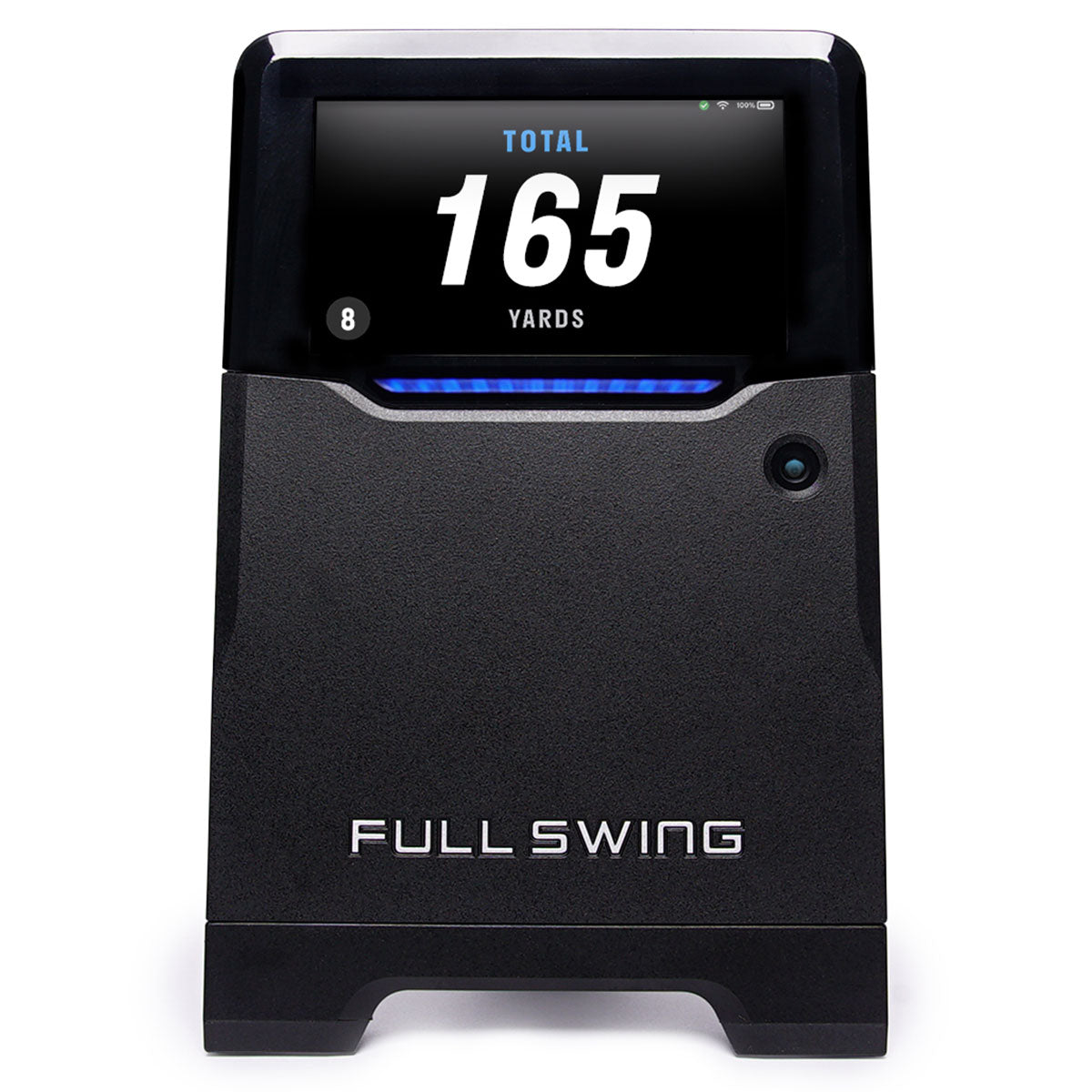
Review
7.9/10Full Swing KIT review: the tape measure decides this, not Tiger
Tour pedigree, TGL on ESPN, and radar good enough to be checked against a Trackman outdoors. It also wants eighteen to twenty feet of room, which rules out most of the garages people buy it for.
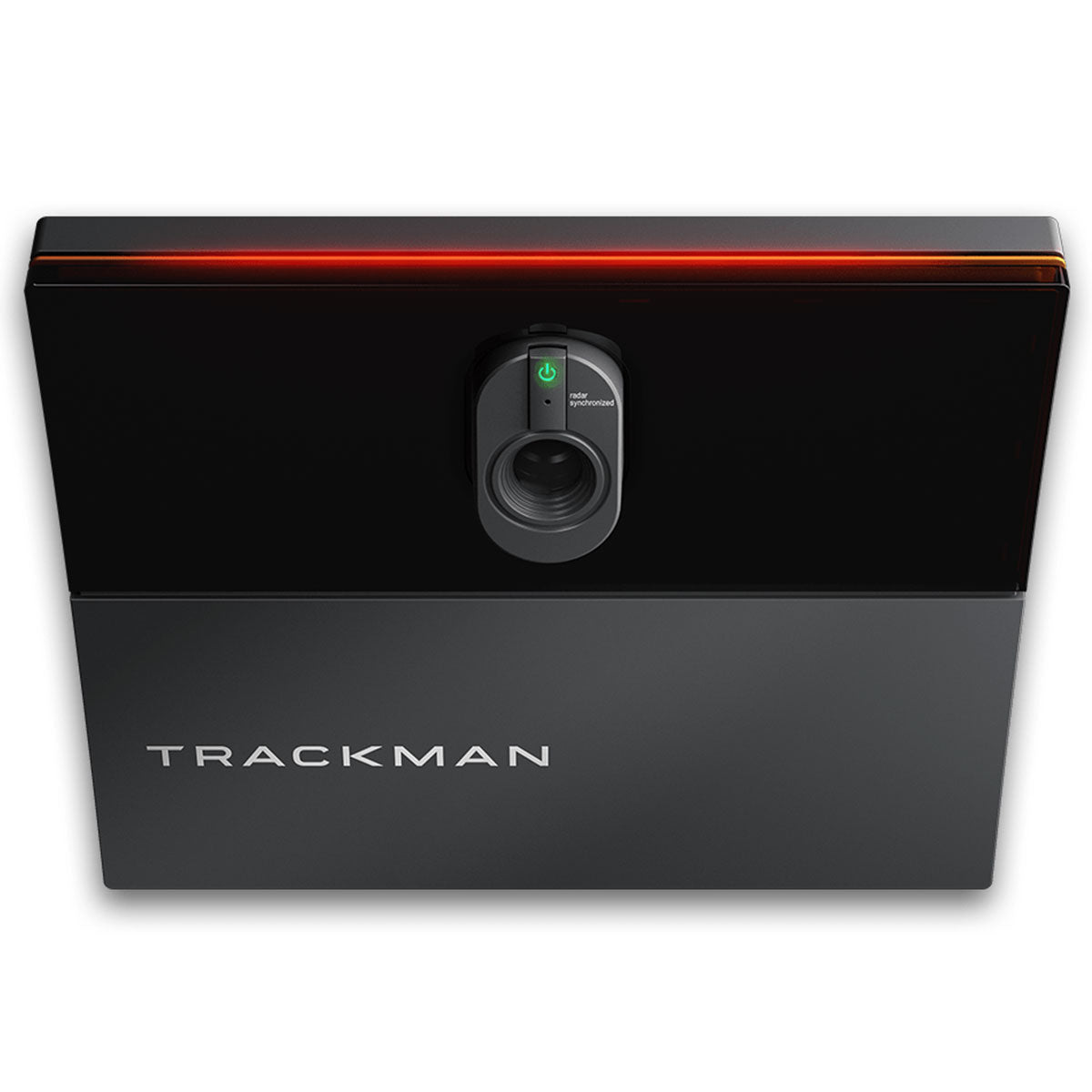
Versus
Trackman iO vs Uneekor EYE XO2: the year-one trap
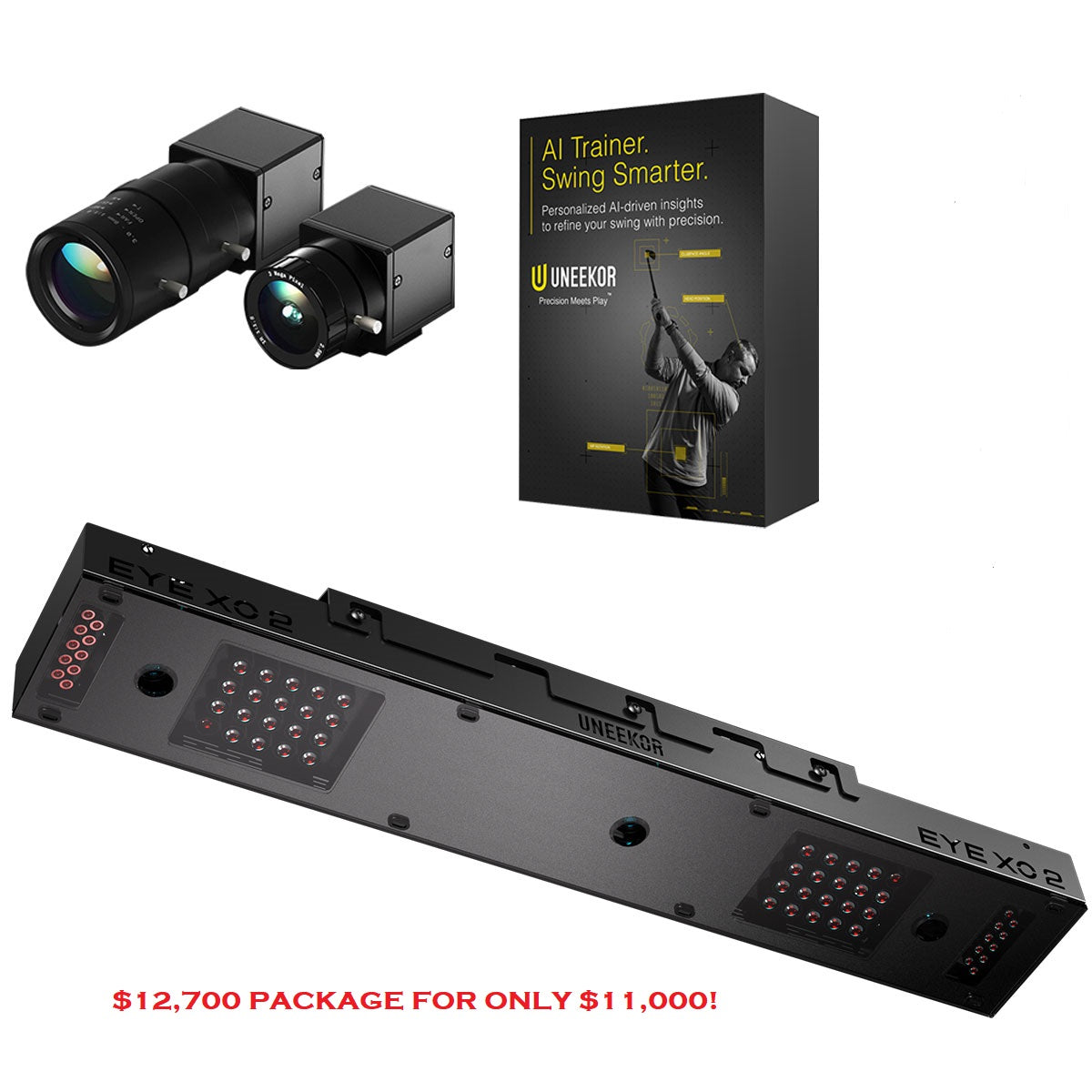
Both mount overhead, both want ten feet of ceiling, and about $3,000 separates them on the shelf. Then Trackman's included first year runs out, and the gap starts growing by $1,100 a year.
Versus
Uneekor EYE XO2 vs Foresight GC3: ceiling or floor?
About $4,000 separates them, but they're not really rivals — one lives in your ceiling forever, the other sits on the floor and travels. The cheaper one is also the one with no subscription.