You don't need a £55 dozen to enjoy your golf — these punch miles above their price, the ones the community quietly stocks up on. From the direct-to-consumer disruptors to supermarket-priced staples and graded lake balls, every pick here is genuinely good golf for sensible money. Honest note: you give up a little greenside spin versus a tour ball, but if you lose a sleeve a round you'll never miss it.
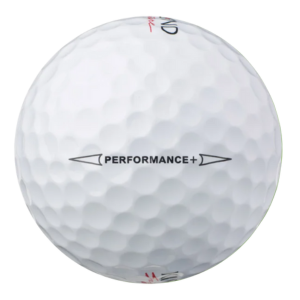
A 3-piece cast-urethane tour-style ball from Costco aimed at the value-hunting golfer who wants Pro V1 vibes without the Pro V1 sting.
What's great
For the money it's genuinely brilliant, and that's not me being soft. It's a real urethane cover, not the rubbish surlyn most cheap balls hide behind. Feel off the irons and putter is lovely and soft, and off the driver it holds its own. The robot and launch monitor numbers sit right next to a Pro V1, and Golf Monthly both rate it as one of the best value balls going. Durability has been properly sorted since the old days too. The current version takes cart paths and bunker shots without shredding.
Worth knowing
Two honest gripes. First, the greenside game. It launches a touch higher and just doesn't bite like a premium ball, so on pitches and 50-yard wedges you get less grab and more release. If you score with spin, you'll feel it. Second, Golf Monthly clocked it nearly 10 yards shorter than a Pro V1 in real-world carry despite near-identical monitor numbers, hinting at spin decay or weaker aero. And a few owners still report scuffing after a handful of holes, so quality isn't bang-on every dozen.
The verdict
If you shoot 80 to 95 and don't live and die by greenside spin, I rate it. You get most of a premium ball for a fraction of the outlay. Spin merchants and single-figure players who want surgical control on the greens should look elsewhere.
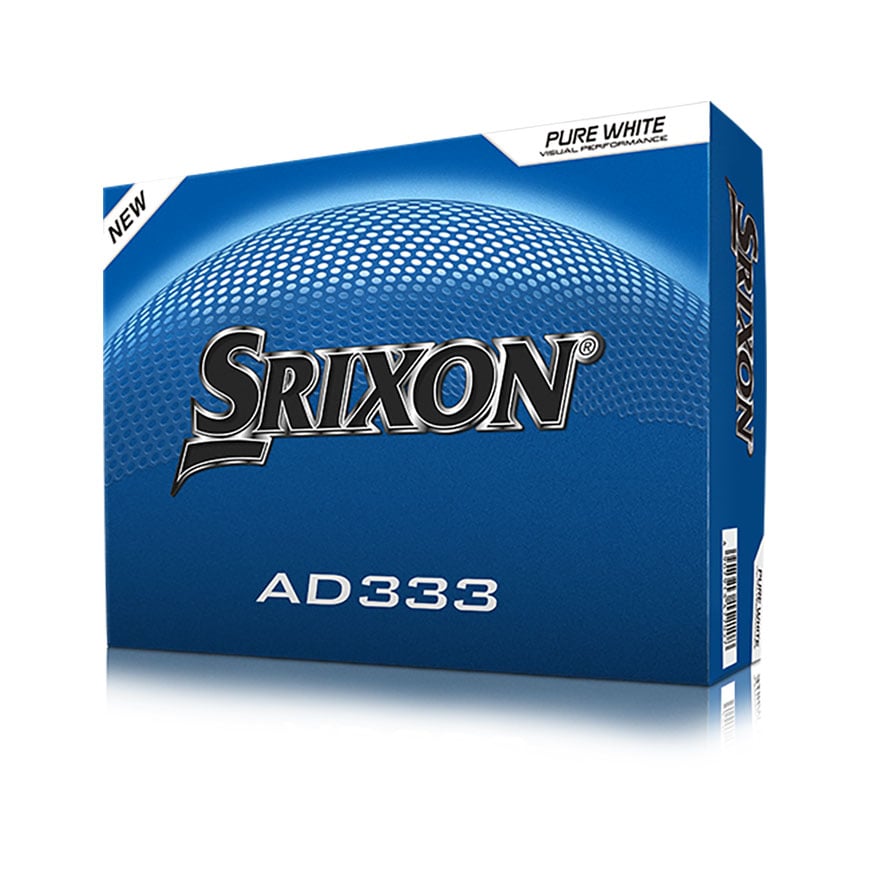
A low-compression two-piece ball that's been a staple in UK golf bags for years. The current version drops the compression to 70, pairs a FastLayer core (soft in the middle, firmer toward the edge) with a Spin Skin coating and a 338 dimple pattern, and ships in foil-free, plastic-free packaging. It sits squarely in the value bracket at around 24 pounds a dozen, not the premium tier.
What's great
The feel is the headline. It's genuinely soft off the putter and around the greens, but still cracks off the driver with decent ball speed rather than feeling dead. Flight stays stable in wind, greenside spin is plenty for most club golfers, and the cover holds up well, so you're not scuffing them after a couple of holes. For the money it's hard to fault as an all-rounder, and the alignment aid is a nice touch on the green.
Worth knowing
Be honest with yourself about what it is. Against a proper premium ball it gives up real distance, roughly 4 to 5 yards with irons and closer to 8 with the driver in testing, and you get a touch less bite on delicate chips and pitches. It's also an evolutionary update, so if you already play the previous AD333 the gains are marginal and not worth rushing out for. Better players chasing maximum spin and workability will want a urethane tour ball instead.
The verdict
If you're not playing off scratch and don't want to spend tour-ball money, the AD333 is one of the smartest value buys in golf. Soft, durable, consistent, and forgiving on the wallet. Just go in knowing you're trading a few yards and a bit of greenside bite for that price, which for most weekend golfers is a trade well worth making.
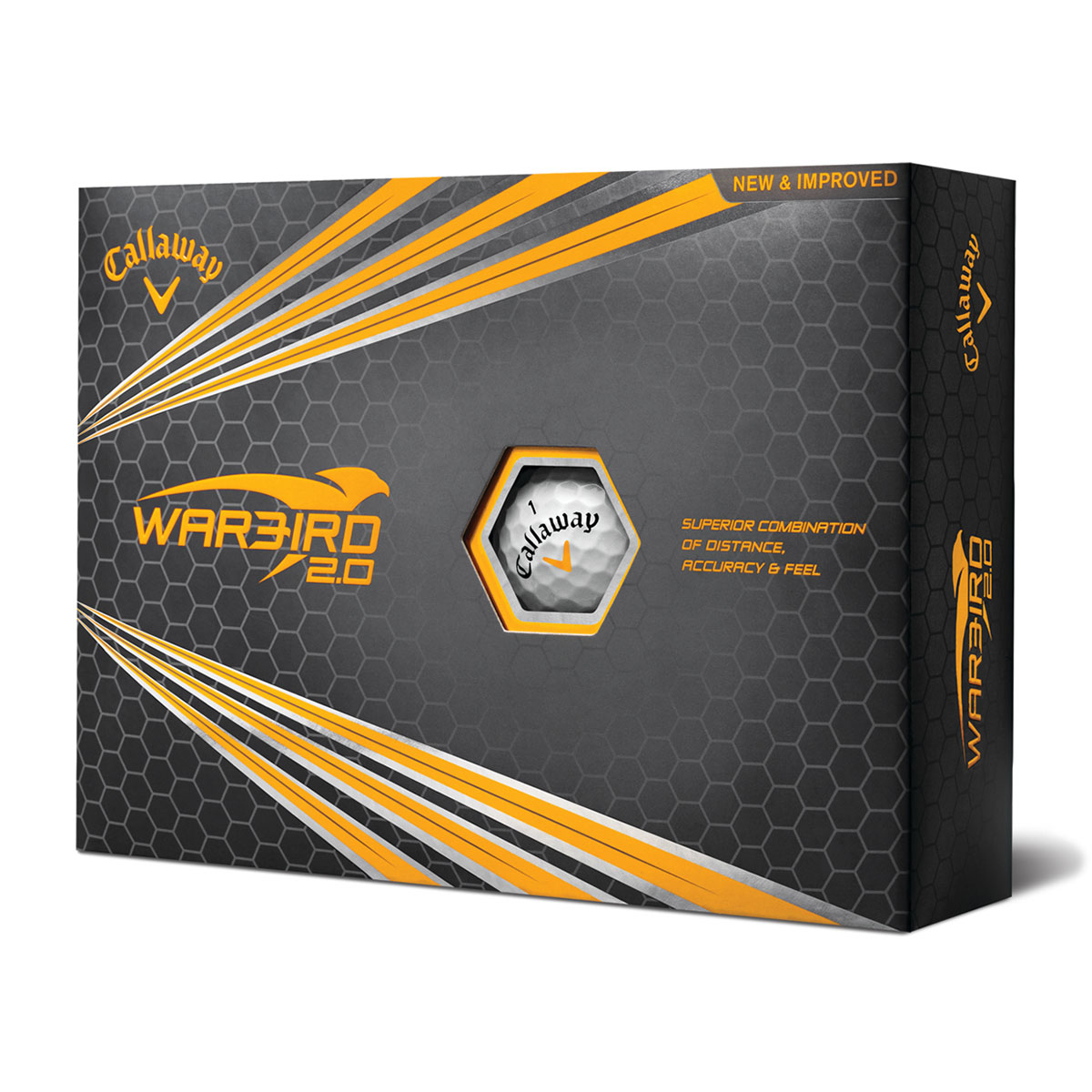
The Warbird is Callaway's budget distance ball, a no-nonsense two-piece job built around a big, hot core and the HEX dimple cover. It is the ball you buy by the dozen, lose half of, and genuinely do not care. No fancy urethane, no tour-spin marketing, just a firm ball designed to leave the clubface fast and keep rolling.
What's great
It flat-out goes. Off the driver it feels hot and launches high with plenty of run-out, and most mid-to-high handicappers will see a few extra yards versus a softer premium ball. The cover is tough as old boots, so it shrugs off cart-path bounces and the odd thin wedge. And at this money you are paying roughly a third of what a premium tour ball costs, which is the whole point.
Worth knowing
This is a distance ball, full stop, so the trade-off is real: greenside spin is limited and it will not check or bite on firm greens the way a urethane ball does, so delicate chips and pitches roll out more than you'd like. The feel is firm and clicky off the putter, which not everyone enjoys, and better players who want to work the ball or stop approaches dead will find it one-dimensional. Buy it for what it is, not what it isn't.
The verdict
Genuinely one of the best value balls in golf. If your game is about getting it down the fairway rather than spinning wedges, the Warbird gives you cheap distance and won't punish you for losing a sleeve. Higher-handicappers should just buy it; low-spin purists should look elsewhere.
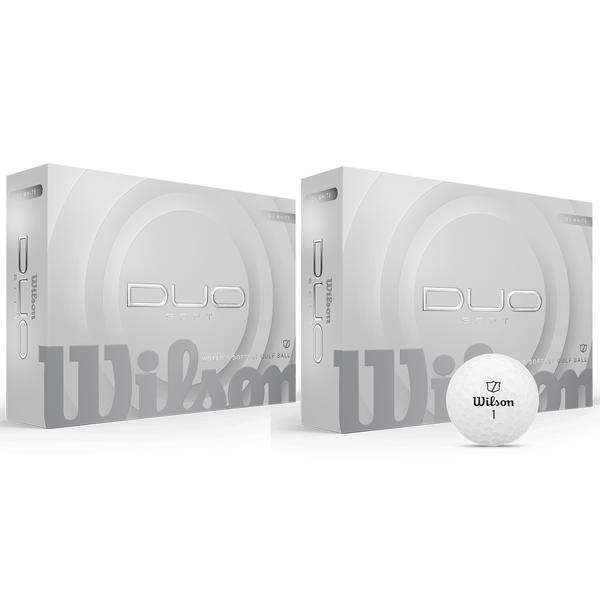
Wilson's entry-level distance ball: a two-piece design with a big, low-compression core wrapped in a tough ionomer cover. The 37 compression makes it one of the softest balls on the shelf, and the whole thing is engineered to fly high, fly straight and keep long-game spin low. There's a full alignment stripe running round it to help you line up putts and tee shots.
What's great
The feel is the headline. Off the putter and on chips it's genuinely pillowy, and slower swingers will love how little effort it takes to get it airborne. Low spin off the driver means a slice or hook gets reined in a touch, so it tends to find more fairways. At around 23 pounds a dozen it's a properly cheap ball to play, and the coloured options plus the alignment aid are nice touches.
Worth knowing
Low spin cuts both ways. Around and into greens there's not much bite, so it releases out and is tricky to stop on firm surfaces, and better players will find it lacks the control and check of a urethane ball. Faster swingers (over 95 mph) won't get much from the soft core and may find it feels mushy and spins too little. The ionomer cover is durable but doesn't give that premium greenside grab. It's a forgiving game-improvement ball, not a scoring tool for low handicaps.
The verdict
If you swing it sub-95 mph and want a soft, straight, cheap ball that just gets on with it, the DUO Soft is one of the best value picks out there. Just go in knowing you're trading greenside spin and control for feel and forgiveness. Wrong ball for a low-handicap shotmaker, spot-on for most weekend golfers.
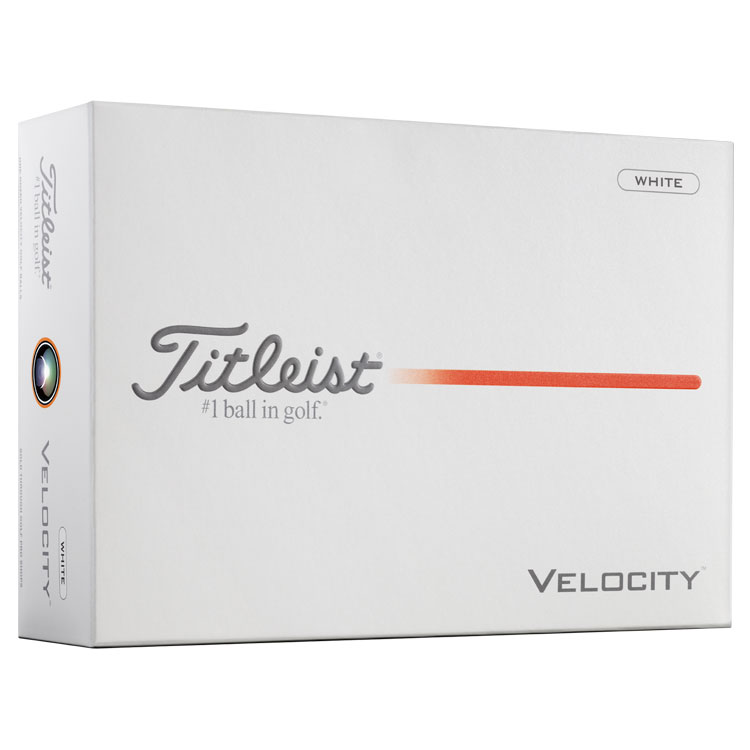
The Titleist Velocity is a two-piece, ionomer-covered distance ball. It is the budget-Titleist tee rocket aimed at mid and higher handicappers who want max yards and a high flight, not greenside wizardry.
What's great
This thing flies. Off the driver you get genuinely explosive ball speed and a high, towering flight, and testers like NCG clocked it carrying with the long stuff and posting big total numbers. It is long off the irons too, which is where a lot of mid handicappers actually notice it. The ionomer cover is tough as nails, so it shrugs off cart-path clatter and wedge nicks far better than any soft urethane ball, and it comes in proper loud colours if you lose sight of white. For the money it is daft long and lasts ages, which is exactly the brief.
Worth knowing
The greenside spin is poor, full stop. independent testing measured it as one of the firmer balls going (around 84 compression) and reviewers across the board found chips and pitches release and run out way past where you aim, so if you score with a sharp short game this ball fights you. The firm feel is a real thing too: it is clicky off the putter and the irons, and feel players will hate it. It also launches high and low-spin, so in wind it can balloon and get knocked about. If you swing slow or live around the greens, look at a Tour Soft or AVX instead.
The verdict
I rate the Velocity for what it is: a long, durable, daft-fun tee ball for mid-to-high handicappers chasing yards on a budget. Just know you are trading away greenside spin and soft feel to get them, so if you score with your wedges, I'd avoid.
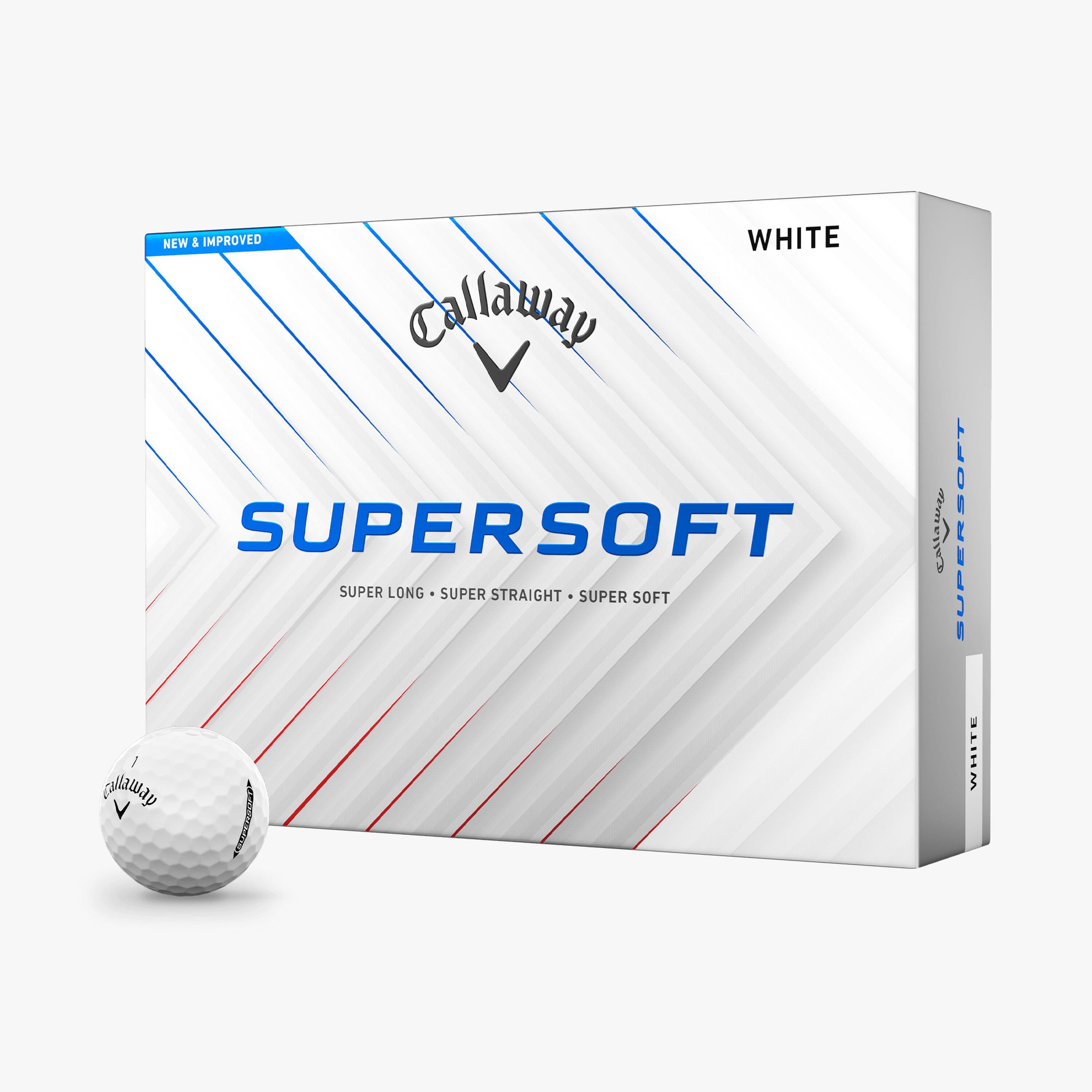
The Callaway Supersoft is a low-compression, two-piece ionomer ball built for slower swing speeds and soft feel, and it's been a best-seller for years (still the number-one selling ball on Amazon in 2025). It's aimed at mid-to-high handicappers who want a forgiving, straight-flying ball without paying tour-ball money.
What's great
The feel is the headline, genuinely soft and muted off the putter and short irons, which a lot of you will love. The real magic is the low spin off the driver: it reins in your side spin, so slices and hooks stay closer to the short stuff. Testers at Breaking Eighty and Out of Bounds Golf both flagged straighter, less wild drives as the standout. For slower swings it holds distance well too, finishing near the top in independent slow-speed testing. As a price-to-performance package it's hard to argue with.
Worth knowing
Two real downsides. First, greenside spin is weak. Chips and pitches struggle to check and stop, with rollout you can't always trust, so if you like to spin one back you'll be frustrated. Second, if you've got a quick swing it's actively short. independent 2025 testing had it as the second-shortest ball off the driver, over 15 yards behind the longest. The very low spin that helps slower players costs faster swingers both stopping power and distance.
The verdict
If you swing it slow to moderate, lose a few balls a round, and want soft feel with straighter drives, I rate the Supersoft as cracking value. If you've got real speed or live by your wedge spin, I'd avoid it and step up to a urethane ball.
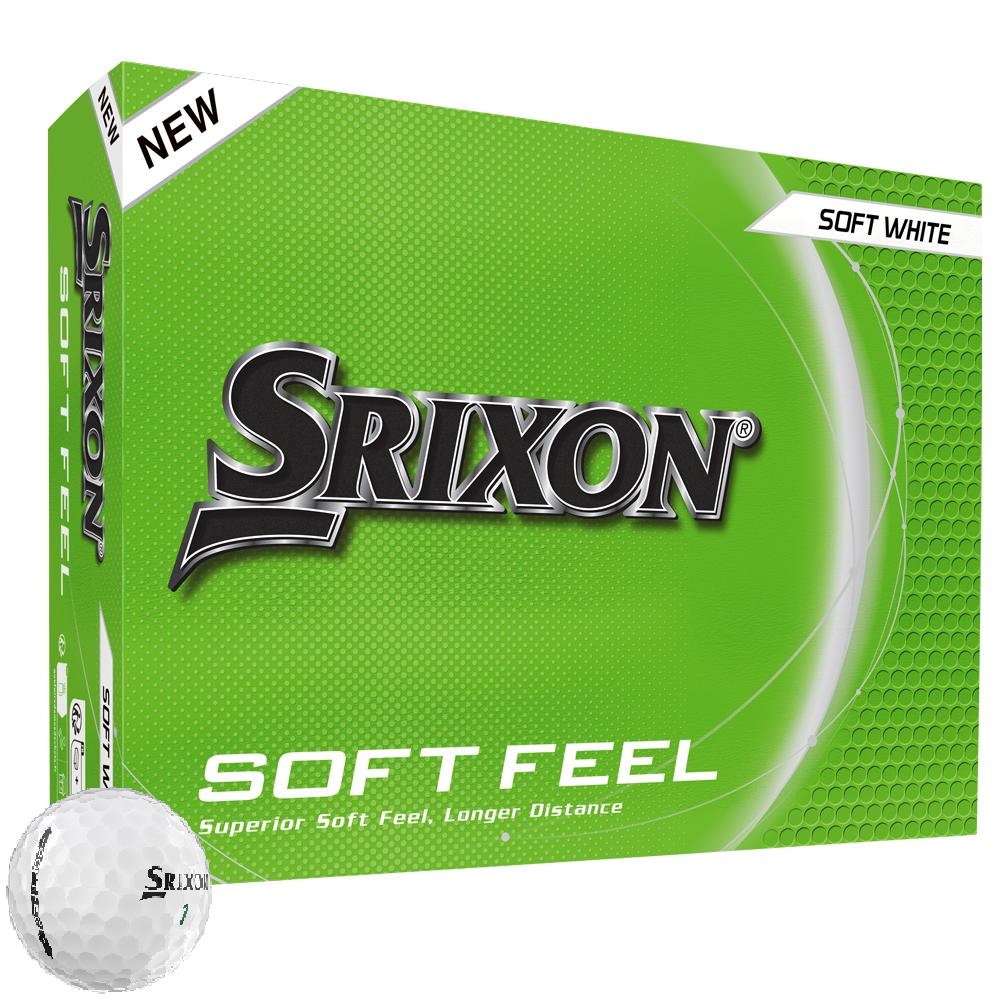
The Srixon Soft Feel is a low-compression, two-piece ionomer ball aimed at moderate swing speeds (think under 95mph), and it's pitched squarely at the weekend golfer who wants soft feel without paying premium-ball money.
What's great
For the cash, I rate this as one of the best value balls going. It genuinely feels soft off the putter and short irons, and the low driver spin keeps it flying dead straight, which is gold if you fight a slice. Reviewers who put 17 rounds through it found greenside spin better than they expected for a two-piece (one of the higher-spinning ones in that class), and the ionomer cover holds up well, so you're not binning balls after a few holes. Solid, predictable, easy to play.
Worth knowing
Be honest with yourself though, it is not a premium ball and it doesn't pretend to be. Low compression costs you ball speed, so faster swingers (95mph plus) will leave yards out there versus a firmer ball. Greenside spin is fine but nowhere near a Z-Star or even a Q-Star, so if you like to nip wedges and stop it on a sixpence, this won't do it. A couple of testers also found it a touch mushy off the tee and on full iron shots, so if you prefer a firm, clicky strike, look elsewhere.
The verdict
If you swing under 95mph and want a soft, straight ball that won't empty your wallet, I'd happily put this in the bag. Quick swingers and spin chasers should spend up to a urethane ball instead.
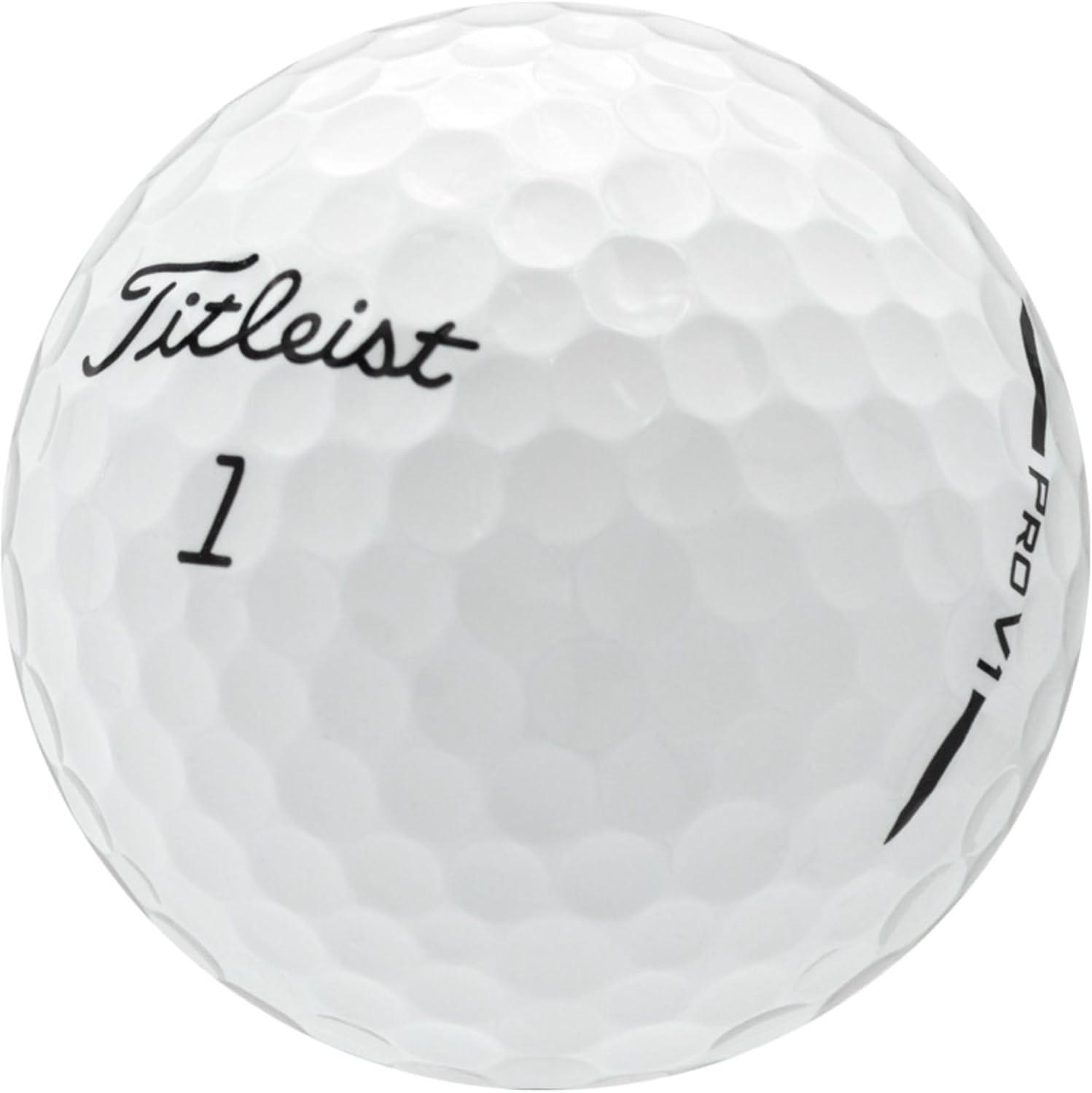
A dozen genuine Titleist Pro V1s recovered from course lakes, washed and graded near-new by Second Chance, a long-established UK lake ball company.
What's great
You get the most played ball on tour for roughly a third of retail. Grade A grading from Second Chance is genuinely strict by lake ball standards: these look close to new, with owners frequently saying they'd struggle to tell them from boxed balls. Independent ball testing over the years has generally found good-condition recycled premium balls perform within a whisker of new ones for the swing speeds most amateurs generate. Psychologically it's liberating too: pulling driver over water is easier when the ball cost £1.40. For winter golf, casual rounds and anyone whose handicap is in double digits, this is simply rational purchasing.
Worth knowing
Mixed years means you might get a 2023-generation ball next to a current one, with slightly different feel. Grading is done at scale, so the occasional scuffed ball slips into a Grade A pack; most sellers will sort it if you complain. Balls that spent months underwater can lose a touch of ball speed, and there's no way to know the history of any individual ball. Low single-figure players chasing every yard should stick to new.
The verdict
The best value-per-pound purchase in golf for the average player. Buy two dozen and stop flinching at water carries.