
Are lake balls worth it? The honest answer
Grade-A lake balls give you most of a premium ball for a fraction of the cost — if you buy the right grade. Here's how to tell recovered from refinished, and who should bother.
By Dan Mercer · Editor
 Explained
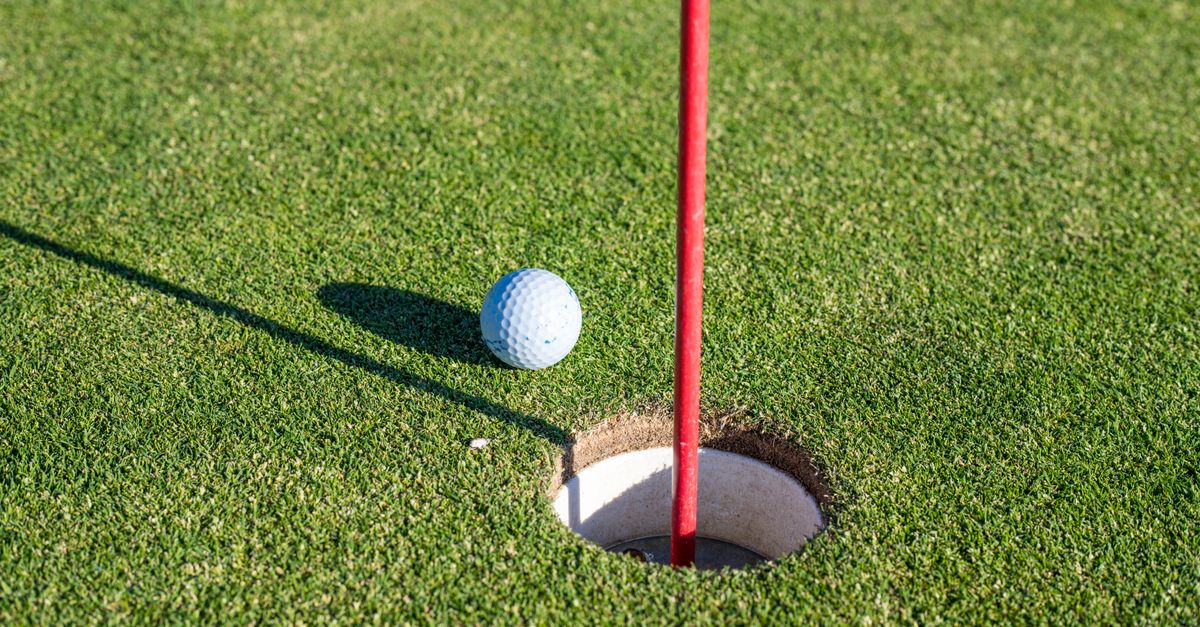
For most golfers who lose balls, grade-A lake or recovered premium balls are a genuinely smart buy: you get the vast majority of a tour ball's performance for a fraction of the price. The one real catch is grade. A 'recovered' or 'Grade A' ball was simply fished out of a pond, washed and sorted; a 'refinished' ball was stripped, repainted and re-stamped, and that is meaningfully worse. Buy the former, skip the latter, and the maths is overwhelmingly in your favour.
The cost-per-round maths
Start with the numbers, because they are the whole argument. A fresh dozen Titleist Pro V1s runs around $60. A dozen Grade A recovered Pro V1s costs about $20 — roughly a third of the price for the same model of ball. If you lose two or three balls in a typical round, new premium balls work out to real money per round in donations to the water hazard; recovered balls cut that to loose change. The performance gap a club golfer can actually feel between the two is, for most shots, nil. You are paying the new-ball tax for packaging and a pristine logo you will scuff on the first cart path.
This is the same logic we run in do expensive golf balls make a difference: the ball matters, but the premium over a good cheaper option is smaller than the marketing implies — and recovered balls let you have the premium model without paying the premium.
There is a behavioural payoff on top of the cash one. When a ball costs loose change rather than several pounds, you stop steering away from water and out-of-bounds lines to protect your investment, and you swing more freely at the shot you actually want to hit. Plenty of golfers play measurably better with a ball they are not precious about. The saving is the headline; the looser, more committed swing it buys is the quiet bonus.
Recovered vs refinished — the grade that matters
Here is the distinction that decides everything. 'Recovered' or 'lake' balls are retrieved from courses, washed, then graded by cosmetic condition — Grade A (or AAAA) means near-new with minimal marking; lower grades have visible scuffs or faded logos but identical cores. The ball itself is untouched. 'Refinished' or 'refurbished' balls are a different animal: they have been sanded, repainted and re-stamped to look new, and that reprocessing can alter the cover, the dimples and therefore the flight. Sellers are not always loud about which is which.
So the rule is simple: buy recovered/Grade A from a reputable grader and avoid anything described as refinished, refurbished or 'like new (repainted)'. Established names build their reputation on honest grading, which is most of what you are paying the small premium over no-name bulk bags for. Expect a box of recovered balls to contain mixed model years — last season's Pro V1 alongside this season's — which is harmless for everyone outside elite competition.
Within the recovered tier the grades step down by looks alone, and that is where you can save even more if you do not mind a scuff. Grade A is near-new and the safe default; the grade below it plays identically but carries visible marks or a faded logo. The core, cover and dimples are the same ball in every case, so for a knockabout round or a bucket of provisionals the lower grade is often the sharper buy. The only grade to treat with suspicion is anything that has been re-coated, because that is the line where cosmetic recovery quietly becomes performance-altering refurbishment.
The water-soaked myth
The classic objection is that a ball sitting in a pond soaks up water and goes dead. The honest version: it depends entirely on how long it was submerged. A ball that spent a few days or weeks underwater before retrieval shows negligible performance change — the urethane cover is a good barrier. Balls left for many months or years can absorb a little moisture and lose a touch of distance and ball speed, which independent testing has measured. But reputable recovery operations pull balls regularly and grade out the duds, so a Grade A ball from a trusted seller has almost certainly not been marinating for a season. The myth is real at the extremes and overblown in practice.
Who they're for
Lake balls are for the overwhelming middle of golf: anyone who loses balls regularly, plays for fun or club competition, and would rather play a Pro V1 than a budget ball but balks at full price. Mid and high handicappers gain the most — you get tour-ball feel and greenside spin without the wince every time one finds the trees. They are also ideal for practice rounds, society days and anyone who simply plays a lot of golf. If that is you, buying recovered premium balls is some of the smartest money in the game; our best value golf balls guide leans on exactly this thinking.
Skip them if
Skip lake balls if you compete at a level where the rules require a single make and model and consistency is non-negotiable — you cannot guarantee a uniform box. Skip them if you are a low single-figure player who genuinely feels a half-yard of carry and wants every ball identical out of the wrapper; buy new and buy in bulk. And skip the bargain-bin temptation of refinished balls regardless of handicap, because that is the one version where the cost saving comes at a real performance cost. For everyone else, it is closer to a no-brainer than golf gear usually gets — and worth reading alongside how to choose a golf ball so you are recovering the right model in the first place.
Products mentioned in this article
Second Chance
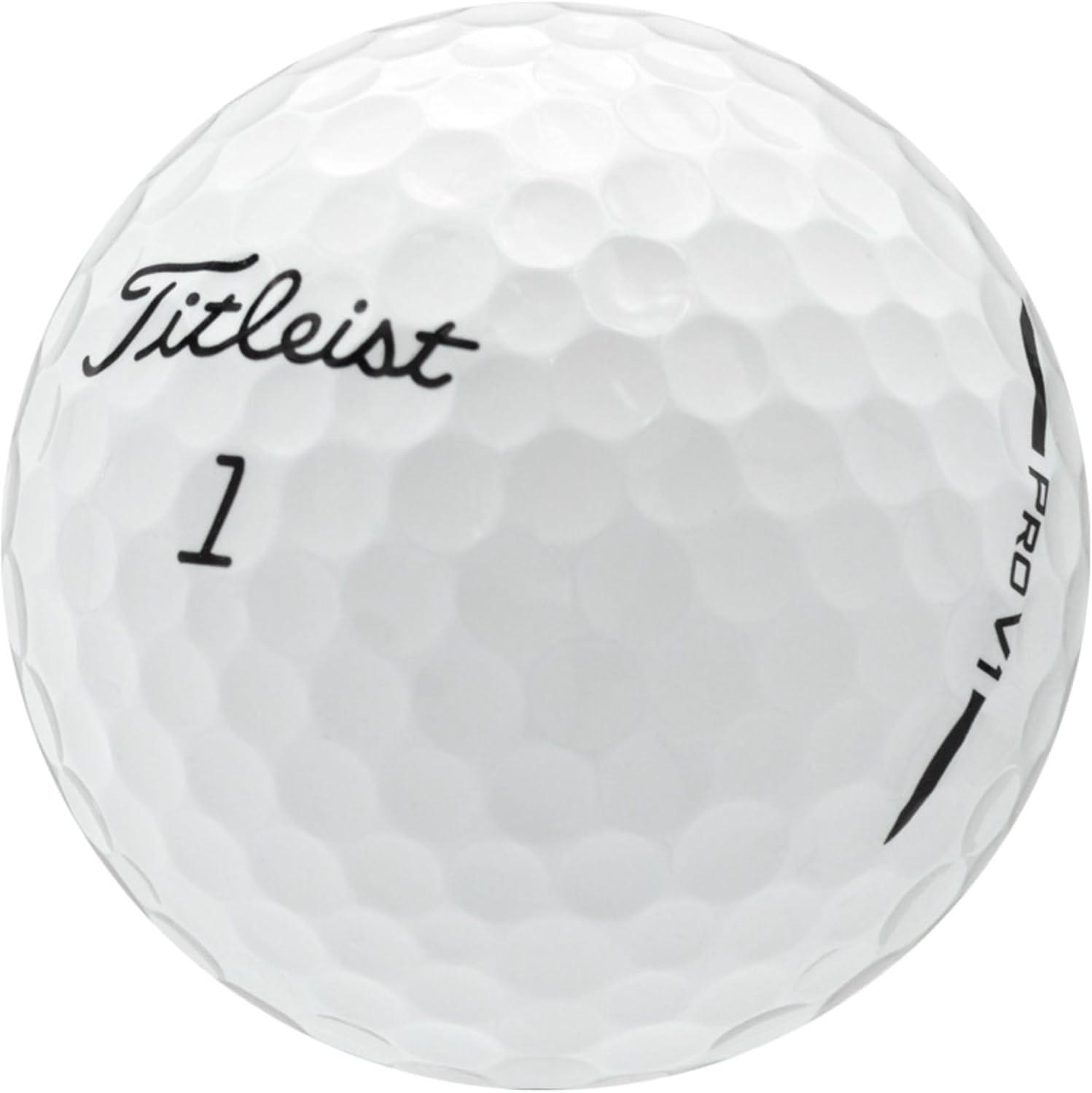
Second Chance Titleist Pro V1 Grade A Lake Balls (12 Pack)
Recovered premium balls for a fraction of new — grade-A is the value sweet spot for most golfers.
Titleist
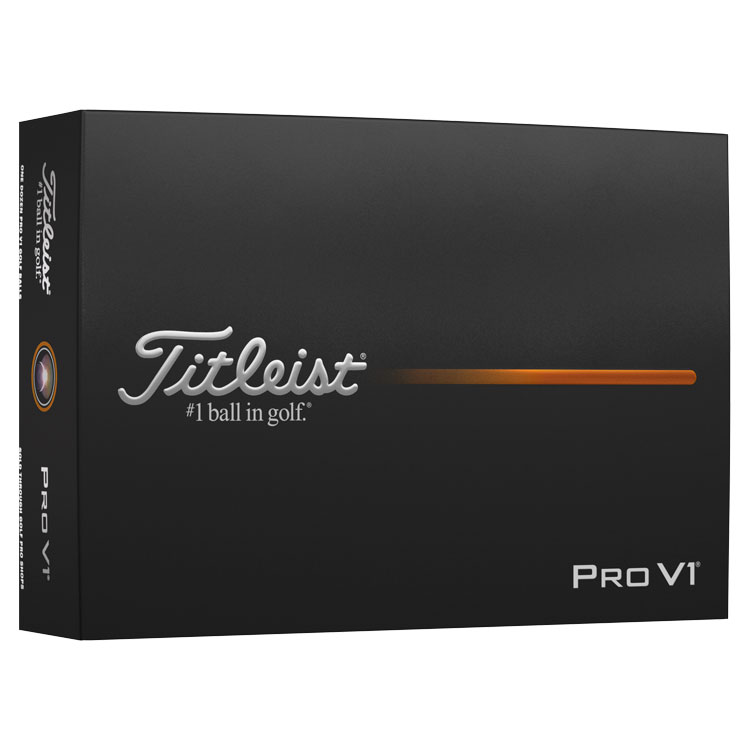
Titleist Pro V1 Golf Balls (Dozen)
The ball most lake balls started life as. Buy new only if you rarely lose one and want guaranteed condition.
ifrothgolf earns a commission on purchases made through these links, at no extra cost to you. It never changes what I recommend. Full disclosure.
Frequently asked
- Are lake balls as good as new ones?
- Grade-A recovered balls play close to new for almost all golfers — same model, untouched core, mostly cosmetic marks. The difference is undetectable on the course unless you compete at a high level or are extremely sensitive to feel.
- What's the difference between recovered and refinished balls?
- Recovered (lake) balls are retrieved, washed and graded but otherwise untouched. Refinished balls are sanded, repainted and re-stamped, which can change flight and spin. Recovered is the one to buy; avoid refinished.
- Do golf balls go bad underwater?
- Only over long periods. A few days or weeks submerged has negligible effect, but balls left for many months can absorb moisture and lose a little distance. Reputable graders pull balls regularly and grade out the duds.
- How much do you actually save with lake balls?
- A lot. A dozen recovered Grade-A Pro V1s costs roughly a third of a new dozen, so if you lose a couple of balls a round the saving is significant over a season with no real drop in playable quality.
- Should low handicappers use lake balls?
- They can for practice and casual rounds, but for competition where a single make and model is required, or if you genuinely feel small differences in carry, buying new and in bulk is the safer call.
Read next
Versus
Kirkland Signature vs Titleist Pro V1: is the Costco ball really 90% of the Pro V1 for a third of the price?
The cult Costco ball has become the internet's favourite way to call out premium-ball pricing. The robot data says it's genuinely close — closer than the price gap has any right to allow. Here's exactly where it matches the Pro V1, where it doesn't, and who should stop paying full whack.
Opinion
48 golf balls are headed for a robot — and the marketing should be nervous
MyGolfSpy is prepping its 2026 ball test: 48 models, one swing robot, every distance and spin claim on trial. Before the data lands, here's what published robot testing keeps agreeing on year after year — and the one buying mistake to avoid until the results drop.
Review
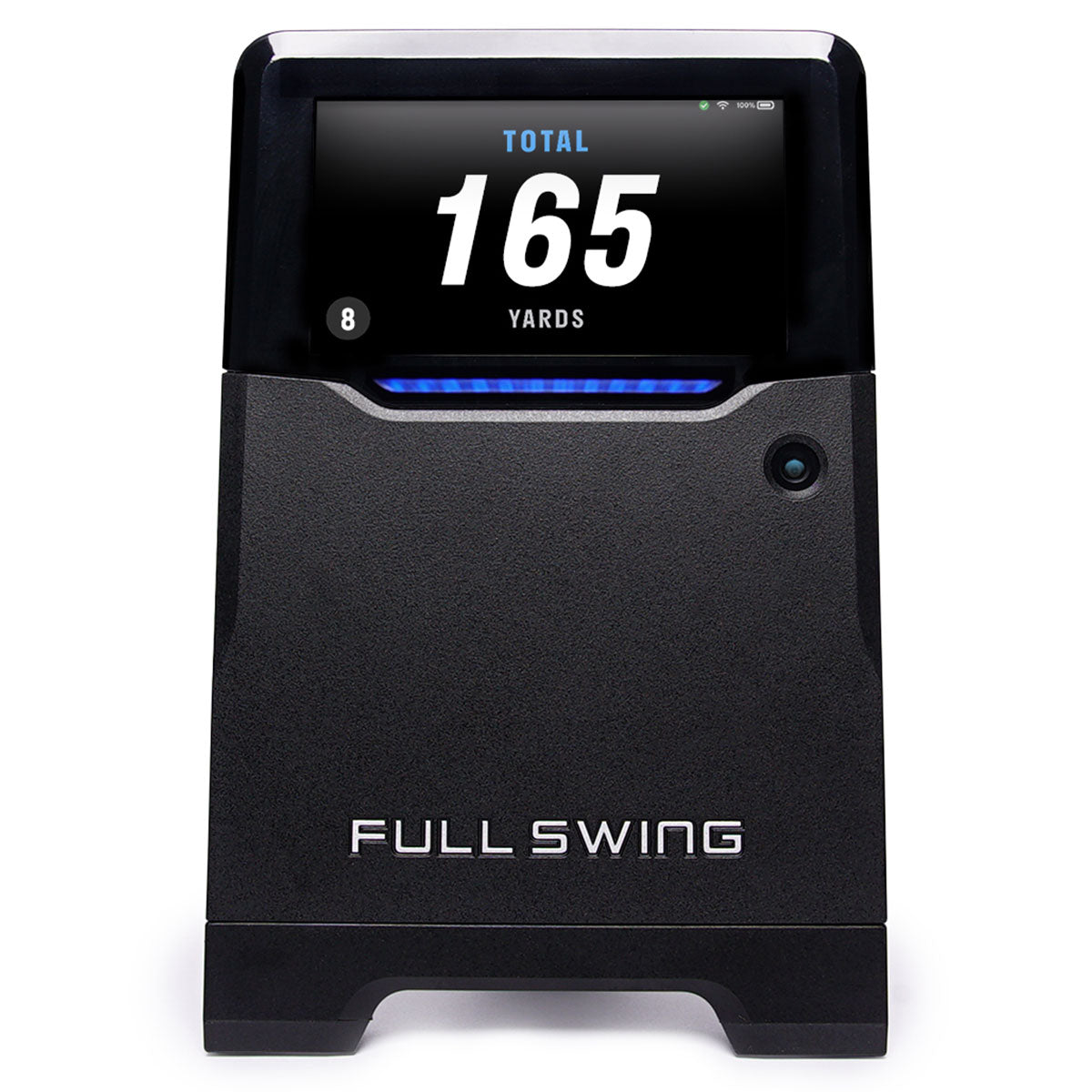
7.9/10Full Swing KIT review: the tape measure decides this, not Tiger
Tour pedigree, TGL on ESPN, and radar good enough to be checked against a Trackman outdoors. It also wants eighteen to twenty feet of room, which rules out most of the garages people buy it for.