
Kirkland Signature vs Titleist Pro V1: is the Costco ball really 90% of the Pro V1 for a third of the price?
The cult Costco ball has become the internet's favourite way to call out premium-ball pricing. The robot data says it's genuinely close — closer than the price gap has any right to allow. Here's exactly where it matches the Pro V1, where it doesn't, and who should stop paying full whack.
By Dan Mercer · Editor
ifrothgolf earns a commission on purchases made through these links, at no extra cost to you. It never changes what I recommend. Full disclosure.
Part of our guide toBest Value Golf Balls 2026The short version, because it's the whole point: the Kirkland Signature Performance+ gives you something like 85 to 90 percent of a Titleist Pro V1 for roughly a third of the money — around $25 a dozen against $70. If you're above a mid handicap, or you lose more than a couple of balls a round, that maths is close to unanswerable. The Pro V1 is still the better ball. It is not three times the better ball, and that gap is the most quietly subversive thing in golf equipment right now.
Where the Costco ball genuinely hangs with it
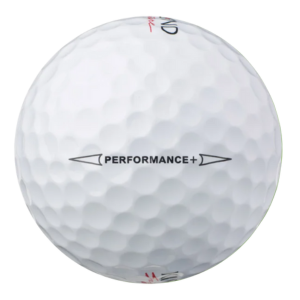
This isn't a plucky-underdog story built on vibes; it's built on robot data. In independent testing the Kirkland and the Pro V1 come off the driver almost indistinguishable — carry and total within a yard, launch within a fraction of a degree. The Kirkland is a real three-piece, cast-urethane ball, the same fundamental recipe as the premium names, which is why it behaves like one off the tee and, strikingly, on full wedge shots, where it has actually out-spun the Pro V1 in some tests. For the everyday golfer swinging at everyday speeds, a huge share of what a Pro V1 does, the Kirkland also does — for a fraction of the wince when it sails out of bounds.
Where the Pro V1 earns its money back
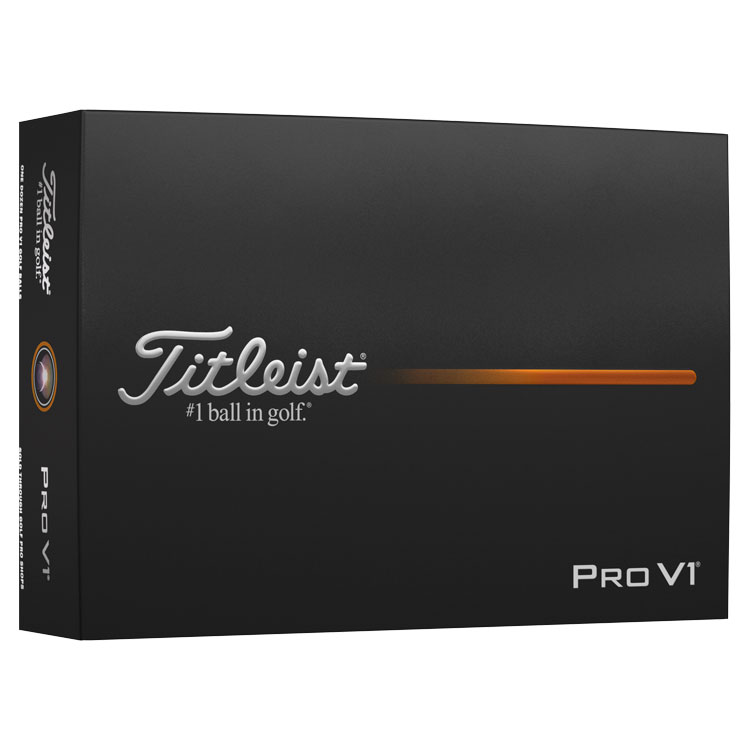
Now the honest other half, because a value pick that pretends there's no gap is just marketing in reverse. The Pro V1 wins on the shots that decide good rounds: greenside stopping power, where it produces more spin, a steeper descent and less roll than almost anything tested; and accuracy, thanks to tighter sidespin control that keeps mishits closer to line. It's also the more consistent ball, model to model and box to box — Titleist's quality control is a genuine advantage, and Kirkland's has wobbled between versions over the years. When MyGolfSpy scored them head-to-head the Pro V1 came out ahead overall, 8.2 to 7.7. That's a clear win. It is not a chasm.
The real question isn't which is better — it's which is worth it
Everyone already knows the Pro V1 is the better ball. That was never the interesting question. The interesting question is whether it's better by enough to justify paying nearly three times as much, and for most golfers the answer is simply no. If you're a single-figure player whose scores hinge on holding greens from 150 yards and spinning wedges to a stop, the Pro V1's edge is real and worth buying. If you're a 12-handicap who'd struggle to tell the two apart blindfolded on the course — and most 12-handicaps genuinely would — you're paying a $45 premium per dozen for a difference you can't reliably use. Play the Pro V1 and you're buying performance and a little peace of mind. Play the Kirkland and you're buying 90 percent of the ball plus the freedom to stop caring when one finds the water.
Who should switch, who shouldn't
Switch to the Kirkland if you're a mid-to-high handicapper, a value-minded player of any level, or anyone who treats a lost ball as a normal part of the round rather than a small bereavement — it is, on the data, the best-value ball in golf. Stick with the Pro V1 if you're a low-handicap or tour-level player who genuinely uses greenside spin and shot-shaping control, or if you simply value its consistency and don't mind paying for it. And if the Kirkland's periodic stock shortages drive you spare, our best value golf balls guide has the other three-piece urethane balls worth buying by the dozen. The premium ball is safe. What isn't safe, anymore, is the assumption that you have to pay premium prices to play good golf.
Frequently asked
- Is the Kirkland Signature ball as good as a Pro V1?
- Not quite, but closer than the price suggests. Robot testing puts them within a yard off the driver, with the Kirkland even out-spinning the Pro V1 on some wedge shots. The Pro V1 wins on greenside stopping power, accuracy and consistency, scoring 8.2 to 7.7 overall in MyGolfSpy testing — a clear but small margin.
- How much cheaper is the Kirkland Signature than the Pro V1?
- Roughly a third of the price. A dozen Kirkland Signature Performance+ costs around 20 dollars against about 55 for a dozen Pro V1s — a saving of around 35 dollars per dozen, which adds up fast for anyone who plays regularly.
- Who should play the Kirkland Signature ball?
- Mid-to-high handicappers, value-minded players of any level, and anyone who loses more than a couple of balls a round. You get the large majority of premium performance without the premium price or the pain of losing an expensive ball.
- What is the catch with the Kirkland Signature ball?
- Two things: it can be hard to keep in stock (it periodically sells out), and its consistency has varied between versions over the years, whereas Titleist's quality control is a genuine strength. On raw performance, though, the current version is a legitimate premium ball.
Read next
Explained
Are lake balls worth it? The honest answer
Grade-A lake balls give you most of a premium ball for a fraction of the cost — if you buy the right grade. Here's how to tell recovered from refinished, and who should bother.
Opinion
48 golf balls are headed for a robot — and the marketing should be nervous
MyGolfSpy is prepping its 2026 ball test: 48 models, one swing robot, every distance and spin claim on trial. Before the data lands, here's what published robot testing keeps agreeing on year after year — and the one buying mistake to avoid until the results drop.
Review
7.9/10Full Swing KIT review: the tape measure decides this, not Tiger
Tour pedigree, TGL on ESPN, and radar good enough to be checked against a Trackman outdoors. It also wants eighteen to twenty feet of room, which rules out most of the garages people buy it for.