
Kirkland Signature golf ball review: the ball that embarrasses the big brands
Three-piece urethane for about a third of tour-ball money, and robot tests keep putting it near the top of the value pile. The hard part is finding it.
By Ben Marsden · Reviews Editor
The verdict
Excellent
What's great
- Genuine three-piece urethane cover and real greenside spin
- Robot-tested best-value ball, over 6,000rpm short-game spin
- Around a third of a tour ball's price — premium performance without the guilt
Watch out
- Batch-to-batch consistency still trails the major brands
- Costco-led supply is patchy; often sold in bulk only
Bottom line — Not quite a Pro V1, but staggering value — genuine urethane spin for around $25 a dozen. If you can get it, it's one of the smartest buys in golf for everyone but the most discerning tour-level ball-strikers.
Kirkland Signature
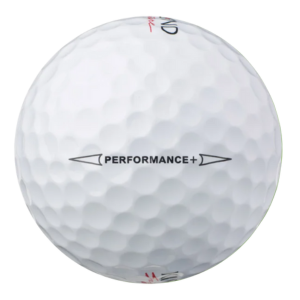
Kirkland Signature Performance+ Golf Balls (Dozen)
ifrothgolf earns a commission on purchases made through these links, at no extra cost to you. It never changes what I recommend. Full disclosure.
Every golf club in the country has the same conversation about this ball, and it always runs in the same order. Someone pulls a white box of two dozen out of the boot. Someone says the word Costco with a very particular inflection. Someone else says you cannot be serious. And then on the 6th the man with the warehouse balls spins a half wedge back three feet, and the conversation quietly stops.
That is the Kirkland Signature. Still the category's running joke, still at the big brands' expense.
The ball itself is a genuine three-piece urethane build for around $25 a dozen, roughly a third of what the premium names charge. It is not quite a Pro V1 on consistency. Most golfers will never notice the gap, and the price difference is enormous.
Premium construction at a value price
The pitch is almost too good, and it is mostly true. This is a real three-piece urethane ball rather than the cheap ionomer cover you would expect at the price, and urethane is the material that makes tour balls grab and check. Independent robot testing backs it up: the current V3.0 Performance+ was crowned best-value ball of the year and was one of only two budget models to clear 6,000rpm of short-game spin, which puts it within touching distance of balls costing three times as much.
How it feels and flies
Off the putter and wedges it is soft without being mushy, closer to a tour ball's solidity than the springy feel of a cheap two-piece. Off the driver it flies slightly higher than the firmest tour balls, with plenty of carry for any amateur swing speed, so you are not giving up meaningful distance to play it. The cover earns its money in the scoring zone, on a half wedge or a greenside chip, where it grabs in a way no ionomer value ball can fake. If you have the short game to use spin, this is the cheapest way to get it.
Against the benchmark
Against a Pro V1 the honest read is very close, with the Titleist edging it on uniformity. Greenside spin is in the same conversation, the feel is soft and pleasant, and full-shot distance is a non-issue. What the very best strikers may sense is slightly less shot-to-shot consistency in flight and spin, which matters if you flight wedges to exact numbers and is invisible to nearly everybody else. The Pro V1 is also four layers to the Kirkland's three, which buys Titleist a little more separation between driver spin and wedge spin, and in practice that is a refinement most golfers will never feel. The wider question is handled in do expensive balls make a difference.
The maths that ends the argument
A premium tour ball runs around $70 a dozen. This runs roughly $25. Across a season of a couple of dozen that is real money, and the performance you are trading away is the last few percent of consistency that only a tour-level striker can exploit, which is precisely the part a normal amateur cannot use. Call it something like 95 percent of the on-course performance for a third of the price. That is not a close call. The only honest reasons to pay more are genuine tour-level shot-making, or the convenience of grabbing a guaranteed dozen at the pro shop.
The two real catches
Consistency first. Batch-to-batch variation has been a long-running grumble, and while recent generations have tightened up considerably, quality control still is not quite at major-brand levels. Supply second. It is primarily a Costco warehouse product sold in bulk, often a 24-pack, to drive membership rather than for margin, which is exactly why it is so cheap. Outside the warehouse you will typically pay more than members do, and stock comes and goes. The practical upshot is simple: when you find it at warehouse price, buy several dozen and stop thinking about golf balls for a year.
What owners actually complain about
This is the telling part. Owner reviews are dominated by surprise at the performance per pound, and by a recurring habit of buying several dozen at a time to ride out the supply gaps. The criticisms that do surface are the same two every time, the quality-control wobble and the frustration of finding it out of stock. You almost never see a complaint about how the ball performs on the golf course, which tells you most of what you need to know.
Who should buy it
Almost anyone who wants urethane performance without wincing every time one finds the water, which is the argument we make in full in stop buying premium balls. It suits any handicap that can use greenside spin, from low single figures to improvers sharpening a short game, and at this price even a wayward player can afford to lose a few. Skip it if you are a tour-level striker chasing the last sliver of consistency and will happily pay double for it, or if you cannot source it reliably and would rather grab a dozen at the pro shop. The full field is in our best premium golf balls guide, and our Golf Ball Finder will place you in three questions.
Where to buy
8.5/10Kirkland Signature
Kirkland Signature Performance+ Golf Balls (Dozen)
The cult Costco ball: a three-piece urethane tour ball for a fraction of the price.
ifrothgolf earns a commission on purchases made through these links, at no extra cost to you. It never changes what I recommend. Full disclosure.
Frequently asked
- Is the Kirkland Signature ball as good as a Pro V1?
- Very close. Robot tests rank its short-game spin among the best of any budget ball — over 6,000rpm — rivalling balls three times the price. The Pro V1 still edges it on batch-to-batch consistency, but most golfers won't notice the gap on the course.
- Why is the Kirkland ball so cheap?
- It's Costco's own-brand, sold close to cost in bulk to drive warehouse membership rather than for margin. You get genuine three-piece urethane construction without the premium-brand markup — around $25 a dozen against roughly $70 for a Pro V1.
- Is the Kirkland ball actually urethane?
- Yes — it's a genuine three-piece ball with a cast urethane cover, the same family of material tour balls use. That's what lets it grab and spin around the greens in a way cheaper ionomer-covered value balls simply can't.
- Is it hard to buy?
- It can be. It's primarily a Costco warehouse product, often sold in 24-packs, so stock comes and goes and resale prices run higher. When you find it at the warehouse price, it's worth buying several dozen.
- Who should not buy the Kirkland ball?
- Tour-level ball-strikers who flight wedges to exact numbers and want the last few percent of shot-to-shot consistency — they'll prefer a major-brand tour ball. And anyone who can't reliably source it and would rather just pick up a dozen at the pro shop.
Read next
Review
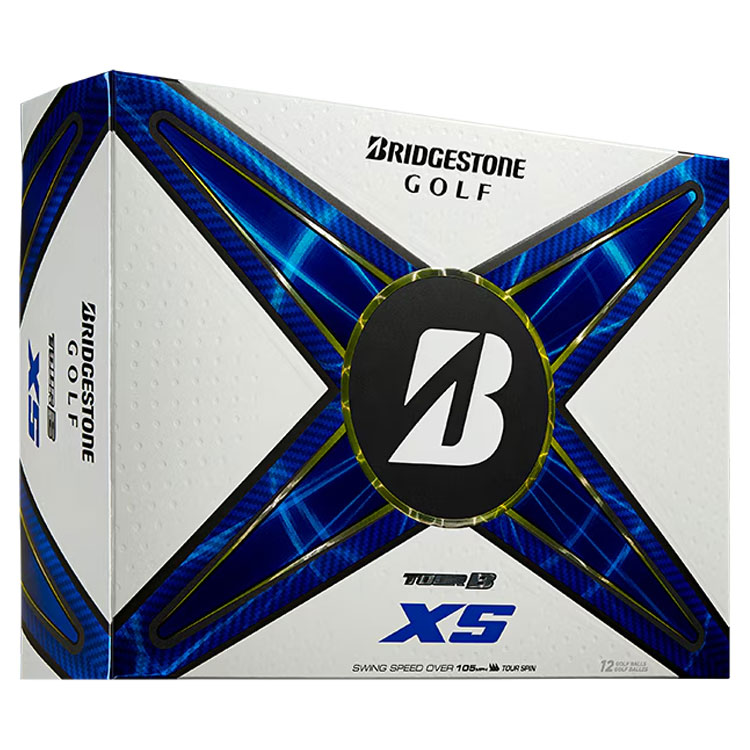
8.3/10Bridgestone Tour B XS review: the soft-feel tour ball for fast swingers
A three-piece urethane tour ball built around Bridgestone's fastest staffers, at the soft, spinny end of the line. Who should play it over a Pro V1 or TP5?
Review
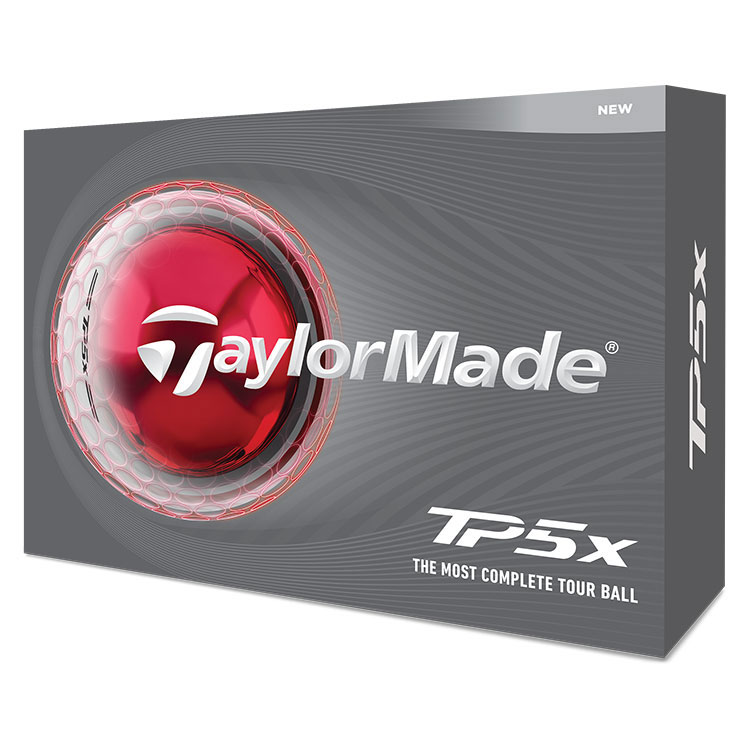
8.4/10TaylorMade TP5x review: the faster, firmer sibling — and who it's really for
Same five-layer tour pedigree as the TP5, tuned for speed and a flatter flight. The question isn't whether it's good — it's whether you're the swing it was built for.
Versus
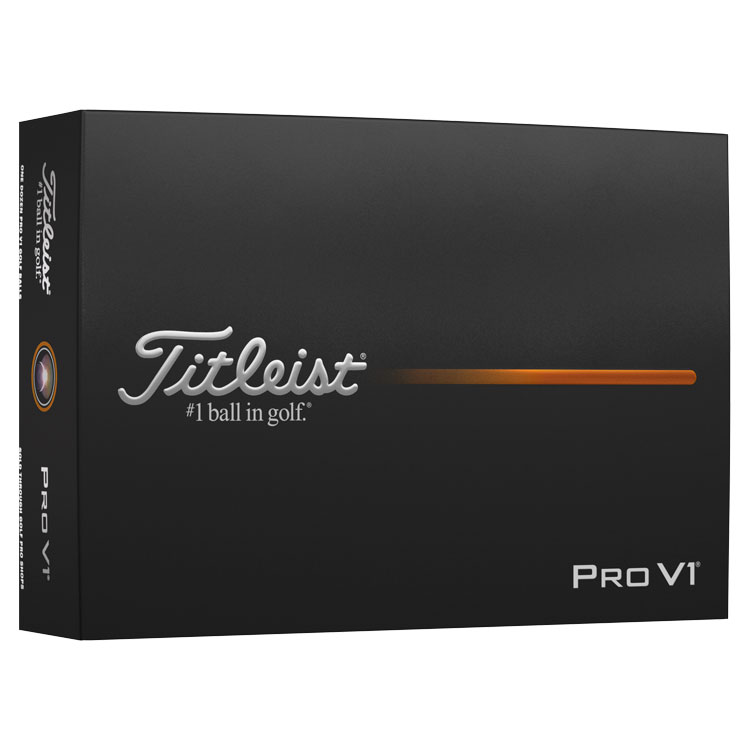
Titleist Pro V1 vs TaylorMade TP5: which tour ball actually fits your game?
The two balls tour players genuinely cross-shop, and the difference isn't distance — off the tee they're within a yard of each other. It's feel, flight and greenside spin, and most golfers pick on the badge instead. Here's how to choose on the thing that matters.