
The Titleist Pro V1 is the benchmark tour-level urethane ball, a mid-spin, mid-flight three-piecer aimed at golfers who actually shape shots and want proper greenside bite, not casual hackers padding their bag.
Best Premium Golf Balls 2026
Tour-level balls worth the premium.
The Titleist Pro V1 remains the default premium ball and the safe answer for most consistent strikers — the most-played ball in golf, and the all-round tour benchmark for good reason. A premium urethane-covered ball gives you the greenside spin and control that firmer distance balls simply can't, and for a golfer who already strikes it well, switching to one is the single easiest performance upgrade there is.
The important truth at the top end is that the gaps between the best balls are small, so fit beats brand. The differences come down to feel and flight: the TaylorMade TP5 launches a touch higher and feels a shade softer at moderate speed, the Callaway Chrome Tour is the other genuine benchmark, and within Titleist's own range the Pro V1 flies a little lower and softer while the Pro V1x launches higher and spins more. The only reliable way to choose is to play a sleeve of two or three around the greens and on the course, not to read the marketing — your short game will tell you which one checks and feels right.
These are the genuine tour-quality dozens, ranked on feel, spin and durability, with premium dozens around $50–$70. Honest note: if you lose a ball every couple of holes, save your money and play a value or mid-tier dozen instead — at that stage the premium spin won't cost you a shot, and the cost of losing them will.
ifrothgolf earns a commission on purchases made through these links, at no extra cost to you. It never changes what I recommend. Full disclosure.
A tour-caliber 4-piece urethane ball that Wilson overhauled for 2026, positioned as a value-priced disruptor against $70-plus premium balls.
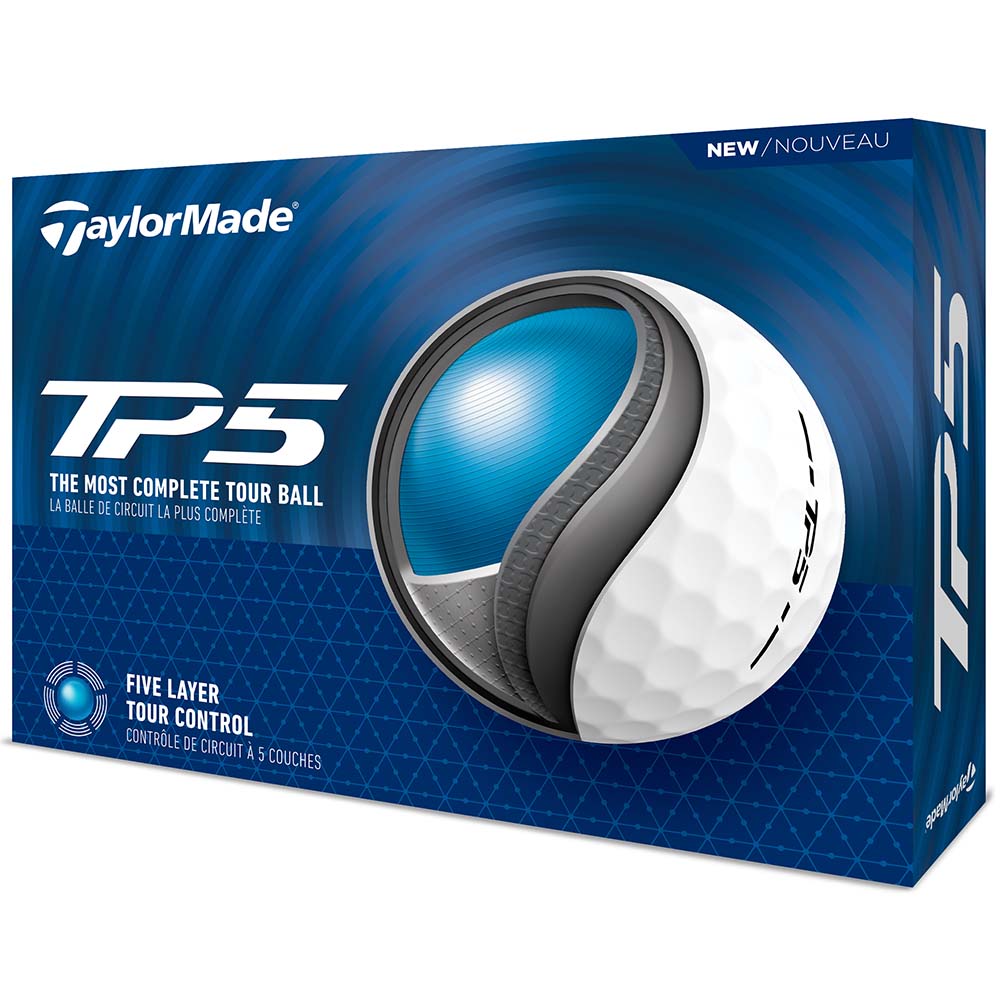
The TaylorMade TP5 is a five-layer urethane tour ball, the soft-feel sibling to the TP5x, aimed at better players and improvers who want a proper premium ball and care more about greenside control than squeezing out every last yard.
Callaway's premium tour ball, the one built to take on the Pro V1. Four-piece urethane job aimed at faster swingers who want soft feel without the spin getting silly.
A genuine premium, three-piece urethane-covered tour ball, and the one most people overlook because they default to the obvious two names. The latest version uses a reworked FastLayer DG Core 2.0 that starts soft in the middle and firms up towards the outside, wrapped in a thin urethane cover with a Spin Skin+ coating to bite into wedge and chip shots. Compression sits around 88, which is properly soft for a ball pitched at better players.
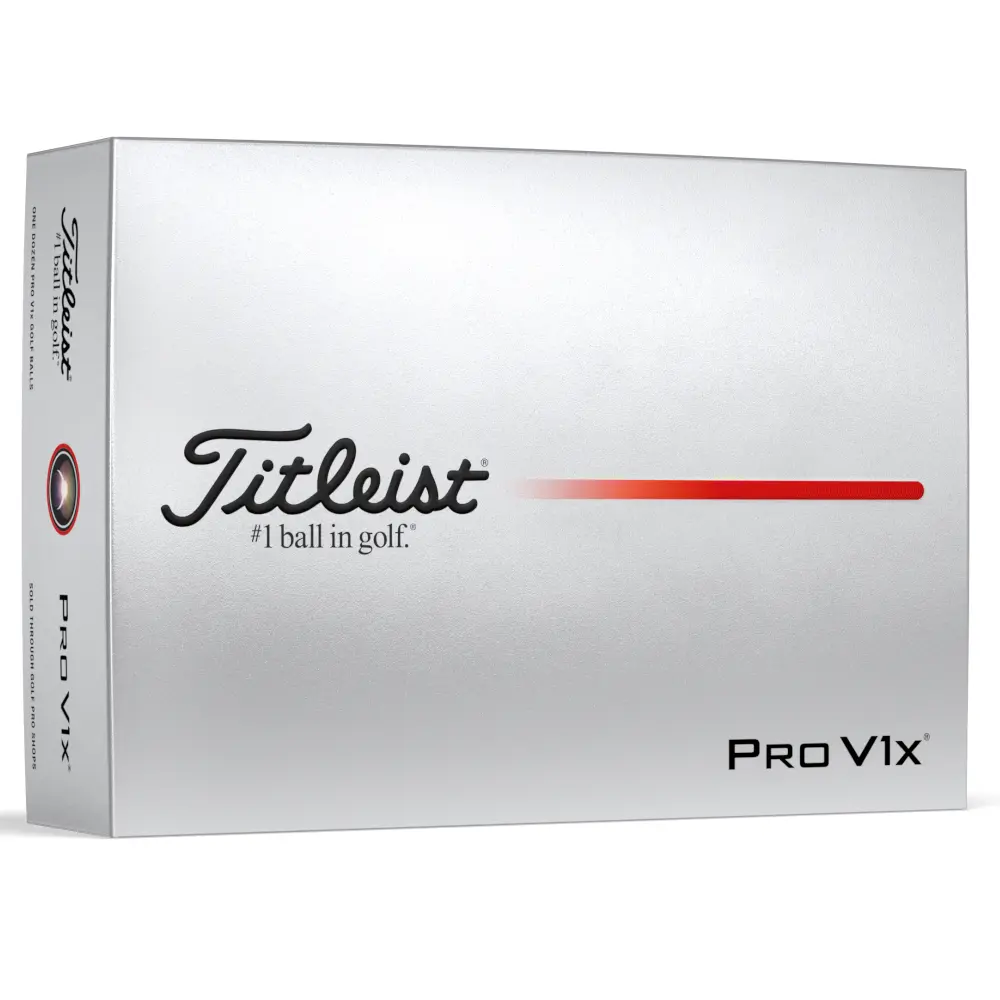
The Pro V1x is the higher-launching, higher-spinning, firmer-feeling member of Titleist's flagship tour ball family. It uses a four-layer build under a cast urethane cover, and for this generation Titleist reworked the high-gradient core to keep spin low off the driver while ramping it up with the scoring clubs. It is the ball you reach for if the standard Pro V1 flies too low for you or you want that bit more bite on approach shots.
TaylorMade's fastest tour ball. It is a five-layer urethane-covered premium ball built around a Speed-Wrapped core, sitting alongside the softer, higher-spinning TP5 in the range. Where the TP5 chases feel and greenside spin, the TP5x is engineered for ball speed and a lower-spinning, more penetrating launch through the bag.
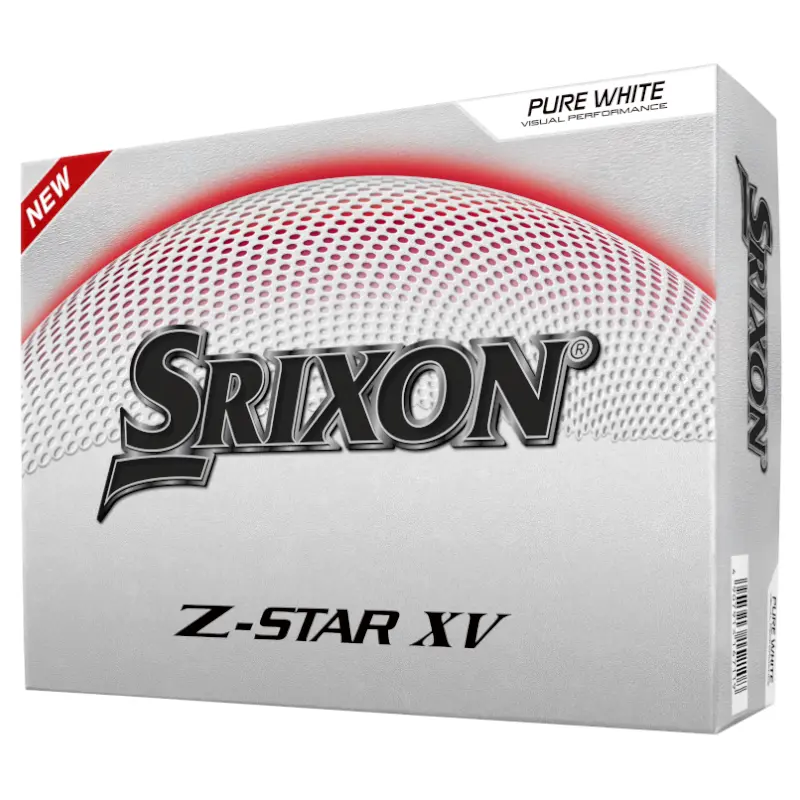
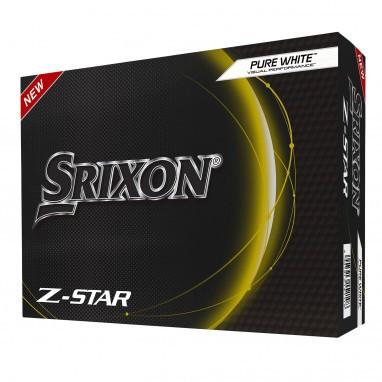
The Z-Star XV is the distance-leaning member of Srixon's premium three-piece urethane line, sitting alongside the softer standard Z-Star and the spinnier Z-Star Diamond. The XV bumps the compression up to around 102 and adds firmness partway through the FastLayer DG Core 2.0, so it's built to squeeze out extra ball speed off the driver and irons while the thin urethane cover and Spin Skin+ coating keep the short-game bite you expect from a tour ball.
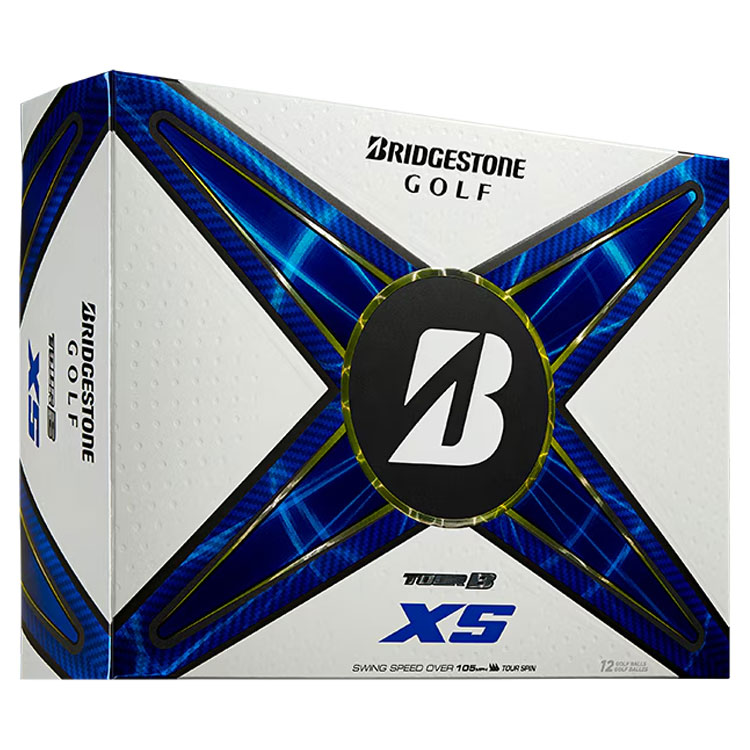
Bridgestone's premium tour ball aimed at the softer, spinnier end of the spectrum. It is the XS in the Tour B family, sitting alongside the firmer, faster Tour B X. Three-piece urethane construction, a REACTIV iQ cover that is meant to rebound hard off the driver but stay on the face longer on approaches, and Dual Dimple aerodynamics. This is the ball Bridgestone built around its fastest-swinging tour staff, and it is pitched squarely at golfers north of 105 mph who can actually compress it.
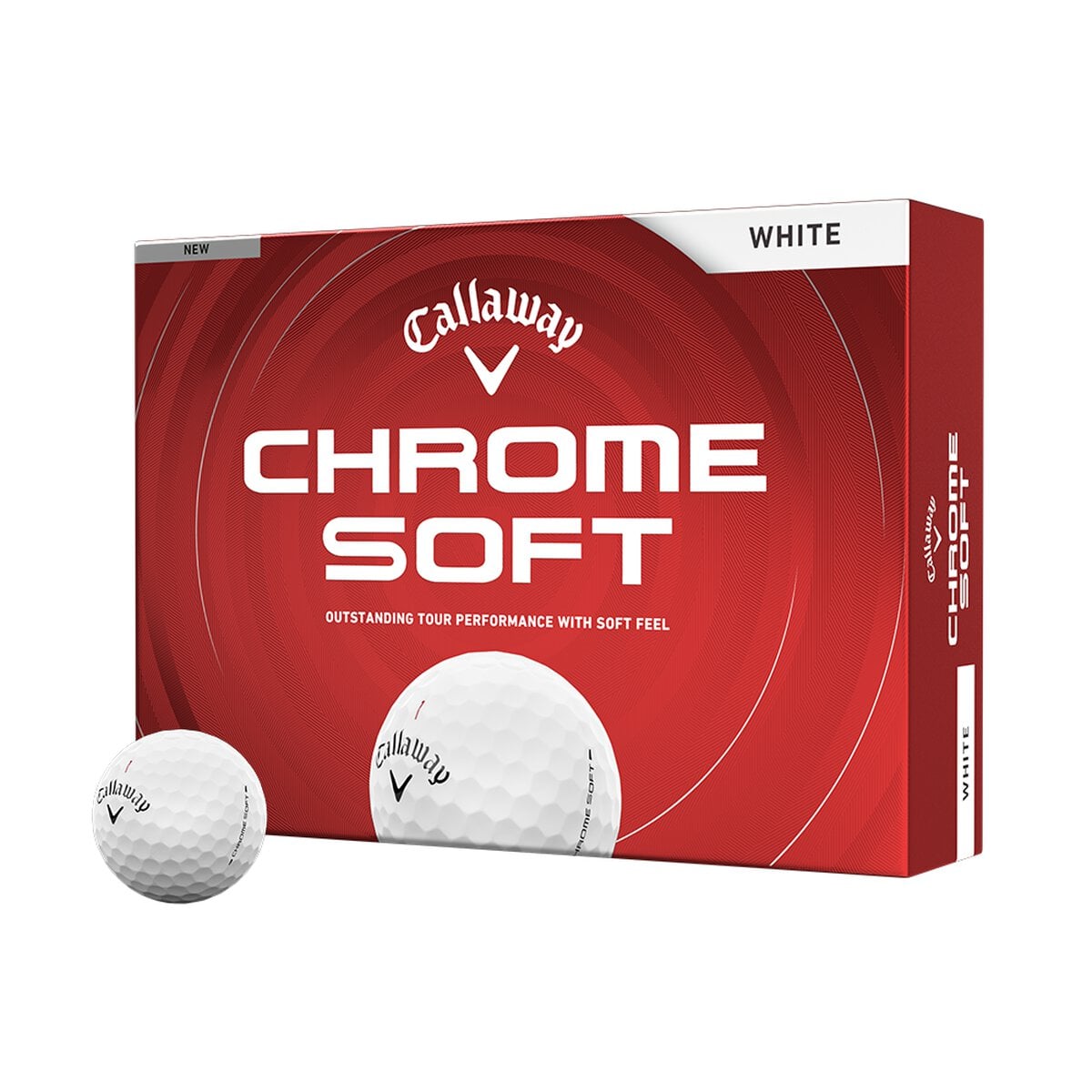
Callaway's softer-feeling premium ball, sitting just below the firmer, spinnier Chrome Tour in the lineup. It pairs a proper cast urethane cover with a low compression core, aimed at golfers who chase a soft feel and a forgiving, straighter flight rather than maximum greenside grab.
Srixon's sixth-generation soft-compression urethane ball, sitting between budget two-piece balls and full premium tour balls.
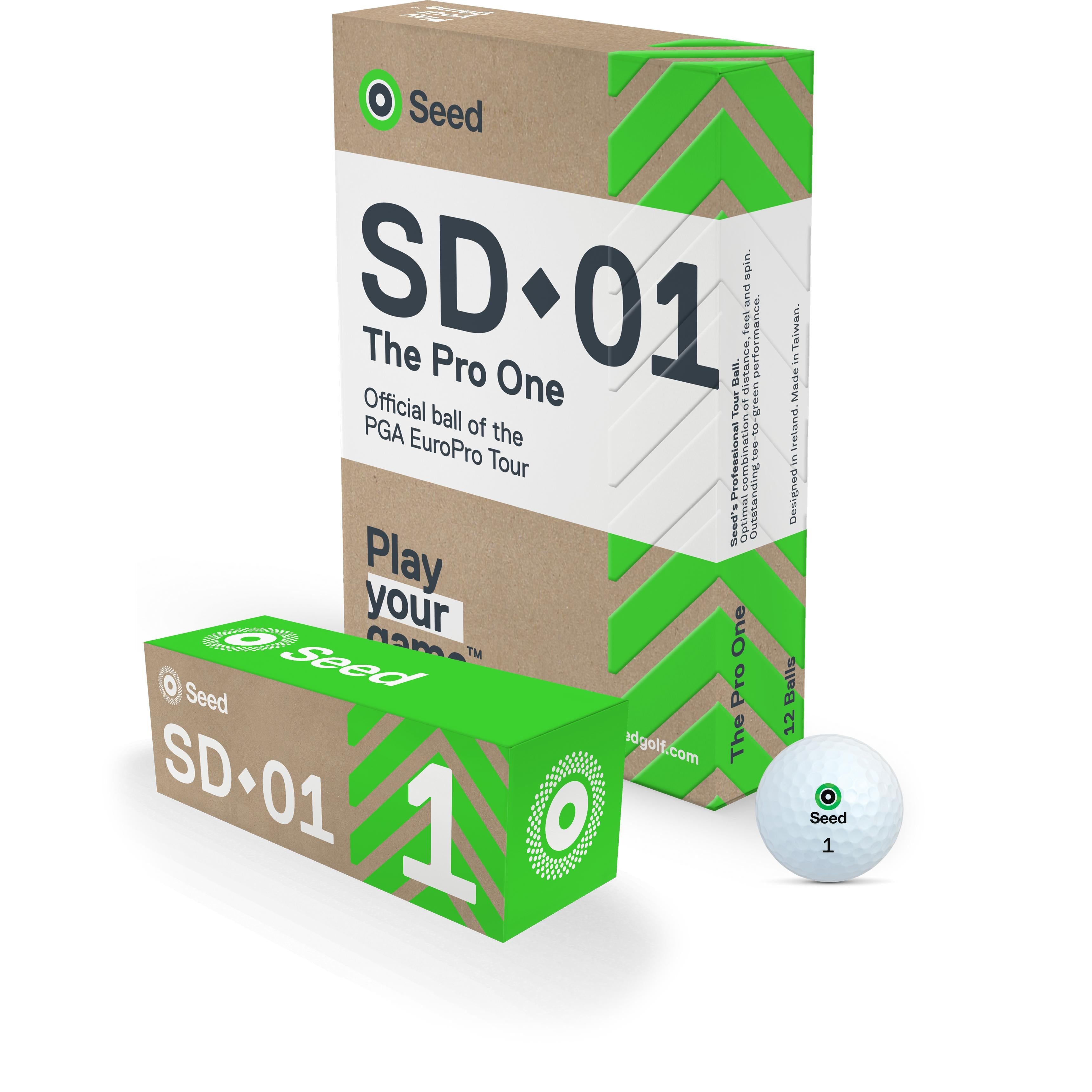
The flagship three-piece urethane tour ball from Seed, a direct-to-consumer brand selling premium-construction balls at mid-range prices.
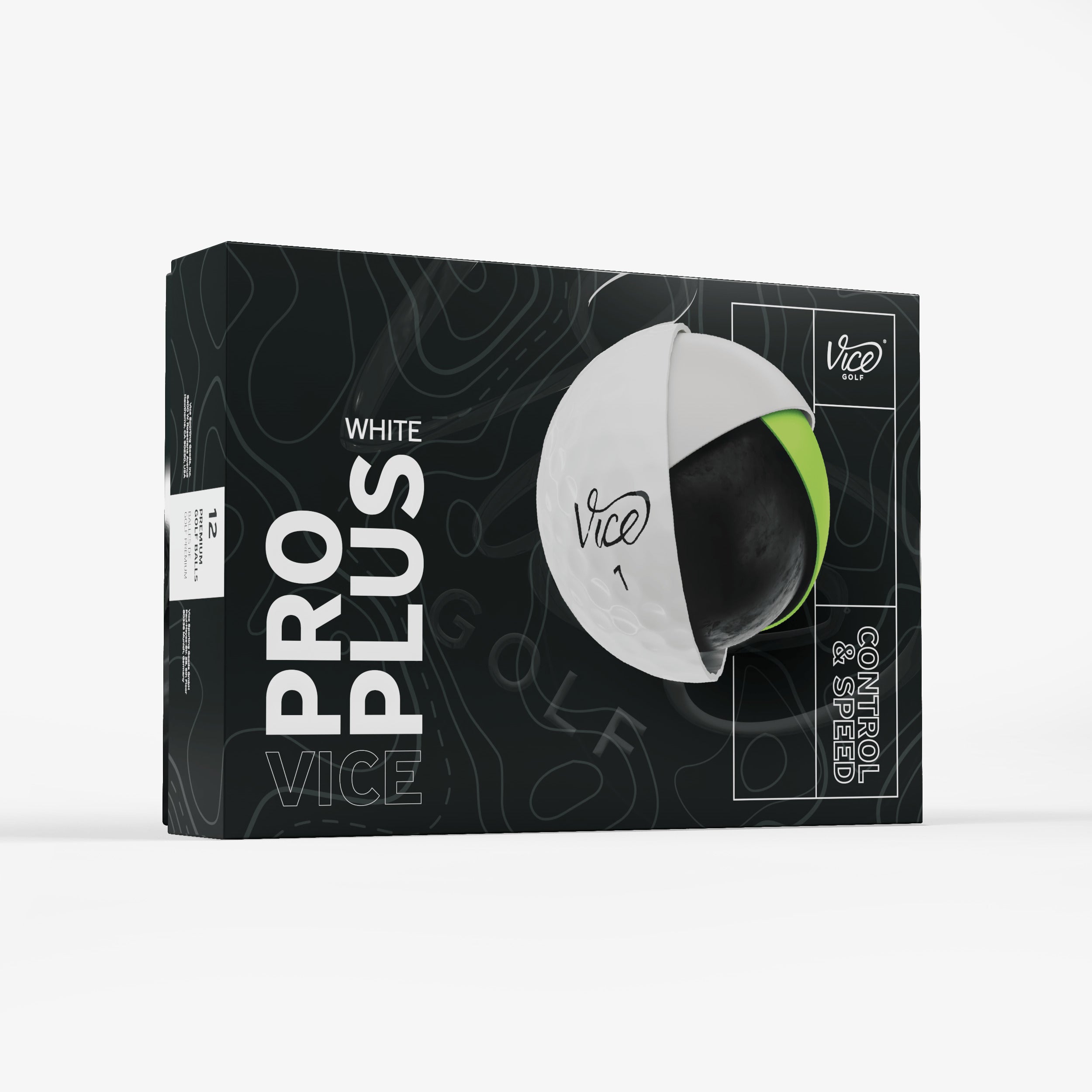
A four-piece urethane "tour" ball from German direct-to-consumer brand Vice, pitched as a Pro V1x rival at a fraction of the price. This is the firm, high-launch, low-driver-spin one in the range, built for fast swingers.
Frequently asked
- What is the best premium golf ball?
- The Titleist Pro V1 is the benchmark and the right default for most consistent golfers. The differences between top urethane balls are small, though, so the TaylorMade TP5 and Callaway Chrome Tour are equally valid — the best one is the one that suits your feel and short game.
- Are premium golf balls worth it for the average golfer?
- If you strike it consistently and keep balls in play, yes — the greenside spin and control are a real upgrade. If you lose several balls a round, a value ball makes more sense; the premium performance won't outweigh the cost of losing them.
- What's the difference between a Pro V1 and a Pro V1x?
- The Pro V1 flies a touch lower and feels softer; the Pro V1x launches higher, spins a little more and feels firmer. Higher-launch players often prefer the V1, while those wanting more height and spin lean V1x — test both.
- Does the golf ball really make a difference?
- Yes, especially around the greens, where urethane premium balls grip and check far better than firm distance balls. Off the tee the difference is smaller, which is why ball choice matters most for golfers who already control their short game.
- How do I pick the right premium ball for me?
- Decide by feel and flight, not brand. Buy a sleeve each of two or three — say a Pro V1, a TP5 and a Chrome Tour — and test them where it counts: chips, pitches and putts. If you launch the ball low, a higher-launch model like the V1x or TP5 may suit; if you fly it high already, a lower-flighting ball helps. Whichever feels best on and around the green is yours.
Related reading
More on this from the desk
Review
8.3/10Bridgestone Tour B XS review: the soft-feel tour ball for fast swingers
A three-piece urethane tour ball built around Bridgestone's fastest staffers, at the soft, spinny end of the line. Who should play it over a Pro V1 or TP5?
Review
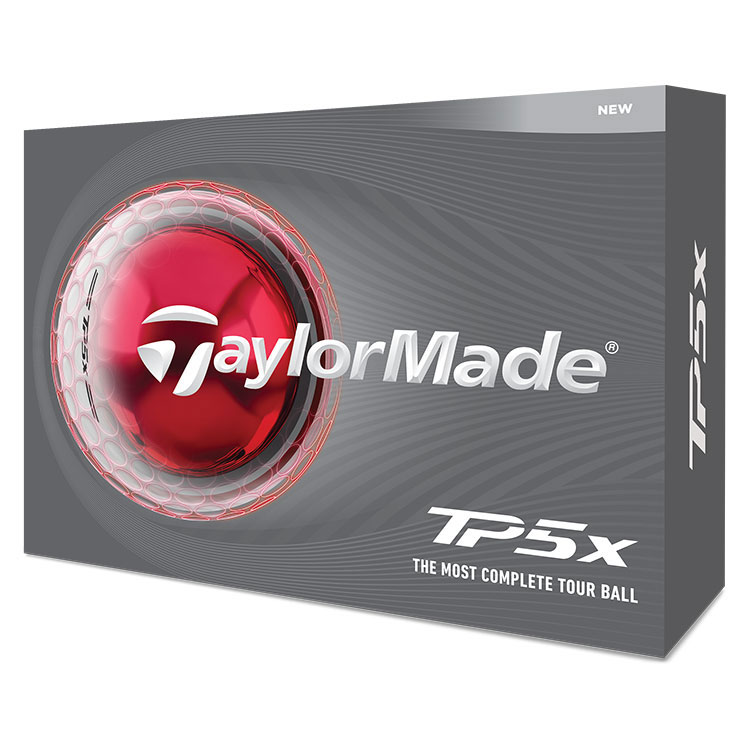
8.4/10TaylorMade TP5x review: the faster, firmer sibling — and who it's really for
Same five-layer tour pedigree as the TP5, tuned for speed and a flatter flight. The question isn't whether it's good — it's whether you're the swing it was built for.
Versus
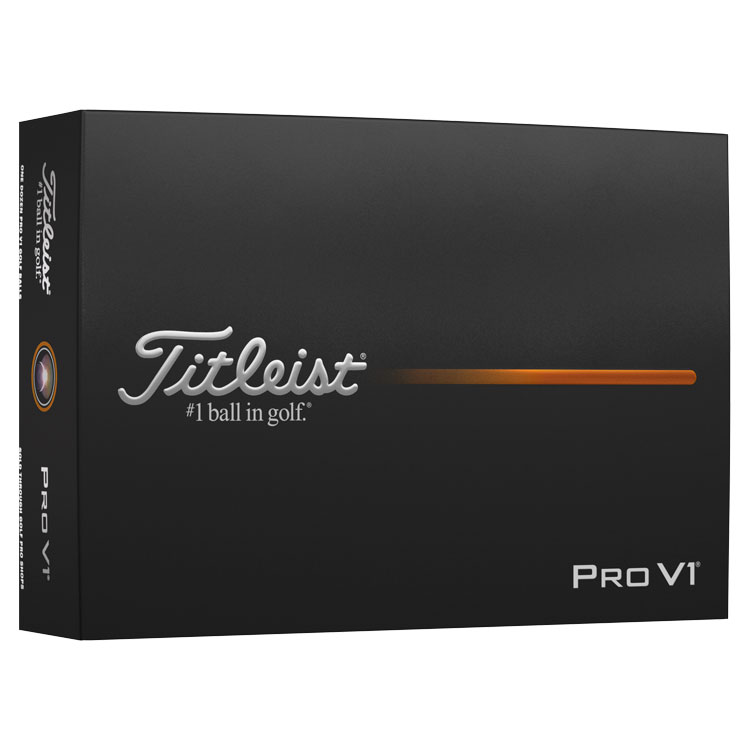
Titleist Pro V1 vs TaylorMade TP5: which tour ball actually fits your game?
The two balls tour players genuinely cross-shop, and the difference isn't distance — off the tee they're within a yard of each other. It's feel, flight and greenside spin, and most golfers pick on the badge instead. Here's how to choose on the thing that matters.
Review
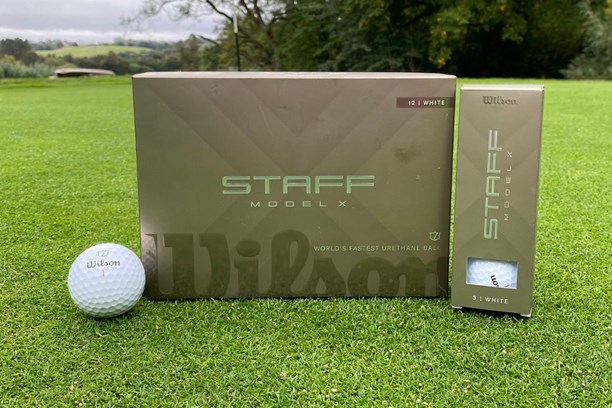
8.6/10Wilson Staff Model X review: America's oldest golf company makes the ball nobody plays
Wilson has been making golf equipment in Chicago since 1914 and claims more majors have been won with its irons than any other brand's — yet its tour ball is invisible next to the wall of Titleist. The Staff Model X won a major 2026 robot test outright, costs meaningfully less than the big premiums, and deserves far better than obscurity.
Review
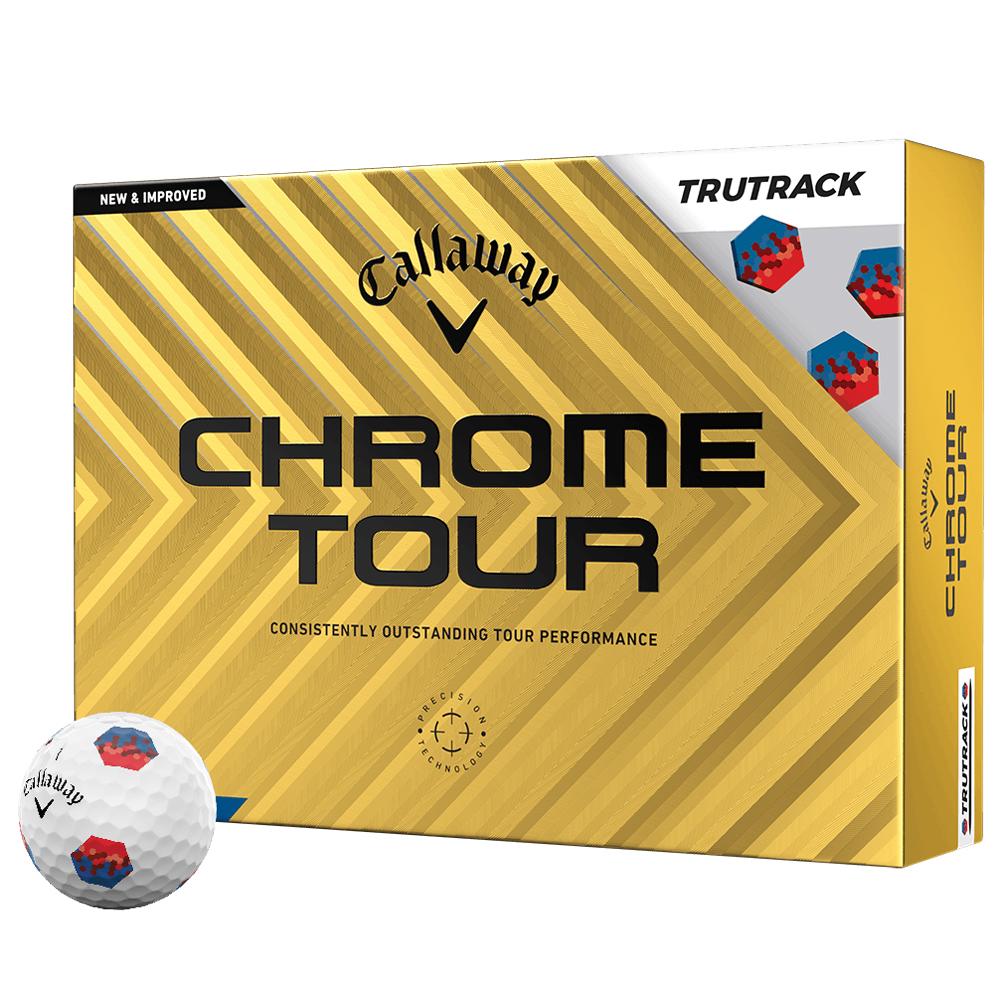
8.9/10Callaway Chrome Tour review: the longest premium ball just got faster
For a fast-swing player who wants maximum distance without giving up greenside control, the Chrome Tour is the premium ball to beat — it topped a major robot test for distance, and the latest version adds ball speed without softening its short game. The one thing to check is the firm feel.
Versus
Vice Pro Plus vs Bridgestone Tour B XS: the tour ball you won't find in the pro shop
Two urethane tour balls for fast swingers, built on opposite bets — and most golfers never even consider one of them. Vice skips the shop to sell tour spin for less; the 2026 Bridgestone Tour B XS chases soft feel and biting wedge spin for swings over 105 mph. Here's which one is actually right for your game.
Review
9.0/10Srixon Z-Star review: the tour ball that out-spun the Pro V1 — for less
Most golfers default to the two obvious names and never try the Z-Star. That's a mistake: it's a genuine three-piece urethane tour ball with elite greenside spin, a softer feel than almost anything at the top, and a lower price. Here's who should be playing it.
Versus
Pro V1 vs Chrome Tour: the premium ball question
The two balls most good players agonise over. They're closer than the tribalism suggests — here's how to actually choose.
Explained
Most golfers play the wrong ball — and it's the expensive one
Compression charts, dimple counts, fitting flowcharts: noise. The ball you pick comes down to one honest question, and for most amateurs the right answer costs a third of what they're spending now.
Opinion
Stop buying premium balls if you lose three a round
The Pro V1 is a magnificent golf ball. It is also a waste of your money if it spends half its life in the trees. The honest maths.
Versus
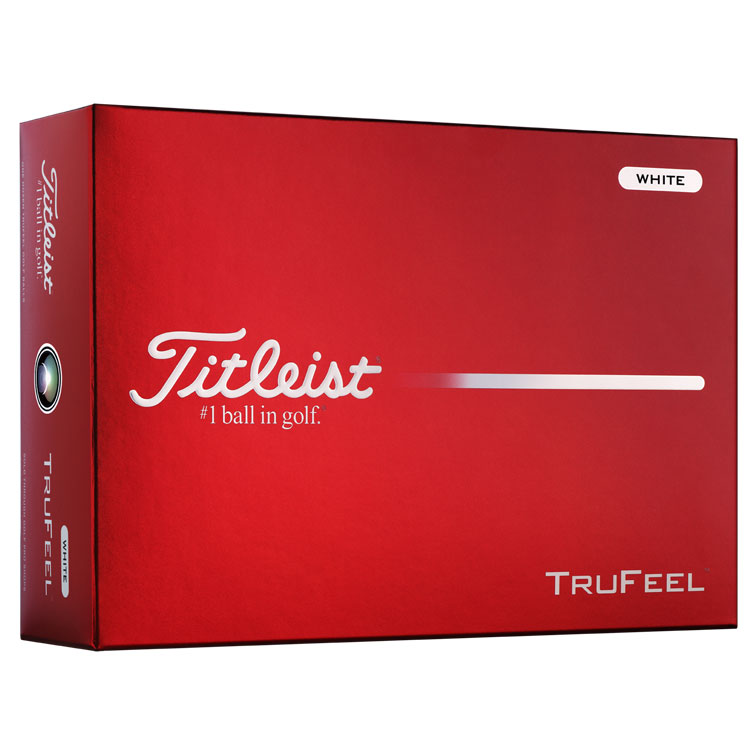
TruFeel vs Supersoft: the best value-ball face-off
The two value balls smart golfers actually play. Both are a fraction of tour-ball money — here's how to pick between them.
Review
9.2/10Titleist Pro V1 review: still the ball the whole game is measured against
The most-played ball in golf, full stop. Here's who should actually play it — and who's quietly wasting their money.
Explained
Do expensive golf balls actually make a difference?
Yes — but probably not the difference you think, and probably not for you. The no-marketing answer, with the robot-test data to back it.
Review
8.5/10Kirkland Signature golf ball review: the ball that embarrasses the big brands
Three-piece urethane for about a third of tour-ball money, and robot tests keep putting it near the top of the value pile. The hard part is finding it.
Versus
Pro V1 vs Pro V1x: which Titleist is actually your ball?
Same family, two different balls — and most golfers pick wrong out of habit. How to choose between the two best-sellers in golf.
Explained
Golf ball compression explained (and why it matters less than you think)
Low compression, high compression, swing speed — there's a lot of myth here. The plain-English truth about what compression does for your game.
Explained
How long do golf balls last? (And when to actually bin one)
That ball in your bag from 2019 is probably fine. The scuffed one you played last week probably isn't. The honest guide to golf-ball lifespan.
Review
8.7/10TaylorMade TP5 review: the tour ball that asks less of your swing
Five layers chasing one promise — premium greenside spin without punishing you for moderate speed. It mostly delivers.
Explained
The 2026 golf ball launches, decoded — does the new tech actually change anything?
Callaway's refreshed the Chrome Tour, XXIO's chasing easy speed, and every brand claims a breakthrough. The honest answer-first version: the year-on-year gains are tiny, and picking the right ball for your game matters far more than the model year.
Opinion
The ball rollback just got kicked to 2030 — and the USGA admitted it isn't enough
On 17 June the R&A and USGA backed off the distance rollback and pushed it to 2030 at the earliest. The delay is defensible. What replaces it should worry you more than the original rule ever did.
Versus
You don't have to pay tour-ball prices to play a tour ball, and these 2 win the argument on completely different grounds
One undercuts the premium tier on price and feel, the other beats it at its own game and happens to cost a little less. The right answer depends on whether you want to spend less or play the same ball a tour winner does.
Explained
37 of the 51 tour bags we track play the firmer ball. Scheffler and McIlroy don't.
Almost every tour ball ships as a pair, and the model name tells you which half you are holding. Across the bags we maintain the split runs close to three to one — and the exceptions are the two best players in the world.
Review
9.1/10Titleist Pro V1x review: the tour ball more of them actually play
Everyone calls the Pro V1 the tour ball. In the 53 bags we track, the V1x outnumbers it more than two to one. Here's who that flight actually suits.
Rules10 Jun 2026
The golf-ball rollback could land for everyone in 2030 — here's what it means for you
Golf's governing bodies are weighing a single, universal rollback date. Tour players could lose 10–14 yards; for the rest of us, it's nearer nothing.
Read