
Srixon Z-Star review: the tour ball that out-spun the Pro V1 — for less
Most golfers default to the two obvious names and never try the Z-Star. That's a mistake: it's a genuine three-piece urethane tour ball with elite greenside spin, a softer feel than almost anything at the top, and a lower price. Here's who should be playing it.
By Ross Hamilton · Staff Writer
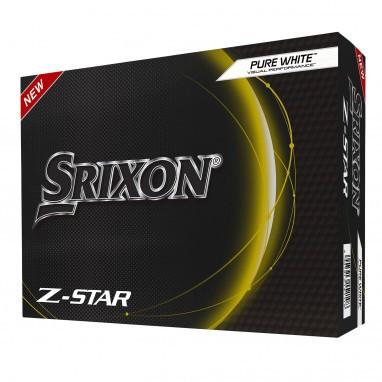
The verdict
Exceptional
What's great
- Elite greenside spin — out-spun the Pro V1 on the short-game test in 2025 robot data
- Genuinely soft feel from a low ~88 compression, rare in a proper tour ball
- Costs less than the big-two premiums, and Srixon discount it hard
Watch out
- Not the outright longest — distance-chasers may prefer the firmer Z-Star XV or a Chrome Tour
- That soft feel is a preference; firm-feel players may not love it
Bottom line — The smart low-to-mid handicapper's tour ball: premium short-game control and soft feel, for less.
Srixon
Srixon Z-Star Golf Balls (Dozen)
ifrothgolf earns a commission on purchases made through these links, at no extra cost to you. It never changes what I recommend. Full disclosure.
If you want premium short-game control and a soft feel without paying the very top price, the Srixon Z-Star is the tour ball to buy — and the one most golfers overlook. It is a full three-piece, urethane-covered tour ball that in independent 2025 robot testing actually out-spun the Pro V1 on the short-game test, and it typically costs less than the big-two premiums. Unless you are chasing the last yard off the driver, it competes with anything at the top.
The tour ball hiding in plain sight
Here is the thing about the premium ball market: most players pick one of two obvious names and never look further. The Z-Star is what they are missing. It is not a value ball pretending to be premium — it is a genuine three-piece urethane tour ball, the same category as the Pro V1, TP5 and Chrome Tour. In MyGolfSpy's 2025 testing it edged the Pro V1 for spin on the 35-yard shot, posting around 5,814 rpm, which is exactly the number that makes a chip check and sit instead of skidding past the flag. And it does that while sitting a good bit cheaper than the headline premiums — before Srixon's regular sales, which drop it further still.
How it feels and performs
The latest version uses a reworked FastLayer DG Core 2.0 that starts soft in the middle and firms up towards the outside, wrapped in a thin urethane cover with a Spin Skin+ coating that bites into wedge and chip shots. Compression sits around 88 — properly soft for a ball aimed at better players — so the feel off every club is notably gentle without turning mushy. Off the tee you still get genuine tour distance; the story here is not raw speed, it is control and feel. If you like a soft ball that grabs greens, this is as good as it gets.
The greenside behaviour is where you feel the money. On a pitch or a greenside chip the cover grabs and the ball checks, so you can be aggressive at a tucked pin and trust it to sit rather than release into trouble. On full wedges it drops and stops. That is the exact quality that separates a proper tour ball from a value one, and it is the reason a good short-game player should not be reaching for a two-piece distance ball to save a little — the strokes you lose around the green will cost more than the ball ever saved.
The value case, in plain numbers
Here is the part that ought to change more minds than it does. The Z-Star delivers this performance while sitting clearly below the headline premiums — and Srixon are famously aggressive on seasonal deals, so around big sale periods it drops into territory that undercuts the big two by a wide margin. Play a couple of dozen premium balls a season and that difference is real money, for a ball that a robot rated ahead of the Pro V1 on the shot that matters most to your score. It is rare to be able to say a cheaper option is genuinely better at anything against the market leader; around the green, this is one of those times. If you are minded to buy smart across the whole bag, the same logic runs through our guide to buying gear as new, last year's, or used.
Where it sits versus the Pro V1 and the field
Be honest with yourself about what you need. The Z-Star is not the longest ball in golf — if you swing hard and want maximum distance with a firmer feel, the Z-Star XV or a Callaway Chrome Tour will suit you better. And if you are torn between the classic premiums, our Pro V1 vs Chrome Tour comparison is the place to start. But for a soft-feel player who scores with their wedges, the Z-Star gives up nothing that matters and saves you money doing it. Not sure which type fits your game at all? Start with matching the ball to your game, or let our Golf Ball Finder answer it in three questions.
Who should play it — and who should skip
Play it if you are a low-to-mid handicapper who values soft feel and serious greenside control, and you are not obsessed with squeezing the last yard out of the driver. Skip it if you want the firmest possible feel or the absolute maximum distance — go XV or Chrome Tour — or if you lose a sleeve of balls a round, in which case a proper tour ball is money in the pond and you should read our take on how to choose a golf ball first. For everyone who keeps their ball in play and scores around the green, the Z-Star is one of the smartest buys in golf. See the full field in our best premium golf balls guide.
Where to buy
9.0/10Srixon
Srixon Z-Star Golf Balls (Dozen)
The softest-feeling tour ball going, and it quietly costs less than the big two.
ifrothgolf earns a commission on purchases made through these links, at no extra cost to you. It never changes what I recommend. Full disclosure.
Frequently asked
- Is the Srixon Z-Star as good as a Pro V1?
- For most golfers, yes — and for short-game spin it can be better. In 2025 robot testing the Z-Star out-spun the Pro V1 on the 35-yard shot. The Pro V1 is the more balanced all-rounder, but the Z-Star matches it on feel and greenside control while costing less.
- Z-Star or Z-Star XV — which should I play?
- Play the standard Z-Star for a softer feel and the highest greenside spin; play the firmer Z-Star XV if you swing faster, want a touch more distance and a more penetrating flight. Both are tour balls — it comes down to feel and swing speed.
- Is the Z-Star good for high handicappers?
- It is a premium tour ball, so it rewards a player who can control spin and keeps the ball in play. If you lose several balls a round or are still learning, a durable value ball makes more sense until your game settles.
- Does the Z-Star spin more than a Pro V1?
- Around the green, the 2025 Z-Star tested higher for spin than the Pro V1 on short shots. Off the driver the two are close; the Z-Star's headline strength is soft feel and short-game bite rather than low long-game spin.
Read next
Review
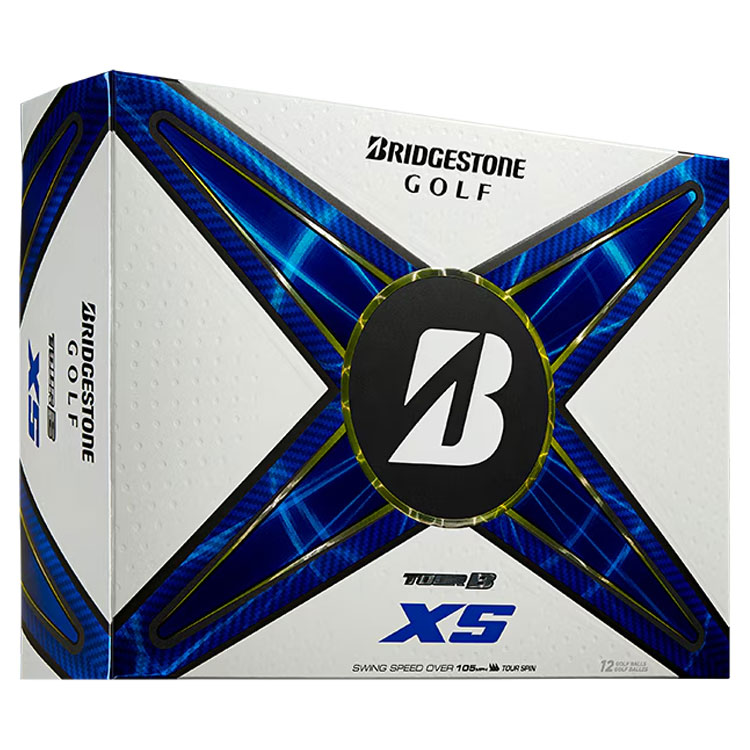
8.3/10Bridgestone Tour B XS review: the soft-feel tour ball for fast swingers
A three-piece urethane tour ball built around Bridgestone's fastest staffers, at the soft, spinny end of the line. Who should play it over a Pro V1 or TP5?
Review
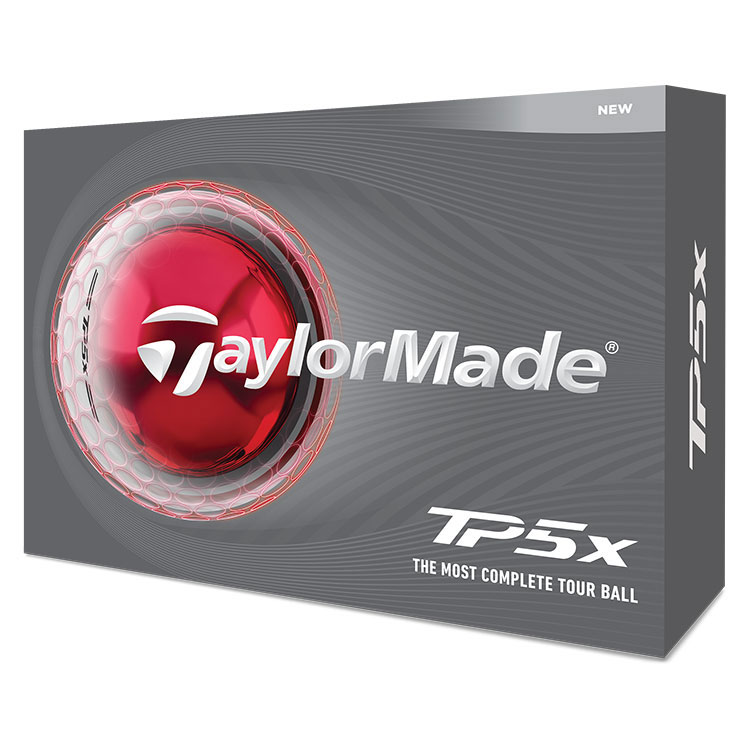
8.4/10TaylorMade TP5x review: the faster, firmer sibling — and who it's really for
Same five-layer tour pedigree as the TP5, tuned for speed and a flatter flight. The question isn't whether it's good — it's whether you're the swing it was built for.
Versus
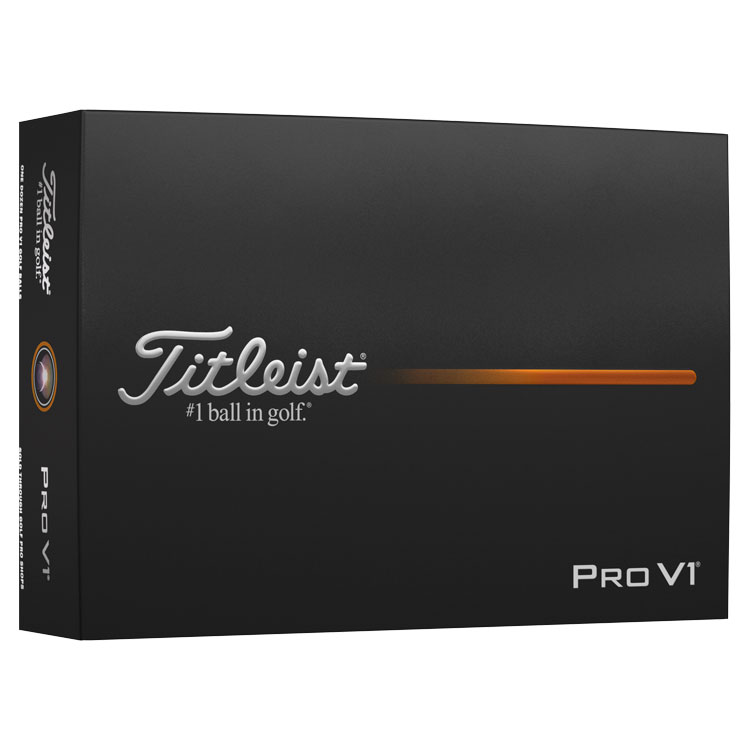
Titleist Pro V1 vs TaylorMade TP5: which tour ball actually fits your game?
The two balls tour players genuinely cross-shop, and the difference isn't distance — off the tee they're within a yard of each other. It's feel, flight and greenside spin, and most golfers pick on the badge instead. Here's how to choose on the thing that matters.