
Match the ball to your game: spin, feel, and what your shots are telling you
A simple decision framework for choosing a golf ball based on your speed and your misses, not on what the tour plays.
By Ross Hamilton · Staff Writer
 Explained
The best ball for you is the one that fits your speed and your misses, not the one in the winner's bag. If you have the speed and want greenside control, play a tour ball. Moderate speed and want soft feel for less money, play a value ball. Losing sleeves or chasing distance, play a low-spin distance ball.
There is a layer beneath the three buckets that decides whether your choice actually sticks: how you test a ball, and which myths you ignore while doing it. Most players pick a ball off a shelf, never compare it head-to-head with anything, and credit or blame it for scores it had nothing to do with. The genuinely useful approach is small, deliberate and starts where the ball matters most, around the greens, not off the tee where ego lives. The sections below give you a way to test that produces an honest answer in an afternoon, and clear up the compression confusion that sends so many golfers towards the wrong ball for entirely the wrong reasons.
Golf balls are the only piece of equipment you replace constantly, and the only one most players choose for the wrong reasons. The marketing sells spin and tour validation; your game needs the right trade-off between three things that pull against each other: spin, distance, and feel. Get the trade-off right and the ball quietly helps every shot. Get it wrong and you're paying for performance you can't access.
What your shots are actually telling you
Before you pick a ball, read your own game honestly. Do your wedge shots check and stop, or do they release out twenty feet? Does your driver balloon and spin up, or do you need more carry? Do you finish most rounds with the ball you started, or are you reaching into a fresh sleeve at the turn?
Those answers matter more than any spec sheet. A ball that adds greenside spin is wasted if your full swing already spins too much. A premium ball is wasted if you lose three a round. The framework below sorts players by speed and by the miss they're trying to solve — and if you'd rather answer three quick questions than read the whole thing, our Golf Ball Finder runs the same diagnosis for you.
High speed, want spin and control: a tour ball
If you swing with real speed and your short game can use it, a multi-layer tour ball is the genuine performance choice. These balls give you the most greenside spin and the firmest, most controlled feel into and around the green, the shots that separate scores at lower handicaps.
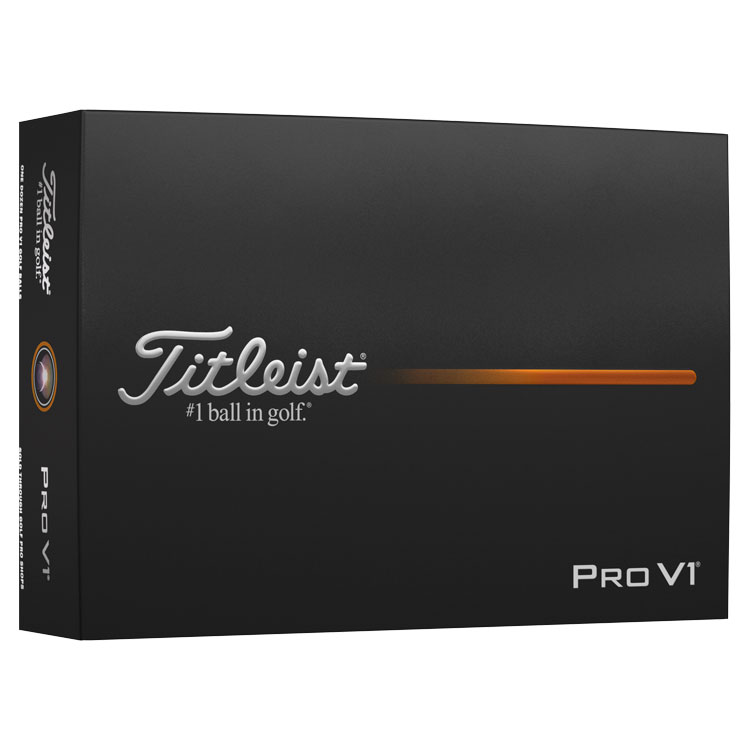
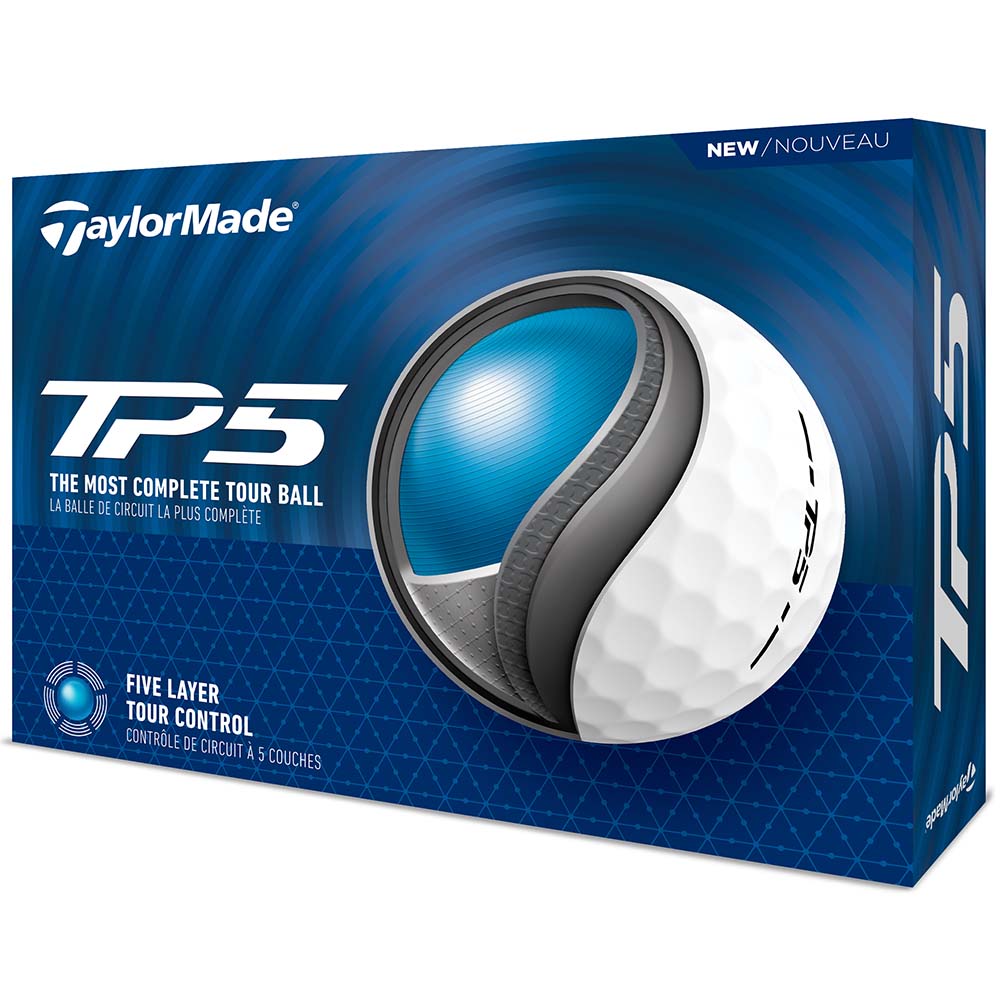
The Titleist Pro V1 is the benchmark for a reason: independent testing and decades of owner consensus put it at the top for consistency, greenside bite and flight control. If you want a slightly softer feel with even higher full-swing spin for shaping shots, the TaylorMade TP5 is the five-layer alternative that many shot-shapers prefer. Both reward a player who can actually feel the difference; if you can't yet, you're paying for headroom you don't use.
Moderate speed, want soft feel and value: a softer ball
Most golfers sit here, and most golfers ignore it. If your swing speed is moderate and your priority is a pleasant, soft feel without premium pricing, a softer-compression ball is the smart match. You'll give up a little greenside spin you probably weren't generating anyway, and you'll save real money on a consumable you lose.
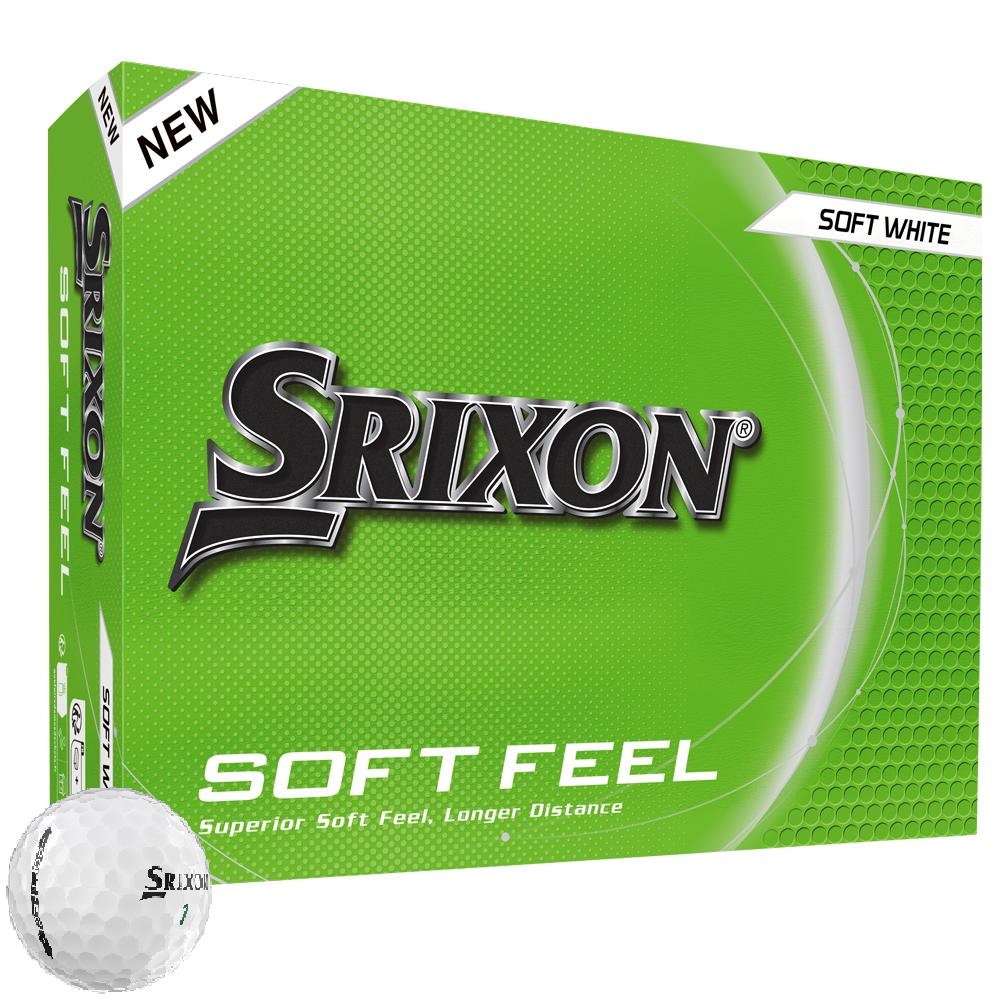
The Srixon Soft Feel is the archetype: a low-compression core that's easy to launch, feels soft off every club, and costs a fraction of a tour ball. For the moderate-speed player it performs comparably where it counts, and the value means you can play your distances without flinching every time one finds the water.
Lose balls or want distance off the tee: a distance ball
If your scorecard's biggest enemy is balls lost, or you simply want maximum carry and a penalty-free tee shot, a firm, low-spin distance ball is the honest answer. Lower driver spin means straighter, longer tee shots for many players, and the durable cover and lower price mean losing one barely registers.
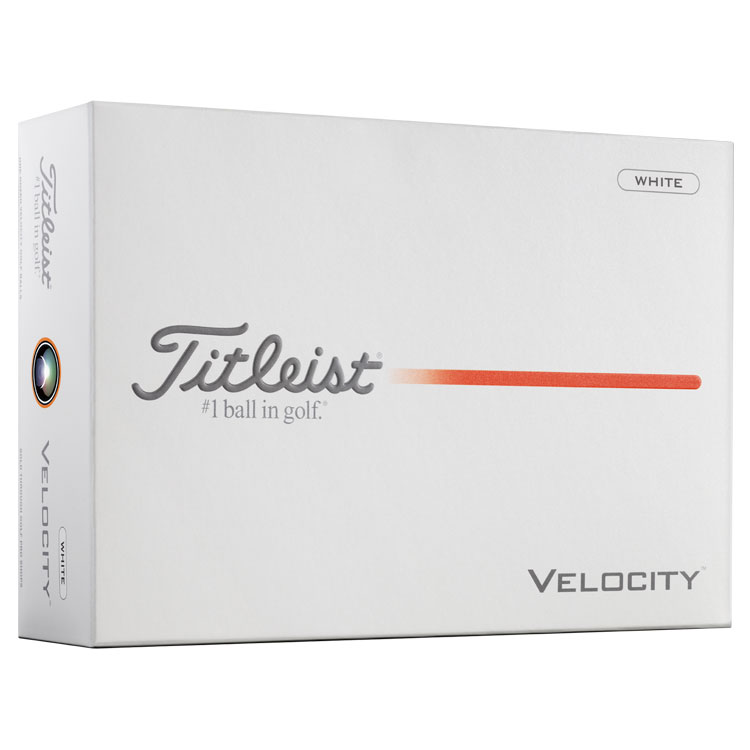
The Titleist Velocity is built squarely for this: firm feel, high speed, low long-game spin and a flight tuned for distance. You sacrifice greenside bite, but if you're not stopping wedges on a dime anyway, that's a trade worth making for more fairways found and fewer balls in your pocket.
How to actually test a ball, greens first
The mistake almost everyone makes is testing balls on the range with a driver, where the differences are smallest and the temptation to chase a yard or two is largest. Flip the order. The biggest, most useful differences between balls show up around the green, so start there. Take two or three candidate balls to a chipping and putting area and hit the same simple shots with each: a short pitch, a longer chip, a few putts. You are feeling for how each ball comes off the face, how it reacts on the second bounce, and whether it checks or releases. These short shots reveal a ball's character far more honestly than a launch monitor session ever will.
Then work backwards through the bag: a handful of wedge shots to a target, then mid-irons, and only last the driver. Keep it controlled, alternate balls on the same shot rather than hitting ten of one then ten of another, so fatigue and warm-up do not skew the result. What you are looking for is not the longest ball but the one whose feel and reaction you can predict, the one that does the same thing twice. Buy a single sleeve of two or three contenders rather than committing to a dozen blind, run them through this greens-first test, and let the short game pick the winner. The ball that behaves consistently where you score is the right ball, regardless of what it did off the tee.
Compression myths, consistency, colour and weather
The compression-equals-swing-speed rule is the most repeated half-truth in golf. Modern multi-layer balls have shrunk the old penalties, and feel is subjective, so the firm advice that a slower swing must play a low-compression ball is shakier than it sounds. Treat compression as a feel preference to confirm by testing, not a law that picks your ball for you. Plenty of moderate-speed players prefer the feel and greenside behaviour of a firmer ball and lose nothing meaningful in distance, while plenty of fast swingers happily play something softer. The only reliable way to know is the greens-first test above; the number on the box is a starting hint, not a verdict.
What matters more than finding the theoretically best ball is playing the same ball every round, because consistency is what lets you learn your true distances and trust your reaction shots. A slightly wrong ball played consistently beats the perfect ball you swap every weekend. Colour is a genuine help, not a gimmick, for some players: a high-visibility yellow or matte finish is easier to track in flat winter light, against autumn leaves or in patchy rough, and easier tracking means fewer lost balls and less standing in the wrong spot. Weather tilts the choice too. Cold air stiffens feel and costs carry, so many players go a touch softer in winter, and a low-spin distance ball can help hold its line in strong wind. Pick for the conditions you most often play, then commit.
The trade-off you can't escape
Here's the physics nobody can market away: more greenside spin usually means more driver spin and a softer, less durable ball, while less spin means more distance and durability but less bite. No ball wins all three. Choosing a ball is choosing which trade-off helps your game most.
So pick deliberately. Read your wedge release, your driver flight and your ball-loss rate, match those to one of the three buckets above, then play that ball long enough to learn your distances. Switching models every round is how you stay bad at every yardage. The right ball for your game is a decision you make once and commit to, not a fresh experiment every weekend.
Products mentioned in this article
Titleist
Titleist Pro V1 Golf Balls (Dozen)
The benchmark tour ball: pick it if you have the speed and short game to actually use its greenside spin and control.
TaylorMade
TaylorMade TP5 Golf Balls (Dozen)
A five-layer tour ball alternative to the Pro V1, leaning slightly softer with high full-swing spin for shot-shapers.
Srixon
Srixon Soft Feel Golf Balls (Dozen)
The moderate-speed sweet spot: soft feel and genuine value when you don't need full tour spin.
Titleist
Titleist Velocity Golf Balls (Dozen)
A firm, low-spin distance ball built for speed off the tee and fewer balls lost, not greenside bite.
ifrothgolf earns a commission on purchases made through these links, at no extra cost to you. It never changes what I recommend. Full disclosure.
Frequently asked
- How do I know if I have enough speed for a tour ball?
- Less about a single number and more about whether your wedges check up and your driver doesn't balloon. If your short game can produce and use greenside spin, a tour ball rewards you; if not, you're paying for unused performance.
- Will a distance ball really go straighter?
- For many players, yes, because lower driver spin reduces the curve on a sliced or hooked tee shot. You give up greenside spin in return, which is a fair trade if you weren't stopping wedges anyway.
- Is a soft ball worse than a firm one?
- No, it's a different trade-off. Softer, lower-compression balls suit moderate speeds with easy launch and pleasant feel; firmer balls suit higher speeds. Match it to your speed rather than treating one as superior.
- Should I switch balls between rounds?
- No. Pick one ball that fits your game and play it consistently so you learn your real distances. Constant switching changes spin and flight just enough to undermine your yardages.
Read next
Review
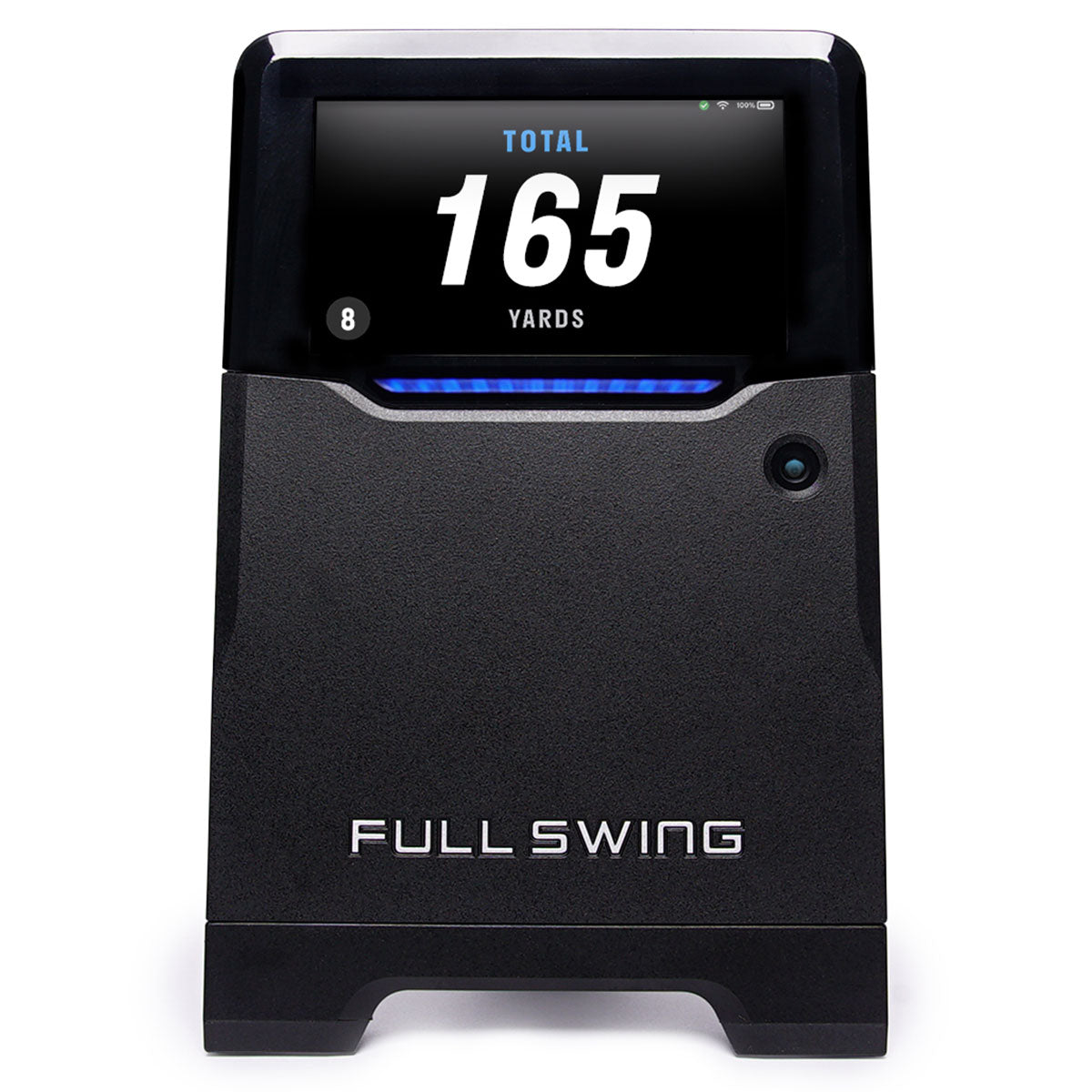
7.9/10Full Swing KIT review: the tape measure decides this, not Tiger
Tour pedigree, TGL on ESPN, and radar good enough to be checked against a Trackman outdoors. It also wants eighteen to twenty feet of room, which rules out most of the garages people buy it for.
Versus
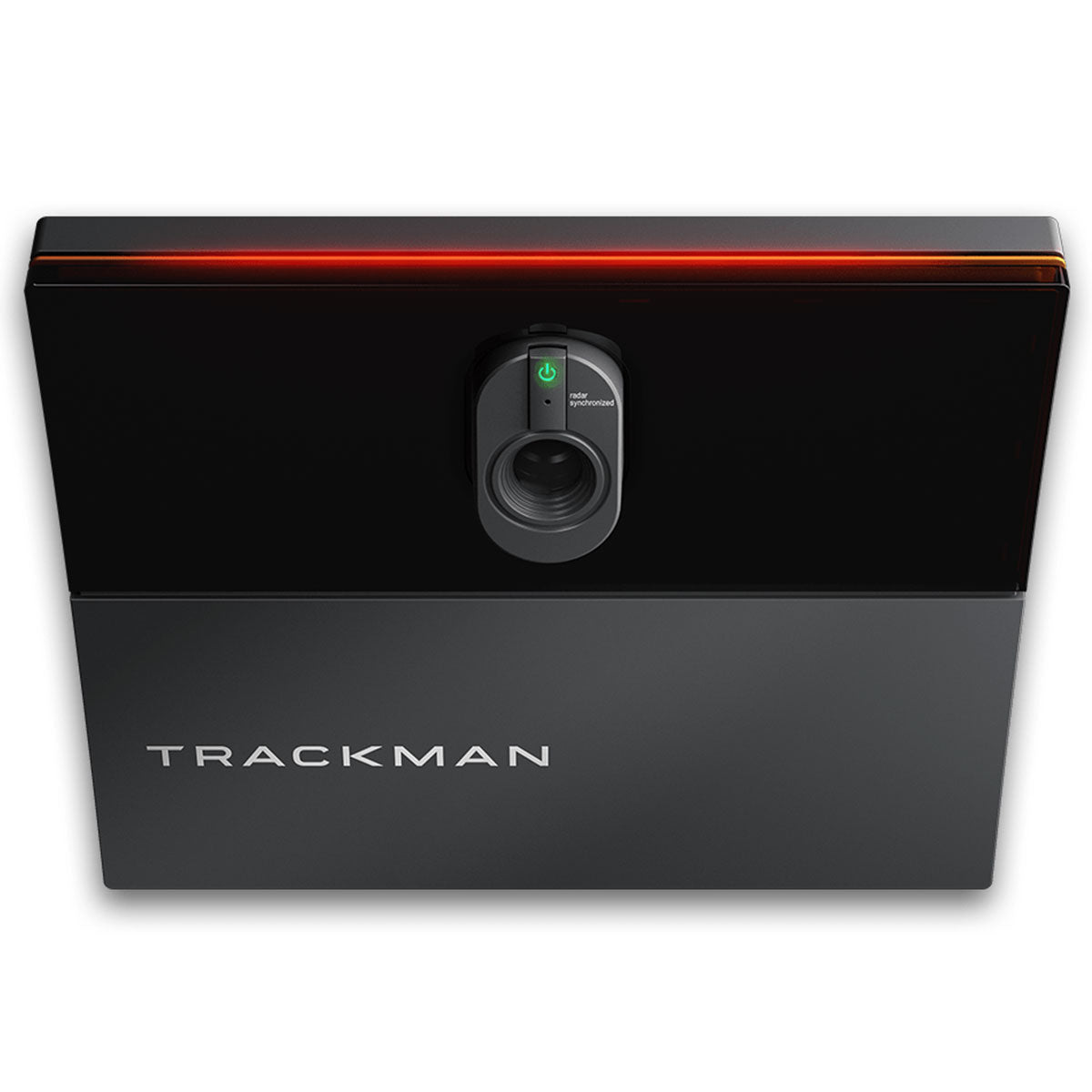
Trackman iO vs Uneekor EYE XO2: the year-one trap
Both mount overhead, both want ten feet of ceiling, and about $3,000 separates them on the shelf. Then Trackman's included first year runs out, and the gap starts growing by $1,100 a year.
Versus
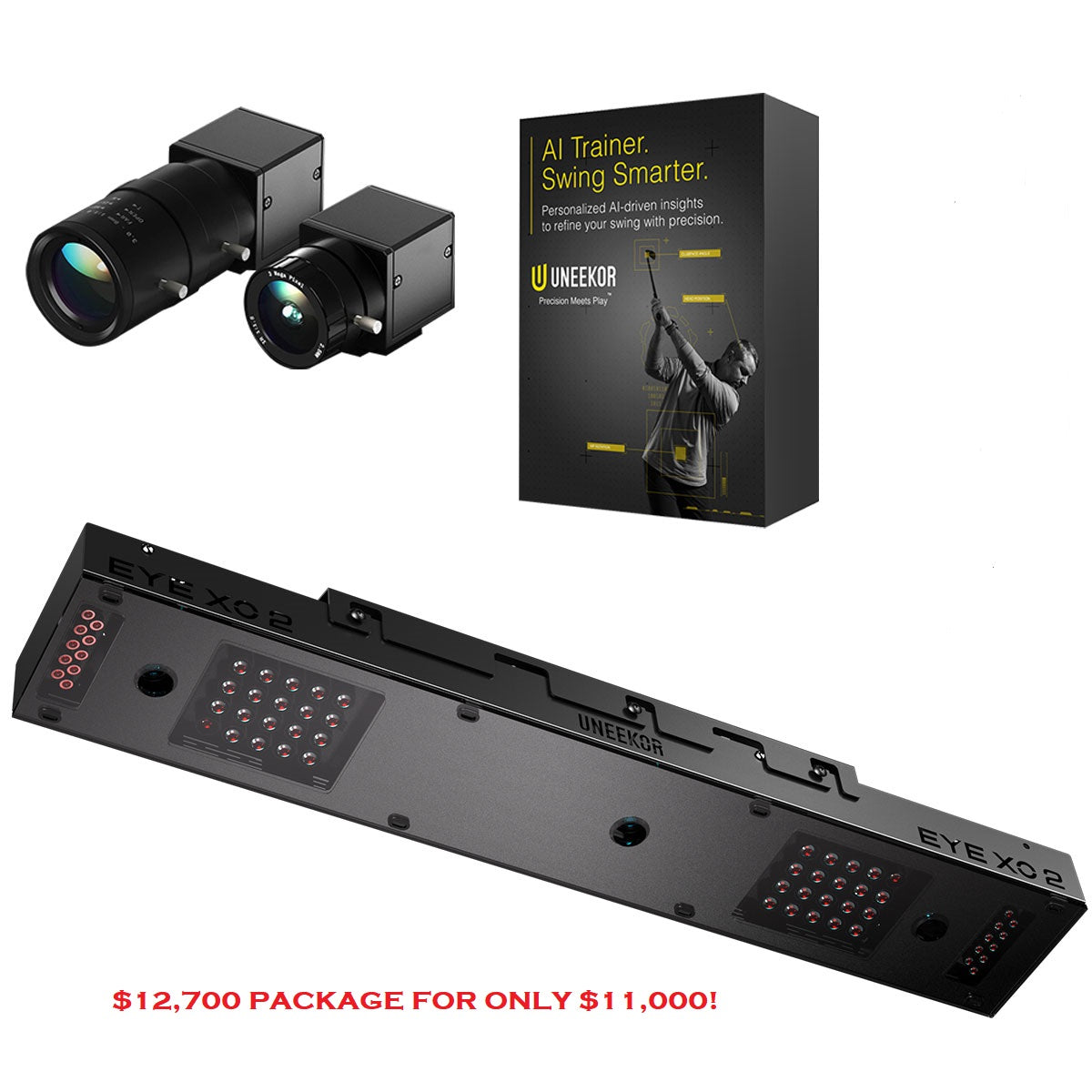
Uneekor EYE XO2 vs Foresight GC3: ceiling or floor?
About $4,000 separates them, but they're not really rivals — one lives in your ceiling forever, the other sits on the floor and travels. The cheaper one is also the one with no subscription.