
Titleist Pro V1 review: still the ball the whole game is measured against
The most-played ball in golf, full stop. Here's who should actually play it — and who's quietly wasting their money.
By Ross Hamilton · Staff Writer
The verdict
Exceptional
What's great
- The most consistent, predictable ball in golf — carry, flight and feel
- Gold-standard greenside spin from the soft cast-urethane cover
- Penetrating flight that holds up in wind
- V1 and V1x options cover most flight and feel preferences
Watch out
- Expensive — punishing if you lose balls
- Higher handicappers won't feel the benefit over a good value ball
- No distance advantage — value balls now carry within a yard or two
Bottom line — If you flight your irons and spin your wedges, it's the best ball you can play. If you lose three a round, it's money in the trees.
Titleist
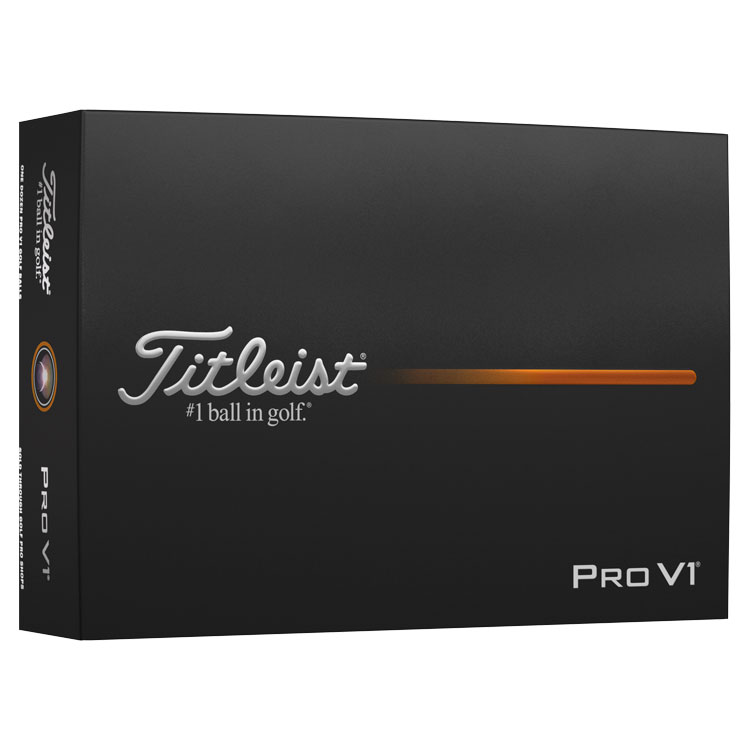
Titleist Pro V1 Golf Balls (Dozen)
ifrothgolf earns a commission on purchases made through these links, at no extra cost to you. It never changes what I recommend. Full disclosure.
If you flight your irons and spin your wedges, the Pro V1 is the best ball you can play — the benchmark every other premium ball is measured against, and the 2026 version sensibly doesn't touch the formula. If you lose three a round, it's money in the trees. That's the whole review in two sentences; here's the detail that tells you which golfer you are, and why the most-played ball in golf still earns the title.
What you're paying for
A mid-spin, mid-flight three-piece urethane ball with the most predictable behaviour in golf: a penetrating flight that holds up in wind, carry distances you can set your watch by, and greenside spin that's still the gold standard. The soft cast-urethane cover is the heart of it — it grabs the grooves on wedges and short irons in a way the firmer ionomer covers on value balls can't quite match. Crucially, what you are NOT paying for is distance. Large robot tests — one recent study fired dozens of models through tens of thousands of shots — now put good value balls within a yard or two of the flagships off the driver. The premium buys control and consistency, not yards. Spend with that clear in your head and you'll never feel short-changed; spend expecting extra distance and you'll wonder where it went.
On the course
It does the rare thing of giving you nothing to think about. Iron shots carry the same every time, the flight is boring in the best possible way — no surprise floaters, no knuckling ducks — and around the greens it checks and bites exactly when asked. The feel off the putter is firm-but-soft, the sound is muted and reassuring, and on a pitch it releases predictably enough that you can start trusting your landing spots. That predictability compounds over a round: when the ball behaves identically shot after shot, you stop second-guessing your yardages and start committing to them, which is its own kind of stroke-saving. This is why the largest body of tour players in the game reaches for it: not because it's longer, but because it removes a variable. If your game is sharp enough to notice, this is as good as it gets, and the gap to its closest rival is genuinely down to feel, as we found in Pro V1 vs Chrome Tour.
Pro V1 or Pro V1x?
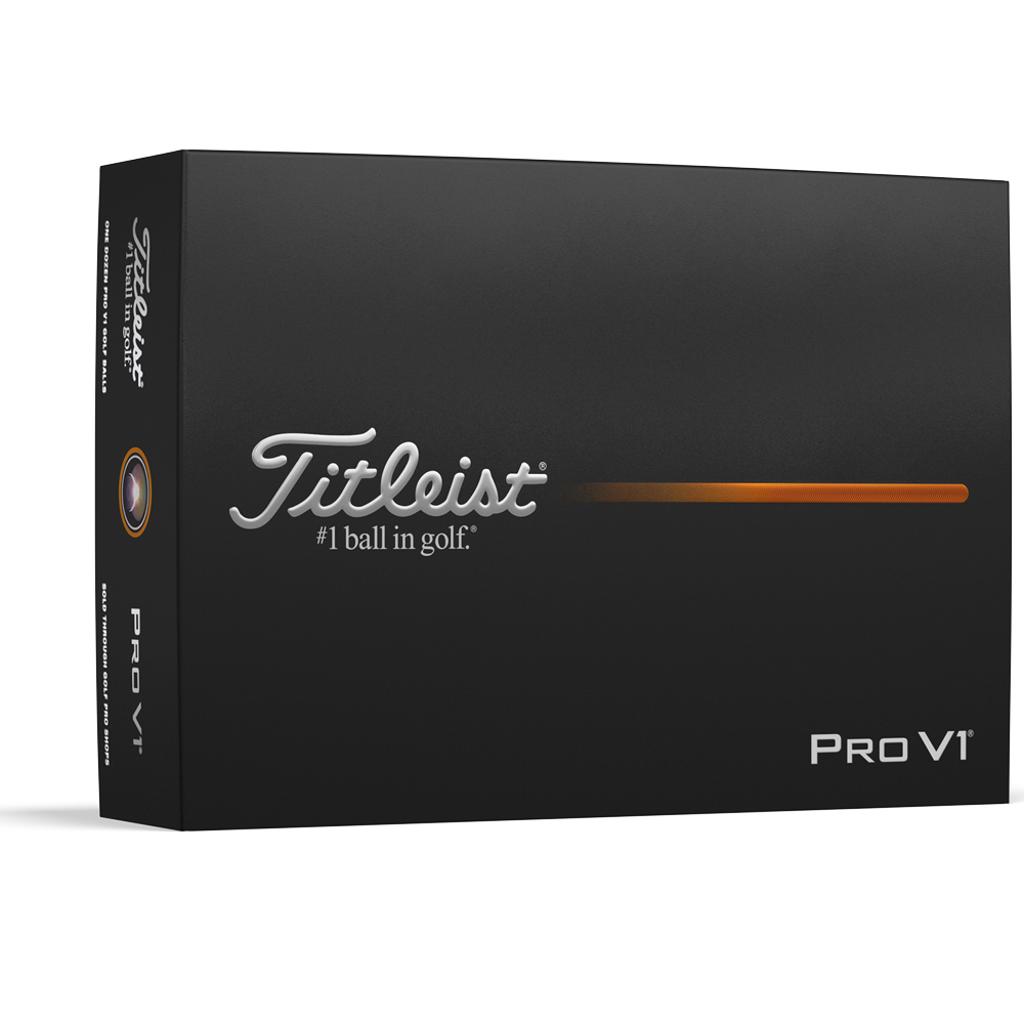
Worth a paragraph, because it's the question every prospective buyer asks. The standard Pro V1 flies a touch lower with a slightly softer feel and marginally more greenside spin; the Pro V1x flies higher, spins a little more on full iron shots and feels firmer underfoot. Faster swingers who want a higher, more towering flight and extra stopping power on long irons tend to lean V1x; most everyone else is better served by the more universally suited V1. There's no wrong answer — it's a flight-and-feel preference — but the full breakdown is in Pro V1 vs Pro V1x.
The 2026 version and the rollback question
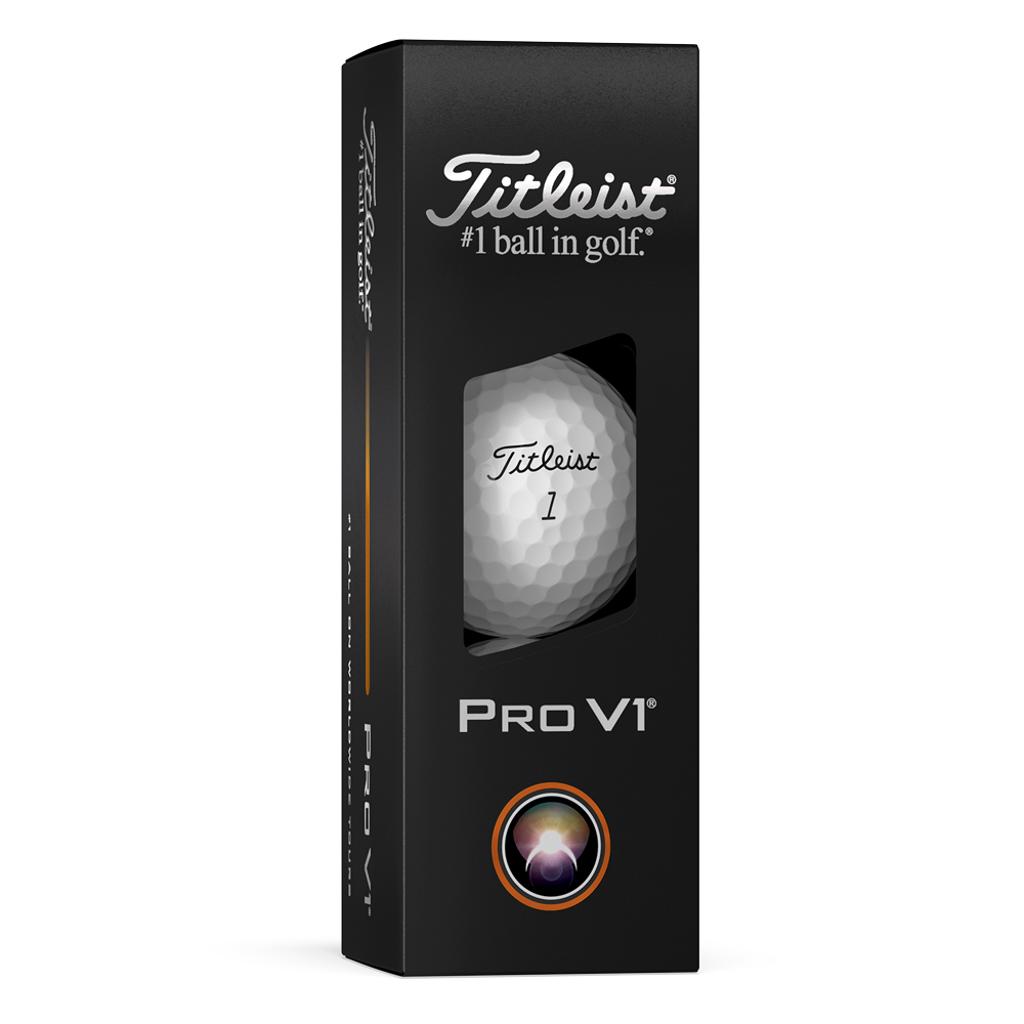
Two things worth clearing up before you buy. First, the 2026 Pro V1 sensibly leaves a winning formula alone — there's no dramatic reinvention to chase, and no reason to feel you're buying yesterday's ball if you find a previous run discounted. Second, the rollback. You've probably seen the panic; ignore it. For a recreational golfer the distance rule costs roughly 5 yards or less and doesn't bite until at least 2030, by which point your Pro V1 will simply be a near-identical reformulated version. It is not a reason to stockpile, to wait, or to change what you play. The decision in front of you is the same one it's always been: can your game use premium greenside spin?
Who should skip it
The honest catch: most golfers can't use what they're paying for. Lose three a round and you're chipping coins into the trees. A higher handicapper won't feel the spin benefit enough to justify double the price of a strong value ball, and the extra greenside spin can even exaggerate a slice off the tee, sending mis-hits further into trouble. The spin needs clubhead speed and clean contact to appear at all — the cover can't bite a ball you've thinned. If that's your game today, a three-piece urethane Kirkland Signature gets you most of the spin for a fraction of the cost, and a soft value ball scores you the same for less. We put the blunt case in stop buying premium balls and the calmer one in how to choose a golf ball — or answer three questions in our Golf Ball Finder and see which side of the line you land on.
Pro V1, or save your money?
Play it if you're a genuine ball-striker who uses the spin and isn't haemorrhaging balls — it's the safe, do-everything pick, and at this level the right call. There's no clever alternative to recommend over it for the player it's built for; it earns its 9.2 by being the most complete and trustworthy ball in the game, not the longest or the cheapest. Everyone else: a committed value ball scores the same for a third of the cost, as do expensive golf balls make a difference lays out, and the savings are better spent on a lesson. And don't let rollback chatter sway you — it changes nothing for you, with recreational golfers facing ~5 yards or less no sooner than 2030. The full field is in our best premium golf balls guide.
Where to buy
9.2/10Titleist
Titleist Pro V1 Golf Balls (Dozen)
The most-played ball in golf, the all-round tour benchmark.
ifrothgolf earns a commission on purchases made through these links, at no extra cost to you. It never changes what I recommend. Full disclosure.
Frequently asked
- Is the Titleist Pro V1 worth the money?
- For low-single-figure to mid ball-strikers who flight irons and spin wedges, yes — it's the most consistent ball in golf. For higher handicaps or anyone losing several balls a round, a committed value ball performs just as well for far less.
- Pro V1 or Pro V1x?
- Pro V1 flies a touch lower with slightly more greenside spin and a softer feel; Pro V1x flies higher with more iron spin and a firmer feel. Faster, higher-launch players lean V1x; most others prefer the V1.
- Does the Pro V1 go further than a cheap ball?
- Barely. Driver-distance differences between premium and value balls are now a yard or two in robot testing. You pay the Pro V1 premium for greenside control and consistency, not distance.
- What's the difference between the Pro V1 and a value ball like the Kirkland?
- Mostly the cover and the consistency. Both can spin — the three-piece urethane Kirkland famously cracked 6,000 rpm in testing — but the Pro V1 edges it on shot-to-shot consistency, refinement around the greens and quality control. Whether that gap is worth double the price depends entirely on whether your game can feel it.
Read next
Review
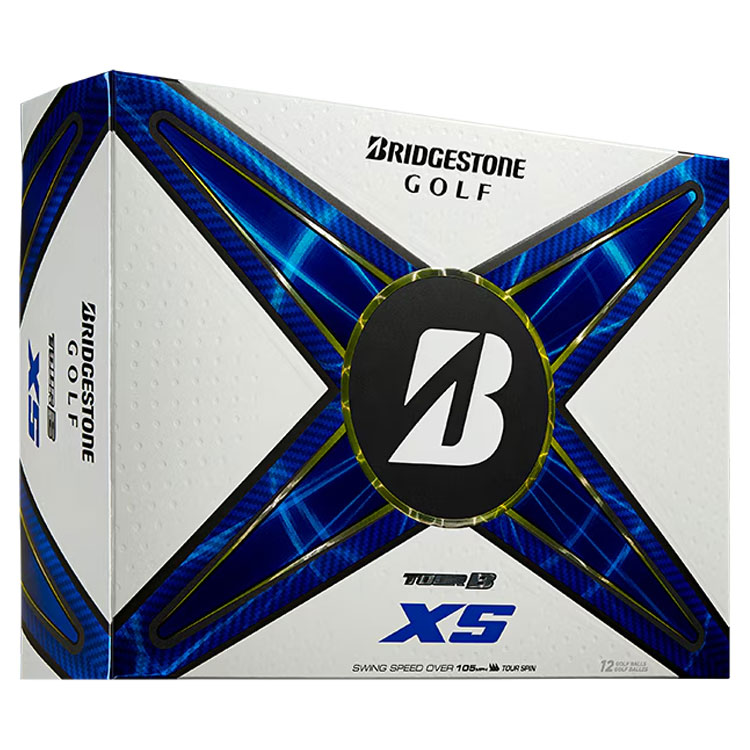
8.3/10Bridgestone Tour B XS review: the soft-feel tour ball for fast swingers
A three-piece urethane tour ball built around Bridgestone's fastest staffers, at the soft, spinny end of the line. Who should play it over a Pro V1 or TP5?
Review
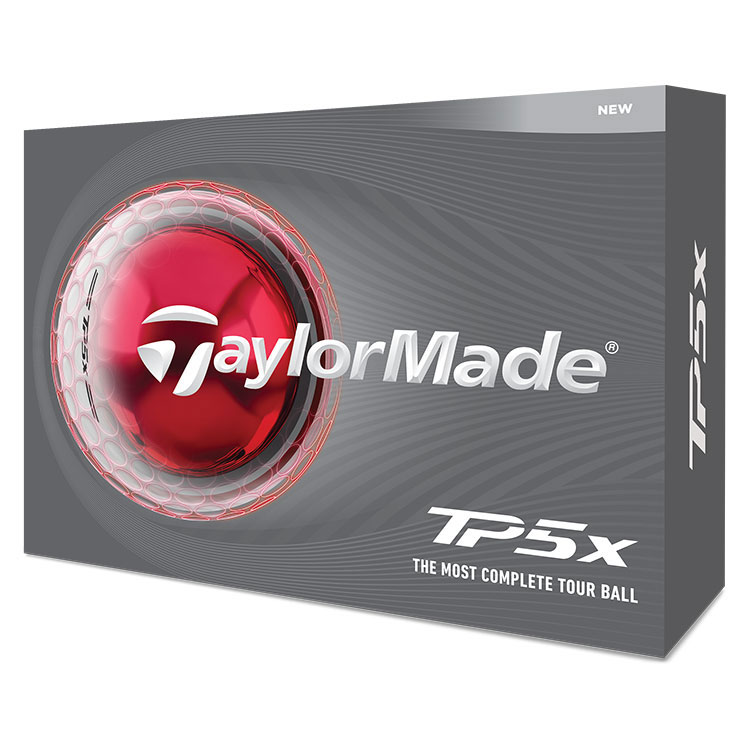
8.4/10TaylorMade TP5x review: the faster, firmer sibling — and who it's really for
Same five-layer tour pedigree as the TP5, tuned for speed and a flatter flight. The question isn't whether it's good — it's whether you're the swing it was built for.
Versus
Titleist Pro V1 vs TaylorMade TP5: which tour ball actually fits your game?
The two balls tour players genuinely cross-shop, and the difference isn't distance — off the tee they're within a yard of each other. It's feel, flight and greenside spin, and most golfers pick on the badge instead. Here's how to choose on the thing that matters.