
Do expensive golf balls actually make a difference?
Yes — but probably not the difference you think, and probably not for you. The no-marketing answer, with the robot-test data to back it.
By Ross Hamilton · Staff Writer
 Explained
Yes, expensive golf balls are genuinely different — but the difference lives almost entirely around the greens, and it only matters if your game can use it. For most golfers the honest answer is that a value ball you commit to will score the same or better and save you a fortune. Here's exactly where the money goes, what the robot data actually shows, and who should spend up.
Where the premium actually is
One number frames the whole question before we get to whether it applies to you. Across the 49 current tour bags we track, every single player is on a premium urethane tour ball — 49 out of 49, no exceptions. Titleist alone accounts for 27 of them. At the level where the ball genuinely is the difference between winning and finishing tenth, the argument this article is having simply does not exist. That is the strongest case for premium balls anyone can make, and it is also, as the rest of this piece explains, the least relevant one to your Saturday fourball.
A premium urethane ball like the Pro V1 buys you one thing above all: greenside spin. The soft cast-urethane cover grabs the grooves on wedges and short irons, so a skilled player can stop the ball by the flag and spin it back. That's real, and it's worth paying for — if you can access it. The part the marketing buries is that the distance gap has almost closed. Large robot tests (one recent study fired 62 ball models through 50,000 shots) show value balls now carry within a yard or two of the flagships off the driver. Premium balls and value balls increasingly share construction ideas, too — multi-piece designs, low-spin cores — so the headline numbers converge. You are no longer buying distance with a premium ball; you're buying short-game control and shot-to-shot consistency, full stop.
Premium vs value: the spec that matters
Forget compression numbers and dimple counts — the one spec that drives the price gap is the cover. Premium balls wrap a multi-piece core in soft cast urethane, which is grippier on wedge grooves and produces more greenside spin; most value balls use a firmer, more durable ionomer (Surlyn) cover that spins less around the greens but flies straighter off the tee because it resists curving. That's the whole trade in a sentence: urethane for greenside bite, ionomer for tee-shot forgiveness. A handful of value balls — the Kirkland Signature chief among them — now use urethane too, which is exactly why the cheap-versus-premium line has blurred. Piece count (two-piece value, three-to-five-piece premium) follows from the same logic: more layers let engineers separate low driver spin from high wedge spin, the trick you're really paying for at the top.
The catch for higher handicaps
That greenside spin needs clubhead speed and clean contact to show up — and off the tee, extra spin can actively hurt, exaggerating a slice or a hook. So for a mid-to-high handicapper a premium ball can make you worse off the tee while handing you greenside spin you don't yet have the technique to use. You pay double to lose a little accuracy and gain a skill you can't access. That's the worst trade in golf — and it's the single most common way amateurs waste money on equipment.
The value balls that embarrass the price tag
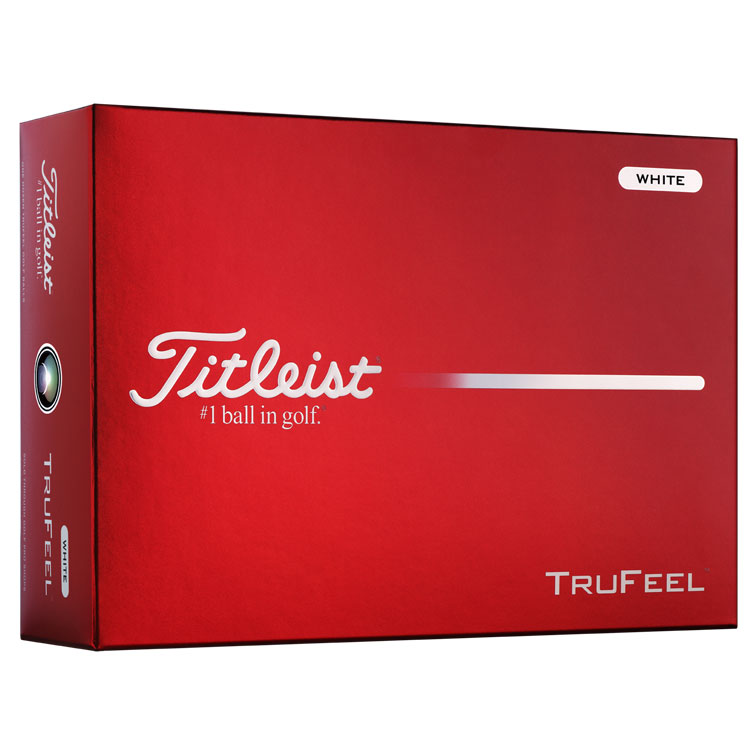
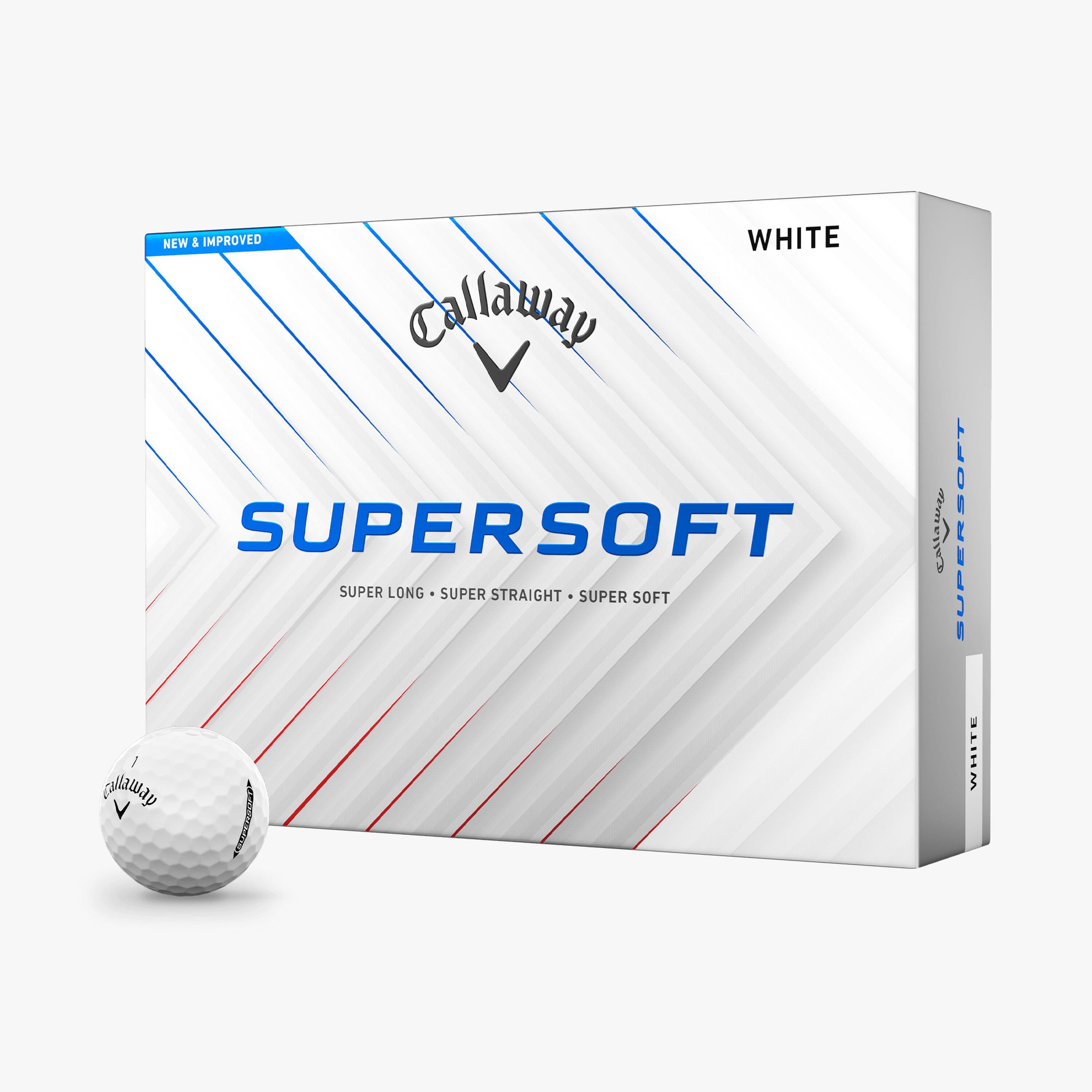
This is the real story of 2026: the gap between cheap and premium has collapsed. In that 62-ball test the Kirkland Signature — a three-piece urethane ball typically sold at around $25 a dozen through Costco — was one of only a couple of budget models to crack 6,000 rpm of short-game spin, putting it within touching distance of balls costing three times as much. For slower and moderate swings, soft options like the two-piece TrueFeel (~$30) and the ultra-low-compression Supersoft (around 38 compression) fly straight and feel lovely for a fraction of premium money. Commit to any one of them and your distances stay consistent round to round, which matters more to your scores than a fraction of a wedge-spin. We put the blunt version in stop buying premium balls.
What the difference is actually worth in shots
Let's make it concrete, because 'it depends' helps no one. For a tour-level striker, premium greenside spin is worth real strokes: the ability to spin a wedge back to a tucked pin, to stop a long iron on a firm green, to control trajectory in wind — across a round that's a handful of shots saved, which is why every professional plays urethane. For a mid-handicapper, the same ball might save half a shot around the greens while costing a fraction of one off the tee through extra sidespin, netting close to zero. For a higher handicapper who can't yet compress a wedge cleanly, the greenside benefit is essentially unreachable and the tee-shot penalty is real — a net loss. The honest framing isn't 'is premium better?' but 'can your swing convert the difference into shots?' For most amateurs the answer is no, and that's not an insult — it's just where their improvement money is better spent.
So should you spend up?
Buy premium if you carry a low-single-figure to mid handicap, flight your irons and routinely spin wedges — you'll use what you're paying for, and the consistency alone justifies it. Skip it if you lose more than a sleeve a round, swing slower, or can't yet stop a wedge on purpose: pick a value ball, commit to it, and spend the savings on lessons or a fitting. And ignore the rollback noise while you're at it — as we explain in will your golf ball be banned, it costs recreational golfers ~5 yards or less no sooner than 2030 and changes nothing about this decision. Test any ball the honest way — a sleeve chipped and putted back to back against your current one — and see our best premium golf balls and best value golf balls guides. If you'd rather start from a shortlist, our Golf Ball Finder turns your swing speed and misses into a recommendation in three questions.
Products mentioned in this article
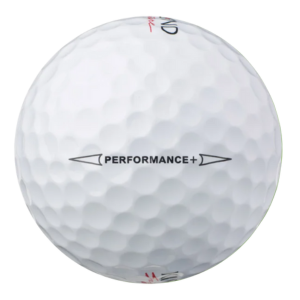
Kirkland Signature
Kirkland Signature Performance+ Golf Balls (Dozen)
Value standout — premium-level spin at a fraction of the price
ifrothgolf earns a commission on purchases made through these links, at no extra cost to you. It never changes what I recommend. Full disclosure.
Frequently asked
- Do all tour players use premium golf balls?
- Yes. Across the 49 current tour bags we track, all 49 play a premium urethane tour ball, with no exceptions, and Titleist accounts for 27 of them. That tells you the ball matters enormously at tour level, where players are fitted for it and can use the greenside spin. It does not follow that the same gap shows up in an average amateur's scoring.
- Do expensive golf balls go further?
- Barely. Robot testing shows the driver-distance gap between premium and value balls is now a yard or two. You pay the premium for greenside spin, feel and consistency, not distance.
- What actually makes a premium ball cost more?
- The cover and the construction. Premium balls use a soft cast-urethane cover over a multi-piece core, which grips wedge grooves for more greenside spin; value balls usually use a firmer ionomer (Surlyn) cover that spins less around the greens but flies straighter off the tee. You're paying for greenside bite and shot-to-shot consistency.
- Are premium balls worth it for a high handicapper?
- Usually not. The greenside spin needs speed and clean contact to show up, and the extra spin can worsen a slice off the tee. A committed value ball scores better for most higher handicaps.
- Is the Kirkland Signature ball as good as a Pro V1?
- Close, and far cheaper. In large robot tests the three-piece urethane Kirkland ranks among the highest-spinning balls in the field, cracking 6,000 rpm — rivalling balls costing twice as much — though the Pro V1 still edges it on consistency, greenside refinement and quality control.
- Does it matter if I switch ball models?
- Yes — different balls fly different distances, so switching round to round muddies your yardages. Committing to one ball is worth more to your scores than the ball's price.
Read next
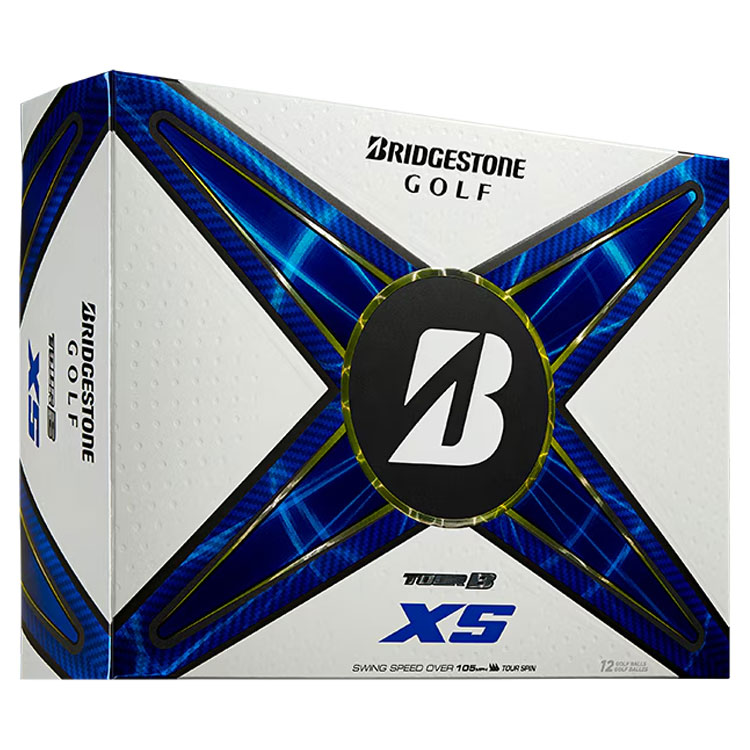
Review
8.3/10Bridgestone Tour B XS review: the soft-feel tour ball for fast swingers
A three-piece urethane tour ball built around Bridgestone's fastest staffers, at the soft, spinny end of the line. Who should play it over a Pro V1 or TP5?
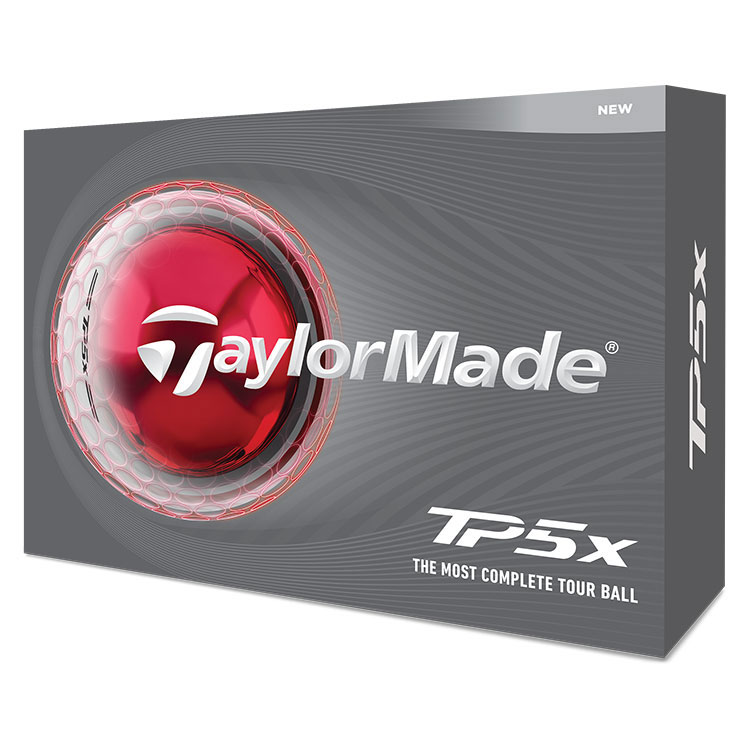
Review
8.4/10TaylorMade TP5x review: the faster, firmer sibling — and who it's really for
Same five-layer tour pedigree as the TP5, tuned for speed and a flatter flight. The question isn't whether it's good — it's whether you're the swing it was built for.
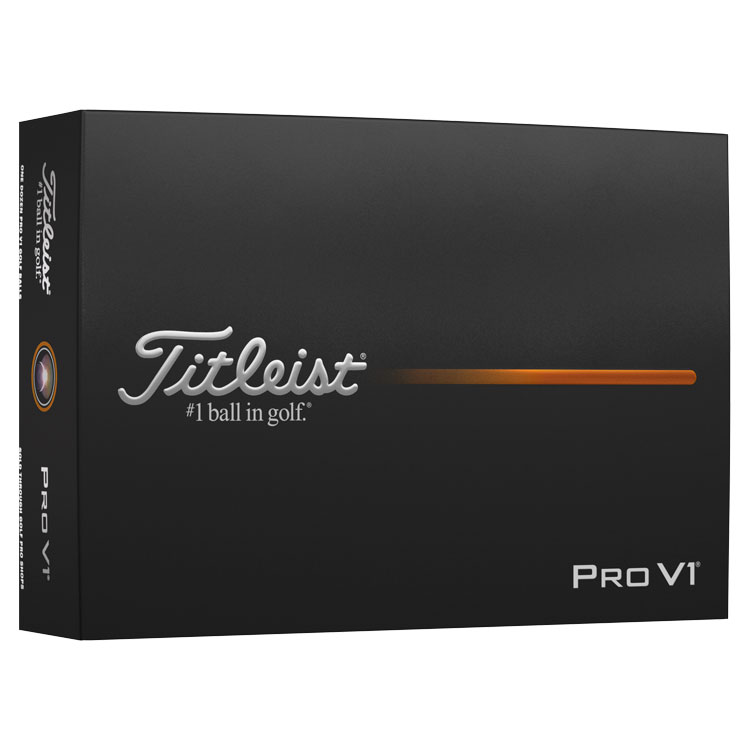
Versus
Titleist Pro V1 vs TaylorMade TP5: which tour ball actually fits your game?
The two balls tour players genuinely cross-shop, and the difference isn't distance — off the tee they're within a yard of each other. It's feel, flight and greenside spin, and most golfers pick on the badge instead. Here's how to choose on the thing that matters.