
Titleist Pro V1 vs TaylorMade TP5: which tour ball actually fits your game?
The two balls tour players genuinely cross-shop, and the difference isn't distance — off the tee they're within a yard of each other. It's feel, flight and greenside spin, and most golfers pick on the badge instead. Here's how to choose on the thing that matters.
By Ross Hamilton · Staff Writer
ifrothgolf earns a commission on purchases made through these links, at no extra cost to you. It never changes what I recommend. Full disclosure.
Side by side
| Specification | TitleistTitleist Pro V1 Golf Balls (Dozen) | TaylorMadeTaylorMade TP5 Golf Balls (Dozen) |
|---|---|---|
| Feel | soft feel | soft feel off every club; softest of TaylorMade's tour offerings |
| Spin profile | tour-level distance and spin; elite greenside spin and control | highest greenside and wedge spin in the TP5 family |
| Quantity | dozen | dozen |
| Sibling option | firmer, higher-spinning Pro V1x suits steeper, faster swings | firmer TP5x option for lower spin |
Specs as published by each manufacturer. Rows in grey are where the two match.
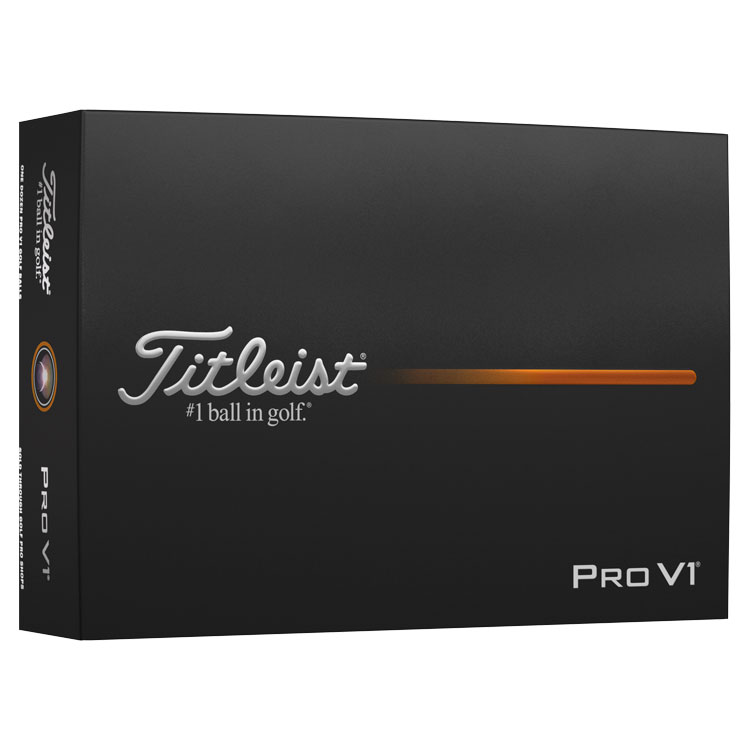
This is the closest fight in the premium ball aisle, so start with the honest verdict: you would play well with either. Choose the Titleist Pro V1 for a firmer feel, a lower and more penetrating flight, and the most consistent spin from club to club. Choose the TaylorMade TP5 for a softer feel, a higher launch through the bag and a touch more spin on irons and around the green. That's the whole decision — and it's a smaller one than the marketing war between these two brands would ever admit.
The distance question is already settled
Here's the part the ads won't lead with: off the driver, these two are effectively the same ball. Independent robot and launch-monitor testing keeps putting their carry and total distance within about a yard of each other, with launch angles a fraction apart. Both are low-spin off the tee, which is exactly what you want from a premium ball with a fast swing behind it. So if you're agonising over which one is "longer", stop — you're optimising a rounding error. The real differences live from the fairway in, which is also where you have far more shots to gain or lose.
Three pieces vs five, and why it shows up as feel
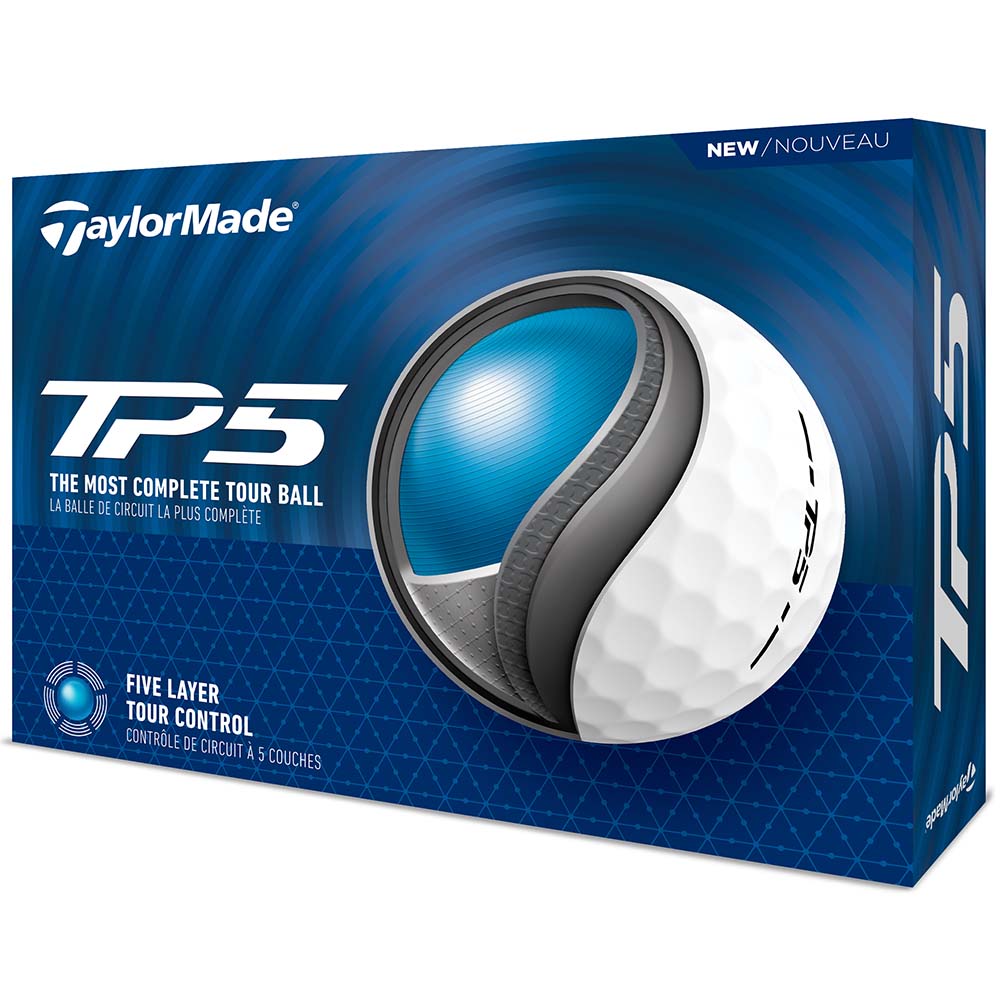
The construction genuinely differs. The Pro V1 is a three-piece ball built around a firmer, roughly 90-compression core; the TP5 is a five-layer ball with a softer, roughly 85-compression feel and a cover system tuned to add spin lower down the bag. You feel that difference most on and around the greens and off the putter face, where the Pro V1 reads firm and clicky and the TP5 reads softer and quieter. Neither is "better" here — this is pure preference, and it's the single biggest reason players stick with one for years. If you've never paid attention to how a ball feels on a five-footer, that's the test to run before you spend a penny.
Flight and spin: penetrating consistency vs high-launch bite
The Pro V1's signature is a lower, boring trajectory and remarkably even spin across every club — the ball does the same thing shot after shot, which is why so many better players trust it in wind. The TP5 launches higher and, in most testing, produces a little more iron and greenside spin, which suits players who want stopping power and a steeper, softer landing. So the fit is fairly clean: if you fight a ballooning flight or play links-style wind, the Pro V1's penetrating shape helps; if you struggle to hold greens and want the ball to sit down faster, the TP5's extra spin and height earn their keep. Spin-heavy players who already flight it low may find the Pro V1x or TP5x a better home, but between these two standard models, that's the split.
Who should play which
Play the Pro V1 if you value consistency above all, play in wind, prefer a firmer feel and want the ball that behaves identically every time — it's the benchmark for a reason, and at around $70 a dozen it's the safe, proven default. Play the TP5 if you want a softer feel, a higher flight and a bit more greenside grab, and you like the idea of a slightly keener price at around $60. Skip this decision entirely if you're a higher-handicap or slower-swing player losing several balls a round: neither of these is your best-value option, and you'll get most of the performance for half the money elsewhere — start with our best golf balls for beginners guide instead. But if you've got the game to notice the difference, buy a sleeve of each, play them on the same nine holes, and let your wedges and your putter cast the deciding vote. Everything else about these two is a coin toss.
Frequently asked
- Is the TaylorMade TP5 longer than the Titleist Pro V1?
- No meaningful difference. In independent robot and launch-monitor testing the two are consistently within about a yard of each other off the driver, with near-identical launch. Distance is not the reason to pick one over the other — feel, flight and greenside spin are.
- Which is softer, the Pro V1 or the TP5?
- The TP5 is the softer ball. It uses a five-layer construction with a lower compression (around 85) versus the firmer three-piece Pro V1 (around 90), so it feels softer off the face, around the greens and on the putter.
- Which ball spins more around the greens?
- Most testing gives the TP5 a slight edge on greenside and iron spin, along with a higher launch, while the Pro V1 delivers lower, more penetrating flight with exceptionally consistent spin from club to club. The gap is small; the flight preference is usually the deciding factor.
- Should a high-handicapper play a Pro V1 or TP5?
- Usually neither, at least not yet. Both are premium tour balls priced accordingly, and a higher-handicap or slower-swing player who loses several balls a round will get most of the performance from a cheaper three-piece urethane ball. Save the premium balls for when your scores justify the spend.
Read next
Review
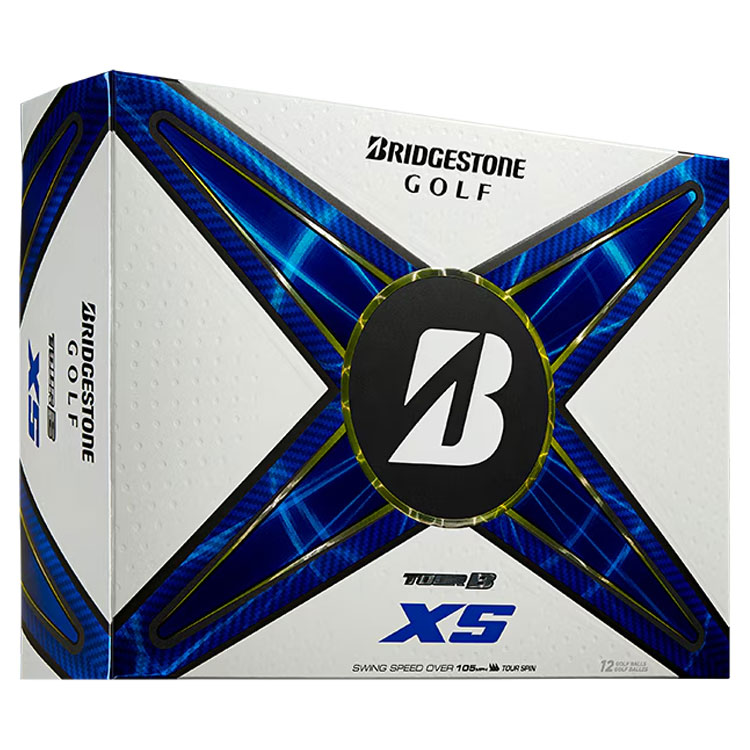
8.3/10Bridgestone Tour B XS review: the soft-feel tour ball for fast swingers
A three-piece urethane tour ball built around Bridgestone's fastest staffers, at the soft, spinny end of the line. Who should play it over a Pro V1 or TP5?
Review
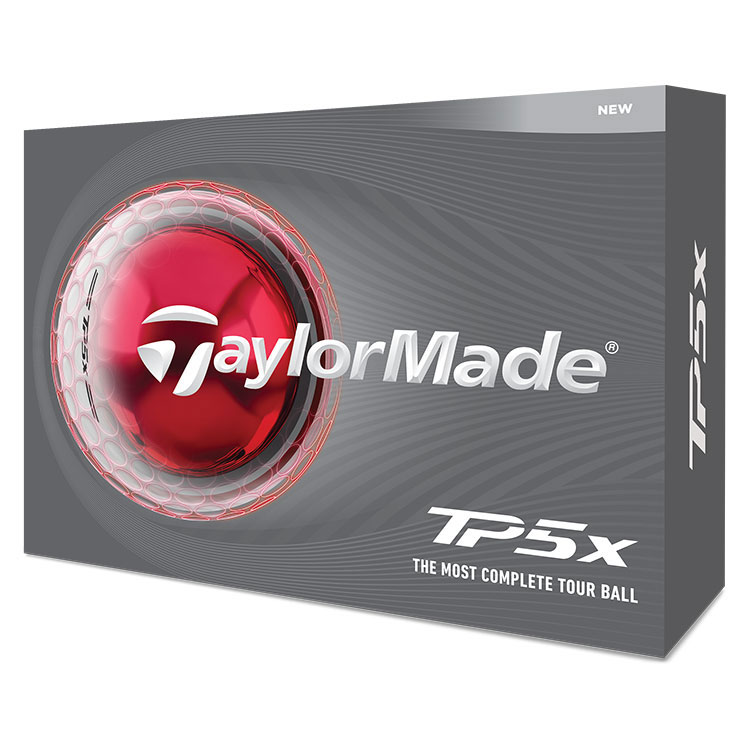
8.4/10TaylorMade TP5x review: the faster, firmer sibling — and who it's really for
Same five-layer tour pedigree as the TP5, tuned for speed and a flatter flight. The question isn't whether it's good — it's whether you're the swing it was built for.
Review
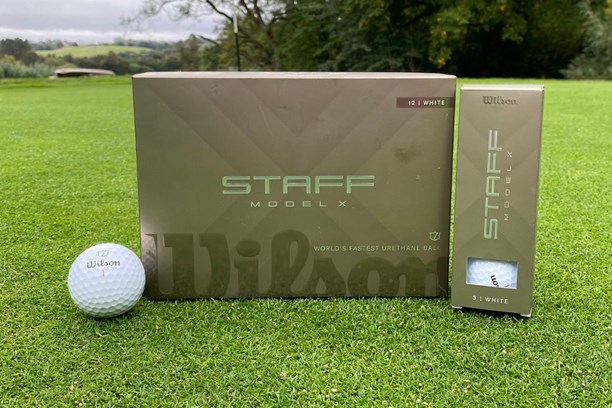
8.6/10Wilson Staff Model X review: America's oldest golf company makes the ball nobody plays
Wilson has been making golf equipment in Chicago since 1914 and claims more majors have been won with its irons than any other brand's — yet its tour ball is invisible next to the wall of Titleist. The Staff Model X won a major 2026 robot test outright, costs meaningfully less than the big premiums, and deserves far better than obscurity.